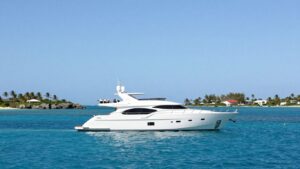
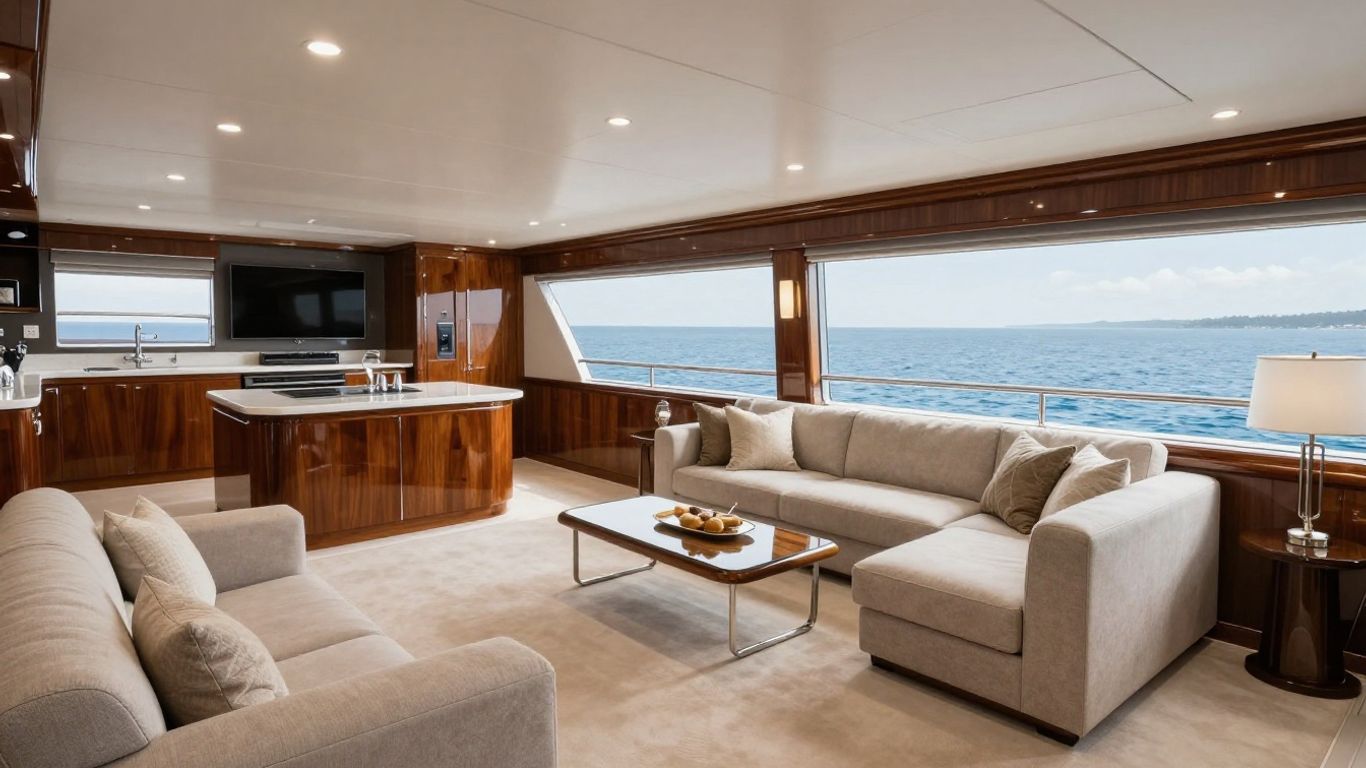
Thinking about getting a yacht? Or maybe just dreaming about one? Either way, the inside of these boats, the yachts floor plans, are super interesting. They range from cozy little cruisers to massive floating palaces. We’re going to take a look at some really cool yachts floor plans, showing how builders pack in luxury and space, no matter the size. It’s all about how they use the space to make life on the water amazing.
Key Takeaways
- Smaller yachts, like the Azimut Grande 26M and Wallywhy 150, are really good at making the most of their size with clever layouts and features that add volume.
- Big superyachts, think Lazzara UHV 87 and Princess X95, are all about having tons of room across multiple levels for living and entertaining.
- Some yachts, like the Arcadia 96 and Sunreef 100, focus on making sure there’s space for relaxing and having fun with friends and family, blending comfort with entertainment.
- When looking at yachts floor plans, pay attention to how the main living areas are set up, where the cabins are, and where the person driving the boat sits.
- Well-known boat builders like Azimut, Sunseeker, and Feadship have their own styles when it comes to designing the inside of their yachts, mixing Italian style or Dutch engineering with smart layouts.
Understanding Yachts Floor Plans: The Foundation of Onboard Living
Blueprints and Schematics: Decoding the Layout
When you’re looking at yachts, the floor plan is basically the map of the whole place. It’s not just a drawing; it shows you where everything is – the cabins, the kitchen, the living areas, even where the crew hangs out. Think of it like the blueprint for a house, but on the water. These plans are super important because they dictate how you’ll actually use the boat. A good plan makes life easy, letting you move around without bumping into things and making sure there’s enough space for everyone and everything.
- It’s all about how you’ll live on board.
- These drawings help designers and owners talk about what needs to go where.
- They show the arrangement of rooms, furniture, and even technical bits.
The internal layout of a yacht is a big deal. It shapes your whole experience, from having friends over to just enjoying a quiet moment. A well-thought-out plan makes a big difference in how much you enjoy your time at sea.
Zones and Flow: Social vs. Private Spaces
Yacht floor plans usually divide the boat into different zones. You’ve got the areas where everyone hangs out – the social spots like the main saloon or the deck areas. Then there are the private spaces, like your own cabin or the owner’s suite. The trick is making sure these zones work well together. You want guests to be able to socialize easily, but also have places to retreat to for some quiet time. Good flow means you can get from one area to another without feeling cramped or having to walk through private spaces to get somewhere else. It’s about creating a balance so everyone feels comfortable.
Balancing Functionality with Luxury
Designing a yacht floor plan is a constant balancing act. You need the boat to be practical – meaning there’s enough storage, the engine room is accessible, and the crew has a good place to work. But it also needs to feel luxurious. This means thinking about things like how much natural light comes in, the quality of the finishes, and making sure there’s enough space for comfort and entertainment. Sometimes, a really functional layout might not look as fancy, and a super luxurious setup might take up space that could be used for something practical. The best designs find a way to make both work, so the yacht is as enjoyable to live on as it is impressive to look at.
| Feature | Consideration |
|---|---|
| Guest Flow | Easy movement between social and private areas |
| Crew Access | Discreet pathways for service |
| Natural Light | Maximizing windows and open spaces |
| Storage | Ample space for supplies and personal items |
| Entertainment | Dedicated areas for dining, lounging, and fun |
Key Elements That Define Modern Yachts Floor Plans
Main Deck Saloon: Open Concepts Versus Sectioned Areas
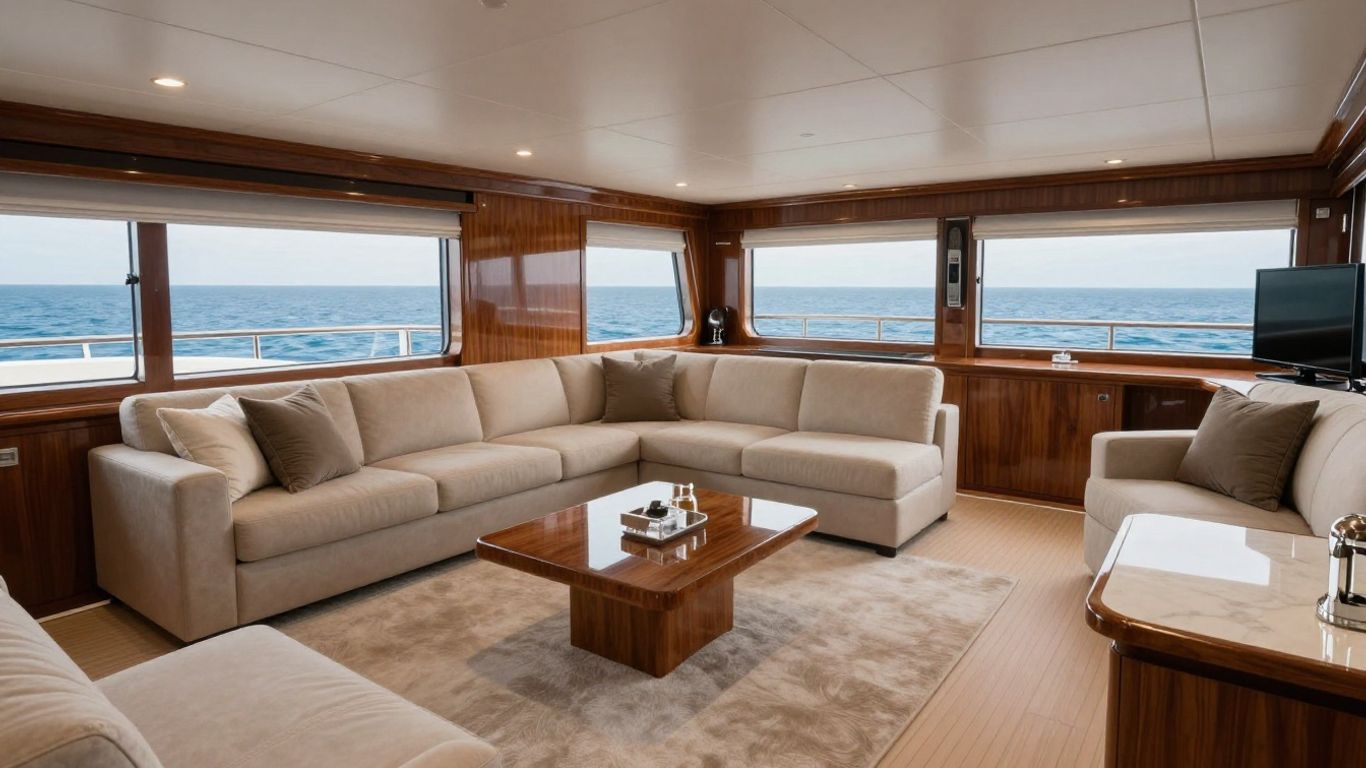
The main deck saloon is often the heart of a yacht’s social life. Builders today play with two main ideas here: the super open-plan concept and the more traditional, sectioned-off approach. Open layouts, with fewer walls, make the space feel huge and connected, perfect for big parties where everyone can mingle. Think of it like one giant living room that flows right out to the deck. On the other hand, sectioned areas offer more defined zones. You might have a distinct dining area, a lounge space, and maybe a quieter spot for reading. This can feel more intimate and organized, especially if you like having separate areas for different activities. It really comes down to how you plan to use the space – are you hosting big events, or do you prefer a more structured, multi-purpose area?
Lower Deck Cabins: Ensuites and Full-Beam Suites
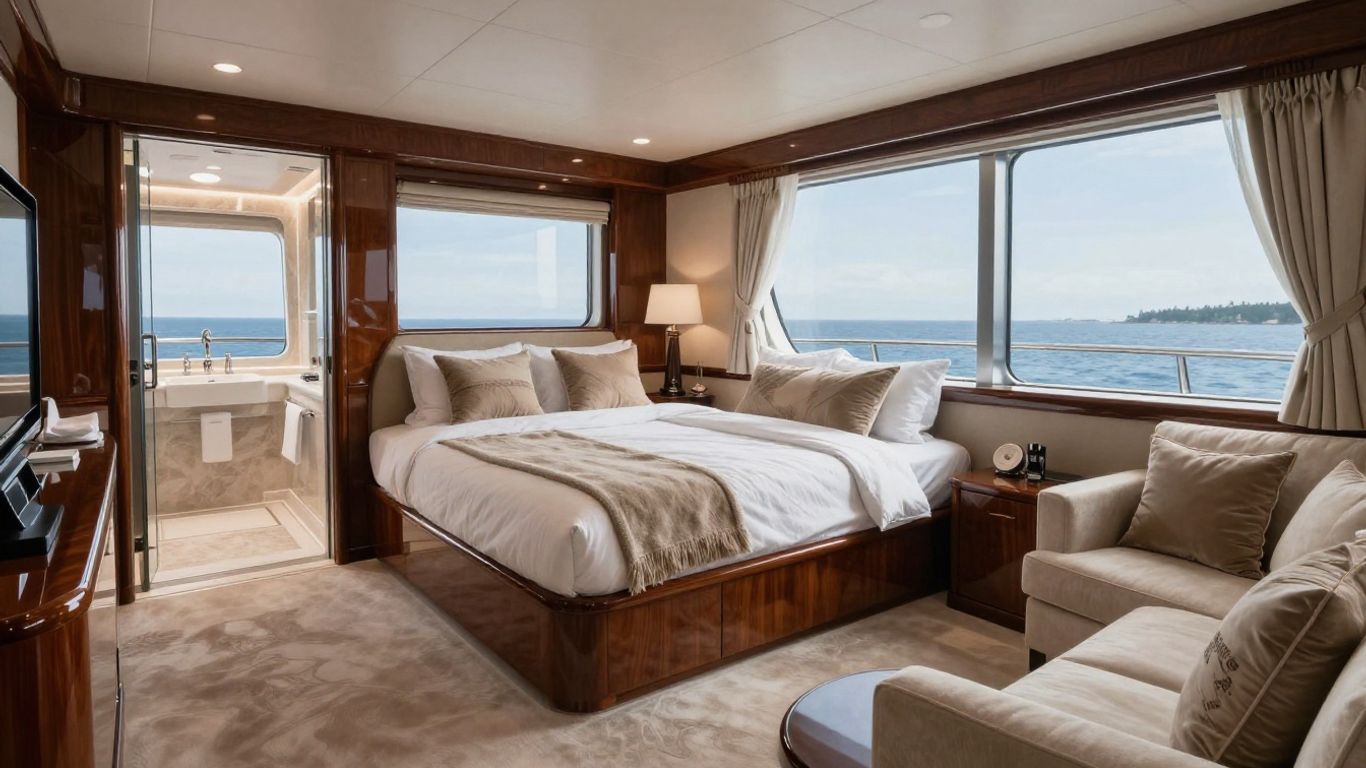
The lower deck is usually where you find the private accommodations, and the layout here makes a big difference in comfort and privacy. Most modern yachts feature ensuite bathrooms for every cabin, meaning each guest room has its own private head. This is pretty standard now for anything beyond a basic cruiser. The real luxury comes with full-beam master suites. Instead of being tucked away in a narrow space at the front or back, these suites stretch across the entire width of the yacht. This creates a massive bedroom area, often with separate dressing rooms and incredibly spacious bathrooms. It’s like having a private apartment on board.
Helm Station Placement: Creating Optimal Vessel Flow
Where the captain steers the ship, the helm station, is a surprisingly big deal for the overall layout. You’ll often see it up on an upper deck, sometimes in an enclosed flybridge. This gives the captain a great view and keeps the main deck clear for guests. Having the helm up high also means you can often walk straight from the main deck to the front of the boat, which is a nice touch. Some designs put the helm further forward on the main deck, though. This can make the captain feel more connected to the guests in that area, but it does take up space that could have been used for seating or a dining table. It’s a trade-off between visibility, guest interaction, and how much usable space you have.
The way a yacht is laid out isn’t just about fitting in rooms; it’s about how people will actually live and feel on board. The best designs manage to balance being practical with feeling luxurious and comfortable, making every spot on the boat feel like it has a purpose and is welcoming.
Compact Cruisers: Creative Yachts Floor Plans in Smaller Spaces
You don’t need a giant yacht to have a fantastic time on the water. Seriously, some of the smaller boats out there are absolute masters at making every single inch count. It’s all about smart design and figuring out how to fit in all the good stuff without making it feel cramped. These compact cruisers show that you can have comfort, style, and plenty of room for fun, even when you’re not dealing with a massive vessel.
Maximizing Space on Azimut Grande 26M
The Azimut Grande 26M is a great example of this. It’s not a tiny boat, but it’s definitely on the more manageable side compared to the mega-yachts. What they’ve done here is really clever. They’ve focused on creating open-plan living areas that flow nicely from one space to another. Think about the main deck – it feels much bigger than you’d expect, with big windows letting in tons of natural light. This makes the whole interior feel airy and spacious. They also use multi-functional furniture, so a dining area can easily become a lounge space, or a desk can fold away when not needed. It’s about making the boat work for you, whatever you’re doing.
Multi-Function Solutions in Wallywhy 150
Now, the Wallywhy 150 takes this multi-function idea to another level. This boat is designed for people who want flexibility. The main saloon, for instance, is a huge open space that can be used for lounging, dining, or even as a sort of indoor-outdoor party zone, thanks to its large glass doors that open up to the aft deck. They’ve also put a lot of thought into the cabins. Instead of just having fixed beds everywhere, some layouts allow for areas to be reconfigured. Maybe a guest cabin can be opened up to become part of a larger suite, or a seating area can convert into sleeping quarters. It’s like having a boat that can change its shape a little depending on your needs for the day.
Design Tricks to Enhance Perceived Volume
Beyond specific models, there are general tricks designers use to make smaller spaces feel bigger. It’s pretty neat stuff, actually.
- Light Colors: Using lighter wood finishes, pale upholstery, and white or cream accents makes a huge difference. Dark colors tend to absorb light and make a room feel smaller.
- Mirrors and Reflective Surfaces: Strategic placement of mirrors can visually double the space and bounce light around. Think about a mirrored panel in the saloon or polished metal finishes.
- Vertical Lines: Designing elements that draw the eye upwards, like tall cabinetry or floor-to-ceiling curtains, can make the ceiling feel higher.
- Integrated Storage: Instead of bulky furniture, designers build storage right into the walls, under seats, and even into the steps. This keeps clutter hidden and maintains clean lines.
When you’re looking at yachts under, say, 80 feet, the goal isn’t just to fit things in; it’s to make the space feel generous and comfortable. It’s about creating an atmosphere where you forget you’re on a boat of a certain size and just enjoy the experience. Clever layouts and smart use of materials are key to achieving this illusion of grandeur.
Superyacht Layouts: Spacious Luxury on the Water
Lazzara UHV 87 and the Rise of Ultra High Volume
When you step up to the superyacht level, the game changes. It’s less about just getting around and more about living large on the water. The Lazzara UHV 87 really shows this. Its name, Ultra High Volume, tells you everything. This 87-foot yacht somehow fits in over 2,100 square feet of living space. It might look a bit different with its tall hull, but the payoff is huge. Think about a sky lounge with windows that go all the way down to the floor, or a main salon that feels more like a ballroom. It’s built for hosting big parties and taking off on long trips, even across the ocean.
Princess X95: Multi-Deck Living and Social Zones
The Princess X95 is another example of pushing boundaries. Its design is definitely unique, and some people love it, others not so much. But inside, it’s incredibly roomy for its size – they say it’s about 40% bigger than similar yachts. The flybridge alone stretches almost the whole length of the boat, giving you tons of outdoor space for hanging out and eating. Inside, it can sleep up to 10 guests in five cabins, with living areas that feel like a nice apartment. It’s all about comfort and making the most of the space, so it feels way bigger than 95 feet.
Dedicated Crew Paths for Seamless Service
On any large yacht, the crew’s ability to move around unseen and efficiently is key to a smooth guest experience. Well-planned layouts include separate corridors and access points for the crew, ensuring that service is discreet and that guests can enjoy their privacy without interruption. This thoughtful separation is a hallmark of high-end yacht design.
These massive vessels often feature:
- Full-beam master suites: These are usually on the main deck, giving owners the most space and privacy.
- Big deck areas: Think huge flybridges, comfy spots at the front, and aft cockpits perfect for gathering.
- Flexible guest rooms: Plenty of cabins with their own bathrooms for friends and family.
- Special spots for fun: Places for formal meals, casual bars, or even movie rooms.
Luxury Features that Elevate Yachts Floor Plans
Beyond the basic layout, it’s the special touches that really make a yacht feel like a floating home. Think about how you want to spend your time on board – is it all about relaxing, entertaining, or maybe a bit of both? The floor plan plays a big part in making those desires a reality.
Full-Beam Master Suites for Ultimate Comfort
These are a game-changer for owner comfort. Instead of a cabin tucked away, a full-beam master suite stretches across the entire width of the yacht. This means way more space, often with separate areas for sleeping, lounging, and even a walk-in closet. It feels less like a cabin and more like a private apartment on the water. The added width also allows for bigger windows, bringing in more natural light and those amazing sea views.
Wellness and Entertainment Spaces: Gyms, Spas, and Beach Clubs
Modern yachts are increasingly designed with well-being and fun in mind. You’ll find dedicated spaces for fitness, like compact gyms with the latest equipment, or even serene areas for yoga. Some yachts go further, incorporating spa-like bathrooms with saunas or steam rooms. And then there are the beach clubs – these are fantastic areas, usually at the stern, that open right up to the water. They often include lounging areas, bars, and easy access for swimming or water sports, blurring the lines between the yacht and the ocean.
Smart Integration of Indoor-Outdoor Living
This is a huge trend, and for good reason. Designers are finding clever ways to connect the inside of the yacht with the outside. Think large sliding doors that disappear into the walls, opening up the saloon to the aft deck. Or balconies that extend from guest cabins. It’s all about making the most of the views and the fresh air, making the yacht feel much larger and more open. It creates a flow that’s really pleasant when you’re cruising or at anchor.
The best yacht floor plans don’t just fit rooms; they create experiences. They think about how light moves through a space, how guests will interact, and how the sea becomes part of the interior design itself.
The Influence of Renowned Builders on Yachts Floor Plans
When you start looking at yachts, you quickly realize that certain builders have a signature style, a way they approach space and luxury that sets them apart. It’s not just about the brand name; it’s about the philosophy behind their designs. Let’s take a peek at a few of the big names and what makes their floor plans so distinctive.
Italian Prestige: Azimut and Sanlorenzo Innovations
Italian builders are often associated with a certain passion and flair, and Azimut and Sanlorenzo definitely embody that. Azimut, for instance, is a go-to for many in the smaller luxury yacht and mid-range market. They’re really good at making the most of the space they have, creating layouts that feel both stylish and practical. You’ll often find clever use of natural light and open-plan areas that just flow.
Sanlorenzo, on the other hand, is known for its really refined Italian styling. They focus on bespoke yachts, meaning each one can be quite unique. Their floor plans often feature high-end interiors and distinctive exterior shapes. It’s like they take a classic idea and give it a modern, sophisticated twist. They really know how to blend tradition with contemporary tastes, making sure the interiors feel both luxurious and comfortable for extended stays.
Sunseeker’s Main Deck Lounges and Panoramic Windows
Sunseeker has made a name for itself by really focusing on how people use the main deck. They often incorporate wide-beam designs that create expansive, open-plan saloons. Think floor-to-ceiling windows that really bring the outside in, making the whole space feel much larger and brighter. This approach is great for entertaining, giving guests plenty of room to mingle and enjoy the views without feeling cramped. It’s a design philosophy that prioritizes social interaction and a connection with the sea.
Feadship’s Custom-Built Approaches
When you think of Dutch yacht building, Feadship immediately comes to mind. They are masters of fully custom superyachts. Their approach is all about cutting-edge engineering combined with timeless design. With Feadship, the floor plans are less about following trends and more about creating perfectly balanced, functional spaces that are built to last. They have a reputation for incredible build quality and attention to detail, which you can see in how every cabin, saloon, and deck area is laid out. It’s about creating a harmonious environment that works for the owner and guests, no matter the size of the vessel.
The way a builder approaches space, light, and flow is what truly defines their signature. It’s about more than just putting rooms on a blueprint; it’s about crafting an experience.
Here’s a look at how some builders approach different areas:
- Main Deck Saloon: Open concepts are popular, but some builders offer sectioned areas for more intimate settings.
- Guest Cabins: Focus on ensuite bathrooms and maximizing natural light.
- Crew Areas: Efficient layouts are key for service and comfort.
These builders don’t just build boats; they create floating homes, and their unique design philosophies are evident in every layout.
Selecting the Ideal Yachts Floor Plan for Your Lifestyle
So, you’re thinking about getting a yacht, or maybe you’re already deep into the planning stages for a new build. It’s exciting stuff, right? But before you get lost in the glossy brochures and endless customization options, let’s talk about something really important: the floor plan. This is basically the blueprint for how you’ll actually live on your boat. It shapes everything from how you entertain guests to how much space the crew has to do their jobs.
Evaluating Intended Use: Charter, Family, or Private Retreat
Think about what you’ll really be doing on this yacht. Is it mostly for weekend getaways with the family? Or are you planning on hosting big parties and chartering it out to friends or clients? These questions make a huge difference in how the space should be laid out.
- Family Focus: If it’s all about the kids and grandkids, you’ll want plenty of comfortable, safe spaces for them. Think about easy access to the water, maybe a dedicated play area, and cabins that can accommodate younger guests. Lots of natural light and open areas for everyone to gather are usually a good bet.
- Entertaining & Charter: For hosting, you need generous social areas. A big, open main saloon, ample deck space for mingling, and perhaps a separate dining area are key. For charter, you also need to consider guest privacy and flow – making sure people can move around easily without feeling crowded.
- Private Sanctuary: If this is your personal escape, you might prioritize a luxurious master suite, quiet nooks for reading, and perhaps a well-equipped galley for your private chef. The focus here is on comfort, relaxation, and personal enjoyment.
Storage, Technical, and Crew Areas in Long-Term Cruising
This is where things can get a bit less glamorous but are absolutely vital, especially if you plan on doing some serious cruising. Don’t overlook these areas!
- Storage: Yachts need a surprising amount of storage. Think about where you’ll put water toys, spare parts, provisions for longer trips, and all your personal gear. Well-planned storage solutions mean less clutter and a more enjoyable experience.
- Technical Spaces: Access to engines, generators, water makers, and other systems is critical for maintenance and repairs. Good access means quicker fixes and less downtime, which is a big deal when you’re far from a marina.
- Crew Quarters: If you have a captain and crew, their living space is just as important as yours. Comfortable, well-appointed crew areas contribute to a happy and efficient team. Think about their mess area, cabins, and how they access different parts of the yacht without disturbing guests.
The layout of a yacht isn’t just about aesthetics; it’s about how the vessel functions day-to-day. A smart design considers the needs of everyone on board, from the owner and guests to the crew, and ensures that every space serves a purpose, whether it’s for relaxation, work, or play.
Future-Proofing: Flexibility for Refits and Upgrades
Yachts, like houses, can benefit from a bit of foresight. What looks perfect today might need a tweak in five or ten years. Thinking about flexibility now can save you a lot of headaches and expense down the line.
- Modular Design: Some builders are incorporating more modular elements, allowing certain areas to be reconfigured later. This could mean a cabin that can be split into two, or a lounge area that can be adapted for different uses.
- Access for Upgrades: Consider how easy it will be to run new wiring for updated electronics or plumbing for new systems. Designing with future upgrades in mind makes the process much smoother.
- Resale Value: A well-thought-out, flexible layout can also be a selling point if you ever decide to sell. Buyers appreciate a yacht that can adapt to their own needs.
Ultimately, the best yacht floor plan is the one that fits your life on the water. It’s a personal choice that blends practicality with your dreams of life at sea.
Wrapping Up Your Yacht Design Journey
So, we’ve taken a pretty good look at how yacht floor plans work, from the little details that make a small boat feel big to the massive layouts on superyachts. It’s clear that how a yacht is laid out really matters, whether you’re planning to host big parties or just want a quiet place to relax on the water. Builders are always coming up with new ideas to make the most of the space, blending comfort with cool features. Whether you’re buying, building, or just dreaming, understanding these layouts is the first step to finding or creating your perfect floating home. It’s all about making sure the boat fits how you want to live your life at sea.
Frequently Asked Questions
What is a yacht floor plan?
A yacht floor plan is like a map of the inside of a boat. It shows where all the rooms are, like bedrooms, living rooms, the kitchen, and where the crew sleeps. It helps you see how everything is arranged on different levels of the boat.
Why are some yacht layouts 'open' while others are more divided?
Open layouts make the boat feel bigger and are great for parties because everyone can move around easily. Divided layouts offer more privacy and can create different moods for different activities, like a quiet dining area separate from a cozy lounge.
What does 'full-beam' mean for a cabin?
When a cabin is ‘full-beam,’ it means it stretches across the entire widest part of the yacht. This makes the cabin much bigger and more luxurious, like having a really spacious master bedroom.
How do smaller yachts still feel spacious?
Smaller yachts use smart design tricks! They might have furniture that folds away, rooms that serve more than one purpose, or layouts that bring the outside in with big windows. It’s all about making the most of every single inch.
What's the difference between the main deck and the lower deck on a yacht?
The main deck is usually where most of the social activities happen, like the main living room and sometimes the master bedroom. The lower deck is often where you find guest cabins, crew quarters, and sometimes fun areas like a beach club.
Why is the placement of the helm station important?
Where the person driving the boat sits, called the helm station, affects how people move around the yacht. Putting it on an upper deck keeps the main living areas more open for guests. Sometimes, placing it on the main deck can make the captain feel more connected to the guests.