
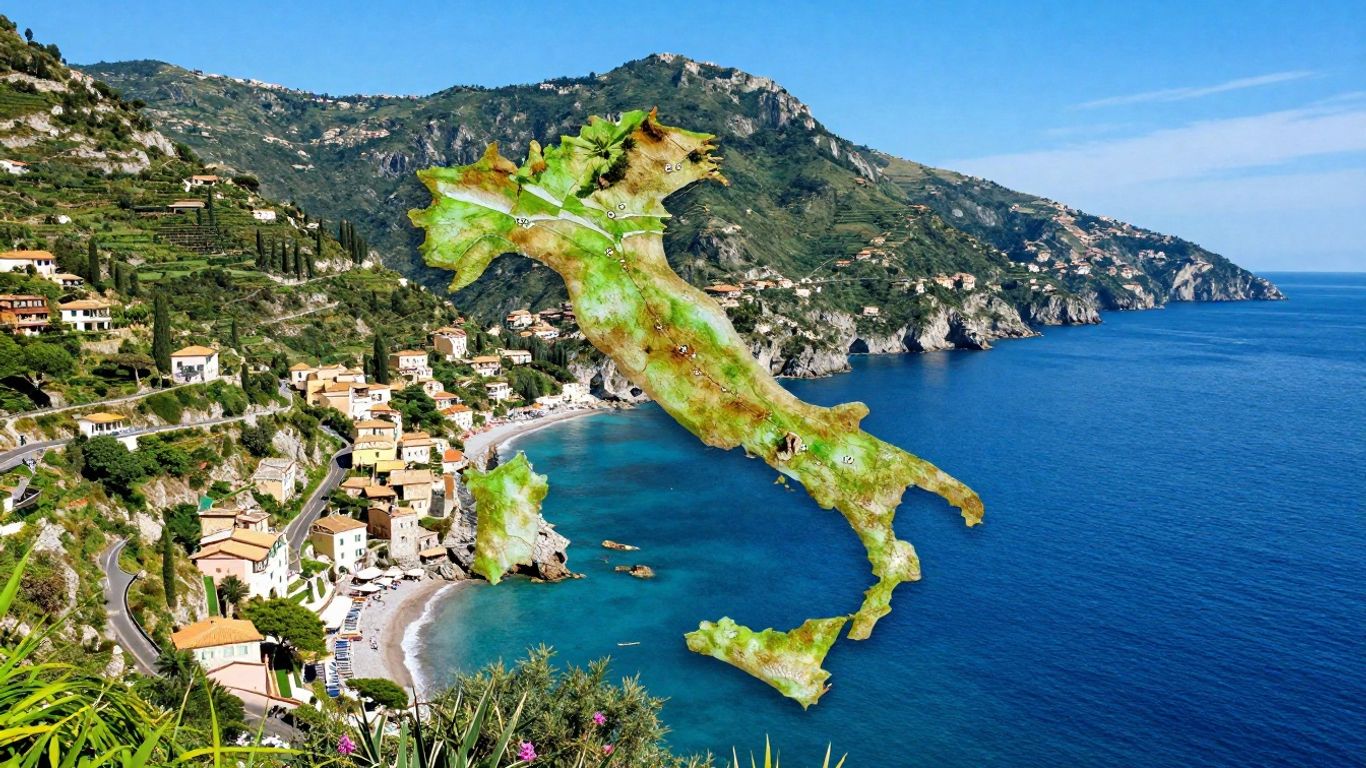
Planning a trip along Italy’s western shoreline for 2026? It’s a pretty amazing stretch of coast, full of history, great food, and stunning views. To make sure you don’t miss out on anything, having a good italian west coast map is super helpful. This guide is here to give you the lowdown on what to expect, from the northern vibes of Liguria all the way down to the sunny shores of Campania. We’ll break down the main areas, give you some pointers on getting around, and even touch on where to eat and sleep. Think of this as your cheat sheet to a fantastic Italian adventure.
Key Takeaways
- The Italian west coast offers a diverse range of experiences, from the charming Riviera of Liguria to the historic shores of Tuscany and the vibrant landscapes of Campania.
- Major cities like Genoa, Pisa, Rome, and Naples serve as excellent starting points or hubs for exploring the surrounding coastal areas.
- Understanding the local geography, climate, and transportation options, including roads and trains, is vital for a smooth trip.
- Booking accommodations and planning your itinerary in advance, especially for 2026, can help secure better deals and ensure availability.
- An italian west coast map is an indispensable tool for identifying scenic routes, discovering local spots, and appreciating the unique character of each region.
Exploring the Italian West Coast: A Comprehensive Map Guide
Alright, let’s get you oriented for your 2026 Italian West Coast adventure. This stretch of coastline, from the northern reaches of Liguria down through Tuscany and into Lazio and Campania, is seriously stunning. Think dramatic cliffs, charming fishing villages, and stretches of sandy beach. It’s a diverse area, and having a good map is going to be your best friend.
Navigating Liguria's Riviera Charm
Liguria is home to the famous Italian Riviera, and it’s a real gem. You’ve got the bustling port city of Genoa, but the real magic often lies in the smaller towns clinging to the cliffs. Places like Portofino and the Cinque Terre villages (Monterosso, Vernazza, Corniglia, Manarola, and Riomaggiore) are iconic. Getting between them can involve trains, ferries, or even hiking trails. The coastline here is rugged, so expect winding roads and steep paths.
- Genoa: A historic port city, great for a starting point.
- Cinque Terre: Five picturesque villages, each with its own vibe.
- Portofino: Known for its upscale harbor and beautiful surroundings.
Liguria’s coastline is a mix of rocky coves and small sandy stretches, often framed by colorful buildings stacked on hillsides. It’s a place where the mountains meet the sea in a spectacular fashion.
Discovering Tuscany's Coastal Treasures
Moving south, Tuscany offers a different coastal experience. While it’s famous for its rolling hills and vineyards inland, its coast has its own appeal. You’ll find sandy beaches, pine forests, and islands like Elba. Pisa, with its famous leaning tower, is a gateway to this region. The Tuscan Archipelago offers some beautiful spots for a day trip or a longer stay.
- Pisa: Famous for its tower, but also a good base for exploring the coast.
- Viareggio: A lively seaside resort town.
- Elba: The largest island in the Tuscan Archipelago, offering beaches and history.
Mapping the Shores of Lazio and Campania
Further south, Lazio and Campania bring you closer to some of Italy’s most famous sights. Rome, though inland, has coastal areas like Ostia. Further down, the Amalfi Coast in Campania is world-renowned. This is where you’ll find dramatic cliffside towns like Positano and Amalfi, plus the islands of Capri and Ischia. The landscape here is truly breathtaking, with steep drops to the turquoise sea. It’s a region that demands careful planning, especially if you’re visiting during peak season. You can find some truly beautiful Italian coastal towns here.
- Rome’s Coast: Areas like Ostia Antica offer historical sites near the sea.
- Naples: A vibrant city with a stunning bay, gateway to the Amalfi Coast.
- Amalfi Coast: Iconic towns like Positano, Amalfi, and Ravello perched on cliffs.
- Capri & Ischia: Popular islands accessible by ferry.
Key Destinations on the Italian West Coast Map
When you’re looking at a map of Italy’s west coast, a few spots really stand out. These are the places that draw people in, offering a mix of history, stunning views, and that unmistakable Italian vibe. Let’s break down some of the must-see areas.
Genoa and the Italian Riviera
Genoa, a historic port city, is your gateway to the famous Italian Riviera. Think colorful villages clinging to cliffs, sparkling blue water, and the scent of lemons in the air. East of Genoa is where you’ll find the real gems, like the charming fishing villages that dot the coastline. It’s a place where you can wander through narrow streets, enjoy fresh seafood, and just soak up the Mediterranean sun. The Riviera is all about that picturesque, postcard-perfect Italian coastal life.
Pisa and the Tuscan Archipelago
While Pisa is known worldwide for its leaning tower, the region offers more than just that one iconic landmark. The Tuscan coast itself has a different feel, with sandy beaches and a more relaxed atmosphere compared to the dramatic cliffs of Liguria. If you have time, exploring the islands of the Tuscan Archipelago can be a real treat, offering beautiful natural parks and quiet coves.
Rome's Coastal Proximity
Rome, the Eternal City, isn’t directly on the coast, but its proximity to the Tyrrhenian Sea is a big plus. You can easily take a day trip to coastal towns like Ostia Antica, with its well-preserved Roman ruins, or head further south to discover beaches and seaside resorts. It means you can combine world-class historical sightseeing with a refreshing dip in the sea.
Naples and the Amalfi Coast
This is arguably one of the most famous stretches of coastline in the world. Naples itself is a vibrant, bustling city with a rich history and incredible food. From there, the Amalfi Coast unfolds with its dramatic cliffs, winding roads, and impossibly beautiful towns like Positano and Amalfi. It’s a place of stunning natural beauty, charming villages, and a lively atmosphere.
Here’s a quick look at what makes these areas special:
- Genoa & Riviera: Historic port, colorful cliffside villages, seafood.
- Pisa & Tuscany: Iconic tower, sandy beaches, island hopping potential.
- Rome: Easy access to ancient ruins by the sea, city break combined with coast.
- Naples & Amalfi: Dramatic scenery, famous towns, vibrant city life, amazing food.
Planning your route around these key spots will give you a fantastic overview of what Italy’s west coast has to offer, from bustling cities to serene seaside escapes. Each area has its own unique character, so mixing and matching is definitely the way to go.
Understanding the Italian West Coast Landscape
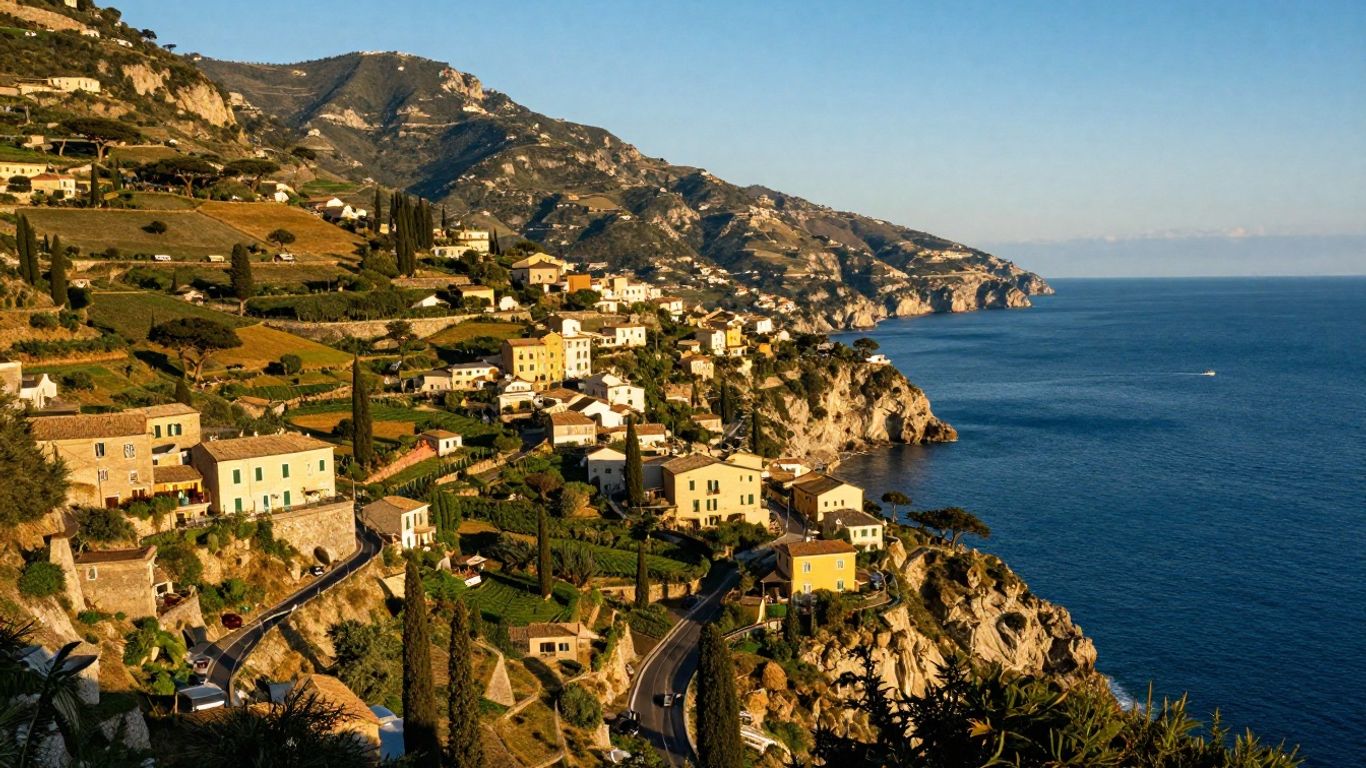
When you’re planning a trip along Italy’s western edge, it’s super helpful to get a feel for what the land is actually like. It’s not all just beaches, you know? This part of Italy has a really varied geography, which makes traveling here so interesting. From the rugged cliffs of Liguria to the rolling hills of Tuscany that meet the sea, and then down to the dramatic coastlines of Campania, there’s a lot to take in. Italy boasts a diverse geography, characterized by its extensive coastline and varied landscapes within a compact area. This means you can go from mountain views to seaside vistas pretty quickly.
Coastal Geography and Terrain
The western coast is a mix of environments. Liguria, for instance, is known for its dramatic, steep coastline, especially along the Italian Riviera. Think charming fishing villages clinging to cliffsides. Tuscany offers a gentler transition, with sandy stretches and the unique landscapes of its coastal parks, plus islands like Elba. Further south, the coast becomes more dramatic again, particularly in areas like the Amalfi Coast, where mountains plunge directly into the Tyrrhenian Sea. It’s a place where you’ll find both sandy beaches and rocky coves.
Here’s a quick look at what you might encounter:
- Liguria: Steep cliffs, small coves, and picturesque harbors.
- Tuscany: Sandy beaches, pine forests, and the Tuscan Archipelago.
- Lazio: A mix of sandy shores and some more rugged areas, including islands.
- Campania: Famous for its dramatic cliffs, volcanic landscapes (hello, Vesuvius!), and stunning bays.
Climate and Best Times to Visit
Generally, the west coast enjoys a Mediterranean climate. Summers are warm and dry, perfect for beach days, but can get quite hot, especially in July and August. Spring (April-June) and autumn (September-October) are often the sweet spots. The weather is usually pleasant, the crowds are thinner, and the temperatures are ideal for exploring without overheating. Winter is mild but can be rainy, and some smaller coastal towns might feel a bit sleepy.
| Month | Avg. High Temp (°C / °F) | Avg. Rainfall (mm) | Notes |
|---|---|---|---|
| April | 19°C / 66°F | 60 mm | Pleasant, blooming flowers |
| June | 26°C / 79°F | 30 mm | Warm, good for early beach visits |
| September | 25°C / 77°F | 50 mm | Ideal for swimming and sightseeing |
| November | 15°C / 59°F | 100 mm | Cooler, potential for rain |
Navigating Roadways and Rail
Getting around is part of the adventure. The main coastal highway, the Autostrada A12, runs along much of the Ligurian coast, connecting Genoa and beyond. Tuscany has a good network of state roads (Strade Statali) and the A12/A11 motorways. Further south, the A3 (now A2) is the main artery through Campania. Driving can be scenic but also challenging, especially on narrow, winding coastal roads where patience is key. Parking can be a real headache in popular spots. Trains are a fantastic alternative. Italy’s rail system is pretty extensive, connecting major cities and many coastal towns. You can often get from one place to another without needing a car, which is great for avoiding traffic and parking woes. Check out Trenitalia for schedules and tickets.
The interplay between the mountains and the sea shapes everything here, from the types of villages you’ll find to the local produce and the way people live. It’s a landscape that has been shaped by both nature and centuries of human settlement, creating a unique cultural tapestry along the coast.
Planning Your Italian West Coast Journey
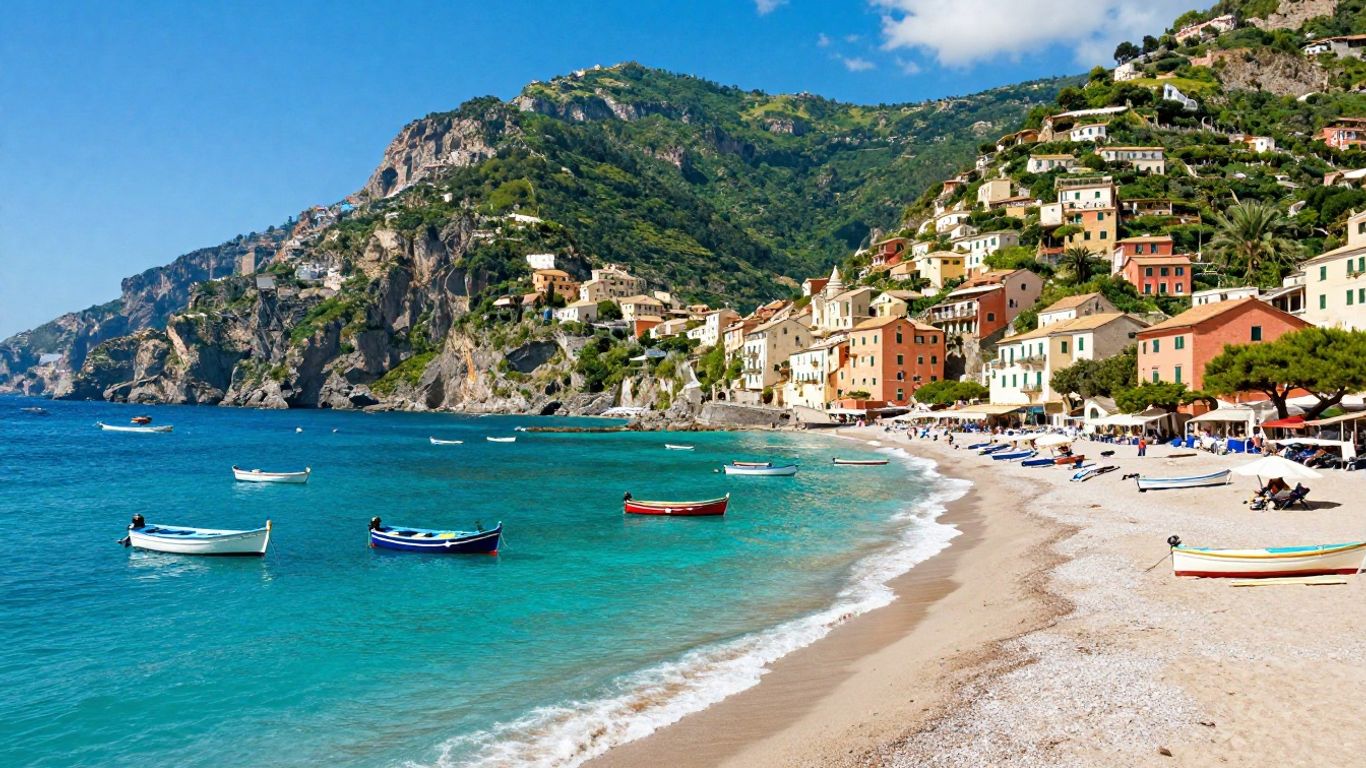
Getting ready for a trip along Italy’s west coast is half the fun, right? It’s all about figuring out the best way to see what you want without getting too stressed. Think of this section as your friendly nudge to get organized, so you can actually relax when you get there.
Essential Travel Tips for 2026
First off, when should you actually go? Summer, especially August, is peak season. That means crowds and higher prices, but also lively towns and beach weather. If you prefer fewer people and maybe a bit of a chill in the air, consider the shoulder seasons: April to May or September to October. The weather is usually pleasant, and you might snag better deals. Winter can be quiet, but some places might feel a bit shut down, and the weather is less predictable.
- Book accommodations and popular tours well in advance, especially if you’re traveling during peak times. This is especially true for places like the Amalfi Coast or Cinque Terre.
- Learn a few basic Italian phrases. While many people in tourist areas speak English, knowing "Buongiorno" (Good morning), "Grazie" (Thank you), and "Scusi" (Excuse me) goes a long way.
- Pack light but smart. Comfortable walking shoes are a must. Layers are your friend, as the weather can change.
- Stay hydrated. Carry a reusable water bottle; Italy has many public fountains where you can refill it for free.
Remember that Italy is a country with strong regional differences. What’s common in Liguria might be different in Campania. Embracing these variations is part of the adventure.
Accommodation and Booking Strategies
When it comes to where you’ll stay, Italy offers everything from grand hotels to cozy B&Bs and vacation rentals. For a more local feel, consider agriturismos (farm stays), especially if you’re venturing into the Tuscan countryside. Booking platforms are great, but don’t shy away from checking hotel websites directly, as they sometimes have special offers. If you’re traveling on a budget, hostels and guesthouses are plentiful, particularly in larger cities. For those seeking a bit more luxury, boutique hotels often provide a unique experience. Booking your lodging early is key to securing the best spots and prices.
Culinary Delights Along the Coast
Oh, the food! Each region has its specialties. Liguria is famous for pesto, Tuscany for its hearty dishes and excellent wine, and Campania for pizza and seafood. Don’t be afraid to try local trattorias and osterias – these are often where you’ll find the most authentic and delicious meals. Look for places where locals are dining. And remember the coffee culture: a quick espresso at the bar is standard, but sitting down for a cappuccino is a more leisurely affair (and often costs more). Exploring the local markets is also a fantastic way to sample regional produce and cheeses. You might even find some underrated Italian destinations that offer incredible food experiences [69e0].
Utilizing Your Italian West Coast Map Effectively
So, you’ve got your map, maybe a fancy digital one or a trusty paper fold-out. That’s great! But how do you actually make it work for you, especially along Italy’s west coast? It’s more than just finding your way from point A to point B; it’s about discovering the real Italy.
Understanding Regional Differences
Italy’s west coast isn’t one big, homogenous blob. You’ve got Liguria up north, with its dramatic cliffs and tiny harbors, then Tuscany, known for its rolling hills that meet the sea, and further south, Lazio and Campania, with their ancient history and vibrant coastal life. Your map will show you these distinct regions, but it’s good to know what makes each one tick. For instance, the vibe in Cinque Terre is totally different from the vibe in Sorrento.
Here’s a quick look at what you might expect:
| Region | Key Characteristics |
|---|---|
| Liguria | Steep coastlines, colorful villages, pesto, seafood |
| Tuscany | Vineyards, medieval towns, sandy beaches, art |
| Lazio | Ancient ruins, bustling capital, coastal parks |
| Campania | Volcanic landscapes, ancient sites, islands, pizza |
Identifying Scenic Routes and Hidden Gems
Don’t just stick to the main roads marked in thick, bold lines. Your map often has smaller, winding roads that can lead to some incredible discoveries. Look for those little country lanes that snake through vineyards or hug the coastline. These are often where you’ll find the best views and the most authentic experiences. Sometimes, the best places aren’t even marked on the map – they’re the villages you stumble upon by taking a detour.
- Look for secondary roads: These are often less traveled and more scenic.
- Check for marked trails: Hiking or cycling paths can lead to secluded spots.
- Don’t be afraid to explore: Sometimes, the best finds are off the beaten path.
Leveraging Local Insights for Authentic Experiences
Your map is a tool, but local knowledge is gold. While you won’t find
Your Italian West Coast Adventure Awaits
So there you have it, a little taste of what the Italian West Coast has to offer. From the vibrant streets of Rome to the stunning cliffs of the Amalfi Coast, this region is packed with unforgettable sights and experiences. We’ve covered a lot, from getting around to finding those hidden gems, and hopefully, this guide has made planning your 2026 trip feel a bit easier. Remember to take your time, wander off the main roads when you can, and really soak in the local culture. Italy is a place that rewards curiosity, so go ahead and explore. Buon viaggio!
Frequently Asked Questions
What's the best way to get around the Italian West Coast?
You can travel by car, which lets you explore hidden spots and scenic drives. Trains are also a great option, connecting major cities and coastal towns efficiently. For shorter distances or within towns, walking or using local buses is a good idea.
When is the ideal time to visit the Italian West Coast?
Spring (April to June) and fall (September to October) offer pleasant weather, fewer crowds, and beautiful scenery. Summer can be hot and busy, especially in August when many Italians go on vacation.
What are some must-see places along the coast?
Don’t miss the charming villages of Cinque Terre in Liguria, the historic cities of Pisa and Florence in Tuscany, and the stunning Amalfi Coast near Naples. Rome, while not directly on the coast, is easily accessible for a visit.
How can I make the most of my trip planning for 2026?
Book your accommodations and train tickets in advance, especially if you’re traveling during peak season. Researching local events and considering guided tours can also enhance your experience.
What kind of food should I try on the west coast?
Each region has its specialties! In Liguria, try pesto. Tuscany offers amazing wines and hearty dishes. Naples is the birthplace of pizza, and the Amalfi Coast is known for its fresh seafood and lemons.
Is it better to stay in big cities or small towns?
It depends on what you’re looking for! Big cities like Genoa, Pisa, Rome, and Naples offer lots of attractions, shopping, and dining. Smaller coastal towns and villages provide a more relaxed atmosphere and stunning natural beauty.