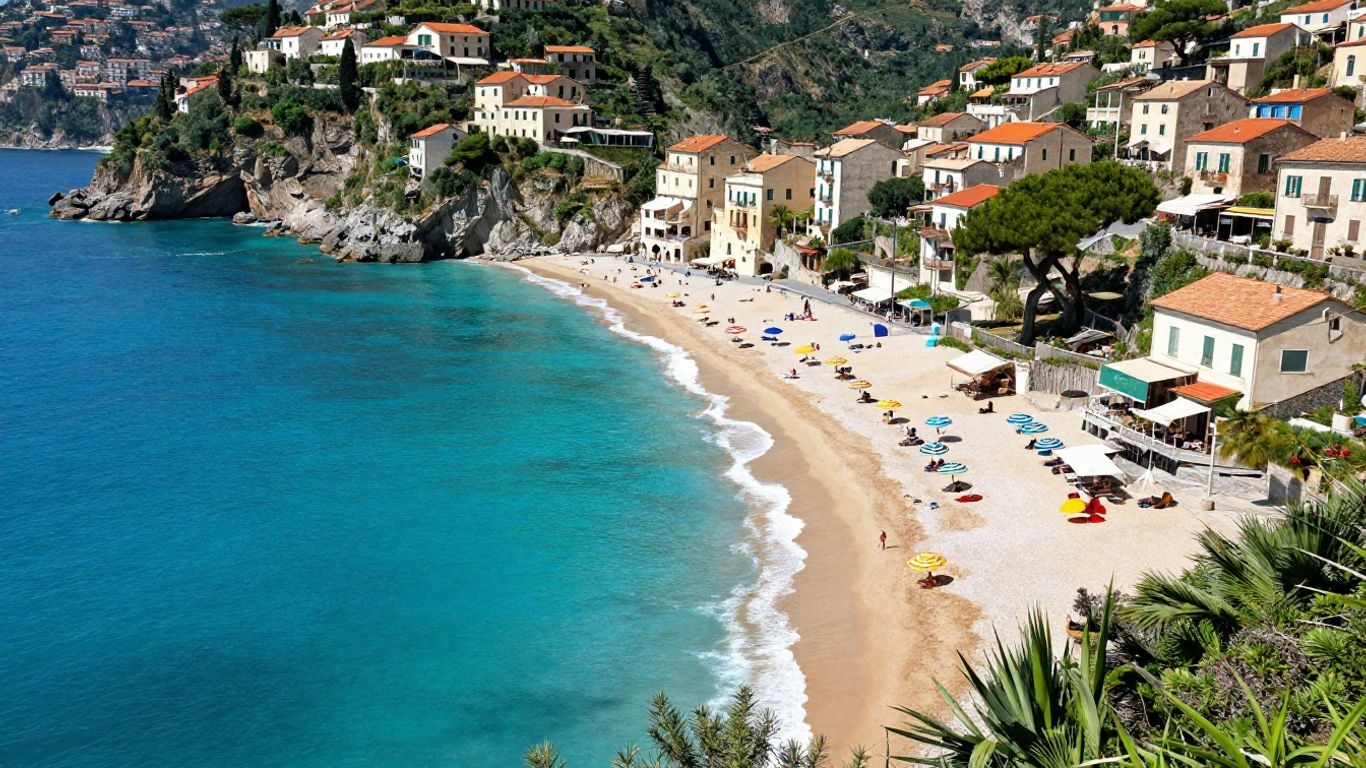
Planning a trip along Italy’s coast can feel a bit overwhelming, right? There are so many different areas, seas, and towns, and they all look so lovely in pictures. It’s like trying to piece together a giant puzzle. But once you get a handle on the basic layout, like where the different seas meet the land and what kind of vibe each region has, it all starts to make sense. This guide aims to simplify things, giving you a clearer picture of the italy coast map so you can pick the perfect spots for your adventure.
Key Takeaways
- Italy’s coastline is incredibly diverse, shaped by four main seas: the Ligurian, Tyrrhenian, Adriatic, and Ionian.
- Each coastal region offers a unique experience, from the dramatic cliffs of Liguria to the sandy shores of Tuscany and the warm waters of the south.
- The italy coast map reveals distinct areas like the charming villages of Cinque Terre, the relaxed beaches near Rome, and the vibrant towns of Campania.
- Southern Italy and the islands of Sicily and Sardinia boast some of the clearest waters and most beautiful beaches, with a distinctly different feel from the north.
- When planning, consider your travel style: Liguria and Campania are great for classic villages, Puglia and Sardinia for beaches, and Calabria and Cilento for a slower, local pace.
Understanding the Italy Coast Map
The Four Seas Shaping Italy's Shores
When you look at Italy, it’s pretty obvious it’s surrounded by water. But it’s not just one big body of water; it’s actually four different seas that define its coastline. This is a big reason why the beaches and towns feel so different as you travel around.
- Ligurian Sea: This is up in the northwest, where you find those famous steep cliffs and colorful villages like Cinque Terre. It’s a bit more rugged here.
- Tyrrhenian Sea: This is the big one on the west side, touching regions like Tuscany, Lazio (where Rome is), and Campania (hello, Amalfi Coast!). It’s a mix of sandy spots, islands, and dramatic cliffs.
- Adriatic Sea: This is the eastern side, facing countries like Croatia. It tends to have calmer waters and longer, sometimes flatter, beaches, especially down in Puglia.
- Ionian Sea: This is at the very southern tip and also touches parts of Puglia and Calabria. Think warm waters and wider, often quieter, beaches.
Understanding which sea borders which part of Italy really helps make sense of the landscape and the vibe you’ll find there. It’s like a natural map that explains a lot.
Why Italy's Coastline Is So Diverse
It’s easy to think of Italy’s coast as one thing, but it’s anything but. I noticed this right away when I started exploring. The scenery, the water, even the food changes dramatically from one region to the next. It’s not just the seas, though. Geography plays a huge role. In the north, mountains plunge right into the sea, creating dramatic views. Move south, and you get long, sandy stretches perfect for just lounging. The climate also shifts; the north is cooler, while the south stays warm for much of the year. Even the local culture and history leave their mark, making each coastal area feel like its own little world.
Italy Coastline Length Explained
So, how long is Italy’s coastline? Well, it’s a bit tricky to give one exact number. Different ways of measuring, especially when you count every little nook and cranny of the islands, can give you different figures. But the important takeaway is that Italy’s coast is really long. We’re talking thousands of kilometers.
| Measurement Type | Approximate Length | Notes |
|---|---|---|
| Official National Estimate | ~7,900 km | Standard measurement |
| Including All Islands | ~8,300 km | Counts every curve and island shoreline |
This vast length means there’s an incredible variety of coastal experiences waiting to be discovered, from tiny hidden coves to sprawling sandy beaches.
Exploring Coastal Regions of Italy
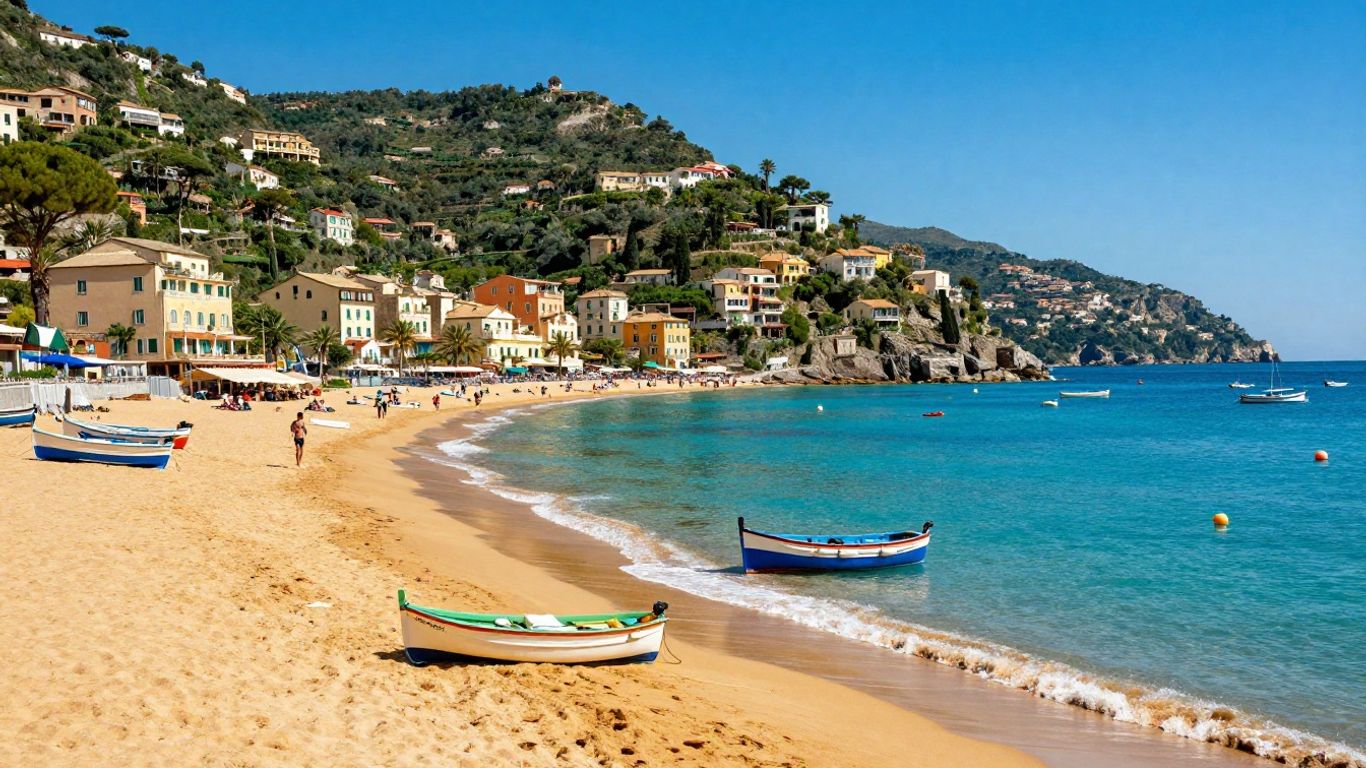
Italy’s coastline isn’t just one long stretch of sand; it’s a mosaic of distinct regions, each shaped by the seas that kiss its shores and the landscapes that meet the water. Thinking of it as a single entity can be confusing, but breaking it down by region makes planning your trip so much easier. From the dramatic cliffs of the northwest to the warm, inviting waters of the south, there’s a coastal vibe for everyone.
Ligurian Coast: Dramatic Cliffs and Pastel Villages
This is the Italy you see in postcards. The Ligurian coast, hugging the Ligurian Sea in the northwest, is all about steep, rocky terrain where mountains plunge directly into the sea. It’s famous for its charming, colorful villages clinging to the cliffs, like the iconic Cinque Terre. Getting around here is often best done by train or on foot, as roads can be narrow and winding. The vibe is picturesque and active, with plenty of hiking trails offering breathtaking views.
- Key Features: Steep cliffs, colorful villages, hiking paths, small harbors.
- Best For: Hikers, photographers, those seeking classic Italian coastal scenery.
- Getting Around: Train, ferry, walking.
The sheer drop from the mountains to the sea here creates a unique, almost vertical landscape that feels both wild and incredibly beautiful. It’s a place where you can truly feel immersed in nature.
Tuscan Coast: Sandy Shores and Pine Forests
Moving south along the Tyrrhenian Sea, the Tuscan coast offers a different kind of beauty. While it has its share of rugged areas, it’s more known for its long, sandy beaches backed by fragrant pine forests. Think of places like Viareggio or the Maremma coast. It’s a more relaxed, family-friendly vibe compared to the dramatic Ligurian coast. You’ll find plenty of space to spread out on the sand and enjoy the sun. It’s also a region where having a car can be helpful for exploring.
- Beach Types: Long sandy stretches, some pine-covered dunes.
- Atmosphere: Relaxed, family-oriented, good for swimming.
- Activities: Beach lounging, swimming, exploring nature reserves.
Lazio Coast: Rome's Relaxed Seaside Escapes
Just south of Tuscany, the Lazio coast offers accessible beach towns that serve as escapes from the hustle of Rome. This stretch of the Tyrrhenian coast features a mix of sandy beaches and charming towns. Places like Sperlonga, with its whitewashed buildings and clear waters, offer a taste of southern charm without going too far. It’s a great option if you want to combine city sightseeing with some beach time. Public transport can get you to many of these spots, making it convenient for travelers without a car.
- Highlights: Whitewashed towns, clear swimming waters, proximity to Rome.
- Vibe: Laid-back, popular with locals and Romans seeking a break.
- Towns to Consider: Sperlonga, Gaeta, Ostia (closer to Rome).
Southern Italy's Coastal Charms
When you venture south on the Italy coast map, things start to feel a bit warmer, a bit more laid-back, and a lot more local. Forget the postcard-perfect, often crowded spots you see everywhere; the southern coastlines offer a different kind of magic. It’s about stumbling upon hidden coves, enjoying food made with generations of love, and really feeling the pulse of Italian life.
Campania Coast: Beyond the Amalfi Hype
Sure, the Amalfi Coast gets all the attention, and it’s stunning, no doubt. But if you keep going south, past the famous towns, you’ll find the Cilento Coast. This area is a breath of fresh air. It’s got these charming, smaller towns, family-run hotels that feel like home, and beaches that are surprisingly clean and uncrowded. It’s the kind of place where you can actually hear yourself think and enjoy a slower pace.
- Cilento Coast highlights:
- Quieter towns with authentic local vibes.
- Beautiful, less-visited beaches.
- Great food, often seafood-focused and fresh.
- Easier logistics and often better prices than its famous neighbor.
Calabria and Basilicata: Warm Waters and Local Life
These regions feel like stepping back in time, in the best way possible. Calabria, in particular, has a coastline that’s rugged and beautiful, with towns perched dramatically on cliffs. Scilla, for instance, feels like it’s been preserved in amber, a truly peaceful coastal gem. If you’re looking for clear, warm water and a place where life moves at a gentle rhythm, this is it. Maratea, with its stunning views, and Tropea, famous for its cliffside setting, are must-sees.
The southern Italian coast offers a more raw, less polished experience. It’s perfect for travelers who want to connect with local culture and enjoy natural beauty without the tourist throngs.
Puglia's Adriatic and Ionian Shores
Puglia is a whole different story, with its bright white towns and incredibly clear blue waters. The coastline here is split by the Salento peninsula, giving you two distinct experiences. The Adriatic side can be more dramatic, with towns like Polignano a Mare built right into the cliffs. The Ionian side, on the other hand, tends to be more relaxed, with wide, sandy beaches. Places like Monopoli and Gallipoli offer a taste of this unique coastal charm. It’s a region that truly delivers on the promise of beautiful seaside towns that still feel real.
Here’s a quick look at what makes Puglia special:
| Coast | Vibe | Notable Towns |
|---|---|---|
| Adriatic | Dramatic, cliffside | Polignano a Mare |
| Ionian | Relaxed, sandy beaches | Gallipoli, Otranto |
If you’re dreaming of a vacation with stunning beaches and charming towns, Puglia is definitely worth a spot on your Italy coast map.
Island Paradises: Sicily and Sardinia
Sicily's Diverse Coastlines
Sicily, the largest island in the Mediterranean, is a whole world unto itself. Forget just beaches; you’re getting history, amazing food, and landscapes that’ll make you stop and stare. It’s like Italy’s greatest hits album, but with more sunshine and less questionable 80s fashion.
When you look at a map of Sicily’s coast, you’ll see it’s not just one type of beach. You’ve got everything from the powdery white sands of Fontane Bianche near Syracuse, where freshwater springs bubble up right from the seabed, making the water feel extra pure. Then there’s San Vito Lo Capo, with its Caribbean vibes and clear blue water that’s perfect for just floating around. And don’t even get me started on Favignana, part of the Egadi Islands. It’s got these incredible coves like Cala Rossa, and the water is so clear you can see fish darting around without even needing a snorkel. It’s also got a cool history, with old tuna fishing spots turned into museums.
Sicily offers a coastline that’s as varied as its history. You can find yourself on a long, sandy stretch one day and exploring a dramatic, rocky cove the next. The water color changes too, from deep sapphire to bright turquoise, depending on where you are and the time of day.
Here’s a quick look at some Sicilian coastal highlights:
- Fontane Bianche: Famous for its natural springs and white cliffs.
- San Vito Lo Capo: Known for its long sandy beach and clear waters.
- Favignana (Egadi Islands): Offers stunning coves and excellent snorkeling.
- Cala Goloritzé (Sardinia – Correction: This is actually in Sardinia, not Sicily, but often mentioned in similar contexts of stunning Italian coastlines. For Sicily, think more along the lines of Scala dei Turchi for its unique white marl cliffs.): A truly unique spot with a dramatic natural spire and crystal-clear water.
Sardinia's Sandy Beaches and Turquoise Waters
Sardinia is basically Italy’s answer to a tropical paradise, but with better pasta. It’s a bit smaller than Sicily, but it packs a serious punch when it comes to beaches. If your idea of a good time involves sinking your toes into soft sand and staring at water that looks like it’s been photoshopped, you’re going to love it here.
The island is famous for its coastline, especially places like the Costa Smeralda (Emerald Coast), where the water really does live up to its name. But it’s not all glitz and glamour. Head south to Villasimius, and you’ll find beaches like Porto Giunco and Riso Beach that are just stunning, with shallow, clear waters perfect for a relaxed dip. The sand is often super fine, almost like powder.
Then there’s the west coast, which is a bit wilder. Torre del Corsari, for example, has these massive golden sand dunes shaped by the wind, making it feel a bit more rugged and perfect for a long walk. And you can’t talk about Sardinia without mentioning La Pelosa beach near Stintino. It’s famous for its shallow, incredibly clear turquoise water and a historic watchtower right on the edge. It gets busy, but wow, is it pretty.
- La Pelosa: Iconic for its shallow turquoise waters and watchtower.
- Porto Giunco (Villasimius): A long stretch of sand with a lagoon behind it.
- Spiaggia del Principe (Costa Smeralda): Known for its fine sand and clear, calm waters.
- Piscinas Beach: Famous for its dramatic, towering sand dunes on the west coast.
Sardinia really is a place where you can just switch off and enjoy the ‘dolce far niente’ – the sweetness of doing nothing. It’s the kind of place that makes you want to pack a picnic, find a quiet spot, and just soak it all in.
Towns and Highlights on the Italy Coast Map
Northern Italy Coast Towns
When you think of the northern Italian coast, Liguria often comes to mind with its dramatic cliffs and colorful villages. Towns like Camogli, with its charming fishing harbor and long promenade, offer a classic Riviera feel. Santa Margherita is a bit more elegant and lively, while Tellaro provides a quieter, picturesque escape, often cited as one of Italy’s most beautiful small villages. These spots are perfect for shorter stays and soaking in the slow pace of coastal life.
Central Italy Coast Towns
Moving south into Tuscany and Lazio, the vibe shifts to more relaxed and accessible towns. Orbetello, situated on a lagoon, boasts calm beaches nearby. Porto Ercole is known for its old forts and small coves, centered around a relaxed marina. Sperlonga stands out with its bright, whitewashed buildings and incredibly clear swimming waters. It’s a great alternative if you like the idea of Amalfi-style views but want to avoid the biggest crowds.
Southern Italy Coast Towns
Southern Italy’s coastlines feel warm, local, and genuinely welcoming. Tropea is famous for its stunning cliffside views, perched high above the sea. Scilla offers a unique charm with its castle, narrow lanes, and restaurants right on the beach. Maratea is a quieter, more natural choice, boasting some of the most beautiful coastal vistas in Italy. These towns often have a slower rhythm, making them ideal for a more laid-back vacation.
Island Towns: Sicily and Sardinia
Italy’s islands offer distinct coastal experiences. Cefalù in Sicily is a gem, with golden beaches right at the foot of a massive cliff, giving it a very livable feel. San Vito Lo Capo is another Sicilian highlight, known for its unbelievably clear water. Sardinia, on the other hand, feels different with its wide, sandy beaches and turquoise waters. Villasimius is a prime example, offering soft sand and calm waves perfect for swimming. Each island provides a unique slice of Mediterranean paradise.
When planning your coastal Italian adventure, visualizing these towns on a map helps immensely. The way the seas shape the coastline creates distinct regional characters, from the rocky drama of Liguria to the sandy expanses of Puglia and the unique island vibes of Sicily and Sardinia. Understanding these differences makes choosing your perfect spot much easier.
Best Beaches and Coastal Stays
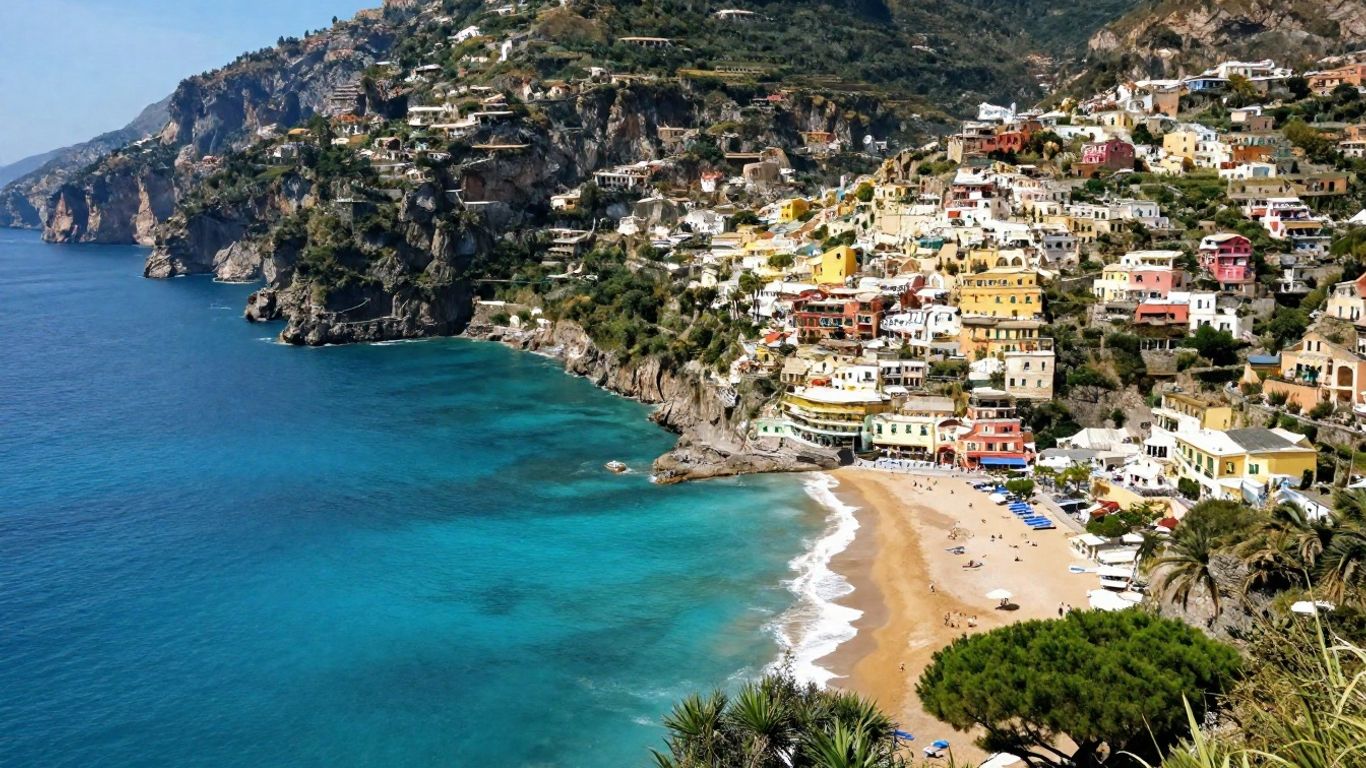
Top Beaches by Region
Italy’s coastline is seriously long, and picking just a few beaches feels almost impossible. But if I had to narrow it down, here are some spots that really stood out for different reasons. Whether you’re after clear water for swimming or just a nice stretch of sand to relax on, there’s something for everyone.
- Puglia & Sardinia: These islands and the southeastern peninsula are where you’ll find some of the clearest, most inviting waters for swimming. Think turquoise hues and soft sand.
- Liguria & Campania: If you’re dreaming of those classic postcard views with colorful towns clinging to cliffs, these regions deliver. They’re great for soaking in the atmosphere, even if the beaches themselves are sometimes smaller or pebbly.
- Calabria & Cilento Coast: For a more laid-back vibe, these southern areas offer warm waters and a distinctly local feel. It’s less about the glitz and more about enjoying simple, sunny days.
Slow Travel Picks for Coastal Towns
Sometimes, the best way to experience Italy’s coast is to pick a town and just be there for a while. Forget rushing from one spot to the next; instead, find a place that feels right and settle in. I’ve found a few towns that really let you get a feel for local life:
- Tellaro (Ligurian Coast): This tiny village feels like stepping back in time. With its pastel houses tumbling down to a small harbor and no big beach to draw huge crowds, it’s perfect for quiet mornings and watching the world go by. You can walk down to the rocks where locals sunbathe, and the water is wonderfully clear.
- Camogli (Ligurian Coast): If you like the idea of Cinque Terre but want more breathing room, Camogli is a great alternative. It’s a long, beautiful waterfront with colorful buildings and a calm harbor. It’s ideal for leisurely strolls and enjoying the seaside atmosphere without the intense crowds.
- Sperlonga (Lazio Coast): This town is a real gem. Its bright, whitewashed buildings are stunning against the blue sea, and the swimming water is fantastic. It offers those dramatic, Amalfi-like views but with a much more relaxed pace.
- Cefalù (Sicily): Picture golden beaches right at the foot of a massive, imposing cliff. Cefalù has a lovely old town and a beautiful stretch of sand that’s perfect for unwinding.
Comparing Italy's Coasts: North vs. South vs. Islands
Deciding where to go on Italy’s coast can be tough because they’re all so different. It really depends on what you’re looking for in a trip.
- Northern Coasts (like Liguria): These areas often feel more compact and dramatic, with towns built right into the cliffs. They’re great for exploring by train and offer a lively, colorful atmosphere. Beaches can be smaller, but the scenery is usually spectacular.
- Southern Coasts (like Campania, Calabria, Puglia): Expect warmer weather, more relaxed vibes, and often longer, sandier beaches. The food is incredible, and you’ll find a strong sense of local culture. Puglia, in particular, has some truly stunning stretches of coastline.
- Islands (Sicily & Sardinia): These are the places for serious beach lovers. Sardinia, especially, is famous for its white-sand beaches and incredibly clear, turquoise waters that rival the Caribbean. Sicily offers a mix of dramatic coastlines, historical towns, and beautiful beaches.
When planning your Italian coastal adventure, remember that many beaches have ‘stabilimenti’ or beach clubs. These can charge daily fees for access, sunbeds, and umbrellas. While they offer convenience, looking for public beaches can provide a more budget-friendly and authentic experience, letting you connect more directly with the natural beauty of the shore.
Ready to Explore?
So, there you have it. Italy’s coastline is way more than just a pretty picture; it’s a whole world of different vibes, from the rocky north to the sandy south and those amazing islands. We’ve looked at the map, checked out some cool towns, and even talked about the best beaches. Whether you’re after dramatic cliffs or just a quiet spot to relax by the water, Italy’s got something for everyone. It’s a big country with a lot of coast, so don’t try to see it all at once. Pick a region that calls to you, plan a route that makes sense, and just go. You’ll find that the real magic happens when you get out there and experience it for yourself. Happy travels!
Frequently Asked Questions
How long is the coast of Italy?
Italy’s coastline is super long, about 7,900 kilometers (around 4,900 miles) if you just count the mainland. If you include all the little islands, it gets even longer, reaching about 8,300 kilometers (around 5,150 miles). It’s so long because Italy is shaped like a boot and has tons of islands!
What are the names of Italy's famous coastlines?
Italy has several famous coastlines that people love to visit. Some of the most well-known include the Amalfi Coast, known for its dramatic cliffs and colorful towns; Cinque Terre, famous for its five picturesque villages; Costa Smeralda in Sardinia, with its beautiful beaches; Costa degli Dei in Calabria, offering stunning views; and the Cilento Coast, which is a bit quieter and more natural.
Which part of Italy has the clearest water?
If you’re dreaming of crystal-clear water, you’ll want to head to regions like Puglia, Sardinia, and certain spots in Sicily. These areas are famous for having incredibly clean and often turquoise waters, perfect for swimming and snorkeling.
What are some of the best beach towns in Italy?
There are so many wonderful beach towns! For a lively atmosphere and beautiful scenery, consider Polignano a Mare or Monopoli in Puglia. Tropea in Calabria offers amazing cliffside views. Cefalù in Sicily has a lovely golden beach right in town. And Camogli in Liguria is a charming fishing village with a nice promenade.
How can I plan a trip along the Italian coast?
Planning a trip along Italy’s coast is easier when you break it down by region. Think about what you want: dramatic cliffs and villages (Liguria), sandy beaches (Tuscany), or warm waters and local life (South). You can travel by train in the north and central areas, but renting a car is often better for the south and islands like Sicily and Sardinia.
When is the best time to visit the Italian coast?
The best times to visit Italy’s coast are usually from May to June and September to October. The weather is warm and pleasant, but there aren’t as many crowds as in the peak summer months of July and August. Those summer months can be very hot and busy, while April and early November are quieter but might have cooler weather.