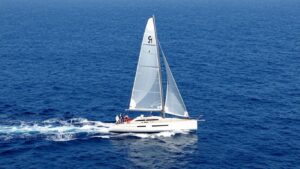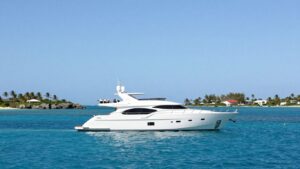

Thinking about a sailing trip in Greece? It’s a fantastic idea! Imagine waking up to the gentle rocking of waves, with nothing but blue skies and sparkling water in sight. Greece boat charters offer a unique way to explore its thousands of islands, each with its own story and charm. Whether you want to be your own captain or have someone else handle the sails, there’s an option for everyone. Let’s dive into how you can make your Grecian sailing adventure a reality.
Key Takeaways
- When looking at Greece boat charters, you have choices: go bareboat for total freedom, opt for a skippered charter to relax more, or pick a crewed charter for a luxury experience.
- Before you set sail, make sure you have the right paperwork, like a sailing license, and choose a boat that fits your group and what you want to do.
- Planning your route is part of the fun. Think about hopping between the Cyclades, exploring the calmer Ionian Islands, or checking out the Saronic Gulf.
- Safety and knowing the local rules are super important. Always check your safety gear and know how to communicate if needed.
- To really enjoy your trip, get into the local vibe, be ready for little hiccups, and savor all the amazing food and culture Greece has to offer.
Understanding Your Greece Boat Charters Options
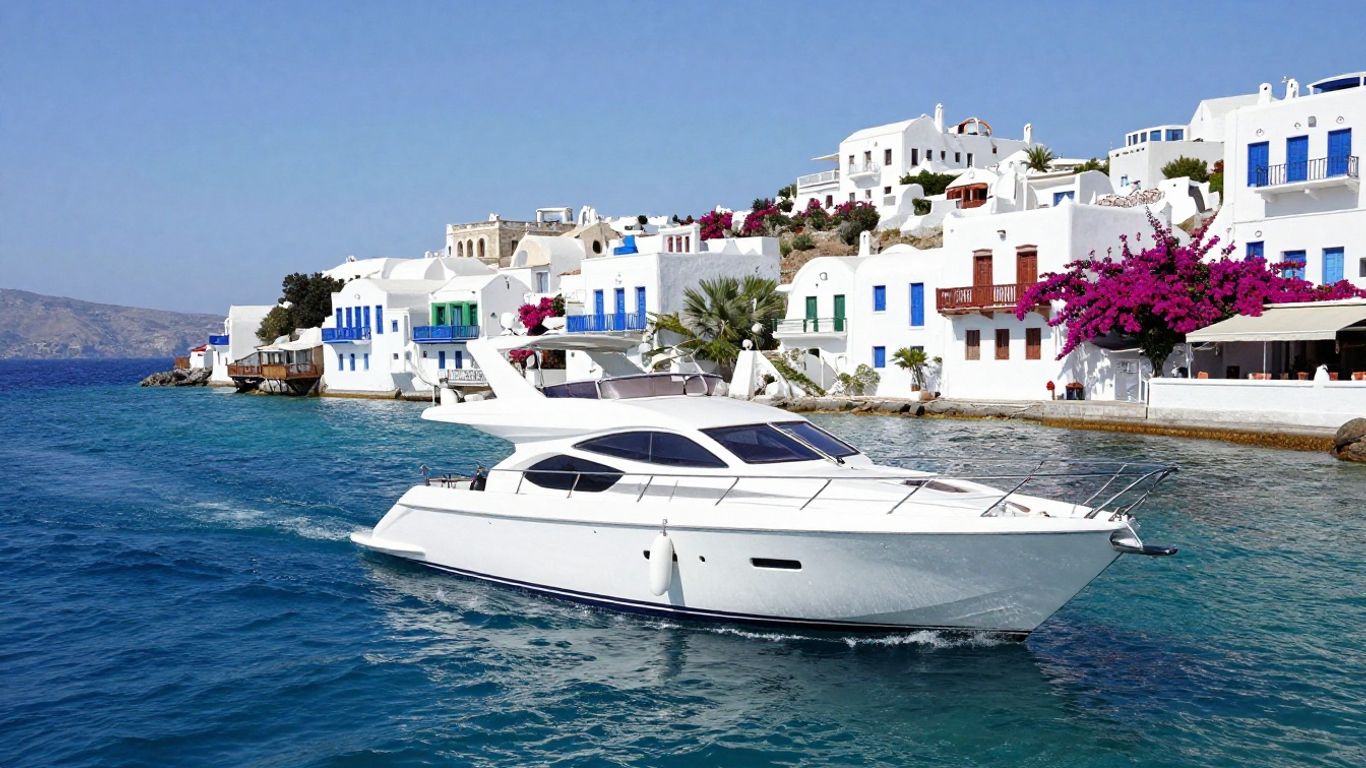
So, you’re thinking about a boat charter in Greece. That’s awesome! It’s a fantastic way to see the islands, and honestly, it beats fighting for a spot on a crowded ferry any day. But before you start picturing yourself sailing off into the sunset, you need to figure out what kind of charter is right for you. It really boils down to how much you want to be hands-on and what kind of experience you’re after.
Bareboat Charters: The Ultimate Freedom
This is for the folks who know their way around a boat, or at least have the proper paperwork to prove it. With a bareboat charter, you’re essentially renting the boat and that’s it. No skipper, no crew, just you, your friends or family, and the open sea. You are the captain, navigator, and chef. It’s the purest form of sailing freedom. You get to decide where to go, when to leave, and where to drop anchor. It’s perfect if you’re an experienced sailor looking for complete independence. Just remember, you’ll need to show proof of competency, and sometimes licenses from outside the EU need to be translated. It’s a lot of responsibility, but the reward is total control over your adventure.
- Full control: You set the pace and the itinerary.
- Cost-effective: Generally cheaper than skippered or crewed options.
- Authentic experience: Really feel like you’re living the sailing life.
If you’re considering a bareboat charter, make sure you’re comfortable with all aspects of sailing, from docking to navigating in various conditions. It’s a big responsibility, but incredibly rewarding.
Skippered Charters: Relax and Explore
Not quite ready to be the captain yourself, or maybe you just want to kick back and enjoy the scenery? A skippered charter is your sweet spot. You still have the boat to yourselves, but a professional skipper comes along to handle all the sailing, docking, and navigation. They know the local waters like the back of their hand, so you can be sure you’ll see the best spots, often places you wouldn’t find on your own. This option is great for those who want the sailing experience without the pressure of being in charge. You can focus on enjoying the islands, swimming in secluded bays, and soaking up the sun. Some skippered charters also include a hostess to help with meals and general tidying, making it even more relaxed.
Crewed Charters: Luxury Redefined
This is where you go all out. A crewed charter is like having your own private hotel on the water. You get the boat, a professional captain, and a dedicated crew – often including a chef and stewards. They take care of everything: sailing, cooking gourmet meals, cleaning, and basically anticipating your every need. It’s the ultimate in comfort and convenience. You can explore remote islands, enjoy incredible food prepared just for you, and have a truly pampered vacation. This is the way to go if you’re looking for a high-end, stress-free experience and don’t want to worry about a single detail. It’s a splurge, for sure, but for a special occasion, it’s hard to beat. You can find some amazing motor yachts that fit this bill, offering speed and luxury.
Essential Preparations for Your Sailing Adventure

Getting ready for a boat charter in Greece? There’s more to it than just showing up with your swimsuit and a sense of adventure. Here’s a practical look at what you actually need to prep for smooth sailing.
Navigating Licensing and Competency Requirements
Before stepping onboard, you’ll need to show proof you can handle the boat. Most Greek charter companies want at least one person with an International Certificate of Competence (ICC) or a recognized sailing license. Sometimes, a second crew member with basic sailing knowledge helps too.
If you can’t provide the right documents, you’ll need to hire a skipper.
- Double-check the specific documents your charter company needs. Each can be a bit different.
- Prepare digital and paper copies of all licenses and IDs.
- Brush up on boat handling if you’re rusty; a refresher course is always a good idea.
Arriving without the right paperwork can wreck your plans before you even leave the marina. Sort this out early—no one wants to be stuck on the dock.
Choosing the Perfect Vessel for Your Needs
Boat shopping sounds glamorous, but picking the right one makes or breaks your trip. Think about:
- Size matters: Too big and you struggle to handle it. Too small and you’re cramped.
- Type matters: Catamarans are stable and roomy; monohulls offer more of a classic sailing feel.
- Your crew: Match sleeping arrangements and storage to your group.
Here’s a simple table comparing common choices:
| Boat Type | Good For | Typical Crew Size | Handling |
|---|---|---|---|
| Monohull | Sailing purists | 2 – 8 | Sporty |
| Catamaran | Comfort seekers | 4 – 12 | Stable |
| Motor Yacht | Quick travel, luxury | 4 – 10 | Easy |
- Always ask about what’s included (linens, snorkeling gear, kitchen supplies, etc).
- Factor in your sailing experience and comfort handling different vessels.
- Booking early gives you more options, especially in the summer.
Mastering Mediterranean Mooring Techniques
The Mediterranean isn’t like sailing in a quiet lake—Greek marinas and harbors get packed, and you’ll need to know how to squeeze in safely.
Mediterranean mooring (stern-to docking) takes practice, so don’t skip out on learning it.
- Approach your spot slowly, bow out.
- Drop your anchor as you reverse toward the dock.
- Secure the stern lines to bollards or rings ashore.
- Adjust the anchor and lines for balance and space.
Tips for smooth mooring:
- Watch the wind; it can really mess up your approach.
- Always have fenders ready on both sides—other boats might come in close.
- Don’t be shy about asking the harbor master or neighbors for a hand—it’s pretty normal in busy Greek harbors.
It’s a bit nerve-wracking at first, but after a couple of attempts, you’ll get the hang of stern-to docking. Turns out, teamwork and clear communication matter a lot more than fancy gear.
Packing, paperwork, boat choice and docking skills—these are the keys to enjoying your Greek sailing adventure, instead of just surviving it.
Crafting Your Ideal Aegean Itinerary
So, you’ve got your boat sorted, and you’re ready to hit the water. Now comes the really fun part: figuring out where you’re actually going! Greece, with its thousands of islands, offers a dizzying array of choices. The key is to balance your desire for discovery with a realistic pace. Trying to see everything in a week is a recipe for exhaustion, not relaxation.
Island Hopping Through the Cyclades
The Cyclades are probably what most people picture when they think of Greek islands – whitewashed villages clinging to hillsides, blue-domed churches, and that iconic Aegean vibe. It’s a popular choice for a reason, but it can also mean busier anchorages and harbors, especially in peak season. If you’re aiming for the Cyclades, think about starting from a base like Lavrion or Athens. A common 7-day route might include:
- Day 1: Athens (Alimos Marina) to Kea (15 NM). Get your sea legs on this first leg.
- Day 2: Kea to Kythnos (15 NM). Explore its charming villages and thermal springs.
- Day 3: Kythnos to Syros (25 NM). The administrative capital, offering a different, more urban feel.
- Day 4: Syros to Mykonos (20 NM). Famous for its nightlife and stunning beaches, but be prepared for crowds.
- Day 5: Mykonos to Paros (15 NM). A beautiful island with great sailing and lovely towns.
- Day 6: Paros to Sifnos (15 NM). Known for its pottery and delicious food.
- Day 7: Sifnos back towards Athens (approx. 50 NM). This is a longer sail, so you might break it up with a stop on the way back.
Remember, this is just a template. You can adjust it based on your interests and how much sailing you want to do each day. Always keep an eye on the weather, especially the Meltemi winds that can pick up in the summer.
Planning your route in advance is smart, but so is leaving room for spontaneity. Sometimes the best discoveries happen when you deviate from the plan.
Exploring the Serene Ionian Islands
If the bustling Cyclades sound a bit much, the Ionian Islands offer a different, often calmer, sailing experience. Think lush greenery, Venetian architecture, and turquoise waters. Lefkas is a popular starting point here. The sailing is generally more sheltered, making it great for less experienced sailors or those who prefer shorter hops between islands. A sample Ionian itinerary could look like this:
- Day 1: Lefkas Marina to Meganisi (8 NM). A short sail to a beautiful, tranquil island.
- Day 2: Meganisi to Fiskardo (Kefalonia) (15 NM). Fiskardo is a picturesque harbor, often busy but worth it.
- Day 3: Fiskardo to Ithaca (10 NM). The legendary home of Odysseus.
- Day 4: Ithaca to Astakos (Mainland) or Kalamos (15 NM). Explore the mainland coast or a quieter island.
- Day 5: Astakos/Kalamos to Paxos (25 NM). Famous for its olive groves and stunning coves.
- Day 6: Paxos to Anti-Paxos and then back towards Lefkas (20 NM). Enjoy the incredible beaches of Anti-Paxos.
- Day 7: Sail back to Lefkas Marina.
This region is fantastic for exploring the Ionian Islands of Greece with their unique charm. The sailing here is often described as relaxed and very scenic.
Discovering the Charms of the Saronic Gulf
For those looking for a shorter trip or an easier introduction to Greek sailing, the Saronic Gulf is ideal. It’s easily accessible from Athens (marinas like Alimos or Agios Kosmas), meaning less travel time to your boat. The islands here are close together, offering plenty of variety without long passages. A typical 7-day Saronic route might include:
- Day 1: Agios Kosmas Marina to Perdika (Aegina Island) (18 NM). A gentle start to get you settled.
- Day 2: Perdika to Poros (15 NM). Explore the town and its canals.
- Day 3: Poros to Hydra (15 NM). A unique island where cars are banned.
- Day 4: Hydra to Spetses (15 NM). Known for its history and elegant mansions.
- Day 5: Spetses to Ermioni (Mainland) (5 NM). A pleasant mainland port.
- Day 6: Ermioni to Agistri or Moni Island (approx. 30 NM). Choose between a lively island or a quiet nature spot.
- Day 7: Agistri/Moni back to Agios Kosmas Marina (approx. 25 NM).
This gulf provides a great mix of history, culture, and beautiful sailing spots, all within easy reach of the capital. It’s a fantastic option for a first-time charterer or if you’re short on time.
Navigating the Waters: Safety and Regulations
Understanding Greek Maritime Laws
Before you even think about casting off, it’s super important to get a handle on the local rules of the road, so to speak. Greece has its own set of maritime laws, and while they’re designed to keep everyone safe, they can be a bit different from what you might be used to. Knowing these regulations can save you a lot of headaches and potential fines. For instance, understanding right-of-way rules in busy channels or knowing where you’re allowed to anchor is key. It’s not just about avoiding trouble; it’s about being a responsible sailor in these beautiful waters. Most charter companies will give you a rundown, but doing a little homework beforehand never hurts.
Prioritizing Safety on Board
Safety isn’t just a suggestion; it’s the foundation of a good trip. Your charter boat will come equipped with safety gear, but it’s your job to know where it is and how to use it. Think life jackets, flares, a first-aid kit, and a fire extinguisher. A quick safety briefing with everyone on board before you leave the dock is a smart move. Make sure everyone knows how to put on a life jacket and what to do in a minor emergency. It sounds basic, but a little preparedness goes a long way when you’re out on the water.
Here’s a quick checklist for onboard safety:
- Life Jackets: Ensure there’s one for every person, plus spares, and know where they’re stored.
- First-Aid Kit: Check that it’s well-stocked and easily accessible.
- Fire Extinguishers: Locate them and understand how to operate them.
- VHF Radio: Familiarize yourself with its operation for communication.
- Emergency Contacts: Have the charter company’s number and local coast guard details handy.
Being prepared means you can relax and actually enjoy the stunning scenery and the sailing itself. It’s about respecting the sea and making sure everyone gets back to shore safely.
Communicating Effectively at Sea
Communication is your lifeline when you’re out on the water. While mobile phone reception can be surprisingly good in many parts of the Aegean, it’s not always reliable, especially if you venture to more remote spots. The most important piece of communication equipment on your boat will likely be the VHF radio. Make sure you know how to use it – not just for making calls, but also for listening to important weather updates and channel communications. If you’re planning longer passages or heading to areas with spotty coverage, consider a satellite phone as a backup. Being able to clearly communicate with your charter company, other boats, or the authorities if needed is absolutely vital.
Maximizing Your Greece Boat Charter Experience
Embracing the Local Sailing Culture
So, you’ve got your boat, your itinerary is loosely planned, and you’re ready to soak up the Aegean. But how do you really get the most out of your time on the water? It’s about more than just sailing from point A to point B. Think about really living the experience. This means connecting with the rhythm of the sea and the people who call these islands home. Don’t just be a tourist passing through; try to be a temporary local. Strike up conversations at the taverna, learn a few basic Greek phrases – even a simple ‘kalimera’ (good morning) goes a long way. Observe how the locals tie up their boats or how they prepare their food. The real magic happens when you step outside your comfort zone just a little.
Troubleshooting Common Onboard Issues
Let’s be real, things can go wrong on any boat, no matter how well-maintained. It’s not usually a big deal, but knowing how to handle a few common hiccups can save you a lot of stress. Most charter companies will give you a rundown before you leave the dock, but it’s good to have a mental checklist.
- Engine Won’t Start: Check the fuel levels first. Seriously, it sounds obvious, but it’s the most common culprit. Then, check battery connections and ensure the kill switch isn’t accidentally engaged.
- Electrical Glitches: Tripped breakers are frequent. Locate your breaker panel and see if any switches have flipped. Sometimes, a simple reset is all it takes.
- Sail Problems: If a halyard jams, don’t force it. Try to ease the tension on the sail. For minor tears, a good quality sail repair tape can be a temporary fix.
- Plumbing Quirks: Heads (toilets) can be finicky. Familiarize yourself with the basic pump mechanism and know where the waste holding tank is located.
Remember, most charter bases have a support team ready to help. Don’t hesitate to call them if you’re truly stuck. They’ve seen it all before.
Cultural Immersion and Local Delights
Beyond the sailing itself, Greece offers a feast for the senses. Make time to explore the villages you visit. Wander through narrow, winding streets, discover tiny chapels, and find those hidden viewpoints away from the main tourist spots. Food is a massive part of Greek culture, so dive in! Try the local specialties wherever you go – each island often has its own unique dishes. Fresh seafood is a must, of course, but don’t shy away from trying things like moussaka, souvlaki, or a simple Greek salad made with the freshest local ingredients. And the wine! Sample the local wines; they’re often surprisingly good and a great way to connect with the place. Visiting a local market can also be a fantastic experience, offering a glimpse into daily life and a chance to pick up some delicious, authentic souvenirs.
Concluding Your Grecian Voyage
So, your amazing sailing trip around the Greek islands is winding down. The sails are coming down, and the familiar sight of land is getting closer. It’s a bit sad, right? But wrapping things up properly is just as important as setting off. Let’s talk about how to finish your charter on a good note.
The Check-Out Process: Finalizing Your Charter
This is where you hand the boat back. It’s a good idea to be there when the charter company inspects the boat. You can walk around with them and point out anything that might be a bit off. If something happened, like a small ding or a ripped sail, it’s best to be upfront about it now. This way, everyone’s on the same page, and it usually makes getting your security deposit back much smoother. Think of it like returning a rental car – you want to make sure they know you treated it well.
Sharing Your Experiences and Feedback
Once you’re back on solid ground, take a moment to think about your trip. What went well? What could have been better? Most charter companies really appreciate honest feedback. It helps them improve their service for the next people who come along. If you had an amazing time, consider leaving a review or a testimonial. It’s a nice way to thank the crew and the company, and it helps other sailors pick the right charter.
Planning Your Next Maritime Adventure
Don’t let the post-trip blues get you down for too long! The Aegean is huge, and you’ve only scratched the surface. Maybe this trip has sparked a desire to explore a different island group next time? Or perhaps you’re ready to try a longer charter? It’s never too early to start dreaming about your next sailing adventure. Greece has so many more hidden coves and charming villages waiting for you.
Finishing your charter well means leaving a good impression and taking valuable lessons with you. It’s not just about returning the boat; it’s about closing this chapter of your adventure with satisfaction and looking forward to the next horizon.
Your Aegean Adventure Awaits
So, you’ve made it through our guide and hopefully feel a lot more ready to plan your own Greek island hopping trip by boat. It’s a pretty amazing way to see Greece, honestly. You get to find those hidden coves and tiny villages that you just can’t reach any other way. Whether you’re a seasoned sailor or just dreaming about it for the first time, there’s a boat and a route out there for you. It’s not as complicated as it might seem, and the feeling of just sailing wherever the wind takes you? That’s something else. Start putting those plans together, and get ready for a trip you won’t soon forget.
Frequently Asked Questions
Why is Greece such a fantastic place to rent a boat?
Greece is like a giant playground for boaters! It has over 6,000 islands, each with its own vibe. You can find quiet beaches, ancient ruins, and yummy food everywhere. Plus, the weather is usually just right for sailing, with nice breezes to help you glide across the water.
What's the main difference between a bareboat charter and a crewed charter?
With a bareboat charter, you’re the captain! You rent the boat and do all the sailing, navigating, and cooking yourself. It’s great if you know how to sail and want total freedom. A crewed charter is more like a vacation where a captain and crew take care of everything, so you can just chill and enjoy the ride.
Which islands are best for sailing in Greece?
It really depends on what you’re looking for! The Cyclades are famous for their stunning white villages and can have stronger winds, which can be exciting. The Ionian Islands are greener and usually have calmer waters, making them a good choice if you’re new to sailing. The Saronic Gulf, near Athens, is also great for shorter trips.
Do I need a special license to rent a boat in Greece?
Yes, you’ll likely need a sailing license or proof of your sailing experience. This is often called a sailing resume. An International Certificate of Competence (ICC) is usually accepted. If your license isn’t from Europe, you might need to get it translated.
What should I pack for a bareboat charter trip?
Pack light, like you would for any trip! Bring comfortable, non-slip shoes, swimwear, sun protection (hats, sunglasses, sunscreen), light clothing, and a light jacket for cooler evenings. Don’t forget any personal medications and a good book for relaxing moments on deck.
What happens if the weather turns bad during my charter?
It’s important to have a backup plan! Your charter company will help you understand the weather patterns. If the wind gets too strong or the seas too rough, you might need to change your route or stay put in a safe harbor. Flexibility is key, and safety always comes first.