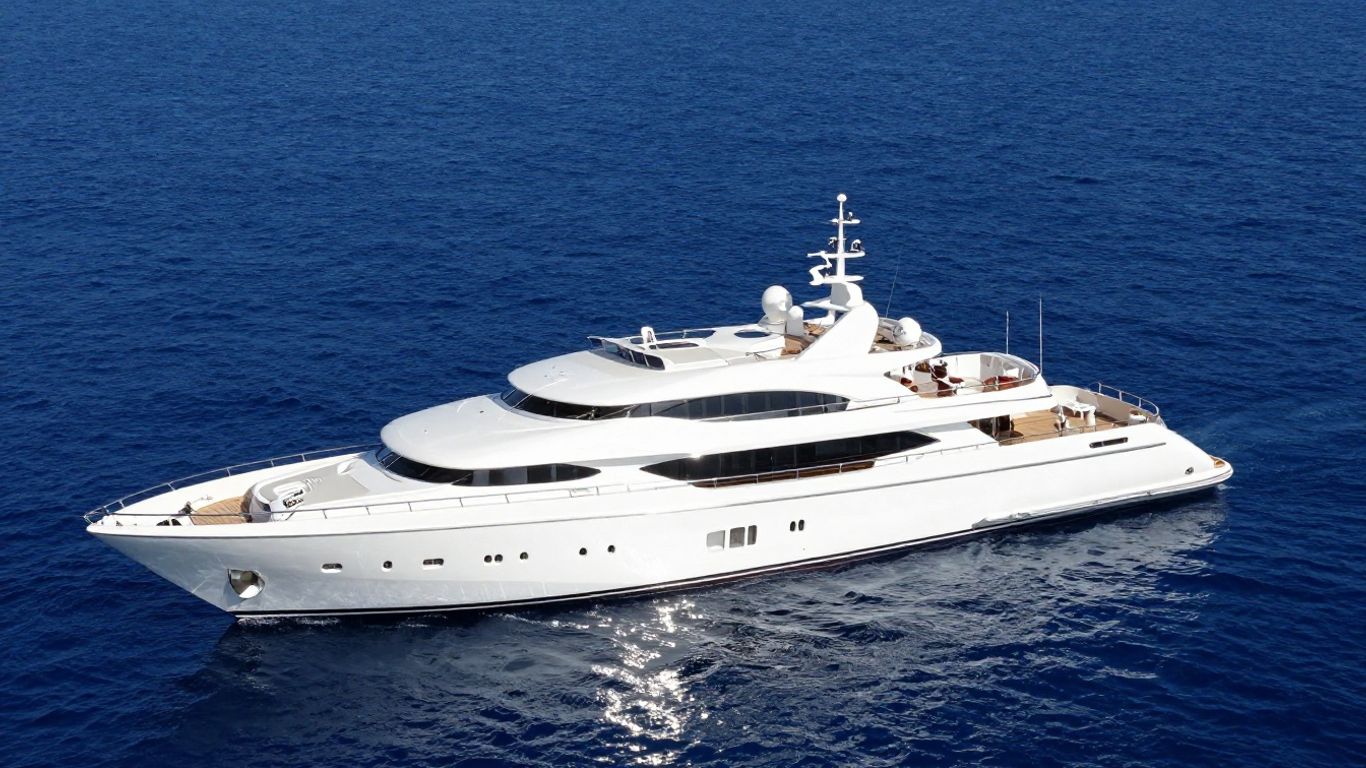
It’s been quite a show, watching these massive, fancy yachts owned by some of Russia’s wealthiest people play a game of hide-and-seek. Ever since the sanctions kicked in, these floating palaces have been on the move, disappearing from tracking systems and popping up in unexpected places. Governments are trying to find them, and the owners are getting pretty creative to keep them out of reach. It’s a whole saga, and it’s definitely shaking up the luxury yacht world.
Key Takeaways
- Many russian yachts have gone dark, switching off tracking systems or moving to countries not enforcing sanctions, like Turkey and the UAE.
- Some yachts have been seized by different countries, leading to legal fights and questions about who really owns them and what will happen to them.
- Wealthy Russians are using creative ways to hide their assets, like setting up offshore companies or transferring ownership to third parties to avoid sanctions.
- The yachting industry itself is feeling the pinch, with shipyards and brokers having to change how they do business to avoid issues with sanctions.
- The future for these seized or hidden yachts is uncertain, with ongoing legal battles and the possibility of changing enforcement trends.
The Global Hunt For Russian Oligarchs' Yachts
It feels like just yesterday everyone was talking about those enormous, floating palaces owned by some of Russia’s wealthiest individuals. Now, with all the sanctions in place, it’s turned into a bit of a global scavenger hunt. These aren’t just boats; they’re floating symbols of immense wealth, and suddenly, they’ve become targets. Governments worldwide are trying to track them down, and honestly, it’s a pretty wild scene.
Disappearing Vessels and Shifting Locations
Remember those yacht tracking websites that used to show these giants cruising the Mediterranean? Well, many of them have gone dark. It’s like they’ve just evaporated. Owners are getting pretty creative, switching off transponders or sailing to ports in countries that aren’t playing along with the sanctions. Places like Turkey and the UAE have become popular havens. It’s a constant game of cat and mouse, with authorities trying to keep tabs and owners trying to stay hidden. Some reports suggest that a significant portion of the global superyacht fleet, valued in the billions, is linked to Russian owners, making this a substantial chase.
Sanctuary Destinations for Oligarch Yachts
So, where do these vessels end up when they’re trying to lay low? Several countries have become unofficial safe harbors. Turkey, with its extensive coastline and less stringent enforcement of Western sanctions, has seen a notable increase in Russian-flagged yachts. Similarly, the United Arab Emirates, particularly Dubai, has become a go-to destination. These locations offer a degree of anonymity and continued access to luxury services without the immediate threat of seizure. It’s a strategic move for owners looking to protect their assets from asset freezes.
The Scale of the Russian Superyacht Fleet
It’s easy to underestimate just how many of these mega-yachts are out there. We’re talking about vessels that cost tens, sometimes hundreds, of millions of dollars. Some estimates put the total value of Russian-owned superyachts in the tens of billions. This isn’t a small problem; it’s a significant portion of the global luxury yacht market. The sheer size and value mean that tracking and potentially seizing these assets is a complex undertaking. The financial impact is also considerable, with some yachts having already lost significant value due to the current geopolitical climate.
The sudden shift in the status of these vessels has created a unique, high-stakes game of hide-and-seek across international waters. Owners are employing a variety of tactics, from complex ownership structures to simply disappearing from radar, all in an effort to safeguard their multi-million dollar investments.
Sanctions And Evasion Tactics
So, the big question is, how are these super-rich folks managing to keep their floating palaces out of reach? It’s not exactly simple, and honestly, it’s a bit of a wild west out there. When sanctions hit, the immediate thought is that these assets are fair game. But the owners? They’ve been pretty busy finding ways around the rules. It’s a constant game of chess, with authorities trying to pin down these vessels and the owners employing some seriously creative, and sometimes questionable, methods to keep them safe.
Complex Ownership Structures Under Scrutiny
One of the most common tricks is using layers and layers of companies, often registered in places that are notoriously private. It’s like a shell game, but with multi-million dollar yachts. The idea is that if the company owning the yacht isn’t directly linked to a sanctioned individual, then the yacht itself isn’t technically subject to the sanctions. This corporate veil has always been a thing in the yachting world, but now it’s really being put under the microscope. It makes you wonder how many of these massive boats are really just assets for people trying to stay off the radar. This whole setup makes tracing ownership a real headache for anyone trying to enforce the sanctions, and it’s a tactic that’s been detailed in legal documents, like a U.S. affidavit that pointed to a conspiracy to hide ownership through offshore entities [9ba2].
Barter Deals And Asset Transfers
When direct money transfers become a problem, people get inventive. We’re hearing about oligarchs trying to swap assets, like trading a property in one country for one in another, just to avoid issues with banking restrictions or sanctions. It’s a way to move wealth around without using the usual financial channels, which makes it much harder for authorities to track where things are really going. It’s like a high-stakes game of trading cards, but with real estate and other valuable items.
Maintaining Comfort Amidst Bans
Even with all the restrictions, the main goal for many seems to be keeping their luxurious lifestyle going. This means finding ways to keep these enormous yachts running, even if it means docking in less conventional ports or using service providers that aren’t as well-known. Some shipyards have found themselves in a tricky spot, caught between sanctions and existing contracts. Others have systems where ownership changes only after a yacht is finished, allowing payments to be held aside. If the original owner gets sanctioned, the yacht can then be sold to someone else. It’s a constant effort to stay ahead of the rules and keep the luxury afloat.
The effectiveness of sanctions is a constant debate. While they aim to restrict wealth, the ways around them are often ingenious, involving layers of corporate ownership and third-party arrangements. This complexity makes enforcement a challenging and evolving task for authorities worldwide.
Here’s a look at some of the tactics being used:
- Shifting Flags: Yachts are re-registering under different national flags to obscure their origin or avoid specific port restrictions.
- Remote Docking: Vessels are being moved to less monitored locations or private bays to avoid detection.
- Third-Party Management: Ownership is being transferred to companies or individuals not directly on sanctions lists, creating a buffer.
- Asset Swaps: Instead of direct sales, owners might engage in barter deals for other high-value assets to move wealth discreetly.
It’s a complicated situation, and the efforts to circumvent sanctions are pretty elaborate. Some of these yachts are worth so much that owners will go to great lengths to protect them, even if it means the vessels end up in a state of disrepair, like the yacht ‘Phi’ which has been docked in London and is reportedly deteriorating due to lack of maintenance because its movement is banned [b52f].
Seized Assets And Their Uncertain Future
High-Profile Seizures And Detentions
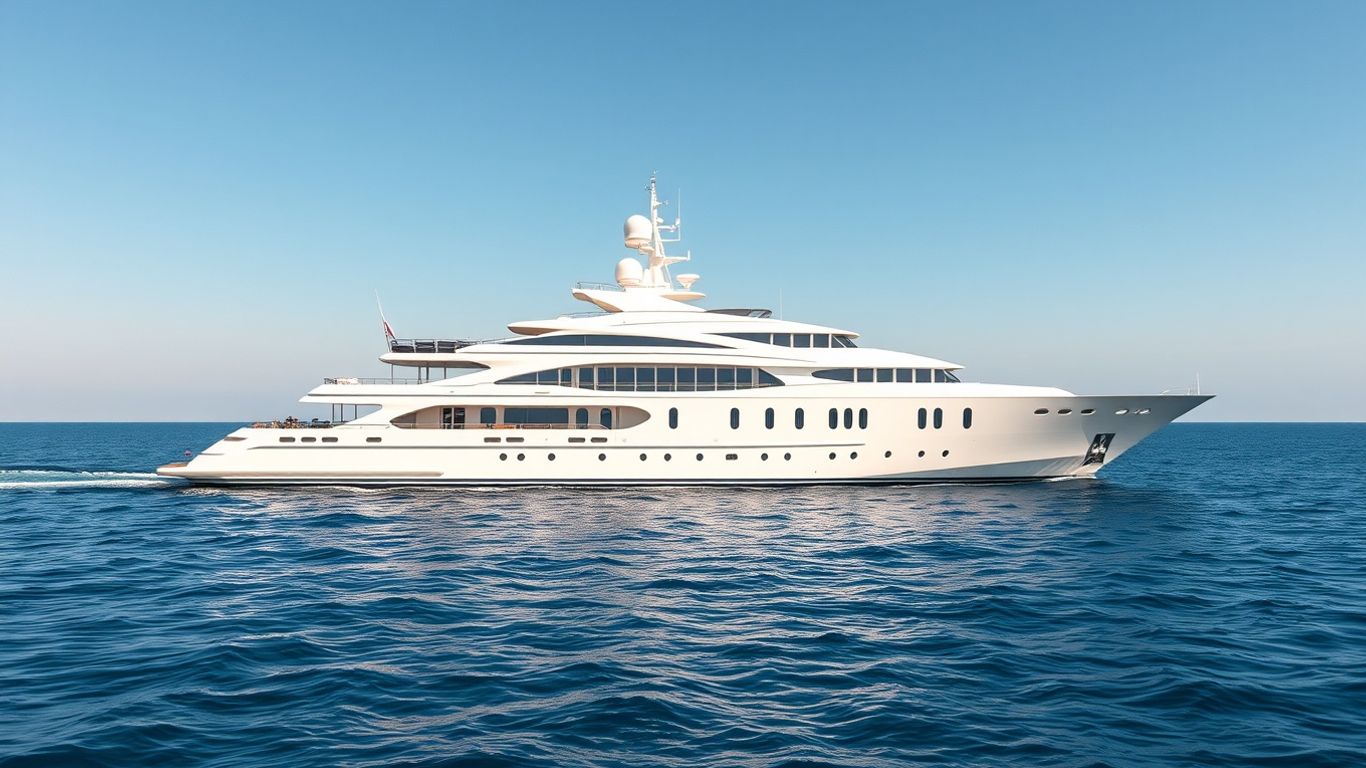
The global effort to freeze assets tied to Russian oligarchs has directly impacted some of the world’s most extravagant superyachts. Authorities in various countries, often working with U.S. agencies, have moved to detain or seize vessels linked to sanctioned individuals. Think of the $325 million Lürssen yacht, Amadea, nabbed in Fiji and eventually making its way to San Diego under U.S. control. Then there’s Tango, a Feadship seized in Spain, belonging to Viktor Vekselberg, who was accused of using shell companies to get around sanctions. Several other megayachts have also found their movements blocked, preventing them from leaving port. U.S. authorities may seize a yacht belonging to a top Russian defense industry figure, similar to actions taken with another oligarch’s yacht in Spain. This potential seizure is part of ongoing efforts by American authorities.
Here’s a quick look at some high-profile cases:
- Amadea: Detained in Fiji, later transferred to U.S. authorities.
- Tango: Seized in Spain, linked to Viktor Vekselberg.
- Crescent & Madame Gu: Movements restricted in foreign ports.
These actions represent a significant, tangible consequence of the international sanctions.
The Cost Of Maintaining Seized Vessels
Detaining a superyacht isn’t as simple as just docking it and walking away. These massive vessels require constant upkeep, even when they’re not sailing anywhere. We’re talking about things like:
- Crew salaries: Even a skeleton crew needs to be paid to maintain the yacht.
- Docking fees: Ports charge for space, and superyachts take up a lot of it.
- Maintenance and repairs: Engines need to run periodically, systems need checks, and general wear and tear still happens.
- Insurance: Keeping the vessel insured is a significant ongoing expense.
These costs can add up to millions of dollars per year, creating a financial drain on the governments holding the yachts. It’s a complex logistical and financial challenge that governments weren’t necessarily prepared for on this scale. A court has cleared the way for the auction of a Russian superyacht docked in San Diego. This action is part of broader sanctions imposed by authorities in response to Russia’s 2022 invasion of Ukraine, which include freezing and seizing assets like yachts.
Legal Limbo And Ownership Mysteries
It turns out that a lot of these superyachts aren’t directly owned by the oligarchs themselves. Nope, they’re usually tucked away behind layers of companies, often registered in places that make tracing ownership a real headache. This corporate veil is pretty standard in the yachting world, but sanctions have really put it under the microscope. The idea is that if the company isn’t directly linked to a sanctioned individual, then technically, the yacht isn’t either. It’s a legal gray area that some are definitely trying to exploit. It makes you wonder how many of these fancy boats are really just floating assets for people trying to stay off the radar.
The complexity of ownership structures means that even when a yacht is physically seized, its ultimate fate can be tied up in lengthy court battles for years, with questions about who truly benefits from its confiscation or potential sale remaining unclear.
Many yachts are registered under complex corporate structures, making direct links to sanctioned individuals hard to prove. This creates a legal gray area. Buyers are hesitant, too; who wants the headache of bad press or getting tangled in future lawsuits? Plus, proving direct ownership can be tricky with all the offshore companies involved. It’s a real puzzle.
The Shifting Tides Of Oligarch Yachts
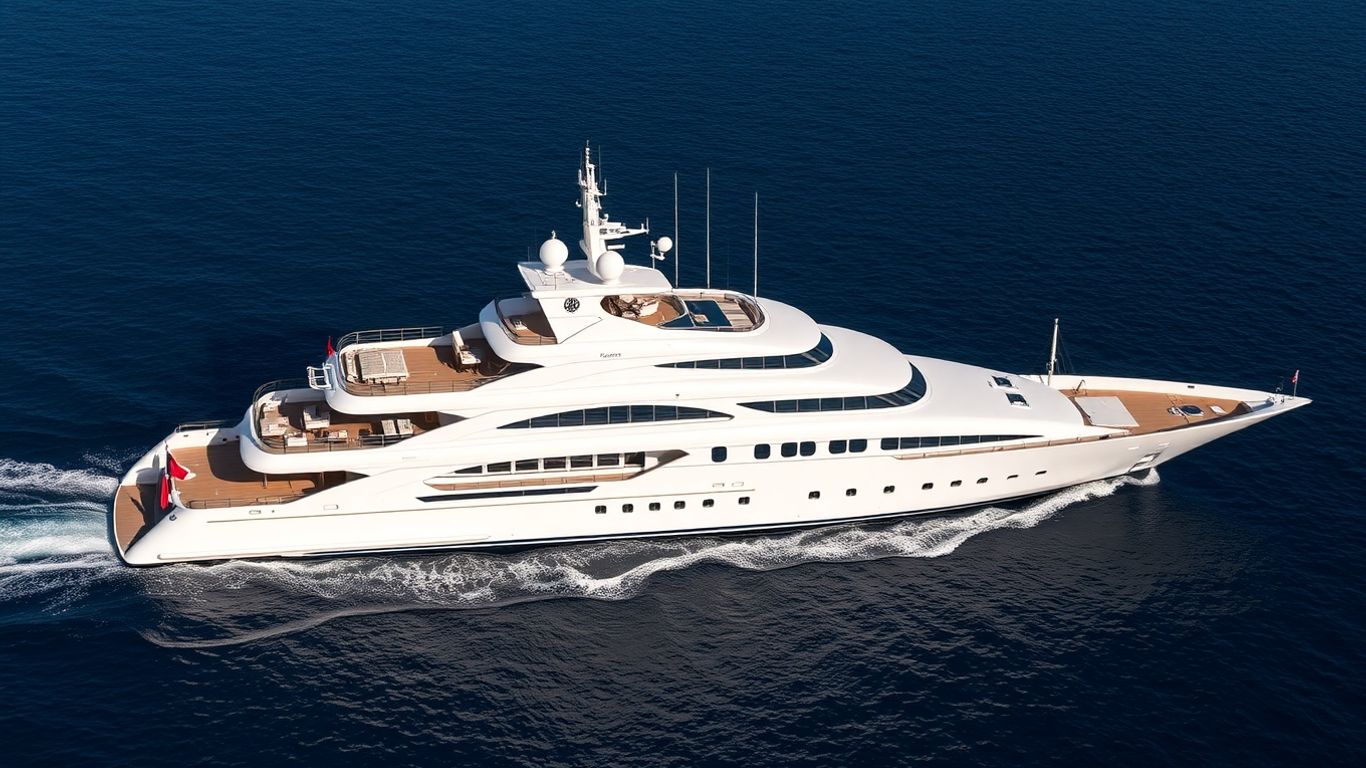
So, what’s the takeaway from all this yacht-tracking? It’s pretty clear that while sanctions have definitely thrown a wrench into the works for Russian oligarchs, they’re not exactly sitting idle. We’ve seen yachts disappear from tracking systems, pop up in places like Turkey and the Maldives, and even get seized by authorities. It’s a constant game of cat and mouse, with owners finding creative ways to hold onto their assets, whether through complex ownership structures or simply moving their vessels to less scrutinized waters. The luxury yacht world is definitely feeling the ripple effects, and it’s going to be interesting to see how this all plays out in the long run. For now, the superyachts continue their silent voyages, often shrouded in mystery.
The Global Hunt For Russian Oligarchs' Yachts
It feels like a new global sport has emerged: tracking down Russian oligarchs’ superyachts. After sanctions were put in place, these massive, expensive boats started moving. Governments and regular folks alike have been sharing sightings, trying to keep tabs on where these vessels are headed. President Biden even announced that the U.S. would be going after these "ill-gotten gains." It’s a pretty wild scene, with people spotting yachts like Alisher Usmanov’s Dilbar, a boat valued at a cool $600 million. These aren’t just boats; they’re like floating palaces, packed with all sorts of tech and amenities. The whole thing started gaining traction when people began watching the sanctions and realized these yachts were a big part of the picture. Suddenly, everyone wanted to be involved in spotting them.
Where Do These Yachts Go To Hide?
When the heat is on, these superyachts often make a break for it. Many have gone dark, switching off their tracking systems or heading to countries that aren’t enforcing the sanctions, like Turkey or the UAE. It’s a bit of a shell game, trying to stay out of sight. Some have ended up seized by various countries, which then leads to all sorts of legal wrangling about who actually owns them and what will happen next. It’s not just about moving them, though. Wealthy Russians are getting pretty creative with how they hide their assets. Think complex offshore companies or transferring ownership to other people, all to try and get around the sanctions. It’s a whole industry built around keeping these assets hidden, and it makes you wonder about the effectiveness of sanctions in the first place. The whole yachting industry is feeling the impact, too, with shipyards and brokers having to adjust their business practices to avoid running afoul of the rules. The future for these yachts, whether seized or hidden, is really up in the air. It’s a complicated situation with ongoing legal battles and the possibility that enforcement trends could change at any moment. The U.S. Department of Justice has been active in these pursuits, with one yacht already sold at auction in September 2025 following a court decision [29bd].
The complexity of ownership structures is a major hurdle. Many of these superyachts aren’t directly owned by the individuals targeted by sanctions. Instead, they’re often hidden behind layers of shell companies, frequently registered in offshore locations. This corporate veil is a common practice in the yachting world, but sanctions have put it under intense scrutiny. The argument is that if a company isn’t directly linked to a sanctioned person, then technically, the yacht isn’t either. This creates a legal gray area that some are actively exploiting, making it incredibly difficult for authorities to pinpoint the true beneficial owners. It’s a sophisticated way to keep assets off the radar.
Here’s a look at some of the tactics being employed:
- Complex Ownership Structures: Yachts are often registered under offshore companies, making it difficult to trace direct ownership back to a sanctioned individual. This is a common practice, but sanctions have brought it into sharp focus.
- Barter Deals and Asset Transfers: When direct financial transactions are blocked, individuals may resort to trading assets, like property for property, to move wealth without using traditional banking channels.
- Strategic Relocation: Vessels are moved to ports in countries that are not participating in sanctions, or they simply go
Impact On The Luxury Yachting Industry
Shipyard Challenges and Market Shifts
The whole superyacht scene has been shaken up, and shipyards are feeling it. You know, the places that build and fix these giant boats? They’ve suddenly lost a big chunk of their business because of the sanctions. Yards that used to get a lot of work from Russian clients for custom builds or just regular maintenance are now scrambling. It’s forced them to look for new customers, maybe from places not involved in the sanctions, and rethink how they operate. Some have had to cut staff, which is never good. It’s a tough situation, trying to stay afloat without breaking any rules.
Brokerage Relocation and Shifting Business
For yacht brokers, it’s been a wild ride. The business of connecting buyers with these floating palaces has gotten way more complicated. Brokers who focused heavily on the Russian market have seen their income drop significantly. We’re hearing that some are packing up and moving their operations to places like Turkey or the UAE, which are seen as more neutral territory. It’s not just about finding new clients, though; it’s about adapting the whole way business is done. The flashy social media posts showing off new yachts bought by Russian owners? Those have mostly gone quiet. The whole atmosphere has changed, and brokers have to be super careful about who they work with and how they present themselves.
Impact On Charter and Sales Markets
The charter and sales markets have definitely felt the ripple effect. When yachts are seized or just disappear, they aren’t available for charter, meaning lost money for owners and operators. The sales market is also in a weird spot. Buyers are getting hesitant. Who wants to buy a yacht right now, only to worry about future sanctions or the general political mess? It’s created a bit of a standstill in some areas. The value of Russia-linked yachts impounded in European ports has dropped by hundreds of millions of euros.
Here’s a quick rundown of what’s happening:
- Less Charter Availability: Fewer yachts mean fewer choices for people wanting to rent one.
- Slower Sales: Buyers are more cautious, so it takes longer to sell a yacht.
- Increased Scrutiny: Every transaction is being watched closely, making deals drag on.
- Crew Uncertainty: International crews face more checks and worry about their jobs, which is stressful.
The yachting world is known for its resilience. It’s weathered storms before, like the pandemic, and found ways to adapt. While these current challenges are significant, the industry is resourceful and is actively seeking new paths forward, even if it means a period of adjustment and uncertainty for everyone involved.
It’s a period of big change, and the industry is certainly feeling the pressure. Everyone’s watching to see how things shake out, but there’s a general sense that the business will find a way to continue, albeit in a different form. The superyacht Amadea, for example, was seized and eventually sold, showing that these assets don’t just disappear forever [dc8b].
The Future Of Seized And Hidden Russian Oligarchs' Yachts
The Effectiveness of Sanctions Debated
It’s a constant back-and-forth, isn’t it? While sanctions are definitely meant to put the squeeze on, the ways people find to get around them are pretty wild. Think layers of companies, people acting as go-betweens – it makes it a real headache for the folks trying to enforce the rules. It’s a complicated dance, and it’s always changing.
What's Next For The Superyacht Fleet?
So, what’s the big picture here? It’s really anyone’s guess at this point. We’ve seen some yachts get taken, like the Amadea, valued at a minimum of $300 million, which is now slated for auction [3d28]. But even then, it’s unlikely to fetch its full worth. Then you have situations where yachts are returned to the charter market, like the Flying Fox, after being sanctioned [581e]. It’s a fluid situation, and the yachting world is watching very closely to see what happens next.
Here’s a look at some of the key questions surrounding these vessels:
- Will more yachts be seized? Enforcement efforts vary by country, and the legal hurdles to prove ownership can be significant.
- What happens to seized yachts? Maintaining these massive vessels is incredibly expensive. Governments face the challenge of upkeep costs and finding buyers for yachts entangled in legal disputes.
- Will ownership structures change? The scrutiny on complex ownership is intense, potentially forcing a shift towards more transparent arrangements, though this is unlikely to happen overnight.
The ongoing legal battles and the sheer complexity of tracing ownership mean that many of these superyachts exist in a state of legal limbo. Their ultimate fate remains uncertain, caught between international sanctions and intricate financial maneuvering.
It’s a real cat-and-mouse game. Some yachts have gone completely dark, switching off their tracking systems or heading to countries that aren’t playing along with the sanctions. Others are stuck in ports, costing governments a fortune just to keep them from falling apart. The whole situation highlights just how tricky it can be to actually get hold of these assets, even when the intention is clear.
The Unfolding Story of Superyachts and Sanctions
So, what’s the final word on these massive Russian yachts caught in the middle of global sanctions? It’s clear that while these luxury vessels have become symbols of wealth and targets for authorities, their owners are finding ways to keep them out of reach. We’ve seen yachts disappear, change hands through complex deals, or simply head to ports in countries that aren’t playing along with the sanctions. It’s a constant game of hide-and-seek, and honestly, it’s hard to say exactly where all these boats will end up. The situation is still pretty fluid, and the world of superyachts is definitely feeling the pressure. It’ll be interesting to see how this whole saga plays out over time.
Frequently Asked Questions
Why are people trying to find Russian oligarchs' yachts?
Governments around the world have placed rules, called sanctions, on wealthy Russian people connected to their government. These rules are meant to put pressure on Russia. Tracking their super fancy yachts is part of an effort to find and sometimes take these expensive items.
Where do these yachts go to hide?
Some yachts have sailed to countries that are not following the sanctions, like Turkey and the United Arab Emirates. Others might try to disappear by turning off their tracking systems or going to quiet, out-of-the-way places.
Have any yachts been taken by authorities?
Yes, several yachts linked to rich Russians have been taken or stopped in different countries. These include yachts found in places like Fiji, Spain, and Italy. But keeping these huge boats is costly and difficult.
How do the owners try to get around the rules?
They use clever tricks, like setting up companies in other countries to hide who really owns the yacht. Sometimes they might try to give ownership to someone else or use complicated deals to stop their valuable items from being frozen.
What happens to the yachts that are taken?
It’s not always clear. Some are kept for a long time, costing governments a lot of money to look after. There’s talk of selling them, but finding buyers is hard because of the legal problems and bad attention. Some might eventually be given back if legal arguments work out.
Is the search for these yachts still happening?
A special government team that was focused on finding these assets has been stopped. While legal cases will continue, some people worry that the effort to track and seize these yachts might become less intense. This could make it easier for owners to move or hide their assets.