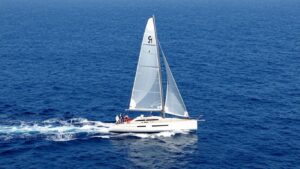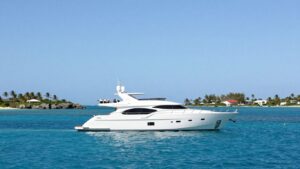
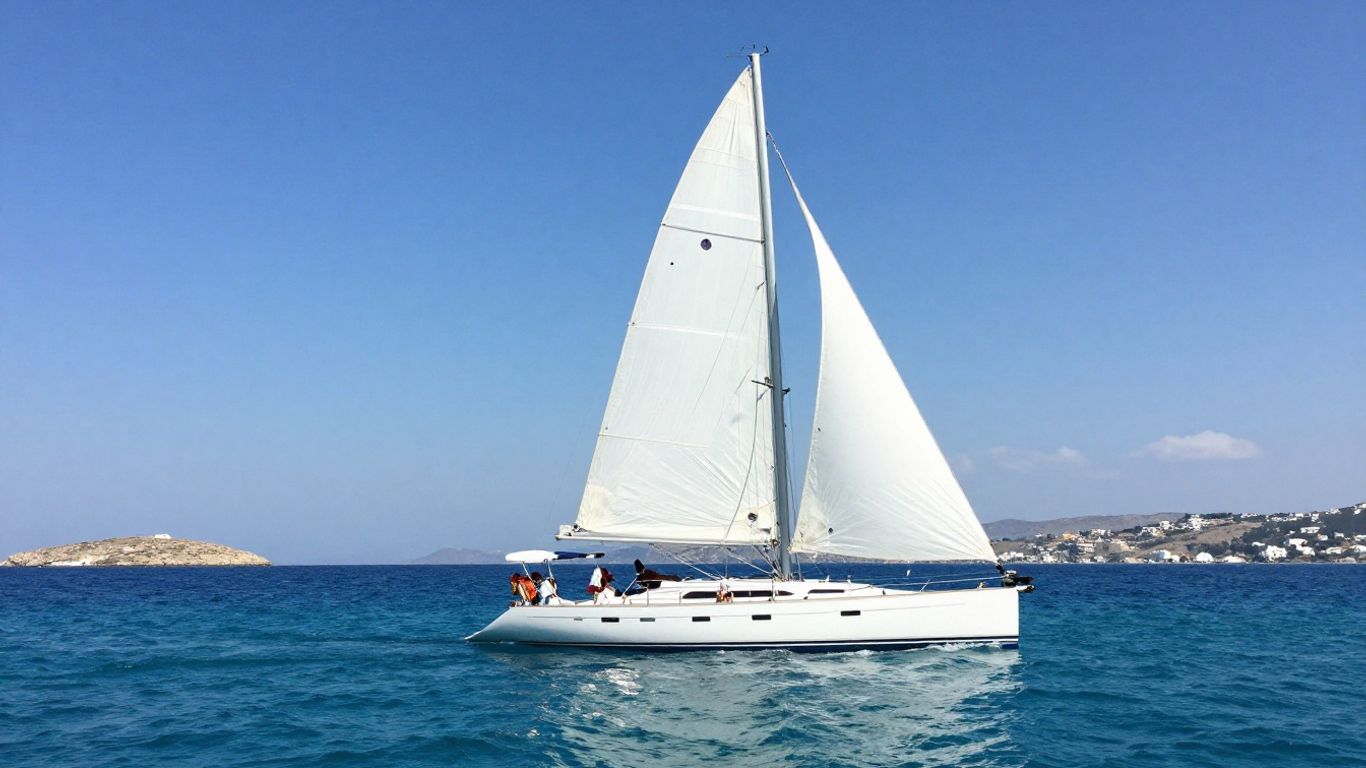
Dreaming of the Greek islands but not sure where to start? A greek sail boat adventure might be just the ticket. Forget crowded ferries and rigid schedules. Imagine waking up to the gentle sound of waves, with nothing but the open sea and a new island waiting for you each day. It’s a truly special way to see Greece, and honestly, it’s not as complicated as you might think. We’re here to break down what makes sailing Greece so amazing and how you can plan your own unforgettable trip.
Key Takeaways
- You don’t need to be a seasoned sailor to enjoy a greek sail boat charter; skippered options make it accessible for everyone.
- Life aboard a greek sail boat offers a unique rhythm of relaxation and discovery, from morning swims in secluded coves to evening meals at charming tavernas.
- Choosing the right sailing area, whether the diverse Ionian or the iconic Cyclades, is key to tailoring your greek sail boat adventure.
- Packing smart, understanding charter options, and embracing the local culture are vital for a smooth and memorable greek sail boat voyage.
- A greek sail boat experience provides unparalleled freedom to explore hidden beaches and authentic villages, creating lasting memories.
Discover Your Dream Greek Sail Boat Adventure
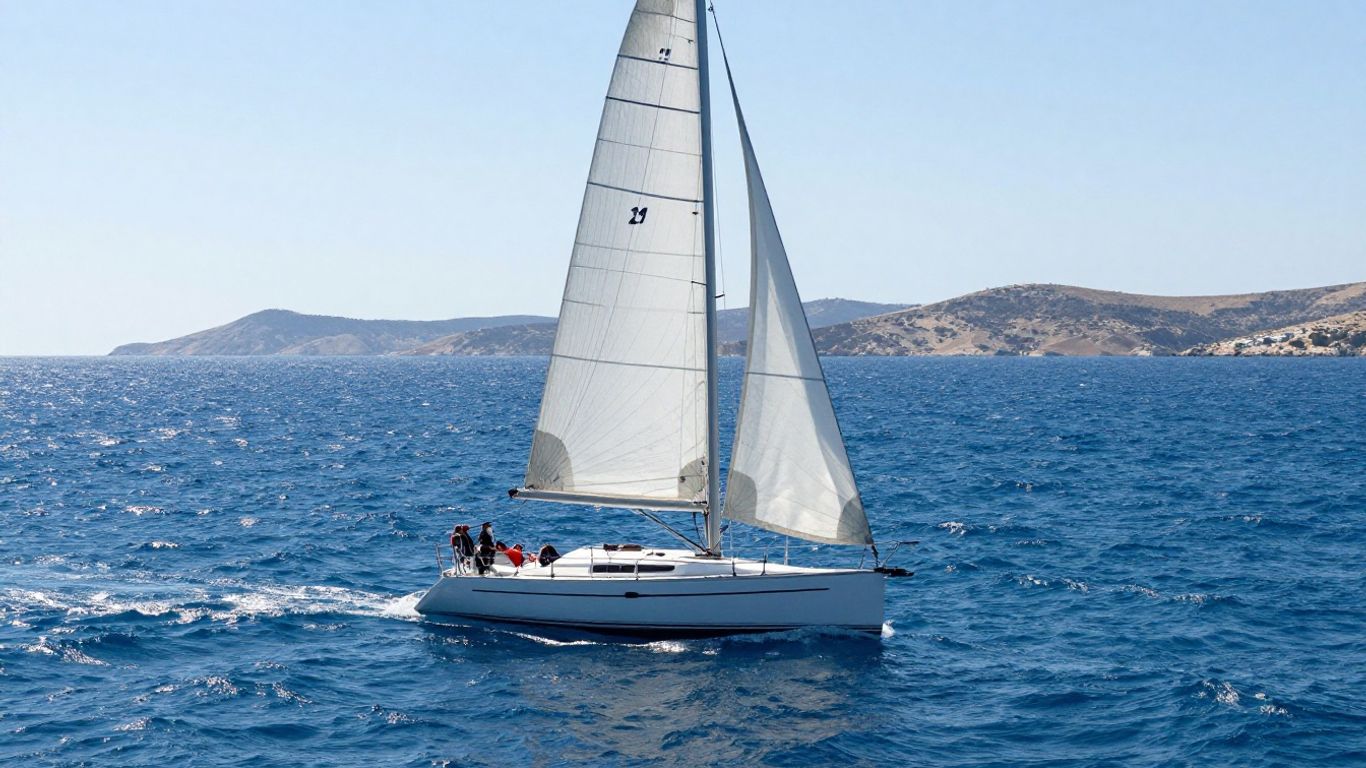
Thinking about a sailing trip in Greece? It’s a fantastic idea! Imagine waking up to the gentle rocking of waves, with nothing but blue skies and sparkling water in sight. Greece boat charters offer a unique way to explore its thousands of islands, each with its own story and charm. Whether you want to be your own captain or have someone else handle the sails, there’s an option for everyone. Let’s dive into how you can make your Grecian sailing adventure a reality.
Why Greece Is the Ultimate Sailing Destination
Greece, with its thousands of islands scattered across the Aegean and Ionian Seas, offers an incredible variety for any sailor. Picking the right sailing area is probably the first big decision you’ll make, and it really sets the tone for your whole trip. Each island group has its own vibe, so think about what you’re looking for – calm waters, lively towns, or remote coves. The sheer diversity of landscapes and cultures makes it a truly unparalleled sailing ground. From the lush, green islands of the Ionian to the stark, sun-drenched beauty of the Cyclades, no two Greek island groups are the same. Plus, the food? Absolutely unforgettable. Drop anchor in a secluded bay and swim to a family-run taverna for the freshest seafood, local wines, and classic dishes. Every island offers its own culinary delights.
Choosing Your Ideal Sailing Area
Each Greek island group, or archipelago, has a unique character. Choosing the right one depends on your experience, the time of year, and what you want from your holiday. Here’s a quick look at some popular choices:
- The Cyclades Islands: Known for their iconic white-washed villages, windmills, and sometimes brisk Meltemi winds. Great for those seeking a classic Greek island experience and a bit of a sailing challenge. You can explore places like Mykonos, Santorini, and Naxos. Check out Sail Your Dream for personalized itineraries here.
- The Ionian Islands: These islands are greener and more lush, with generally calmer waters. Think Corfu, Kefalonia, and Zakynthos. They offer a more relaxed sailing experience, perfect for families or those new to sailing.
- The Saronic Gulf: Closer to Athens, this is a convenient option for shorter trips. Islands like Hydra, Aegina, and Poros offer a mix of history, culture, and beautiful anchorages.
Understanding Different Charter Options
When it comes to chartering a boat, you’ve got a few main ways to go:
- Bareboat Charter: This is for experienced sailors who have the necessary licenses and want complete freedom. You’re the captain, responsible for everything from navigation to cooking. It’s the ultimate independence.
- Skippered Charter: If you want to relax and let someone else handle the sailing, this is for you. A professional skipper guides the boat, knows the best spots, and you can choose to be as involved in the sailing as you like. It’s a great way to learn, too. Master mariner Julian Blatchley shares his expertise to guide your sailing adventure.
- Crewed Charter: This is the luxury option. Your yacht comes with a full crew – usually a skipper, chef, and hostess. All you have to do is show up and enjoy the five-star treatment, with meals prepared and the boat taken care of.
The freedom of sailing in Greece is truly something else. It’s about waking up to a new view every day, dropping anchor in a quiet cove, and feeling completely disconnected from the everyday hustle. It’s an adventure that awakens the senses and creates memories that last a lifetime.
Life Aboard Your Greek Sail Boat
Life on the water is a unique blend of adventure and simple pleasures. Imagine waking up to the gentle rocking of the waves, the sun warming your face, and a new, breathtaking view waiting just outside your cabin. This is the rhythm of life at sea, a perfect balance of relaxation and discovery. For those new to sailing, it’s less about a strict schedule and more about crafting your ideal day, every day.
A Typical Day at Sea
Your day usually starts anchored in a quiet cove, the water so clear you can see the seabed. Breakfast is often a leisurely affair with fresh Greek yogurt, honey, and maybe some pastries from the last port. After a refreshing morning swim straight from the yacht, you can chat with your skipper about the day’s possibilities – a hidden beach, a charming fishing village, or another stunning island on the horizon. The afternoons are for sailing, perhaps learning a bit about trimming the sails if you’re curious, or just kicking back with a book on the sun-drenched deck. We’ll often drop anchor again in another idyllic bay for lunch, more swimming, or snorkeling. It’s a wonderful way to experience the calm Ionian Sea.
Culinary Delights and Local Flavors
Food is a massive part of the Greek experience, and it’s no different on a boat. Forget fancy restaurants; the best meals often happen right on deck, focusing on fresh, simple ingredients. Think grilled fish caught that day, a big Greek salad with ripe tomatoes and creamy feta, and local olives. Trying island specialties is a must – each place has its own unique dish. And the wine! Sampling a local white or rosé while watching the sunset is pretty special. Here’s a taste of what you might enjoy:
- Fresh Seafood: Grilled octopus, calamari, and whatever the local fishermen bring in.
- Mezes: Small plates perfect for sharing, like tzatziki, dolmades, and saganaki.
- Local Produce: Ripe tomatoes, cucumbers, olives, and herbs that taste like sunshine.
- Island Specialties: Each island might have a unique dish, like fava from Santorini.
The best meals are often the simplest, made with ingredients that taste like they were just picked or pulled from the sea. Sharing these with your crew under a sky full of stars is what sailing memories are made of.
Safety and Comfort on Board
Your safety is the captain’s top priority. You’ll get a quick safety briefing when you board, covering everything from life jackets to onboard procedures. While seasickness is rare in the calm Aegean waters, your skipper can offer tips. Rest assured, your yacht is meticulously maintained and equipped with all necessary safety gear. For example, a yacht like the Christianna VII can accommodate up to 8 guests in comfortable cabins, each with its own bathroom and air conditioning, making for a pleasant journey. We also encourage mindful water conservation, a standard practice on any vessel.
Planning Your First Greek Sail Boat Voyage
So, you’re thinking about a sailing trip in Greece but have never done it before? Totally understandable! It might seem a bit daunting at first, with all the talk of winds and routes, but honestly, it’s way more accessible than you might imagine. You absolutely do not need to be a seasoned sailor to have an incredible time. Think of it as a floating hotel that takes you to amazing places, with a captain handling all the tricky bits. It’s all about enjoying the journey and the stunning scenery. Let’s break down how to get this adventure rolling.
Sailing Greece With No Prior Experience
This is probably the biggest question on everyone’s mind: "Can I really do this without knowing how to sail?" The answer is a resounding yes! Most people who charter boats in Greece for the first time have zero sailing experience. You’ll be chartering a yacht with a professional skipper. This means someone else is in charge of steering, docking, and all the technical stuff. Your job? To relax, soak up the sun, and enjoy the views. It’s like having a personal guide for your entire trip, showing you the best spots and keeping you safe. This way, you get all the magic of sailing the Aegean without any of the stress.
Essential Packing List for Your Trip
Packing for a boat is a bit different than for a hotel. Space is limited, so think smart. Forget those big, hard suitcases; they’re a pain to store. Soft duffel bags are your best friend here. You’ll want to bring:
- Swimwear and cover-ups (obviously!)
- Light, quick-drying clothing
- A light jacket or sweater for cooler evenings
- Sunscreen, a hat, and sunglasses – the sun is strong out there!
- Comfortable, non-slip shoes (boat shoes or trainers are great)
- Any personal medications
- A good book or two
Remember, most charter companies provide linens and towels, but it’s always good to double-check. You’ll also want to pack any specific toiletries you prefer.
Navigating the Booking Process
Booking your Greek sailing adventure is simpler than you might think. Here’s a general idea of the steps involved:
- Decide on your dates and group size: This will help determine the type and size of the boat you need.
- Choose your sailing area: For beginners, the Saronic Gulf or the Ionian Islands are often recommended because they tend to have calmer waters and are a bit more protected than the open Aegean. The Cyclades islands are stunning but can be windier, especially in summer.
- Select your yacht and charter type: You can choose between a monohull or a catamaran. Catamarans are generally more stable and spacious, which many first-timers prefer. You’ll also decide if you want a skippered charter (highly recommended for your first time).
- Get a quote and book: Once you’ve got your details sorted, you’ll work with a charter company to get a quote. This usually includes the boat and skipper. You’ll also need to budget for things like fuel, mooring fees, and food.
Planning ahead is key, but don’t get bogged down in the details. The most important thing is to choose a reputable charter company that can guide you through the process. They’ll help you pick the right boat and itinerary, making sure your first trip is smooth sailing from start to finish. Many companies offer fantastic charter tips to help you get started.
Don’t forget to think about your itinerary. While it’s tempting to try and see every island, it’s better to focus on a specific region and enjoy it at a relaxed pace. Your skipper will be a great resource for suggesting routes based on the weather and your interests.
Exploring the Aegean: Island Hopping by Sail Boat
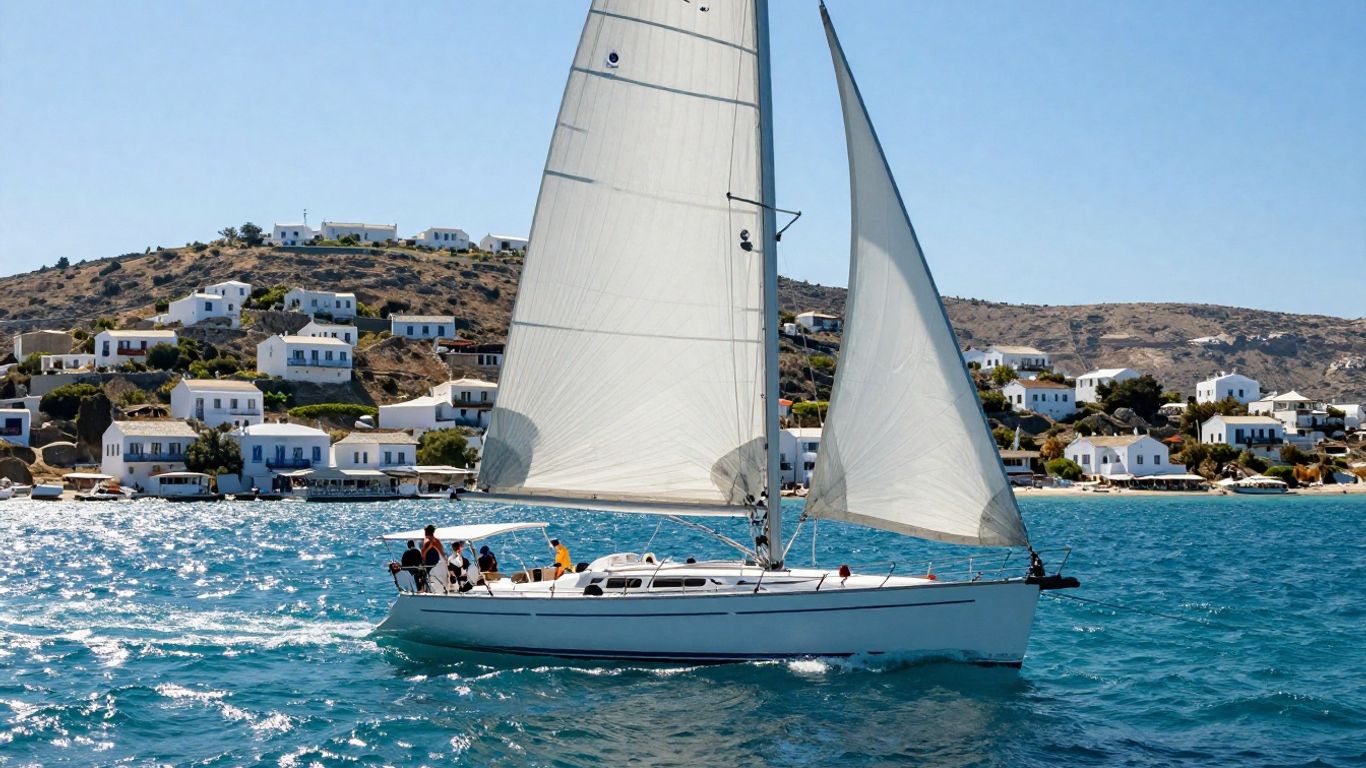
So, you’ve got your boat sorted and you’re ready to hit the water. Now comes the really fun part: figuring out where you’re actually going! Greece, with its thousands of islands, offers a dizzying array of choices. The key is to balance your desire for discovery with a realistic pace. Trying to see everything in a week is a recipe for exhaustion, not relaxation. Each island group has its own vibe, so think about what you’re looking for – calm waters, lively towns, or remote coves.
Island Hopping Through the Cyclades
The Cyclades are probably what most people picture when they think of Greek islands – whitewashed villages clinging to hillsides, blue-domed churches, and that iconic Aegean vibe. It’s a popular choice for a reason, but it can also mean busier anchorages and harbors, especially in peak season. If you’re aiming for the Cyclades, think about starting from a base like Lavrion or Athens. A common 7-day route might look something like this:
- Day 1: Athens (Alimos Marina) to Kea (15 NM). Get your sea legs on this first leg.
- Day 2: Kea to Kythnos (15 NM). Explore its charming villages and thermal springs.
- Day 3: Kythnos to Syros (25 NM). The administrative capital, offering a different, more urban feel.
- Day 4: Syros to Mykonos (20 NM). Famous for its nightlife and stunning beaches, but be prepared for crowds.
- Day 5: Mykonos to Paros (15 NM). A beautiful island with great sailing and lovely towns.
- Day 6: Paros to Sifnos (15 NM). Known for its pottery and delicious food.
- Day 7: Sifnos back towards Athens (approx. 50 NM). This is a longer sail, so you might break it up with a stop on the way back.
Remember, this is just a template. You can adjust it based on your interests and how much sailing you want to do each day. Always keep an eye on the weather, especially the Meltemi winds that can pick up in the summer. You can find some great Aegean sailing routes to get you started.
Discovering the Ionian Islands
If the bustling Cyclades sound a bit much, the Ionian Islands offer a different, often calmer, sailing experience. Think lush greenery, Venetian architecture, and turquoise waters. Lefkas is a popular starting point here. The sailing is generally more sheltered, making it great for less experienced sailors or those who prefer shorter hops between islands. A sample Ionian itinerary could look like this:
- Day 1: Lefkas Marina to Meganisi (8 NM). A short sail to a beautiful, tranquil island.
- Day 2: Meganisi to Fiskardo (Kefalonia) (15 NM). Fiskardo is a picturesque harbor, often busy but worth it.
- Day 3: Fiskardo to Ithaca (10 NM). The legendary home of Odysseus.
- Day 4: Ithaca to Astakos (Mainland) or Kalamos (15 NM). Explore the mainland coast or a quieter island.
- Day 5: Astakos/Kalamos to Paxos (25 NM). Famous for its olive groves and stunning coves.
- Day 6: Paxos to Anti-Paxos and then back towards Lefkas (20 NM). Enjoy the incredible beaches of Anti-Paxos.
- Day 7: Sail back to Lefkas Marina.
This region is fantastic for exploring the Ionian Islands of Greece with their unique charm. The sailing here is often described as relaxed and very scenic.
Venturing into the Saronic Gulf
For those looking for a shorter trip or an easier introduction to Greek sailing, the Saronic Gulf is ideal. It’s easily accessible from Athens (marinas like Alimos or Agios Kosmas), meaning less travel time to your boat. The islands here are close together, offering plenty of variety without long passages. A typical 7-day Saronic route might include:
- Day 1: Athens to Aegina (15 NM). Visit the Temple of Aphaia.
- Day 2: Aegina to Poros (15 NM). Explore the charming town and its canals.
- Day 3: Poros to Hydra (10 NM). Famous for its donkeys and car-free streets.
- Day 4: Hydra to Spetses (15 NM). Known for its grand mansions and history.
- Day 5: Spetses to Ermioni (Mainland) or Dokos (15 NM). Enjoy a mainland stop or a quiet anchorage.
- Day 6: Ermioni/Dokos back towards Aegina or Perdika (20 NM).
- Day 7: Sail back to Athens.
Planning your route in advance is smart, but so is leaving room for spontaneity. Sometimes the best discoveries happen when you deviate from the plan. You can compare different Aegean Islands sailing tours to find the perfect fit for your adventure.
Making the Most of Your Greek Sail Boat Experience
Embracing the Freedom of the Open Sea
Sailing in Greece is way more than just getting from one island to another. It’s about really getting into the vibe, the history, and the whole way of life that’s been shaped by the sea for ages. You’ll notice how the rhythm of the waves and the sun’s warmth just make you slow down and appreciate things more. The feeling of the wind in your sails and the vast blue ahead is truly something special. It’s about finding those quiet coves and feeling completely disconnected from the everyday hustle. This kind of freedom is what makes a Greek sailing trip so memorable.
Connecting With Local Culture and Cuisine
Food is a massive part of the Greek experience, and it doesn’t change when you’re on a boat. Forget fancy restaurants for a bit; the best meals often happen right on deck. It’s all about fresh, simple ingredients. Think about grilled fish caught that very day, a big Greek salad with ripe tomatoes and creamy feta, maybe some local olives and crusty bread. It’s all about flavor and freshness. Don’t be afraid to try local specialties from the islands you visit – each place has its own unique twist. And the wine! Greek wine has really improved, and trying a local white or rosé while watching the sunset is pretty amazing.
Here’s a taste of what to look for:
- Fresh Seafood: Grilled octopus, calamari, and whatever the local fishermen bring in.
- Mezes: Small plates perfect for sharing, like tzatziki, dolmades, and saganaki.
- Local Produce: Ripe tomatoes, cucumbers, olives, and herbs that taste like sunshine.
- Island Specialties: Each island might have a unique dish, like fava from Santorini or pastitsio from Crete.
The best meals are often the simplest, made with ingredients that taste like they were just picked or pulled from the sea. Sharing these with your crew under a sky full of stars is what sailing memories are made of.
Creating Lasting Memories on Your Voyage
Once your amazing sailing trip around the Greek islands is winding down, take a moment to think about your trip. What went well? What could have been better? Most charter companies really appreciate honest feedback. It helps them improve their service for the next people who come along. If you had an amazing time, consider leaving a review or a testimonial. It’s a nice way to thank the crew and the company, and it helps other sailors pick the right charter. Greece offers an appealing sailing experience with stable and affordable mooring prices, allowing for extended two-week cruises with minimal berthing costs. This makes it an attractive destination for sailors seeking value and a relaxed cruising environment. Don’t forget to share your thoughts!
Don’t let the post-trip blues get you down for too long! The Aegean is huge, and you’ve only scratched the surface. Maybe this trip has sparked a desire to explore a different island group next time? Or perhaps you’re ready to try a longer charter? It’s never too early to start dreaming about your next sailing adventure. Greece has so many more hidden coves and charming villages waiting for you. Finishing your charter well means leaving a good impression and taking valuable lessons with you. It’s not just about returning the boat; it’s about closing this chapter of your adventure with satisfaction and looking forward to the next horizon.
Your Aegean Adventure Awaits
So, you’ve read through this guide and hopefully, you’re feeling a lot more ready to plan your own Greek island hopping trip by boat. It’s a pretty amazing way to see Greece, honestly. You get to find those hidden coves and tiny villages that you just can’t reach any other way. Whether you’re a seasoned sailor or just dreaming about it for the first time, there’s a boat and a route out there for you. It’s not as complicated as it might seem, and the feeling of just sailing wherever the wind takes you? That’s something else. Start putting those plans together, and get ready for a trip you won’t soon forget.
Frequently Asked Questions
Do I need to know how to sail to go on a boat trip in Greece?
Absolutely not! Many people who go on these trips have never sailed before. You can hire a skipper, who is like a captain, to sail the boat for you. This way, you can just relax and enjoy the views. If you want to learn a little, the skipper can even show you the basics!
What's a typical day like on a sailing trip in Greece?
Your days will be a mix of fun and relaxation. You might wake up in a calm bay for a swim, enjoy breakfast on deck, and then sail to a new island. Afternoons are great for more swimming, exploring a new town, or just chilling on the boat. Evenings are often spent eating delicious Greek food at a local restaurant by the sea.
What are the different ways to rent a boat in Greece?
You have a few options. You can rent a ‘bareboat’ if you have a sailing license and want to be in charge. If you want someone else to handle the sailing, you can get a ‘skippered charter’. For a super luxurious trip where everything is taken care of, including meals and cleaning, you can choose a ‘crewed charter’ with a full team.
Which Greek islands are best for sailing?
Greece has tons of islands! The Cyclades are famous for their white buildings and blue domes, but can be busier. The Ionian Islands are greener and often have calmer waters, perfect for beginners. The Saronic Gulf is closer to Athens and great for shorter trips. Each place has its own special charm.
What should I pack for a Greek sailing trip?
Pack light, comfortable clothes like t-shirts and shorts, plus a light jacket for cooler evenings. Don’t forget a wide-brimmed hat, sunglasses, and sunscreen to protect yourself from the sun. Comfortable, non-slip shoes are important for walking on the boat. Also, bring any personal medicines you need.
Is sailing in Greece safe?
Yes, sailing in Greece is generally very safe, especially with a skipper. The boats are well-maintained and have all the necessary safety equipment, like life jackets. Skippers are experienced and prioritize your safety. While seasickness can happen, it’s usually mild in the calm Greek waters, and your skipper can give you tips to feel better.