Thinking about getting a boat that can hold about 50 people? It’s a big decision, and finding the right 50 passenger boat for sale can feel like a lot. Whether it’s for a business, a big family, or just a lot of friends, you want something that works well and is safe. This guide is here to help you figure out what to look for and where to start your search. We’ll break down the important stuff so you can find that perfect boat without too much stress.
Key Takeaways
- Figure out exactly what you need the boat for before you start looking at any 50 passenger boat for sale.
- Think about whether a new or used boat makes more sense for your budget and needs.
- Make sure the boat has all the safety gear and meets any rules for carrying passengers.
- Check out different places to find boats, like dealers, brokers, and online sites, to see the widest selection.
- Always inspect the boat yourself and take it for a spin before you agree to buy it.
Finding Your Ideal 50 Passenger Boat for Sale
So, you’re looking to buy a boat that can carry about 50 people. That’s a pretty specific goal, and it means you’re probably thinking about charter services, tour operations, or maybe even a unique shuttle business. It’s not like picking up a small fishing boat, that’s for sure. You need something sturdy, reliable, and comfortable for a good number of folks. The first step is really figuring out what you’ll be doing with this boat.
Understanding Your Boating Needs
Before you even start looking at listings, take a good, hard look at how you plan to use the vessel. Are you planning short harbor tours, longer coastal excursions, or maybe a ferry service between islands? The type of operation will heavily influence the kind of boat you need. Think about:
- Passenger Experience: What level of comfort are your passengers expecting? Are they looking for a scenic cruise with open decks, or do they need enclosed cabins with amenities?
- Operational Area: Will you be operating in calm, protected waters, or will you encounter rougher seas? This impacts hull design and stability requirements.
- Frequency of Use: Is this a seasonal gig or a year-round operation? This can affect your decisions on new versus used and the importance of low maintenance.
- Budget: How much are you realistically looking to spend, not just on the purchase, but also on ongoing costs like fuel, maintenance, and docking?
Understanding these core requirements will help you filter through the many options out there and focus on what truly matters for your specific venture. It’s easy to get distracted by shiny features, but sticking to your operational needs is key.
Exploring Diverse Vessel Options
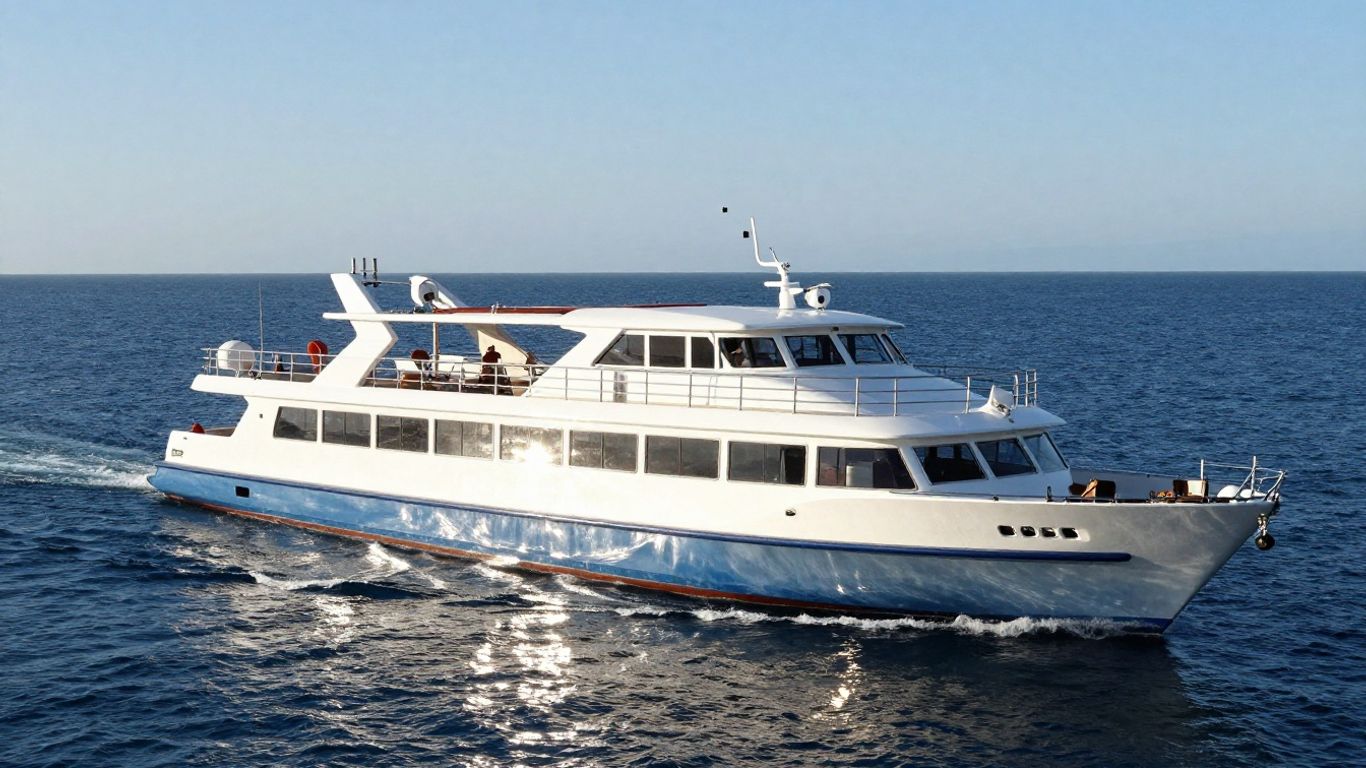
When you’re looking for a 50-passenger capacity, you’re generally looking at a few main types of boats. You’ve got your classic tour boats, often designed with large windows and open deck space for sightseeing. Then there are ferries, which are built for efficiency and getting people from point A to point B, sometimes with more robust construction for varied conditions. You might also find catamarans or party boats that offer stability and space for a more social atmosphere. Each has its own pros and cons depending on your intended use. For instance, a catamaran offers a more stable platform, which can be a big plus for passenger comfort, especially in choppier waters. You can find a wide variety of commercial boats for sale on sites like Boat Trader’s extensive listings.
Key Features for Passenger Comfort
Passenger comfort is paramount when you’re carrying 50 people. Think about:
- Seating: Are there enough comfortable seats for everyone? What kind of seating is it – padded benches, individual chairs?
- Shelter: Is there adequate shade or enclosed space for protection from sun, wind, or rain?
- Restrooms: For longer trips, having onboard restrooms is a must. How many are there, and are they easily accessible?
- Boarding: How easy is it for passengers to get on and off the boat, especially if some have mobility issues?
Considering these points upfront will save you a lot of headaches down the line and help ensure your passengers have a great experience, which is good for repeat business and positive reviews. You’ll want to look at boats that are specifically designed for carrying passengers, rather than trying to adapt a cargo vessel, for example. Some commercial ferries, like those designed for short routes, might fit the bill, though you’ll need to check their specific passenger amenities. For example, a vessel like the 118m RoRo vessel might be too large and geared towards cargo, but it illustrates the scale of some commercial operations.
Navigating the Market for a 50 Passenger Boat
So, you’ve decided a 50-passenger boat is the way to go. That’s a big step! Now comes the part where you actually find one. It’s not quite as simple as picking one off a shelf, you know. There’s a whole market out there, and understanding how it works is key to not getting lost.
New vs. Pre-Owned Considerations
When you’re looking for a boat this size, you’ll quickly see options for both brand-new vessels and ones that have had previous owners. Each has its own set of pros and cons, and what’s right for you really depends on your budget and how much time you want to spend on maintenance right off the bat.
- New Boats: These are shiny and come with the latest tech and warranties. You get that peace of mind knowing no one else has put a scratch on it. Plus, you can often customize them to your exact needs. The downside? They cost more upfront, and there’s always a bit of depreciation the moment you take it out on the water.
- Pre-Owned Boats: You can often find a great deal on a used 50-passenger boat. These vessels have already taken their initial depreciation hit, meaning your money might go further. You might even find a well-maintained boat that’s already equipped with features you want. The catch is, you need to be extra careful about its condition and history. A pre-owned boat might need more immediate maintenance or repairs.
Evaluating Boat Condition and History
This is where you really need to put on your detective hat, especially if you’re leaning towards a used boat. You don’t want any nasty surprises down the line. A thorough inspection is non-negotiable.
Here’s a quick checklist:
- Hull Integrity: Look for any signs of damage, cracks, or previous repairs. Check for blisters or delamination.
- Mechanical Systems: Get a professional to check the engines, generators, pumps, and electrical systems. Ask for maintenance records.
- Interior and Amenities: Inspect the seating, galley, heads, and any other onboard facilities for wear and tear.
- Documentation: Always ask for the boat’s service history, title, and any registration documents. This helps paint a picture of its past life.
It’s easy to get caught up in the excitement of finding a boat, but remember that a little patience now can save you a lot of headaches and money later. Don’t rush the inspection process.
Understanding Market Value
Figuring out what a 50-passenger boat is actually worth can be tricky. Prices can swing quite a bit based on age, condition, brand, features, and even where it’s located. The global market for these types of vessels is growing, which is good news for sellers, but it also means you need to be informed. You can look at similar boats for sale online to get a general idea, but remember that asking price isn’t always the selling price. Talking to experienced brokers can also give you a clearer picture of the current market value.
Here’s a simplified look at factors influencing price:
| Factor | Impact on Price | Notes |
|---|---|---|
| Age | Lower | Older boats generally cost less. |
| Condition | Higher | Excellent condition commands a premium. |
| Brand Reputation | Higher | Well-known brands often hold value. |
| Features | Higher | Upgraded electronics, comfort items. |
| Location | Variable | Demand can differ by region. |
Essential Features for Passenger Vessels
When you’re looking at boats designed to carry a good number of people, say around 50, you really need to think about what makes the trip pleasant and safe for everyone on board. It’s not just about having enough seats; it’s about the whole experience.
Seating Arrangements and Capacity
First off, let’s talk seating. You need to make sure there’s enough room for all 50 passengers without feeling crammed. Think about different types of seating too. Some boats might have benches, others individual seats, and some might even have lounge-style areas. The layout matters a lot for how people move around and interact. A well-designed seating plan can make a huge difference in passenger comfort and overall enjoyment of the trip.
Here’s a quick look at common seating considerations:
- Bench Seating: Good for maximizing space, but can be less comfortable for long periods.
- Individual Seats: Offer more personal space and comfort, often found in tour boats.
- Lounge Areas: Provide a more relaxed atmosphere, great for scenic cruises.
- Deck Space: Ample open deck space is important for guests to stand, walk around, or simply enjoy the view.
Safety Equipment and Regulations
Safety is obviously a big deal when you’re carrying passengers. You’ve got to make sure the boat meets all the required safety standards. This includes things like life jackets for everyone, fire extinguishers, first-aid kits, and proper signaling devices. Depending on where you’re operating and the type of trip, there might be specific regulations you need to follow. It’s always best to check with the relevant authorities to be sure.
Staying compliant with safety regulations isn’t just about avoiding fines; it’s about protecting the lives of everyone on board. A thorough understanding of these requirements is non-negotiable.
Onboard Amenities for Enjoyment
Beyond the basics, what makes a passenger boat trip truly memorable are the little extras. Think about what would make your passengers happy. This could be anything from a decent sound system for music to a small bar area for refreshments. Some boats might even have restrooms, which are pretty important for longer trips. If it’s a sightseeing tour, good visibility from seating areas is a plus. For a more relaxed vibe, maybe some shaded areas or even a small swim platform if the use case allows.
Consider these amenities:
- Restrooms: A must-have for trips longer than an hour or two.
- Sound System: For music or guided commentary.
- Refreshment Area: A place to serve drinks or snacks.
- Shaded Areas: Protection from the sun is always appreciated.
- Storage: Space for personal belongings or equipment.
Financing Your 50 Passenger Boat Purchase
So, you’ve found the perfect 50-passenger boat. That’s fantastic! But before you can start planning your first charter or excursion, you’ve got to figure out the money side of things. Buying a vessel this size is a big deal, and getting the financing right is key to making it happen without too much stress.
Securing the Best Boat Loan
When it comes to getting a loan for a boat, you’ve got a few paths you can take. Many people start with their regular bank or credit union, just like they would for a car or a house. They might offer a personal loan or a specific boat loan. It’s worth checking out what rates and terms they have available. Alternatively, there are lenders who specialize just in marine financing. These folks often know the ins and outs of boat purchases and might have more flexible options tailored to this kind of big purchase. It’s a good idea to shop around and compare offers from different places to make sure you’re getting a competitive rate. Getting pre-approved can also give you a stronger position when you start negotiating.
Here’s a quick look at some loan types:
- Secured Boat Loans: These use the boat itself as collateral. They often have lower interest rates because the lender has less risk.
- Unsecured Personal Loans: These don’t require collateral, but they usually come with higher interest rates and might have lower borrowing limits.
- Lines of Credit: Sometimes, a business line of credit can be used, especially if the boat is for commercial purposes.
Remember, the loan terms, interest rate, and repayment period will significantly impact your monthly payments and the total cost of the boat over time. Don’t just look at the monthly payment; consider the overall financial commitment.
Exploring Dealer Financing Options
Many boat dealerships have their own financing departments or work closely with specific lenders. This can sometimes simplify the process because you’re dealing with one point of contact for both the boat and the loan. They might have special promotions or partnerships that could get you a decent deal. It’s smart to ask about their financing options early on. See if they can help you secure the best possible boat loan for your situation. Just be sure to compare their offers with what you find from independent lenders. Sometimes, the dealer’s financing isn’t the absolute best rate available, even if it’s convenient.
Budgeting for Ownership Costs
Buying the boat is just the first step, though. You’ve got to think about all the other costs that come with owning a 50-passenger vessel. It’s not just the loan payment. You’ll have insurance, which can be pretty significant for a boat this size. Then there’s maintenance – regular upkeep, engine servicing, hull cleaning, and potential repairs. Don’t forget docking or mooring fees, registration, and possibly crew salaries if you plan to operate it commercially. It all adds up pretty quickly.
Here are some costs to factor in:
- Insurance: Get quotes from multiple marine insurance providers.
- Maintenance: Budget for regular servicing and unexpected repairs.
- Dockage/Mooring: Monthly or annual fees for where you’ll keep the boat.
- Fuel: Depending on usage, this can be a substantial ongoing expense.
- Crew Costs: If applicable, factor in salaries, benefits, and training.
- Permits & Licenses: Annual fees for operation.
Thinking through these expenses beforehand will help you avoid any nasty surprises down the road and ensure you can comfortably afford to keep your new venture on the water.
Where to Find a 50 Passenger Boat for Sale
So, you’ve decided you need a boat that can carry about 50 people. That’s a pretty specific need, and it means you’re probably looking at something more substantial than your average pleasure craft. Finding these larger vessels takes a bit of a different approach than just browsing a local marina. You’ll want to cast a wider net, so to speak.
Reputable Dealerships and Brokers
When you’re looking for a boat of this size, working with specialized dealers and brokers can really pay off. These folks often have access to listings that aren’t widely advertised, and they know the ins and outs of the larger boat market. They can also help with the paperwork, which, let’s be honest, can get complicated with bigger purchases. Think of them as your guides through the whole process. Some dealerships focus on commercial vessels or passenger ferries, which is exactly what you might be after. It’s worth doing some digging to find ones that specialize in the type of boat you’re looking for. You might find a great deal on a passenger ship, for example, that’s already set up for exactly what you need.
Online Marketplaces and Listings
Of course, the internet is a huge resource. There are many websites dedicated to boat sales, and some are better than others for larger vessels. You’ll want to look for sites that have good filtering options so you can narrow down your search by size, capacity, and type. Some platforms are more geared towards commercial sales, which could be a goldmine for a 50-passenger boat. Don’t forget to check out general classifieds sites too, but be prepared to sift through a lot of smaller boats. It’s a numbers game sometimes. You can often find a diverse range of power boats available for purchase across different regions.
Attending Boat Shows and Events
Boat shows are fantastic places to see a lot of different boats all in one spot. While many shows focus on recreational boats, some larger shows will have commercial or passenger vessels on display. This is a great opportunity to talk directly with manufacturers and sellers, get a feel for the build quality, and ask all your burning questions. You might even be able to arrange a viewing or a sea trial right there. Plus, you never know who you’ll meet – sometimes the best connections are made in person. It’s a good way to get a feel for what’s out there and what you like.
Finding the right boat is a journey, and it often involves a mix of online searching, talking to experts, and seeing things firsthand. Don’t rush the process; take your time to explore all the avenues available to you. The perfect vessel is out there waiting.
Here’s a quick rundown of where to focus your search:
- Specialty Boat Brokers: Look for brokers who deal in commercial or passenger vessels.
- Online Marine Marketplaces: Utilize sites with advanced search filters for size and capacity.
- Boat Shows: Attend larger shows that feature commercial or charter boat sections.
- Industry Publications: Sometimes, listings appear in trade magazines or their online counterparts.
Making the Final Decision on Your Vessel
Alright, you’ve done your homework, looked at a bunch of boats, and maybe even got a few favorites. Now comes the part where you really have to lock it down. It’s exciting, sure, but also a bit nerve-wracking, right? You want to make sure you’re not missing anything.
Test Drives and Inspections
This is where you get hands-on. A test drive isn’t just about seeing if the engine starts. You need to feel how the boat handles. Does it steer smoothly? How does it respond when you throttle up or down? Pay attention to any weird noises or vibrations. It’s also a good time to check out the little things. Open and close all the hatches and doors – do they work right? Check the steering system and any visible plumbing. You want to make sure everything feels solid and well-maintained. Don’t be afraid to ask the seller or broker to demonstrate specific functions.
Negotiating the Purchase Price
Once you’re happy with the boat after your inspection and test drive, it’s time to talk numbers. This can feel a bit awkward, but remember, it’s part of the process. You should have a good idea of the boat’s market value by now. If your inspection turned up any issues, those are good points to bring up during negotiation. You might be able to get a discount to cover repair costs. Be polite but firm. It’s a negotiation, not a fight. Sometimes, a broker can be really helpful here, acting as a buffer and using their experience to get you a fair deal. You can find some great deals if you’re patient and do your research, like looking at boat sales in Sacramento.
Completing the Transaction Smoothly
So, you’ve agreed on a price. Great! Now, let’s get the paperwork sorted without any headaches. Make sure you have a clear bill of sale that lists all the agreed-upon terms, including the final price and any contingencies. If you’re getting a loan, this is where that process really kicks into high gear. You’ll also need to think about insurance and registration. Don’t rush this part. It’s better to take an extra day to get everything right than to have problems down the line. A smooth closing means you can start enjoying your new boat sooner rather than later.
It’s easy to get caught up in the excitement of finding the perfect boat, but remember to stay grounded. A thorough inspection and a clear understanding of the financial and legal steps will save you a lot of trouble later on. Think of it as the final check before embarking on your adventures.
Here’s a quick checklist to keep you on track:
- Final Inspection: Double-check everything you noted during the initial inspection.
- Review Paperwork: Read the bill of sale and any other legal documents carefully.
- Secure Financing: Confirm all loan details are finalized.
- Arrange Insurance: Get your boat insurance policy in place.
- Plan for Transfer: Figure out how you’ll take possession of the boat.
Ready to Set Sail?
So, you’ve been thinking about getting a 50-passenger boat. It’s a big step, for sure, but totally doable. We’ve gone over what to look for, from checking the engine to making sure there’s enough room for everyone to have a good time. Remember, finding the right boat is like finding the right partner for your adventures on the water. Take your time, do your homework, and don’t be afraid to ask questions. There are plenty of great boats out there waiting for you, and with a little patience, you’ll find the perfect one to start making some amazing memories.
Frequently Asked Questions
What should I think about when looking for a 50-passenger boat?
When searching for a boat that can carry 50 people, think about where you’ll use it most – like for tours, parties, or fishing trips. Also, consider what makes passengers comfy, like good seats and shade. Don’t forget safety gear and if you need special features like a bathroom or a place to eat.
Is it better to buy a new or used 50-passenger boat?
Buying new means you get the latest features and a full warranty, but it costs more. A used boat can be a great deal, but you’ll need to check its condition carefully and maybe do some repairs. It’s like choosing between a brand-new car and a reliable used one – both have pros and cons.
What safety stuff is a must-have on a boat for 50 people?
Safety is super important! You’ll need enough life jackets for everyone, fire extinguishers, first-aid kits, and ways to signal for help. Plus, the boat needs to meet all the official rules and regulations for carrying that many passengers. Think of it as the boat’s safety checklist.
How do I figure out the right price for a 50-passenger boat?
To know if a price is fair, look at similar boats for sale. Check their age, size, condition, and what features they have. You can also ask boat experts or brokers for their opinion. It’s about finding out what the boat is really worth in the market.
Where are the best places to find a 50-passenger boat for sale?
You can find these boats at specialized boat dealerships, through boat brokers who act as agents, or on big online websites that list boats. Going to boat shows is also a good idea because you can see many boats all in one place and talk to sellers directly.
What costs are involved besides the price of the boat itself?
Besides buying the boat, you’ll have ongoing costs. These include insurance, regular maintenance and repairs, docking fees if you keep it at a marina, fuel, and possibly costs for a captain or crew. It’s smart to budget for all these things to avoid surprises.