Planning a sailing trip to St. Lucia can seem like a lot, but breaking it down makes it easier. Here are some of the most important things to remember to make your trip smooth and enjoyable.
Key Takeaways
- Always check the latest customs and immigration rules for St. Lucia and any other islands you plan to visit.
- Pack light and use soft bags for easier storage on your boat.
- Familiarize yourself with the local sailing areas and any restrictions before you go.
- St. Lucia offers stunning spots like the Pitons and Marigot Bay, perfect for exploring by boat.
- Consider different itinerary options, from staying around St. Lucia to exploring the Grenadines or Martinique.
Planning Your Sailing to St. Lucia Adventure
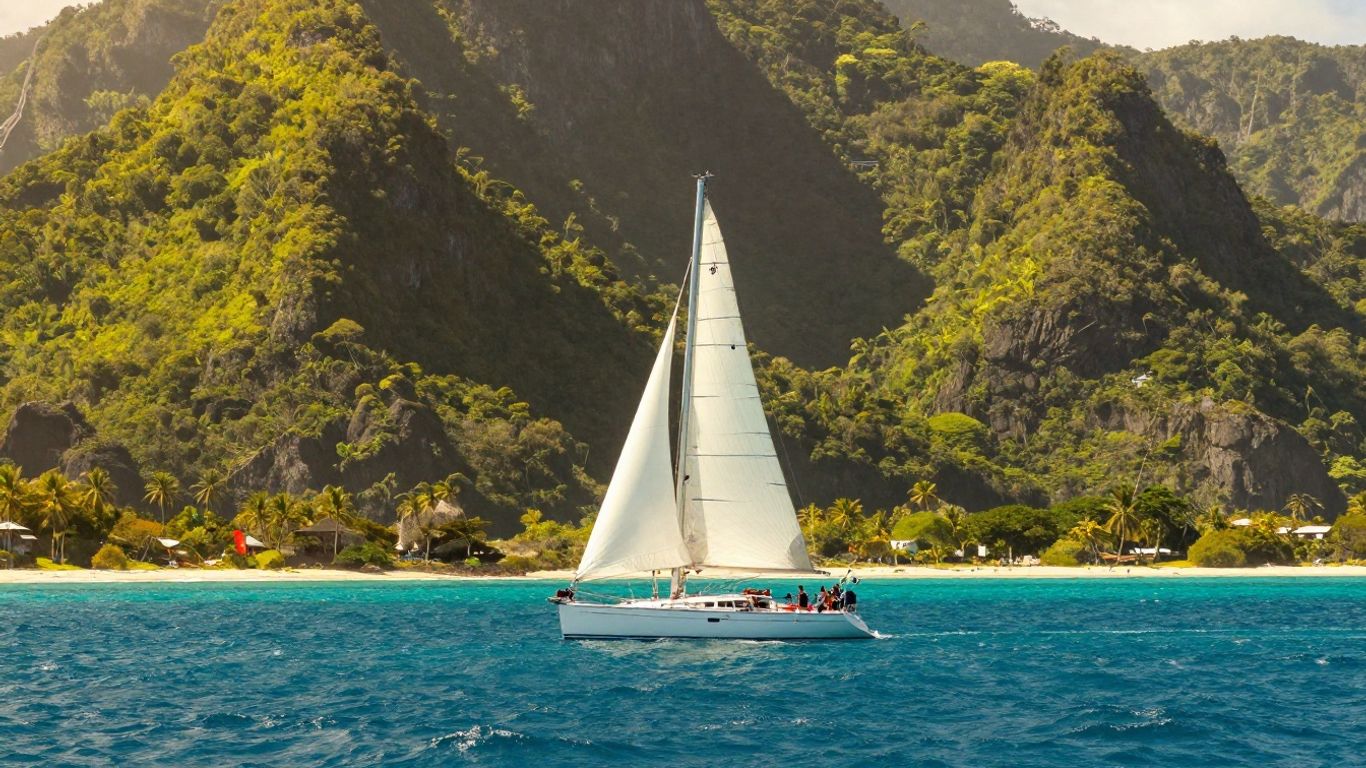
Getting ready for a sailing trip to St. Lucia is half the fun, right? It’s all about making sure you’ve got the basics covered so you can just relax once you’re out on the water. Think of this section as your pre-flight checklist, but for the sea.
Understanding Sailing Requirements
First things first, let’s talk about what you actually need to sail here. For most folks chartering a boat, you won’t need a formal sailing license to cruise around St. Lucia and the nearby islands. However, it’s a really good idea to have your sailing certifications with you, just in case you’re asked by port authorities. The skipper and first mate will likely need to fill out a sailing resume beforehand, just to show they’ve got the skills for this kind of cruising. It’s all about making sure everyone’s comfortable and capable out there. You can find more details on what’s needed for international travel on government sites, but always double-check for the specific countries you plan to visit.
Essential Packing and Luggage Tips
When it comes to packing, think smart and light. Boats have limited storage space, so soft-sided bags are your best friend. Forget those bulky suitcases; they’re a pain to stow. The marina usually doesn’t have a place to hold extra luggage, so pack only what you absolutely need. Definitely bring a carry-on with essentials like any prescription medications and a change of clothes, just in case.
Here’s a quick rundown of what to consider:
- Documents: Passports, visas (if needed), and any printed confirmations for bookings.
- Clothing: Lightweight, light-colored clothes are best for the tropical climate. Think breathable fabrics.
- Personal Items: Sunscreen, hats, sunglasses, insect repellent, and any personal toiletries.
- Electronics: Chargers, adapters, and maybe a waterproof case for your phone.
- Medications: Any prescription drugs and a basic first-aid kit.
Navigating Customs and Immigration
This part can seem a bit daunting, but it’s pretty straightforward if you’re prepared. When you arrive in St. Lucia, or if you plan to hop to other islands, you’ll need to clear customs and immigration. The requirements can change depending on where you’re coming from and where you’re going next. It’s your responsibility to have all the correct paperwork. Usually, your charter company will give you a rundown on the process for the specific islands on your itinerary during your chart briefing. Make sure your passports are up-to-date and that you’ve checked any visa requirements well in advance of your trip. It’s always better to be overprepared than to run into issues at the border.
Clearing customs and immigration is a standard procedure for international travel. The key is to have all your documentation in order and to follow the instructions provided by the officials. Don’t hesitate to ask your charter company for guidance on this, as they deal with it regularly.
Iconic St. Lucia Sailing Destinations
St. Lucia is a gem in the Caribbean, and seeing it from the water is something else. When you’re sailing around, a few spots just stand out. They’re the places you’ve probably seen in pictures, and for good reason.
The Majestic Pitons
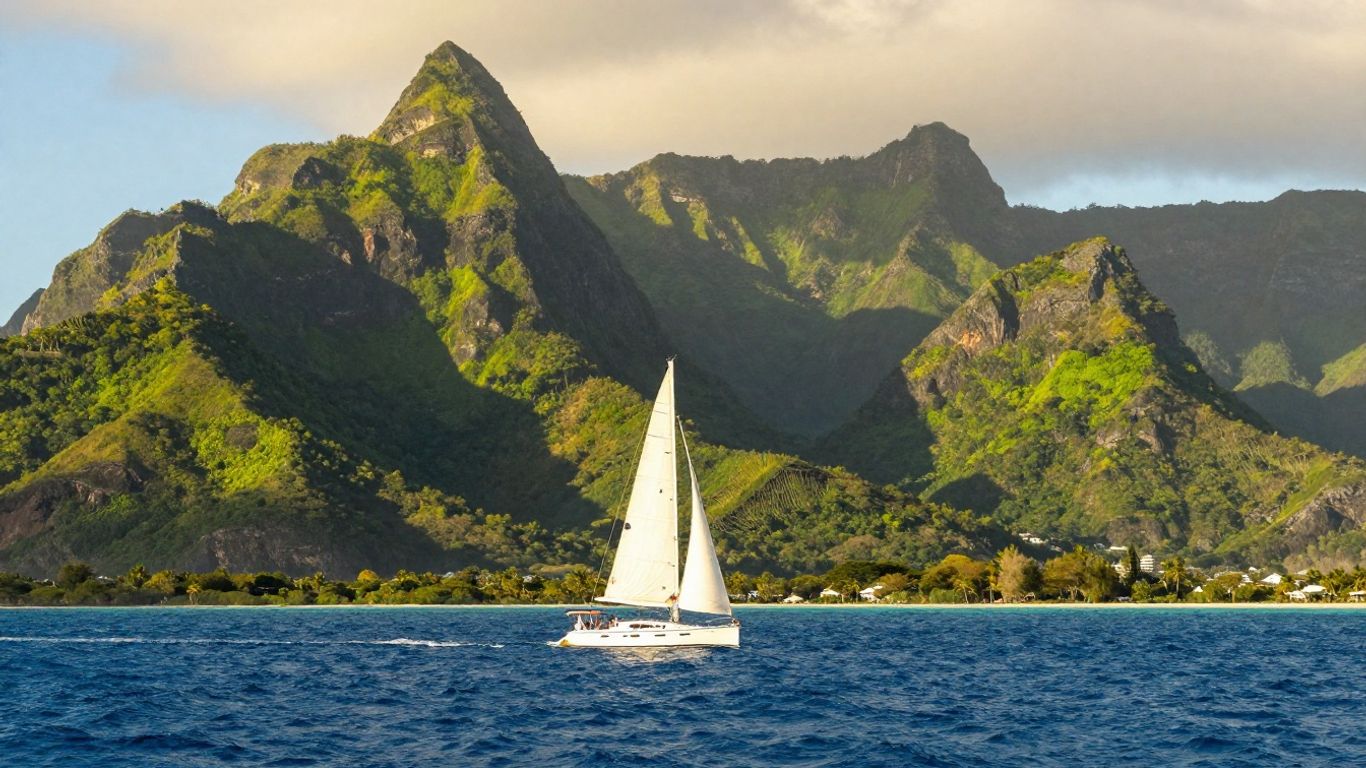
These two volcanic peaks, Gros Piton and Petit Piton, are St. Lucia’s most famous landmarks. They shoot straight up from the ocean, and honestly, it’s a sight that sticks with you. They’re a UNESCO World Heritage Site, and arriving by boat gives you the best view. The waters around them are part of a marine management area, making it great for a swim or snorkel. You can even hike Gros Piton if you’re feeling adventurous.
- Height: Gros Piton is over 2,600 feet, Petit Piton is slightly shorter.
- Location: Southwest coast of St. Lucia.
- Activities: Hiking, snorkeling, photography.
The waters here are protected, so expect clear visibility and a healthy marine life population, perfect for underwater exploration.
Rodney Bay Marina
This is a major hub for sailors. Rodney Bay offers a well-equipped marina, making it a convenient stop for provisioning, repairs, or just a break from anchoring. It’s a lively spot with plenty of restaurants and shops nearby. If you’re planning a longer trip, like a seven-day exploration of St. Lucia and the Grenadines, Rodney Bay is often a starting or ending point.
- Facilities: Full-service marina, restaurants, shops, bars.
- Services: Fuel, water, repairs, customs and immigration.
- Atmosphere: Bustling and social.
Marigot Bay's Secluded Charm
Often called one of the most beautiful bays in the Caribbean, Marigot Bay is a real treat. It’s a sheltered, picturesque spot tucked away from the open sea. You’ll find charming homes overlooking the water and some great waterfront restaurants serving up local and international dishes. It’s the kind of place where you can just relax and soak in the scenery, especially at sunset.
- Scenery: Lush green hillsides meeting the calm bay.
- Dining: Waterfront restaurants with sunset views.
- Vibe: Peaceful and scenic.
Pigeon Island National Park
Located at the northern tip of St. Lucia, Pigeon Island is a historical and natural wonderland. You can anchor here and enjoy a sheltered spot. The park itself has old military ruins to explore, walking trails, and beautiful beaches perfect for swimming and snorkeling. It’s a great place to spend a day learning about the island’s past and enjoying its natural beauty.
- History: Fort Rodney ruins and military history.
- Nature: Hiking trails, beaches, snorkeling spots.
- Amenities: Restaurants and bars available for a sundowner.
Crafting Your St. Lucia Itinerary
So, you’ve got your boat ready and you’re dreaming of St. Lucia. Now comes the fun part: figuring out where you’ll actually go! St. Lucia itself is amazing, but the real magic of sailing here is often about what’s around it. You could totally spend your whole week just exploring St. Lucia, maybe using Rodney Bay as your home base and taking easy day trips. But if you’re up for a bit more adventure, the islands south of St. Lucia, known as the Grenadines, are calling.
Seven-Day St. Lucia and Grenadines Exploration
This is a popular choice for a reason. You get a taste of St. Lucia’s dramatic scenery and then head down-island for a change of pace. It’s a great mix of famous sights and more laid-back island vibes. You’ll need to clear customs when you head into the Grenadines, but don’t worry, you’ll get all the details before you leave.
- Day 1: Arrive and get settled. Maybe start near the iconic Pitons. It’s a stunning first impression, right?
- Day 2: Explore the area around the Pitons and Soufrière. Think mud baths, waterfalls, and maybe even a hike.
- Day 3: Head south towards St. Vincent and the Grenadines. The first leg might be a bit longer, but the reward is worth it.
- Days 4-6: Explore islands like Bequia or the Tobago Cays. These spots are perfect for snorkeling, diving, and just soaking up the sun.
- Day 7: Start making your way back, or continue your journey if you have more time.
Remember that moorings and marinas often come with a fee, so it’s good to budget for those stops.
Seven-Day St. Lucia and Martinique Voyage
If you’re looking for a different flavor, sailing north to Martinique is a fantastic option. It’s a shorter trip, and you get to experience two distinct cultures. This itinerary often starts in Martinique and heads to St. Lucia.
- Day 1: Start in Le Marin, Martinique, and sail to Rodney Bay, St. Lucia. It’s a good first day’s sail.
- Day 2: Explore Rodney Bay and then maybe head south along the St. Lucia coast.
- Day 3: Visit Marigot Bay, known for its beauty and good dining spots.
- Days 4-6: Continue exploring St. Lucia or make the hop back to Martinique, perhaps visiting different bays or anchorages.
- Day 7: Conclude your trip, likely back in Martinique.
Customizing Your Down-Island Journey
These are just starting points, of course. The beauty of sailing is the freedom! You can tailor any trip to your interests. Love diving? Spend more time near the marine parks. Want to relax on beaches? Find those quiet coves. The most important thing is to plan your passages realistically, considering wind, weather, and how much time you actually want to spend sailing versus exploring ashore. Always get a thorough chart briefing before you set off on any down-island journey.
Here’s a quick look at potential sailing times for some common legs:
| From | To | Estimated Sailing Time | Notes |
|---|---|---|---|
| Martinique | Rodney Bay | ~5-7 hours | Fair winds, good for starting |
| Rodney Bay | Pitons | ~2-3 hours | Scenic coastal cruise |
| Pitons | Marigot Bay | ~1-2 hours | Short hop, beautiful anchorage |
| St. Lucia | Bequia | ~6-8 hours | Longer passage, requires clearing customs |
Don’t forget to factor in time for customs and immigration if you’re hopping between countries. It’s all part of the adventure!
Activities and Experiences While Sailing to St. Lucia
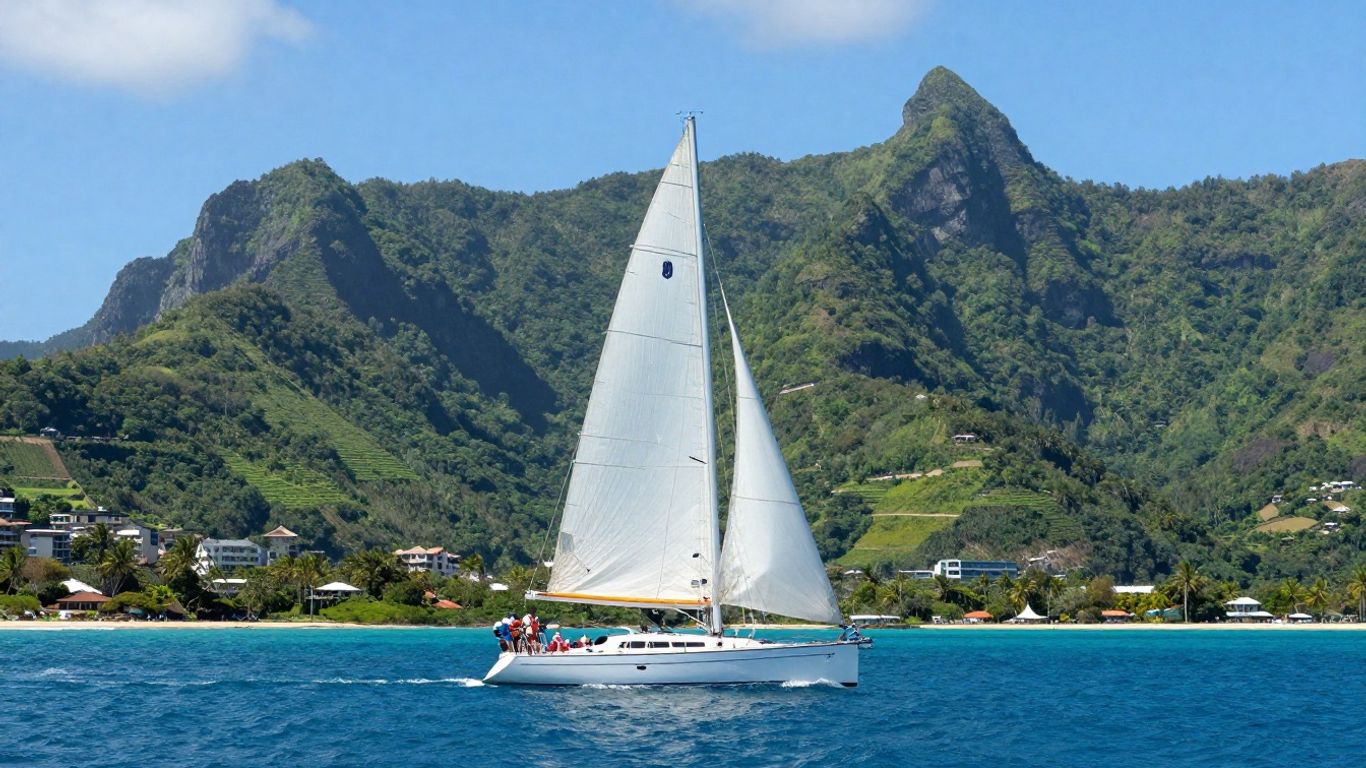
Sailing to St. Lucia isn’t just about the journey between anchorages; it’s about what you do when you get there. The island offers a fantastic mix of underwater exploration, land-based adventures, and pure relaxation. You’ll find plenty to keep you busy, whether you’re looking for thrills or just a quiet spot to unwind.
Exploring St. Lucia's Marine Parks
The waters around St. Lucia are teeming with life, making it a prime spot for anyone interested in what’s beneath the waves. The marine parks here are protected areas, so you’ll see a lot of colorful fish and healthy coral. It’s a great place to go snorkeling or diving. Remember that diving in St. Lucia often requires a guide, so it’s a good idea to arrange this in advance with a local operator. Some popular spots include the areas around the Pitons, which are part of the Soufrière Marine Management Area. You can expect to see everything from small reef fish to larger pelagics if you’re lucky.
- Snorkeling: Many bays offer easy access for snorkeling right from your boat. Look for areas with clear water and visible reefs.
- Diving: For certified divers, St. Lucia offers pinnacles, walls, and even a few shipwrecks. Several reputable dive shops operate on the island.
- Conservation: Be mindful of the marine environment. Avoid touching coral and take any trash with you.
The underwater world here is as vibrant as the rainforests. Protecting these delicate ecosystems ensures that future visitors can enjoy the same stunning sights.
Hiking and Rainforest Adventures
If you prefer your adventures on solid ground, St. Lucia’s interior is a playground. The island’s volcanic origins have created a lush, tropical landscape perfect for hiking. You can explore dense rainforests, discover hidden waterfalls, and even hike up one of the famous Pitons. Many trails are well-maintained, but it’s always wise to go with a guide, especially for more challenging treks. The air is thick with the scent of tropical flowers, and the sounds of the jungle are all around you. It’s a refreshing change of pace from the sea.
Discovering Soufrière's Natural Wonders
Soufrière, a town nestled between the Pitons, is a hub for natural attractions. You can visit the drive-in volcano, where you can literally drive into a dormant volcanic crater and experience the geothermal activity up close. The nearby Sulphur Springs offer therapeutic mud baths, which are a unique and somewhat messy experience. Don’t miss the Toraille Waterfall, a beautiful cascade where you can swim in the cool pool at its base. It’s a great spot to cool off after a hike or a visit to the town. You can also find charming Creole architecture and local markets here, offering a glimpse into island life. This area is a must-see for any trip to St. Lucia’s top attractions.
Enjoying Beachfront Dining and Relaxation
After a day of exploring, there’s nothing quite like unwinding with a meal by the sea. St. Lucia has a variety of beachfront dining options, from casual beach bars serving fresh seafood to more upscale restaurants. Many bays offer excellent spots to drop anchor and dinghy ashore for dinner. Imagine watching the sunset with a cool drink in hand and the sound of the waves nearby. It’s the perfect way to end a day of sailing. You can find places serving local Creole dishes, fresh fish, and international favorites. Some popular spots are found in areas like Marigot Bay or near Rodney Bay, offering a range of atmospheres to suit your mood. For a taste of local flavor, consider trying some of the local brews or rum.
| Activity | Description |
|---|---|
| Marine Exploration | Snorkeling and diving in protected marine parks, observing coral reefs and fish. |
| Land Adventures | Hiking through rainforests, visiting waterfalls, and exploring volcanic sites. |
| Cultural Immersion | Exploring towns like Soufrière, visiting local markets, and enjoying Creole cuisine. |
| Relaxation | Beachfront dining, swimming, and enjoying the scenic coastal views. |
Navigational and Practical Sailing Tips
Sailing to St. Lucia is a fantastic experience, but like any adventure on the water, a little preparation goes a long way. Understanding the local rules and conditions will make your trip smoother and more enjoyable. Paying attention to these details can prevent headaches and ensure you focus on the beauty of the Caribbean.
Understanding Cruising Permits and Taxes
When you’re planning your route, remember that different islands have their own permit requirements and associated fees. These are usually paid upon arrival or departure. It’s a good idea to budget for these small costs. For St. Lucia, expect fees to be in the range of $7.50 to $20. Other nearby islands like St. Vincent and Grenada have different structures, often based on boat length. For instance, Grenada’s permits can range from $20 for smaller boats up to $58 for larger ones.
Here’s a quick look at some typical permit costs:
| Island | Permit Cost (Approx.) |
|---|---|
| St. Lucia | $7.50 – $20 |
| St. Vincent | $0.75 per foot |
| Grenada | $20 – $58+ |
Night Sailing Restrictions
Most charter companies and local regulations prohibit sailing after dark. This is for safety reasons, as visibility decreases significantly and it’s harder to spot reefs or other vessels. You’ll need to plan your passages so that you arrive at your anchorage or marina at least one hour before sunset. This gives you time to find a secure spot and get settled before darkness falls. It’s a good practice that helps keep everyone safe and sound.
Chart Briefings and Pilot Books
Before you set off, you’ll typically receive a chart briefing. This is where you’ll get all the necessary charts and pilot books for the sailing area. These resources are packed with information about anchorages, potential hazards, local weather patterns, and points of interest. Don’t skip this briefing! It’s your chance to ask questions and get the most up-to-date information. Having a good cruising guide for the Windward Islands, for example, can be incredibly helpful for understanding the nuances of sailing in this part of the Caribbean.
It’s always wise to have a backup plan. Weather can change quickly in the tropics, and sometimes the best-laid plans need a little adjustment. Being flexible and prepared for minor changes will make your journey much more relaxed. Remember, the goal is to enjoy the journey and the stunning scenery St. Lucia has to offer.
Conclusion
Sailing to St. Lucia is more than just a trip; it’s an experience that stays with you. From the dramatic peaks of the Pitons to the peaceful waters of Marigot Bay, this island offers a sailing adventure like no other. Whether you’re charting a course for a week or longer, exploring nearby islands, or simply enjoying the beauty of St. Lucia itself, the memories you make on the water will be unforgettable. So, get ready to hoist the sails and discover the magic of St. Lucia!
Frequently Asked Questions
Do I need a special license to sail in St. Lucia?
You don’t need a formal sailing license, but you’ll need to show you have enough sailing experience. It’s a good idea to bring any sailing certificates you have, just in case you’re asked by officials. They want to make sure you can handle the boat safely.
What should I pack for a sailing trip?
Think light and bring soft bags, as they fit better on a boat. Definitely pack your passport and any important travel papers. Also, bring a change of clothes and any needed medicines in a carry-on bag. Light, comfortable clothing is best for the warm weather.
Can I sail at night in St. Lucia?
No, night sailing isn’t allowed. You need to be safely docked or anchored at least an hour before the sun goes down. This is for your safety and to avoid any issues.
What are the most famous sailing spots in St. Lucia?
The Pitons are a must-see, these giant volcanic peaks rising from the sea are amazing. Marigot Bay is another beautiful, calm spot that feels very hidden away. Rodney Bay Marina is also popular, offering good facilities for boats.
How much does it cost to get a cruising permit?
The cost for a St. Lucia cruising permit can range from about $7.50 to $20. If you plan to visit other islands like St. Vincent or Grenada, they have their own permit fees, which vary based on the size of your boat.
What kind of activities can I do besides sailing?
There’s tons to do! You can go snorkeling or diving in the marine parks, hike through the rainforest to see waterfalls, or explore the natural wonders around Soufrière, like the sulfur springs. And of course, relaxing on the beaches and enjoying local food is always a great option.