Key Takeaways
Planning a voyage in these waters requires careful consideration of seasonal winds and coastal geography. Understanding regional logistics ensures a smooth and memorable experience for every traveler.
- Select your starting base based on preferred island regions
- Respect all protected marine nature zones while underway
- Monitor regional wind patterns to ensure safe navigation
- Stock supplies in port towns to maintain comfortable living
- Carry mandatory documentation to meet local harbor requirements
Planning your Sardinia sailing itinerary
Designing a route around this island involves balancing the glamour of northern hubs with the quiet character of the south. Travelers often find that moving between these zones changes the entire tone of the journey. Planning early ensures that your time on the water remains truly rewarding for your crew.
Choosing between the Costa Smeralda and southern coast
The northeast side offers polished marinas and legendary nightlife, while the southern reaches provide secluded anchorages near wild beaches. Many sailors prefer the variety found by hitting both during a week-long rental. Balancing high-energy stops with quiet coves creates a balanced adventure.
Identifying the ideal travel window for Mediterranean conditions
Late spring and early autumn remain the prime seasons for comfortable temperatures and stable conditions. Scheduling your travel outside the peak heat of August avoids the largest crowds. This strategy keeps anchorages more accessible for boats of all sizes.
Defining route duration and daily sailing distances
Stretching a journey over ten days allows for leisurely exploration of distant bays without rushing back to port. Aiming for three to four hours of daily movement leaves plenty of time for anchoring and swimming. Proper planning prevents the stress of long, unplanned slogs against the current.
Selecting the right vessel for your voyage
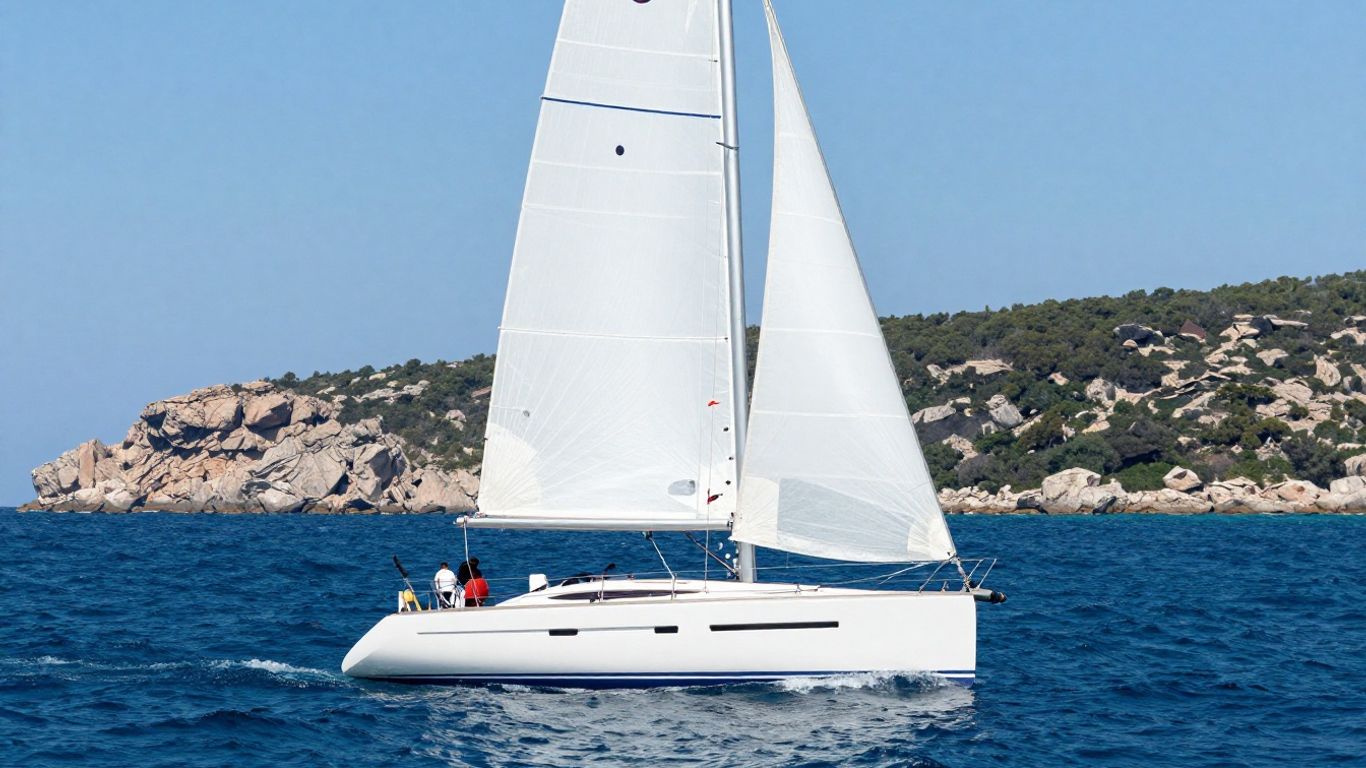
Choosing a boat involves matching specific comfort needs with the technical skill level of your group. Options range from self-managed vessels to high-end yachts with dedicated staff. Whatever you select, checking the maintenance logs provides extra peace of mind.
Bareboat charters for experienced skippers
Experienced sailors often enjoy the freedom of navigating on their own terms. This requires familiarity with Mediterranean mooring styles and basic navigation. Being the captain of your own ship adds a layer of satisfaction to the trip.
Crewed yachts and luxury catamaran options
For a more relaxing experience, many travelers turn to The Moorings to provide professional support and comfortable vessels. Having a local captain manage the technical side of the boat allows guests to focus entirely on the scenery. Luxury options include refined amenities that elevate the experience far beyond basic transportation.
Evaluating technical boat specifications and living amenities
Choosing the right layout involves looking at cabin configuration and systems efficiency. Compare these features to ensure the vessel meets your group’s unique standards for comfort at sea.
| Feature Class | Capacity | Primary Use |
|---|---|---|
| Entry Level | 4-6 Guests | Coastal Hopping |
| Mid-Range | 6-8 Guests | Island Cruising |
| Performance | 8-12 Guests | Bluewater Voyages |
Selecting a vessel with adequate water storage and reliable battery systems makes long stretches away from shore quite simple. Prioritizing modern equipment keeps the galley and sleeping quarters in great condition throughout the passage.
Understanding local maritime regulations and logistics
Local rules exist to maintain the environmental health of the coastline and the safety of all vessels. Following these guidelines ensures that you avoid unnecessary fines or delays in port. Clear communication with authorities makes the process straightforward for even first-time charterers.
Navigating protected marine areas and nature reserves
Many stretches of coast are heavily regulated to protect fragile underwater ecosystems. Always check regional charts to spot restricted areas before casting off from the marina dock.
- Anchor only in permitted zones
- Avoid discharging graywater near reefs
- Observe reduced speed limits near reserves
- Report unusual wildlife sightings to local rangers
Strict adherence to these rules preserves the region for future sailors while keeping the local marine life thriving.
Booking slips in high-demand marinas
Popular ports often operate at full capacity during the height of the summer season. Securing a spot through online reservation systems well in advance remains the best way to ensure peace of mind. Arriving without a booking can lead to long waits or the need to anchor outside the protected breakwaters.
Required sailing licenses and mandatory documentation
Always keep your original skipper credentials and insurance documents accessible at the navigation desk. Having a clear set of paperwork ready for harbor officials reduces friction during check-in. Consistency with these requirements is a standard expectation in Mediterranean waters.
Navigating the unique weather patterns of the Tyrrhenian Sea
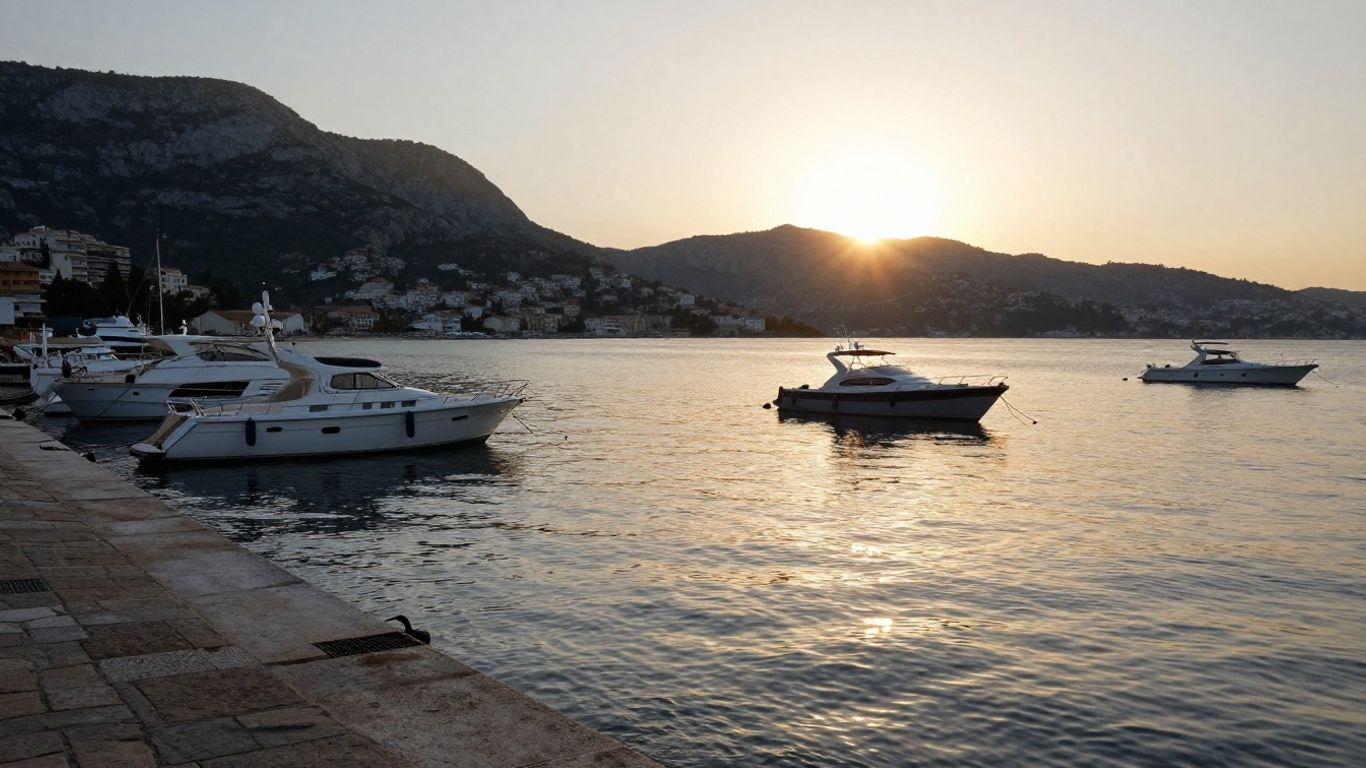
Weather in this region changes based on local terrain and pressure shifts that occur quite quickly. Keeping a close eye on the horizon remains a vital part of every morning captain’s meeting. Reliable data helps distinguish between a mild breeze and a change in the sea state.
Managing the impact of the Mistral wind
The Mistral is a strong, dry wind that can create choppy conditions in the northern channels. Sailors often adjust their north-south routes to avoid being stuck on a lee shore during high-wind events. Knowing when to take cover is a sign of a skilled captain.
Utilizing local meteorological reporting services
Digital gauges and local radio updates provide the most accurate real-time data for your specific route. Many sailors rely on Sunsail for guidance on navigating these waters confidently. Continuous monitoring keeps the crew aware of shift patterns before they become problematic.
Adapting itineraries for sudden sea state changes
Remaining flexible with your plans allows you to skip a stop if the weather turns unfavorable. Having a backup anchorage nearby ensures that you always have a safe port. This cautious approach keeps the experience fun and manageable.
Provisions and life on board
Sourcing fresh food from local markets enriches the onboard experience and supports the local economy. Mediterranean diets rely on seasonal produce that stays fresh in the galley with basic cooling methods. Planning your meal rotation helps keep the fridge organized and efficient.
Sourcing local ingredients at Mediterranean port markets
Early morning runs to the local pier provide the best view of the daily catch. Finding local vegetables and cheeses at small market stalls connects you to the local culture. It is one of the most enjoyable aspects of a long-range voyage.
Optimizing galley storage for multi-day voyages
Vertical storage and sealed containers prevent items from sliding during rough passages. Grouping essential food by category simplifies the cooking process while you are underway. An efficient layout makes a small space feel remarkably functional.
Managing onboard waste and sustainable greywater practices
Respecting the sea requires keeping all refuse on board until you reach proper waste disposal facilities. Consistent habits regarding greywater and non-biodegradable plastics are essential for the health of the bays you visit. Sustainable practices keep the water around your vessel as pristine as it was upon your arrival.
Safety and emergency preparedness at sea
Safety starts with testing every piece of communication equipment before you leave the harbor. Being prepared for minor issues ensures they do not escalate into major problems. For specialized support, organizations like Sailing Collective Travel Co. maintain high standards for safety and planning on their voyages.
Communication protocols and distress channels in local waters
VHF radios are the standard for broadcasting safety-related messages or calling port control. Understanding the international phonetic alphabet and standard distress terminology is vital for clear communication. If a white kitchen backsplash remains in your home kitchen, keeping it clean is a different concern than maintaining a boat’s interior, but both require a proactive maintenance approach.
Essential medical kits and first aid for charters
A comprehensive kit includes supplies for minor burns, scrapes, and seasickness. Keeping medications within their original packaging helps identification during an emergency. Make sure every passenger knows where the gear is stored before the boat leaves the dock.
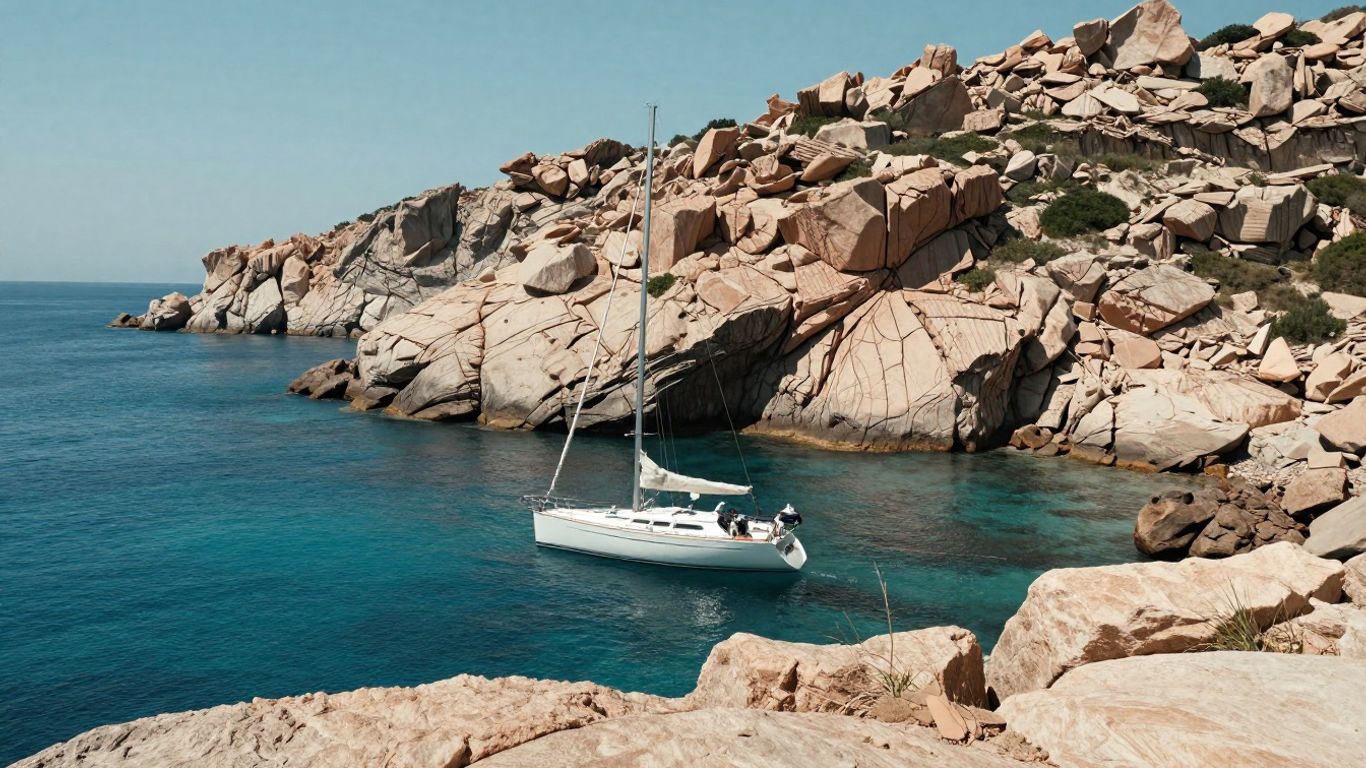
Anchoring techniques for the rugged Sardinian coastline
Taking a moment to check the seabed composition ensures your anchor holds firmly during overnight shifts. Practice your anchoring technique in protected bays before attempting complex spots. A secure hold is the single most important factor for a quiet night of rest at sea.
Conclusion
Sailing here offers a unique perspective on the island’s culture and geography, making it a dream destination for many. With proper planning, a respect for the weather, and a focus on safety, you can create a journey that balances activity and relaxation perfectly. Every day on the water brings a new discovery, ensuring that your time exploring is well-spent.
Frequently Asked Questions
Is sailing experience required for all boat types?
Most charter companies require valid certification for bareboat rentals, though crewed options are available for those without formal licenses.
What time of year is best for beginner sailors?
Late May or September offer calmer waters and more manageable wind speeds than the peak summer months.
Can I visit Corsica while chartering in Sardinia?
Many itineraries include both islands due to their close proximity and the ease of sailing between the two regions.
What do I need to bring for an onboard medical kit?
Standard supplies should include seasickness medication, antiseptic solutions, bandages, and remedies for common sun-related skin irritation.
How far in advance should I reserve a marina?
Booking at least three to six months ahead is highly recommended for popular marinas to guarantee a slip during the peak season.
Are there hidden costs to consider while sailing?
Fuel charges, marina fees, provisions, and cleaning costs are usually separate from the initial rental price.
What should I do if the weather looks bad?
Check official bulletins, contact your charter base for guidance, and plan to remain in a secure, protected harbor until conditions improve.