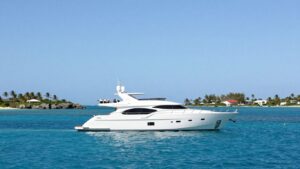
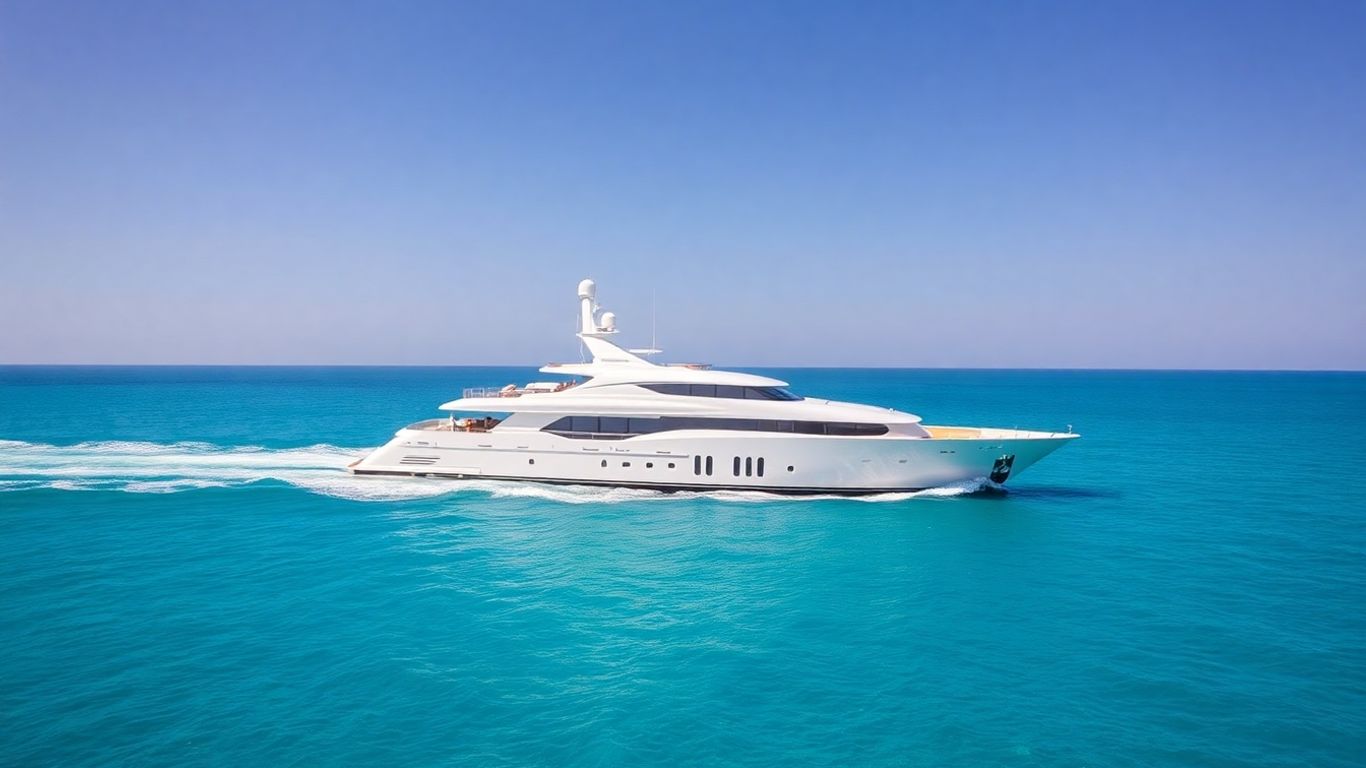
So, you’ve seen them in movies, maybe even on vacation – these big, fancy boats. But what exactly separates a regular boat from a yacht? It’s a question many people wonder about, and honestly, the lines can get a bit blurry. It’s not just about size, though that’s a big part of it. There’s a whole lot more that goes into defining what makes a boat a yacht, from how it’s built to how it’s used. Let’s break down what makes a boat a yacht, so next time you see one, you’ll know the difference.
Key Takeaways
- The term “yacht” has roots in Dutch and originally meant a fast vessel for chasing pirates, but it evolved to signify a vessel for leisure and luxury.
- While there’s no strict rule, yachts are generally considered to be vessels around 12 meters (40 feet) or longer, often featuring more complex systems and amenities than smaller boats.
- Beyond size, what makes a boat a yacht often comes down to its purpose, design complexity, onboard systems, and the need for a professional crew.
- Superyachts represent the very top tier, exceeding typical yacht dimensions with extensive luxury features, high customization, and a significant crew-to-guest ratio.
- Ships are distinct from yachts, primarily differing in their purpose (commercial, military, or industrial versus private leisure) and operational scope.
Understanding the Core Differences: Yacht Versus Boat
So, what exactly separates a yacht from a boat? It’s a question that pops up a lot, and honestly, the lines can get a bit blurry. Think of it like this: all yachts are boats, but not all boats are yachts. It’s a bit like how all squares are rectangles, but not all rectangles are squares. The main differences usually come down to size, what kind of fancy stuff is on board, and what you’re actually using it for.
The Etymology and Evolution of the Term 'Yacht'
The word ‘yacht’ actually comes from Dutch, from a word that meant ‘to hunt.’ Back in the day, these were fast, nimble boats used to chase down pirates. Pretty wild, right? But over time, the whole point shifted. By the 1600s, rich folks in the Netherlands started using them to take guests out, and the English royals got in on it too. King Charles II really made it a thing for leisure, and that’s how we got to where we are today, associating yachts with a more relaxed, high-end experience.
Size as a Primary Differentiator
Generally speaking, when people talk about a yacht, they’re usually thinking of something that’s at least 40 feet long, or about 12 meters. Boats, on the other hand, can be pretty much any size, but they tend to be smaller than that 40-foot mark. It’s not a hard and fast rule, though; you’ll see some pretty big boats and some smaller vessels that people still call yachts.
| Vessel Type | Typical Minimum Length |
|---|---|
| Boat | Any size, often < 40ft |
| Yacht | ~ 40ft (12m) |
Amenities and Layout: Function Versus Luxury
This is where things get really interesting. Yachts usually have a lot more going on inside. Think multiple living areas, proper kitchens (galleys), more bathrooms, and often, more comfortable sleeping quarters. It’s designed for spending more time aboard, almost like a floating home. Boats, especially smaller ones, are often more about just getting from point A to point B, or doing a specific activity like fishing. They might have a place to sit and maybe a small cooler, but you’re not usually looking for a full living setup.
The core idea is that a yacht is built with comfort and extended stays in mind, whereas a boat is often more about utility and shorter trips. This difference in focus dictates everything from the layout to the systems onboard.
Beyond Size: Key Distinctions in Design and Systems
While size is often the first thing people think of when comparing a yacht to a boat, there’s a lot more going on under the surface. It’s really about how the vessel is built, what kind of gear it has, and who’s running the show.
Complexity of Onboard Systems
Boats, especially smaller ones, tend to have simpler setups. Think basic electrical systems, a straightforward engine, and maybe a simple navigation unit. Yachts, on the other hand, are often packed with more advanced technology. This can include:
- Advanced Navigation: Sophisticated GPS, radar, and sonar systems for precise location tracking and underwater views.
- Stabilization Systems: Gyroscopic stabilizers or fin stabilizers to reduce rolling and keep the ride smooth, even in rougher seas.
- Climate Control: Multi-zone air conditioning and heating systems for comfort in various climates.
- Entertainment Systems: Integrated audio-visual setups, often with multiple screens and sound zones.
- Watermakers: Systems to desalinate seawater, providing fresh water for extended trips.
These systems require more power, more space, and more know-how to keep running properly.
Crew Requirements and Expertise
This is a big one. Smaller boats are often operated by their owners or a few friends. Yachts, especially larger ones, usually need a dedicated crew. This isn’t just about having someone to steer; it’s about having specialists.
- Captain: Responsible for overall command, navigation, and safety.
- Engineers: To maintain and repair the complex machinery onboard.
- Deckhands: For general maintenance, lines, and assisting with guest activities.
- Stewards/Stewardesses: To manage guest services, housekeeping, and often culinary duties.
- Chef: Preparing meals, often to a very high standard.
The need for a professional crew means that operating a yacht involves a different level of commitment and cost compared to a typical boat. It’s like comparing owning a car to managing a small fleet.
Operational Purpose and Usage
Ultimately, how a vessel is intended to be used plays a huge role in its design and systems. Boats are generally built for shorter trips, day cruising, fishing, or watersports. They prioritize utility and ease of handling.
Yachts, even smaller ones, are designed with longer voyages and guest comfort in mind. They are built for leisure, entertainment, and sometimes extended cruising. This focus on luxury and extended use dictates the more complex systems and the need for a skilled crew to manage them. It’s about creating a comfortable, self-sufficient platform for enjoyment on the water, rather than just a means of getting from point A to point B.
The Financial and Regulatory Landscape
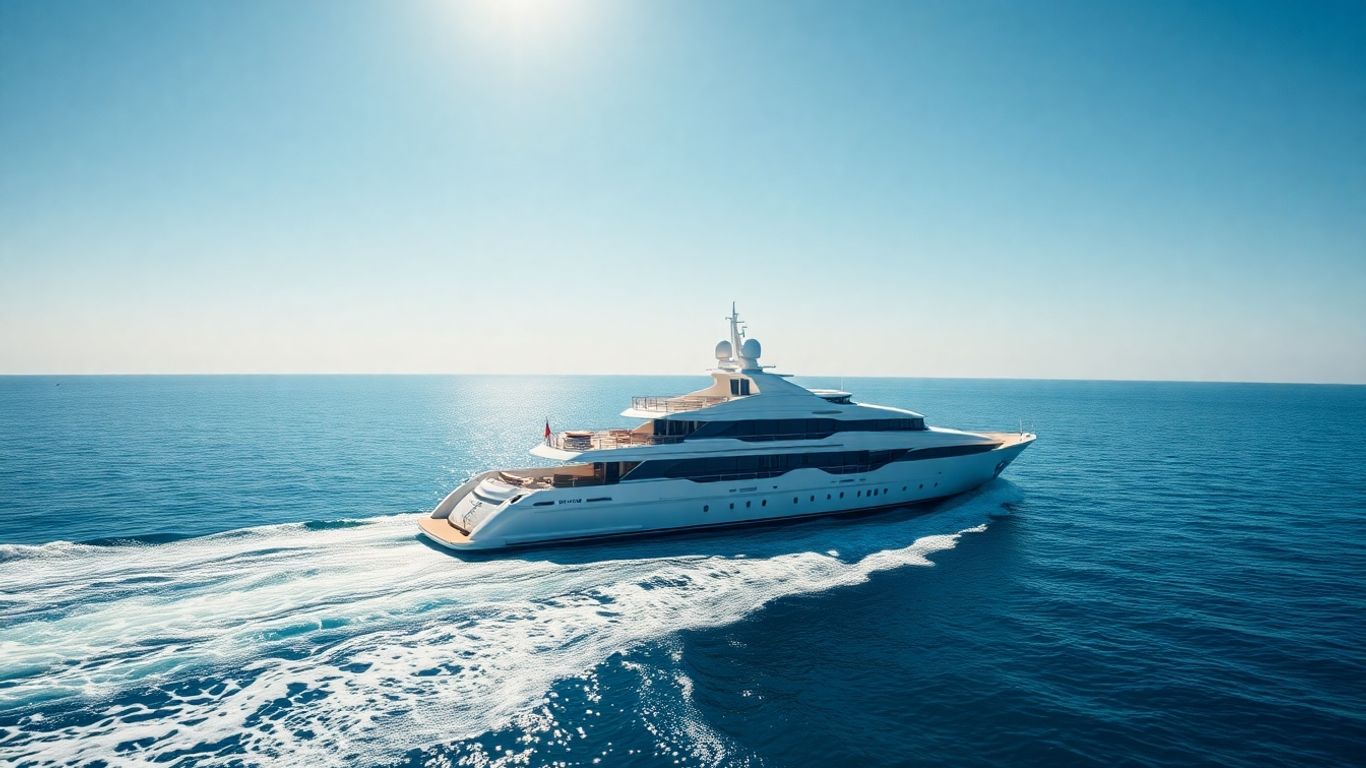
So, you’re thinking about getting into the yachting world, huh? It’s not just about picking out a pretty boat; there’s a whole other layer to consider – the money and the rules. It’s a bit like buying a house, but way more complicated and with a lot more water involved.
Let’s be real, yachts aren’t cheap. The sticker price is just the beginning. Think about it: a bigger boat, with more fancy gadgets and sleeping spots, is going to cost more upfront. But the real kicker is the ongoing cost. You’ve got maintenance, which can be a beast, especially with complex systems. Then there’s insurance, docking fees, fuel – oh, the fuel! And if you’re planning on having a crew, well, that’s a whole other payroll to manage.
Here’s a rough idea of what you might be looking at:
| Expense Category | Typical Yacht Cost (Annual) | Notes |
|---|---|---|
| Purchase Price | Varies Widely | The biggest initial outlay. |
| Maintenance & Repairs | 10-20% of Purchase Price | Can spike with unexpected issues. |
| Crew Salaries | Varies Widely | Depends on crew size and experience. |
| Fuel | Significant | Highly dependent on usage and engine type. |
| Dockage/Mooring | Varies by Location | Prime spots cost more. |
| Insurance | 1-5% of Insured Value | Based on vessel type, age, and usage. |
| Supplies & Provisions | Varies Widely | Food, cleaning supplies, etc. |
Navigating Regulatory Frameworks
This is where things get a bit more serious. Depending on the size of your vessel and where you plan to sail, you’ll run into different sets of rules. For smaller boats, it’s usually national or local regulations, which are generally pretty straightforward. Think registration, safety equipment, and basic operating rules. But once you cross a certain size threshold – often around 24 meters or 80 feet – you’re entering international waters and international rules.
These larger vessels have to meet stricter standards. They often need to be certified by classification societies. These societies are like the building inspectors of the sea, making sure everything is built and maintained to specific safety and operational guidelines. It’s all about making sure the boat is safe for everyone on board and for the environment.
Classification Standards for Larger Vessels
When a yacht gets big enough, it’s not just about having a captain’s license anymore. You’re dealing with classification societies. Think of them as the ultimate quality control for superyachts. Organizations like Lloyd’s Register, DNV, or the American Bureau of Shipping (ABS) have detailed rulebooks. These rules cover everything from the hull’s construction and the type of steel used to the fire safety systems and the stability of the vessel. Getting classed means your yacht has been surveyed and meets these rigorous standards. It’s often a requirement for insurance and for chartering, too. It basically says your yacht is built to a certain level of safety and reliability, which is pretty important when you’re out on the ocean.
Owning a yacht is a significant commitment, not just financially but also in terms of understanding and adhering to a complex web of regulations. It requires careful planning and often professional advice to manage effectively.
The Pinnacle of Luxury: Defining a Superyacht
So, we’ve talked about what makes a yacht a yacht, but what about the really big ones? The ones that make you stop and stare? Those are superyachts, and they’re a whole different ballgame. Think of them as the mansions of the sea, but way more exclusive.
Exceeding Standard Yacht Dimensions
While there’s no single, hard-and-fast rule, superyachts generally start where regular yachts leave off. We’re talking lengths of 30 meters (about 98 feet) and up. Some of the biggest ones can be over 100 meters long! It’s not just about length, though. It’s the sheer volume and the multiple decks that really set them apart. These aren’t just boats; they’re floating palaces.
Unmatched Luxury and Customization
This is where the real magic happens. Superyachts are almost always custom-built. You won’t find many off-the-shelf models here. Owners work with designers and shipyards to create something truly unique. We’re talking about interiors finished with the finest materials, state-of-the-art technology, and amenities that would make a five-star hotel jealous. We’re talking about:
- Private cinemas
- Helipads
- Onboard spas and gyms
- Swimming pools and even beach clubs
- Fully equipped galleys for gourmet dining
It’s all about creating a personalized experience that reflects the owner’s taste and desires. You can find some incredible examples of this craftsmanship at major boat shows, like the Monaco Yacht Show.
Elevated Crew-to-Guest Ratios
Running a superyacht is a serious undertaking, and it requires a dedicated crew. Unlike smaller yachts that might have just a captain and a deckhand, superyachts have large, professional teams. We’re talking captains, engineers, chefs, stewards, deckhands – sometimes dozens of people for a single vessel. This large crew ensures that every need of the owner and guests is met. It means personalized service, immaculate upkeep, and a truly relaxing experience for everyone onboard. The goal is to have a high crew-to-guest ratio, often meaning more crew members than guests, to provide that next-level service.
Owning a superyacht is less about transportation and more about creating a private, luxurious world on the water. It’s a statement of lifestyle and a commitment to experiencing the best the maritime world has to offer.
Distinguishing Yachts from Ships
So, we’ve talked about boats and yachts, but what about ships? It’s easy to get them mixed up, especially when you see a really big yacht. But honestly, the difference is pretty significant, and it mostly comes down to what the vessel is actually for.
Purpose: Leisure Versus Commercial or Military
This is the big one. Yachts, no matter how fancy or large, are built for one thing: private enjoyment and recreation. Think of them as floating luxury homes or resorts. Ships, on the other hand, are designed for serious work. This could be moving tons of cargo across oceans, carrying hundreds or thousands of passengers on a cruise, or serving a country’s defense needs. They’re built for a job, not just for fun.
Operational Scope and Endurance
Because ships are built for work, they’re usually designed to stay out at sea for much longer periods. They have bigger fuel tanks, more robust engines, and systems that can handle constant, heavy use. Yachts, while capable of long voyages, are generally used for shorter trips or seasonal cruising. Their systems are geared towards comfort and luxury, not necessarily round-the-clock, heavy-duty operation.
Legal and Safety Frameworks
This is where things get a bit technical, but it’s important. Large vessels, especially those used commercially or militarily, have to follow a whole host of international laws and safety rules. These are often much stricter than what applies to private yachts. Think about things like the SOLAS (Safety of Life at Sea) conventions – these apply to ships. Yachts, particularly smaller ones, fall under different, often less demanding, regulations. It’s all about the intended use and the scale of the operation. A container ship has different safety checks and crew requirements than a private yacht, even if the yacht is quite large.
| Vessel Type | Primary Purpose | Typical Operational Range | Regulatory Oversight |
|---|---|---|---|
| Yacht | Private Leisure & Recreation | Seasonal Cruising, Shorter Voyages | National/Local Laws, Less Stringent |
| Ship | Commercial Transport, Military, Industrial | Extended Voyages, Continuous Operation | International Conventions (e.g., SOLAS), Stricter |
The core difference really boils down to intent. Is the vessel a private playground, or is it a tool for commerce, transport, or defense? That distinction shapes everything from its design and systems to the rules it has to follow.
Experiencing the Yachting Lifestyle
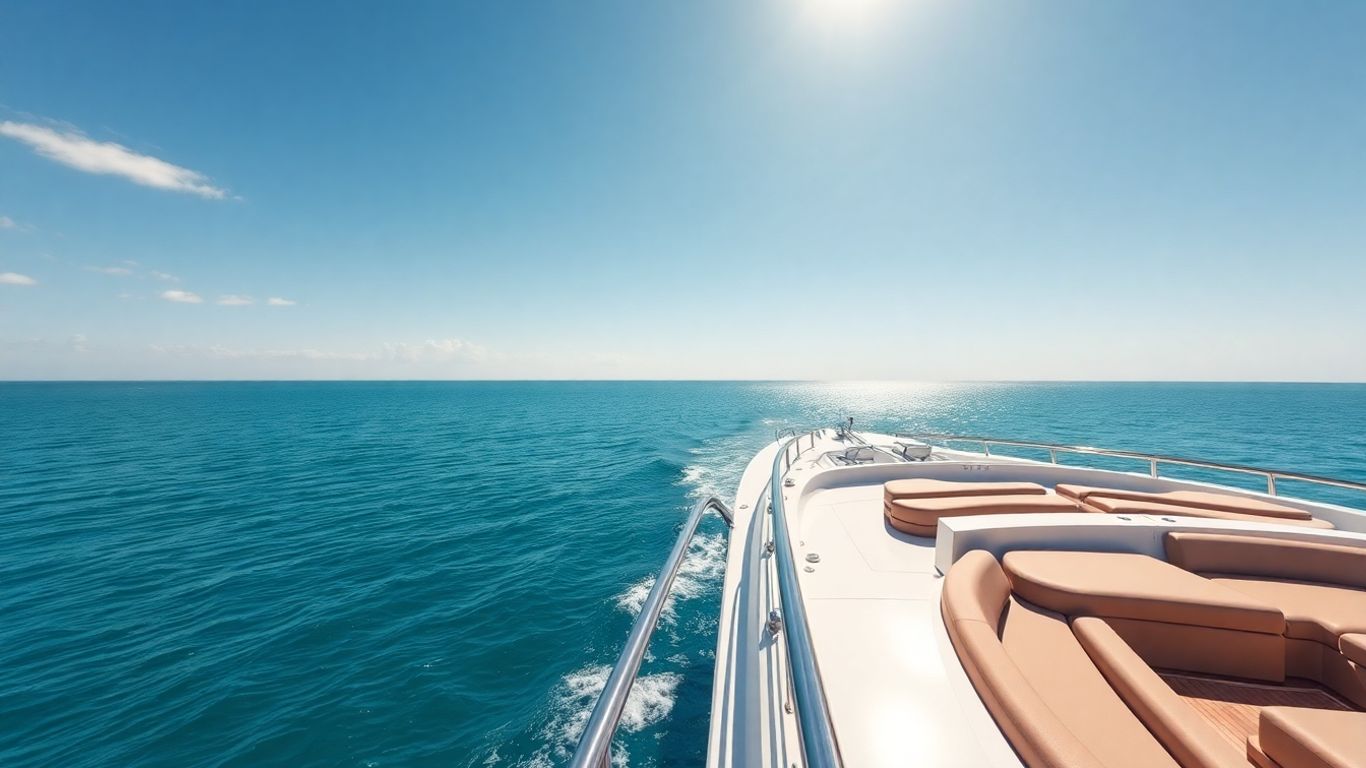
So, you’re curious about what it’s really like to live the yachting life? It’s more than just owning a fancy boat; it’s a whole different way of experiencing the world. Think about it – your home can literally move with you, taking you from secluded coves to bustling port cities. It’s about embracing a simpler, yet often more luxurious, way of living, where the horizon is your constant companion.
Curating the Perfect Yachting Wardrobe
Packing for a yacht trip isn’t quite like packing for a land vacation. You want to be comfortable, but also look the part, right? It’s a balance. You’ll need practical, quick-drying fabrics for days spent on deck, maybe some nice linen shirts for evenings ashore, and definitely a good waterproof jacket. Don’t forget comfortable, non-marking shoes – those are a must on board.
- Daywear: Think breathable fabrics like cotton and linen. Shorts, t-shirts, casual dresses, and light trousers are your go-to.
- Evening Wear: Depending on where you’re headed, you might want a few smarter outfits. A nice sundress, a button-down shirt, or even a light blazer can be useful.
- Activewear: If you plan on swimming, snorkeling, or using water toys, pack appropriate swimwear and cover-ups.
- Footwear: Deck shoes, sandals, and maybe a pair of smarter flats or loafers for dinner.
The key is versatility. You want pieces that can be dressed up or down and that handle the sea air well. It’s about looking put-together without being fussy.
Essential Travel Tech for the Voyage
Staying connected and entertained on the water is easier than ever, but you still need the right gear. Reliable Wi-Fi is often available, but it’s wise to have a backup. A good portable charger is a lifesaver, especially when you’re out on a tender exploring or spending a day on a remote beach. And don’t forget a waterproof speaker for some tunes while you’re anchored.
- Portable Power Bank: Keep your devices charged when you’re away from shore power.
- Waterproof Bluetooth Speaker: For music on deck or at the beach.
- E-reader or Tablet: Load it up with books and movies for downtime.
- Camera: To capture those incredible sunsets and ocean views.
- Noise-Canceling Headphones: Great for relaxing or focusing when you need to.
Packing Smart for Seamless Travel
When space is at a premium, packing smart is non-negotiable. Soft-sided luggage is usually your best bet, as it’s easier to stow away than rigid suitcases. Roll your clothes instead of folding them – it saves space and helps prevent wrinkles. Make a list before you start packing to avoid bringing unnecessary items. Remember, you can often get laundry done on board, so you don’t need to pack an outfit for every single day.
- Soft Luggage: Duffel bags or backpacks are ideal.
- Packing Cubes: These are fantastic for organizing your clothes and maximizing space.
- Toiletry Bag: Keep all your personal care items together.
- First-Aid Kit: Always a good idea to have a basic one on hand.
- Documents: Passports, visas, and any other important paperwork, kept in a waterproof pouch.
So, What's the Takeaway?
Look, figuring out what makes a boat a yacht can get a little confusing. It’s not just about size, though that’s a big part of it. Think of it more like a spectrum. You’ve got your basic boats, great for a day out on the lake or a quick fishing trip. Then you move up to yachts, which are generally bigger, more comfortable, and built for longer trips and more luxury. And then there are the superyachts, which are basically floating mansions. The word itself, ‘yacht,’ used to mean a fast chase boat, but now it’s all about leisure and comfort. So, whether you’re talking about a small fishing vessel or a massive pleasure craft, understanding these differences helps you appreciate the variety out there on the water. It’s all about purpose, design, and how much you want to relax in style.
Frequently Asked Questions
What's the main difference between a boat and a yacht?
Think of it like this: all yachts are boats, but not all boats are yachts. The biggest difference is usually size. Yachts are generally bigger, often starting around 40 feet long, and they’re built for comfort and luxury. Boats can be much smaller and are often used for specific tasks like fishing or just short trips.
Does size really matter when calling something a yacht?
Yes, size is a major factor. While there’s no strict rule, boats under 40 feet are usually just called boats. Once they get bigger and start offering more fancy features like multiple rooms, nicer kitchens, and bigger decks, they often cross over into being called yachts.
Are yachts more complicated than boats?
Often, yes. Because yachts are bigger and have more luxury features, they usually have more complex systems for things like electricity, plumbing, and navigation. This means they often need a professional crew to run them smoothly, unlike many smaller boats that owners can operate themselves.
What makes a yacht a 'superyacht'?
Superyachts are basically the super-sized, super-luxurious versions of yachts. They’re typically over 100 feet long and have incredibly fancy features, like helipads, gyms, spas, and even swimming pools. They also have a lot more crew members to take care of guests and the vessel.
How are yachts different from ships?
While both can be big, ships are usually designed for serious work, like carrying cargo, transporting lots of people (like cruise ships), or for military purposes. Yachts are primarily for leisure and recreation. Ships also tend to be built for much longer journeys and have different rules and safety requirements.
Is there a cost difference between boats and yachts?
Definitely. Because yachts are bigger, more complex, and more luxurious, they cost a lot more to buy and to keep running. This includes things like fuel, maintenance, docking fees, and paying a crew. Smaller boats are generally much more affordable.