If you’ve ever dreamed about hopping from island to island under the Caribbean sun, renting a boat is probably the best way to do it. Caribbean boat rentals let you explore at your own pace, find quiet beaches, and enjoy the water without the crowds. There are so many options out there—catamarans, sailboats, motor yachts, even houseboats—so it doesn’t matter if you’re a seasoned sailor or just want to relax while someone else handles the ropes. This guide will walk you through the different types of boats, how to pick the right one, the best places to go, and a few tips to make your trip smooth and fun.
Key Takeaways
- Caribbean boat rentals come in all shapes and sizes, from roomy catamarans to speedy motor yachts, so there’s something for every group and budget.
- Think about your group’s size, your route, and whether you want to sail yourself or have a crew before booking a boat.
- Top spots for boat rentals include the British Virgin Islands, the Bahamas, and the Windward and Leeward Islands—each with its own vibe and highlights.
- The best time to rent a boat in the Caribbean is between December and April, but you can find better deals and fewer crowds in the shoulder months.
- Always book through trusted platforms, check what’s included, and look for flexible payment or cancellation policies to keep things stress-free.
Types of Caribbean Boat Rentals for Every Traveler
Ready to set sail in the Caribbean but not sure which kind of boat is right for your trip? On these warm, breezy waters, you’ll find everything from roomy catamarans to speedy yachts and even houseboats that double as floating apartments. Let’s look at what makes each option special—and how it might fit your travel vibe.
Catamarans: Spacious Comfort and Stability
If space matters to you or you’re traveling with a group, catamarans are a top pick. Their wide decks and two hulls mean these boats barely rock, even when the waves pick up. You get plenty of room to stretch out, relax in the sun, and enjoy communal dinners under the stars.
- Excellent for groups or families who crave comfort
- Easy sailing—ideal for beginners or folks prone to seasickness
- Large common areas (inside and out), roomy cabins, and plenty of storage
Catamarans feel a bit like floating living rooms. When you want your boat days to be easy and social, they just make sense.
Monohull Sailboats: Classic Sailing Adventures
Monohulls are what many folks picture when they think classic sailing. These single-hulled boats have a tighter feel and a gentle side-to-side motion—the traditional sailing experience that purists love.
- Best choice for smaller groups or those who want to really sail
- Usually less expensive than catamarans or motor yachts
- Sharper performance, especially when the trade winds pick up
| Boat Type | Group Size | Average Daily Rate (USD) |
|---|---|---|
| Monohull | 2–6 people | $300–700 |
| Catamaran | 4–10 people | $500–1200 |
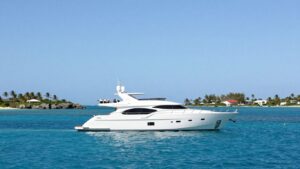
Motor Yachts and Speedboats: Fast and Luxurious Cruising
Want to island-hop without waiting for the wind? Motor yachts and speedboats get you places—fast. They come with a bigger price tag, but you’re paying for comfort, speed, and luxury.
- Quick travel between islands (great if you have a packed itinerary)
- High-end touches like sun decks, plush cabins, or even onboard chefs
- Suited for travelers who prefer less time at sea and more time exploring
When you’re eager to see everything—or just want to ride in style—these boats deliver an easy, posh way to get around.
Houseboats and Gulets: Unique Floating Experiences
Not everyone wants typical, and that’s where houseboats and gulets come in. Houseboats are basically apartments you can move from bay to bay, giving you all the comforts of home right on the water. Gulets, meanwhile, bring a bit of old-world charm—they’re traditional wooden boats, often with plenty of space and character.
- Houseboats: Full kitchens, private bedrooms, good for lazy days in calm harbors
- Gulets: More rare in the Caribbean, but perfect for groups looking for something truly special
- Both options offer a relaxed, homey pace—perfect for slow-paced vacations
If you want to wake up to the sound of gentle waves, make your coffee, and never feel like you’ve left your living room, a houseboat could be the dream.
There’s no single ‘best’ boat—just the one that matches your style, travel crew, and how you want to spend your days at sea.
Choosing the Right Caribbean Boat Rental for Your Vacation
Picking a boat in the Caribbean isn’t just about choosing something that floats. There are a few big details you’ll need to figure out before you even start looking at pictures of fancy yachts or sleek catamarans. Your group size, trip plans, comfort level with boating, and the kind of help you want onboard all play a part in your choice. Let’s break it down so you don’t end up on the wrong kind of boat.
Factors to Consider: Group Size and Itinerary
- Group Size: Are you traveling as a couple, with friends, or bringing the whole family? More people often means you’ll want multiple cabins, bigger shared spaces, and maybe more than one bathroom.
- Trip Plans: If you’re planning to hop from island to island every day, you might want something fast, like a motor yacht. For a laid-back week exploring just one or two areas, a slower sailboat or houseboat could be perfect.
- Comfort Level: Not everyone loves sleeping in compact cabins or sharing tight quarters, so check the boat’s sleeping arrangements and amenities before booking.
| Group Size | Recommended Boat Type | Estimated Cabin Count |
|---|---|---|
| 2-4 | Monohull Sailboat, Catamaran | 1-2 |
| 4-8 | Catamaran, Motor Yacht | 2-4 |
| 8+ | Large Catamaran, Motor Yacht | 4+ |
Taking an honest look at your needs early on can help you avoid uncomfortable surprises once you’re already out at sea.
Bareboat vs. Crewed vs. Skippered Yacht Options
There are three main ways to rent a boat in the Caribbean, depending on your sailing experience and how much you want to relax:
- Bareboat: You’re in charge. Perfect for people with sailing licenses who want total control of where to go and what to do. Usually best for experienced sailors who don’t mind handling navigation, anchoring, and day-to-day operations.
- Skippered: You get a professional captain to steer and handle safety, but you’re still pretty hands-on. Great for visitors who want some guidance or may not have a license. The skipper often knows secret bays and the best local spots.
- Crewed: The full-service option, with at least a captain and sometimes a chef or more crew members. You can just relax, eat well, and let the professionals do the work. It’s the easiest, but also the most expensive choice.
Licensing and Experience Requirements in the Caribbean
- Bareboat Rentals: Most countries here require at least an internationally recognized boating license, sometimes called an ICC (International Certificate of Competence).
- Experience: Even with a license, many charter companies will want to see proof that you’ve handled boats in similar conditions before. Some might ask for a quick skill demonstration once you arrive.
- If You Don’t Have a License: Don’t worry—most places let you hire a skipper or crew so you can still enjoy the trip without any paperwork stress.
If your boating skills are rusty or you’re brand new, hiring a skipper or a full crew isn’t just smart—it can turn your vacation from nerve-wracking to actually fun.
Top Destinations for Caribbean Boat Rentals
Ready to set sail in the Caribbean? Picking the right islands to visit is a game-changer. Each spot feels totally different once you’re out on the water, and there’s a real mix of laid-back beach towns, busy harbors, and untouched anchorages. Let’s break down a few standout places for boat rentals so you can start shaping that dream itinerary.
British Virgin Islands: Easy Island Hopping and Iconic Spots
The British Virgin Islands are a sweet spot for both first-timers and returning sailors. The chain of islands offers gentle waters and short distances, making it easy to hop from one adventure to the next. Here’s what draws people in:
- Dozens of safe anchorages, some with lively beach bars and others totally peaceful.
- Highlights like The Baths on Virgin Gorda, a maze of boulders and crystal pools you won’t forget.
- A stress-free navigation experience, thanks to protected waters and clear routes.
Want a place that’s both social and scenic? This cluster was tailor-made for yachting. For a quick comparison of nearby island vibes, check out this selection of top Caribbean yachting destinations.
The Bahamas: Crystal-Clear Waters and Unique Attractions
The Bahamas are those postcard scenes come to life—miles of bright blue water, endless sandbanks, and sleepy harbor towns. Renting a boat here opens up:
- Flat, shallow waters perfect for anchoring near remote beaches.
- Working your way through the Exuma Cays, a string of islets with snorkeling, swimming pigs, and lots of marine life.
- Fishing hotspots and relaxing anchorages that rarely feel crowded.
| Area | Best For | Typical Anchorages |
|---|---|---|
| Nassau/Exumas | Snorkeling, scenery | 100+ |
| Abacos | Laid-back sailing | 60+ |
If you want your vacation to skip the big crowds but still feel connected, the quieter parts of the Bahamas are a solid bet.
Windward and Leeward Islands: Adventure and Culture Combined
Looking for more variety? The Windward and Leeward Islands offer enough choices for weeks at sea. There’s a real sense of movement—one day it’s a rainforest hike, the next it’s a bustling market. Popular spots in this string include Saint Lucia, Antigua, Martinique, and Grenada. Here’s why this region stands out:
- Diverse culture and cuisines from island to island.
- A nice shift between calm anchorages and exciting open-water sailing.
- Unique activities like hiking the Pitons, exploring rainforests, or sampling Caribbean dishes dockside.
If you’re after both comfort and a bit of an adventure, this is a region that keeps things interesting. The mix of French, British, and West Indian influence here means no two anchorages feel alike.
There’s a reason the Caribbean is a favorite for boaters: Variety meets accessibility, and every trip feels a bit different. Match your dream charter with the right spot, and you’ll see exactly why so many folks keep coming back year after year.
Planning Your Caribbean Boating Itinerary
If the idea of building a perfect island-hopping route sounds overwhelming, you’re not alone—there are just so many choices out here. A smooth boating adventure in the Caribbean starts with good planning, some flexible thinking, and a rough game plan that matches your group’s vibe. Here’s how to tackle your itinerary, what to expect, and a few ideas from those who’ve spent time zig-zagging these warm waters.
Suggested Routes for First-Time Visitors
For your first Caribbean boating trip, it’s best to keep the pace chill. Jumping between too many islands can leave you tired—trust me, you want time to relax on the boat too.
- British Virgin Islands Loop: Start at Tortola, drift up to Virgin Gorda’s Baths, pop by Jost Van Dyke for a beach bar session, and circle back. The distances are short and anchorages are safe.
- Bahamas Exuma Cays Trail: Sail from Nassau, drift down through Allen’s Cay, Warderick Wells, and Staniel Cay. This route is less about long crossings, more about shallow beaches and wildlife.
- St. Lucia to St. Vincent & the Grenadines: Great for those who crave a bit more open water. St. Lucia’s Pitons to the Tobago Cays, with plenty of hidden coves along the way.
Sometimes the best days are spent on the water between islands, with nowhere in particular to be.
Navigating Multi-Island Adventures
Bouncing from one island to the next sounds easy, but a few tips will help you make the most of your trip:
- Check distances and estimated travel times. Don’t let Google Maps fool you—the ocean is slow going compared to a highway.
- Pick a few must-see spots, but leave room for last-minute stops. You’ll hear about places from other sailors!
- Account for customs and permits. Some islands (especially out of the BVI) need you to check in and out.
- Watch the weather. Sudden rain squalls or heavy winds can mess up a crossing, so keep your plan loose.
Here’s a simple travel time table between popular islands:
| Route | Typical Travel Time |
|---|---|
| Tortola to Virgin Gorda | 2 hours |
| Nassau to Allen’s Cay | 3 hours |
| St. Martin to St. Barths | 4 hours |
| St. Lucia to Bequia | 6-7 hours |
Discovering Hidden Coves and Secluded Beaches
The real magic in Caribbean boating happens away from the main ports and crowded anchorages. To get off the beaten track:
- Ask locals or skippers for spots with fewer visitors—they usually know a sheltered cove or a quiet beach bar that’s not on the map.
- Start early in the morning if you want a bay to yourself. By lunchtime, the popular ones fill up.
- Check cruising guides or sailor forums for the latest word on unmarked anchorages.
Don’t stress about covering every famous bay. Half the fun is finding a sandy patch you didn’t even expect, hopping in for a swim, and just enjoying the moment.
Best Seasons for Caribbean Boat Rentals
Picking the right season can turn a good trip into a fantastic one. The Caribbean is pretty much warm and inviting all year, but the weather, crowds, and prices shift a lot depending on the month. Here’s what you really need to know if you want your boat trip to go smoothly and fit your budget.
High Season Versus Low Season: Weather and Pricing
December through April is hands-down the busiest time, with almost-perfect conditions for boating. Think steady breezes, blue skies, cooler temperatures, and very little rain. It’s also when charter companies charge the most. Anchorages fill up super fast and you’ll need to book way in advance. Expect lively docks, open restaurants, and a festive island vibe, especially over the holidays and spring break.
- High season: December–April
- Low season: August–November
Here’s how the months stack up:
| Season | Months | Typical Prices | Weather | Busy/Crowded? |
|---|---|---|---|---|
| High | Dec–Apr | $$$$ | Cool, dry, windy | Yes |
| Shoulder | May–July | $$$ | Warm, moderate | Moderate |
| Low | Aug–Nov | $$ | Hot, variable | Quiet |
If you’re flexible and can handle a random rain shower or two, May to July gives you a sweet spot: less crowds, softer prices, and still-good sailing.
Sailing Conditions and Trade Winds by Month
The trade winds are what make the Caribbean so famous for sailing. They’re most consistent from December to around June, blowing from the east at 15–20 knots. That makes for easy, relaxed trips and less engine noise.
- December–April: Strong, steady trade winds, little rainfall, sea temps around 80°F (27°C)
- May–July: Winds drop a bit (10–15 knots), more chance of short rain showers
- August–November: Winds can switch up, and storms are a concern—especially around September
If you’re dreaming about the BVI, February and March are especially good months thanks to "driest weather, minimal rainfall, and steady winds"—perfect for yacht charters in the BVI and USVI.
Avoiding Crowds and Finding Special Deals
If saving money or finding a quiet cove is a priority, timing is everything.
- Go in May or early June for the best balance between price and weather.
- Book early, even for the low season, if you want the best boat selection.
- Flexible on dates? Last-minute deals can stretch your dollar in the shoulder or low season.
- Watch for hurricane forecasts if traveling August–October.
- Southern islands like Grenada often stay outside the main hurricane paths.
- Ask rental companies about cancellation options due to weather shifts.
Most people want sunshine and gentle winds, but sometimes a little flexibility gets you a private paradise for half the price.
Booking Tips for a Smooth Caribbean Boat Rental Experience
Choosing a boat for your Caribbean getaway is supposed to be fun, but it can easily go sideways if you’re not careful. A little planning goes a long way in making sure your boat rental is stress-free, fun, and worth every penny. Below you’ll find steps and information that help you avoid headaches and score the best deals.
Finding Trusted Rental Platforms and Verified Boats
- Look for rental companies that offer fully insured, verified boats. Some platforms even highlight their top-reviewed boats and maintain detailed profiles for each vessel.
- Reading reviews and checking ratings left by previous renters is incredibly helpful. If lots of folks praise their service, it’s a good sign.
- Seek out platforms that connect you directly with boat owners, which saves you time and usually gets you better pricing. Some even provide vacation planning help from expert travel advisors.
- Make sure the website or rental service provides secure online payments—there’s peace of mind knowing your money’s protected.
Flexible Payment and Cancellation Policies
- Ask about installment payment options—many places only require 15% down to get started, which is easier on your wallet.
- Read the cancellation terms carefully: some boats allow full refunds up to 30 days before your trip, while others have stricter or tiered penalties.
- Find out what the refund process is like if the weather turns bad or you have to cancel unexpectedly.
| Payment Plan | Down Payment | Cancellation Window | Refund Policy |
|---|---|---|---|
| Standard | 15% | Up to 30 days | Full refund |
| Flexible | Varies | Up to 14 days | Partial refund |
| Non-Refundable | 100% | None | No refund |
Before you book, double-check all fees—like cleaning charges, security deposits, and local permits. Those can sneak up on you and blow your budget wide open.
Securing the Best Charter Rates and Discounts
- Compare prices by season and boat type—rates jump in peak months and drop significantly in off-season.
- Sign up for early-bird specials or last-minute deals. Booking ahead (sometimes 6 months or more) can save you a chunk, but waiting can pay off if you’re flexible.
- Ask about hidden costs: marina fees, fuel, crew gratuities, and extras can add up quickly.
- If you’re sailing with a group, dividing the total cost can make a fancier boat surprisingly affordable.
- Keep an eye out for loyalty or referral programs—reputable charter companies often give perks for repeat customers.
Booking a Caribbean boat is part research and part luck, but most importantly, don’t let the details ruin your excitement. Check your terms, ask your questions, and once you’re set? Start planning all the fun you’ll have once you hit those turquoise waters.
Must-Try Activities on a Caribbean Boat Rental
If you think renting a boat in the Caribbean is just about lounging on deck—think again. A Caribbean boat trip is packed with all sorts of things to try, whether you’re looking for chill days in the water or action-packed afternoons exploring each island.
Snorkeling and Diving Among Coral Reefs
- Discover reefs brimming with parrotfish, rays, and turtles—every island has its secret spots.
- Some rentals provide gear, but bring your own if you want a perfect fit (especially for kids).
- Popular stops: Thunderball Grotto (Bahamas), Cades Reef (Antigua), and the wrecks of the British Virgin Islands.
| Top Snorkeling Spot | Best Time to Visit | Marine Life Highlights |
|---|---|---|
| Tobago Cays, Grenadines | January–April | Sea turtles, colorful coral |
| Thunderball Grotto | All year | Fish schools, caves |
| Norman Island, BVI | December–May | Eels, shipwrecks |
Spending a morning underwater then drying off on deck with the sun warming your back is something you’ll be talking about long after you’ve gone home.
Water Sports and Island Adventures
- Water toys like paddleboards and kayaks are often included—double-check before you go.
- For a thrill, try windsurfing, wakeboarding, or even kite surfing on the windier islands.
- Charter operators can arrange guided land excursions: rainforest hikes, volcano walks, and local market visits.
Here’s a quick list of what people usually love to try:
- Paddleboarding along quiet bays
- Tubing or wakeboarding behind your anchored boat
- Island hopping for day hikes, mountain views, or natural hot springs
Dining, Nightlife, and Local Culture at Anchorages
- Anchor up and dinghy ashore for late-night Caribbean BBQs and beach bars. Every harbor has a different vibe—Jost Van Dyke in the BVIs is always a hit.
- Cook local fish you caught earlier right on your boat’s grill, or stop into food markets for spicy island meals.
- Check out festivals and beach parties—they’re frequent, friendly, and last all evening.
Nothing beats savoring a rum punch and some grilled lobster as the sun sets over turquoise water. You’ll quickly see why boaters come back to the Caribbean again and again.
Conclusion
So, that’s the scoop on renting a boat in the Caribbean. Whether you want to steer your own sailboat, kick back with a full crew, or just try something new with a skipper, there’s a way for everyone to get out on the water. The islands are packed with hidden beaches, calm anchorages, and more than enough sunshine. Honestly, there’s nothing quite like waking up to a different view every morning or jumping off the back of your boat for a swim. If you’ve been thinking about it, maybe now’s the time to give it a shot. The Caribbean is waiting, and the best way to see it might just be from the deck of your own boat. Safe travels and happy sailing!
Frequently Asked Questions
Do I need a license to rent a boat in the Caribbean?
If you want to rent a bareboat (where you sail yourself), most Caribbean islands ask for a valid sailing license or proof of experience. If you don’t have one, you can rent a boat with a skipper or crew, and no license is needed.
What’s the best time of year to rent a boat in the Caribbean?
The best time is from December to April, when the weather is sunny and dry. This is also the busiest season, so book early. You can find cheaper prices and fewer crowds from May to November, but there may be more rain and the chance of storms.
How much does it cost to rent a boat in the Caribbean?
Boat rental prices change depending on the type of boat, season, and location. Small sailboats start around $350 a day, while catamarans and motor yachts can cost $800 or more per day during high season. Bigger boats with a full crew will be more expensive.
Can I rent a boat if I’ve never sailed before?
Yes! Many companies offer boats with a skipper or a full crew, so you don’t need any sailing experience. The crew handles everything, and you can just relax and enjoy your trip.
What should I pack for a Caribbean boat trip?
Pack light clothes, swimsuits, sunscreen, hats, sunglasses, and sandals. Don’t forget a light jacket for cooler evenings and a waterproof bag for your electronics. Most boats have towels and basic toiletries, but check with your rental company to be sure.
Are there extra costs besides the rental price?
Yes, you might need to pay for fuel, food, water toys, and docking fees. Some rentals include these in the price, but others don’t. Always ask what’s included before booking.