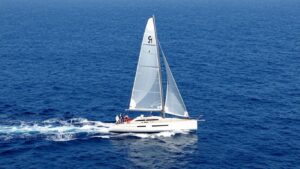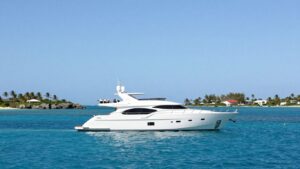
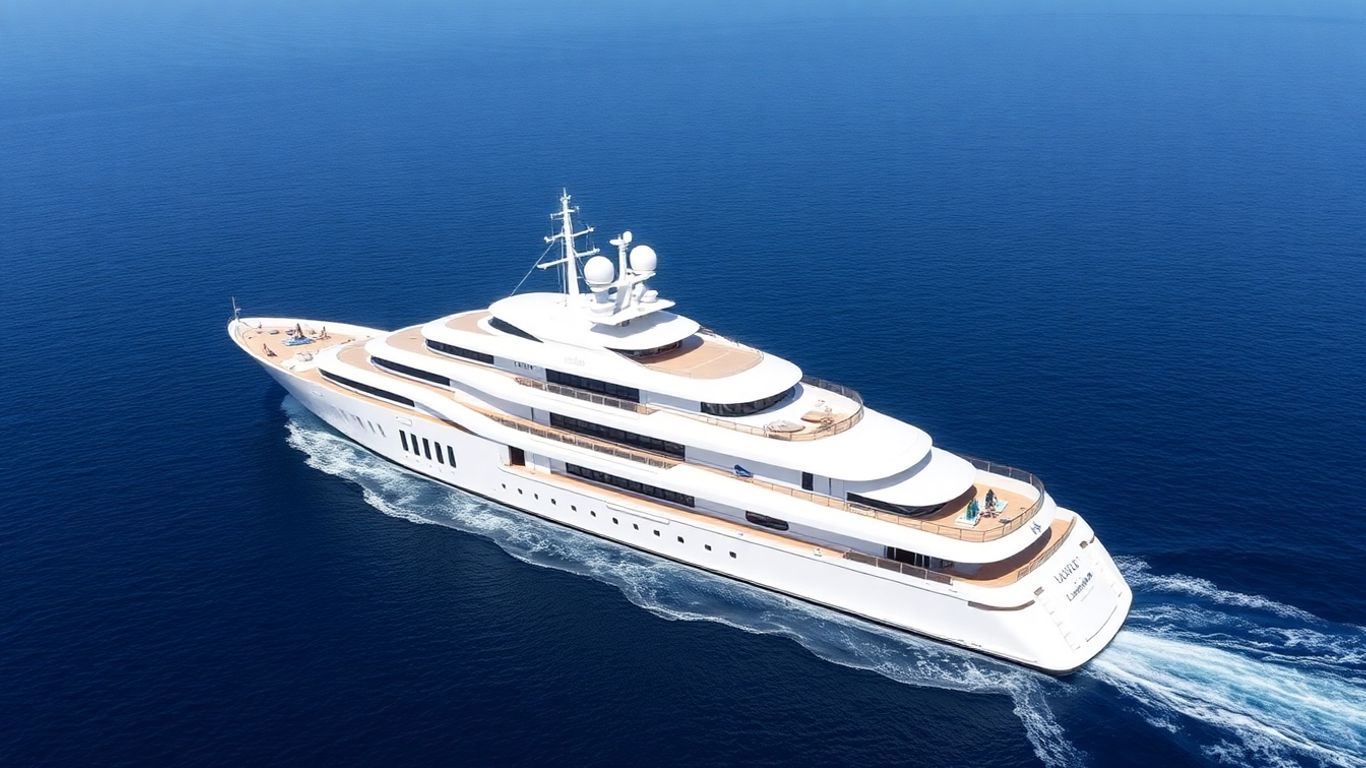
This year, 2025, is shaping up to be a big one for superyachts. We’re seeing some truly massive vessels being built, and it’s not just about size anymore. These aren’t just floating mansions; they’re becoming more about how people want to live and travel on the water. From Oceanco and Lürssen to what’s shown at the Monaco Yacht Show, the biggest yacht in the world is really a reflection of where luxury boating is heading.
Key Takeaways
- The biggest yacht in the world is no longer just about sheer size, but also about purposeful design and owner experience.
- Shipyards like Oceanco and Lürssen are pushing boundaries with innovative features and massive builds.
- The Monaco Yacht Show continues to be a major event for showcasing the latest in luxury and large-scale yachting.
- Sustainability and long-range cruising capabilities are becoming standard features, not just optional extras.
- While custom builds take years, the brokerage market offers a faster route to owning a large, luxurious yacht.
The Biggest Yacht in the World: A Glimpse into 2025’s Naval Architecture
So, what’s the deal with the absolute biggest yachts out there in 2025? It’s not just about making something huge, you know? It’s about what goes into them and what they’re meant to do. We’re seeing some seriously impressive stuff being built, and it’s changing how we think about these floating palaces.
Defining the Pinnacle of Maritime Luxury
When we talk about the top-tier yachts, we’re not just talking about length anymore. It’s a whole package. Think about Oceanco’s ‘Leviathan’, for example. It’s 111 meters long, and they built it with a focus on how people actually live and work on board. It’s less about just looking fancy and more about making the whole experience smooth and purposeful. They’re calling it a ‘philosophy’, which is pretty deep for a boat, right?
- Purpose-driven design: Making sure the yacht functions well for everyone on it.
- Harmony with the environment: Not just the sea, but the people using the yacht.
- Performance: It still needs to move well and be reliable.
It’s a shift from just piling on the gold plating to thinking about how the yacht actually works.
Trends Shaping the Largest Vessels
What’s really interesting is how these massive yachts are starting to look and feel different. Builders are paying attention to what owners want, and it’s not always just about having the most rooms. Oceanco’s ‘Reverie’, part of their ‘Simply Custom’ range, is a good example. It’s about making the custom build process easier and faster, focusing on things like personal well-being and being kinder to the planet. It’s like they’re saying, ‘You want a custom yacht? Great, but let’s make it smart and sustainable too.’
The real innovation wasn’t just in the tech – it was in the mindset. Builders and owners are thinking long-term, designing yachts to reflect lifestyle, not just luxury.
We’re also seeing a big push towards explorer yachts. These aren’t just for cruising around the Med. They’re built for serious travel, with more range, better storage, and the ability to handle different kinds of seas. It’s like they’re built for adventure, not just for show.
The Significance of Size in Superyacht Design
Okay, so why the obsession with size? Well, it’s not just for bragging rights. Bigger yachts mean more space for cool features. Think about advanced propulsion systems, bigger crew quarters so the service is top-notch, and more room for all the toys – submarines, tenders, you name it. Lürssen, for instance, is known for its ‘gigayachts’, and they can pack some serious engineering into those huge hulls. They’ve even managed to build some incredibly fast, like the 180-meter ‘Azzam’, which was delivered in under three years after a year of engineering. That’s wild when you consider how long these things usually take.
| Yacht Type | Typical Build Time (Years) | Notes |
|---|---|---|
| 50m | ~3 | Standard custom build |
| 100m+ | 5+ | Gigayacht, complex engineering |
| Record Builds | <3 | Exceptional engineering and planning |
But here’s the thing: building big takes time. A custom Lürssen over 100 meters can easily take four to five years. So, while size offers possibilities, it also means a long wait. It’s a trade-off, for sure.
Oceanco’s Visionary Creations: Pushing the Boundaries
When you think about the absolute top-tier of yacht building, Oceanco is a name that just keeps coming up. They’re not just building boats; they’re crafting floating pieces of art that redefine what a superyacht can be. Forget just being big and flashy; Oceanco is all about thoughtful design and making these massive vessels truly functional and beautiful.
Leviathan: A Philosophy of Purpose
Oceanco’s 111-meter ‘Leviathan’ isn’t just another large yacht. It’s built around a core idea: making the yacht work with the people on board, not just for them. This means thinking about how everyone, from the owner to the crew, experiences life at sea. It’s a diesel-electric marvel that moves away from old traditions, focusing instead on performance and how the yacht serves its purpose. The guiding principle was to build a yacht that works in harmony with those who live and work on board. It’s a pretty cool way to look at yacht design, honestly.
Reverie: Simplicity Meets Customization
Then there’s ‘Reverie’, an 80-meter yacht that’s part of Oceanco’s ‘Simply Custom’ range. The idea here is to make the custom yacht building process feel less like a massive undertaking and more like an exciting, intuitive journey. It’s about blending cutting-edge design with sustainability and personal well-being. Oceanco is making it faster and greener to get a yacht that’s perfectly tailored to you, without all the usual headaches. It’s a smart move, considering how much people want their yachts to feel like a true extension of their lifestyle.
Lily: Inspired by Nature’s Elegance
‘Lily’ is a 101-meter yacht that really throws the rulebook out the window. Designed in collaboration with Vripack, it takes inspiration from a water lily, which is a pretty unique starting point for a yacht. The result is something that looks unlike anything else on the water. It’s a bold statement against conventional design, showing that Oceanco isn’t afraid to be different and create something truly revolutionary. It’s a testament to how nature can influence even the most high-tech creations.
Here’s a quick look at some of Oceanco’s recent standout projects:
- Leviathan: 111 meters, diesel-electric, focus on harmony and purpose.
- Reverie: 80 meters, part of the ‘Simply Custom’ range, emphasizing speed and sustainability.
- Lily: 101 meters, inspired by natural forms, pushing design boundaries.
Oceanco is really showing the industry that building a superyacht can be about more than just size and luxury. It’s about creating a personalized experience that’s both innovative and deeply connected to the owner’s vision.
Lürssen’s Gigayachts: Engineering Marvels of the Seas
When you think of the absolute biggest yachts out there, Lürssen is usually the name that comes up. This German shipyard has been building massive, custom vessels for a long time, really pushing what’s possible on the water. They’re known for taking on projects that other yards wouldn’t even consider, creating true engineering feats that are also incredibly luxurious.
From Military Precision to Lavish Palaces
Lürssen didn’t just start building giant yachts overnight. Their history is rooted in building tough, functional vessels, and that precision engineering still plays a big role today. They’ve managed to blend that no-nonsense approach with the kind of over-the-top luxury that you’d expect from a superyacht. Think of it like taking a highly advanced military vessel and turning it into a floating five-star hotel. It’s a pretty wild combination, but they make it work.
- Advanced Hull Designs: Many of their largest yachts use sophisticated hull shapes that allow for incredible speed and stability, even in rough seas. This comes straight from their background in building high-performance ships.
- Robust Construction: The sheer scale of these yachts means they need to be built like tanks, but with the elegance of a sculpture. Lürssen uses top-tier materials and construction techniques to ensure longevity and safety.
- Customization is Key: While the engineering is impressive, what really sets Lürssen apart is how they tailor each massive build to the owner’s exact desires. No two gigayachts are alike.
Building a yacht of this size is a monumental task, requiring a level of planning and execution that few can match. It’s a testament to human ingenuity and the pursuit of ultimate luxury.
The Engineering Behind Transoceanic Range
One of the most impressive aspects of Lürssen’s gigayachts is their ability to travel vast distances without needing to refuel. This isn’t just about having a big fuel tank; it’s about smart engineering. They incorporate highly efficient propulsion systems and advanced hull dynamics to maximize range. This means owners can embark on true global adventures, crossing oceans and exploring remote corners of the world in complete comfort. It’s a level of freedom that only the biggest and best-engineered yachts can provide. For those interested in the technical side, exploring the propulsion systems on these vessels is fascinating, showcasing the cutting edge of marine technology.
Architectural Masterpieces for the Elite
These aren’t just big boats; they are floating works of art. Lürssen collaborates with some of the world’s most renowned yacht designers to create vessels that are as visually stunning as they are technically advanced. From sleek, modern lines to more classic, imposing profiles, each yacht is a unique statement. Inside, the luxury continues with bespoke interiors, state-of-the-art amenities, and spaces designed for entertainment and relaxation on an epic scale. Owning a Lürssen gigayacht places you in an exclusive club, a group that appreciates the pinnacle of maritime achievement. The October 2025 yachting news highlighted how these large vessels continue to capture the imagination of the industry and potential owners alike, setting new benchmarks for what’s achievable in luxury yachting.
Here’s a look at some features often found on these giants:
- Helipads: Multiple helipads for easy access and transport.
- Submarine Garages: For exploring the underwater world.
- Extensive Deck Spaces: Including swimming pools, cinemas, and private lounges.
- Advanced Stabilization Systems: For a smooth ride, even in challenging conditions.
- Ample Crew Quarters: To support the extensive services required onboard.
Monaco Yacht Show 2025: A Showcase of Innovation
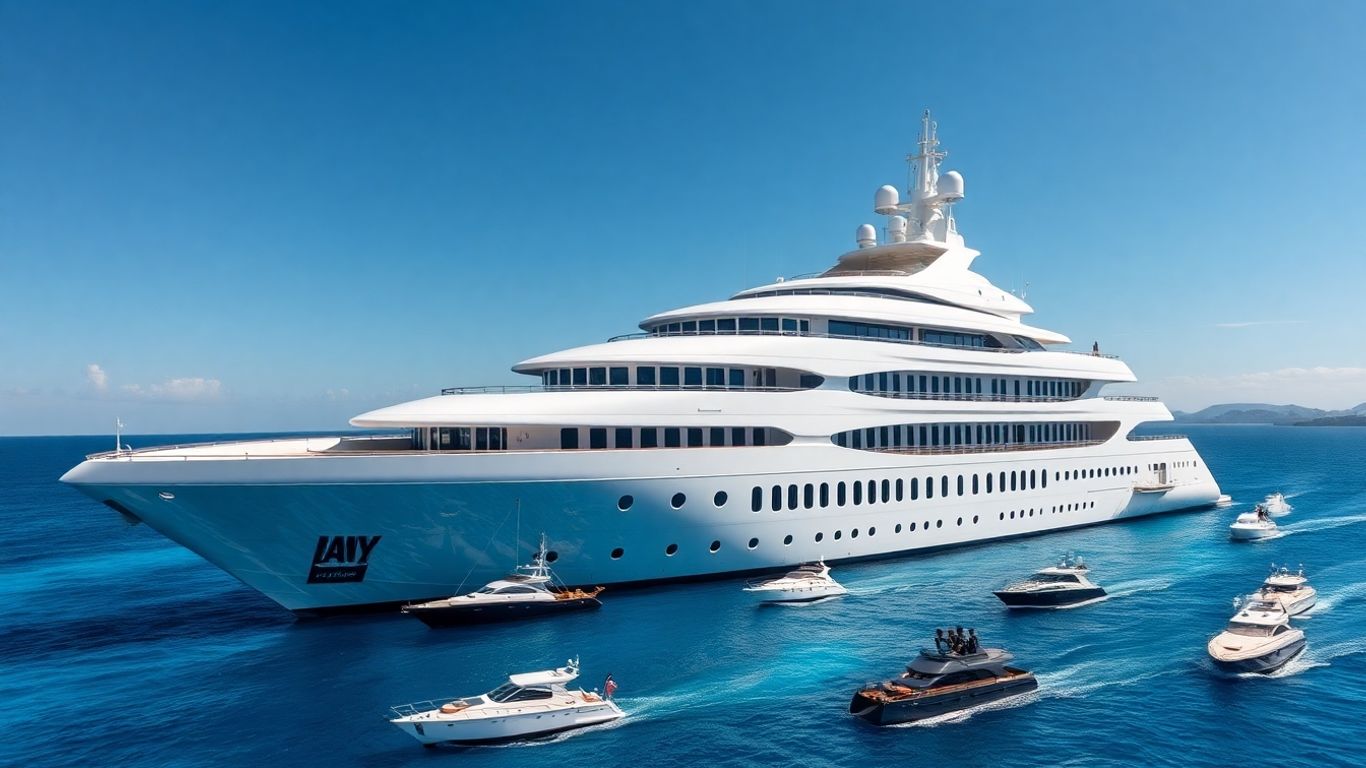
The Monaco Yacht Show, held annually in September, remains the undisputed heavyweight champion for the superyacht industry. This year’s event, taking place at the picturesque Port Hercules, was buzzing with activity, showcasing over 120 yachts collectively valued at more than €4.3 billion. It’s more than just a display of wealth; it’s where the future of yachting is discussed and shaped. The sheer number of steps walked by attendees speaks volumes about the scale of this gathering – a true global stage.
The Premier Stage for Luxury Yachting
This show is where you see the latest and greatest. It’s not just about the biggest names, but also about the cutting-edge designs and technologies that are pushing the envelope. You get to see everything from sleek, fast vessels to massive, go-anywhere explorers, all in one place. It’s a fantastic opportunity to connect with the people who design, build, and own these incredible machines. The atmosphere is always electric, a mix of serious business and pure admiration for maritime artistry.
Focus on Long-Range Cruising and Sustainability
What really stood out this year was the clear shift in focus. While the glitz and glamour are always present, the conversations were dominated by two key themes: long-range cruising and sustainability. Builders and owners alike are thinking about yachts that can venture further, explore more remote corners of the globe, and do so with a lighter environmental footprint. We saw a lot more discussion around hybrid propulsion systems and advanced energy management. It feels like the industry is maturing, moving beyond just aesthetics to practical, responsible design.
The real innovation wasn’t just in the tech – it was in the mindset. Builders and owners are thinking long-term, designing yachts to reflect lifestyle, not just luxury.
Innovation Beyond Aesthetics
This year felt more purposeful. The focus has moved from just making a splash with headline-grabbing launches to more meaningful innovation. We’re seeing new builds designed for real versatility, with features like ice-class capabilities that allow them to handle both tropical waters and more challenging, high-latitude regions. It’s about creating vessels that offer a richer experience, not just a lavish one. For instance, the integration of advanced automation systems, like those discussed by Crestron, is becoming more common, making life onboard smoother and more intuitive Daniel Kerkhof of Crestron discusses the future of onboard automation at the Monaco Yacht Show 2025.
Here’s a look at some of the trends that were hard to miss:
- Experience-Led Design: Yachts are increasingly being designed around how people actually live and use them. Think convertible spaces, layouts that work for families, and flexible deck areas that can adapt to different needs.
- Practical Sustainability: Hybrid propulsion and smarter energy systems are moving from aspirational goals to becoming the standard. Reduced-waste operations are also a big talking point.
- Exploration Capabilities: Explorer yachts were a major theme. Range, storage capacity, and the ability to handle diverse conditions are top priorities for owners looking to discover new horizons.
The Evolution of Superyacht Design: Experience Over Opulence
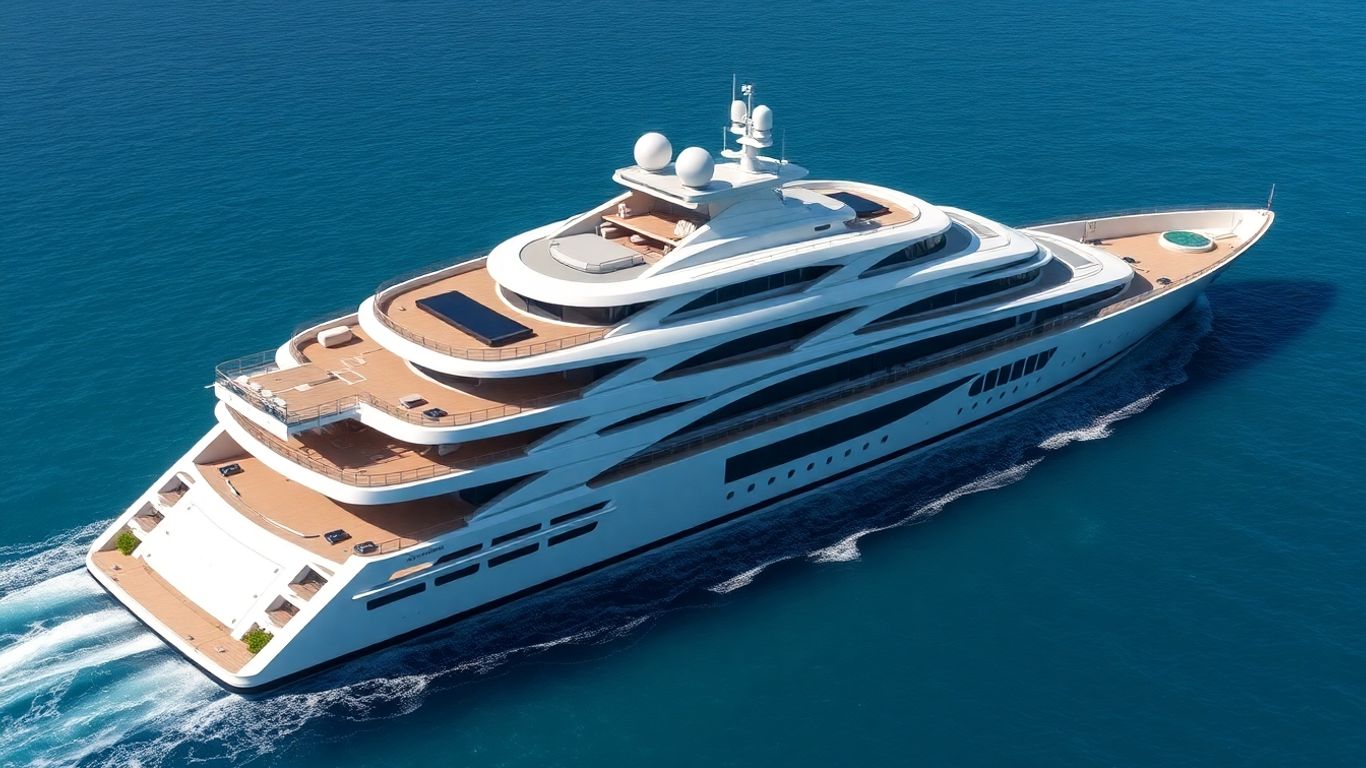
The big idea for superyachts in 2025 is pretty simple: it’s not just about flashy gold taps and marble floors anymore. Owners and designers are focusing on the experience you actually have on board. Yachts are getting smarter, more flexible, and a bit more down-to-earth (well, as much as a 100-meter yacht can be). Let’s break down how this shift is playing out from the inside decks to the outer hulls.
Experience-Led Design for Modern Lifestyles
Today’s superyachts are built around how people actually want to use them, not just how they look tied up in port. For example, spaces that used to be stiff and formal are now places where people gather, play, or relax—all in comfort. Here’s where the shift is happening:
- Convertible Spaces: Big open decks that can turn from a party spot into a quiet yoga area at sunrise.
- Family-Friendly Layouts: Fewer stuffy dining rooms, more spaces where kids can roam and you don’t panic over every spill.
- Indoor-Outdoor Living: Fold-down balconies, glass walls, and swim platforms blur the line between inside and outside.
These days, you see folks lounging in swimwear on designer sofas, flipping from a movie night to a beach barbecue in a heartbeat. It’s about freedom, not fuss.
Practical Sustainability as the New Standard
Yacht buyers care more about their carbon footprint than you might think. The tech is evolving fast, but it’s the mindset that really matters right now. Here’s what you see rolling out across shipyards in 2025:
- Hybrid Engines: Quiet, efficient, and a lot better for the ocean.
- Smart Energy Systems: Solar panels, energy recovery for hot water, and LED everything to cut down on waste.
- Sensible Choices: Refillable water stations and less plastic on all fronts, sometimes even composting leftovers.
| Year | Hybrid Yachts Delivered | % with Advanced Energy Systems |
|---|---|---|
| 2022 | 7 | 21% |
| 2023 | 14 | 38% |
| 2024 | 22 | 54% |
The Rise of the Explorer Yacht
Explorer yachts are now a serious trend. People want to see Norway’s fjords, not just Monaco’s harbor. These boats are all about range and self-sufficiency:
- Longer Range: Enough fuel and supplies to cruise for weeks or even months without stopping.
- Tougher Builds: Steel hulls and chunky, practical designs so you can bump through Arctic ice or anchor off deserted islands.
- Storage for Toys: Tenders, subs, off-road vehicles—whatever you might need for the wild places.
It used to be about who could have the shiniest chandelier; now, it’s about who can anchor in the wildest, most unforgettable spots and actually stay there comfortably.
All these changes mean that a superyacht isn’t just a floating mansion anymore—it’s a real base for making memories. Experience, not excess, is what’s making yachts exciting right now.
Acquiring Your Dream Vessel: Timelines and Options
Getting the keys to your dream yacht isn’t just a matter of signing a check—there’s a process, and sometimes, a serious wait. Let’s walk through what it actually takes to go from window shopping luxury vessels to sipping Champagne on your own sundeck.
The Patience Required for Custom Builds
If you’re thinking about a fully custom yacht—designed around your style, needs, and quirks—get ready for a long ride. Most major yards, like Feadship, Benetti, and especially Lürssen if you’re eyeing something over 100 meters, have waiting lists that stretch for years. Here’s a general idea of build timelines:
| Yacht Size | Average Build Time | Notable Example |
|---|---|---|
| 50–60 meters | 2–3 years | Benetti B.Now 50 |
| 70–100 meters | 3–5 years | Feadship Project 825 |
| 100+ meters | 5+ years | Lürssen’s Dilbar |
- Custom builds mean you’ll work alongside designers step by step.
- Engineering, outfitting, and countless decisions stretch the process.
- Bigger boats? Prepare for even longer timelines.
Building a yacht is less like buying a car and more like building a bespoke home—there’s creativity, pride, and patience involved, and the end result is 100% yours.
Feadship’s Fast-Track Concepts
Not everyone has five years to wait. Feadship has started rolling out “fast-track” models that still offer a degree of personalization but are based on proven hulls and engineering. These projects, like their 72-meter Project 2024, can hit the water much quicker:
- Structured layouts and engineering already sorted.
- Limited customization (think styling, interiors, tech upgrades).
- A path that can save years over fully custom work.
If you want a bespoke feel but with a lot less downtime, this is the way to go. Other builders are catching on, too, with semi-custom lines and spec builds ready to go to sea in record time.
Leveraging the Aftermarket and Brokerage
Don’t want to wait? Jump into the brokerage market. There are tons of large yachts—sometimes nearly finished new builds, sometimes barely used gems—on the market at any given moment. This is by far the fastest route, and it comes with its own set of pros and cons:
- Shorter timelines: Just survey, negotiate, close—can be a matter of months instead of years.
- Potential for value:** Pre-owned often means a better price and optional quick refit.
- Options galore:** Everything from nearly-new Benettis to classic Feadships, plus spec builds by major yards.
Before you go shopping, know
- Inspection is a must—get everything checked by your expert.
- Refitting still takes time, but way less than a new build.
Want the keys as soon as possible? This is your best shortcut.
No matter which route you take—custom, fast-track, or brokerage—getting your dream yacht takes patience, solid planning, and a willingness to roll with the unexpected. But once you’re standing on your own deck, the wait suddenly feels worth it.
The Future of Floating Luxury
So, what’s the takeaway from all these massive yachts? It seems like 2025 is shaping up to be a big year for these floating palaces. We’re seeing a real push towards yachts that aren’t just about looking fancy, but about being more practical and even a bit greener. Builders are thinking about how people actually use these boats, making them better for exploring and just living on. It’s not just about the size anymore; it’s about smart design and making them work for different kinds of adventures. Pretty cool to see how things are changing in the world of superyachts.
Frequently Asked Questions
What makes a yacht considered the “biggest” in the world?
When we talk about the biggest yacht, we usually mean the longest one. It’s all about how many meters or feet it measures from front to back. These superyachts are like floating mansions on the water, packed with amazing features and luxury.
Are the biggest yachts only for very rich people?
Yes, these enormous yachts are incredibly expensive, costing hundreds of millions of dollars. Only a very small number of people in the world can afford to own and maintain them. They are symbols of extreme wealth and luxury.
What kind of features do these giant yachts have?
These yachts are like private islands! They often have swimming pools, movie theaters, gyms, multiple decks for relaxing, helipads for helicopters, and even garages for smaller boats or submarines. Everything is designed for comfort and entertainment.
How long does it take to build one of these huge yachts?
Building a superyacht is a long process. It can take several years, sometimes even four to five years, from when the idea is first drawn to when the yacht is ready to sail. This is because they are custom-made with incredible attention to detail.
Are there any new trends in building the biggest yachts?
Yes, builders are focusing more on making yachts that are good for exploring different parts of the world, not just staying in warm places. They are also making them more eco-friendly with better engines and less waste. Plus, designs are made to be more like homes, with spaces for family and fun activities.
Can I buy a big yacht if I don’t want to wait for years to build one?
You can! Sometimes, people sell their yachts before they are even finished being built, or there are yachts already built that are for sale. Buying one of these existing yachts can be much faster than ordering a brand-new custom one.