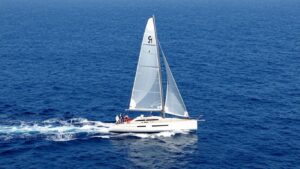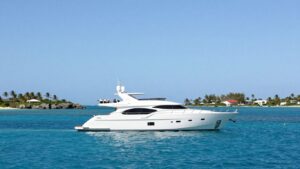
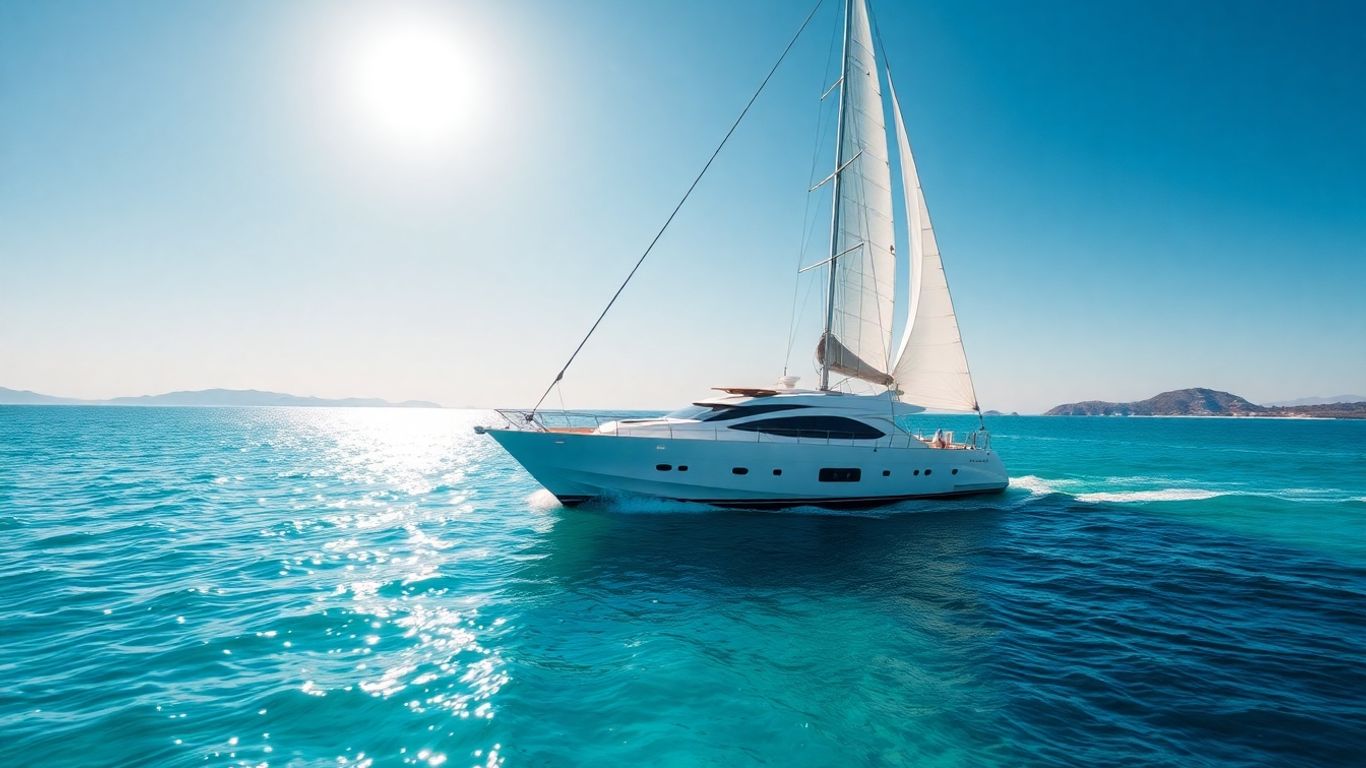
Thinking about a Greek island adventure in 2025? Forget crowded hotels and fixed schedules. Imagine waking up to the gentle rocking of a boat, with nothing but blue sea and sunshine ahead. Chartering a boat in Greece offers a unique way to see the islands, letting you set your own pace and discover hidden spots. It might sound fancy or complicated, but it’s more accessible than you think. Let’s dive into what makes Greek charter boats the perfect way to explore this amazing part of the world.
Key Takeaways
- Chartering a boat in Greece lets you explore the stunning archipelago at your own pace, offering a unique and flexible holiday experience.
- Different boat types, like catamarans, crewed motor yachts, and bareboat sailboats, cater to various preferences, from comfort and speed to complete freedom.
- Popular sailing regions include the Cyclades, Ionian Sea, and Dodecanese Islands, each offering distinct charm and sights.
- Planning is key: consider your itinerary, departure port (Athens is a common starting point), and realistic sailing times to maximize your trip.
- When planning, compare charter costs to land-based holidays and be mindful of the best times to visit Greece to avoid strong winds and enjoy pleasant weather.
The Allure Of The Greek Archipelago
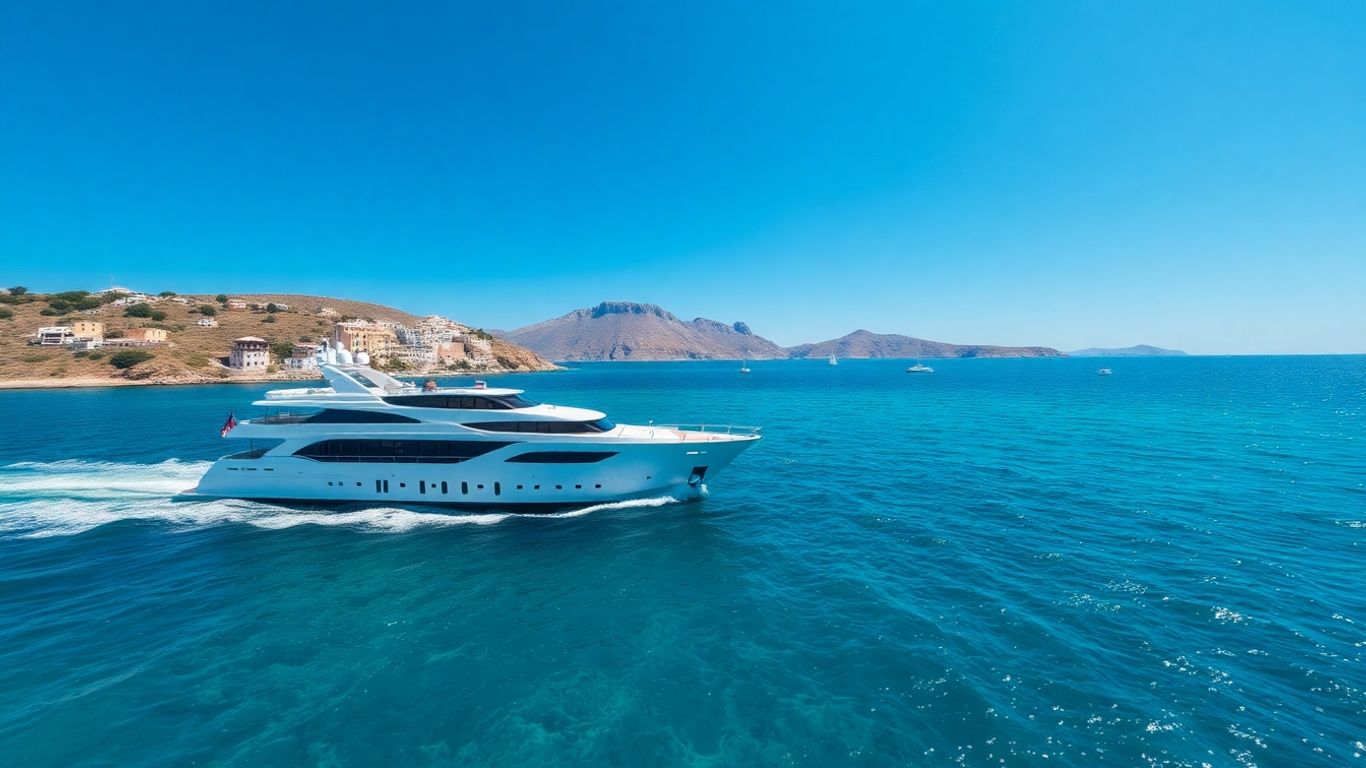
Greece, with its thousands of islands dotting the Aegean and Ionian Seas, is practically designed for boat adventures. Each island has its own vibe, from the classic white-washed villages you see in pictures to places that are super green and lush. You can hop from one island to another, finding unique history, culture, and just plain beautiful nature everywhere you go. One day you might be checking out old ruins that feel like they’re telling stories of ancient times, and the next, you could be jumping into clear blue water. It’s a way to see Greece that feels more like exploring than just visiting.
Discovering Your Dream Greek Charter Boats
When you think about chartering a boat in Greece, it’s not just about picking any boat. It’s about finding the right fit for your trip. Are you looking for a sleek sailboat that feels classic, or maybe a motor yacht for covering more ground quickly? Perhaps a catamaran for extra space and stability? The type of boat really changes the experience. Some are perfect for zipping between close islands, while others are built for longer journeys. Think about how many people are going, what kind of comfort you want, and what you plan to do when you get there – swimming, exploring towns, or just relaxing on deck. Choosing the right vessel is the first step to a fantastic adventure.
Why Charter A Boat In Greece?
Chartering a boat in Greece is more than just a holiday; it’s a chance to experience the islands in a way that’s hard to match. You get to visit hidden coves that aren’t accessible by land, swim in quiet bays away from the crowds, and wake up to new views every day. It’s about freedom – deciding where to go and when, without being tied to ferry schedules. Plus, you get to see the coastline from a different perspective, spotting ancient ruins or charming fishing villages from the water. It’s a chance to really connect with the sea and the islands.
A Unique And Educational Holiday
This kind of trip can be surprisingly educational, especially if you have kids along. They get a real-world lesson in geography, learning about different islands and sea routes. There’s also a bit of meteorology involved as you learn about the winds and weather. Teamwork becomes important when you’re sailing, and there’s a sense of responsibility that comes with being on a boat. And the night sky? Far from city lights, it’s incredible. It’s a holiday that creates memories and teaches things without feeling like school. You’re not just seeing places; you’re experiencing them in a fun, memorable way.
Planning Your Greek Charter Boat Adventure
So, you’re thinking about a Greek boat charter for 2025? Awesome! It’s a fantastic way to see the islands, but like any trip, a little planning goes a long way. Let’s clear up some common worries and get you set up for an amazing adventure.
Dispelling Charter Myths
There are a few ideas floating around about chartering a boat that might make it seem more complicated than it is. For starters, many people think you need a professional captain’s license to charter a sailboat in Greece. While it’s true you’ll need to show some sailing experience (more on that later), it’s not always a full-blown certification. Another myth is that it’s prohibitively expensive. When you break down the cost per person, especially for a group or family, it can actually be quite comparable to staying in hotels and renting cars, but with way more freedom.
Key Takeaways For Your Trip
- Flexibility is king: Chartering means you set the schedule. Want to linger longer at a quiet taverna or explore a hidden beach? You can.
- Boat types matter: From stable catamarans perfect for families to nimble monohulls for seasoned sailors, there’s a boat for every need.
- Research is your friend: Picking the right charter company and understanding your contract avoids headaches down the line.
- Experience counts: Be ready to show your sailing background; it’s for everyone’s safety.
Embarking On Your Greek Charter Journey
Getting started with your charter is simpler than you might think. Most companies will have a clear process. You’ll typically start by selecting your boat and dates, then confirming your booking. After that, it’s about gathering your crew and planning your route. Don’t forget the practicalities like provisioning – stocking up on food and drinks – and making sure you have all the necessary paperwork sorted. Many charter bases, like the popular Alimos Marina near Athens, offer thorough briefings on your specific boat and the local sailing area, which is super helpful.
The most important thing is to be realistic about your sailing abilities and the distances you can comfortably cover each day. Greece is beautiful, but the weather can change, and it’s always better to have a relaxed pace than to feel rushed.
Navigating The Aegean: Your Sailing Guide
So, you’ve picked out your dream boat and you’re ready to cast off. But before you can truly feel the wind in your sails and the sun on your face, there are a few practicalities to sort out. Think of this as your pre-flight checklist for the Aegean.
Eligibility and Requirements For Your Sailing Resume
First things first, can you actually take the helm? Greece, like many places, wants to make sure you know what you’re doing out there. You’ll likely need a valid sailing license. Beyond that, many charter companies will ask for a sailing resume. This isn’t about your career history; it’s about showcasing your experience. They want to see what kind of boats you’ve handled, for how long, and in what conditions. An International Certificate of Competence (ICC) is often the golden ticket, but check with your charter company to see what they accept. It’s all about proving you can handle the boat safely.
Choosing The Right Vessel For Your Needs
This is where the fun really begins! Monohull or catamaran? Big or small? It really depends on what you’re looking for. Catamarans are super stable and offer loads of space, which is great if you’ve got a bigger group or just like spreading out. Monohulls, on the other hand, give you that classic sailing feel. Think about how many people are going, how much gear you’re bringing, and what kind of comfort level you’re after. Don’t forget to ask about the boat’s equipment – things like dinghies, water makers, and even entertainment systems can make a big difference.
Planning Your Route And Itinerary
This is where you get to be the captain of your own adventure. Greece has thousands of islands, so you’re spoiled for choice. Do you want to hop between the popular spots in the Cyclades, like Santorini and Mykonos, or explore the quieter, more traditional islands of the Saronic Gulf? It’s a good idea to have a rough plan, but also be flexible. The weather can change, and sometimes the best discoveries happen when you just go with the flow. Having a general idea of where you want to go will help you plan your sailing routes and make sure you have enough time to actually enjoy each stop.
The Aegean is known for its winds, especially the Meltemi during the summer months. While these winds can make for exhilarating sailing, they also demand respect and a good dose of caution. Understanding wind patterns and knowing when to reef your sails or seek shelter is part of being a responsible sailor. Don’t be afraid to adjust your plans based on the weather; safety always comes first.
Here’s a quick breakdown of things to consider when planning:
- Island Groups: Decide if you want to focus on one region (like the Cyclades or the Ionian) or try to cover more ground.
- Pace: Do you want to sail for a few hours each day and spend more time exploring ashore, or are you looking for longer passages?
- Anchorages vs. Marinas: Some islands have well-equipped marinas, while others rely on beautiful, sheltered anchorages. Factor this into your planning.
- Provisioning: Plan where you’ll stock up on food and water. Some smaller islands have limited supplies.
Essential Considerations For Your Greece Boat Charter
Understanding The Winds And Weather Patterns
Sailing in Greece means getting friendly with the wind. The Aegean Sea has its own personality, and understanding it is key to a good trip. You’ve got the Meltemi winds, especially in the summer, which can be strong and steady. They’re great for sailing fast, but you need to be ready for them. It’s not just about the wind, though. Weather can change, so always check the forecast before you head out. A little bit of planning around the weather can save you a lot of hassle and keep everyone safe.
- Summer (June-August): Expect the Meltemi winds, typically from the north. They can blow strong, especially in the Cyclades. Days are long and sunny, but heat can be intense.
- Spring (April-May) & Autumn (September-October): These are often milder. Winds are generally lighter, and the weather is more unpredictable but usually pleasant. Fewer crowds too.
- Winter (November-March): Not ideal for chartering. Winds are strong and unpredictable, and many services are closed.
Being flexible with your plans is super important. If the wind is too strong to go to your planned island, have a backup spot in mind. It’s all part of the adventure!
Legal And Safety Regulations To Navigate
Before you even think about setting sail, you need to know the rules of the road, or rather, the sea. Greece has its own set of maritime laws and safety rules. Most charter companies will walk you through the basics, but it’s good to have an idea beforehand. This includes things like having the right paperwork for your sailing qualifications if you’re chartering a bareboat. Safety equipment is also a big deal. Your boat will come with life jackets, flares, and other gear. Make sure everyone on board knows where this stuff is and how to use it. It sounds basic, but in an emergency, knowing these things can make a huge difference.
- Sailing Licenses: If you’re skippering yourself (bareboat charter), you’ll likely need proof of sailing competence. Check with your charter company about what they accept.
- Safety Briefing: Always attend the pre-departure safety briefing. It covers your specific boat and emergency procedures.
- VHF Radio: Know how to use the VHF radio for communication with the coast guard and other boats.
Staying Connected And Safe At Sea
Being out on the water is amazing, but you’re also a bit cut off. While you’ll probably have cell service in many areas, it’s not guaranteed everywhere. It’s smart to have a plan for staying in touch. A reliable way to communicate is a must. Also, think about what you’ll do if something goes wrong. Most charter companies offer support, but you need to know how to reach them. And don’t forget the little things, like having enough water and basic first-aid supplies. It’s better to be over-prepared than wish you had something when you’re miles from shore.
- Communication: Have a charged mobile phone. Consider a portable charger or even a satellite phone for remote areas.
- Emergency Contacts: Keep a list of important phone numbers handy – charter company, local emergency services, etc.
- First Aid: Pack a well-stocked first-aid kit and know how to use its contents.
Making The Most Of Your Charter Experience
Navigational Tips and Tricks
So, you’ve got your boat, your route is roughly planned, and you’re ready to set sail. But how do you really make the most of your time on the water? It’s all about being smart, prepared, and open to the experience. Think of it like this: you wouldn’t go on a road trip without knowing how to read a map, right? Sailing is similar, but with a bit more wind and water involved.
One of the trickiest, yet most rewarding, skills to get a handle on is Mediterranean mooring. This is where you back your boat into a slip, often with other boats already there. It takes practice, and honestly, it can be a bit nerve-wracking the first few times. Don’t be afraid to ask for help from the marina staff or other sailors if you need it. Getting good at this means you can dock in some seriously picturesque, and often crowded, spots.
Then there’s anchoring. It’s not just about dropping a weight and hoping for the best. You need to make sure your anchor is dug in properly so you don’t drift, especially overnight. Plus, you’ve got to give other boats plenty of space. Nobody likes waking up to find their anchor has dragged into someone else’s spot.
Understanding the winds, especially the famous Meltemi, is key to both a thrilling and a safe journey. These winds can pick up quickly, and knowing when to reef your sails (that’s folding or rolling part of the sail to make it smaller) or when it’s just better to stay put is a skill that comes with experience. It’s a dance between pushing your limits and respecting the sea.
Remember, the journey itself is a huge part of the adventure. Don’t get so caught up in reaching the next destination that you forget to enjoy the moments in between. That feeling of the sun on your face, the gentle rocking of the boat, the endless blue horizon – that’s what it’s all about.
Embracing the Sailing Culture
Greece isn’t just about pretty islands and clear water; it’s about a way of life. To truly get the most out of your charter, you need to dip your toes into the local culture. This means more than just visiting the famous sites. It’s about interacting with the people, trying the food, and maybe even stumbling upon a local festival.
- Engage with locals: Strike up conversations at the tavernas, ask for recommendations, and learn a few basic Greek phrases. A simple ‘kalimera’ (good morning) or ‘efcharisto’ (thank you) goes a long way.
- Savor the cuisine: Greek food is incredible. Don’t just stick to tourist traps. Seek out smaller, family-run restaurants for authentic flavors. Fresh seafood, local cheeses, and olive oil are usually top-notch.
- Respect traditions: When you visit villages or religious sites, dress modestly. Be mindful of local customs and always be a good guest.
- Protect the environment: Greece’s natural beauty is its biggest asset. Dispose of your trash properly, avoid polluting the water, and be conscious of marine life.
Troubleshooting on the Water
Even with the best planning, things can sometimes go a bit sideways when you’re out at sea. It’s not usually a big deal, but knowing how to handle common issues can save you a lot of stress. Think of it as part of the learning curve.
- Engine hiccups: If the engine sputters or won’t start, check the basics first: fuel levels, filters, and any obvious leaks. Most charter boats come with a manual, and your charter company can usually guide you over the radio.
- Electrical quirks: Lights not working? The navigation system acting up? Often, it’s a tripped breaker or a loose connection. Familiarize yourself with the boat’s electrical panel before you leave the dock.
- Sail tears or rigging issues: Minor tears can sometimes be temporarily fixed with sail repair tape. If you have a problem with the rigging (the wires and ropes that support the mast and sails), it’s usually best to contact your charter company for advice or assistance, especially if it affects your ability to sail safely.
Don’t panic if something unexpected happens. Most charter companies have support staff available, and other sailors are often willing to lend a hand. The key is to stay calm, assess the situation, and communicate clearly.
Popular Departure Points And Regions
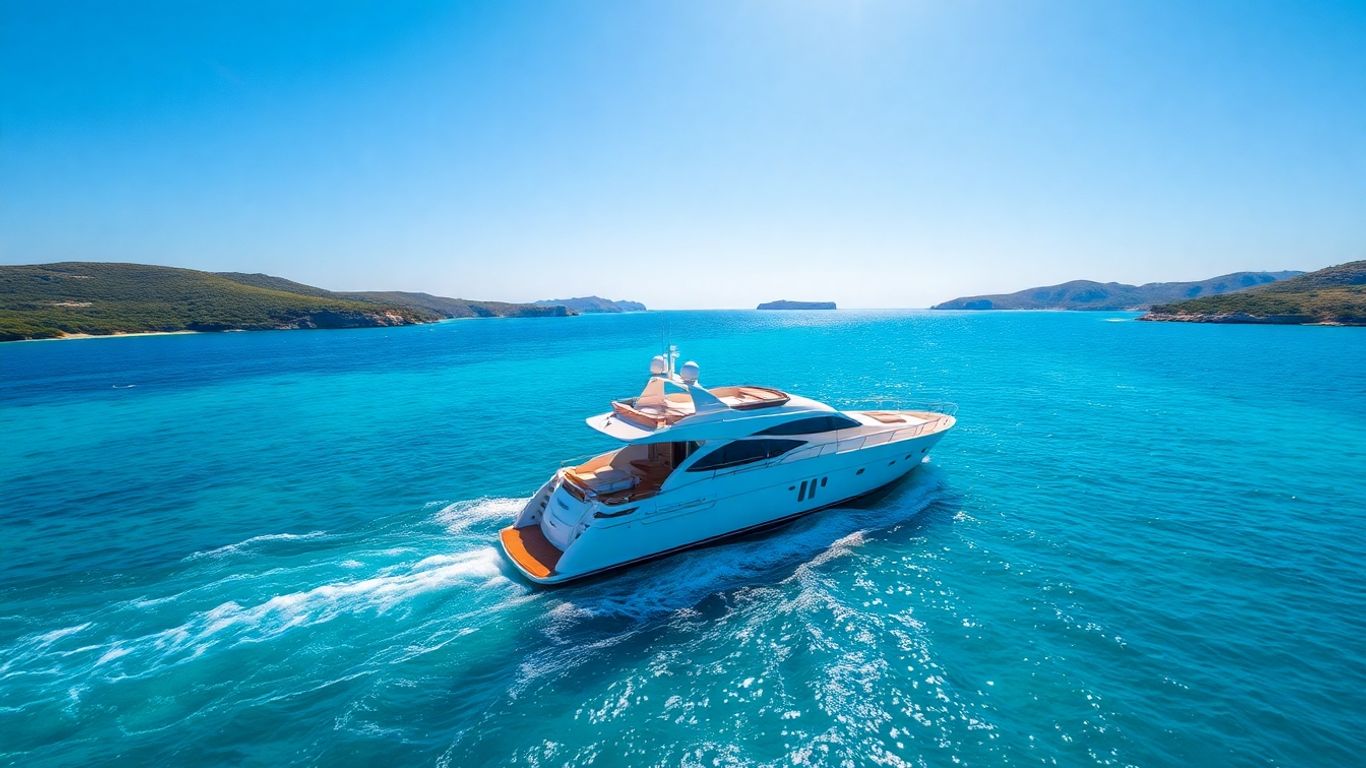
Starting Your Adventure From Athens
Athens is a super common place to kick off your Greek boat charter. It’s got major marinas like Alimos, which are pretty easy to get to, whether you’re flying in or coming from elsewhere. From Athens, you’ve got direct access to a couple of really popular sailing areas: the Saronic Gulf and the Cyclades. This makes it a great all-around starting point. You can get your sea legs in the calmer waters of the Saronic or head out towards the more famous, windier islands of the Cyclades. It’s a good spot if you want convenience and lots of options right from the get-go.
Exploring the Saronic Gulf's Tranquil Waters
The Saronic Gulf is like the chill, laid-back neighbor to the more bustling Aegean islands. It’s super close to Athens, making it perfect for shorter trips or for those who want to ease into sailing without long passages. Think charming islands like Aegina, Poros, Hydra, and Spetses. Each has its own personality. Aegina is known for its pistachios and ancient temple, Poros is split by a narrow strait, Hydra is completely car-free with its cute donkey taxis, and Spetses has a more elegant, old-world feel. The waters here are generally calmer, and the islands are close enough that you can hop between them easily. It’s a fantastic choice if you’re looking for a more relaxed pace, beautiful scenery, and a taste of island life without too much open-sea sailing.
Island Hopping Itineraries
When you’re planning your trip, thinking about a few different itinerary ideas can be really helpful. It gives you a framework, but remember, the beauty of a charter is you can change things up! Here are a few popular routes to get you thinking:
- The Saronic Sampler: Start in Athens, sail to Aegina, then Poros, followed by Hydra, and finally Spetses before returning to Athens. This is great for a week-long trip and offers a good mix of history, culture, and relaxation.
- Cycladic Charm: Depart from Athens and head towards the Cyclades. A common route might include Kea, Kythnos, Syros, Paros, and Naxos. This route involves longer sails and potentially more challenging winds, especially the Meltemi in summer, but rewards you with iconic white-washed villages and stunning sunsets.
- Ionian Delights: If you start from a base like Lefkas or Corfu in the Ionian Sea, you can explore islands like Kefalonia, Zakynthos, and the smaller Paxi and Antipaxi. The Ionian offers lush greenery, Venetian architecture, and generally more settled weather, making it ideal for families or less experienced sailors.
The freedom of having your own vessel means you’re not tied to a fixed schedule. You can linger longer at a beautiful cove or change course if the wind whispers a different suggestion. This flexibility is part of the magic.
Your Aegean Adventure Awaits
So, you’ve got the lowdown on chartering a boat in Greece. It’s really a fantastic way to see the islands, way better than just sticking to the usual tourist spots. Think about finding your own quiet beach or a tiny village you can only get to by sea. Whether you’ve sailed before or this is your first time even thinking about it, there’s a boat and a trip out there for you. It’s not as hard to do as you might think, and honestly, the freedom to just go where the wind takes you is pretty special. Start planning, and get ready for a trip you won’t forget.
Frequently Asked Questions
Why is chartering a boat in Greece such a cool way to travel?
Chartering a boat in Greece lets you explore the islands at your own speed. You can visit hidden beaches, swim in clear blue waters, and see charming villages that are hard to reach otherwise. It’s like having your own private hotel that moves, giving you total freedom to discover amazing places.
What kind of boats can I charter in Greece?
There are several types of boats you can choose from! Catamarans are spacious and stable, great for families. Motor yachts offer speed and luxury with a crew to handle everything. If you’re an experienced sailor who wants full control, a bareboat sailboat is the way to go.
Do I need a special license to rent a boat in Greece?
Yes, you usually need a sailing license to prove you know how to handle a boat safely. Often, you’ll need an International Certificate of Competence (ICC) or a similar certificate from your home country. Some charter companies might also ask for a sailing resume to see your experience.
What are the best areas in Greece for a boat charter trip?
Greece has many fantastic sailing areas. The Cyclades are famous for their iconic white-washed islands. The Ionian Islands offer greener landscapes and calmer waters. Other great spots include the Dodecanese, Saronic Gulf, and Sporades. Each region has its own unique charm and sights to explore.
How should I plan my boat trip itinerary in Greece?
When planning, think about how much time you have and how far apart the islands are. It’s better to visit fewer islands and really enjoy them rather than rushing. Consider islands like Athens for starting, or explore the calm Saronic Gulf. Always have a backup plan in case the weather changes.
What should I know about the weather and winds in Greece?
The Aegean Sea can have strong winds, especially the ‘Meltemi’ wind which blows from the north during summer. It’s important to be aware of these conditions. The Ionian Sea is generally less windy. A good charter company or skipper will help you stay safe by checking forecasts and adjusting your plans if needed.