
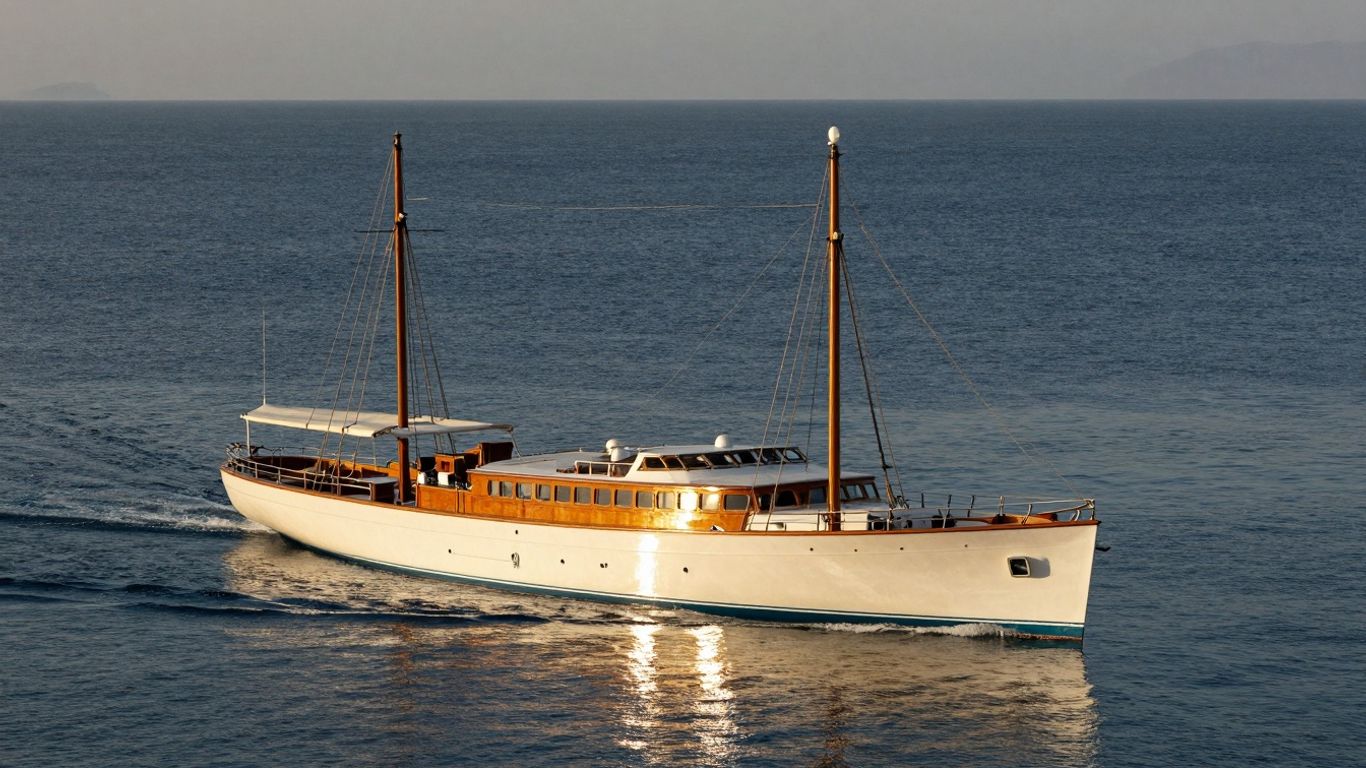
Back in the 1920s, something special was happening on the water. Yacht design wasn’t just about getting from point A to point B; it was about style, craftsmanship, and a certain kind of luxury that still catches our eye today. Think of the lines, the wood, the sheer presence of these vessels. Even now, these boats from the 1920s era have a way of making you stop and stare. Let’s take a little look at why these old-school beauties, the yacht 1920s classics, continue to charm us.
Key Takeaways
- The 1920s was a golden time for building boats, with a focus on really good craftsmanship.
- The look of yachts from the 1920s still feels good today, with classic shapes and details.
- Designers like Philip Rhodes and companies like Cox & Stevens made a big mark on how boats were built and looked.
- Famous boats from this time, like the Haida, have interesting histories and show off the era’s luxury.
- Modern boats often mix old design ideas with new tech, keeping that classic feel while being up-to-date.
The Enduring Allure Of 1920s Yacht Design
A Golden Age Of Maritime Craftsmanship
The 1920s were something else for boats, weren’t they? It was a time when craftsmanship really took center stage. Think about it – these yachts weren’t just built; they were sculpted. Skilled hands shaped wood and metal with an attention to detail that’s hard to find today. It was a period where function met form in a way that felt both robust and incredibly elegant. This era set a standard for quality that still influences yacht building now.
- Materials: High-quality hardwoods like teak and mahogany were common, chosen for their beauty and durability.
- Construction: Traditional joinery techniques were employed, resulting in strong, long-lasting hulls.
- Finishing: Multiple layers of varnish and paint were applied, giving that deep, lustrous shine.
The focus was on creating vessels that were not only seaworthy but also works of art, meant to be admired as much as they were to be sailed.
Timeless Aesthetics In Yacht 1920s
What makes 1920s yacht designs so captivating is their classic look. They have these graceful lines, a certain proportion that just feels right. It’s not about flashy trends; it’s about a design that ages well. You see a lot of sweeping curves, well-balanced proportions, and a general sense of understated luxury. Even today, when you see a yacht from this period, it stands out.
Preserving Historical Essence Through Refits
When these old beauties get a makeover, the goal is usually to keep that original spirit alive. It’s a tricky balance, you know? You want to update things for modern comfort and safety, but you don’t want to lose what makes the boat special in the first place. It’s about respecting the history. Sometimes this means keeping original engines or restoring interior details. It’s a labor of love, for sure, making sure the yacht feels fresh but still echoes its past.
- Restoring Original Features: Bringing back polished wood, brass fittings, and period-appropriate upholstery.
- Modernizing Systems: Upgrading electrical, plumbing, and navigation systems discreetly.
- Maintaining Hull Integrity: Ensuring the structural soundness while respecting original lines.
It’s like giving an old house a new kitchen but keeping the original fireplace. You want it to be usable and comfortable for today, but you don’t want to erase its story.
Pioneering Designers Of The Era
Philip Rhodes's Visionary Contributions
Philip Rhodes was a big name in yacht design, especially from the 1920s through the 1960s. He really knew how to make boats that looked good and could handle the sea. His work wasn’t just about looks, though; he was all about making boats that were practical and performed well. Think elegant wooden sailboats and tough ocean cruisers – he did it all. Rhodes managed to balance classic style with new ideas, making his yachts popular then and still admired today.
- Versatile Designs: From sleek sailing yachts to sturdy motorboats and even vessels for wartime service.
- Innovation in Practice: Introduced new ways of building and using materials.
- Enduring Appeal: His boats, like the Rhodes 19, are still sought after by classic yacht fans.
Rhodes’s influence went beyond just drawing up plans. He helped set the direction for yacht design after the war, always keeping that timeless look that makes classic yachts so special.
The Legacy Of Cox & Stevens
The firm Cox & Stevens was a powerhouse in yacht design and brokerage during the early to mid-20th century. They were known for handling some of the most impressive commissions of the time, working with wealthy clients who wanted the best. Many designers, including Philip Rhodes, were associated with them at some point. Cox & Stevens wasn’t just about design; they were involved in the whole process, from concept to sale, making them a one-stop shop for luxury yachts.
- Brokerage and Design: A dual role that set them apart.
- High-Profile Clients: Catered to an elite clientele.
- Shaping the Market: Influenced trends in luxury yachting.
Shaping Postwar Yachting Trends
After World War II, yacht design saw a big shift. Designers like Rhodes, often working with firms like Cox & Stevens, started incorporating new materials and building techniques. This era saw a move towards more streamlined shapes and improved performance, but without losing the grace and charm of earlier designs. The focus was on creating yachts that were not only beautiful but also more efficient and comfortable for owners. This blend of old and new is what gives many 1920s-inspired yachts their lasting appeal.
Iconic Vessels And Their Stories
When we talk about the 1920s, it’s easy to picture flappers and jazz, but the waterways were also buzzing with some seriously impressive boats. These weren’t just modes of transport; they were floating palaces, showcasing incredible craftsmanship and a certain je ne sais quoi.
The Majestic Haida: A Luxury Cruiser's Journey
The Haida is a prime example of this era’s grandeur. Launched in 1929, this yacht was built for luxury cruising. Imagine gliding along the West Coast, from Alaska down to Mexico, for twelve years. She had three decks, plenty of space, and even big refrigerators – pretty advanced for the time! Powered by diesel engines, she was a step up from coal-fired ships.
Of course, life wasn’t always smooth sailing. During World War II, she was pressed into service as a patrol vessel, the USS Argus. After the war, she was converted back to a yacht, but perhaps not quite to her original splendor. She changed hands a few times, even being renamed Rosenkavalier in the 80s. Despite some hurdles, like tricky shipping rules in Japan, people kept working to bring her back to her former glory. A refit in 1990 really focused on bringing back that early 20th-century feel, with cool whites and Edwardian touches, creating cozy spots for people to gather.
Riva's Handcrafted Masterpieces
Now, let’s talk about Riva. If you’ve ever seen a classic wooden boat that just looks perfect, chances are it might have been a Riva. Founded by Pietro Riva in the mid-19th century, the brand really hit its stride in the mid-20th century, becoming synonymous with Italian style and luxury.
What made Riva so special?
- Mahogany Magic: They were famous for their polished mahogany hulls. It’s a wood that just gleams and feels incredibly rich.
- Attention to Detail: Every single boat was a work of art. Think luxurious leather interiors, perfect stitching, and just an overall sense of quality that you don’t see every day.
- Performance: These boats weren’t just pretty faces. They were built to perform, offering a smooth and powerful ride on the water.
The spirit of Riva is all about the art of living. It’s about taking a dream and making it real, whether that’s on the water or on the silver screen.
The Evolution Of The Riva Brand
Riva didn’t just rest on its laurels. While they honored their classic designs, they also kept up with the times. They managed to blend that timeless, nostalgic look with modern technology. So, you get the beautiful lines and the feel of a classic boat, but with all the conveniences and performance you’d expect today. It’s this mix of old-school charm and new-school tech that has kept Riva boats so desirable. They’ve become symbols of sophistication, attracting everyone from movie stars to royalty, proving that some designs truly are timeless.
Design Philosophy: Classic Meets Modern
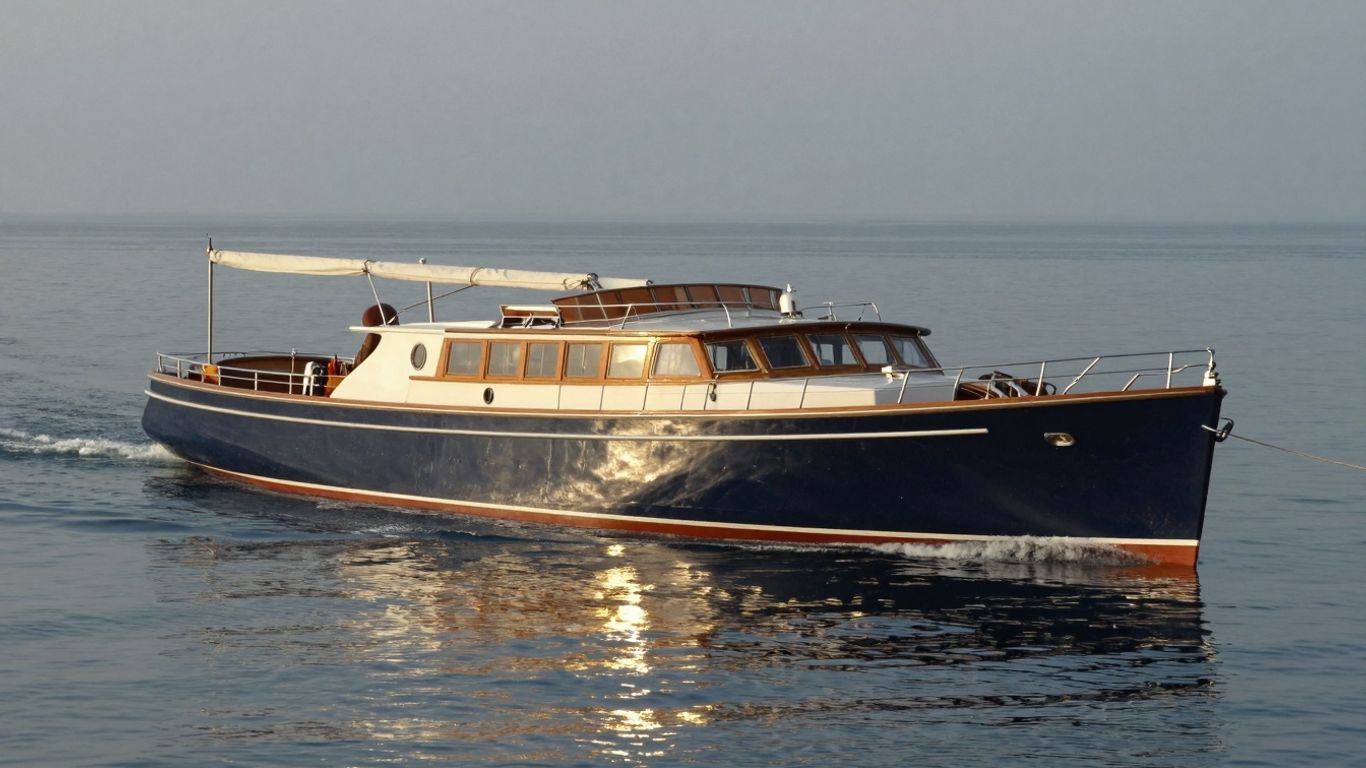
When we talk about yachts from the 1920s, it’s easy to get lost in the romance of a bygone era. But the real magic isn’t just in the nostalgia; it’s in how these designs cleverly balanced timeless elegance with practical, forward-thinking engineering. These weren’t just pretty boats; they were built to perform and to last.
Seamless Blend Of Aesthetics And Technology
The designers of the 1920s were true innovators. They understood that a beautiful yacht also needed to be a capable one. Think about the lines – smooth, flowing, and undeniably graceful. But beneath that polished exterior was a solid engineering foundation. They were figuring out new ways to make hulls more efficient and structures stronger, often using materials and techniques that were cutting-edge for their time. It was about making something that looked good and worked well, a principle that still guides yacht building today. For instance, the schooner "Elena" is a modern recreation of a historic vessel, showing how these classic lines are still admired today.
Meticulous Attention To Detail In Yacht 1920s
What really sets these yachts apart is the sheer level of detail. Every curve, every piece of joinery, every fitting was considered. It wasn’t just about function; it was about creating a work of art. This focus on craftsmanship meant that even the smallest elements contributed to the overall sense of luxury and quality. You see it in the intricate woodwork, the polished brass, and the thoughtful layout of spaces.
- Hull Shape: Optimized for stability and speed, often featuring a deep forefoot and a fine entry.
- Deck Layout: Designed for both functionality and social interaction, with clear pathways and comfortable seating areas.
- Interior Finishes: Use of high-quality woods, bespoke hardware, and custom furnishings.
- Propulsion Systems: Early adoption of more reliable and powerful engines for their time.
The approach to these classic vessels was one of thoughtful integration. Modern comforts were not forced upon them but were carefully woven into the existing fabric, respecting the original intent and spirit of the design. It’s about making an old boat feel new again, without erasing its history.
Integrating Modern Comforts With Heritage
Bringing a 1920s yacht into the 21st century is a delicate dance. The goal is to add modern amenities – like updated navigation systems, better climate control, or improved entertainment options – without sacrificing the yacht’s original character. This often involves clever engineering solutions and a deep respect for the past. It’s about making the yacht more enjoyable for today’s owners while keeping that authentic vintage feel alive. The result is a vessel that offers the best of both worlds: the charm and history of a classic, combined with the convenience and performance of a modern yacht.
The Art Of Living On The Water
Riva Boats In Cinematic History
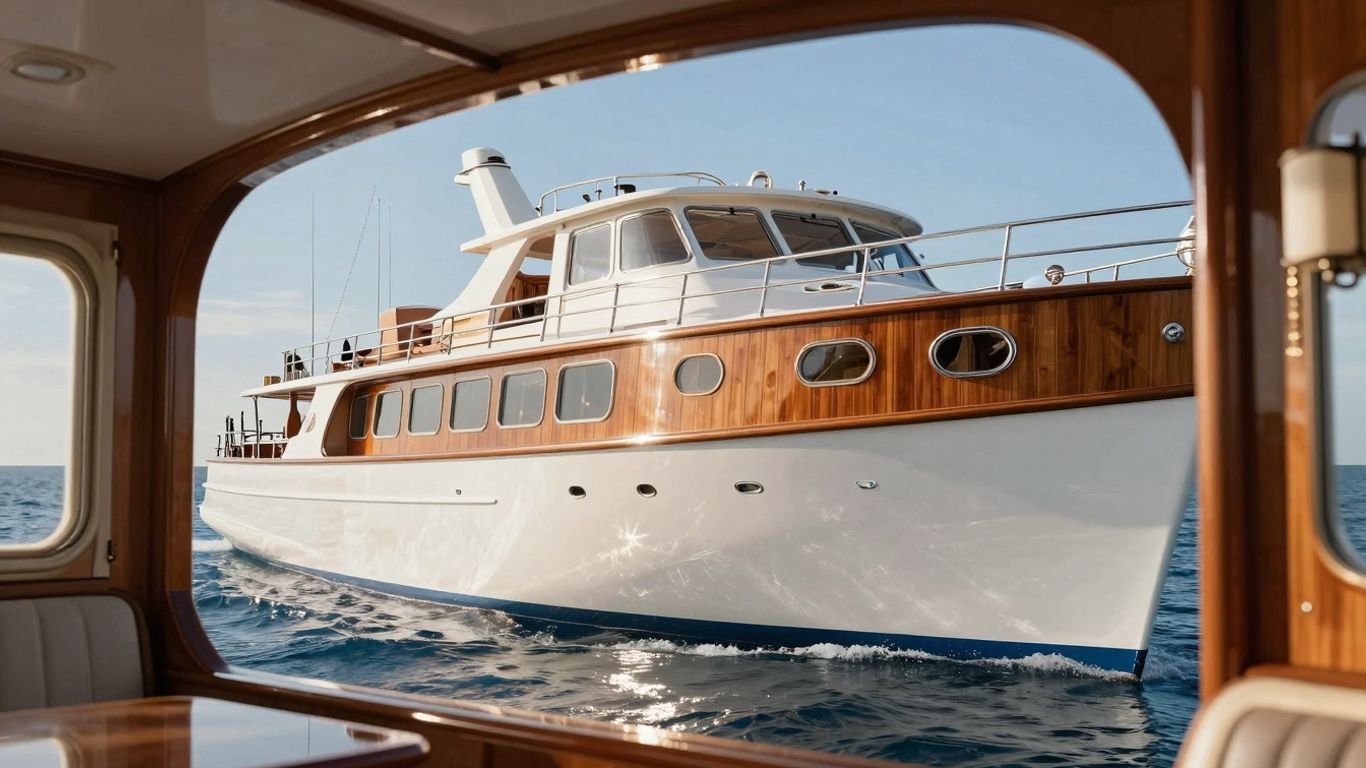
It’s pretty wild how certain boats just become stars in their own right, right? Riva boats, especially those classic mahogany beauties, have a way of showing up in movies and instantly making everything feel more sophisticated. Think about it – whether it’s a high-speed chase scene or just someone looking cool while cruising, a Riva just fits. They’ve been in films for decades, adding this instant vibe of wealth, freedom, and maybe a little bit of danger. It’s like they don’t just appear on screen; they become part of the story, telling you something about the characters or the mood without a single word being spoken. It really makes you appreciate how design can be so much more than just looks.
Celebrity Endorsements And Royal Fleets
When you see who’s been seen on these boats, it really says something. We’re talking about movie stars, business moguls, and even royalty. It’s not just about having a fancy boat; it’s about owning a piece of history that’s been appreciated by some of the most famous people in the world. This kind of attention isn’t accidental. It comes from the quality and the sheer elegance that these yachts represent. Owning one feels like you’re joining a very exclusive club, a tradition passed down through generations.
The Sophistication Of Owning A Classic Yacht
There’s a certain kind of magic that comes with owning a classic yacht from the 1920s. It’s not just about the boat itself, but the whole experience. You’re not just buying a vessel; you’re taking on a piece of history. The craftsmanship is just on another level compared to what we see today. Every curve, every polished surface, tells a story of a time when things were built to last and with incredible attention to detail. It’s a lifestyle that’s all about appreciating the finer things, enjoying the journey, and connecting with a past era of maritime elegance. It’s about the quiet hum of the engine, the gentle rocking of the waves, and the feeling of being truly present in a beautiful moment.
| Feature | Description |
|---|---|
| Materials | Primarily polished mahogany, brass fittings |
| Craftsmanship | Hand-built with meticulous attention to detail |
| Experience | Timeless elegance, smooth sailing, luxury |
Restoration And Rejuvenation
Revitalizing Yachts While Preserving Their Soul
Bringing a classic 1920s yacht back to life is a serious undertaking. It’s not just about making her look pretty again; it’s about respecting the history built into her hull and timbers. The goal is to make her feel fresh and modern without erasing the stories she carries. Think of it like restoring an old house – you want to update the plumbing and wiring, but you don’t want to rip out the original fireplace that gives the room its character. It’s a delicate balance, really.
Owner's Hands-On Approach To Refits
Many owners get deeply involved in this process. They often have a very clear picture of what they want, sometimes down to sketches and detailed plans. It’s more than just a hobby; it’s a passion project. They might work closely with designers and shipyards, not just to approve things, but to actively contribute ideas and ensure the vision stays true to the yacht’s heritage. This personal investment is what often makes these restorations so special.
- Detailed Vision: Owners often come with specific ideas, sometimes developed over years.
- Active Collaboration: They work alongside designers and builders, offering input.
- Heritage Focus: A strong desire to maintain the yacht’s original character is key.
- Modern Integration: Carefully adding contemporary comforts without clashing with the past.
Collaboration For A Shared Vision
Restoring these grand old ladies isn’t a solo job. It takes a team. The owner’s vision needs to be understood and executed by skilled craftspeople, designers, and even the crew. When everyone is on the same page, working towards that shared goal of preserving history while making the yacht functional and beautiful for today, that’s when the magic happens. It’s about respecting the past and building a future for these incredible vessels.
The process often involves meticulous research into original plans and materials. Sometimes, original components can be repaired and reused, which is always the preferred option. When new materials are needed, they are carefully selected to match the original specifications in terms of type, weight, and appearance. This attention to detail ensures that the yacht retains its authentic feel, even after extensive work.
Here’s a look at some common areas addressed during a refit:
| Area Addressed | Typical Work Performed |
|---|---|
| Hull & Structure | Repairs, reinforcements, anti-fouling, paint |
| Engine & Machinery | Overhaul, upgrades, maintenance, system checks |
| Interior Refurbishment | Redecoration, new furnishings, layout adjustments |
| Electrical Systems | Rewiring, modernizing navigation and communication equipment |
| Deck & Exterior | Woodwork restoration, new fittings, paintwork |
A Legacy That Sails On
So, as we wrap up our look at these amazing 1920s yachts, it’s pretty clear why they still catch our eye. It’s not just about the old wood and fancy details, though those are great. It’s about a certain feeling, a kind of timeless class that these boats just seem to have. Whether it was the clever designs from folks like Philip Rhodes, or the way owners today are bringing them back to life with care, these yachts are more than just boats. They’re like floating pieces of history, showing us that good design really does last. They remind us that even with all our modern tech, there’s still a special charm in the elegance and craftsmanship of a bygone era. It makes you wonder what future generations will think of the boats we build today, but for now, these 1920s beauties are still sailing strong, and that’s pretty cool.
Frequently Asked Questions
What makes 1920s yacht designs so special?
Yachts from the 1920s are admired for their beautiful craftsmanship and classic look. Designers back then focused on making boats that were not only sturdy and good at sailing but also really pretty to look at. They used fine materials and paid close attention to every little detail, creating a style that still feels elegant and special today.
Who were some famous yacht designers from the 1920s?
A well-known designer was Philip Rhodes, who created many different kinds of boats, from speedy sailboats to big ocean cruisers. Companies like Cox & Stevens also designed many impressive yachts during this time. These designers were great at blending good looks with smart engineering.
Are there any famous yachts from the 1920s that are still around?
Yes, some amazing yachts from that era still exist. For example, the Haida was a grand luxury cruiser that sailed the West Coast. Even though it’s had many changes over the years, people have worked hard to keep its historic charm alive. It shows how these old boats can be brought back to life.
How do people update old yachts without losing their original feel?
Updating old yachts, called refitting, is all about being careful. Owners and designers try to keep the yacht’s original spirit. They might add modern comforts like better kitchens or bathrooms, but they do it in a way that fits the old style. They also focus on keeping the original engines or parts if possible, making the boat feel ‘fresh’ but still classic.
Why are Riva boats so famous and connected to luxury?
Riva boats became famous because they perfectly mixed old-school beauty with new technology. They are often made with shiny wood and have luxurious interiors. Many famous people and even royalty have owned Riva boats, making them a symbol of high-class living and style. They’ve also appeared in many movies, adding to their cool reputation.
What does it mean to 'preserve historical essence' when fixing up a yacht?
Preserving a yacht’s ‘historical essence’ means keeping its original character and charm. When fixing up an old boat, people try to keep the classic look and feel. They might use similar materials or designs from the time it was built. It’s like giving the boat a makeover while making sure it still looks and feels like the special old boat it is.