
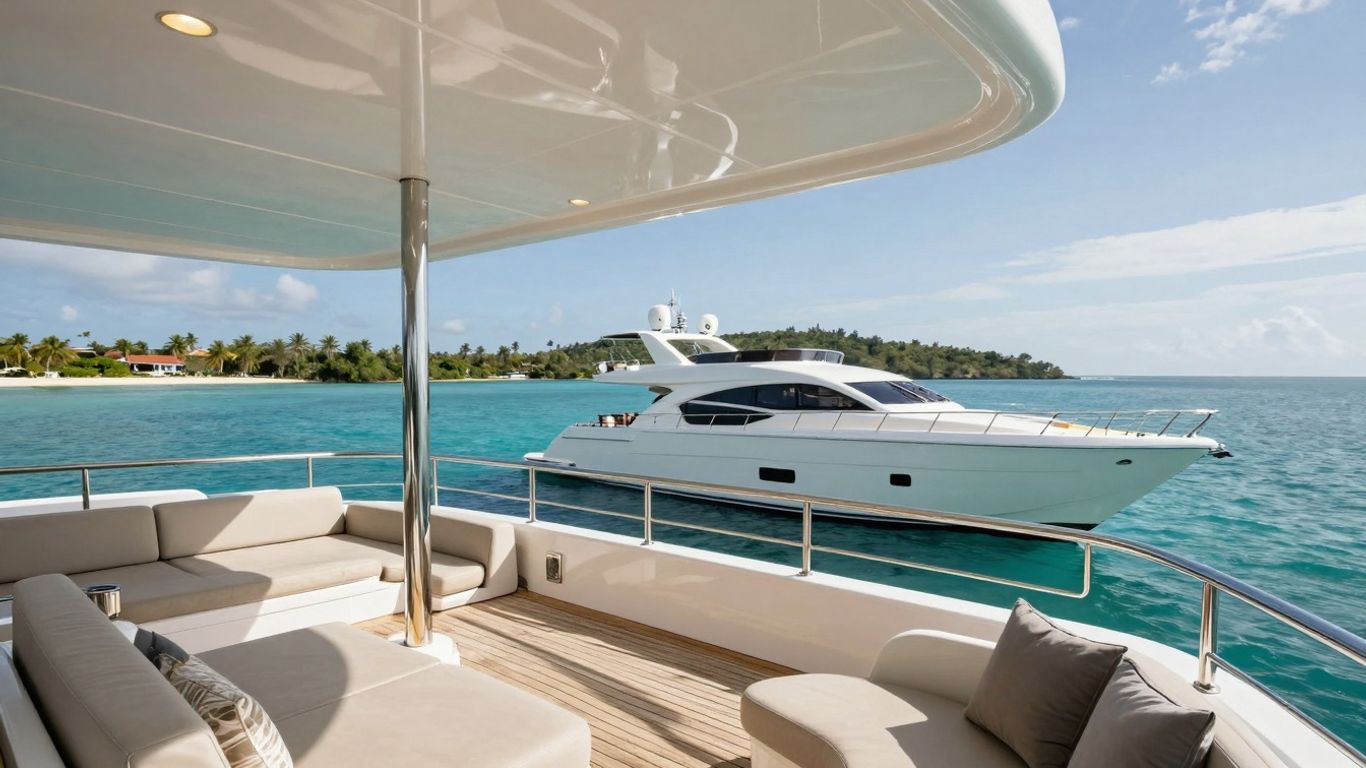
So, you’re wondering how much to rent a yacht for a week in 2025? It’s not as simple as picking a price off a shelf, that’s for sure. There are a bunch of things that go into the final cost, and some of them can really surprise you if you’re not careful. We’re going to break down all the bits and pieces so you know exactly what you’re getting into, and hopefully, avoid any nasty surprises when it’s time to pay up. Let’s get this sorted.
Key Takeaways
- The base charter fee is just the start; always check what’s included and watch out for compulsory extras that aren’t always clear upfront.
- Crew costs, including salaries and tips, are a significant part of the total expense, but they make a big difference to your experience.
- Don’t forget about variable costs like fuel and marina fees, plus food and drinks, which are often covered by an Advance Provisioning Allowance (APA).
- The size, type, amenities of the yacht, along with where and when you plan to charter, heavily influence the weekly rental price.
- Factor in taxes like VAT, broker commissions, and any other potential charges to get a realistic picture of your total yacht rental budget.
Understanding The Base Yacht Charter Fee
When you first start looking into renting a yacht for a week, you’ll see a price listed. This is often called the ‘base charter fee,’ and it’s pretty much the cost of renting the boat itself. It’s rarely the final price you’ll pay, though. Think of it as the starting point for your budget. It’s super important to know exactly what this fee covers and, more importantly, what it doesn’t. Sometimes, companies might show a lower base price to grab your attention, but then add on a bunch of other charges later. We need to make sure you’re not caught off guard by unexpected costs.
What Is Included In The Base Rate?
The base rate typically covers the use of the yacht for the agreed-upon period, usually seven days. This means you get the vessel, its basic equipment, and sometimes things like linens and towels. However, what’s included can vary a lot between charter companies and even between different yachts. Some might throw in basic safety equipment or a welcome pack, but don’t count on it.
Here’s a quick rundown of what you might find included:
- The yacht itself
- Standard safety gear (life jackets, flares)
- Basic navigation equipment
- Linens and towels
- Sometimes, basic cleaning supplies
It’s always best to get a detailed list from your charter provider. Don’t assume anything!
The Impact Of Compulsory Extras
Beyond the base rate, there are often ‘compulsory extras.’ These are charges you have to pay, whether you want them or not. They might be listed separately from the base fee, making the initial price look lower than it really is. Common compulsory extras include things like a mandatory skipper if you don’t have your own license, a ‘transit log’ fee (which covers paperwork and permits), or even a basic cleaning fee at the end of your charter. These can add a significant amount to your total cost, so always ask for a full breakdown.
Avoiding Hidden Costs In Base Pricing
To avoid surprises, always ask for a detailed quote that itemizes every single charge. Look out for vague terms or costs that aren’t clearly explained. If a price seems too good to be true, it probably is. Make sure the quote specifies:
- What is included in the base rate.
- A list of all compulsory extras and their individual costs.
- Any other fees that might apply, even if they aren’t compulsory.
Being clear about the base fee and any mandatory add-ons upfront is key to setting a realistic budget for your yacht charter. It prevents those awkward conversations later on when the bill arrives and it’s much higher than you expected. Always get it in writing!
For instance, if a yacht is over 50-55 feet, it often requires a skipper, and that cost might be separate from the base rental. Understanding these details helps you compare offers accurately and avoid paying more than you need to. You can find more information on yacht charter costs and what to expect when you explore yacht charter pricing.
Crew Costs: Essential For Your Yacht Experience
So, you’ve picked out the perfect yacht, but what about the people who make the whole thing run smoothly? Hiring a crew isn’t just about having someone steer the boat; it’s about getting the full luxury experience. Think of them as your onboard concierge, chef, and captain all rolled into one. Without a skilled crew, your week on the water could go from dream vacation to a logistical headache.
Salaries For Skippers, Chefs, And Hostesses
The cost of your crew is usually separate from the base charter fee, and it adds up. You’re paying for their expertise and their time. The exact amount depends on the size of the yacht and the number of crew members needed. For instance, a skipper is pretty much a given on most yachts over 50 feet, and you’ll often find a hostess or deckhand included too. If you want a dedicated chef, that’s usually an extra.
Here’s a general idea of what you might expect for weekly salaries, though these can fluctuate:
| Role | Estimated Weekly Salary (USD) |
|---|---|
| Skipper | $1,500 – $2,500 |
| Chef | $1,200 – $2,000 |
| Hostess | $1,000 – $1,800 |
| Deckhand | $900 – $1,500 |
Remember, these figures are just estimates. Larger, more complex yachts will command higher salaries. It’s also worth noting that crew members often expect to be fed and housed, which is usually covered by the Advance Provisioning Allowance (APA) we’ll discuss later.
Crew Gratuity: A Discretionary Expense
After your charter wraps up, it’s customary to tip the crew if you were happy with their service. This is usually a percentage of the total charter cost, often ranging from 10% to 20%. It’s not a mandatory fee, but it’s a way to show your appreciation for a job well done. The captain will typically collect the gratuity and distribute it amongst the crew based on their roles and contributions. This tip is a significant part of their overall earnings, so it’s something to budget for if you plan on giving a tip.
The Role Of Crew In Your Charter
Don’t underestimate the impact the crew has on your trip. They’re not just there to operate the yacht; they’re there to make your experience unforgettable. A good crew anticipates your needs, from preparing gourmet meals to suggesting the best anchorages. They handle the daily upkeep of the yacht, ensuring everything is spotless and in working order. This frees you up to simply relax and enjoy the journey. They are the ones who truly bring the luxury yacht charter experience to life, managing everything from safety protocols to ensuring your favorite drinks are always chilled.
The crew’s primary job is to ensure your safety and comfort. They are trained professionals who know the waters, the yacht, and how to handle various situations. Their knowledge contributes significantly to a stress-free and enjoyable vacation. Think of them as your personal guides to the best experiences the sea has to offer.
When you’re planning your budget, remember to factor in these crew costs. They are a significant, but worthwhile, part of the overall expense for a truly memorable yachting adventure.
Additional Expenses Beyond The Charter Rate
So, you’ve got the base rental price for the yacht, which is great. But that’s usually just the starting point, you know? There are a bunch of other costs that pop up, and they can really add up if you’re not prepared. Think of it like booking a hotel – the room rate is one thing, but then there’s resort fees, parking, maybe even a mini-bar charge. Yachting is similar, just on a much grander scale.
Fuel And Marina Fees: Variable Costs
These are the costs that can change quite a bit depending on what you actually do. If you plan on cruising for hours every day, especially with a motor yacht, your fuel bill is going to be way higher than if you’re mostly anchored or just sailing. Same goes for marina fees. Spending every night docked in a fancy harbor costs more than finding a nice, quiet anchorage. It’s smart to ask for an estimate beforehand, as fuel prices can differ a lot depending on where you are in the world.
- Fuel: Depends on how much you motor, the yacht’s engine efficiency, and local fuel prices.
- Marina Fees: Varies based on the port, the size of the yacht, and how many nights you stay docked.
- Other Mooring Costs: Anchoring is often free, but some protected bays might have a small fee.
Food And Beverage Provisions
This is pretty straightforward – what you eat and drink is on you. Some yachts might include basic snacks or water, but anything more substantial, like gourmet meals, fine wines, or specific dietary requests, will cost extra. The yacht’s chef or stewardess can help you plan menus and order groceries, but you’ll be paying for all of it. If you’re planning on celebrating with premium champagne or enjoying fresh lobster every night, factor that into your budget.
The Advance Provisioning Allowance, often called APA, is a common way to handle these variable costs. It’s usually a percentage of the charter fee (around 30%) that you pay upfront. The crew uses this money to cover fuel, food, drinks, and other expenses. They’ll keep track of everything and give you receipts. If you spend more than the APA, you’ll need to add more funds. If there’s money left over, you get it back.
The Advance Provisioning Allowance (APA)
As mentioned, the APA is a big one. It’s essentially a fund set aside to cover all those expenses that aren’t included in the base charter fee. This includes:
- Fuel for the yacht’s engines and generators.
- All food and beverages for guests and crew.
- Port and marina fees.
- Customs and cruising taxes.
- Any specific requests for activities or shore excursions.
It’s important to understand that the APA is an allowance, not a fixed cost. The crew manages this fund, and you’ll receive a detailed breakdown of all expenditures at the end of your charter. Any unspent funds are returned to you, and if you go over budget, you’ll be asked to settle the difference.
Factors Influencing Weekly Yacht Rental Prices
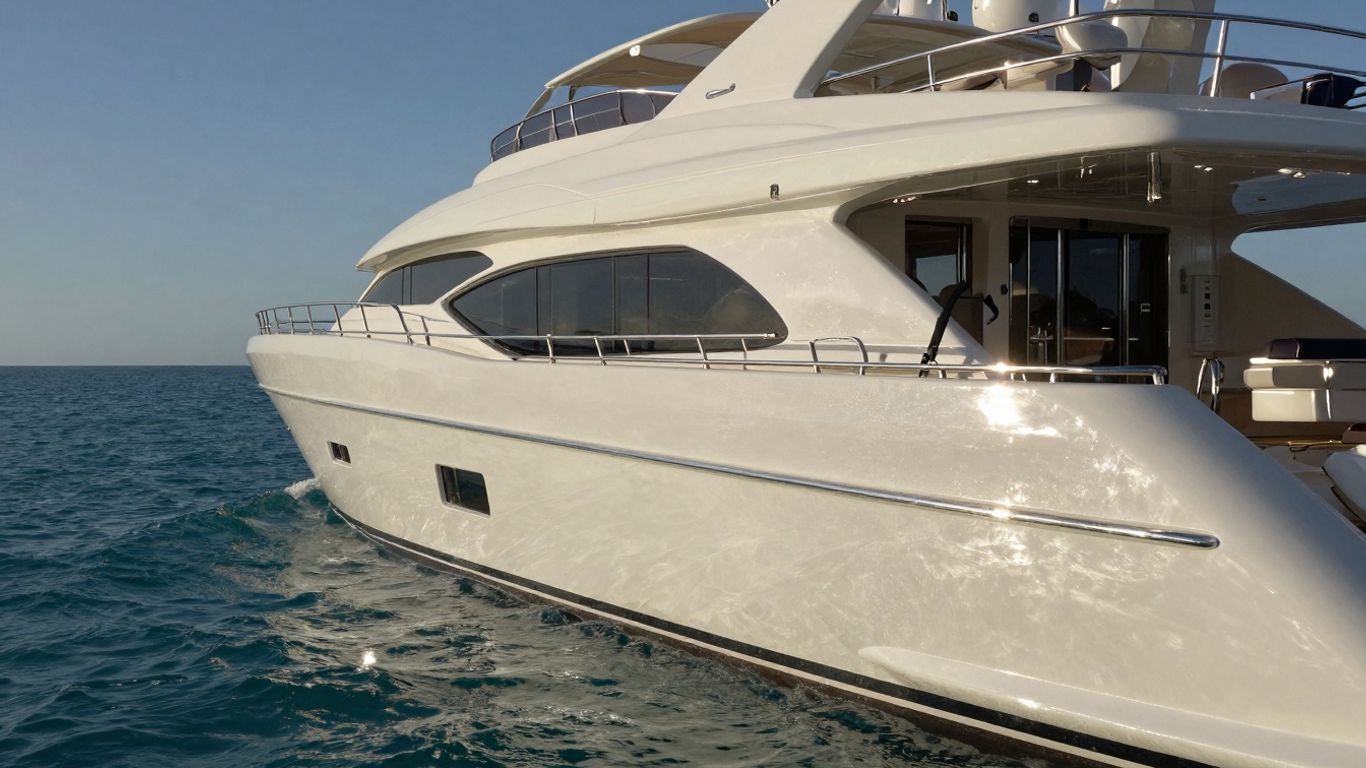
So, you’re looking at renting a yacht for a week, and you’re wondering what makes the price go up or down. It’s not just a simple number; a bunch of things play a role. Think of it like buying a car – a basic model is one price, but add all the bells and whistles, and suddenly it’s a whole different ballgame.
Yacht Size, Type, And Amenities
This is probably the biggest one. A bigger yacht generally means a bigger price tag. We’re talking about the length of the boat, how many people it can sleep, and the overall space. Then there’s the type of yacht. A sleek, modern motor yacht will likely cost more than a classic sailing yacht of the same size. And don’t forget the amenities. Does it have a jacuzzi? A helipad? A fancy entertainment system? Maybe a whole fleet of water toys like jet skis and paddleboards? All these extras add to the cost. The more luxurious and feature-packed the yacht, the higher the weekly rental fee will be.
Location And Seasonality Of Your Charter
Where you want to sail and when you want to go makes a huge difference. Popular spots like the Mediterranean in the summer or the Caribbean during the winter high season will always command higher prices. It’s all about supply and demand. If everyone wants to be in St. Barts in December, prices will reflect that. Conversely, chartering in a less popular region or during the shoulder seasons (spring and fall) can often save you a good chunk of money. Think about it: would you rather pay peak season prices or snag a deal when fewer people are looking?
Here’s a rough idea of how seasonality can affect prices:
- Peak Season: High demand, best weather. Expect the highest rates.
- Shoulder Season: Good weather, fewer crowds. Prices are more moderate.
- Low Season: Less predictable weather, minimal crowds. Often the most budget-friendly option.
Market Demand And Yacht Reputation
Just like anything else, some yachts are just more popular than others. A yacht that’s well-maintained, has a great crew, and a solid reputation for providing amazing charter experiences will often be priced higher. Word of mouth is powerful in the yachting world. If a particular yacht is known for its exceptional service and unforgettable trips, owners can charge a premium. Market demand also plays a part; if there’s a surge in interest for yacht charters in a specific area, prices can naturally increase. It’s about what the market will bear, and a yacht with a stellar reputation can definitely command more.
Remember, the advertised weekly rate is often just the starting point. Always factor in the other costs we’ll discuss to get a true picture of your total vacation expense. It’s easy to get caught up in the base price, but the extras can add up quickly if you’re not prepared.
Navigating Additional Fees And Taxes
So, you’ve got the base charter fee and the crew sorted. Great! But hold on, there are a few more bits and bobs that can add up, and it’s good to know about them upfront so you don’t get any nasty surprises. Think of it like planning a road trip – you’ve got the car rental, but you still need to budget for gas, tolls, and maybe a roadside snack or two.
Understanding Value Added Tax (VAT)
VAT is a big one, and it can really change the final price. It’s basically a consumption tax that applies in many countries. The rate can differ quite a bit depending on where you’re chartering. For instance, some places might charge around 21%, which is a pretty significant chunk of the total cost. It’s not always included in the initial quote, so you’ll definitely want to double-check if VAT is already factored in or if it’s an extra charge. This is especially true for charters in places like Spain.
Broker Commissions And Management Fees
When you book through a charter broker, they usually earn a commission, which is typically built into the price you see. It’s how they get paid for finding you the perfect yacht and handling all the arrangements. Similarly, the yacht management company that looks after the boat and crew also charges a fee. These aren’t usually separate line items you pay directly, but they are part of the overall cost structure. Transparency here is key; a good broker will make sure you understand how these fees work.
Other Potential Charges To Consider
Beyond VAT and broker fees, there are a few other things that might pop up. Sometimes, if you want the yacht moved from its usual spot to where you want to start or end your trip, there’s a transfer fee. This can be a one-way or round-trip cost. Also, think about things like security deposits. Often, you’ll pay a refundable deposit, or sometimes a smaller, non-refundable insurance fee to cover potential damages. It’s always wise to ask about these upfront. Remember, understanding all these potential costs helps you budget accurately for your trip and avoid any last-minute financial headaches. It’s all part of planning a truly relaxing yachting experience.
Here’s a quick rundown of what else might add to your bill:
- Water Toys: While some yachts come with basic gear like snorkels, more exciting toys like jet skis or paddleboards might cost extra. Check if it’s a daily rental or for the whole trip.
- Communications: Satellite internet or extensive phone usage can sometimes be billed separately.
- Customs and Immigration Fees: If your itinerary involves crossing international borders, these fees might apply.
Estimating The Total Cost Of A Yacht Charter
So, you’re looking at renting a yacht for a week in 2025 and wondering about the final price tag. It’s not as simple as just looking at one number, that’s for sure. There are a bunch of pieces that make up the whole cost, and understanding them helps you avoid surprises.
Superyacht Charter Price Ranges
Prices can swing wildly, depending on what you’re after. For a week-long charter, you might see prices starting around $48,000 for something smaller, but for the really big, fancy superyachts, you could be looking at well over $2,500,000. It really depends on the yacht’s size, how new it is, what cool features it has, and where you want to go.
Here’s a rough idea of what owners might expect to earn, though this is more about their income than your rental cost:
| Item | Estimated Annual Cost | Potential Charter Income |
|---|---|---|
| Yacht Maintenance | $50,000 – $300,000+ | – |
| Crew Salaries | $60,000 – $200,000 | – |
| Insurance | $20,000 – $100,000 | – |
| Charter Income (10 wks) | – | $150,000 – $1,000,000+ |
Calculating Your Overall Budget
To get a handle on your total budget, you need to add up a few key areas. First, there’s the base charter fee, which is just for the boat itself. Then, you’ve got the crew costs – think skipper, chef, hostess. Don’t forget the variable expenses like fuel, which can really add up depending on how much you cruise. Food and drinks are another big one, and what you choose will impact the cost. Finally, there are things like marina fees, taxes (like VAT), and sometimes even a security deposit.
- Base Charter Fee: The price for the yacht itself.
- Crew Costs: Salaries for the captain, chef, and any other staff.
- Advance Provisioning Allowance (APA): Typically around 30% of the charter fee, this covers fuel, food, drinks, and port fees. It’s an estimate, and you’ll either get money back or need to add more if spending differs.
- Taxes and Fees: VAT, local taxes, and any other administrative charges.
- Optional Extras: Water toys, special requests, or specific destination fees.
Remember, the APA is a flexible fund. The crew manages it, keeping track of all expenses. If you spend less than the APA, you get the difference back. If you go over, you’ll need to cover the extra costs.
Maximizing Value In Your Yacht Rental
Getting the most bang for your buck means being smart about your choices. Consider chartering during the shoulder seasons – just before or after the peak summer months – when prices might be a bit lower. Also, think about the yacht’s size and amenities; do you really need a 100-foot yacht if you’re only six people? Sometimes a slightly smaller, well-equipped yacht can offer better value. Planning your itinerary in advance can also help manage fuel costs, as fewer long-distance motor runs mean less fuel burned. And always, always ask for a detailed breakdown of all potential costs before you commit to anything.
So, What's the Bottom Line?
Alright, so figuring out the exact cost to rent a yacht for a week in 2025 isn’t like picking a number from a hat. It really depends on what you’re after – the size of the boat, where you want to go, and if you want a captain and crew to handle everything. Remember those extra bits like food, drinks, fuel, and docking fees? They add up, and it’s smart to ask about them upfront. While the base rental fee is just the starting point, understanding these other costs will help you budget better and avoid any surprises. Ultimately, a week on the water can be an amazing experience, but doing a little homework beforehand will make sure your dream trip stays within reach.
Frequently Asked Questions
What's the main cost when renting a yacht?
The biggest part of the cost is the yacht rental itself, often called the ‘base fee.’ But be careful, this fee usually doesn’t cover everything. You’ll often have to pay extra for things like fuel, food, and docking fees. Always ask what’s included and what’s not to avoid surprises!
Do I have to pay the crew separately?
Yes, you usually pay the crew separately. This includes their salaries for the captain, chef, and any other helpers. You’ll also typically give them a tip, called ‘gratuity,’ at the end of your trip if you’re happy with their service. It’s a nice way to show your appreciation for their hard work.
What is the Advance Provisioning Allowance (APA)?
The APA is like a fund you pay upfront to cover things not included in the base rental. This includes food, drinks, fuel, and fees for docking in different places. Think of it as a budget for your expenses during the trip. You usually pay about 30% of the rental cost as the APA.
How much does a yacht rental really cost?
The price can change a lot! It depends on how big the yacht is, how fancy it is, where you want to go, and when you want to go. A small yacht for a week might cost tens of thousands of dollars, while a huge, luxurious superyacht could cost hundreds of thousands or even millions. It’s best to get a detailed quote.
Are there taxes I need to worry about?
Yes, sometimes. Depending on where you charter the yacht, you might have to pay taxes like VAT (Value Added Tax). Your charter company or broker should be able to tell you if any taxes apply to your specific trip.
Can chartering a yacht help pay for the yacht owner's costs?
For yacht owners, chartering can definitely help cover the costs of owning and maintaining the yacht, like fuel, crew, and upkeep. It’s rare for chartering to make a big profit, but it’s a great way to make owning a yacht more affordable and enjoy it more often.