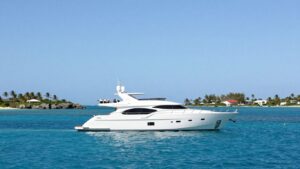
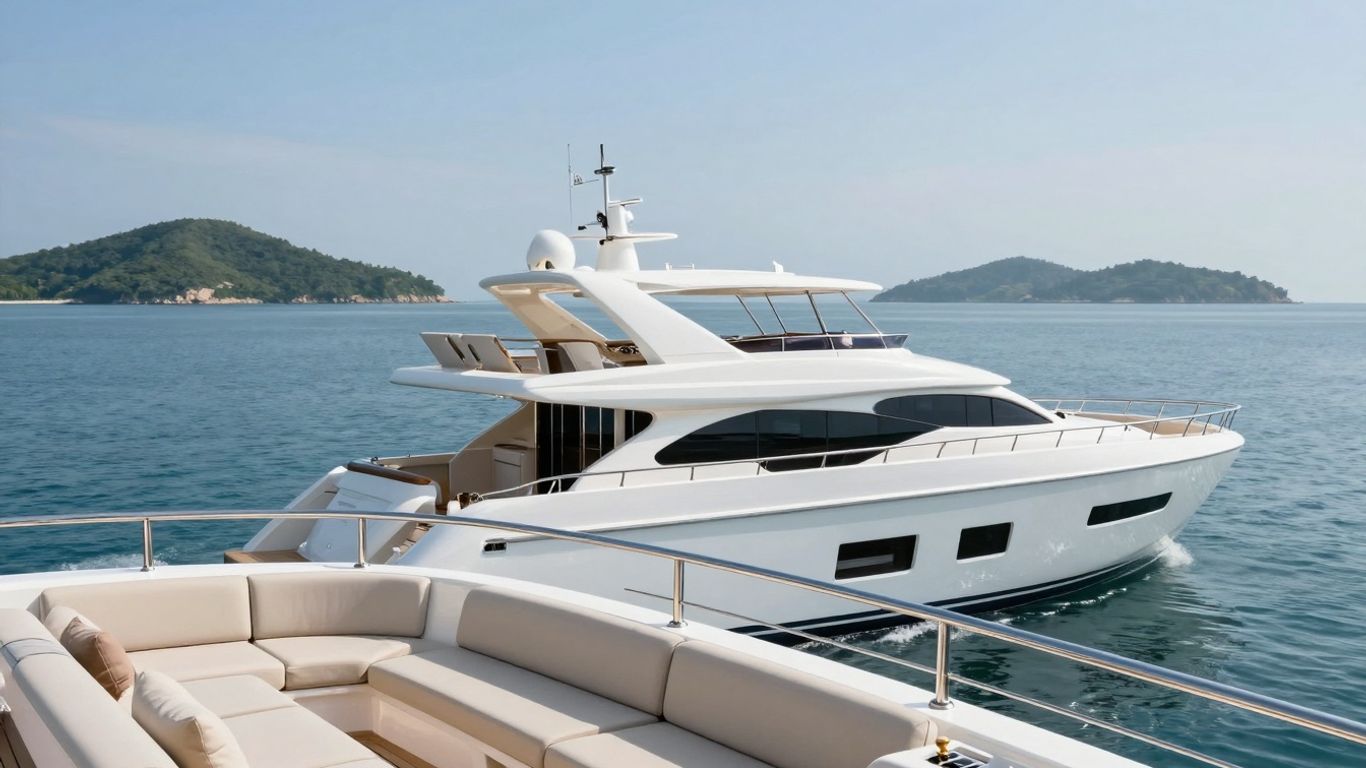
Ever wondered what makes a fancy boat a ‘yacht’? It’s a question many people ask, and honestly, the line can get a bit blurry. We’re not just talking about size here, though that’s a big part of it. It’s more about the whole package – the fancy stuff inside, who’s running the show, and what you’re actually doing out on the water. Let’s break down what exactly constitutes a yacht and how it stands apart from your average boat.
Key Takeaways
- A yacht is primarily defined by its luxury and purpose for leisure, setting it apart from more utilitarian boats.
- Size is a major factor, with yachts generally being much larger, often over 35 feet, compared to typical boats.
- Beyond size, yachts feature high-end amenities, lavish interiors, and often require a professional crew for operation.
- The cost is a significant indicator, with yachts representing a much larger financial investment than most boats.
- While a yacht is technically a type of boat, its focus on comfort, exclusivity, and premium experience distinguishes it.
Understanding What Constitutes a Yacht
The Historical Evolution of the Yacht
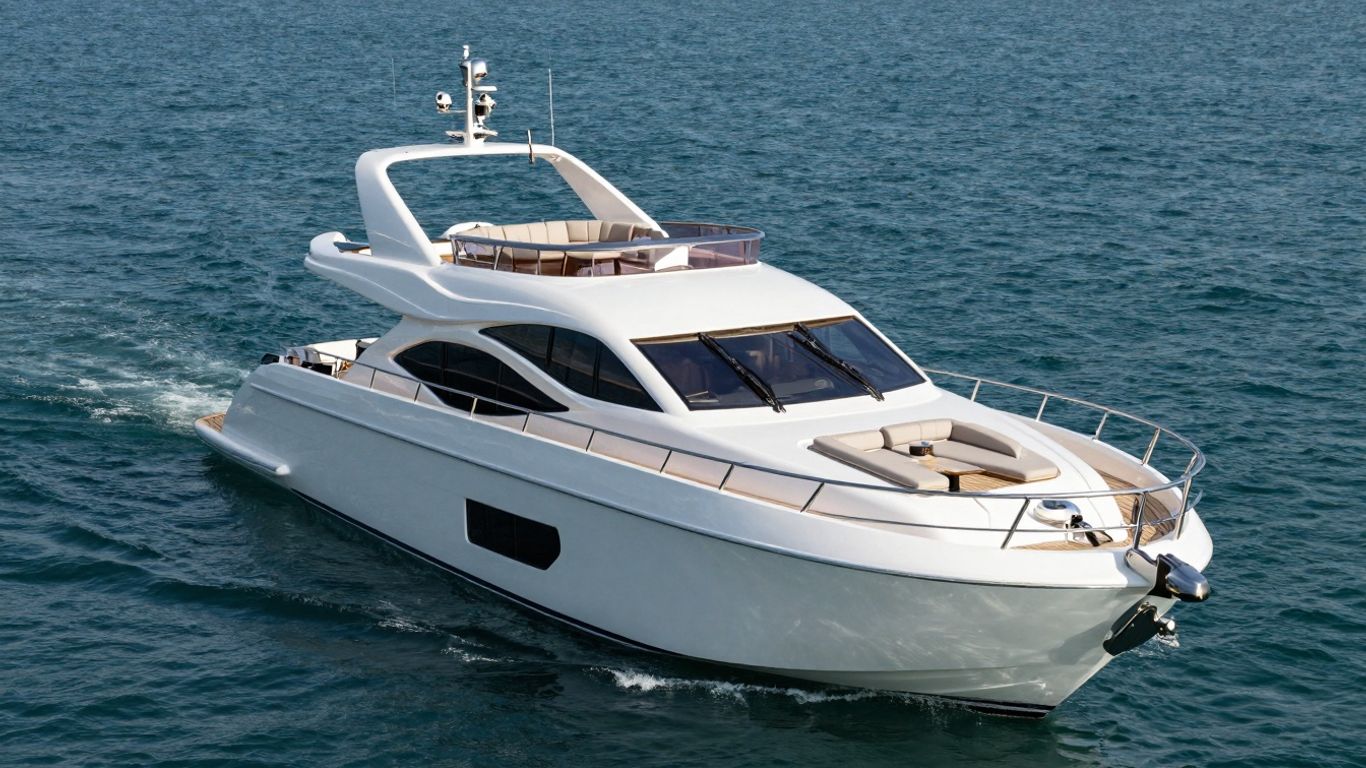
The word ‘yacht’ actually comes from the Dutch word ‘jacht,’ which meant ‘hunt.’ Back in the day, it referred to smaller, faster boats used by the Dutch navy to chase down pirates. It wasn’t until the 17th century that builders started making bigger versions, not for fighting, but for wealthy folks to cruise around in. This idea really took off, and soon, yachting became a way for the rich to show off. Over the centuries, especially in the 19th and 20th, these vessels just kept getting bigger, more luxurious, and packed with advanced tech. Think sleek designs, rounded hulls for speed, and eventually, all the comforts of home and then some. It’s quite a journey from a pirate-hunting boat to the floating palaces we see today.
Luxury as the Defining Characteristic
So, what really makes a yacht a yacht? While there’s no single, strict rule, the biggest clue is luxury. It’s not just about getting from point A to point B on the water. A yacht is fundamentally a vessel designed for pleasure and leisure, distinguished by its high-end features and comfort. Think of it as the difference between a basic sedan and a high-end luxury car; both get you places, but one is built with a focus on comfort, style, and premium experience. This focus on luxury is what separates a yacht from a simple boat.
Purpose: Leisure Over Utility
This is a big one. The primary purpose of a yacht is recreation and personal enjoyment. Whether it’s for long voyages across oceans, weekend getaways, hosting parties, or enjoying water sports, its main job is to provide a platform for leisure activities. If a vessel is primarily used for commercial purposes, like fishing charters, cargo transport, or as a ferry, it’s generally considered a boat, not a yacht. Even if a boat is used for recreational fishing, it’s still typically called a boat. The yacht’s existence is centered around the owner’s or guests’ pleasure and relaxation.
The core idea behind a yacht is that it’s built for enjoyment, not for work. It’s a private escape, a floating resort, a place where the focus is entirely on the experience of being at sea in comfort and style.
Key Distinctions Between Yachts and Boats
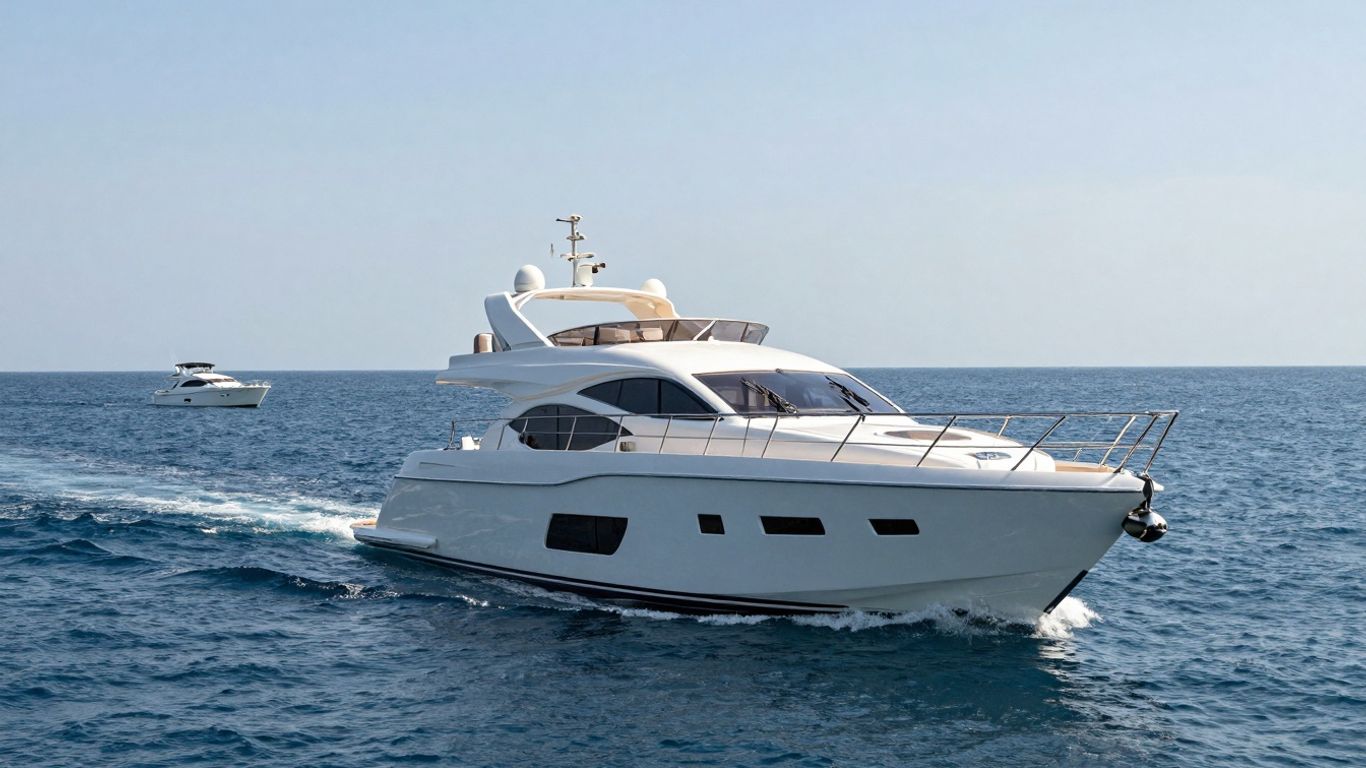
So, what really separates a yacht from a boat? It’s a question that pops up a lot, especially when you’re looking at vessels in a marina. While they both float and carry people on the water, there are some pretty clear differences, even if the lines can sometimes get a little blurry.
Size as a Primary Differentiator
Generally speaking, size is the first thing people point to. While there’s no official, universally agreed-upon length that suddenly turns a boat into a yacht, most folks consider a yacht to be significantly larger than a typical boat. Think of it this way: a small fishing boat you might take out for an afternoon is definitely a boat. But when you start talking about vessels that are, say, over 65 feet (about 20 meters) long, you’re usually entering yacht territory. This isn’t a hard rule, though; some very well-equipped and luxurious boats might be called yachts by their owners, and some smaller, simpler yachts might just be called boats. It’s a bit of a gray area, but size is definitely a big part of the conversation.
Amenities and Interior Design
This is where things get really interesting. Boats are often designed with practicality in mind. They might have a comfortable seating area, maybe a small cabin, but the focus is usually on getting from point A to point B or enjoying a specific activity like fishing or watersports. Yachts, on the other hand, are built for comfort and luxury. You’ll find much more elaborate interiors. We’re talking about well-appointed living spaces, multiple cabins with private bathrooms, full galleys (kitchens), and entertainment areas. The materials used are often higher quality, and the overall design feels more like a floating home or a luxury apartment than just a vessel.
Crew Requirements and Operation
Another significant difference lies in who’s running the show. Many boats, especially smaller ones, can be operated by just one or two people, often the owners themselves. They’re designed to be relatively easy to handle. Yachts, particularly the larger ones, often require a professional crew to operate safely and efficiently. This can include a captain, engineers, deckhands, and even interior staff like chefs and stewards. This need for a dedicated crew highlights the complexity and scale of yacht operations, setting them apart from the more hands-on approach often associated with boat ownership.
The core idea is that a boat is primarily a tool for a task or a simpler form of recreation, while a yacht is a destination in itself, designed for extended comfort, leisure, and a higher standard of living on the water. It’s about the experience and the lifestyle it enables, not just the act of traveling from one place to another.
Here’s a quick look at some typical differences:
- Purpose: Boats can be for utility, work, or basic recreation. Yachts are almost exclusively for leisure and pleasure.
- Interior: Boats usually have basic accommodations. Yachts feature luxurious living spaces, multiple cabins, and entertainment areas.
- Operation: Boats are often owner-operated. Yachts, especially larger ones, typically require a professional crew.
- Cost: While boats vary widely, yachts generally represent a much larger financial investment, both in purchase price and ongoing upkeep.
The Role of Luxury in Yacht Classification
When we talk about yachts, the word ‘luxury’ isn’t just a buzzword; it’s pretty much the main event. It’s what separates a yacht from, well, just a boat. Think of it this way: a boat can be functional, practical, maybe even a bit rugged. A yacht, on the other hand, is designed from the keel up with comfort, style, and indulgence in mind. It’s the difference between a reliable sedan and a high-end sports car – both get you places, but the experience is worlds apart.
Lavish Interiors and Entertainment Spaces
Step onto a yacht, and you’ll immediately notice the difference. Forget cramped cabins and basic furnishings. Yachts boast spacious living areas, often with designer decor. You’ll find full-size galleys that could rival a restaurant’s, complete with top-of-the-line appliances. Bathrooms are more like private spa suites, and entertainment systems are state-of-the-art, with high-definition screens and immersive sound. Some larger yachts even feature dedicated lounges, cinemas, or expansive deck areas designed for hosting parties and gatherings. It’s all about creating an environment that feels more like a floating luxury villa than a vessel on the water.
Bespoke Design and High-End Features
Luxury on a yacht also means customization. While production boats come with standard options, yachts are often built to order. This means owners can select everything from the type of wood used for the paneling to the specific brand of faucets in the bathrooms. High-end features are standard, not optional extras. We’re talking about things like advanced climate control systems, sophisticated navigation and communication equipment, and even features like helipads or private beach clubs on the larger vessels. Every detail is considered to provide an unparalleled experience.
Gourmet Cuisine and Personalized Service
Beyond the physical attributes, the service onboard a yacht is a huge part of its luxury classification. Most yachts, especially larger ones, come with a professional crew. This isn’t just a captain; it’s a team that includes chefs, stewards, and deckhands, all trained to cater to the guests’ every need. The onboard chef can prepare gourmet meals tailored to specific dietary requirements or preferences, using the freshest ingredients. Service is highly personalized, anticipating needs before they’re even voiced. It’s this level of attention and bespoke service that truly defines the yachting experience as a luxury one.
The core of what makes a yacht luxurious lies in its commitment to providing an experience that transcends mere transportation. It’s about creating a private sanctuary at sea, where every element, from the materials used in its construction to the service provided by its crew, is geared towards ultimate comfort and enjoyment.
Purpose and Usage: The Core Difference
So, what really sets a yacht apart from a boat? It boils down to what you’re actually doing with it out on the water. While there isn’t one single, official rulebook, most folks who spend time around marinas agree that a yacht is pretty much any vessel used purely for fun and relaxation. Think cruising around, hosting friends, trying out some water sports, or even just living aboard year-round in comfort.
Recreation and Personal Pleasure
The main gig for a yacht is recreation. It’s all about personal enjoyment and leisure, whether you’re planning a long trip across the ocean or just want to drop anchor near a lively port town for a bit. The sole purpose of a yacht is to provide an experience of pleasure and relaxation.
Exclusivity and Premium Travel Experience
When you’re on a yacht, you’re not just traveling; you’re experiencing a premium form of travel. It’s designed for comfort, privacy, and a sense of specialness. This is a big part of why people don’t like their yachts being called boats. It’s about the status and the high-end lifestyle that comes with it. If you’re looking into luxury yacht charters, you’re already thinking along these lines.
Distinguishing from Commercial or Utility Vessels
Here’s where it gets clearer: if a vessel is out there doing a job or serving a specific function, it’s not a yacht. Any commercial activity means it’s just a boat, plain and simple. Even if a boat is used for something fun like fishing or watersports, it’s still categorized as a boat, not a yacht. The distinction is pretty straightforward when you look at what the vessel is for.
Here’s a quick breakdown:
- Yacht: Primarily for personal leisure, entertainment, and luxury travel.
- Boat: Can be used for recreation, but also for utility, transport, or commercial purposes.
- Ship: Generally much larger, designed for commercial transport, military operations, or large-scale passenger travel.
The difference isn’t just about size; it’s about the intention behind the vessel’s design and use. A yacht is built for indulgence, while a boat is often about practicality and a wider range of activities.
Financial Implications of Yacht Ownership
Significant Investment in Luxury Vessels
Let’s be real, owning a yacht isn’t like buying a car or even a small plane. We’re talking about a serious financial commitment here. The price tag alone can be eye-watering. Think millions, and not just a few. For a new, decent-sized yacht, you’re easily looking at upwards of $100,000 per foot. So, a 50-foot vessel could easily set you back $5 million, and that’s just the starting point. The materials, the custom design, the advanced tech – it all adds up fast. It’s not just about getting from point A to point B; it’s about doing it in absolute style and comfort, and that kind of luxury comes with a hefty price.
Ongoing Costs for Crew and Maintenance
Once you’ve bought the thing, the bills don’t stop. Far from it. You’ve got to keep this floating palace running, and that means crew. Depending on the size and how you plan to use it, you might need a captain, engineers, chefs, stewards, deckhands – the whole nine yards. These are skilled professionals, and they expect to be paid well. Then there’s the maintenance. Think regular engine servicing, hull cleaning, interior upkeep, safety checks, and unexpected repairs. Everything on a yacht needs to be top-notch, all the time, so it stays looking and working perfectly. Insurance is another big one, covering you for all sorts of eventualities out on the water.
Here’s a rough idea of what some of those ongoing costs might look like:
- Crew Salaries: Can range from $100,000 to over $1 million annually, depending on the size of the yacht and the number of crew.
- Maintenance & Repairs: Budget around 10% of the yacht’s value each year. This covers everything from routine checks to major overhauls.
- Dockage & Mooring: Fees vary wildly by location, but expect to pay thousands to tens of thousands per month.
- Fuel: A significant expense, especially for larger motor yachts covering long distances.
- Insurance: Premiums are based on the yacht’s value and usage, often running into tens or hundreds of thousands annually.
Owning a yacht is less about the initial purchase and more about the sustained investment required to maintain its pristine condition and operational readiness. It’s a lifestyle choice that demands significant financial resources beyond the acquisition.
Price Point as an Indicator of Luxury
So, how do you tell if something is a yacht or just a fancy boat? Often, the price is a pretty good clue. If a vessel costs significantly more than what you’d expect for its size and function, it’s probably leaning towards being a yacht. This higher cost isn’t just for show; it reflects the superior materials, the intricate craftsmanship, the advanced technology, and the sheer level of comfort and amenities onboard. A boat might get you out on the water, but a yacht is designed to be a luxurious destination in itself. The price tag is a direct signal of the luxury, exclusivity, and high-end experience that defines a yacht.
Variations Within the Yacht Category
So, we’ve talked about what makes a yacht a yacht, but did you know there are different kinds? It’s not just one big category. Think of it like cars – you have sedans, SUVs, sports cars, right? Yachts are similar, with different types designed for different things and with different looks.
Motor Yachts vs. Sailing Yachts
This is probably the most basic split. Motor yachts, as the name suggests, get around using engines. These can be super powerful, letting them cruise at high speeds and cover long distances. They often have a sleeker, more modern look and are built for comfort and speed. Sailing yachts, on the other hand, rely mainly on wind power with their sails. They offer a more traditional experience, connecting you with the elements. While they might not be as fast as motor yachts, many find the quiet glide and the skill involved in sailing incredibly rewarding.
Superyachts and Megayachts
When you start talking about superyachts and megayachts, you’re entering a whole new level of scale and luxury. There aren’t super strict rules, but generally, a superyacht is over 75 feet long, and a megayacht is even bigger, often exceeding 250 feet. These aren’t just big boats; they’re floating palaces. They come with extensive amenities, multiple decks, helipads, swimming pools, and require a professional crew to operate. They are the ultimate statement of wealth and exclusivity.
Sports Yachts and Catamarans
Sports yachts are built for speed and activity. They often have a more aggressive design and powerful engines, perfect for those who enjoy water sports like fishing or waterskiing. They’re designed for performance and a more dynamic experience on the water. Then you have catamarans. These are unique because they have two parallel hulls. This design makes them very stable, even in rougher seas, and they can often access shallower waters where other yachts might not be able to go. They offer a different kind of space and stability, often with a more open feel.
The world of yachts is diverse, with each type offering a unique blend of performance, luxury, and purpose. Whether you’re drawn to the silent grace of a sailing yacht, the raw power of a motor yacht, the sheer scale of a megayacht, or the sporty agility of a performance vessel, there’s a yacht out there to match almost any desire.
So, What's the Takeaway?
Alright, so we’ve talked a lot about what makes a yacht a yacht and how it’s different from just any old boat. It really boils down to a few key things: size, purpose, and, let’s be honest, a whole lot of luxury. While a boat can be anything that floats and gets you from point A to point B, a yacht is built for pure enjoyment and comfort. Think spacious living areas, fancy amenities, and that undeniable feeling of exclusivity. So, next time you’re by the water, you’ll know whether you’re looking at a simple vessel for a fishing trip or a floating palace designed for ultimate relaxation. It’s not just about getting on the water; it’s about the experience you have while you’re there.
Frequently Asked Questions
What's the main difference between a yacht and a boat?
Think of it this way: a yacht is like a fancy, high-end car, while a boat is more like a regular car. Yachts are usually bigger, much more luxurious, and built mainly for fun and relaxation. Boats can be smaller and are often used for things like fishing, getting around, or just a quick trip on the water.
How big does a boat need to be to be called a yacht?
There isn’t a super strict rule, but generally, if a boat is around 35 feet long or more, people start calling it a yacht. However, many yachts are way, way bigger than that – some are hundreds of feet long!
Do yachts have special features that boats don't?
Yes, definitely! Yachts are designed for comfort and luxury. They often have spacious living areas, full kitchens, nice bathrooms, fancy entertainment systems, and sometimes even things like pools or hot tubs. Boats usually have fewer of these fancy extras.
Does having a crew make a boat a yacht?
Often, yes. Because yachts are bigger and have more amenities, they usually need a professional crew, like a captain, chefs, and service staff, to run smoothly. Many boats can be operated by just one or a few people.
Is the price a good way to tell if something is a yacht?
Usually, a big price tag is a strong hint! Yachts cost a lot more than regular boats because of their size, luxury features, and the high-quality materials used to build them. You’re looking at millions of dollars for many yachts.
Can a yacht be used for work?
Not really. The main thing that makes a vessel a yacht is its purpose: pure leisure and enjoyment. If a boat is used for commercial activities, like carrying goods or transporting lots of passengers for a fee, it’s considered a working boat or a ship, not a yacht.