Thinking about a 150 ft yacht? It’s a big step, for sure. These aren’t just boats; they’re floating mansions with serious power. Whether you’re dreaming of exploring far-off shores or just want to cruise in ultimate comfort, a 150 ft yacht offers a unique blend of luxury and performance. This guide will help you sort through what makes these vessels special and what to look for when you’re ready to buy.
Key Takeaways
- A 150 ft yacht offers a luxurious experience with spacious living quarters and high-end amenities, blending style with performance.
- Key features include customizable interiors, advanced technology, and considerations for speed and fuel efficiency.
- When exploring the market, research top brands, decide between new or pre-owned options, and understand the investment involved.
- Making the right purchase involves setting a clear budget, conducting thorough inspections and sea trials, and matching the yacht to your personal cruising style.
- Owning a 150 ft yacht can be further enjoyed with tenders, dayboats, and the input of skilled designers, embracing a high-end boating lifestyle.
Understanding the Appeal of a 150 ft Yacht
Defining the Mega Yacht Experience
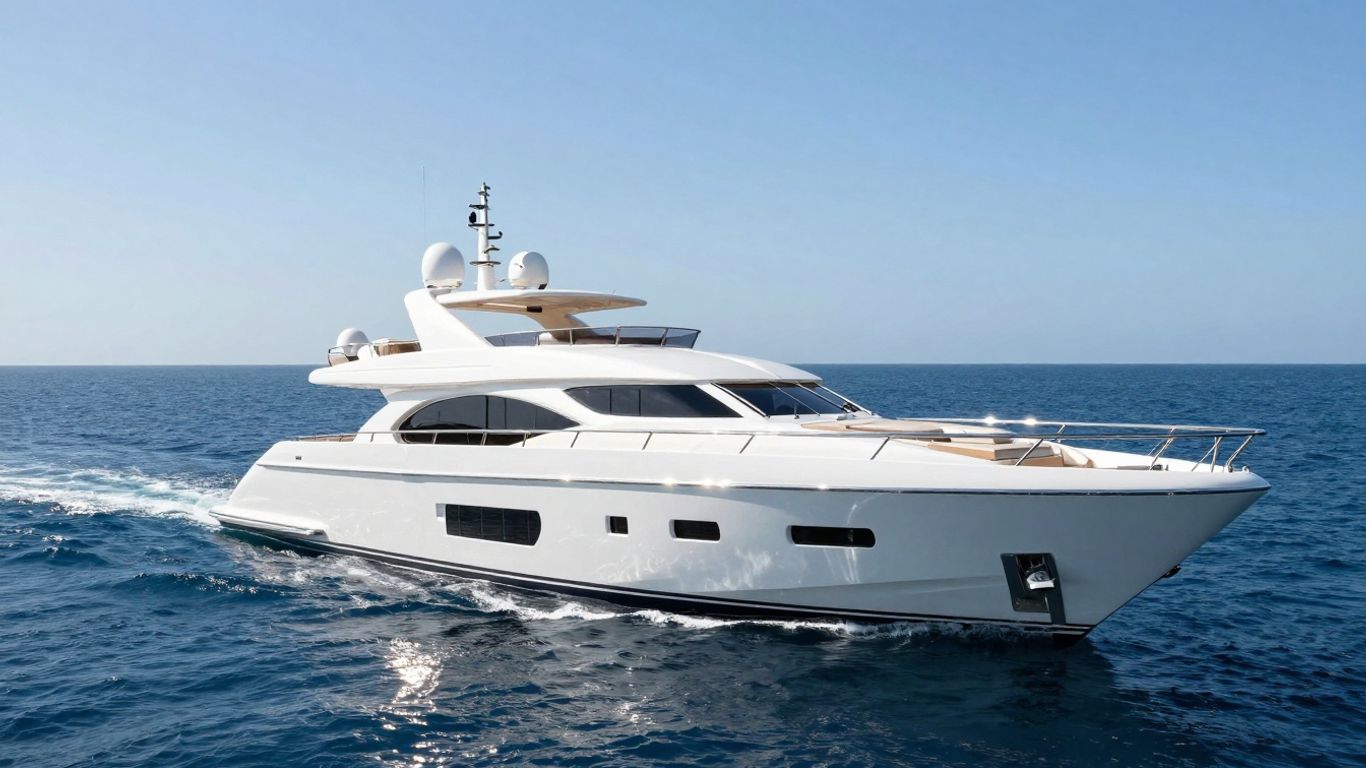
So, you’re thinking about a 150-foot yacht. That’s not just a boat; it’s a whole different ballgame. We’re talking about stepping into the world of mega yachts, where space, comfort, and the ability to truly get away from it all come together. It’s about having a floating sanctuary that can take you pretty much anywhere you want to go, in style, of course. Forget cramped cabins and basic amenities; this size opens up possibilities for serious cruising and entertaining.
Luxury Design and Spacious Quarters
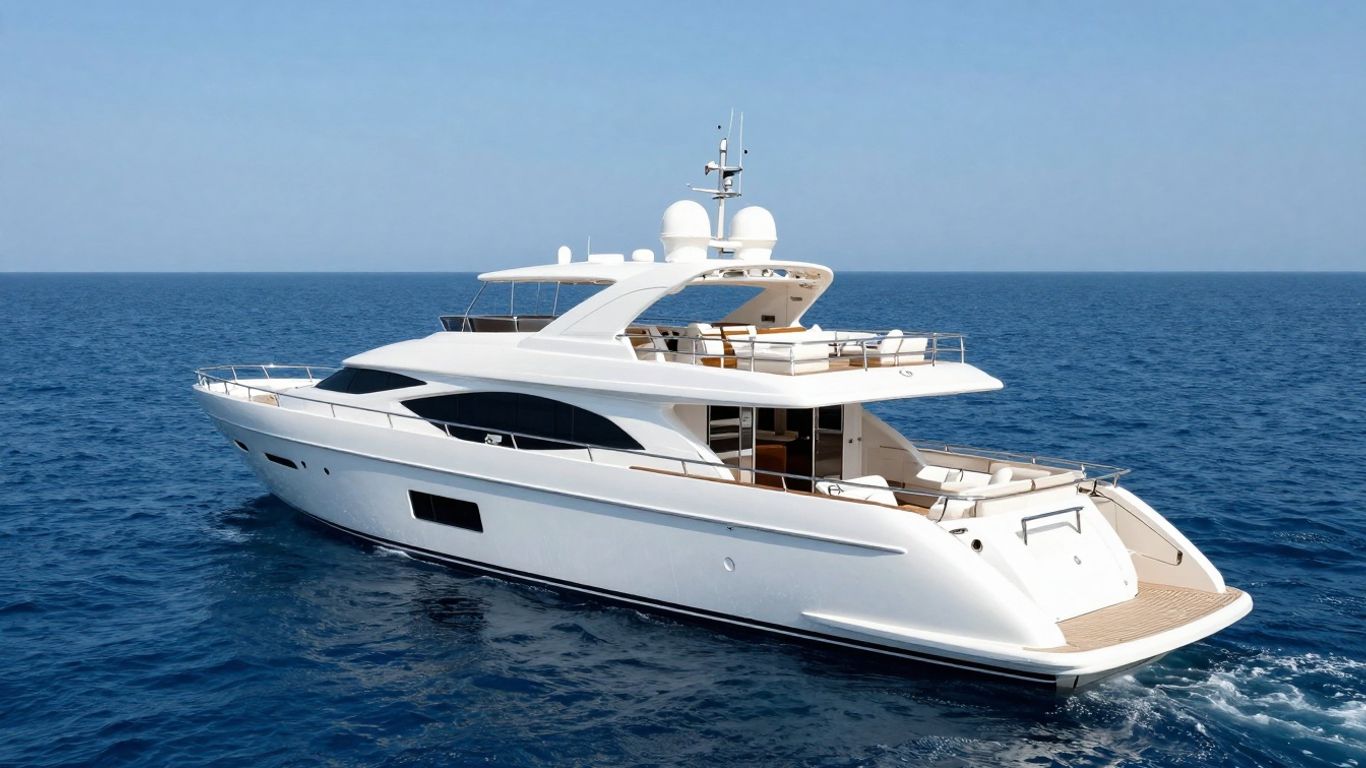
When you look at a yacht this size, the first thing that hits you is the sheer amount of space. Designers really get to play with layouts, creating distinct areas for relaxing, dining, and socializing. You’ll find generous living areas, often with separate salons and dining rooms. The staterooms are more like suites, with plenty of room to move around, private bathrooms, and storage. Plus, there are usually dedicated spaces for the crew, keeping their work separate from your relaxation. It’s designed so everyone, guests and owners alike, feels comfortable and has their own slice of privacy.
The Ultimate Blend of Style and Performance
It might look like a floating mansion, but a 150-foot yacht is also built to move. These vessels are engineered to handle open water with stability and grace. You get powerful engines that can cover long distances, but also systems designed to make the ride smooth, even when the seas get a bit choppy. It’s this combination of luxurious living spaces and capable performance that really defines the appeal. You can cruise to a secluded cove one day and then make good time to your next destination the next, all without sacrificing comfort or style. It’s about having the freedom to explore the world on your own terms, with all the comforts of home and then some.
Here’s a quick look at what you can expect:
- Generous Living Areas: Multiple distinct spaces for lounging and entertaining.
- Private Staterooms: Suite-like accommodations with ample room and en-suite facilities.
- Dedicated Crew Quarters: Ensuring professional service without intruding on guest privacy.
- Advanced Hull Design: Built for stability and a comfortable ride in various sea conditions.
- Capable Propulsion: Powerful engines for efficient long-distance cruising.
Key Features of a 150 ft Yacht
So, you’re looking at a 150-foot yacht. That’s a serious piece of engineering and luxury. These aren’t just boats; they’re floating estates, built for comfort, speed, and making a statement. Let’s break down what makes them tick.
High-End Amenities and Advanced Technology
When you step onto a yacht this size, you’re stepping into a world of top-tier comfort and cutting-edge tech. Think about the kind of stuff you’d find in a five-star hotel, but on the water. We’re talking about:
- Gourmet Galley: Professional-grade kitchens designed for chefs to prepare elaborate meals.
- Entertainment Systems: State-of-the-art audio-visual setups throughout the yacht, often with large screens and immersive sound.
- Climate Control: Sophisticated systems to keep every cabin and common area at the perfect temperature, no matter the weather outside.
- Stabilizers: These are key for a smooth ride. They reduce rolling motion, making sea days much more pleasant, especially for those prone to seasickness.
- Navigation and Communication: Advanced GPS, radar, sonar, and satellite communication systems ensure you can travel safely and stay connected.
The technology onboard is designed to make your life easier and your journey more enjoyable. It’s all about integrating power with ease of use.
Modern yachts are packed with systems that might seem complex, but they’re built to be intuitive. From managing the onboard lighting and entertainment to plotting a course across the ocean, the control interfaces are usually quite user-friendly, often with touchscreens and centralized command centers.
Customizable Interiors and Layouts
This is where your 150-footer really becomes yours. Unlike smaller boats, there’s a huge amount of flexibility in how the interior is designed. You can work with designers to create spaces that perfectly fit your needs and style.
- Stateroom Configurations: You can decide how many guest cabins you want, their size, and their exact location. Want a massive master suite? Or maybe several equally luxurious VIP cabins? It’s up to you.
- Living Areas: The main salon, dining areas, and sky lounges can be configured in countless ways. Do you prefer an open-plan feel, or more defined spaces for different activities?
- Specialty Rooms: Many owners opt for unique additions like a gym, a cinema room, a dedicated office, or even a spa area.
It’s not just about picking furniture; it’s about shaping the entire flow and feel of the yacht.
Performance, Speed, and Fuel Efficiency
While luxury is a big draw, these yachts are also serious machines. They need to perform well on the water.
- Engine Power: Expect powerful, reliable engines. The specific type and number of engines will affect speed and how the yacht handles in different sea conditions.
- Speed Capabilities: While not always the primary focus, many 150-footers can reach impressive speeds, often in the 20-25 knot range, with some performance models pushing even higher. This allows for quicker transits between destinations.
- Fuel Efficiency: This is a big one. Larger engines use more fuel, but modern designs and hull shapes are constantly improving efficiency. You’ll want to look at the yacht’s range and fuel consumption figures. A yacht that can travel 3,000 nautical miles on a full tank is a very different proposition from one that can only manage 1,000.
| Feature | Typical Range (150 ft Yacht) | Notes |
|---|---|---|
| Max Speed | 20-25 knots | Performance models may exceed this. |
| Cruising Speed | 12-16 knots | More fuel-efficient speed. |
| Range | 1,000 – 5,000+ nautical miles | Depends heavily on hull design and engines. |
| Fuel Capacity | Varies significantly | Directly impacts range. |
Navigating the 150 ft Yacht Market
Exploring Top Mega Yacht Brands
When you’re looking at yachts in the 150-foot range, you’re entering the mega yacht territory. This isn’t just about getting from point A to point B; it’s about the statement, the comfort, and the sheer capability. Several builders have made a name for themselves in this segment, each with a slightly different philosophy. You’ve got brands known for their cutting-edge design and speed, while others focus on classic lines and long-range cruising comfort. It’s worth spending time researching who builds what and what their reputation is. Some companies are great at custom builds, allowing you to really put your stamp on the vessel, while others offer more standardized, yet still incredibly luxurious, models. Don’t be afraid to look at both established names and newer players who might be bringing fresh ideas to the table. Checking out what’s available from builders like Lürssen, Feadship, or Oceanco can give you a good sense of the high-end market, but don’t overlook builders who might specialize in slightly smaller, yet still substantial, yachts.
Considering New vs. Pre-Owned Options
This is a big one, and honestly, there’s no single right answer. Buying new means you get exactly what you want, from the latest tech to a layout tailored to your needs. You’re the first owner, and everything is, well, new. However, the price tag is usually significantly higher, and there’s a depreciation hit right out of the gate. Plus, custom builds take time – sometimes years. On the flip side, a pre-owned yacht can offer incredible value. You might be able to get a larger or better-equipped yacht for the same money as a smaller new one. The kinks have often been worked out by the previous owner, and you can often take delivery much sooner. The downside? You’re buying someone else’s taste and potentially inheriting maintenance issues. It’s vital to get a professional survey done on any pre-owned vessel.
Here’s a quick look at the pros and cons:
- New Yachts:
- Full customization potential.
- Latest technology and design.
- No prior ownership history.
- Longer delivery times.
- Higher initial cost and depreciation.
- Pre-Owned Yachts:
- Potentially better value for money.
- Faster availability.
- May require immediate upgrades or repairs.
- Limited customization options.
- Need for thorough inspection and survey.
Understanding the Investment and Resale Value
Owning a 150-foot yacht is definitely an investment, and like any significant purchase, you’ll want to think about what it’s worth down the line. The market for these large vessels can fluctuate. Factors like brand reputation, build quality, and how well the yacht has been maintained play a huge role in its resale value. A yacht that’s been meticulously cared for, with regular servicing and upgrades, will always command a better price. Some brands hold their value more consistently than others, so research is key. Also, consider that import duties and tariffs can affect the cost of yachts, especially for those coming from overseas. While these might add some friction, they don’t typically cripple the market for high-end vessels.
When you’re looking at the long game, think about how much you’ll actually use the yacht. A boat that spends more time cruising and less time docked will generally hold its value better, simply because it’s being enjoyed as intended. Plus, keeping up with maintenance isn’t just about preventing problems; it’s about preserving your asset.
Don’t forget about the ongoing costs, too. Insurance, docking fees, crew salaries (if applicable), and regular maintenance all add up. These aren’t part of the purchase price, but they are part of the overall financial picture of yacht ownership and will influence your decision when it comes time to sell. Thinking about these things upfront can save a lot of headaches later on. For example, looking into yacht insurance options early can give you a clearer picture of the total cost of ownership.
Making the Right Purchase Decision
So, you’ve dreamt about it, you’ve seen the stunning designs, and now you’re ready to actually buy a 150 ft yacht. That’s a huge step, and honestly, it’s easy to get caught up in the excitement and forget some practical stuff. This isn’t like buying a car; it’s a massive investment, and you want to make sure it’s the right one for you. Let’s break down how to approach this big decision.
Setting Your Budget and Financial Considerations
First things first: money. You need a solid handle on your finances before you even start seriously looking. It’s not just about the sticker price, though that’s obviously a big chunk. Think about all the costs that come after you sign on the dotted line. We’re talking about crew salaries – a professional crew of five on a yacht around 130 feet can easily run $35,000 a month. Then there’s maintenance, docking fees, insurance, fuel, and those unexpected repairs that always seem to pop up. Having a clear, realistic budget is the absolute foundation for a happy ownership experience.
Here’s a quick look at what to factor in:
- Purchase Price: The actual cost of the yacht.
- Operating Costs: Fuel, crew wages, provisions, dockage, insurance.
- Maintenance & Repairs: Regular upkeep and unexpected fixes.
- Depreciation: How the yacht’s value might decrease over time.
- Upgrades & Customization: Any personal touches you want to add.
Owning a yacht is a lifestyle, and like any luxury lifestyle, it comes with ongoing expenses. It’s wise to have a reserve fund for those unforeseen moments, ensuring your yachting adventures are always smooth sailing, not stressful.
The Importance of Thorough Inspections and Sea Trials
Once you’ve narrowed down your options and found a yacht that ticks most of your boxes, you absolutely cannot skip the inspection and sea trial. This is where you get to see if the yacht lives up to its brochure. For inspections, it’s highly recommended to hire a certified marine surveyor. They’ll go over every inch of the boat, from the hull to the engines, looking for any hidden issues that you might miss. Think of it like a really detailed home inspection, but for a boat. You want to know if everything is sound and safe.
Then comes the sea trial. This is your chance to actually drive the boat. How does it handle at different speeds? Is the engine noise acceptable? How comfortable is the ride in a bit of chop? Does all the equipment work as it should while underway? This is also a good time to check out the accessibility of key components for maintenance. If you can’t easily get to the generator or the bilge pumps, you’re going to have problems down the line. Don’t be shy about asking questions during the trial; it’s your money, and you deserve to know exactly what you’re getting.
Matching Your Yacht to Your Cruising Style
This is where you connect the practicalities with your dreams. What do you actually want to do with your yacht? Are you planning long voyages across oceans, or are you more interested in weekend trips along the coast? Do you envision hosting large parties, or is it more about intimate family getaways? The answers to these questions will heavily influence the type of yacht that’s best for you. A yacht designed for speed might not be the most comfortable for extended stays, and a vessel built for stability might not have the sleek lines you prefer. It’s about finding that sweet spot where performance, comfort, and your personal preferences all align. Consider how many guests you typically host and what kind of amenities are important for your specific use. For example, if you plan on exploring remote anchorages, you’ll want to look at yachts with good fuel efficiency and perhaps a robust tender system for shore excursions. Finding the right yacht broker can help immensely in this process, as they have the experience to guide you toward vessels that fit your intended use.
Enhancing Your 150 ft Yacht Ownership
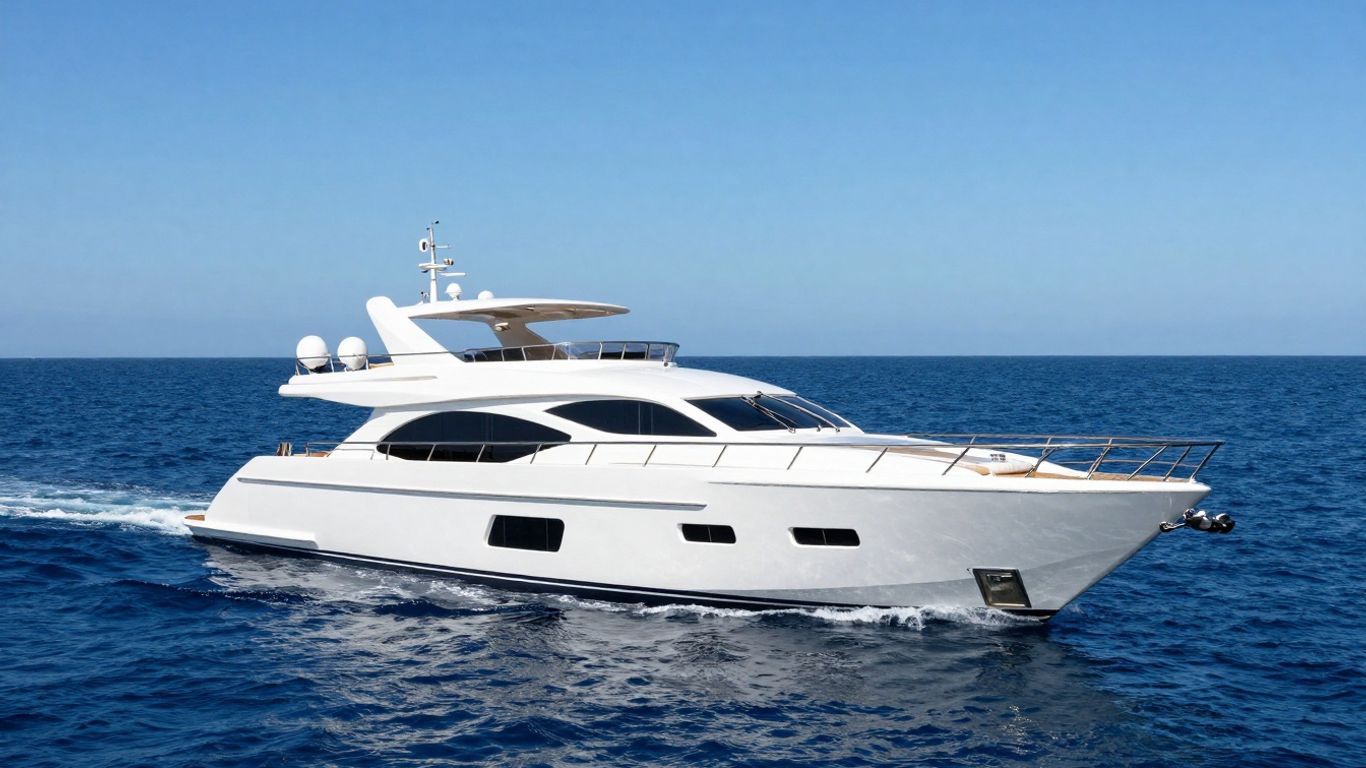
So, you’ve got your dream 150-foot yacht. Awesome! But owning a vessel this size is more than just the purchase; it’s about making the most of it. Think of it like owning a luxury home on the water – there are ways to really make it shine and fit your lifestyle perfectly.
Leveraging Tenders and Dayboats for Exploration
Your big yacht is amazing for longer trips and lounging, but sometimes you want to explore closer to shore, hop between islands, or get a bit more adventurous with watersports. That’s where tenders and dayboats come in. These smaller craft are like your yacht’s trusty sidekicks. A tender can be used to ferry guests to and from the shore when you’re anchored, or for quick trips to a local restaurant. Dayboats, on the other hand, are built for fun. Imagine zipping around a bay, trying out some wakeboarding, or even doing a bit of fishing. They give you a different kind of freedom on the water that your main yacht might not offer.
Here’s a quick look at what they add:
- Island Hopping: Easily access shallow coves and beaches inaccessible to your larger yacht.
- Watersports: Perfect for towing skiers, wakeboarders, or just cruising at speed.
- Guest Transport: A convenient way to get people to and from shore or other boats.
- Fishing Excursions: Many dayboats are equipped for a fun day of fishing.
The Role of Naval Architects and Interior Designers
When you’re thinking about making changes or even just understanding your yacht better, the pros can be a huge help. Naval architects are the brains behind how a boat moves through the water. They understand stability, hull design, and how everything works together for performance and safety. If you’re considering modifications or just want to know why your yacht handles a certain way, they’re the ones to talk to.
Then there are the interior designers. Your yacht’s interior is your sanctuary. These designers can help you create spaces that are not only beautiful but also functional for life at sea. They know about marine-grade materials, space-saving solutions, and how to make a cabin feel both luxurious and comfortable. They can transform a good space into an exceptional one.
Embracing the Luxury Yachting Lifestyle
Owning a 150-foot yacht is about more than just the boat itself; it’s about the experiences it enables. It’s about those quiet mornings with coffee on deck, watching the sunrise over a calm sea. It’s about gathering friends and family for unforgettable celebrations in stunning locations. It’s about the freedom to go where you please, when you please, surrounded by comfort and style.
The true joy of yacht ownership lies in the memories you create. It’s about the journey, the destinations, and the people you share it with. Don’t just own a yacht; live the lifestyle it offers.
Your Dream Yacht Awaits
So, you’ve explored the world of 150-foot yachts, from their fancy features to how they handle out on the water. It’s a big decision, for sure, and maybe a little overwhelming. But remember, the goal is to find that perfect vessel that fits your life and your idea of a good time. Whether you’re dreaming of quiet bays or zipping across the waves, the right yacht is out there. Take your time, do your homework, and don’t be afraid to ask questions. Your ultimate adventure on the water is closer than you think.
Frequently Asked Questions
What exactly is a 150 ft yacht?
A 150 ft yacht, often called a mega yacht, is a really big and fancy boat. Think of it like a floating mansion with multiple floors, lots of rooms, and cool features. These boats are all about luxury and comfort when you’re out on the water.
What makes these big yachts so luxurious?
These yachts are super luxurious because they’re built with the best materials and have amazing details everywhere. They often have fancy bedrooms, awesome kitchens for making great food, and cool spots to hang out. Plus, they usually have the latest technology to make your trip smooth and safe.
Can I choose how my yacht looks inside?
Absolutely! One of the best things about these yachts is that you can often design the inside yourself. You can pick the colors, the furniture, and even the layout of the rooms to make it exactly how you want it. It’s like decorating your own dream house, but on the water.
How fast can a 150 ft yacht go?
While they’re built for comfort and luxury, these yachts can still move pretty well. Their speed can change depending on the design and engines, but they’re usually fast enough for enjoyable cruising. Some are built more for speed, while others focus on being super smooth and efficient.
Is it better to buy a new or used 150 ft yacht?
That’s a big decision! A new yacht is shiny and has all the latest stuff, but it costs more. A used yacht can be a great deal, but you need to be extra careful to check that everything is working well and it’s in good shape. It really depends on your budget and what you’re looking for.
What else do I need besides the yacht itself?
Owning a big yacht means more than just the boat. You’ll need to think about where to park it (docking fees), how to keep it running well (maintenance), and maybe even get smaller boats called tenders or dayboats. These let you explore closer to shore or do fun water sports.