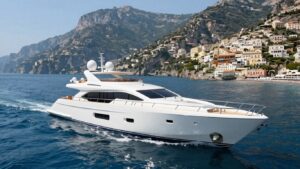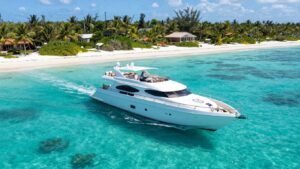
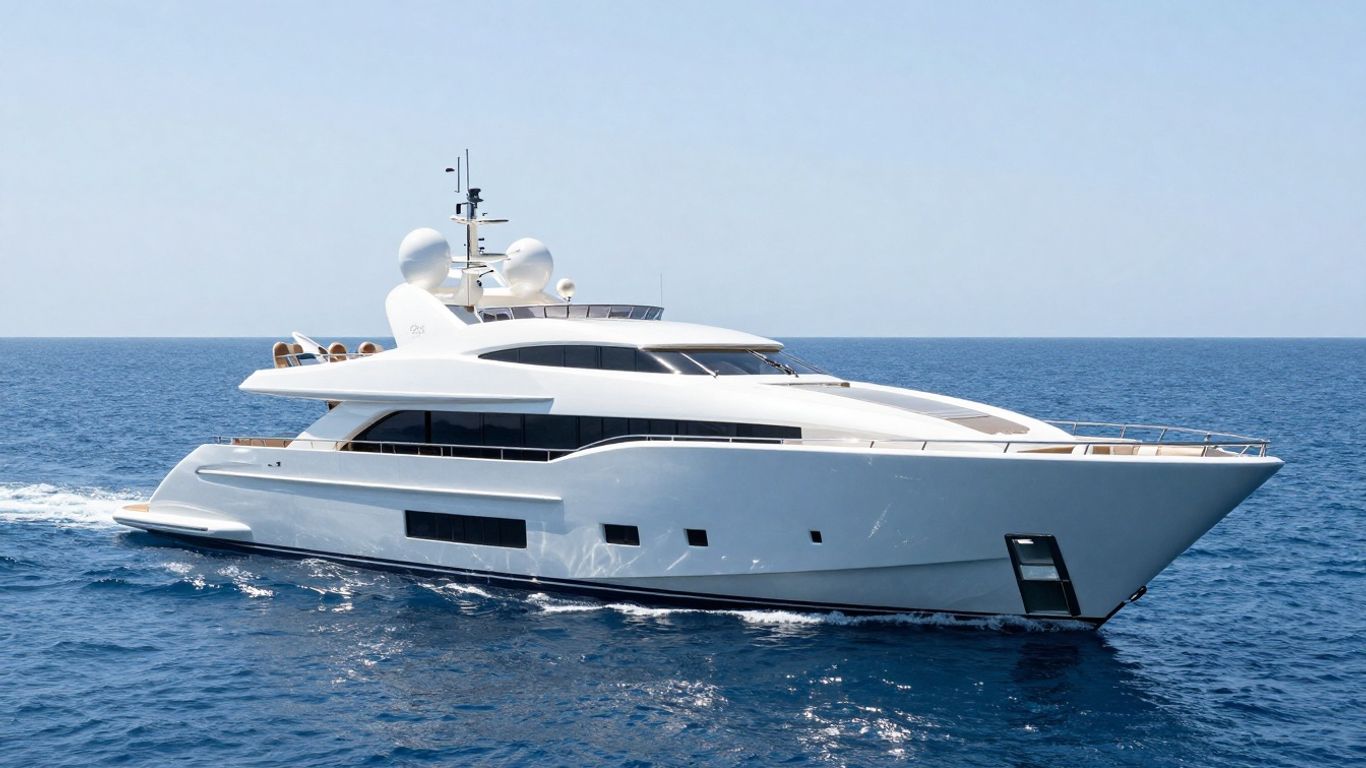
So, you’re curious about what exactly makes a boat a yacht, right? It’s not just about how big it is, though that’s part of it. Think of it like this: you can have a nice car, but a luxury sports car is something else entirely. Yachts fall into that ‘something else’ category on the water. They’re built for more than just getting from point A to point B; they’re about the experience, the comfort, and a certain kind of style. We’re going to break down what constitutes a yacht, looking beyond just the length and into the features and feel that set them apart.
Key Takeaways
- A vessel is generally considered a yacht if it’s over 33 feet long and used for recreation, distinguishing it from standard boats.
- Luxury and comfort are key characteristics, with yachts featuring high-end materials, spacious cabins, and advanced entertainment systems.
- Yachts are designed for leisure and pleasure, unlike workboats or simple transport vessels.
- Size categories range from small yachts (30-60 ft) for day trips to megayachts (200+ ft) for ultimate luxury.
- Beyond size, factors like purpose, design, craftsmanship, and the presence of amenities and crew all contribute to what constitutes a yacht.
Defining What Constitutes A Yacht
Beyond Mere Measurements: Size Considerations
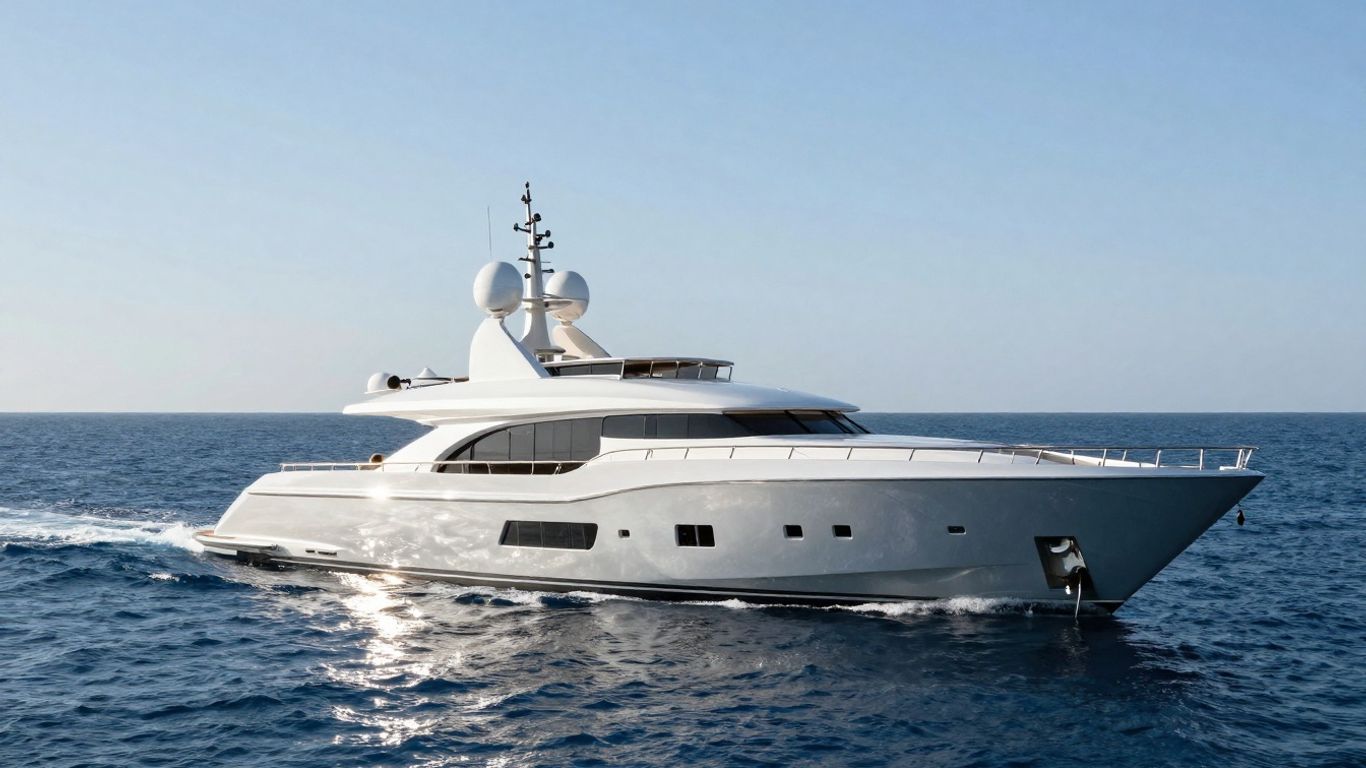
So, what exactly makes a boat a yacht? It’s a question that pops up a lot, and honestly, it’s not just about how long the vessel is. While size definitely plays a role, it’s not the only thing. Think of it this way: you can have a really big fishing boat, but that doesn’t automatically make it a yacht. Generally, most folks in the know agree that a vessel needs to be at least around 33 feet, or about 10 meters, to even start being considered a yacht. Anything smaller, even if it’s decked out with fancy stuff, usually just gets called a boat. It’s a bit of a fuzzy line, though, because some smaller, super-luxurious boats are starting to blur those lines with things like climate-controlled rooms and top-notch entertainment systems. It’s like they’re trying to be yachts but are still a bit too small.
The Role of Luxury and Comfort
Beyond just being big, yachts are really about comfort and a touch of luxury. Unlike a workboat that’s built for a job, a yacht is made for kicking back and enjoying yourself. This means you’ll see nicer materials, like real wood decks and plush seating. The cabins are usually more spacious, and there are often advanced entertainment systems, sometimes even like a mini-home theater. Bathrooms can feel like a spa, and the kitchens, or galleys, are often quite high-end. It’s all about making the time spent on board as pleasant as possible. Modern yachts also pack in a lot of tech to make things easier and more comfortable, from smart lighting systems to stabilizers that smooth out the ride when the water gets choppy.
The heart of what makes a yacht a yacht isn’t just its length or its price tag; it’s the intention behind its creation. It’s built for leisure, for experiencing the water in a way that prioritizes comfort, enjoyment, and a certain level of refinement. This focus on the guest experience is what truly sets it apart.
Purpose and Functionality
Then there’s the purpose. Most boats are built for a specific task – fishing, carrying people, getting from point A to point B. Yachts, on the other hand, are primarily for recreation. They’re for cruising, for holidays, for parties on the water. Of course, some yachts are built for more adventurous trips. These are often called expedition yachts. They’re designed to handle rougher seas and explore remote places, but they still come with those luxurious touches. They’re a blend of ruggedness and comfort, built to go places other boats can’t, but still feel like a high-end retreat. It’s interesting how they combine that sense of adventure with the expected comforts of a yacht. You can find more details on yacht certifications based on size, which is an important part of understanding these vessels here.
Here’s a quick look at how different types are often thought of:
- Motor Yachts: These rely on engines for speed and getting around. Great for covering lots of distance.
- Sailing Yachts: These use sails, offering a more traditional and quiet way to travel. They connect you more with the wind and sea.
- Hybrid Yachts: Some newer ones mix both engine power and sails, aiming for better fuel efficiency and a greener approach.
When you look at it, the idea of a yacht is really about a certain lifestyle and how you want to experience being on the water. It’s more than just a vessel; it’s a floating home designed for enjoyment.
Exploring Different Yacht Categories
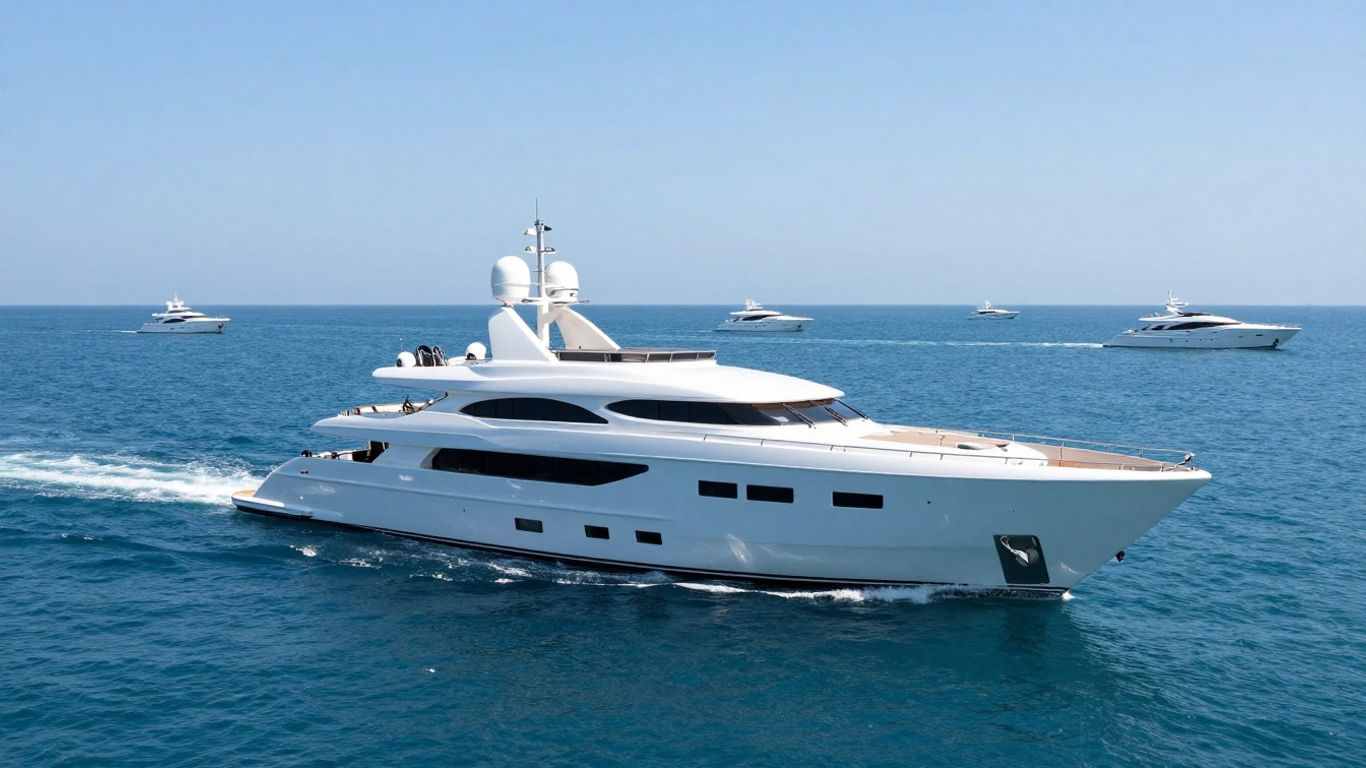
Yachts aren’t all the same, you know? Just like cars, there are different types built for different things. It’s not just about how big they are, but what they’re designed to do and how they get around. Let’s break down some of the main groups you’ll hear about.
Powered Yachts and Sailing Yachts
This is probably the most basic split. You’ve got your motor yachts, which are all about engines. They can be really fast and cover a lot of ground, making them great for hopping between islands or just getting somewhere quickly. Then there are sailing yachts. These rely on the wind and sails, offering a more traditional and, honestly, a pretty peaceful way to travel. Some newer boats even mix both, giving you options. It’s interesting how these two approaches can lead to such different experiences on the water.
- Motor Yachts: Engine-powered, offering speed and convenience for longer trips.
- Sailing Yachts: Wind-powered, providing a classic and often more eco-friendly journey.
- Hybrid Yachts: Combine both sail and engine power for flexibility.
The choice between a motor yacht and a sailing yacht often comes down to personal preference and the kind of cruising you envision. Do you want to feel the thrill of speed, or the gentle pull of the wind?
Superyachts and Megayachts
When you start talking about superyachts and megayachts, you’re entering a whole different league. These are the big players, the ones you see in magazines. Superyachts are generally over 80 feet, and they’re packed with luxury – think multiple decks, fancy guest areas, and plenty of room for a professional crew. Megayachts are even bigger, usually over 200 feet. These are like floating mansions, often featuring things like helipads, swimming pools, and all sorts of high-tech toys. They’re built for serious luxury and entertaining on a grand scale. It’s pretty wild to think about the kind of amenities these vessels can have.
| Category | Typical Length (feet) | Key Features |
|---|---|---|
| Superyacht | 80+ | Multiple decks, luxury amenities, crew quarters |
| Megayacht | 200+ | Helipads, pools, extensive entertainment spaces |
Expedition and Sportfish Yachts
Beyond the luxury cruisers, there are yachts built for specific adventures. Expedition yachts are designed to go where few others can. They’re built tough, with reinforced hulls and extra fuel capacity, so you can explore remote places like the Arctic or far-flung coastlines. They blend that rugged capability with comfort, which is quite a feat. On the other hand, sportfish yachts are made for anglers. They usually come in under 80 feet and are equipped for serious fishing trips, but they don’t skimp on comfort for the crew and guests. They’re practical vessels that still offer a good level of luxury for a day out at sea.
- Expedition Yachts: Built for long-range travel to remote and challenging destinations.
- Sportfish Yachts: Designed for fishing enthusiasts, combining performance with comfort.
- Combined Capabilities: Many modern yachts blur these lines, offering features for both adventure and relaxation.
Key Factors Differentiating Yachts
So, what really separates a yacht from just any old boat? It’s not just about length, though that’s part of it. Think of it as a whole package deal – a blend of how many people it can comfortably hold, what cool stuff it’s got onboard, how it looks, and how it actually runs. These elements all work together to define what makes a vessel a yacht.
Capacity and Amenities
When you’re looking at a yacht, the number of people it’s designed to host is a big clue. Unlike a fishing boat that might just have space for a few buddies, yachts are built with entertaining and extended stays in mind. This means more than just seating; it’s about having proper living spaces.
Here’s a quick look at what you might find:
- Guest Cabins: Often multiple, with private bathrooms, offering real comfort for overnight guests.
- Salons and Lounges: Spacious areas designed for relaxation and socializing, sometimes with entertainment systems.
- Galley: A well-equipped kitchen, often more like a professional one, for preparing gourmet meals.
- Deck Space: Ample outdoor areas for sunbathing, dining al fresco, or just enjoying the view.
The focus here is on creating a home-away-from-home experience, but with a much better view and a lot more luxury than you’d typically find on land. It’s about providing a high level of comfort and convenience for everyone aboard.
Visual Appeal and Design
Let’s be honest, a big part of a yacht’s identity is how it looks. It’s not just about being functional; it’s about making a statement. Designers put a lot of thought into the lines, the shape, and the overall aesthetic. You’ll notice sleek profiles and often a certain elegance that you just don’t see on more utilitarian vessels. Whether it’s a classic motor yacht or a modern sailing yacht, the visual design plays a huge role in its classification and appeal. Some owners even opt for unique color schemes, like a vibrant yellow yacht to stand out on the water.
Operational Aspects and Crew Needs
Beyond the guest experience, how a yacht operates is another key differentiator. Larger yachts, especially, require a dedicated crew to manage them. This isn’t just about having someone steer; it involves engineers, stewards, chefs, and deckhands, all working together. The complexity of the systems onboard – from advanced navigation to waste management – means that professional operation is often a necessity. This crew requirement, and the sophisticated systems they manage, are hallmarks of true yachting.
Here are some operational considerations:
- Crew Quarters: Separate living and working spaces for the staff.
- Engine Room: Often a complex space requiring skilled engineers.
- Navigation Systems: Advanced technology for safe and efficient travel.
- Maintenance: Regular upkeep is vital, and larger vessels require significant attention, sometimes involving extensive refits to keep them in top condition.
Understanding Yacht Size Classifications
When we talk about yachts, size really does matter, but not in the way you might first think. It’s not just about having the longest boat in the marina; it’s about how that length translates into what you can actually do with it. Different sizes are built for different adventures, and knowing these categories helps a lot when you’re looking to buy or charter.
Small Yachts: Ideal for Day Cruising
These are generally the entry-level yachts, often starting around 30 to 60 feet. Think of them as the perfect vessels for a day out on the water, maybe a weekend trip with a few friends. They’re usually manageable enough that you might even be able to pilot them yourself, especially the smaller ones. You’ll find enough space for a comfortable seating area, a small galley, and maybe a cabin or two for overnight stays. They’re great for exploring local coastlines or enjoying a sunset cruise without needing a full crew.
- Best for: Day trips, short weekend getaways, couples or small families.
- Manageability: Often owner-operated, requiring less crew.
- Features: Basic amenities, comfortable lounging areas, a few cabins.
Small yachts offer a taste of the yachting lifestyle without the overwhelming scale or cost of larger vessels. They provide a personal connection to the sea and a sense of freedom that’s hard to beat.
Mid-Size Yachts: Balancing Comfort and Manageability
Moving up, we get into the mid-size range, typically between 60 and 80 feet. This is where you start to see a real step up in luxury and space. These yachts strike a nice balance – they’re big enough to offer more substantial living quarters, multiple guest cabins, and dedicated crew areas, but they’re still relatively easy to handle. They’re fantastic for longer cruises, entertaining a larger group of friends, or even for chartering. You’ll often find more advanced entertainment systems and better water toy storage.
| Size Range (Feet) | Typical Features |
|---|---|
| 60-70 | 3-4 guest cabins, dedicated crew quarters |
| 70-80 | Enhanced amenities, larger deck spaces, more toys |
Large Yachts: For Extended Cruising and Charters
When you hit the 80-foot mark and go up from there, you’re entering the territory of large yachts. These are the vessels designed for serious cruising, extended voyages, and high-end charter experiences. They often boast multiple decks, luxurious master suites, several guest staterooms, and ample space for a professional crew to manage everything. Think spacious saloons, formal dining areas, and plenty of outdoor space for sunbathing or socializing. These yachts are built for comfort, entertainment, and the ability to travel long distances in style.
- Purpose: Extended cruising, luxury charters, hosting significant events.
- Crew: Almost always require a professional captain and crew.
- Amenities: High-end finishes, multiple entertainment zones, advanced systems.
These classifications aren’t rigid rules, but they give you a good idea of what to expect in terms of space, features, and the overall experience each size category provides. It’s all about matching the yacht’s dimensions to your specific desires for life on the water.
The Craftsmanship and Technology Behind Yachts
Customization and Innovation in Design
When you look at a yacht, it’s not just a boat; it’s often a personal statement. Unlike off-the-shelf vessels, many yachts are built from the ground up, tailored to the owner’s specific tastes and needs. This means working closely with designers and engineers to get everything just right. Think custom layouts, unique entertainment systems, and even specialized equipment for hobbies. It’s this level of personalization that really sets yachts apart.
Innovations are constantly popping up too. We’re seeing things like:
- Expandable decks that give you more space when you need it.
- Retractable solar panels to help with power.
- Garages for personal submarines, which is pretty wild.
Materials and Construction Techniques
The stuff yachts are made of and how they’re put together matters a lot. The hull might be fiberglass, aluminum, or even advanced carbon fiber for a lighter, stronger build. Inside, you’ll find fancy woods, marble, and top-notch fabrics. Construction methods are getting smarter, too. Some yachts now use hydrofoils, which lift the hull out of the water to cut down on drag and boost speed. It’s all about making them perform better and last longer.
The choice of materials and construction methods directly impacts a yacht’s performance, durability, and even its environmental footprint. It’s a complex balance of engineering and artistry.
The Importance of Yacht Refits
Even the most impressive yacht needs a bit of upkeep. A refit is basically a major tune-up and upgrade. It’s where older yachts get a new lease on life. This could mean updating the interior to feel more modern, overhauling the engines for better efficiency, or installing the latest navigation gear. Owners often use refits to add new tech, like hybrid power systems or smart automation to save energy. It’s how these vessels stay relevant and in top shape for years to come.
Future Trends in Yachting
The world of yachting is always moving forward, and the next few years are shaping up to be pretty exciting. We’re seeing a big push towards making these amazing vessels kinder to the planet and smarter than ever before. It’s not just about bigger and faster anymore; it’s about doing it all with a lot more responsibility and a lot more tech.
Sustainability and Eco-Conscious Cruising
This is probably the biggest shift happening right now. Owners and builders are really focusing on reducing the environmental footprint of yachts. Think about it: less pollution, less noise, and a lighter touch on the oceans we love to explore. This means a few things are becoming super important:
- Hybrid Propulsion Systems: These combine traditional engines with electric power, cutting down on fuel use and emissions significantly. It’s a smart way to get the best of both worlds.
- Advanced Waste Management: Better systems for dealing with waste onboard are becoming standard, minimizing impact on marine ecosystems.
- Renewable Energy Integration: More yachts are incorporating solar panels, not just for a bit of power, but as a real energy source, especially when docked or cruising slowly.
The drive for greener yachts isn’t just a trend; it’s becoming a core expectation for new builds and refits. Owners want to explore pristine environments without damaging them, and the industry is responding with innovative solutions.
Advancements in Autonomous Navigation
Imagine a yacht that can handle some of the tricky bits of sailing on its own. That’s where autonomous navigation comes in. It’s not about replacing the captain and crew entirely, but about making their jobs easier and safer. AI and advanced sensors are starting to play a huge role here. We’re talking about systems that can:
- Monitor weather patterns and adjust course automatically.
- Detect and avoid other vessels or obstacles with incredible precision.
- Optimize fuel consumption based on real-time conditions.
This technology is still developing, but it promises to make long voyages less taxing and potentially open up new possibilities for solo or short-handed cruising. It’s a fascinating area to watch, especially for those interested in the cutting edge of maritime tech.
The Evolution of Electric and Hydrogen Power
Beyond hybrid systems, fully electric and hydrogen-powered yachts are moving from concept to reality. Electric yachts, powered by large battery banks, offer silent, emission-free cruising for shorter trips or in sensitive areas. They’re great for getting around marinas and coastal waters without a fuss. For longer distances, hydrogen fuel cells are showing a lot of promise. They produce electricity with water as the only byproduct, making them a truly clean option. While the infrastructure for hydrogen is still growing, its potential for zero-emission, long-range yachting is huge. It’s a big step towards a future where luxury travel doesn’t have to cost the earth. The demand for large-volume yachts, which offer ample deck space, is also influencing how these new power sources are integrated, aiming for comfort alongside sustainability. Explore yacht charter options to experience these advancements firsthand.
So, What's the Takeaway?
Ultimately, figuring out what makes a yacht a yacht isn’t just about pulling out a tape measure. Sure, size plays a part, and there are general guidelines, but it’s really about the whole package. Think comfort, the fancy extras, and that overall feeling of luxury and purpose. Whether it’s a sleek vessel for weekend getaways or a grander ship for exploring further afield, the real definition of a yacht comes down to the experience it offers on the water. It’s less about a number and more about the lifestyle it represents.
Frequently Asked Questions
What makes a boat a yacht?
A yacht is generally a recreational boat used for fun, cruising, or luxury trips. While all yachts are boats, not all boats are yachts. Yachts are usually bigger, more comfortable, and fancier than regular boats, often starting around 33 feet long.
Is there a specific size to be called a yacht?
There isn’t one exact rule for size, but most people agree that boats over about 33 feet (10 meters) start to be considered yachts. However, what makes it a yacht also depends on its fancy features and how it’s used for pleasure, not just its length.
What are the different types of yachts?
Yachts come in many forms! There are powered yachts that use engines for speed, and sailing yachts that use wind power with sails. Bigger, super luxurious ones are called superyachts and megayachts. There are also special ones like expedition yachts for exploring far-off places and sportfish yachts for fishing adventures.
What's the difference between a superyacht and a megayacht?
Both are very large and luxurious! Superyachts are typically over 80 feet long and have lots of fancy stuff like pools and gyms. Megayachts are even bigger, usually over 200 feet, and are like floating palaces with even more space and amenities for many guests.
Can I drive a yacht myself?
For smaller yachts, usually under 60 feet, you can often drive them yourself. But for bigger yachts, especially superyachts and megayachts, you’ll need a professional captain and crew to handle them safely and manage all the complex systems.
What makes a yacht luxurious?
Luxury on a yacht means having really comfortable and nice things. This includes fancy furniture, high-quality materials like fine wood, great entertainment systems, spacious rooms, and sometimes even things like spas or helipads. It’s all about comfort and a high-end experience on the water.