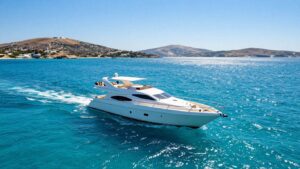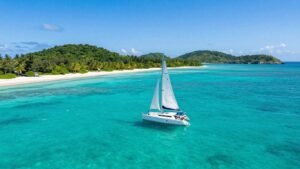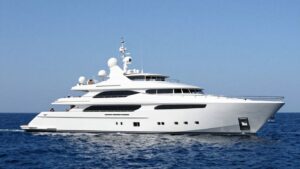
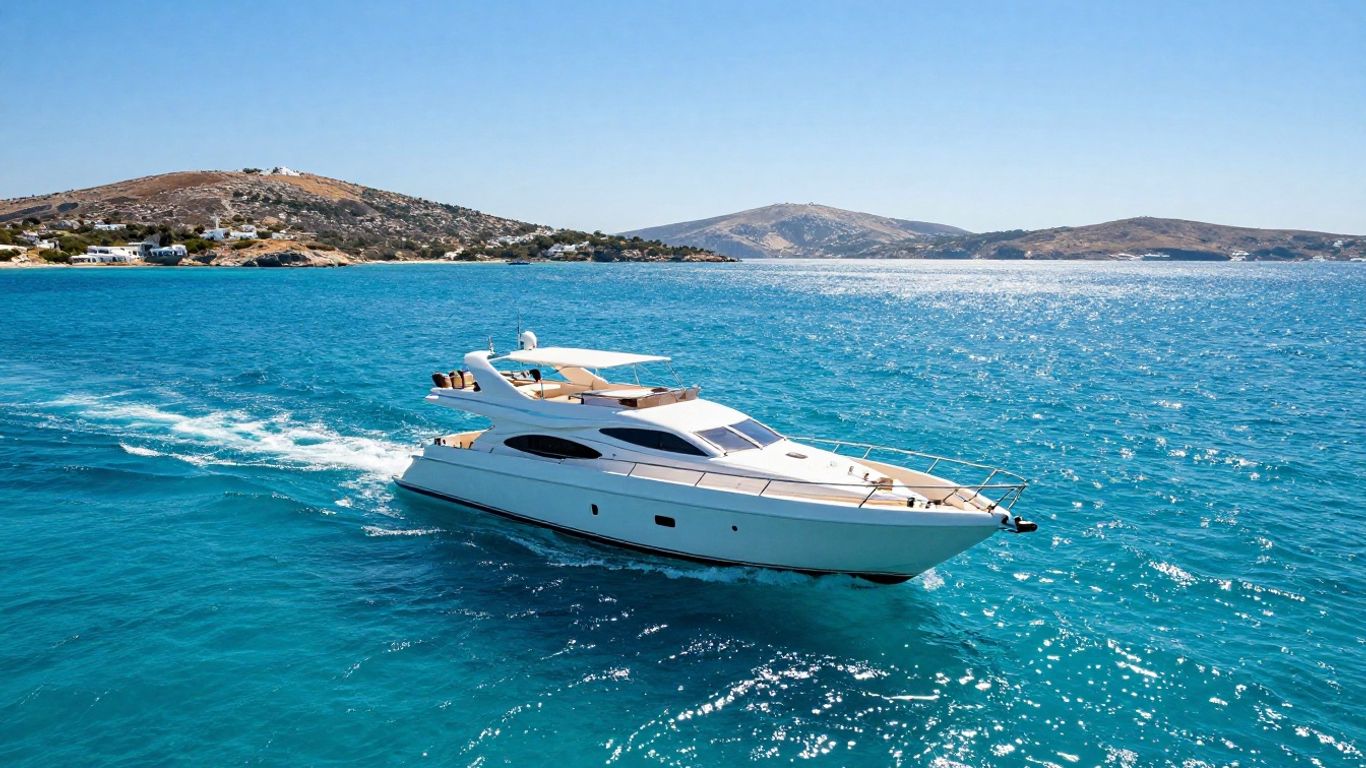
Thinking about a sailing trip in Greece? It’s a fantastic idea! Imagine waking up to the gentle rocking of waves, with nothing but blue skies and sparkling water in sight. Greece boat charters offer a unique way to explore its thousands of islands, each with its own story and charm. Whether you want to be your own captain or have someone else handle the sails, there’s an option for everyone. Let’s dive into how you can make your Grecian sailing adventure a reality.
Key Takeaways
- When looking at Greece boat charters, you have choices: go bareboat for total freedom, opt for a skippered charter to relax more, or pick a crewed charter for a luxury experience.
- Before you set sail, make sure you have the right paperwork, like a sailing license, and choose a boat that fits your group and what you want to do.
- Planning your route is part of the fun. Think about hopping between the Cyclades, exploring the calmer Ionian Islands, or checking out the Saronic Gulf.
- Safety and knowing the local rules are super important. Always check your safety gear and know how to communicate if needed.
- To really enjoy your trip, get into the local vibe, be ready for little hiccups, and savor all the amazing food and culture Greece has to offer.
Choosing Your Sailing Area
Greece, with its thousands of islands scattered across the Aegean and Ionian Seas, offers an incredible variety for any sailor. Picking the right sailing area is probably the first big decision you’ll make, and it really sets the tone for your whole trip. Each island group has its own vibe, so think about what you’re looking for – calm waters, lively towns, or remote coves.
The Cyclades Islands
This is probably what most people picture when they think of Greek islands: whitewashed villages clinging to hillsides, iconic blue-domed churches, and a rugged, sun-baked landscape. The Cyclades are famous for the Meltemi winds, especially in July and August, which can make for some exciting sailing but also means you need to be prepared for stronger breezes. It’s a popular spot, so harbors can get busy, but the scenery is just breathtaking. You’ll find islands like Mykonos and Santorini, known for their beauty and buzz, alongside quieter gems like Amorgos or Folegandros.
- Best for: Experienced sailors who enjoy a bit of wind and want to see iconic Greek island scenery.
- Sailing conditions: Can be windy, especially in summer. Good for tacking and reaching.
- Highlights: Stunning architecture, vibrant nightlife on some islands, unique volcanic landscapes.
The Ionian Archipelago
If you’re looking for something a bit greener and more sheltered, the Ionian Islands might be more your speed. Think lush hillsides, olive groves, and charming Venetian architecture. The sailing here is generally calmer than in the Cyclades, with less intense winds, making it a great choice for families or those new to chartering. Islands like Corfu, Lefkada, and Kefalonia offer beautiful beaches and a more relaxed atmosphere. It’s a fantastic area for exploring hidden bays and enjoying leisurely cruises. For first-time sailors in Greece, Corfu and Lefkas are excellent choices. These locations embody the Mediterranean sailing experience with calm waters, making them ideal for beginners looking to explore the beauty of Greece by sea.
- Best for: Beginners, families, and those seeking a more relaxed sailing experience.
- Sailing conditions: Generally calmer waters and lighter winds compared to the Cyclades.
- Highlights: Green landscapes, historical towns, beautiful sandy beaches.
The Saronic Gulf
Located conveniently close to Athens, the Saronic Gulf is perfect for shorter trips or if you want to minimize travel time to your sailing area. It offers a mix of history, culture, and beautiful coastlines. You can easily hop between islands like Aegina, Poros, and Hydra, each with its own distinct character. Hydra, for instance, is famous for being a car-free island, with donkeys providing transport. The sailing conditions are usually moderate, making it accessible for most sailors. It’s a great way to get a taste of Greek island life without venturing too far.
- Best for: Shorter charters, easy access from Athens, history buffs.
- Sailing conditions: Generally moderate winds, good for relaxed sailing.
- Highlights: Proximity to Athens, historical sites, unique island cultures (like car-free Hydra).
Deciding on your sailing area is more than just picking a spot on the map; it’s about choosing the kind of experience you want. Are you chasing the thrill of wind-whipped sails or the gentle glide through calm, turquoise waters? Your answer will guide you to the perfect corner of the Aegean or Ionian.
Understanding Your Boat Charter Options
So, you’re thinking about a boat charter in Greece. That’s awesome! It’s a fantastic way to see the islands, and honestly, it beats fighting for a spot on a crowded ferry any day. But before you start picturing yourself sailing off into the sunset, you need to figure out what kind of charter is right for you. It really boils down to how much you want to be hands-on and what kind of experience you’re after.
Bareboat Charters: The Ultimate Freedom
This is for the folks who know their way around a boat, or at least have the proper paperwork to prove it. With a bareboat charter, you’re essentially renting the boat and that’s it. No skipper, no crew, just you, your friends or family, and the open sea. You are the captain, navigator, and chef. It’s the purest form of sailing freedom. You get to decide where to go, when to leave, and where to drop anchor. It’s perfect if you’re an experienced sailor looking for complete independence. Just remember, you’ll need to show proof of competency, and sometimes licenses from outside the EU need to be translated. It’s a lot of responsibility, but the reward is total control over your adventure.
- Full control: You set the pace and the itinerary.
- Cost-effective: Generally cheaper than skippered or crewed options.
- Authentic experience: Really feel like you’re living the sailing life.
The beauty of a bareboat charter is the pure, unadulterated freedom it offers. You can follow the wind wherever it takes you, discovering hidden coves and charming villages at your own pace. It’s an adventure where spontaneity reigns supreme.
Skippered Charters: Relax and Enjoy
Not quite ready to be the captain yourself, or maybe you just want to kick back and enjoy the scenery? A skippered charter is your sweet spot. You still have the boat to yourselves, but a professional skipper comes along to handle all the sailing, docking, and navigation. They know the local waters like the back of their hand, so you can be sure you’ll see the best spots, often places you wouldn’t find on your own. This option is great for those who want the sailing experience without the pressure of being in charge. You can focus on enjoying the islands, swimming in secluded bays, and soaking up the sun. Some skippered charters also include a hostess to help with meals and general tidying, making it even more relaxed. You can explore Greece for your next yacht charter adventure.
Crewed Charters: Luxury Redefined
This is where you go all out. A crewed charter is like having your own private hotel on the water. You get the boat, a professional captain, and a dedicated crew – often including a chef and stewards. They take care of everything: sailing, cooking gourmet meals, cleaning, and basically anticipating your every need. It’s the ultimate in comfort and convenience. You can explore remote islands, enjoy incredible food prepared just for you, and have a truly pampered vacation. This is the way to go if you’re looking for a high-end, stress-free experience and don’t want to worry about a single detail. It’s a splurge, for sure, but for a special occasion, it’s hard to beat. You can find some amazing motor yachts that fit this bill, offering speed and luxury.
Essential Preparations for Your Charter
Sailing Qualifications and Documentation
Before you can even think about casting off, you’ll need to sort out the paperwork. Most charter companies in Greece require at least one person on board to have a recognized sailing certification. This isn’t just a formality; it’s about making sure someone knows how to handle the boat safely. You might need an International Certificate of Competence (ICC) or a similar qualification. It’s always best to check with your specific charter company well in advance, as their requirements can vary. They might ask for:
- A detailed sailing resume outlining your experience.
- Certificates from accredited sailing schools.
- References from previous boat owners or charter companies.
If you’re new to sailing or don’t have the required documents, don’t sweat it. Many reputable sailing schools offer courses that can get you qualified. It’s all about demonstrating you have the basic skills to manage a vessel responsibly. Beyond your sailing credentials, make sure all your travel documents are in order. Sorting out this paperwork early will save you a lot of stress later on.
Arriving without the right paperwork can completely derail your plans before you even leave the dock. Get this sorted out ahead of time – nobody wants to be stuck on the pier when they should be out on the water.
Selecting the Right Vessel
Choosing the boat that fits your trip is a big part of the preparation. Are you looking for a nimble monohull that cuts through the waves, or a more spacious catamaran offering stability and room to spread out? Consider the size of your group and your sailing experience. A larger boat might seem appealing, but it can be trickier to maneuver in tight harbors. Most charter companies have a range of boats, from smaller yachts to larger vessels, and they can help you pick one that matches your needs and skill level. Think about:
- Number of cabins and berths: How many people need sleeping space?
- Boat type: Monohull for sailing performance, or catamaran for space and stability?
- Size and handling: Can you comfortably manage the boat in marinas and anchorages?
Packing Essentials for the Aegean
Packing for a sailing trip is a bit different from a land-based vacation. Space is limited, so think smart and pack light. Soft-sided bags are usually much easier to stow than rigid suitcases. Here’s a quick rundown of what you shouldn’t forget:
- Clothing: Lightweight, quick-drying clothes are best. Include swimwear, a hat for sun protection, sunglasses, and a light jacket or sweater for cooler evenings. Don’t forget non-marking deck shoes.
- Toiletries and Sun Protection: High SPF sunscreen, after-sun lotion, lip balm with SPF, and any personal medications are a must. Pack travel-sized toiletries to save space.
- Documents and Money: Passports, sailing certifications, charter agreements, and some cash for smaller tavernas or markets. Keep digital copies of important documents separate from the originals.
- Entertainment and Gadgets: Books, cards, a portable speaker, and chargers for your devices. A waterproof bag for your phone is a good idea.
- First-Aid Kit: While charter boats usually have one, it’s wise to bring a small personal kit with basics like pain relievers, bandages, and antiseptic wipes.
Navigating Your Greece Boat Charter
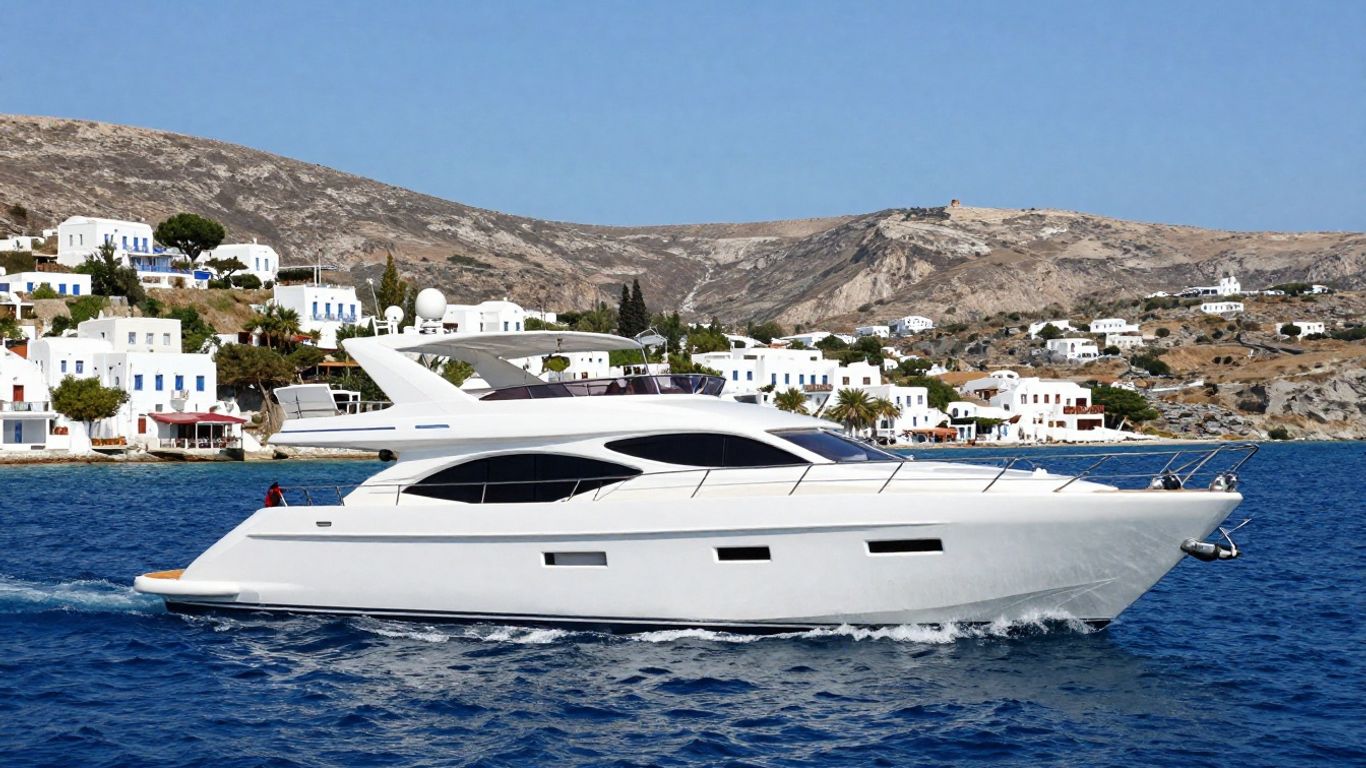
So, you’ve got your boat, your crew, and a general idea of where you want to go. Now, let’s talk about actually sailing it! It’s not rocket science, but there are definitely a few things to keep in mind to make sure your trip goes smoothly and safely. Think of this as your friendly guide to handling the practical side of things out on the Aegean.
Key Navigation Considerations
When you’re out on the water, keeping track of where you are and where you’re going is pretty important. Most charter companies will give you a good rundown of the boat’s navigation gear, but it’s always smart to be prepared. Modern GPS systems are fantastic, showing you your position on a digital chart. However, don’t toss those paper charts overboard just yet! They often show details like underwater obstructions or specific depth soundings that a GPS might not highlight. It’s a good idea to cross-reference between the two. Also, pay attention to the weather forecasts – they can change quickly in the Aegean, and knowing what’s coming can save you a lot of discomfort, or worse. Always have a backup plan for your itinerary.
Here are a few things to keep on your radar:
- GPS and Chart Plotters: Your primary tool for pinpointing your location. Make sure you know how to operate it and have the relevant charts loaded.
- Paper Charts: Still incredibly useful for an overview and for noting details not always on electronic charts.
- VHF Radio: For communication with other boats, marinas, and for receiving weather updates.
- Binoculars: Handy for spotting landmarks, buoys, and other vessels.
It’s wise to have a basic understanding of celestial navigation, even if you primarily rely on electronics. Knowing how to take a bearing or estimate your position using the sun or stars can be a lifesaver if your electronics fail.
Understanding Wind Patterns
The Aegean is famous for its winds, and the most well-known is the Meltemi. This strong, dry northerly wind typically blows during July and August, and while it can make for exhilarating sailing, it demands respect. Knowing how to read the wind and adjust your sails and course accordingly is part of the fun. You’ll want to monitor forecasts closely and be prepared to reef your sails (reduce their size) if the wind picks up significantly. Sometimes, the best plan is to find a sheltered bay and wait for the wind to calm down a bit. This is where having a good yacht charter guide can help you understand typical conditions for different areas.
Mediterranean Mooring Techniques
Mooring in Greece often means stern-to docking, especially in busy harbors and marinas. This involves backing your boat into a spot and securing your stern to the quay, with anchors dropped forward to hold the boat in place. It can look a bit intimidating at first, especially with other boats close by, but it’s a very efficient way to use space. Most charter companies will give you a demonstration, and practicing in less crowded areas first is a good idea. Here’s a general rundown:
- Scout Your Spot: Identify your intended berth and check for any obstructions.
- Prepare Lines: Have your stern lines and fenders ready.
- Drop Anchor: As you approach your spot, motor slowly in reverse and drop your anchor at the correct distance (usually 3-5 boat lengths).
- Reverse In: Continue backing slowly towards the quay, controlling your speed with the engine.
- Secure Stern Lines: Once close enough, crew members on the quay can take your stern lines and secure them.
- Adjust: Use your engines and lines to center the boat and ensure adequate spacing from neighbors.
Embracing the Greek Sailing Culture
Sailing in Greece is so much more than just moving from point A to point B. It’s about soaking in the atmosphere, the history, and the way of life that’s been shaped by the sea for centuries. You’ll find that the rhythm of the waves and the warmth of the sun really encourage you to slow down and appreciate things.
Culinary Delights at Sea
Food is a huge part of the Greek experience, and it’s no different when you’re on a boat. Forget fancy restaurants for a bit; the best meals often happen right on deck. Think about fresh, simple ingredients. Grilled fish caught that day, a big Greek salad with ripe tomatoes and creamy feta, maybe some local olives and crusty bread. It’s all about flavor and freshness. Don’t be afraid to try local specialties from the islands you visit – each place has its own twist. And the wine! Greek wine has come a long way, and sampling a local white or rosé while watching the sunset is pretty special.
- Fresh Seafood: Grilled octopus, calamari, and whatever the local fishermen bring in.
- Mezes: Small plates perfect for sharing, like tzatziki, dolmades, and saganaki.
- Local Produce: Ripe tomatoes, cucumbers, olives, and herbs that taste like sunshine.
- Island Specialties: Each island might have a unique dish, like fava from Santorini or pastitsio from Crete.
The best meals are often the simplest, made with ingredients that taste like they were just picked or pulled from the sea. Sharing these with your crew under a sky full of stars is what sailing memories are made of.
Exploring Ancient History
Everywhere you sail in Greece, history is literally at your doorstep. You can drop anchor near islands dotted with ancient ruins, places where myths and legends were born. Imagine swimming in a bay where ancient ships once sailed, or exploring a hilltop acropolis that has stood for thousands of years. It’s like sailing through a living museum. Many ports offer easy access to archaeological sites, giving you a chance to connect with the past in a really tangible way. It adds a whole other layer to the journey, making it feel both adventurous and deeply meaningful.
Discovering Hidden Coves
This is where the real magic of a boat charter happens. While the popular islands and harbors are great, the true joy is often found in the quiet, secluded spots that you can only reach by sea. These hidden coves, often with crystal-clear turquoise water and a small, pebbly beach, are perfect for a peaceful swim, a quiet lunch, or just a moment of pure relaxation away from everything. You might find a tiny chapel perched on a cliff or a single taverna accessible only by boat. These are the places that make you feel like you’ve truly discovered something special.
| Cove Feature | Description |
|---|---|
| Water Clarity | Exceptionally clear, often turquoise or azure |
| Beach Type | Typically pebble or small sandy stretches |
| Accessibility | Primarily by boat, often very secluded |
| Typical Activities | Swimming, snorkeling, sunbathing, quiet picnics |
| Potential Discoveries | Small chapels, sea caves, single tavernas |
Planning Your Next Maritime Adventure
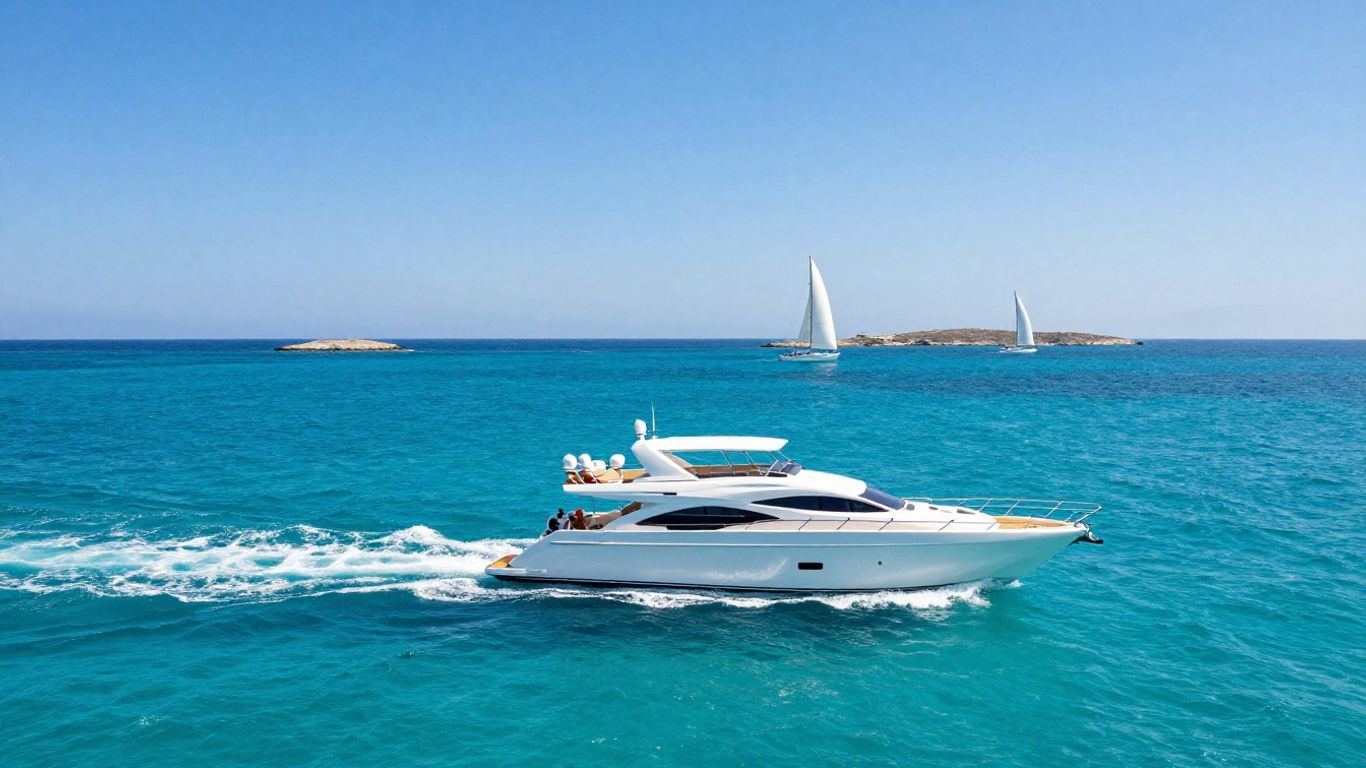
So, your incredible Greek sailing trip is winding down. The sails are furled, the anchor is set for the last time, and the familiar shore is calling. It’s natural to feel a little sad that it’s over, but don’t let the post-trip blues linger too long! The Aegean is vast, and you’ve only just begun to explore its wonders. This journey has likely sparked a desire for more, perhaps a different island group next time, or maybe a longer charter to really get away from it all. It’s never too early to start dreaming about your next adventure on the water.
Reflecting on Your Journey
Take some time to really think about what you experienced. What moments stood out? What did you learn, both about sailing and about yourself? Every trip, even the ones with a few hiccups, teaches you something new. Jotting down your thoughts can be a great way to process it all. Maybe you discovered a knack for reading the wind, or perhaps you found a hidden taverna that served the best moussaka you’ve ever tasted. These personal reflections are treasures that make each voyage unique.
Here’s a quick look at what to consider:
- Highlights: What were the absolute best parts of your trip?
- Challenges: What didn’t go as planned, and what did you do about it?
- Discoveries: Did you find any amazing spots or learn new skills?
- Feelings: How did the sea and the islands make you feel?
This isn’t just about remembering the good times; it’s about understanding what made the trip special and what you might want to do differently or the same next time. It’s all part of the learning curve of becoming a seasoned sailor.
Feedback and Testimonials
Your experience is valuable not just to you, but to others too. Charter companies genuinely appreciate honest feedback. It helps them improve their services and lets them know what they’re doing right. Think about leaving a review or a testimonial for the company you chartered with. It’s a great way to say thank you to the crew and the staff, and it can really help other sailors choose the right boat and company for their own adventures.
- Be specific: Mention what you liked or disliked.
- Be honest: Your genuine opinion matters.
- Consider the audience: Think about what future charterers would want to know.
Dreaming of Future Voyages
Greece has so many more islands, hidden coves, and charming villages waiting to be discovered. Did you fall in love with the stark beauty of the Cyclades, or are you already picturing yourself exploring the lush greenery of the Ionian? Perhaps you’re ready to try a different type of boat or a longer sailing route. The sea has a way of calling you back, and the possibilities for your next maritime adventure are endless. Start looking at maps, talking to fellow sailors, and let the planning begin!
Your Aegean Adventure Awaits
So, you’ve made it through our guide and hopefully feel a lot more ready to plan your own Greek island hopping trip by boat. It’s a pretty amazing way to see Greece, honestly. You get to find those hidden coves and tiny villages that you just can’t reach any other way. Whether you’re a seasoned sailor or just dreaming about it for the first time, there’s a boat and a route out there for you. It’s not as complicated as it might seem, and the feeling of just sailing wherever the wind takes you? That’s something else. Start putting those plans together, and get ready for a trip you won’t soon forget.
Frequently Asked Questions
Why is Greece a great place for a boat charter vacation?
Greece is amazing for boat trips because it has thousands of islands with unique looks and vibes. You can sail to hidden beaches, explore old ruins, and eat delicious food, all at your own speed. It’s like having your own private paradise to discover.
What are the main sailing areas in Greece?
Some popular spots include the Cyclades, known for their white-washed villages and windmills; the Ionian Islands, which are greener and have beautiful beaches; and the Saronic Gulf, close to Athens, perfect for shorter trips. Each area offers a different kind of adventure.
What's the difference between bareboat, skippered, and crewed charters?
A bareboat charter means you’re the captain and responsible for everything. A skippered charter has a captain to sail the boat for you, so you can relax. A crewed charter is like a floating hotel, with a captain and a full crew to take care of all your needs.
Do I need a special license to charter a boat in Greece?
Yes, you usually need a sailing license or a sailing resume that shows you have enough experience to handle the boat safely. It’s important to check the specific requirements with the charter company before you book.
What should I pack for a Greek boat charter?
Pack light, breathable clothing, swimwear, sunscreen, a hat, and sunglasses. Don’t forget comfortable shoes for walking around islands, a light jacket for cooler evenings, and any personal medications. Most importantly, bring your sense of adventure!
What are Mediterranean mooring techniques?
Mediterranean mooring, also called stern-to docking, is when you back your boat into a slip or alongside a quay, securing the stern with lines to the shore. It’s common in crowded marinas and helps save space. It takes some practice but is a useful skill to learn.