Thinking about a sailing trip in the Caribbean? Antigua might just be the spot. It’s got this amazing mix of perfect sailing weather, beautiful coastlines, and a history that’s pretty cool to explore. Whether you’re a seasoned sailor or just looking for a relaxing getaway on the water, Antigua offers something special. This guide will help you figure out the best way to experience sailing in Antigua, from picking the right boat to finding those hidden coves.
Key Takeaways
- Antigua is a prime spot for sailing, known for its steady trade winds and sheltered harbors like English Harbour.
- You can choose between bareboat charters for freedom or crewed charters for a more relaxed experience.
- Consider a catamaran for space and stability or a monohull for a classic sailing feel.
- Plan your trip to include famous spots like Nelson’s Dockyard and hidden gems such as Great Bird Island.
- The best time to go sailing in Antigua is typically between November and April, though the weather is pleasant year-round.
Why Sailing in Antigua Is the Ultimate Caribbean Adventure
A Paradise of Sun, Sea, and Steady Trade Winds
Antigua is often called the sailing capital of the Caribbean, and honestly, it’s easy to see why. The place just has this perfect setup for anyone who loves being on the water. You’ve got these really reliable trade winds that blow pretty consistently, usually between 10 and 13 knots. This means you get a good, steady push for your sails without it getting too wild. It makes for a really enjoyable sailing experience, whether you’re a seasoned pro or just starting out. Plus, the weather is pretty much always on your side. Think warm, sunny days with temperatures hovering around the high 80s Fahrenheit for most of the year. It’s the kind of place you go to escape the cold and just soak up some serious sunshine.
Unique Blend of Natural Beauty and History
What really sets Antigua apart is how it mixes stunning natural scenery with a deep sense of history. The coastline is seriously dramatic, with tons of little bays, coves, and inlets just waiting to be explored. Many of these spots are only reachable by boat, which adds to the adventure. You can literally drop anchor in a quiet bay and feel like you’ve found your own private slice of paradise. But it’s not just about the beaches and clear water. Antigua was a major naval base for the British back in the 18th century, and you can still see that history all around, especially in places like English Harbour. It’s this combination of natural beauty and historical significance that makes sailing here so much more than just a beach vacation.
Access to Secluded Beaches and Private Anchorages
One of the best things about sailing in Antigua is the sheer number of secluded spots you can discover. The island’s coastline is dotted with bays and coves, many of which are only accessible by sea. This means you can often find your own private anchorage, away from the crowds. Imagine dropping anchor in a calm bay, with nothing but the sound of the waves and the gentle breeze. You can spend your days swimming in crystal-clear waters, snorkeling among colorful coral reefs, or simply relaxing on deck with a good book. It’s the kind of freedom and privacy that really defines a Caribbean sailing dream. You can literally plan your day around finding a new, untouched beach to explore.
The consistent trade winds and the island’s intricate coastline, filled with numerous bays and inlets, create an ideal environment for sailing. This natural setup allows for both exhilarating journeys and the discovery of tranquil, hidden spots.
Here’s a quick look at what makes Antigua so special for sailors:
- Predictable Winds: Steady trade winds averaging 10-13 knots.
- Ideal Climate: Warm temperatures year-round, perfect for escaping colder weather.
- Diverse Coastline: Numerous bays, coves, and secluded anchorages.
- Historical Significance: Rich naval history, particularly around English Harbour.
- Accessibility: Many stunning locations are only reachable by boat.
Choosing the Perfect Yacht for Your Sailing in Antigua Experience
Bareboat or Crewed Charter: What's Right for You?
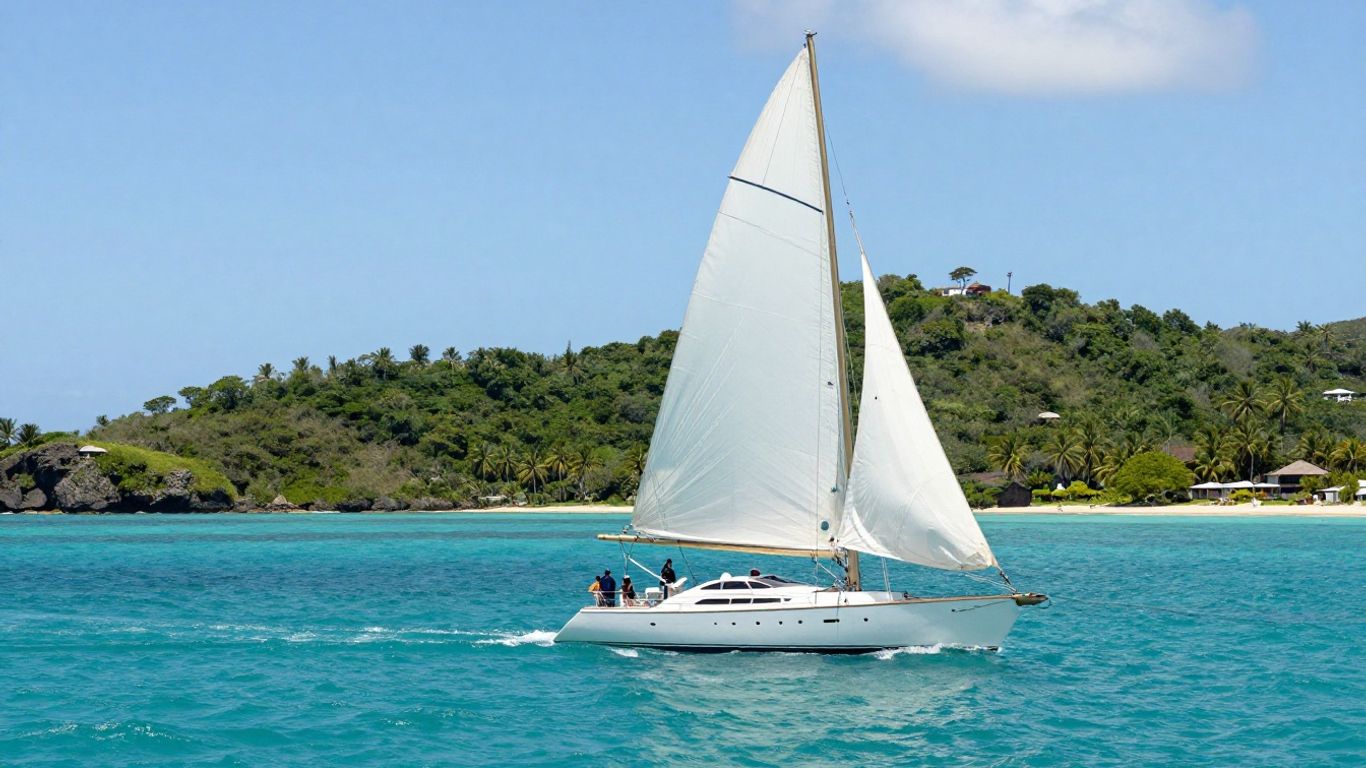
Deciding between a bareboat or a crewed charter is the first big step in planning your Antigua sailing adventure. A bareboat charter means you’re in charge – you rent the boat, and you and your crew handle everything from sailing to cooking. This is fantastic if you’ve got solid sailing experience and want total freedom to chart your own course. You get to be the captain, making all the decisions about where to go and when to stop. It’s a real hands-on experience.
On the other hand, a crewed charter brings a professional captain and often a chef aboard. This is the way to go if you want to relax completely and let someone else handle the sailing and the meals. The captain knows these waters like the back of their hand, so they can take you to all the best spots, including those hidden coves you might not find on your own. It’s more of a luxury, hassle-free vacation.
Here’s a quick rundown to help you decide:
- Bareboat Charter:
- Requires sailing qualifications and experience.
- Offers maximum flexibility and independence.
- You manage all aspects of the voyage.
- Crewed Charter:
- Includes a professional captain (and often a chef).
- Ideal for relaxation and a luxury experience.
- Captain’s local knowledge enhances the trip.
The choice really boils down to your comfort level with sailing and how much you want to be hands-on versus simply enjoying the ride. Both options provide an incredible way to see Antigua.
Catamaran vs. Monohull: Which Suits Your Style?
When you look at the boats available for charter, you’ll mostly see two types: catamarans and monohulls. They each have their own vibe and advantages.
Catamarans are those boats with two hulls. They’re super stable, which means less rocking and rolling, especially at anchor. They also offer a lot more deck space and living area, making them great for families or groups who like to spread out. Plus, their shallow draft means you can often get closer to shore and into more secluded bays. For a comfortable, spacious, and stable sailing experience, a catamaran is often the top pick.
Monohulls are the classic sailboats you probably picture. They have a single hull and a keel that goes down into the water. Many sailors love them because they feel more like a traditional sailboat, leaning into the wind and offering a more direct sailing feel. They can be a bit more nimble in certain conditions and are often preferred by those who enjoy the pure sailing performance.
Here’s a simple comparison:
| Feature | Catamaran | Monohull |
|---|---|---|
| Stability | Very high, minimal heeling | Moderate, leans with the wind |
| Space | More deck and interior living space | More focused sailing cockpit |
| Draft | Shallow, good for close-to-shore anchoring | Deeper, requires more water depth |
| Sailing Feel | Smooth, steady | More traditional, responsive sailing sensation |
Top Charter Companies and Booking Tips
Several reputable charter companies operate in Antigua, offering a wide range of yachts. Companies like The Moorings and Sunsail are well-established and have bases right in Nelson’s Dockyard, making logistics easy. You’ll find they have fleets of both catamarans and monohulls, catering to different preferences.
When booking, here are a few things to keep in mind:
- Book in Advance: Especially if you’re planning to sail during the peak season (December to May), popular boats get snapped up quickly. Aim to book at least six months ahead if you can.
- Read the Fine Print: Understand what’s included in your charter fee. Does it cover fuel, water, cleaning, or are those extra? What about insurance?
- Consider Your Itinerary: Some companies can help you plan a route, while others expect you to have it figured out. Knowing where you want to go can influence the type of boat you choose.
- Check Reviews: Look for recent reviews of the charter company and the specific boat model you’re interested in. This can give you insights into the condition of the fleet and the quality of service. You can find great options for a luxury yacht charter starting right here in Antigua.
Planning Your Ideal Itinerary for Sailing in Antigua
So, you’ve got your boat, you’re ready to set sail, but where to go? Antigua and its little sister Barbuda offer so many amazing spots, it can be a bit overwhelming to figure out the best route. Don’t worry, we’ve got you covered. Planning your sailing trip here is all about balancing the must-see attractions with those quiet, hidden coves you’ll want to keep all to yourself. The key is to mix iconic landmarks with secluded anchorages for a truly balanced experience.
Must-Visit Spots: From English Harbour to Dickenson Bay
No trip to Antigua is complete without experiencing its historical heart and most popular beaches. English Harbour, a UNESCO World Heritage site, is a must. It’s not just about the history; the atmosphere is buzzing, and it’s a fantastic place to provision or just soak in the maritime heritage. Nelson’s Dockyard within English Harbour is a fully functioning marina and a step back in time. From there, you can easily make your way to Dickenson Bay. This spot is known for its lively beach bars, water sports, and a generally vibrant scene. It’s a great place to anchor for a night, enjoy some shore-side fun, and maybe even catch some live music.
Hidden Gems: Exploring Great Bird Island and Green Island
While the popular spots are great, the real magic often lies in the less-trafficked areas. Great Bird Island, located off the northeast coast, is a fantastic example. It’s a nature lover’s paradise, known for its birdlife and a stunning coral reef perfect for snorkeling. You’ll likely need to anchor here, which adds to the feeling of discovery. Green Island, another gem, is uninhabited and offers a serene escape. Accessible only by boat, it’s the kind of place where you can truly switch off. The waters around it are calm, protected by a barrier reef, making it ideal for a peaceful day of swimming and relaxing. Exploring these spots gives you a real sense of adventure and the feeling of having found your own piece of paradise.
Sample 7-Day Sailing Route Around Antigua and Barbuda
Here’s a possible route to get you started. Remember, this is just a suggestion, and you should absolutely tailor it to your interests and the weather. Flexibility is part of the fun!
- Day 1-2: Start at Nelson’s Dockyard in English Harbour. Explore the historic site, provision, and enjoy the local atmosphere. Sail to Falmouth Harbour for a relaxed evening.
- Day 3: Head north along the west coast. Anchor at Jolly Harbour for lunch and a stroll through the marina, then continue to Dickenson Bay for the night.
- Day 4: Make your way towards the northeast. Explore the waters around Great Bird Island, enjoying snorkeling and birdwatching. Anchor for the night.
- Day 5: Sail to Green Island. Spend the day enjoying the tranquility and pristine waters. Consider anchoring in Nonsuch Bay nearby.
- Day 6: If time and interest allow, take a longer sail to Barbuda. Anchor in Low Bay and experience the famous Pink Sand Beach. This is a longer day’s sail, so plan accordingly.
- Day 7: Enjoy a final morning swim or snorkel before sailing back towards your starting point, perhaps stopping in a quiet bay like Carlisle Bay for a last taste of Antigua’s beauty.
Planning your itinerary is part of the adventure. Don’t be afraid to deviate from a plan if you discover a particularly inviting bay or hear about a local event. The best sailing trips are often the ones that allow for spontaneous detours. Antigua offers a fantastic cruising ground for exploring the Leeward Islands.
| Day | Primary Location | Key Activities |
|---|---|---|
| 1-2 | English Harbour / Falmouth Harbour | History, provisioning, exploring bays |
| 3 | Dickenson Bay | Water sports, beach bars, overnight stay |
| 4 | Great Bird Island | Snorkeling, birdwatching, nature exploration |
| 5 | Green Island / Nonsuch Bay | Relaxation, swimming, tranquil waters |
| 6 | Barbuda (Low Bay) | Pink Sand Beach, unique scenery (longer sail) |
| 7 | Carlisle Bay (optional) / Return | Final swim, scenic return sail |
Insider Tips for Mooring, Anchoring, and Navigation
Sailing around Antigua isn’t just about watching turquoise waves or drinking rum punches on deck. Figuring out where to drop anchor, how to tie up your boat, and how to steer clear of coral takes a bit of know-how—and it can make or break your trip. Here’s some hard-earned advice for staying safe and keeping things smooth as you sail.
Best Anchorages and Mooring Spots
If you’re new here, you might be surprised at how many spots you can choose from. Some anchorages are lively marinas with all the bells and whistles, while others are peaceful hideaways that barely show up on the map. Here are a few reliable choices:
- Falmouth Harbour: Full-service marinas with shops, fuel, and showers. Great for stocking up or stretching your legs on shore.
- Nelson’s Dockyard: Historic vibe and excellent facilities if you want a cozy spot to moor or stay overnight.
- Dickenson Bay: Good for an overnight anchorage, protected with easy access to stores and local bars.
- Nonsuch Bay: Sheltered, beautiful, but the entrance can be narrow with reefs—read up before heading in!
- Galleon Beach (off English Harbour): A quiet place to anchor if you want to swing on your own without a crowd.
- Low Bay and Coco Point (Barbuda): Ten to sixteen mooring buoys available, quiet and magical.
| Anchorage | Mooring Availability | Facilities |
|---|---|---|
| Falmouth Harbour | Yes | Fuel, showers, shops |
| Nelson’s Dockyard | Yes | Marina, restaurants |
| Dickenson Bay | No (anchoring only) | Stores, beach bars |
| Nonsuch Bay | No (anchoring only) | Sheltered, remote |
| Low Bay (Barbuda) | Yes | 10 moorings, tranquil |
| Coco Point (Barbuda) | Yes | 16 moorings, remote |
Navigating Coral Reefs and Sheltered Bays
Coral reefs make the water here look like a swimming pool, but they’re unforgiving if your boat gets too close. Here’s my go-to checklist:
- Stick to marked channels when leaving or entering bays—Antigua’s markers aren’t always plentiful, but if you see a channel, use it.
- Anchor in sandy spots—not only does this keep the reefs safe, but your anchor will hold better and you’ll avoid damage.
- Check the water with a look-out: Have someone up front looking for bright spots (sand) versus darker patches (reef or grass).
- Use mooring buoys, especially if you’re not sure about anchor holding. Buoys are often placed to protect sensitive coral.
- Go slow in unfamiliar waters, even if it feels safe.
- Download local charts to your tablet or phone.
- Ask around at marinas—they’ll often give warnings about recent changes, like a new unmarked obstacle.
Sometimes you just need to trust your instincts; if a bay looks dicey or the water seems too shallow, it’s usually best to move on. No sunset is worth a hull repair.
Marina Facilities and On-Shore Amenities
Antigua has a good mix of laid-back anchorages and marinas where you can get repairs or enjoy a hot shower. Here’s what you can expect at the main hubs:
- Fuel stations and water fill-ups (especially at marinas near Falmouth Harbour and Nelson’s Dockyard)
- Dockside WiFi and electricity
- Restaurants, bars, laundry, supermarkets
- Boat repair shops and provisioning stores
- Waste disposal (don’t throw trash overboard—bring it ashore)
Key tip: Double check if your chosen marina requires advance bookings, especially in the high season (December to May). Spots fill up fast, and the last thing you want after a long sail is being told to circle back out to anchor for the night.
To sum it up: give yourself some wiggle room on your route and don’t be shy about asking locals for advice. Antigua’s anchorages are easy to enjoy, as long as you pay a bit of attention and respect the reefs and fellow sailors. Happy sailing!
Top Activities and Experiences While Sailing in Antigua
Sailing around Antigua isn’t just about the journey between spots; it’s about what you do when you get there. This island is packed with ways to keep you entertained, whether you’re looking for adventure or just a good time.
Thrilling Water Sports and Snorkeling Hotspots
Antigua’s clear waters are practically begging you to jump in. You’ll find plenty of opportunities for fun right off your boat. Many bays offer calm conditions perfect for trying out different activities. Think about renting a kayak to explore hidden coves or trying your hand at windsurfing if the breeze is right. For those who love what’s beneath the surface, Antigua has some fantastic snorkeling spots. Great Bird Island, for example, is known for its healthy coral and a good variety of fish, making it a great place to drop anchor and explore. You can also find spots around Green Island that offer similar underwater beauty. It’s a great way to spend an afternoon, just floating and seeing what the ocean has to show you.
Exploring Cultural Landmarks Like Nelson’s Dockyard
When you’re sailing, you’re not just seeing nature; you’re also stepping back in time. Nelson’s Dockyard in English Harbour is a must-see. It’s a UNESCO World Heritage site and still a working harbor, but it feels like you’ve walked onto a movie set from the 18th century. You can wander around the old buildings, check out the museum, and imagine what life was like for the sailors and officers back then. It’s a really interesting contrast to the modern sailing experience you’re having. You can easily spend a few hours here just soaking in the history and the atmosphere. It’s a good reminder of why this place became such an important spot for sailing.
Indulging in Beach Bar-Hopping and Local Events
After a day of sailing and exploring, there’s nothing quite like kicking back with a drink at a beach bar. Dickenson Bay is famous for its string of laid-back spots right on the sand. You can hop from one to another, enjoying different vibes and, of course, sampling local cocktails. Many of these bars have live music on certain nights, adding to the lively atmosphere. Keep an eye out for local events happening around the island too; sometimes there are festivals or markets that are worth checking out if your schedule allows. It’s all about enjoying the island’s rhythm and meeting people.
Antigua offers a fantastic mix of active pursuits and relaxed enjoyment. You can spend your mornings exploring underwater worlds and your afternoons soaking up history or enjoying a cold drink with your feet in the sand. The island really caters to whatever mood you’re in.
Here are a few ideas to get you started:
- Water Sports: Kayaking, paddleboarding, windsurfing, and jet skiing are widely available, especially in popular bays like Dickenson Bay.
- Snorkeling: Look for areas with clear water and visible reefs, such as around Great Bird Island and Green Island.
- Historical Sites: Dedicate time to explore Nelson’s Dockyard and the ruins of Fort Barrington for a dose of history and great views.
- Beach Life: Enjoy the simple pleasure of relaxing on the sand, swimming, and visiting the numerous beach bars.
If you’re looking for a way to experience these activities and more, consider looking into Antigua boat tours. They can offer a great way to see different parts of the island and enjoy guided excursions.
Discovering Antigua’s Culinary and Rum Traditions at Sea
Must-Try Local Dishes on Your Sailing Journey
Sailing through the Caribbean is a feast for the senses, and Antigua is no exception. The local food here tells a story of history and culture, a real mix of influences that you can taste in every bite. Forget fancy restaurants for a moment; some of the best meals happen right on your boat, with fresh ingredients and a stunning view. The national dish, a hearty combination of Fungee and Pepperpot, is a must-try. Fungee is like a firm cornmeal and okra mash, and Pepperpot is a rich stew with veggies and salted meat. It’s simple, but it’s the real deal.
Here are a few other things you absolutely have to sample:
- Saltfish: You’ll find this everywhere, often cooked up with onions and peppers, especially for breakfast. It’s a staple for a reason.
- Ducana: This is a sweet and savory dumpling made from grated sweet potato, coconut, and spices. Locals wrap it in banana leaves before boiling, giving it a unique flavor.
- Conch: Whether you have it raw in a salad, in a creamy chowder, or fried as fritters, conch is a local favorite. It’s got a great texture and taste.
When you’re out on the water, keep an eye out for local vendors or small beachside spots that might offer these dishes. Sometimes the simplest preparations are the most memorable, especially when enjoyed with the sea breeze.
Signature Cocktails and the Best Caribbean Rum
No Caribbean sailing trip is complete without sampling the local rum. Antigua has its own award-winning brand, English Harbour Rum, which is smooth and full of flavor. You can enjoy it neat, but most people prefer it in a classic Rum Punch. Every sailor seems to have their own secret recipe for Rum Punch, but the basic idea is a mix of rum, lime juice, sugar, and a dash of bitters or grenadine. It’s the perfect drink to sip as the sun goes down.
Don’t forget to try the local beer, Wadadli. It’s a light and refreshing lager that’s perfect for a hot day on the water. And if you happen to see the Antigua Black Pineapple, grab some if you can. They say it’s the sweetest pineapple in the world, but it’s so delicate it can’t really be shipped anywhere.
Seafood Feasts and Unforgettable Beach Picnics
Antigua and Barbuda are surrounded by clear waters teeming with fish, so fresh seafood is a given. If you’re lucky enough to be sailing near Barbuda, you’re in for a treat. Many consider Barbuda lobster to be the best in the Caribbean. Imagine catching your own lobster (or buying one from a local fisherman) and grilling it right on a deserted beach – it’s an experience you won’t forget. Back on Antigua, you’ll find plenty of opportunities to enjoy freshly caught fish, often grilled simply with local spices. Planning a beach picnic with some local catches, a cold Wadadli, and maybe a slice of that sweet pineapple is a fantastic way to spend an afternoon.
Essential Travel Logistics for Sailing in Antigua
Arriving in Antigua: Flights and Transfers
Getting to Antigua is pretty straightforward. Most folks fly into the VC Bird International Airport (ANU), which is just a short hop from the capital, St. John’s. You’ll find direct flights from several major cities in North America and the UK. If you’re coming from elsewhere in Europe, you might need a connection. Should a direct flight not work out, hopping over from places like Puerto Rico or Sint Maarten on a regional airline is also an option. Once you land, getting to your charter base usually involves a taxi or a pre-booked transfer. It’s a good idea to sort this out before you arrive, especially if you’re landing late.
Best Season for Sailing and What to Pack
The sweet spot for sailing in Antigua is generally from December through May. This is when you get the most reliable trade winds and the least amount of rain. It’s also peak season, so expect things to be a bit busier and prices to be a little higher. However, even during the off-season (June to November), the weather is usually quite pleasant, though you’re more likely to encounter rain showers and, of course, the small chance of hurricanes. When packing, think light and breezy. You’ll want quick-drying clothes, swimwear, a hat, sunglasses, and plenty of high-SPF sunscreen. Don’t forget a light jacket or sweater for cooler evenings, and some comfortable walking shoes if you plan on exploring ashore.
Understanding Costs: Charter Rates and Extra Fees
Chartering a yacht is the big ticket item, and prices can vary a lot depending on the size and type of boat, and when you go. A week-long charter can range anywhere from a couple of thousand dollars to well over seven thousand, sometimes much more for larger or luxury vessels. But remember, that’s usually just the base rate. You’ll also need to factor in other costs. These often include:
- Fuel: You’ll pay for the fuel you use.
- Provisions: Food and drinks for your trip.
- Mooring and Marina Fees: If you choose to stay in a marina or use a mooring buoy.
- Cruising Permit/Park Fees: Some areas might have small charges.
- Optional Crew: If you opt for a skipper or a full crew, that’s an additional cost.
It’s always best to get a clear breakdown of what’s included and what’s extra when you book. This way, you can budget more accurately for your Caribbean sailing adventure.
Planning ahead for these logistical details can make a huge difference in how smoothly your sailing trip goes. Knowing your travel options, the best time to visit, and what to expect cost-wise helps you focus on the fun part – enjoying the beautiful waters of Antigua.
Exploring Beyond Antigua: The Allure of Barbuda by Sailboat
Sailing to Pink Sand Beaches and Frigatebird Sanctuary
While Antigua buzzes with history and a beach for every day of the year, its sister island, Barbuda, offers a completely different vibe. Think wild, untouched beauty and a pace of life that’s dictated by the tides. Sailing over to Barbuda is like stepping into another world, a quieter, more natural Caribbean. It’s a place where you can truly disconnect and soak in the raw scenery. The journey itself is part of the adventure, with steady trade winds often making for a pleasant sail across the channel.
Anchoring in Low Bay and Coco Point
When you arrive in Barbuda, you’ll find some truly spectacular spots to drop anchor. Low Bay is famous for its incredible pink sand beaches – seriously, the sand has this soft, rosy hue that’s just stunning, especially when the sun hits it right. It’s the kind of place where you can swim, snorkel, or just lounge on the deck of your boat feeling like you’ve found your own private slice of paradise. Coco Point is another gem, known for its clear waters and a bit more of a sheltered feel, making it a comfortable spot to spend the night or a lazy afternoon. You won’t find big marinas here, which is exactly the point – it’s all about natural anchorages and a more rustic experience.
Experiencing Wild Beauty and Tranquility
Barbuda is a haven for wildlife. The Codrington Lagoon is a must-see, especially if you’re interested in birds. It’s home to a massive colony of magnificent frigatebirds, and seeing them soar overhead is quite a sight. You can arrange for a local guide to take you out in a small boat to get a closer look. Beyond the birds, the island is relatively flat and undeveloped, offering a sense of vastness and peace that’s hard to find elsewhere. It’s the perfect counterpoint to the more developed shores of Antigua, offering a chance to experience the Caribbean as it once was – pure and serene.
Your Antigua Sailing Adventure Awaits
So, there you have it. Antigua really is a special place for sailing. Whether you’re looking for a chill week exploring hidden coves or a more adventurous trip, this island has you covered. You can find your own quiet beach, check out some cool history, and just generally have a great time out on the water. It’s not just about the sailing, though; it’s about the whole experience. From the food to the views, it all adds up to something pretty memorable. If you’ve been thinking about a sailing trip, Antigua should definitely be on your list. Stop dreaming and start planning – your Caribbean adventure is waiting.
Frequently Asked Questions
Why is Antigua considered a top spot for sailing?
Antigua is often called the sailing capital of the Caribbean. It has amazing natural harbors, like English Harbour, which used to be a big naval base. Plus, the weather is usually perfect for sailing, with steady winds and warm temperatures almost all year round. You can find new, quiet beaches to stop at every single day, and many are only reachable by boat!
What kind of boat should I choose for sailing in Antigua?
It really depends on what you want! If you’re an experienced sailor and want total freedom, a bareboat charter (where you’re in charge) is a great choice. If you prefer to relax and let someone else handle the sailing and navigation, a skippered charter is perfect. For the boat itself, catamarans are super stable and have lots of room, making them great for families. Monohulls offer a more traditional and sporty sailing feel.
What are some must-see places when sailing around Antigua?
You absolutely have to visit English Harbour and Nelson’s Dockyard, a historic UNESCO World Heritage site. For beautiful beaches, Dickenson Bay is popular, and for a more secluded feel, check out Great Bird Island or Green Island. Don’t forget to consider a trip to Barbuda to see its famous pink sand beaches!
When is the best time of year to go sailing in Antigua?
The best time to sail in Antigua is generally between November and April. This is when the weather is usually driest and the temperatures are really pleasant. It’s considered peak season, so things might be a bit busier and pricier, but the sailing conditions are fantastic. Even in the summer months, the weather is still warm, though there’s a slightly higher chance of rain.
What kind of food and drinks can I expect in Antigua?
Antigua has some delicious local food! You should try saltfish (codfish) cooked with veggies, ducana (a sweet potato dumpling), and conch fritters. The lobster in Barbuda is also famous! And of course, you can’t miss out on the rum. English Harbour Rum is a well-known local brand, and sipping on a classic rum punch is a must. They also have a special pineapple called the Antigua Black, which is super sweet!
How do I get to Antigua, and what are the costs involved?
You can easily fly into VC Bird International Airport (ANU) in Antigua from many places, especially North America and Europe. For sailing costs, a 7-day charter can range widely, perhaps from $2,000 to over $7,700, depending on the boat and whether you have a crew. Remember to budget extra for things like fuel, food, and mooring fees.