Step back in time and imagine a world of opulence and adventure on the open seas. The 1920s were a special period for yacht design, a time when elegance met cutting-edge engineering. This era gave us some truly amazing vessels that still capture our imagination today. Let’s take a look at what made these ships so special and why we still admire the yacht 1920s designs.
Key Takeaways
- The 1920s marked a golden age for yacht design, blending traditional craftsmanship with new ideas.
- Pioneering naval architects and Scottish design firms were key players in creating these luxurious vessels.
- Iconic yachts like the SS Delphine and Sea Cloud showcase the grandeur and unique stories of the era.
- The era emphasized exquisite interiors and masterful engineering, setting high standards for luxury.
- Many of these historic yachts are still around, preserved and sometimes available for charter, offering a glimpse into maritime history.
The Golden Age Of Yacht 1920s Design
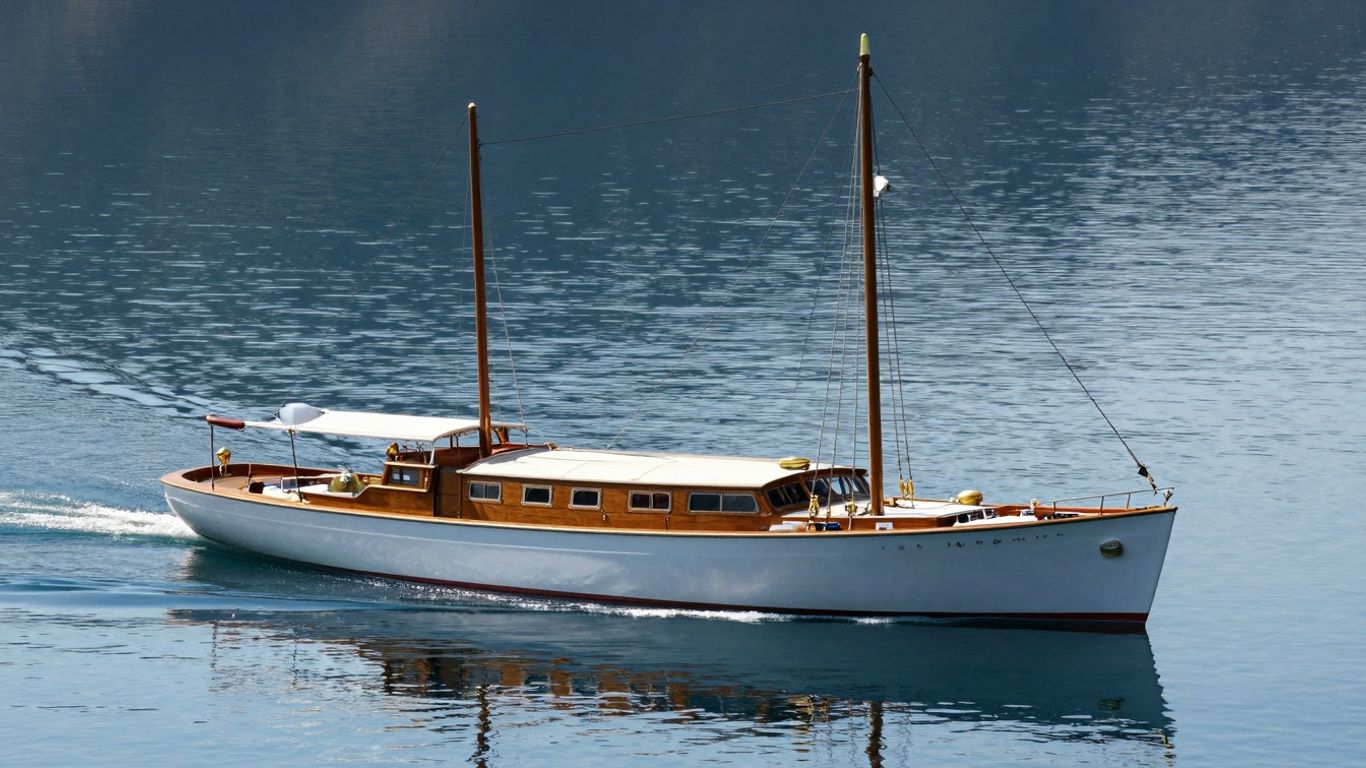
The 1920s were something else for yacht design, truly a golden era. Think of it as a time when old-school craftsmanship really started bumping elbows with brand-new ideas. It wasn’t just about building boats anymore; it was about creating floating palaces that were also fast and cutting-edge. Scotland, in particular, became a powerhouse, with designers blending tradition and innovation in ways that still impress us today.
Pioneering Naval Architects
This period saw the rise of some seriously talented naval architects. These weren’t just guys who knew boats; they were artists and engineers. They started using more science in their designs, moving away from just relying on gut feelings. This meant yachts were not only more beautiful but also performed better, whether for racing or just cruising in style. It was a big shift, setting the stage for what was to come.
- George Lennox Watson is often called the first dedicated yacht designer. He brought scientific thinking to the craft, designing famous racing yachts and luxurious steam yachts for wealthy clients.
- Alfred Mylne I and his successors, along with the Fife family (William I, II, and III), were also huge names. Their designs came out of Scotland and were known for their speed and elegance.
- These designers worked with shipyards that were masters of their trade, turning complex drawings into reality.
The 1920s marked a significant turning point where the art of yacht building met the rigor of scientific principles, resulting in vessels that were both aesthetically stunning and technologically advanced for their time.
Scottish Yachting Dynasties
Scotland really hit its stride during this time, becoming a hub for top-notch yacht design. Families like the Mylnes and the Fifes, along with designers like Watson, built reputations that stretched across the globe. Their yards turned out vessels that were not only fast and competitive but also incredibly luxurious, attracting commissions from royalty and the super-rich.
| Design Firm | Key Figures | Known For |
|---|---|---|
| G.L. Watson & Co. | George Lennox Watson | Racing yachts, luxury steam yachts |
| Mylne | Alfred Mylne I & II | Elegant and fast sailing and motor yachts |
| Fife | William Fife I, II, & III | Renowned racing yachts, classic sailing yachts |
Innovation Meets Tradition
What’s fascinating about the 1920s is how these designers managed to balance old and new. They respected the time-tested methods of shipbuilding but weren’t afraid to experiment. They used new materials and construction techniques to make yachts lighter, stronger, and more efficient. This blend of heritage and forward-thinking is what gives these yachts their timeless appeal. It’s why we still admire them today – they represent the best of both worlds, a perfect marriage of classic style and modern ingenuity.
Iconic Vessels Of The Era
The Grandeur Of SS Delphine
Launched in 1921, the SS Delphine was a true product of its time, commissioned by Horace Dodge, one of the big names behind the Dodge Brothers Company. This wasn’t just any boat; it was a statement. Built in Michigan, she stretched out to 257 feet with a beam of 35 feet. Imagine, powered by steam engines that are still working today! The inside was something else, too, with a dining room that looked like it belonged in a palace and a music room featuring a Steinway piano. Tiffany & Co. even had a hand in the interior design, which just goes to show the level of luxury Dodge was aiming for. It’s pretty amazing to think about this yacht surviving for over a century, seeing so much history.
The SS Delphine’s journey from a symbol of industrial success to a restored luxury vessel available for charter is a remarkable tale of preservation and a testament to enduring design.
Sea Cloud: A Windjammer's Journey
Back in the 1930s, Marjorie Merriweather Post and her husband E.F. Hutton wanted something special, and they got it with the Hussar V, later known as Sea Cloud. This four-masted beauty was built in Germany and decked out with fancy cabins and antique furniture. Post used it for all sorts of things – traveling, hosting parties, and entertaining important people. It was quite the scene.
- 1930s: Commissioned as Hussar V, a private luxury yacht.
- World War II: Lent to the U.S. Coast Guard and served as a weather ship, notably being the first with a mixed-race crew.
- Post-War: Restored and eventually transitioned into a luxury cruise liner.
The Sea Cloud’s transformation from a private vessel to a wartime asset and finally to a passenger ship highlights its adaptability and lasting appeal.
Christina O: A Floating Legend
The Christina O has a past that’s almost unbelievable. Originally a Canadian anti-submarine frigate named HMCS Stormont during World War II, it was bought in 1954 by Aristotle Onassis. He turned this warship into one of the most famous luxury yachts ever. It quickly became the go-to spot for celebrities and wealthy figures. Think Marilyn Monroe, Frank Sinatra, and Grace Kelly – they all spent time on board. It was even the location for some pretty major events, like Onassis marrying Jackie Kennedy and Prince Rainier III of Monaco marrying Grace Kelly. Plus, John F. Kennedy met Winston Churchill on this very yacht!
- Original Purpose: Canadian anti-submarine frigate (HMCS Stormont).
- Transformation: Purchased and converted into a luxury yacht by Aristotle Onassis in 1954.
- Notable Guests: Hosted numerous celebrities and political figures.
- Historic Events: Site of significant weddings and introductions.
- Modern Appearances: Featured in "The Crown" and "Triangle of Sadness."
Even after many updates, key historical features like the mosaic swimming pool and dance floor, and "Ari’s Bar" are still there, keeping its storied past alive.
Craftsmanship And Luxury
Exquisite Interior Design
The yachts of the 1920s weren’t just about getting from point A to point B; they were floating palaces. Think rich wood paneling, plush upholstery, and custom-designed furniture. Every detail was considered, from the intricate carvings to the polished brass fittings. It was a time when interior designers were just as important as naval architects, making sure the inside was as impressive as the outside. The goal was to create an environment of unparalleled comfort and sophistication.
Masterful Engineering
Beneath all that beauty was some seriously clever engineering. These yachts were built to last, using the best materials and techniques available. Many of them featured advanced steam engines for their time, offering a smooth and quiet ride. It was a blend of old-school shipbuilding skills and new ideas. For example, the SS Delphine, launched in 1921, still has its original quadruple-expansion steam engines, which is pretty amazing when you think about it. These engines were designed for efficiency and reliability, a testament to the engineers of the era. You can still charter vessels like this today, experiencing that smooth ride for yourself.
Preserving Maritime Heritage
Many of these magnificent vessels have faced tough times, but thankfully, a lot of effort has gone into restoring them. It’s a huge undertaking, often requiring years of work and a deep passion for history. People like Jacques Bruynooghe have dedicated themselves to bringing these old beauties back to life. He saved the SS Delphine from neglect and restored her to her former glory. It’s not just about fixing them up; it’s about keeping a piece of history alive. These restorations allow us to appreciate the incredible skill and artistry that went into building these yachts in the first place. It’s a way to connect with the past and understand the evolution of yacht design.
Enduring Legacies Of Yacht 1920s
Restoration And Rebirth
It’s pretty amazing how some of these old beauties get a second chance, isn’t it? Take the SS Delphine, for example. Launched back in 1921, this steam yacht saw a lot of action, from being a private pleasure craft for Horace Dodge to serving during World War II. But like many grand old things, she eventually fell into disrepair. For years, she just sat there, a shadow of her former self, facing the elements and the slow march of decay. It really makes you think about how easily history can be lost.
The story of these yachts isn’t just about wood and steel; it’s about the people who owned them, the events they witnessed, and the sheer will to keep them sailing.
Thankfully, people like Jacques Bruynooghe saw her potential. He bought the Delphine in 1997 and poured years of effort and resources into bringing her back to life. It wasn’t just a quick fix; it was a massive undertaking to restore her to her former glory, making her a fully operational luxury vessel once again. It’s a testament to the dedication of those who appreciate maritime heritage. Without such efforts, many of these floating historical artifacts might simply disappear.
A Timeless Appeal
What is it about these 1920s yachts that still captures our imagination? It’s more than just their age; it’s the sheer elegance and the stories they carry. Think about the Sea Cloud, originally built in the 1930s. She started as a luxurious private yacht for Marjorie Merriweather Post and E.F. Hutton, decked out with French antiques. Later, she served as a weather ship for the U.S. Coast Guard during WWII, even being the first ship with a racially integrated crew. Today, she sails on as a luxury cruise liner, a living piece of history. It’s this blend of luxury, history, and adaptability that gives them their lasting charm. They represent a different era of travel and leisure, one that feels both grand and a bit more personal than today’s massive cruise ships.
Here’s a look at what makes them so special:
- Historical Significance: Each yacht has witnessed significant historical moments and hosted notable figures.
- Craftsmanship: The level of detail and quality of materials used in their construction is often unparalleled.
- Nostalgia: They evoke a sense of romance and a bygone era of opulent travel.
- Unique Experience: Owning or chartering one offers a connection to the past that modern vessels can’t replicate.
Chartering History
It’s not just about admiring these yachts from afar; you can actually experience them firsthand. Many of these beautifully restored vessels are available for charter, allowing you to step back in time and sail on a piece of history. Imagine celebrating a special occasion or simply enjoying a luxurious vacation aboard a yacht that has its own incredible story. It’s a way to connect with the past in a very tangible way. For instance, the legendary Christina O, once a warship, transformed into a playground for the rich and famous, has hosted everyone from Marilyn Monroe to Aristotle Onassis and Jackie Kennedy. Today, she continues to be a sought-after charter yacht, offering a glimpse into that glamorous era. It’s like chartering a floating museum, but one that moves and offers modern comforts alongside its historical gravitas. You can even find recreations of historic yachts, like the schooner Elena, which offers a taste of early 20th-century sailing.
A Timeless Legacy
So, as we wrap up our look at these amazing 1920s yachts, it’s pretty clear these weren’t just boats. They were floating palaces, built with incredible skill and a real eye for beauty. Think about the SS Delphine, or the yachts designed by names like Watson and Mylne – they really knew how to make something special. Even today, seeing these old beauties, or ones that have been brought back to life, makes you stop and stare. They remind us of a different time, a time of craftsmanship and a certain kind of luxury that just doesn’t seem to be made anymore. It’s cool to think that these vessels, built almost a century ago, are still out there, carrying stories and still turning heads.
Frequently Asked Questions
What made the 1920s such a special time for yacht design?
The 1920s were a “golden age” for yachts because people had more money and a greater interest in sailing and luxury. This led to amazing designs that mixed new technology with classic beauty, making them both fast and fancy.
Who were some of the most important yacht designers of the 1920s?
In Scotland, designers like George Lennox Watson and Alfred Mylne were pioneers. They were like artists and engineers for boats, creating incredible designs that were known around the world for their speed and style.
Can you give an example of a famous yacht from the 1920s?
The SS Delphine is a fantastic example. Built in 1921, it was a super luxurious steam yacht commissioned by Horace Dodge. It was filled with fancy rooms and had amazing steam engines that still work today!
What was special about the interiors of these old yachts?
The inside of these yachts was incredibly fancy. Think beautiful dining rooms, music rooms with pianos, and plush bedrooms, often decorated with expensive furniture and art. It was like a floating mansion.
Are these old yachts still around today?
Yes, many of them are! Some have been carefully fixed up and are now called “classic yachts.” People can even charter them to experience what it was like to sail on a beautiful yacht from a long time ago.
Why is it important to preserve these old yachts?
These yachts are like floating pieces of history. They show us incredible craftsmanship, engineering, and the style of a past era. Preserving them helps us remember and appreciate this important part of our maritime story.