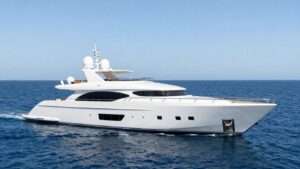
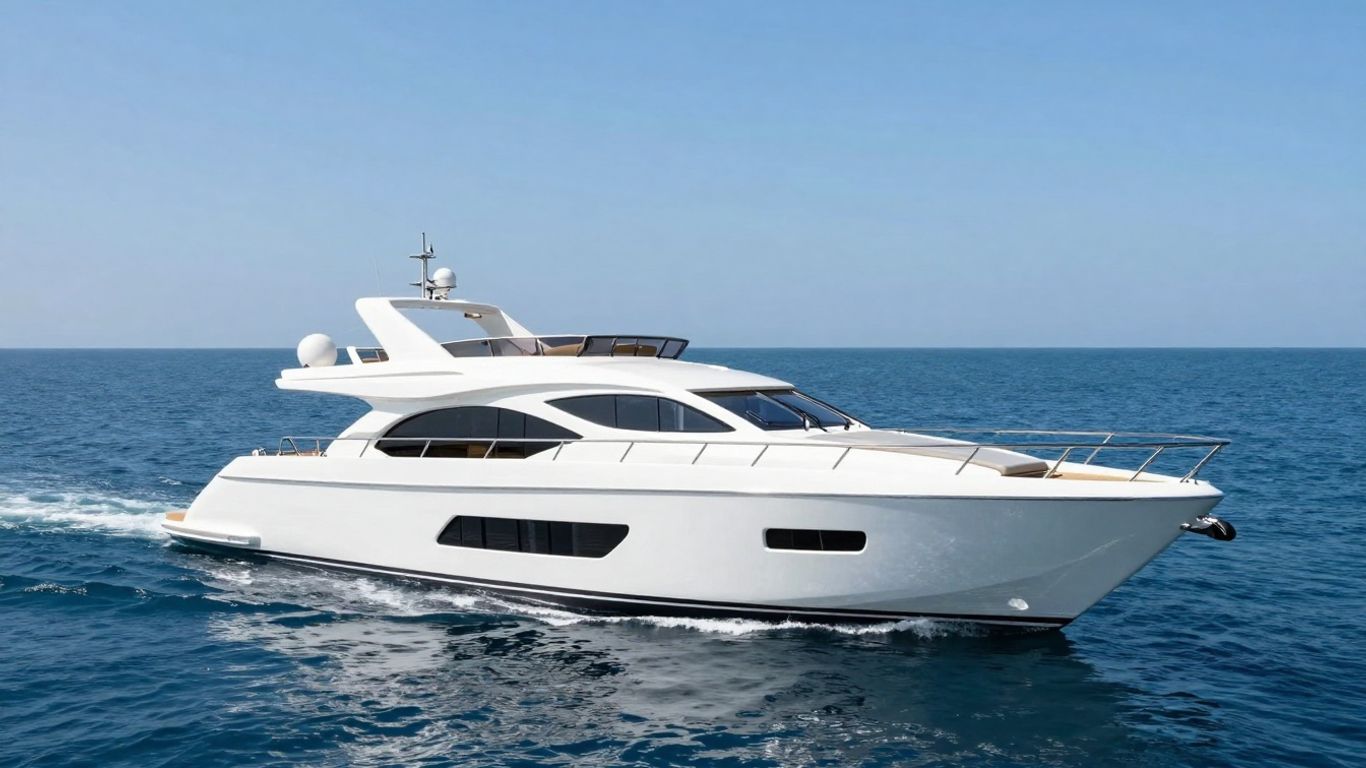
Thinking about getting a 40 foot yacht? It’s a big step, and honestly, the market has changed a lot. What used to be considered a large yacht is now just the starting point for many. We’re seeing incredible tech and eco-friendly options pop up, making even smaller boats feel super luxurious. This guide is here to help you figure out what’s what, from understanding the prices to actually finding the boat that fits your life. Don’t just jump in; let’s make sure you know what you’re getting into with your 40 foot yacht.
Key Takeaways
- When looking at a 40 foot yacht, remember that ‘luxury’ means different things now. It’s not just about size, but also about the quality of materials, the tech onboard, and how eco-friendly it is.
- Think about how you’ll actually use the yacht. Will it be for quick trips, long journeys, or entertaining guests? This will help you decide on the layout and performance features needed for your 40 foot yacht.
- Budgeting is more than just the sticker price. Factor in ongoing costs like maintenance, docking fees, insurance, and fuel for your 40 foot yacht. These add up quickly.
- Working with a good yacht broker can make the whole process of buying a 40 foot yacht much smoother. They know the market and can help you find the right boat and negotiate a fair price.
- Don’t skip the inspection! Always get a professional survey done on any 40 foot yacht you’re serious about. It can save you from costly surprises down the line.
Understanding the 40 Foot Yacht Market
Defining Luxury in Today's Yachting World
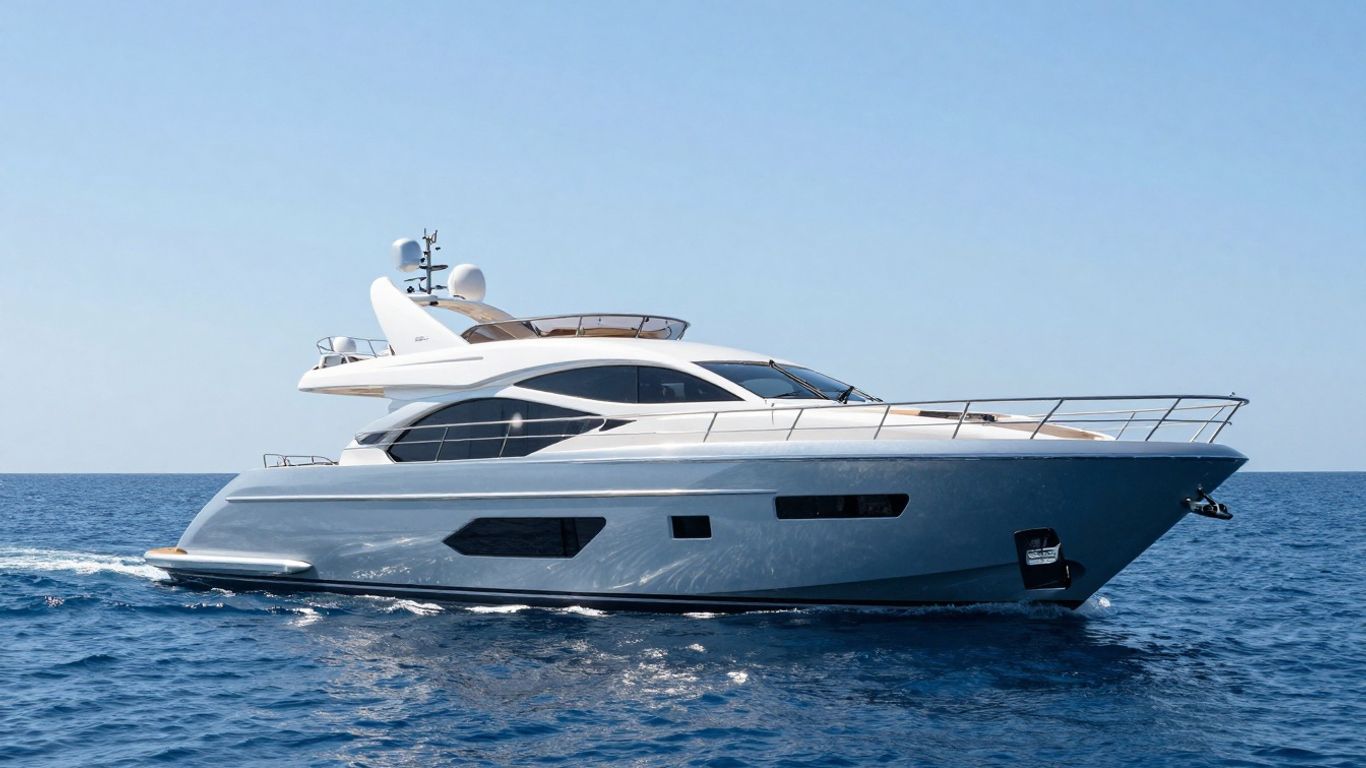
Forget what you thought you knew about luxury yachts. The definition has really shifted, especially in the 40-foot range. It’s not just about being big anymore; it’s about smart design, advanced tech, and how the boat makes you feel. We’re seeing builders pack incredible features into these mid-sized vessels, blurring the lines between what used to be considered a superyacht amenity and what’s now standard on a 40-footer. Think high-end finishes, clever storage solutions, and systems that make operating the boat easier, even for a couple.
The real luxury today is about intelligent use of space and cutting-edge technology that simplifies your life on the water. It’s about having a vessel that feels much larger than its footprint, offering comfort and capability without the overwhelming scale of a mega-yacht. This means looking beyond just the brand name and really examining the quality of the build, the materials used, and the overall design philosophy.
The Evolving Landscape of Yacht Ownership
Buying a yacht today is different than it was even five years ago. The market has seen some interesting shifts, and understanding these can help you find a great deal. For instance, the United States sailboat market has experienced a slight dip in sales recently, which can mean more options and potentially better prices for buyers. This trend suggests a market that’s becoming more favorable for those looking to purchase.
Here’s a quick look at some market indicators:
- Median Sold Price: Has seen a slight decrease.
- Time to Sell: Boats are taking longer to sell, giving buyers more negotiation power.
- Market Conditions: Generally shifting towards buyer advantages.
This evolving landscape means you have more room to explore different models and negotiate terms. It’s a good time to be a buyer, provided you do your homework.
Key Differentiators Beyond Size
When you’re looking at 40-foot yachts, size is just the starting point. What truly sets them apart are the details. You’ll find that manufacturers are really focusing on a few key areas to make their 40-footers stand out:
- Build Quality and Materials: Look for advanced composites or high-grade aluminum. Some builders are using materials previously found only on much larger, high-performance vessels. This impacts durability and performance.
- Technology Integration: How well are systems like navigation, entertainment, and climate control integrated? Are they intuitive and easy to use? Some yachts now offer impressive levels of automation.
- Layout and Usability: A well-designed interior can make a 40-footer feel spacious and functional. Consider how the saloon, cabins, and cockpit flow together. Does it suit how you plan to use the boat?
- Performance Characteristics: Is it designed for comfortable cruising, spirited sailing, or a bit of both? Engine options, hull design, and sail plans (if applicable) play a big role here.
Don’t get caught up solely on the length. A well-appointed 40-footer with smart features and excellent build quality can often provide a more enjoyable experience than a larger, less thoughtfully designed yacht. It’s about the quality of the experience, not just the dimensions on paper.
It’s also worth noting that the market for new yachts is seeing a lot of innovation, particularly in areas like sustainable energy and smart systems. These advancements are trickling down into the 40-foot segment, making them more appealing than ever.
Essential Features for Your 40 Foot Yacht
So, you’re looking at 40-footers and wondering what really matters? It’s not just about the length, is it? We need to talk about what makes a yacht truly functional and enjoyable for you. Let’s break down the nitty-gritty.
Performance and Cruising Capabilities
This is where the rubber meets the water, so to speak. A 40-foot yacht needs to be capable of handling what you want to do. Are you planning leisurely coastal hops, or do you dream of crossing bigger stretches of water? The hull design plays a big part here, affecting how smoothly it cuts through waves and how stable it feels. Engine power is another big one. You don’t want to be crawling along when you could be making good time. Think about fuel efficiency too; nobody likes stopping for gas more than they have to, and it adds up fast.
Here’s a quick look at what to consider:
- Hull Design: Deep-V for offshore comfort, flatter for speed and stability in calmer waters.
- Engine Options: Single vs. twin engines, horsepower ratings, and fuel types (gasoline or diesel).
- Speed: Cruising speed versus top speed – what’s realistic and what do you need?
- Range: How far can you go on a full tank of fuel? This dictates your cruising grounds.
The right balance of performance means you can get where you want to go, when you want to get there, without feeling like you’re fighting the sea.
Onboard Comfort and Layout Considerations
This is where you’ll be spending your time, so it needs to feel right. For a 40-footer, clever use of space is key. Think about how many people you’ll typically have aboard and what kind of living space you need. A good layout makes a huge difference. You want areas that flow well, from the salon to the galley and down into the cabins. Plenty of natural light and good ventilation make a boat feel much bigger and more pleasant.
Consider these layout points:
- Cabin Configuration: How many berths do you need? Are the cabins comfortable for overnight stays?
- Salon and Galley: Is there enough seating for guests? Is the kitchen functional for preparing meals?
- Head (Bathroom): Is it spacious enough? Does it have a separate shower stall or is it a wet head?
- Cockpit and Deck Space: Where will you relax outside? Is there enough room for entertaining or just lounging?
Advanced Safety and Navigation Systems
Safety is non-negotiable, plain and simple. Modern yachts come with some pretty impressive tech that makes being out on the water safer and easier. You’ll want reliable navigation tools so you always know where you are and where you’re going. Think GPS, radar, and depth sounders. Communication systems are also vital – VHF radio is standard, but consider satellite communication for longer trips. And don’t forget the basics: life jackets, flares, fire extinguishers, and bilge pumps. Having up-to-date safety equipment is just as important as having a good engine.
Key systems to look for:
- Navigation Suite: GPS, chartplotter, radar, autopilot, depth sounder.
- Communication: VHF radio, AIS (Automatic Identification System), optional satellite phone.
- Safety Gear: Life raft, life jackets, flares, first-aid kit, fire suppression system.
- Hull Integrity: Consider systems like hull monitoring or robust construction materials.
Navigating the Purchase Process
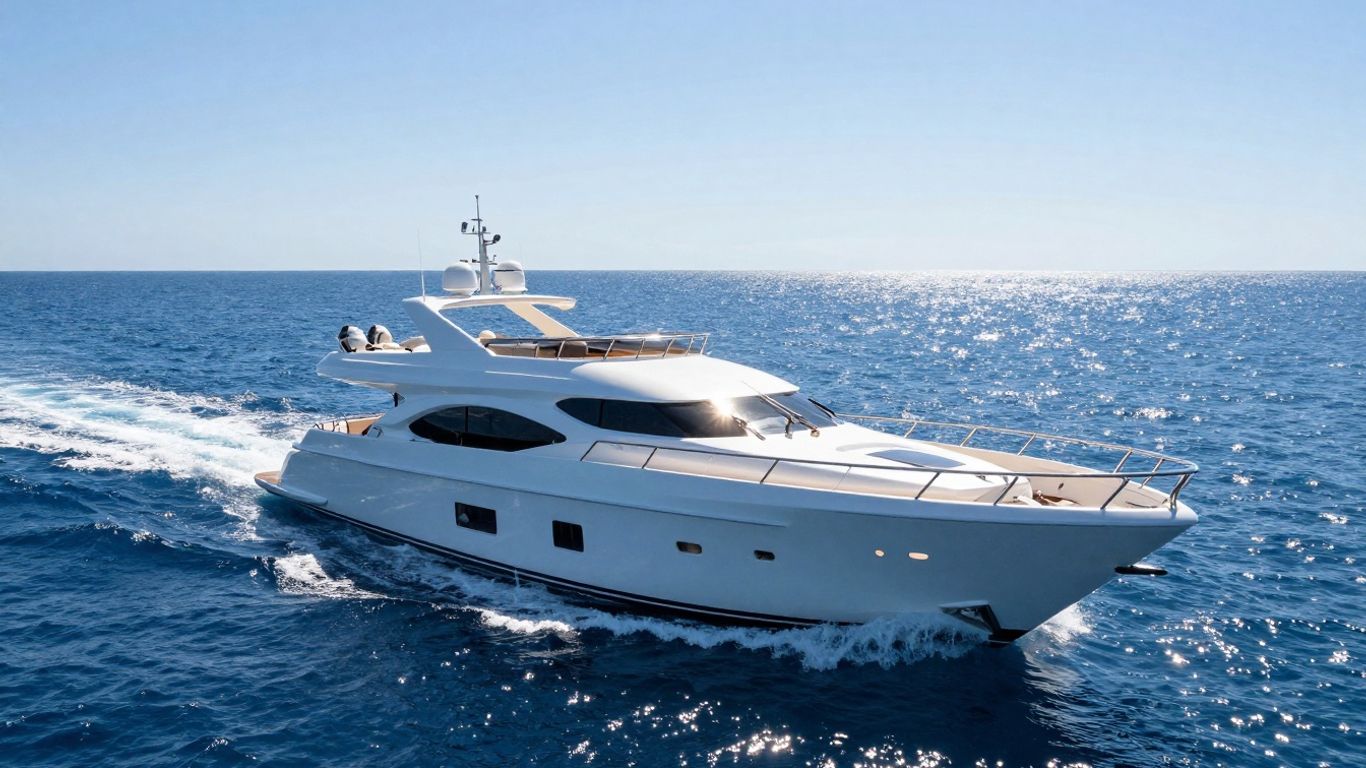
Buying a yacht, especially a 40-footer, is a big step. It’s not like picking out a car; there are more layers to it. Thinking about this process ahead of time can save you a lot of headaches later on. Let’s break down how to approach it.
Setting Your Realistic Budget
First things first, you need to know what you can actually spend. This isn’t just about the sticker price of the yacht. You’ve got to factor in all the other costs that come with owning a boat. Think about maintenance, docking fees, insurance, and even potential repairs down the line. It’s easy to get caught up in the dream yacht, but a solid budget keeps you grounded.
Here’s a quick look at what to consider:
- Purchase Price: The actual amount you pay for the yacht.
- Taxes and Fees: Registration, sales tax, and any other government charges.
- Insurance: Annual premiums can vary widely based on the yacht’s value and your cruising grounds.
- Maintenance: Regular engine servicing, hull cleaning, and general upkeep.
- Dockage/Mooring: Monthly or annual fees for where you’ll keep the boat.
- Contingency Fund: Money set aside for unexpected repairs or upgrades.
A well-planned budget isn’t just about affordability; it’s about ensuring you can actually enjoy your yacht without constant financial stress. It allows for a more relaxed ownership experience.
The Role of a Qualified Yacht Broker
Trying to buy a yacht on your own can feel like sailing without a compass. That’s where a good yacht broker comes in. They know the market, they have connections, and they can help you find suitable boats that might not even be listed publicly. A broker works for you, helping to guide the entire process, from finding the right vessel to negotiating the best deal. They are your advocate in what can be a complex transaction.
Brokers can help with:
- Identifying yachts that match your criteria and budget.
- Arranging viewings and sea trials.
- Advising on market value and negotiating the purchase price.
- Coordinating with surveyors and legal professionals.
- Handling the paperwork and closing procedures.
Conducting Thorough Vessel Inspections
Once you’ve found a yacht you like and agreed on a price, the inspection phase is super important. This is where you really get to know the boat’s condition. You’ll want to do a visual check yourself, looking for obvious issues like hull damage, worn-out sails, or problems with the engine. But don’t stop there.
It’s highly recommended to hire a professional marine surveyor. They have the tools and the know-how to spot problems you might miss. They’ll check everything from the structural integrity of the hull to the electrical systems and plumbing. A good survey report can give you peace of mind or highlight areas that need attention, which can be used in negotiations or help you decide if the purchase is still a good idea.
| Inspection Area | What to Look For |
|---|---|
| Hull and Deck | Cracks, blisters, signs of impact, general wear |
| Engine and Systems | Maintenance records, fluid leaks, operational noise |
| Electrical and Plumbing | Corrosion, leaks, proper function of fixtures |
| Interior | Mold, water damage, condition of upholstery/woodwork |
| Safety Equipment | Expiration dates, general condition of life vests etc. |
After the survey, you’ll get a detailed report. This document is key. It tells you the yacht’s condition and any recommended repairs. You can use this information to either ask the seller to fix things, reduce the price, or even walk away if the issues are too serious.
Exploring Different 40 Foot Yacht Models
So, you’ve got your eye on a 40-foot yacht. That’s a sweet spot, right? Big enough to feel substantial and comfortable for longer trips, but still manageable. The market for this size is pretty diverse, with builders really trying to pack a lot of value and features into this length. It’s not just about the length, though; it’s about what you plan to do with it.
Popular Brands and Their Offerings
When you start looking around, certain names pop up again and again. Brands like Azimut, Princess, and Sanlorenzo are well-known for their motor yachts in this size range, each with their own take on what makes a great 40-footer. Azimut, for instance, often focuses on sleek, modern designs and smart use of space. Princess tends to lean towards a more classic, robust build with a focus on comfort and stability. Sanlorenzo, on the other hand, is known for its semi-custom approach, allowing buyers to tweak layouts and finishes.
It’s worth noting that some builders might offer slightly different models that hover around the 40-foot mark, maybe 38 or 42 feet. Don’t dismiss them just yet! Sometimes a 38-footer feels more spacious than a competitor’s 40-footer, or a 42-footer might have the exact performance characteristics you’re after.
New vs. Pre-Owned Yacht Considerations
This is a big one. Buying new means you get the latest tech, a full warranty, and that new-boat smell. You can often customize it to your exact liking. But, of course, it comes with a higher price tag and immediate depreciation. A new 40-foot yacht could easily set you back anywhere from $500,000 to over $1 million, depending on the brand and options.
| Feature | New Yacht | Pre-Owned Yacht |
|---|---|---|
| Price | Higher initial cost, immediate depreciation | Lower initial cost, less depreciation |
| Technology | Latest advancements, full warranty | May require upgrades, warranty status varies |
| Customization | High degree of personalization | Limited to existing features, potential refits |
| Availability | Order times can be long | Immediate availability, wider selection |
Pre-owned yachts, however, can offer incredible value. You can often get a higher-spec boat for the same money as a base model new one. The key here is thorough inspection. You need to know the boat’s history, its maintenance records, and get a professional survey. A well-maintained 5-year-old yacht can be just as good, if not better in some aspects, than a brand-new entry-level model.
When looking at pre-owned boats, pay close attention to the engine hours and maintenance logs. A boat that’s been regularly serviced by professionals, even if it’s a bit older, is often a safer bet than a newer boat with a spotty maintenance history. It’s like choosing between a well-loved classic car and a brand-new car that’s never seen a mechanic.
Matching Yacht Features to Your Lifestyle
Think about how you’ll actually use the boat. Are you planning weekend getaways with your partner? Or do you envision hosting family and friends for longer cruises?
- Performance: If you love speed and covering distance quickly, look for models with powerful engines and perhaps a lighter hull construction. Some 40-footers can hit speeds of 30 knots or more.
- Comfort & Layout: For entertaining, you’ll want ample seating in the salon and cockpit, a good-sized galley, and perhaps multiple staterooms. A boat with a spacious flybridge or a large aft deck is great for guests.
- Cruising: If extended cruising is your goal, fuel efficiency becomes more important. Also, consider the tankage for fuel and water, and the quality of the navigation and safety equipment.
- Storage: Don’t forget about storage! Where will you keep your water toys, fishing gear, or extra provisions? Look for ample lockers and lazarettes.
Ultimately, the "best" 40-foot yacht is the one that fits your specific needs and desires. It’s a personal journey, so take your time exploring the options.
Financing and Ownership Costs
So, you’ve found the perfect 40-foot yacht. Awesome! But before you sign on the dotted line, let’s talk about the money side of things. It’s not just the sticker price; there are loans, insurance, and a whole bunch of ongoing expenses that can really add up. Understanding these costs upfront is key to enjoying your yacht without any nasty surprises.
Understanding Marine Financing Options
Getting a loan for a yacht is a bit different than a car loan. Lenders look at a few things, and the terms can vary. You’ll typically need a decent down payment, often around 20%, sometimes more for older boats. Loan terms can range from 5 to 20 years, depending on the age and value of the yacht. Interest rates fluctuate, so shop around and get pre-approved if you can. It’s also worth looking into specialized marine lenders; they often understand the nuances of yacht financing better than a standard bank.
Estimating Annual Operating Expenses
This is where people sometimes get a bit wide-eyed. Owning a yacht isn’t cheap, and the annual costs can be significant. Think of it like owning a house, but on the water and with more moving parts. Here’s a general idea of what you might face:
- Maintenance: This covers everything from routine engine checks and hull cleaning to bottom painting and unexpected repairs. Budgeting around 10% of the yacht’s purchase price annually for total operating costs is a good rule of thumb, though some owners find it’s even more.
- Dockage/Mooring: Where will your yacht live? Marina fees can be steep, especially in popular locations. Expect to pay anywhere from a few hundred to a few thousand dollars per night, or a substantial annual fee for a dedicated slip.
- Insurance: You’ll need hull insurance to cover damage to the vessel and P&I (Protection and Indemnity) to cover liability. Premiums are based on the yacht’s value and your cruising grounds.
- Fuel: Depending on how much you use your yacht and its engine size, fuel can be a major expense. A 40-footer might burn anywhere from 20 to 50 gallons per hour at cruising speed.
- Crew (if applicable): If you plan on having a captain, mate, or other crew, their salaries, benefits, and living expenses are a significant cost.
Here’s a rough breakdown of some common annual costs for a yacht in the 40-foot range (these are estimates and can vary wildly):
| Expense Category | Estimated Annual Cost (USD) | Notes |
|---|---|---|
| Routine Maintenance | $15,000 – $30,000 | Engine servicing, cleaning, minor repairs |
| Hull Cleaning/Bottom Paint | $5,000 – $15,000 | Depends on frequency and location |
| Insurance | $5,000 – $15,000 | Based on yacht value and coverage |
| Dockage/Mooring | $10,000 – $50,000+ | Highly location-dependent |
| Fuel | $10,000 – $30,000+ | Based on usage and engine type |
| Miscellaneous | $5,000 – $10,000 | Supplies, safety gear, etc. |
Remember, these figures are just a starting point. A thorough survey and discussions with current owners or brokers can give you a much clearer picture for the specific yacht you’re considering. Don’t forget to factor in a buffer for the unexpected – boats always seem to find a way to surprise you!
Tax Implications and Registration Benefits
Tax laws related to boat ownership can be complex and vary by state and country. In some places, you might be able to register your yacht in a state or territory with more favorable tax laws, potentially saving you money on sales tax or annual registration fees. If you plan to charter your yacht, there might be specific tax benefits or deductions available, but this often involves meeting certain operational requirements. It’s wise to consult with a tax professional who specializes in marine assets to understand all the implications and potential advantages based on your situation and where you plan to keep and operate your yacht.
Embracing Modern Yacht Technology
It’s pretty wild how much has changed in yacht tech, even just in the last few years. Forget clunky old controls; today’s 40-footers are packed with smart systems that make life on the water easier and more enjoyable. The integration of technology is no longer just a luxury, it’s becoming a standard expectation.
Sustainable Energy Solutions on Board
We’re seeing a big push towards greener options. Think solar panels built right into the deck or superstructure, not just tacked on. Hybrid propulsion systems are also becoming more common, cutting down on fuel use significantly. Some yachts even have systems that recapture waste heat, which is pretty clever. Plus, advanced water makers are super efficient now, giving you fresh water with less energy.
- Integrated solar panels
- Hybrid diesel-electric engines
- Waste heat recovery systems
- High-efficiency water makers
Smart Automation and Control Systems
This is where things get really futuristic. You can control a lot of the yacht’s functions with just your voice or a tablet. Imagine adjusting the lights, climate control, or even entertainment systems without lifting a finger. AI is even starting to help manage energy use automatically, making sure everything runs smoothly and efficiently. Predictive maintenance systems can also flag potential issues before they become big problems, which is a lifesaver.
The bridge of a modern yacht can look more like a spaceship cockpit than a traditional helm. With touchscreens everywhere and systems that talk to each other, operating a vessel has become incredibly intuitive, almost like playing a video game.
Innovations in Onboard Amenities
Beyond the tech that makes the boat run, the creature comforts are getting a serious upgrade too. We’re talking about entertainment systems that rival home theaters, with high-speed internet that actually works offshore. Some yachts are even starting to incorporate things like advanced air purification or smart glass that tints itself. It’s all about making your time on board as comfortable and connected as possible.
Your Dream Yacht Awaits
So, you’ve made it through the guide, and hopefully, you’re feeling a lot more confident about finding that perfect 40-foot yacht. It’s a big step, for sure, and there’s a lot to think about, from the latest tech to how much it’ll really cost to keep her running. Remember, this isn’t just about buying a boat; it’s about starting a whole new chapter of adventures on the water. Take your time, do your homework, and don’t be afraid to ask for help from the pros. Your ideal yacht is out there, just waiting for you to find it.
Frequently Asked Questions
What's the difference between a new and a used 40-foot yacht?
Buying a new yacht means you get the latest designs and technology, but it comes with a higher price tag and a longer wait. A used yacht can be more affordable and available sooner. However, you’ll need to be extra careful to check its condition and maintenance history to avoid unexpected problems.
How much should I budget for a 40-foot yacht?
The cost can vary a lot. A 40-foot yacht might range from a few hundred thousand dollars to over a million, depending on its age, brand, and features. Don’t forget to add costs for maintenance, insurance, docking fees, and fuel, which can add up quickly each year.
What are the most important features to look for in a 40-foot yacht?
Think about how you’ll use the yacht. If you plan on long trips, focus on fuel efficiency, comfortable living spaces, and reliable navigation systems. For shorter trips or entertaining, you might prioritize deck space and entertainment options. Safety features are always important, no matter how you plan to use it.
Is it better to hire a yacht broker?
Yes, a good yacht broker can be a huge help. They know the market well, can help you find suitable yachts, negotiate prices, and guide you through the complicated paperwork. They can save you time and potentially a lot of money, especially if you’re new to buying yachts.
What are the ongoing costs of owning a 40-foot yacht?
Owning a yacht involves more than just the purchase price. You’ll have yearly costs for things like insurance, docking or mooring fees, regular maintenance, cleaning, and fuel. These costs can add up to about 10-15% of the yacht’s purchase price each year.
Are there new technologies I should consider for a 40-foot yacht?
Absolutely! Many modern yachts offer smart systems for controlling lights, climate, and even docking. You can also find yachts with more eco-friendly options like solar panels or hybrid engines to reduce fuel use and environmental impact. These can make owning and operating your yacht more convenient and sustainable.