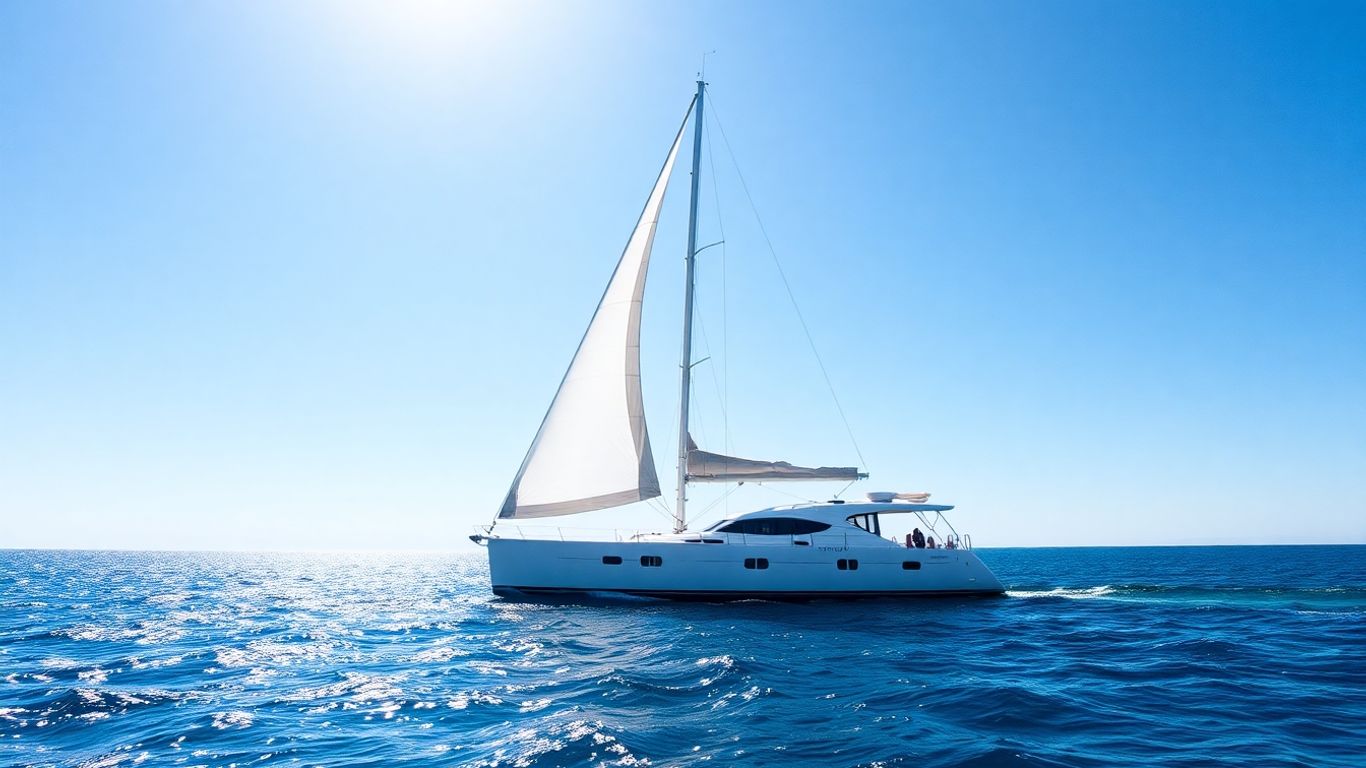
Thinking about getting a sailboat that’s around 40 feet? That’s a great size for a lot of different sailing plans. Whether you want to cruise along the coast, head out on longer trips, or just enjoy weekend sails with family and friends, a 40-foot boat can be just the ticket. Finding the right one, though, can feel like a big task. There are tons of options out there, from new models to used boats that have seen a lot of water. This guide will help you sort through it all to find a 40 foot sailboat for sale that fits what you’re looking for.
Key Takeaways
- A 40-foot sailboat is a versatile size, good for coastal cruising, offshore trips, and family outings.
- When looking for a 40 foot sailboat for sale, consider new versus pre-owned options, and also boats coming out of charter fleets.
- Check the boat’s hull design, interior comfort, and navigation tech to make sure it meets your needs.
- Understand financing options and the buying process, and don’t hesitate to get expert advice.
- Popular brands like Beneteau and Jeanneau often have 40-foot models that are well-regarded for different types of sailing.
Navigating the Market for a 40 Foot Sailboat For Sale
Understanding Your Sailing Needs
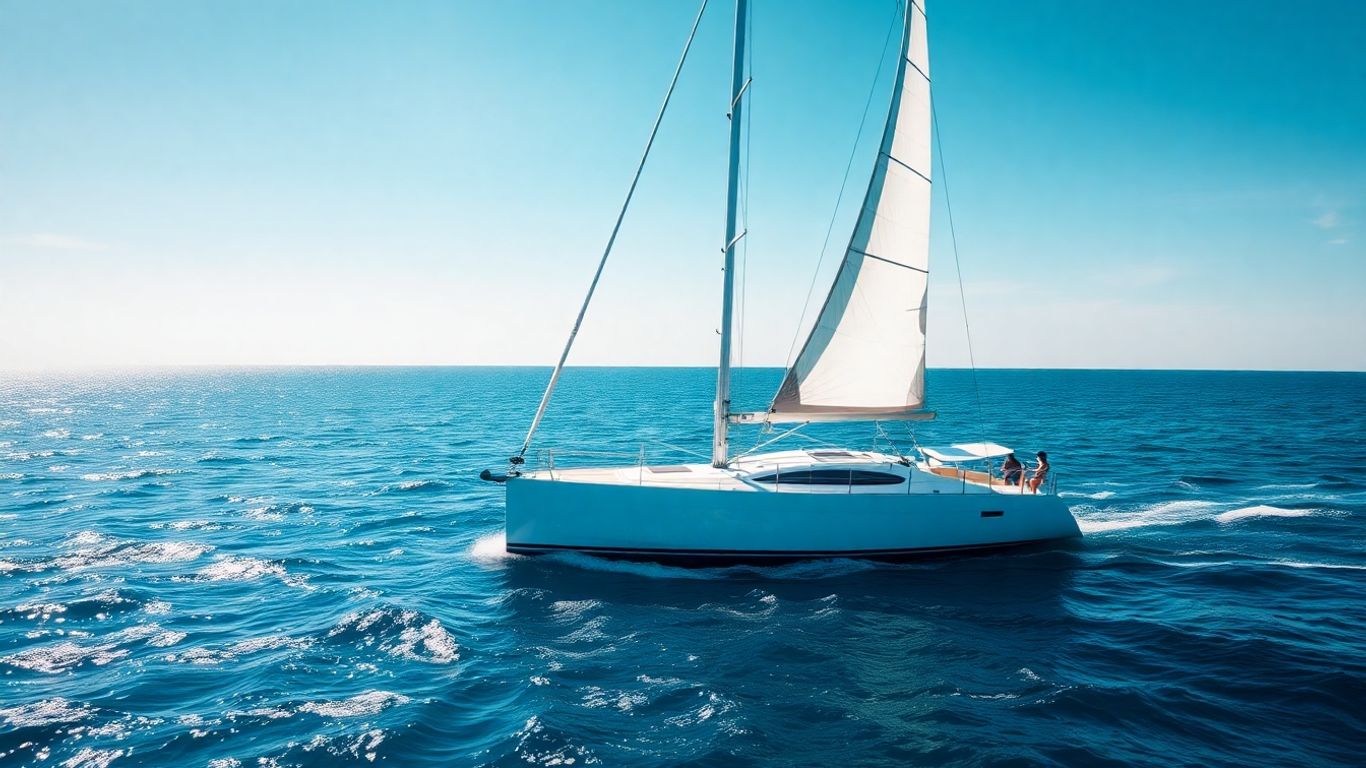
So, you’ve got your eye on a 40-foot sailboat. That’s a great size – big enough for comfort and serious cruising, but still manageable for a couple or a small family. Before you start clicking on every listing you see, it’s smart to think about what you actually want to do with your boat. Are you planning weekend trips to nearby coves, or are you dreaming of crossing oceans? This makes a big difference in the kind of boat you should be looking for.
Think about:
- Where will you sail? Coastal waters have different demands than the open ocean. If you’re sticking close to shore, a boat with a shallower draft might be appealing. For offshore work, you’ll want something more robust and with better sea-keeping abilities.
- Who will be sailing with you? Are you a solo sailor, a couple, or do you plan on bringing the whole family and friends along? This affects the number of cabins and heads you’ll need, as well as the overall living space.
- What’s your budget? This isn’t just about the purchase price. Remember to factor in ongoing costs like maintenance, insurance, mooring fees, and potential upgrades.
It’s easy to get caught up in the excitement of finding a boat, but taking a moment to really consider your sailing style and needs will save you a lot of headaches down the line. A 40-foot sailboat is a significant investment, and making sure it fits your lifestyle is key.
Key Features to Look For
When you’re looking at 40-footers, certain features really stand out. These can make a big difference in how you enjoy your time on the water.
- Hull Design: Some boats have a wider, flatter hull for more interior space and stability, especially on a mooring. Others have a more traditional, narrower hull shape that might perform better upwind. The Beneteau Oceanis 40.1, for example, has a flared hull design with steps, aiming for speed and interior volume.
- Rigging and Sails: Consider the type of rig (e.g., sloop, ketch) and the condition of the sails. A well-maintained set of sails can save you money initially.
- Cockpit Layout: This is where you’ll spend a lot of time. Look for comfortable seating, good access to winches, and a clear view of the instruments.
- Storage: Boats always need more storage than you think. Check out the lazarettes, lockers, and any dedicated spaces for sails, fenders, and gear.
Popular Brands and Models
In the 40-foot range, there are some well-known builders that consistently produce popular models. Brands like Beneteau and Jeanneau are frequently seen on the market, often with models like the Beneteau Oceanis 40.1 or the Jeanneau Sun Odyssey 409. These manufacturers tend to offer a good balance of comfort, performance, and value, making them solid choices for many sailors.
Here’s a quick look at some common types you might encounter:
| Manufacturer | Model Examples |
|---|---|
| Beneteau | Oceanis 40.1, Oceanis 38 |
| Jeanneau | Sun Odyssey 409, Sun Odyssey 389 |
Keep in mind that different models within a brand can have distinct characteristics, so it’s worth researching specific boats that catch your eye.
Exploring Top 40 Foot Sailboat Listings
New and Pre-Owned Options
When you start looking for a 40-foot sailboat, you’ll quickly see there’s a mix of brand-new models and plenty of pre-owned ones. New boats mean the latest designs, warranties, and that fresh-boat smell. They often come with modern systems and can sometimes be customized to your liking before delivery. However, they also come with the highest price tag, naturally.
On the other hand, the pre-owned market is where you can find some real gems. Many excellent 40-footers are available, often at a fraction of the cost of a new boat. This is especially true if you look at boats that have been part of charter fleets. These boats, like those from Beneteau and Jeanneau, are typically well-maintained because they’re someone’s business. They’ve seen a lot of use, sure, but they’ve also had regular upkeep and are often equipped with a good set of cruising gear already installed. It’s a smart way to get a lot of boat for your money, provided you do your homework on the specific vessel’s history and condition.
Charter Fleet Retirees
Boats retiring from charter fleets are a significant segment of the used market. Companies like The Moorings and Sunsail often sell their well-cared-for vessels after a few years of service. These boats are usually robustly built and come with a comprehensive equipment list suitable for cruising. They’ve been sailed regularly, meaning any potential issues are likely to have been addressed promptly. It’s a good idea to check the maintenance logs if available.
Here’s a look at what you might find:
- Jeanneau Sun Odyssey 349: Often found in charter fleets, these are popular for their balance of performance and comfort.
- Beneteau Oceanis 40.1: Known for its spacious interior and modern design, this model is also a common sight in charter operations.
- Dufour: While perhaps less common in large charter fleets, Dufour yachts are also available on the used market and are known for their build quality.
Purchasing a retired charter boat can be a fantastic way to get a well-equipped sailboat at a competitive price. These vessels have a known history of use and maintenance, which can be a significant advantage.
Brokerage Exclusives
Beyond charter boats, you’ll find many private listings through yacht brokers. These boats are often owned by individuals and may have seen less intensive use than charter boats. They can range from lightly sailed weekend cruisers to boats that have circumnavigated the globe. Brokers act as intermediaries, handling negotiations and paperwork. They can also provide insights into the boat’s history and condition, though it’s always wise to get an independent survey.
When looking at brokerage listings, consider:
- Boat Age and Model: Older boats might require more refitting, but can be excellent value.
- Previous Use: Was it a private cruiser, a racer, or used for bareboat charter?
- Location: Boats in certain climates might show more wear and tear than others.
- Asking Price vs. Market Value: Research comparable boats to ensure you’re getting a fair deal.
Evaluating the Condition and Value
So, you’ve found a few 40-footers that catch your eye. That’s great! But before you get too excited, we need to talk about really looking at the boat. It’s not just about how pretty she looks on the outside; it’s about what’s going on underneath and how she’s been treated.
Hull Design and Performance
The hull is basically the boat’s body, and its shape tells you a lot about how it will sail. Is it a deep, performance-oriented keel, or a shallower one for getting into more places? Think about where you plan to sail. A deeper keel usually means better stability and pointing ability upwind, but it limits where you can go. A shallower draft is more forgiving in shallow waters but might not perform as well in rough seas.
When you’re looking at a boat, check the hull for any signs of damage. Small dings are one thing, but look out for cracks, especially around the keel or rudder. Also, check the gelcoat – is it chalky, faded, or covered in blisters? While some blistering can be cosmetic, a lot of it might mean bigger problems.
Interior Comfort and Amenities
This is where you’ll be spending your time, so it needs to feel right. Open up every locker, check the bilge, and look for any signs of water intrusion or mold. A musty smell is a big red flag. Check the condition of the upholstery, the woodwork, and all the fixtures. Are things well-built, or do they feel flimsy and worn out?
Think about the layout. Does it suit your needs? How many people will you typically have aboard? A 40-footer can often sleep six or more, but how comfortable will they be? Check out the galley – is it functional? Is there enough storage? And don’t forget the heads (bathrooms); are they clean and well-maintained?
Navigational Technology
Modern sailing relies a lot on electronics. You’ll want to see what kind of navigation equipment is installed. Is it up-to-date, or is it ancient? A boat with a newer GPS, autopilot, and radar will save you a lot of money and hassle down the line. If the electronics are old, factor in the cost of upgrading them.
Here’s a quick rundown of what to look for:
- GPS/Chartplotter: Where is it located? Is the screen readable in sunlight?
- Autopilot: Is it a reliable brand? Does it look like it’s been serviced?
- VHF Radio: Essential for communication. Check if it has DSC (Digital Selective Calling).
- Depth Sounder & Speed Log: Basic but important for safe sailing.
- AIS (Automatic Identification System): Increasingly important for collision avoidance.
Don’t just take the seller’s word for it. If possible, see if the electronics are powered up and functioning. Even better, if you get a sea trial, test them out. Old, unreliable electronics can be a real headache and a safety concern.
When you’re evaluating a boat, remember that condition and age don’t always tell the whole story. A well-maintained older boat can be a much better buy than a neglected newer one. Always get a professional survey before you commit to buying.
Making the Purchase of Your Dream Sailboat
Financing Your Investment
So, you’ve found the perfect 40-foot sailboat. That’s fantastic! Now comes the part where we talk about making it yours. Financing is a big piece of the puzzle for most people. You’ve got a few main routes to consider. There are specialized marine lenders who understand boats, and then there are more general banks or credit unions. Sometimes, if you’re buying from a broker, they might have relationships with lenders that could make things smoother. It’s worth shopping around to see who offers the best rates and terms for your situation. Don’t forget to factor in potential down payments and the overall loan term.
The Buying Process
Buying a sailboat isn’t quite like buying a car. It involves a few more steps to make sure you’re getting a solid vessel. Once you’ve agreed on a price, the next big step is usually a professional survey. This is where an experienced marine surveyor checks out the boat from top to bottom – hull, rigging, engine, systems, everything. It’s a really important step to catch any hidden problems. After the survey, you’ll likely finalize the purchase agreement, which might involve a deposit. Then comes the actual transfer of ownership, registration, and insurance. It can feel like a lot, but taking it step-by-step makes it manageable.
Here’s a general rundown:
- Make an Offer: Based on your research and the boat’s condition.
- Survey: Hire a qualified marine surveyor to inspect the boat.
- Negotiate: Address any issues found during the survey.
- Finalize: Complete the purchase agreement, pay the balance, and transfer ownership.
- Insurance & Registration: Get your boat insured and registered.
Expert Guidance and Support
Don’t feel like you have to go it alone. There are plenty of professionals who can help make this process easier. A good yacht broker can be incredibly helpful, guiding you through listings, negotiations, and paperwork. They know the market and can often find boats that aren’t widely advertised. Similarly, a marine surveyor is your eyes and ears when it comes to the boat’s actual condition. Even a good marine mechanic can offer insights if you’re less familiar with engines. Getting advice from people who know boats can save you a lot of headaches and money down the line.
Remember, buying a sailboat is a significant investment, and it’s okay to take your time and ask for help. The goal is to end up with a boat you love and that’s safe for your adventures.
Finding Your Ideal 40 Foot Sailboat
So, you’ve decided a 40-foot sailboat is the way to go. That’s a great size, offering a good balance of space, performance, and manageability. But how do you actually find the right one for you? It really comes down to what you plan to do with it. Are you thinking of weekend trips along the coast, or are you dreaming of crossing oceans? Maybe you want to take the whole family or a bunch of friends out for a day sail. Thinking about these things will help narrow down your search considerably.
Coastal Cruising Capabilities
If your sailing adventures are mostly going to be within sight of land, you’ll want a boat that’s comfortable and easy to handle in more sheltered waters. Look for features like a good-sized cockpit for relaxing, ample storage for all your gear, and perhaps a shallower draft if you plan on exploring bays and inlets. A boat that’s easy to maneuver in marinas is also a big plus.
- Comfortable Cockpit: Plenty of seating space for guests and easy access to controls.
- Storage Solutions: Enough room for fenders, lines, safety gear, and provisions.
- Maneuverability: Good turning radius and responsive steering, especially under power.
- Draft: A shallower draft allows access to more anchorages and shallower cruising grounds.
Offshore Adventure Readiness
For those with bigger horizons in mind, an offshore-ready 40-footer needs to be built a bit tougher. You’ll want to pay attention to the hull construction, the quality of the rigging, and the overall seaworthiness. Systems like watermakers, robust autopilots, and reliable power generation become more important when you’re far from shore. A well-found boat for offshore work will feel solid and secure, even in rougher conditions.
Here’s a quick look at what to consider:
| Feature | Importance for Offshore | Notes |
|---|---|---|
| Hull Strength | High | Look for solid construction, no signs of damage. |
| Rigging | High | Stainless steel, well-maintained. |
| Autopilot | High | Reliable and powerful enough for the boat. |
| Watermaker | Medium | Great for extended passages. |
| Fuel Capacity | Medium | Longer range between refuels. |
Family and Friend Accommodations
Whether it’s for coastal hops or longer voyages, how the boat accommodates people is key. A 40-foot sailboat typically offers two or three cabins. Think about the layout: Is there a comfortable saloon area for everyone to gather? How many heads (bathrooms) are there? Good ventilation and natural light below deck make a big difference, especially if you’re planning on having guests aboard for extended periods. A well-equipped galley is also a must for preparing meals for a crowd.
When you’re looking at boats, try to imagine yourself living aboard for a week or two. Does the space feel right? Can you move around easily? Are there places for everyone to have their own space when needed, but also areas to come together?
Ready to Set Sail?
So, you’ve been thinking about getting a 40-foot sailboat. It’s a big decision, for sure, but also a really exciting one. Whether you’re dreaming of quiet weekends on the water or planning longer trips, finding the right boat is the first step. There are tons of options out there, from speedy racers to comfy cruisers, and many are waiting for their next owner. Take your time, do your research, and picture yourself out on the waves. Your perfect adventure is out there, just waiting for you to find it.
Frequently Asked Questions
What makes a 40-foot sailboat a good choice?
A 40-foot sailboat is often considered a sweet spot. It’s big enough for comfortable living and sailing, even for longer trips with family or friends, but not so large that it becomes difficult to handle or expensive to maintain. Many models offer a good balance of performance and comfort.
Where can I find 40-foot sailboats for sale?
You can find them on various online boat marketplaces like Boat24, through yacht brokers who specialize in sailboats, or by looking at boats being retired from charter fleets. Sometimes, private sellers also list their boats.
What should I look for in a used 40-foot sailboat?
When buying used, check the hull for any damage, make sure the sails are in good shape, and inspect the engine and all systems. Also, consider how well the interior is maintained and if the navigation equipment is up-to-date. A survey by a professional is always a good idea.
Are charter boat retirees a good deal?
Often, yes! Boats coming out of charter have been professionally maintained and regularly serviced. While they might show signs of use, they are typically well-equipped and can offer great value for their price. They’ve often sailed in good weather and had consistent upkeep.
What's the difference between a new and a pre-owned 40-foot sailboat?
New sailboats come with the latest designs and technology, and of course, no prior wear and tear. Pre-owned boats, however, can be much more affordable. You might find a well-maintained used boat with upgrades already installed, saving you money and time.
How do I know if a 40-foot sailboat is right for my sailing plans?
Think about where you want to sail. Some 40-footers are designed for easy coastal trips, while others are built to handle rougher, open-sea voyages. Consider how many people will usually be on board and what kind of comfort you need. Looking at the boat’s design, like its hull shape and rigging, can tell you a lot about its intended use.