Thinking about a Greek island adventure in 2025? Forget crowded hotels and fixed schedules. Imagine waking up to the gentle rocking of a boat, with nothing but blue sea and sunshine ahead. Chartering a boat in Greece offers a unique way to see the islands, letting you set your own pace and discover hidden spots. It might sound fancy or complicated, but it’s more accessible than you think. Let’s dive into what makes Greek charter boats the perfect way to explore this amazing part of the world.
Key Takeaways
- Chartering a boat in Greece lets you explore the stunning archipelago at your own pace, offering a unique and flexible holiday experience.
- Different boat types, like catamarans, crewed motor yachts, and bareboat sailboats, cater to various preferences, from comfort and speed to complete freedom.
- Popular sailing regions include the Cyclades, Ionian Sea, and Dodecanese Islands, each offering distinct charm and sights.
- Planning is key: consider your itinerary, departure port (Athens is a common starting point), and realistic sailing times to maximize your trip.
- When planning, compare charter costs to land-based holidays and be mindful of the best times to visit Greece to avoid strong winds and enjoy pleasant weather.
Discovering Your Dream Greek Charter Boats
Why Charter A Boat In Greece?
Thinking about a Greek vacation in 2025? Forget the crowded beaches and packed tourist spots. Chartering a boat offers a completely different way to see this amazing country. It’s like having your own floating hotel, but with a view that changes every single day. Imagine waking up to the gentle rocking of the waves, stepping onto your deck with a coffee, and deciding, on a whim, to sail to a secluded cove for a morning swim. That’s the kind of freedom a charter boat gives you. It’s not just about getting from point A to point B; it’s about the journey, the discoveries, and the sheer joy of being out on the water.
The Allure Of The Greek Archipelago
Greece, with its thousands of islands scattered across the Aegean and Ionian Seas, is practically made for boat exploration. Each island has its own personality, from the iconic white-washed villages of the Cyclades to the lush, green landscapes of the Ionian. You can hop between islands, each offering unique history, culture, and stunning natural beauty. One day you might be exploring ancient ruins that whisper tales of gods and heroes, and the next, you could be diving into crystal-clear waters teeming with marine life. It’s a chance to see Greece not just as a tourist, but as an explorer.
A Unique And Educational Holiday
Chartering a boat isn’t just a relaxing getaway; it can be incredibly educational, especially for families. Kids (and adults!) get a hands-on lesson in geography, history, and even a bit of meteorology as they learn about the winds and currents. Plus, there’s the teamwork involved in sailing, the responsibility of looking after a vessel, and the simple wonder of seeing a sky full of stars far from city lights. It’s a holiday that creates lasting memories and teaches valuable lessons without feeling like school. You’re not just visiting places; you’re experiencing them in a way that’s both fun and enriching.
Planning Your Greek Charter Boat Adventure
So, you’re thinking about a Greek boat charter for 2025? Awesome! It’s a fantastic way to see the islands, but like any trip, a little planning goes a long way. Let’s clear up some common worries and get you set up for an amazing adventure.
Dispelling Charter Myths
There’s this idea out there that chartering a boat is only for the super-rich or seasoned sailors. Honestly, that’s just not true anymore. Prices have become way more accessible, and you don’t need to be a captain to enjoy it. You can absolutely have an incredible, personalized holiday without breaking the bank or needing years of sailing experience. Whether you want to be hands-on or just relax, there’s a charter option for you. It’s about experiencing Greece in a unique way, away from the usual tourist spots.
The freedom of having your own vessel means you’re not tied to a fixed schedule. You can linger longer at a beautiful cove or change course if the wind whispers a different suggestion. This flexibility is part of the magic.
Setting Your Own Itinerary
This is where the real fun begins! Unlike a cruise ship, you get to decide where you go and what you do. Think about what you want most from your trip: quiet beaches, historical sites, lively towns, or maybe a bit of everything? You can create a list of must-see islands and then figure out the best way to link them up. It’s a good idea to have a few backup options too, just in case the weather doesn’t cooperate. Planning a sailing yacht charter can be a complex but rewarding travel experience. This guide provides essential tips and information to help you organize your sailing trip here.
Here’s a simple way to start thinking about your route:
- Choose your sailing region: Are you drawn to the iconic windmills of the Cyclades, the lush landscapes of the Ionian, or the historical depth of the Dodecanese?
- Pick your departure port: Major hubs like Athens offer easy access, but smaller ports can provide a more intimate start.
- List your desired islands: What are the top spots you absolutely want to visit?
- Estimate travel times: Factor in how long it takes to sail between islands. This helps you be realistic about how many places you can visit comfortably.
Choosing Your Departure Port
Where you start your journey can really shape your experience. Athens, with its major marinas like Alimos, is a popular choice because it’s easy to get to and offers access to both the Saronic Gulf and the Cyclades. Other ports, like Lefkas in the Ionian or Rhodes in the Dodecanese, put you right in the heart of those specific regions. Think about what you want to see first and how much travel time you want at the beginning of your trip. Some people prefer to start in a quieter spot to ease into their holiday, while others want to jump right into the action.
| Region | Popular Departure Ports | Initial Island Access |
|---|---|---|
| Cyclades | Athens, Paros, Mykonos | Mykonos, Santorini, Naxos, Paros |
| Saronic Gulf | Athens | Aegina, Poros, Hydra, Spetses |
| Ionian Sea | Corfu, Lefkas, Preveza | Paxos, Kefalonia, Zakynthos, Ithaca |
| Dodecanese | Rhodes, Kos | Symi, Patmos, Kalymnos, Kastellorizo |
Navigating Greece's Stunning Sailing Regions
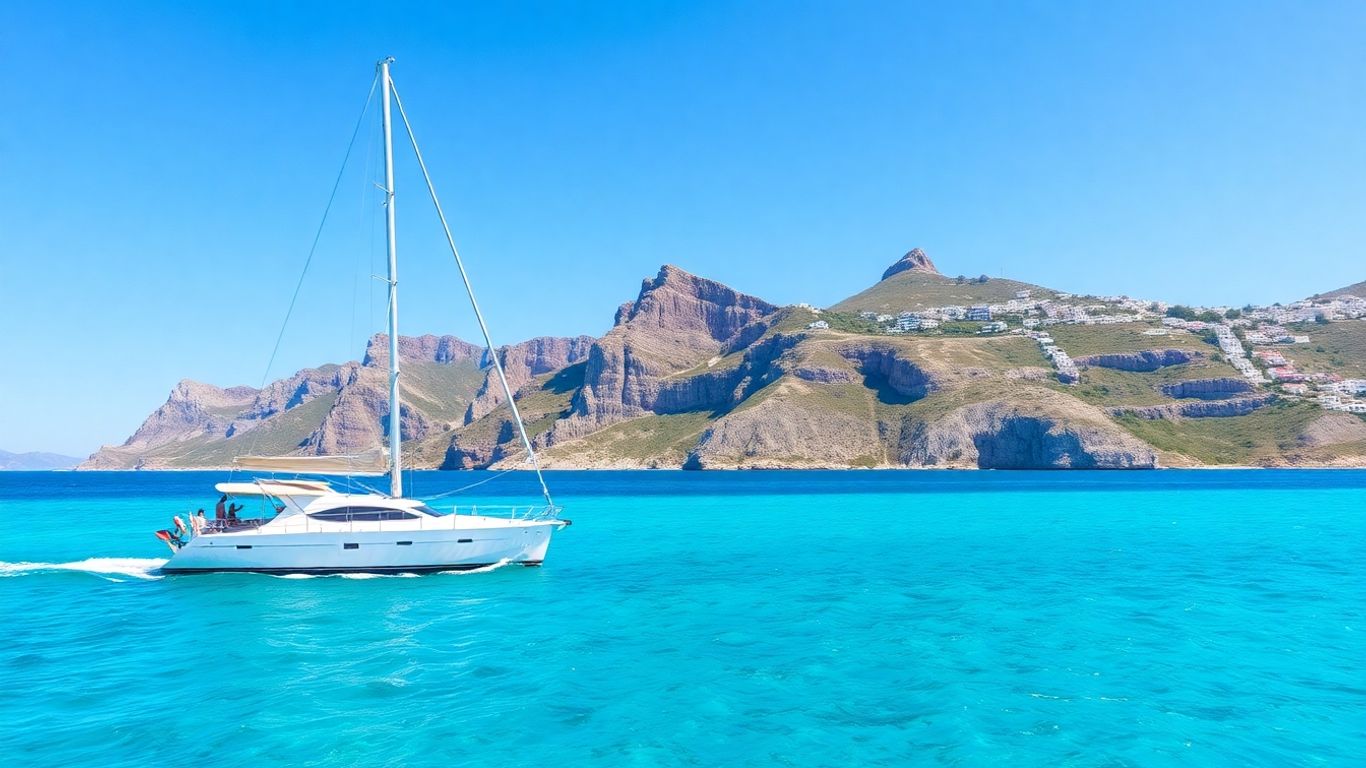
Greece is basically a giant playground for anyone who loves the sea, and picking the right spot to sail can make all the difference. Each region has its own vibe, its own look, and its own set of islands just begging to be explored. It’s not just about hopping from one island to another; it’s about experiencing the unique character of each sailing area.
The Cyclades and Saronic Gulf
The Cyclades are probably what most people picture when they think of Greek islands – those iconic white-washed villages clinging to hillsides, windmills, and that endless blue sea. Islands like Mykonos and Santorini are famous, sure, but there are dozens more, each with its own charm. You’ll find plenty of places to drop anchor and swim in crystal-clear waters. The sailing here can be a bit more adventurous, especially when the Meltemi winds pick up in the summer, so it’s good to be prepared. It’s a fantastic area for those who want a mix of lively spots and quiet coves.
Close to Athens, the Saronic Gulf offers a more sheltered and perhaps gentler introduction to Greek sailing. Islands like Hydra, Spetses, and Aegina are easily accessible and offer a different feel. Hydra, for instance, is car-free, giving it a really unique, peaceful atmosphere. The proximity to the mainland means shorter sailing times between islands, which is great if you’re on a tighter schedule or just prefer a more relaxed pace. You can find great yacht charter deals in Greece here, often with more options for different boat types.
The Ionian Sea's Charm
Head over to the west coast, and you’ll find the Ionian Sea. This region feels a bit greener and more lush than the Cyclades, with islands like Corfu, Lefkada, Kefalonia, and Zakynthos. The sailing here is generally calmer, with less intense winds, making it a top choice for families or less experienced sailors. You’ll discover beautiful beaches, charming Venetian architecture in towns like Corfu Town, and plenty of natural harbors. It’s a region that feels a bit more laid-back, perfect for soaking in the scenery and enjoying leisurely days on the water.
Exploring the Dodecanese Islands
Further east, closer to Turkey, lie the Dodecanese Islands. This group includes popular spots like Rhodes and Kos, but also many lesser-known gems. The Dodecanese offer a rich history, with medieval castles and ancient ruins scattered throughout. The sailing distances can be a bit longer here, but the reward is exploring islands with a distinct cultural blend, influenced by centuries of different rulers. You’ll find a mix of lively towns and quiet, traditional villages. It’s an area that really lets you step back in time while enjoying the beautiful Aegean waters.
Each sailing region in Greece offers a distinct experience. Whether you’re drawn to the stark beauty and lively atmosphere of the Cyclades, the sheltered tranquility of the Saronic Gulf, the verdant landscapes of the Ionian, or the historical richness of the Dodecanese, there’s an island group perfectly suited to your charter adventure. Planning which region to explore first is part of the excitement of creating your dream Greek sailing holiday.
Selecting The Perfect Greek Charter Boat
So, you’ve decided a Greek sailing adventure is on the cards for 2025. Awesome! Now comes the fun part: picking the right boat. It’s not just about picking the prettiest one; it’s about finding the vessel that fits your crew, your vibe, and your dream itinerary. Think of it like choosing your home for the week – you want it to be just right.
The Advantages Of Catamaran Charters
Catamarans are super popular for a reason, especially in Greece. They’ve got two hulls, which means they’re way more stable than a monohull sailboat. This translates to less heeling (that sideways tilt) when you’re sailing, making for a more comfortable ride, particularly if you’ve got folks on board who get a bit queasy. Plus, they offer a ton of deck space and living area. You get separate sleeping cabins, often with their own bathrooms, and a big, open saloon that feels more like an apartment than a boat. This makes them great for groups or families who want a bit more privacy and room to spread out. They also tend to have a shallower draft, which can be handy for getting into those smaller, more secluded coves.
Crewed Motor Yachts For Speed And Space
If your idea of a Greek holiday involves covering more ground and enjoying a bit more luxury with less effort, a crewed motor yacht might be your ticket. These boats are built for speed, meaning you can hop between islands much faster than on a sailboat. Imagine breakfast in one bay and lunch in another, miles away. They come with a professional crew – captain, chef, deckhands – who handle everything from plotting the course to preparing gourmet meals and keeping the yacht spotless. This means you can truly relax and soak it all in. The interior spaces are often lavish, with multiple lounging areas, spacious staterooms, and all the amenities you could wish for. It’s the ultimate way to experience the Greek islands without lifting a finger, letting you discover the best Greek yacht charters for 2025.
Bareboat Sailing For Ultimate Freedom
For those who have sailing experience and crave complete control over their adventure, a bareboat charter is the way to go. You’re essentially renting the boat, and you and your crew are in charge of everything – sailing, navigating, planning the route, and cooking. This offers unparalleled freedom to chart your own course, change plans on a whim, and truly immerse yourselves in the sailing lifestyle. You can choose from a variety of sailboats, from smaller, nimble vessels to larger yachts, depending on your group size and experience. It’s a fantastic option if you’re looking for an authentic, hands-on sailing experience and want to feel like a true explorer of the Aegean.
When choosing your boat, think about the kind of holiday you want. Are you after speed and service, or do you prefer the quiet satisfaction of sailing yourself? Consider the size of your group and how much space you’ll all need. Don’t forget to factor in the type of sailing you’ll be doing – some areas are better suited to certain boat types.
Here’s a quick rundown to help you decide:
- Catamarans: Great for stability, space, and comfort. Ideal for families and groups who want to relax.
- Crewed Motor Yachts: Perfect for speed, luxury, and a hassle-free experience with a professional crew.
- Bareboat Sailboats: The choice for experienced sailors who want total freedom and control over their journey.
No matter which you choose, the Greek islands are waiting to be explored. It’s all about finding the boat that makes your trip unforgettable.
Embarking On Your Greek Charter Journey
So, you’ve picked your boat and maybe even your sailing region. Now comes the exciting part: actually getting started! It’s not as complicated as it might seem, and with a little planning, you’ll be out on the water before you know it.
Starting Your Adventure From Athens
Athens is a super popular jumping-off point for Greek boat charters, and for good reason. It’s a major international hub, so getting there is usually pretty straightforward. Plus, it puts you right on the doorstep of some fantastic sailing grounds, like the Saronic Gulf. Most charters will have you meet at a specific marina, often Alimos Marina, which is a big sailing hub just south of the city. You’ll typically do a check-in process, get acquainted with your boat, and go over any paperwork. Don’t underestimate the importance of this initial briefing – it’s where you’ll learn the ins and outs of your specific vessel.
The Saronic Gulf's Tranquil Waters
If you’re starting from Athens, the Saronic Gulf is often your first taste of Greek island hopping. It’s a great choice for beginners or those looking for a more relaxed pace. The islands here are relatively close together, meaning shorter sailing times and more time for exploring. Think charming port towns like Aegina, the picturesque fishing village of Perdika, and the historic island of Poros. You can easily spend a week here and feel like you’ve seen a good chunk of it without feeling rushed.
Navigating With A Skipper
Now, if you’re not a seasoned sailor or just want to kick back and enjoy the scenery, hiring a skipper is a game-changer. These guys are the real deal – they know the waters like the back of their hand, can suggest the best hidden coves, and handle all the tricky bits of sailing. It takes a lot of the stress out of the equation, allowing you to truly relax and soak it all in. They’re also a fantastic source of local knowledge, pointing you towards the best tavernas or historical sites you might otherwise miss.
Here’s a quick look at what a skipper typically handles:
- Sailing the boat: This is their main gig, obviously. They’ll manage the sails, engine, and general movement of the yacht.
- Anchoring and docking: They’ll find safe spots to anchor and expertly maneuver into tight marina berths.
- Route planning: While you can have input, they’ll often suggest the best routes based on weather and your preferences.
- Local insights: They know the best places to eat, swim, and explore.
Hiring a skipper doesn’t mean you lose control of your holiday. It’s more like having a highly skilled captain who works with you to create the perfect experience. You still decide where you want to go, but they make sure you get there safely and smoothly.
Maximizing Your Greek Charter Boat Experience
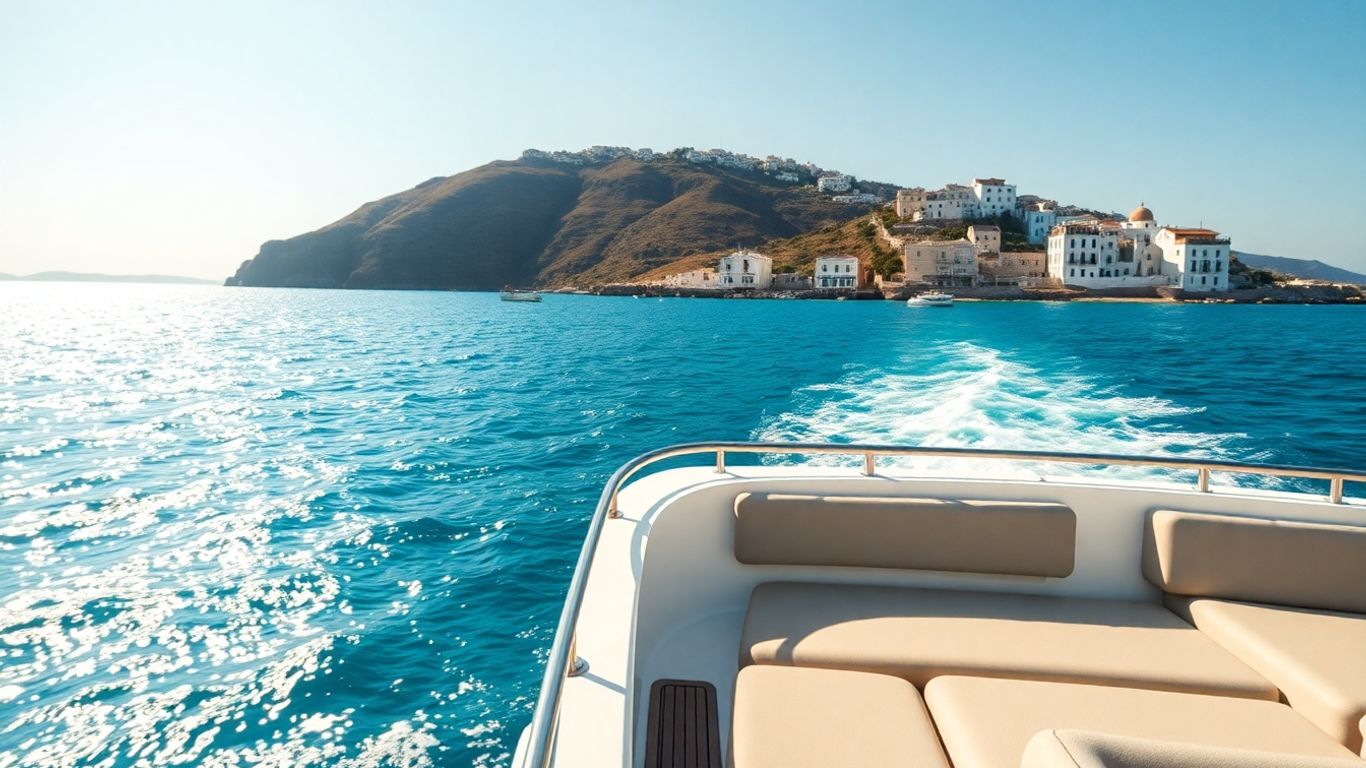
So, you’ve picked your boat, your route, and you’re ready to set sail. Awesome! But how do you make sure this trip is absolutely epic, not just good? It’s all about being smart with your time and what you want to get out of it. Think of it like packing for a trip – you want to bring the right stuff and plan your days so you don’t miss anything important.
Flexibility and Weather Considerations
Let’s be real, the weather in Greece can be a bit unpredictable, especially if you’re sailing during certain times of the year. The Meltemi winds in the Aegean, for instance, can really change your plans. Don’t be a slave to a rigid schedule; embrace the freedom your charter offers. If the wind picks up in one area, maybe it’s the perfect time to explore a sheltered bay you hadn’t planned on, or perhaps head to a different island group altogether. Your skipper, if you have one, will be your best friend here. They know the local conditions and can suggest the best alternatives. It’s better to have a slightly adjusted plan that’s safe and enjoyable than to stick to a plan that puts you in rough seas.
Realistic Itinerary Planning
It’s tempting to cram as many islands as possible into your trip, but trust me, you’ll thank yourself later if you don’t. Trying to see everything means you’ll spend more time traveling and less time actually enjoying the places you visit. Think about what you really want to do. Is it swimming in secluded coves? Exploring ancient ruins? Enjoying long, lazy lunches at waterfront tavernas? Pick a few key experiences for each island or region and allow ample time for them. Remember, the journey between islands is part of the experience too – the views, the sea air, the feeling of being out on the water.
Here’s a way to think about it:
- Prioritize: What are your must-sees and must-dos?
- Pace Yourself: Don’t overschedule. Allow for spontaneous stops and relaxation.
- Consider Travel Time: Factor in how long it actually takes to get from point A to point B, including anchoring and docking.
- Build in Downtime: You’re on vacation! Make sure there’s time to just chill on deck or swim off the boat.
Sailing Hours and Activities
When you’re on a charter, you have a lot of options for how you spend your day. You can be an early bird and get out on the water as soon as the sun rises, covering a good distance before breakfast. Or, you might prefer to sleep in a bit, enjoy a leisurely morning, and then set sail for a shorter hop to a nearby bay. The beauty of a charter is that you decide. If you have a skipper, they can help you make the most of your sailing time, suggesting the best spots for swimming, snorkeling, or even fishing. Many boats come equipped with water toys like paddleboards or kayaks, so be sure to check what’s available and plan some fun activities. Don’t forget to factor in time for exploring the islands themselves – wandering through charming villages, visiting local markets, or simply finding a quiet spot to watch the sunset. It’s a balance between enjoying the sea and experiencing the culture of the places you visit.
Understanding Charter Costs And Timing
Comparing Charter Costs To Land-Based Holidays
Lots of people think chartering a boat in Greece is out of reach financially. It’s easy to see a price tag and immediately think it’s too expensive, especially if you haven’t really broken down what a land-based holiday costs. Before you even look at boat prices, try figuring out what a similar trip on land would run you. Think about accommodation, food, getting around, ferry tickets – all that stuff. Once you have that number, you can actually compare it to chartering. It might surprise you how affordable a boat trip can be when you look at it this way. Remember, chartering gives you freedom to find quiet beaches, swim wherever you like, sleep under the stars, and visit the islands on your own schedule. That’s a lot of value you don’t get from a hotel room.
The Best Times To Charter In Greece
When you decide to go makes a big difference, especially with the weather. The main sailing season runs from May through October.
- May and June: Generally pleasant weather, fewer crowds, and the sea is warming up nicely.
- July and August: Peak season. It’s hot, busy, and prices can be higher. This is also when the famous Meltemi winds can pick up, especially in the Cyclades.
- September and October: Still warm, but with fewer people. The sea is at its warmest, and the winds are often more predictable.
April can be a bit chilly, and November is usually too late for comfortable sailing for most people.
Navigating Seasonal Winds
Greece has some pretty consistent winds, and you’ll hear a lot about the ‘Meltemi’. This is a strong, dry northerly wind that blows in the Aegean, particularly from July to September. It can make sailing challenging, especially for less experienced sailors or those prone to seasickness. If you’re looking for calmer waters, consider the Ionian Sea, which is generally less affected by the Meltemi. A good charter company or skipper will always keep an eye on the forecast and help you adjust your plans to stay safe and comfortable. Being flexible with your itinerary is key, especially if you’re traveling during the windier months.
It’s easy to get caught up in wanting to see everything, but sailing is about slowing down. You can’t just hop from island to island like you would on a bus tour. Think about visiting maybe five islands in a week, tops, if you want to actually enjoy them. The beauty of having your own boat is that you can change your mind on the fly. If you love a place, stay longer. If the wind picks up, find a sheltered bay. It’s all part of the adventure.
Your Aegean Adventure Awaits
So, there you have it. Chartering a boat in Greece for 2025 really opens up a whole new way to see these amazing islands. Forget the usual tourist spots; imagine finding your own quiet beach or stumbling upon a tiny village only reachable by sea. Whether you’re a seasoned sailor or this is your first time thinking about it, there’s a boat and an itinerary out there for you. It’s more accessible than you might think, and honestly, the freedom to just go where the wind takes you is pretty special. Start planning, and get ready for a trip you won’t forget.
Frequently Asked Questions
Why should I charter a boat in Greece?
Chartering a boat in Greece lets you explore amazing islands at your own pace. You can find hidden beaches, swim in clear blue water, and see ancient sites that are hard to reach by land. It’s a unique way to experience the beauty and history of Greece, offering a sense of freedom and adventure.
Is chartering a boat expensive?
Many people think chartering a boat is only for the rich, but it can actually be quite affordable, especially when you compare it to other types of vacations. By planning carefully and considering all costs, like accommodation and food on land, you might find that chartering a boat offers great value for an unforgettable experience.
What's the best time of year to charter a boat in Greece?
The most popular time to charter a boat in Greece is from May to October. During these months, the weather is generally warm and sunny. However, be aware of strong winds, like the Meltemi, especially in certain areas. If you prefer calmer seas, consider the shoulder months like April or early May, or late September and October.
What's the difference between a catamaran and a monohull sailboat?
Catamarans have two hulls, which makes them very stable and spacious. They offer more room to relax and are less likely to rock in the waves, making them great for families or those new to sailing. Monohull sailboats are more traditional and can offer a different sailing experience.
Do I need a sailing license to charter a boat?
It depends on the type of boat and where you plan to sail. For a ‘bareboat’ charter (where you sail the boat yourself), you’ll often need a sailing license and experience. However, you can always hire a ‘skipper’ who is a professional captain to sail the boat for you, which is a great option if you’re not experienced or just want to relax.
How do I plan my itinerary?
Planning your itinerary is part of the fun! Think about which islands you want to visit and how much time you want to spend sailing versus exploring. Be flexible, as the weather can change your plans. A good rule of thumb is to realistically plan for about 5 islands in a week, allowing time to enjoy each place.