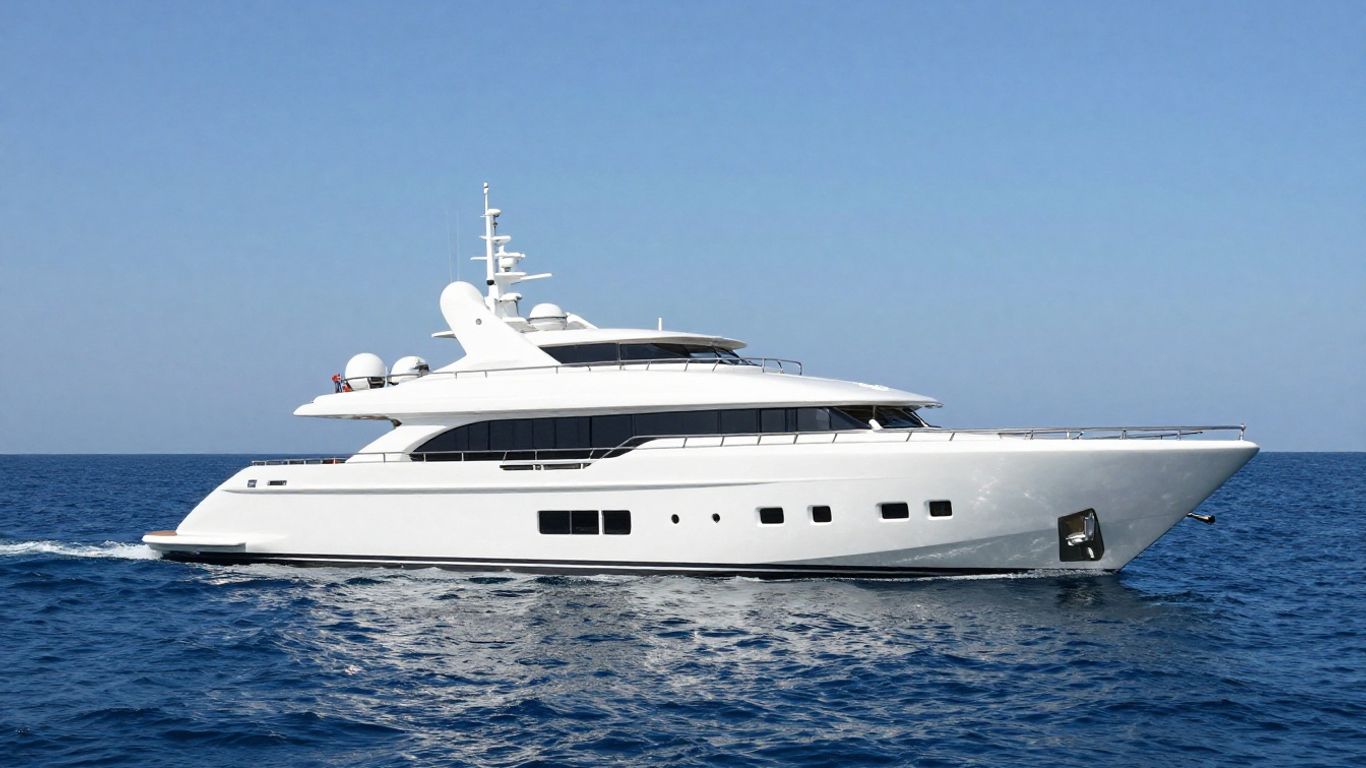
When you see a really nice yacht glide through the water, it just looks… right. It’s not just about being big or expensive, though those things can be part of it. There’s something about the way it moves, the way it looks against the waves, that just feels elegant. We’re going to look at what makes a yacht truly graceful, exploring the design, the build, and even how it moves. It’s a mix of art and engineering, really.
Key Takeaways
- A graceful yacht design often starts with sleek hull shapes and flowing lines, balancing how it looks with how it performs on the water.
- The silhouette of a yacht plays a big part in its elegance; it’s the overall shape that catches the eye.
- Materials like fine wood, brass, and modern composites, along with careful craftsmanship, contribute to a yacht’s refined appearance.
- How a yacht moves, whether silently with electric power or powerfully with advanced systems, adds to its perceived grace.
- The best yachts create a smooth connection between their inside and outside spaces, making them feel like a unified, stylish whole.
Defining Graceful Yacht Design
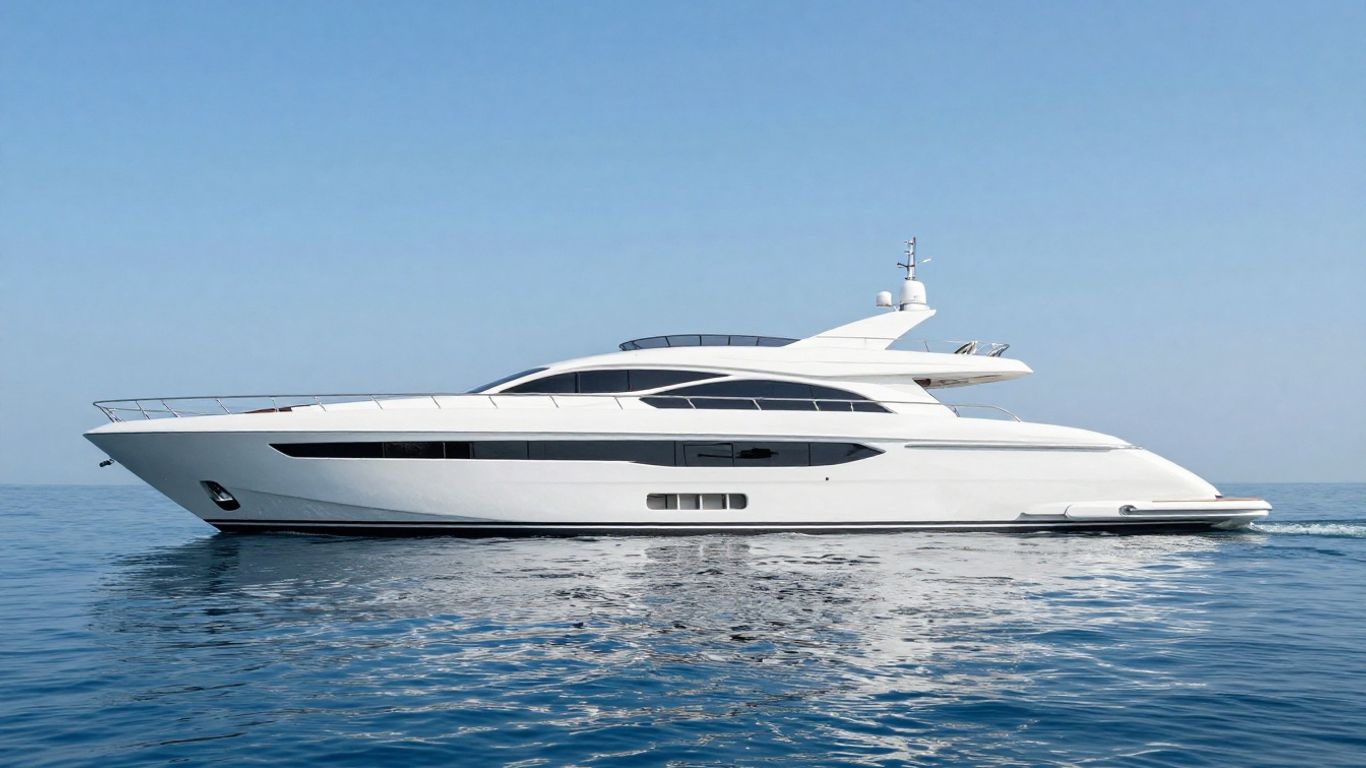
What makes a yacht truly graceful? It’s more than just size or a hefty price tag. It’s about a certain harmony, a visual flow that just feels right. Think about it – some yachts just look right on the water, like they belong there, gliding effortlessly. That’s the magic we’re talking about.
The Art of Sleek Hulls and Lines
The shape of a yacht’s hull is probably the first thing you notice, right? A graceful yacht often has a hull that looks smooth, almost like it’s cutting through the water with minimal fuss. These aren’t usually boxy shapes; they tend to be long and lean, with curves that suggest speed and stability. The lines that run along the side of the hull, from bow to stern, are also super important. When these lines are clean and flow well, they give the yacht a sense of movement even when it’s sitting still. It’s like a dancer’s pose – poised and elegant.
- Hull Shape: Look for long, slender profiles that suggest efficiency. Avoid designs that appear too wide or bulky.
- Deck Lines: The way the windows and deck edges line up contributes to the overall flow. Consistent, clean lines are key.
- Bow Design: A well-proportioned bow can set the tone for the entire vessel, often appearing sharp and purposeful.
The visual language of a yacht’s exterior is a carefully orchestrated symphony of curves and angles. It’s about creating a form that is both striking and understated, hinting at the power within while maintaining an air of refined composure.
Balancing Performance with Aesthetic Appeal
It’s easy to get caught up in how pretty a yacht looks, but a truly graceful vessel also needs to perform well. You can’t have a beautiful boat that handles poorly or is inefficient. Designers have to figure out how to make a yacht look good and move well. This often means making smart choices about the hull shape, the weight distribution, and even how the superstructure is designed. Sometimes, a feature that looks great also helps with stability or speed. It’s a constant give-and-take.
| Design Element | Performance Impact | Aesthetic Impact |
|---|---|---|
| Hull Length | Higher top speeds, better seakeeping | Elongated, sleek appearance |
| Beam (Width) | Increased stability, more interior space | Can affect sleekness if too wide |
| Superstructure | Affects weight and wind resistance | Contributes to overall profile and style |
The Role of Silhouette in Yacht Elegance
The silhouette is basically the yacht’s outline against the sky. A graceful silhouette is often one that is well-proportioned and doesn’t have too many jarring elements sticking out. Think of a classic sailing yacht with its tall masts and sweeping sails, or a modern motor yacht with a smooth, flowing profile. It’s about creating a memorable shape that is pleasing to the eye from a distance. It’s the overall impression, the shape that sticks in your mind long after you’ve seen it. A well-defined silhouette is often the most recognizable feature of an elegant yacht.
Materials and Craftsmanship for a Graceful Yacht
There’s just something about classic wood and brass that instantly makes a yacht feel cozy and charming. Yacht builders often choose rich woods like teak or mahogany—they look good but they’re tough, too. Brass details add a splash of old-school shine, especially around railings or navigation gear. It’s not only about the look: these pieces stay beautiful even when the ocean throws its worst at them.
- Teak decks offer grip and weather resistance
- Mahogany is often picked for cabinets and trim inside
- Polished brass fittings become standout details
Even as new trends roll in, you can’t deny the special warmth that comes from wood and brass finishes on a yacht—there’s nothing quite like it.
The Impact of Sustainable Materials
Yacht owners and builders have started caring more about what goes into their ships. These days, picking eco-friendly materials is a big deal. Bamboo panels, responsibly sourced timber, and recycled metals are finding their way onboard, blending style and conscience. Curious how these choices play out?
| Material | Notable Benefit | Typical Use |
|---|---|---|
| Bamboo | Fast-growing, renewable | Flooring, paneling |
| FSC-Certified Teak | Responsible forestry | Decks, joinery |
| Recycled Aluminum | Lowers carbon footprint | Superstructure, trim |
- Reduces overall environmental impact
- Still meets strict yachting safety standards
- Gives yachts a modern, thoughtful touch
Innovative Use of Glass and Carbon Fiber
For yachts that really turn heads, glass and carbon fiber are leading the way. Today’s designers use floor-to-ceiling windows, glass balustrades, and even creative glass walls inside. Carbon fiber, meanwhile, is strong but delightfully light—perfect for masts, hulls, or structural parts that need to be both tough and sleek. This move toward minimalist, invisible craftsmanship is reshaping what "graceful" even means in yacht design.
- Glass elements pull in sunlight and blur boundaries between indoors and out
- Carbon fiber allows bold shapes and keeps the ride fast and steady
- Both materials mean less weight, better balance, and a super-modern vibe
A graceful yacht today is just as likely to have sweeping glass surfaces as it is to feature hand-finished teak.
Iconic Designs That Embody Grace
Modern Masterpieces and Futuristic Silhouettes
Some yachts just stop you in your tracks. They’re not just big or expensive; they’re works of art that push the boundaries of what a boat can look like. Think of Sailing Yacht A, with its sharp, almost stealth-like shape and towering carbon masts. It’s definitely a conversation starter, and you either love it or you’re intrigued by it. Then there’s Artefact, which looks more like a modern sculpture than a boat, with all that glass and its layered decks. These designs show that the future of yachting can be bold and unexpected.
- Sailing Yacht A: Known for its aggressive, stealth-inspired look and massive carbon masts.
- Artefact: Features extensive glass elements and a design that resembles a contemporary building.
- Galactica: A fast, aluminum hull yacht that showcases sleek Dutch engineering.
These modern marvels often blend advanced technology with striking visual statements, proving that innovation can lead to breathtaking beauty on the water.
The Enduring Charm of Classic Lines
While futuristic designs grab headlines, there’s a timeless appeal to yachts that stick to classic lines. These are the vessels that feel familiar yet sophisticated, often built with rich materials like warm wood and polished brass. They might not have the sharp angles of their modern counterparts, but they possess a certain elegance that never goes out of style. Think of yachts that feel like floating villas, designed for comfort and a more relaxed pace. They remind us that sometimes, tradition holds its own kind of magic.
| Feature | Example Yacht | Description |
|---|---|---|
| Hull Shape | Classic Ketch | Smooth, flowing lines, often with a gentle curve |
| Deck Materials | Teak | Warm, traditional look, known for durability |
| Exterior Accents | Brass | Polished details that add a touch of luxury |
How Visionary Designers Shape Grace
It’s easy to look at a beautiful yacht and just see a pretty boat, but behind every graceful design is a visionary designer. These are the people who can take a client’s ideas and a boat’s practical needs and turn them into something truly special. They think about how the light hits the water, how the boat moves, and how people will feel when they’re on board. They’re the ones who decide on the curves of the hull, the placement of windows, and the overall mood of the vessel. Their ability to balance form and function is what truly creates a masterpiece.
- Philippe Starck: Known for bold, unconventional designs like Sailing Yacht A.
- Ken Freivokh: Responsible for the iconic and technologically advanced Maltese Falcon.
- Sinot Yacht Architecture & Design: Creates calm, minimalist interiors that complement sleek exteriors, as seen on Galactica.
The Influence of Propulsion on Graceful Movement
When we talk about a yacht’s grace, it’s not just about how she looks sitting still. It’s also about how she moves through the water. The way a yacht is powered plays a huge role in that. Think about it – a boat that glides silently versus one that roars and churns up a huge wake. That’s a big difference in how elegant it feels, right?
Silent Electric Cruising
Electric propulsion is really changing the game for quiet cruising. These systems let a yacht move with hardly any noise or vibration. It’s like the boat is just floating along. This makes the whole experience on board much more peaceful and connected to the sea. You can actually hear the waves and the seabirds instead of just engine noise. It’s a pretty neat trick for making a yacht feel more serene.
- Reduced Noise Pollution: Significantly quieter operation compared to traditional engines.
- Smoother Ride: Less vibration means a more comfortable experience for everyone onboard.
- Environmental Benefits: Zero emissions during operation contribute to cleaner waters.
The quiet hum of electric motors allows for an almost ethereal glide across the water, making the yacht feel like an extension of the natural environment rather than an intrusion.
The Power and Poise of Hybrid Systems
Hybrid systems are a smart way to get the best of both worlds. They combine traditional engines with electric power. This means you get the range and power you need for longer trips, but you can also switch to electric for quiet, eco-friendly cruising in sensitive areas or when you just want that peaceful feeling. It’s all about having options and using the right power for the right moment. This flexibility really adds to the yacht’s overall sophisticated feel. Many modern yachts are looking into these kinds of innovative marine equipment.
Achieving Speed with Fluid Dynamics
Even with powerful engines, a yacht can still move with grace if her hull is designed well. This is where fluid dynamics comes in. It’s the science of how liquids, like water, move. A well-designed hull cuts through the water with minimal resistance. This means the yacht can go fast without a lot of fuss or a massive wake. It looks and feels more fluid, more natural. It’s like a dancer moving smoothly across a stage – efficient and beautiful to watch. The shape of the hull is key to making sure that speed doesn’t come at the expense of elegance. Some of the fastest yachts, like the Galactica, show just how much speed and sleekness can go hand-in-hand.
| Hull Type | Resistance Factor (Relative) | Typical Speed Range (knots) |
|---|---|---|
| Displacement | 1.0 | 10-15 |
| Semi-Displacement | 0.7 | 15-25 |
| Planing | 0.4 | 25+ |
Interior Harmony and Exterior Flow
Seamless Transitions in Design
When you step onto a yacht, the feeling of connection between the inside and the outside is pretty important, right? It’s not just about having big windows, though those help. It’s about how the design itself makes you feel like you’re part of the sea, even when you’re lounging in the salon. Think about how the lines of the deck furniture might echo the curves of the hull, or how the materials used inside, like natural wood or stone, bring a bit of the earthiness of the shore aboard. This thoughtful connection is what makes a yacht feel like a cohesive, flowing space, rather than just a boat with rooms.
Creating an Oasis of Comfort and Style
Inside, it’s all about making a space that feels both luxurious and incredibly comfortable. Designers often use a mix of textures and finishes to create a warm, inviting atmosphere. You might see soft, plush fabrics on the sofas, smooth, polished wood on the tables, and maybe some cool, natural stone in the bathrooms. It’s about creating different zones for different moods – a cozy spot for reading, a more open area for socializing, and private retreats that feel like your own personal sanctuary. The goal is to make you forget you’re on a boat and just feel completely at home, but, you know, way fancier.
The Psychology of Color and Light
Color and light play a massive role in how a space feels. Lighter colors can make a room feel bigger and airier, which is great for smaller yachts or areas where you want to feel more open. Natural light is king, of course, and yachts are designed to let in as much of it as possible. But artificial lighting is just as important. Think about soft, ambient lighting for evenings that creates a relaxed mood, or brighter, more focused lights for when you need to see what you’re doing. The way light bounces off surfaces and the colors chosen can really change the whole vibe of the interior, making it feel calm, energetic, or anything in between.
Beyond Aesthetics: The Essence of a Graceful Yacht
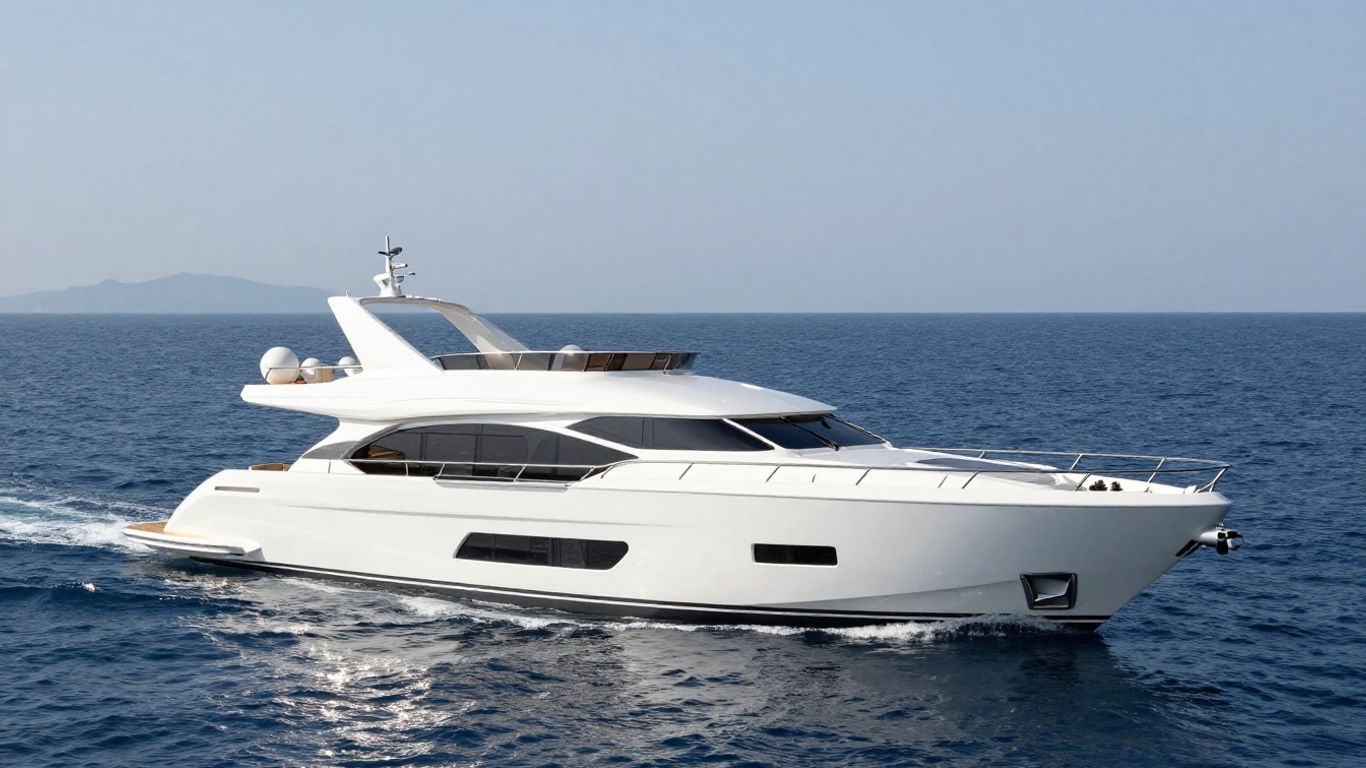
So, we’ve talked a lot about how a yacht looks – the curves, the materials, the overall vibe. But what really makes a yacht feel graceful, beyond just being pretty? It’s more than just a sleek hull or fancy wood. It’s about how the whole thing works, how it moves, and the feeling it gives you when you’re on it or even just looking at it.
Functionality Meets Unparalleled Luxury
Think about it: a truly graceful yacht isn’t just a floating mansion. It’s a machine built for the sea, and that engineering has to be top-notch. The way it handles waves, its stability, how quietly it moves – these things matter. When a yacht glides through the water with barely a ripple, that’s grace in action. It’s the result of smart design where every part has a purpose, working together perfectly.
Here’s a quick look at what goes into that:
- Hull Design: How it cuts through water affects speed, stability, and fuel use.
- Propulsion Systems: Quiet electric motors or efficient hybrid setups contribute to a smooth, almost silent journey.
- Weight Distribution: Careful planning keeps the yacht balanced, even in rougher seas.
The Presence of a Masterpiece at Sea
There’s a certain aura a truly graceful yacht possesses. It’s not about being the biggest or the flashiest, but about having a presence that commands attention without being loud. It’s in the quiet confidence of its lines, the way it sits on the water. It feels like a work of art that also happens to be incredibly functional.
A yacht’s grace is a blend of its physical form and its behavior. It’s the quiet hum of powerful engines, the gentle sway on the waves, and the feeling of being perfectly at home on the ocean. It’s a harmony between human ingenuity and the natural world.
What Truly Makes a Yacht Graceful
Ultimately, a yacht’s grace comes down to a feeling. It’s when the design, the engineering, and the experience all come together. It’s that moment when you’re onboard, the world fades away, and you’re just moving across the water in perfect comfort and style. It’s a yacht that feels like it belongs on the sea, moving with a natural elegance that’s hard to describe but easy to feel. It’s the sum of its parts, working in perfect concert.
Wrapping Up: The Real Beauty of a Yacht
So, after looking at all these amazing yachts, it’s clear that grace isn’t just about shiny finishes or how much a boat costs. It’s about the way everything comes together—the lines, the way it moves, the feeling you get when you see it glide by. Some yachts are bold and futuristic, others are classic and understated, but the truly graceful ones just seem to fit perfectly with the sea. They don’t need to shout for attention. Instead, they have a quiet confidence, whether they’re packed with the latest tech or just keeping things simple and timeless. In the end, a graceful yacht is one that makes you stop and stare, even if you can’t quite explain why. That’s the magic of it.
Frequently Asked Questions
What makes a yacht look graceful?
A graceful yacht usually has smooth, flowing shapes, especially in its hull, which is the main body of the boat. Think of long, sleek lines that move easily through the water. It’s also about how the whole boat looks from the outside – its shape or silhouette – and how well its looks match its ability to sail smoothly.
Are fancy materials important for a yacht's elegance?
Yes, the materials used can really add to a yacht’s elegant look. Fancy woods, shiny brass details, and even modern materials like glass and carbon fiber, when used skillfully, can make a yacht look sophisticated and beautiful. It’s how these materials are put together that makes the difference.
Can a yacht's engine or how it moves affect its gracefulness?
Absolutely! How a yacht moves through the water is a big part of its grace. A yacht that moves quietly and smoothly, without a lot of noise or splashing, feels more elegant. This includes how its shape helps it cut through the water easily, especially when it’s moving fast.
Do classic yacht designs look more graceful than modern ones?
Both classic and modern yachts can be graceful, just in different ways. Classic designs often have timeless, beautiful lines that have been loved for years. Modern yachts can be graceful with their own unique, sometimes futuristic shapes. It really depends on the specific design and how well it’s made.
How does the inside of a yacht relate to its graceful appearance?
The inside and outside of a yacht should feel connected. When the design flows smoothly from the decks outside to the rooms inside, it creates a sense of harmony. Using colors and lighting that feel calm and pleasing also helps make the whole yacht feel more elegant and comfortable.
Is a graceful yacht just about looking good?
No, a truly graceful yacht is more than just pretty. It’s a mix of looking beautiful, performing well, and being built with great care. It should feel luxurious and comfortable, but also be very functional. The best yachts are like works of art that also work perfectly on the sea.