So, you’ve got a name, but no boat to go with it? Trying to find a specific yacht just by its name can feel like looking for a needle in a haystack. Whether you’re a potential buyer, a curious enthusiast, or just trying to track down a vessel you once saw, this guide is here to help. We’ll walk you through the different ways you can try to find a yacht by name, from online databases to more specialized methods. It’s not always straightforward, but with the right approach, you can often track down the information you need.
Key Takeaways
- Online yacht sales platforms and brokerage listings are good starting points to find a yacht by name.
- Public yacht registers and industry news can help identify specific vessels.
- Hull Identification Numbers (HINs) and other vessel details are important for accurate searches.
- Community forums and specialized search tools can offer advanced ways to find a yacht.
- Always verify ownership and registration details to confirm a yacht’s identity and history.
Navigating Yacht Databases and Directories
Finding a specific yacht by name can feel like searching for a needle in a haystack, but thankfully, there are some pretty good places to start looking. Think of these databases and directories as your initial maps for the vast ocean of yachts out there. They’re where you’ll find the most information, from what’s currently for sale to who built what and when.
Exploring Online Yacht Sales Platforms
These websites are probably the first stop for most people. They list a huge number of yachts available for purchase, often with detailed specs, photos, and sometimes even virtual tours. You can usually filter by size, price, manufacturer, and even location. It’s a good way to get a feel for the market and see what’s out there.
- Filter by your must-haves: Size, price range, number of cabins.
- Check out the "newly listed" section: You might find something fresh before everyone else.
- Save your searches: Most platforms let you save your criteria so you get notified when a matching yacht pops up.
Utilizing Yacht Brokerage Listings
Yacht brokers are professionals who specialize in selling yachts. Their listings are often more detailed and might include yachts that aren’t widely advertised. Many brokerage firms have their own websites, and they also list on the larger sales platforms. Working with a broker can give you access to a wider selection and expert advice. They know the market inside and out and can help you find exactly what you’re looking for, even if it’s not immediately obvious.
Accessing Manufacturer and Model Guides
Sometimes, you know the make and model you’re interested in, but you need more information about specific variations or historical data. Manufacturer websites are a good start, but they often focus on current models. For older or more obscure yachts, you might need to dig a bit deeper. There used to be printed guides, like the "Guide to the Yachts of UK, Europe and Scandinavia," which were massive, but finding updated digital versions can be tough. These guides are great for historical context.
Keep in mind that the yachting world can be a bit old-school. While online resources are growing, sometimes the best information is still held by individuals or in older, printed materials that haven’t been digitized yet. Don’t be afraid to look beyond the most obvious websites.
Here’s a quick look at what you might find:
| Type of Information | Where to Look |
|---|---|
| Yachts for Sale | Online Sales Platforms, Brokerage Websites |
| Broker Contact Information | Brokerage Websites, Industry Directories |
| Manufacturer Details | Manufacturer Websites, Model Guides |
| Historical Data | Older Printed Guides, Specialized Forums |
Identifying Specific Yachts by Name
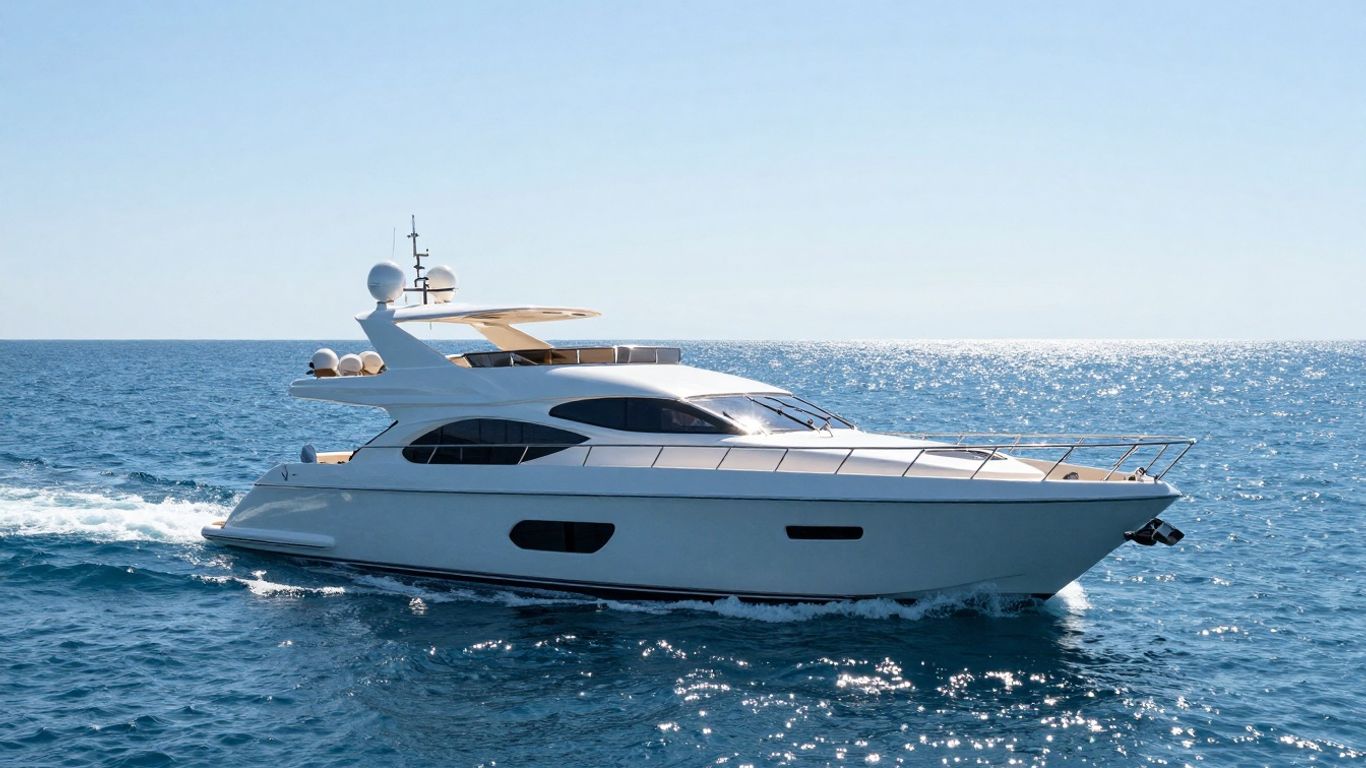
So, you’ve got a name, maybe a hull number, or even just a vague description of a yacht you’re trying to track down. It’s like a treasure hunt, but with more teak and less sand. Don’t worry, it’s not impossible. There are a few solid ways to zero in on that specific vessel.
Searching Publicly Available Yacht Registers
Think of these as the DMV for boats, but hopefully, a bit more user-friendly. Many countries maintain public registries for vessels, especially larger ones. These databases often list the yacht’s name, official number, homeport, and sometimes even its owner. It’s a good starting point, especially if you have a hull identification number (HIN) or a known registration number. You’ll usually find these through the maritime administration or coast guard website of the country where the yacht is flagged. It’s not always the most glamorous search, but it’s official.
Leveraging Industry News and Publications
This is where things get a bit more interesting. The yachting world has its own press, and they often cover new builds, major refits, or notable yachts changing hands. Publications like Boat International, Superyacht Times, or Yachting Magazine are goldmines. Searching their archives, often available online, can reveal articles mentioning the yacht you’re looking for. Sometimes, a yacht gains notoriety for a specific event or a unique feature, and that’s exactly the kind of detail these publications pick up on. You might find photos, specifications, and even a bit of its history.
Cross-Referencing Vessel Specifications
Once you have a few potential matches, you’ll want to compare their specs. This is where you get down to the nitty-gritty details. Think length overall (LOA), beam, draft, engine type, and even the builder. Many yacht databases and brokerage sites will list these details. If you’re trying to identify a specific yacht, having a list of its known specifications and comparing it against potential candidates is a smart move. It’s like matching fingerprints, but for boats.
Here’s a quick look at some common specs you might compare:
| Specification | Example Value | Your Known Info | Match? |
|---|---|---|---|
| Length Overall (LOA) | 150 ft | 150 ft | Yes |
| Beam (Width) | 28 ft | 28 ft | Yes |
| Draft (Depth) | 8 ft | 7.5 ft | No |
| Builder | Feadship | Feadship | Yes |
| Year Built | 2010 | 2011 | No |
Be aware that sometimes specifications can be listed slightly differently across various sources. Minor discrepancies, like a foot in length or a few inches in draft, might not rule out a match, but significant differences usually mean you’re looking at a different vessel altogether.
Understanding Yacht Identification Details
So, you’ve got a name, maybe a general idea of the type of boat, but how do you pin down the exact yacht you’re looking for? It’s not always as simple as Googling the name. Yachts, especially larger ones, can have a few key pieces of information that help distinguish them. Think of it like finding a specific person in a big city – you need more than just their first name.
Key Information for Yacht Searches
When you’re trying to track down a specific vessel, a few details really help narrow things down. Having these handy makes your search way more productive. It’s like having a cheat sheet for finding your target.
- Official Name: This is the name the yacht is registered under. It’s usually the most obvious identifier, but sometimes yachts get renamed.
- Hull Number (HIN): This is a unique serial number, kind of like a car’s VIN. It’s pretty much permanent and doesn’t change even if the boat is sold or renamed.
- Year Built: Knowing when the yacht was constructed can help differentiate between similar models.
- Builder/Manufacturer: Knowing who actually built the yacht is a big clue, especially for well-known shipyards.
- Model Name: Many yacht builders have specific model lines, like "Princess V50" or "Sunseeker Manhattan 66".
The Role of Hull Identification Numbers
The Hull Identification Number, or HIN, is a really important piece of the puzzle. It’s a unique code assigned to every recreational vessel built after 1972. This number is usually found on the upper starboard (right) side of the hull, near the transom. It’s a standardized format, typically 12 characters long, that tells you the manufacturer, serial number, and even the month and year of manufacture. Because the HIN is permanent and unique, it’s the most reliable way to identify a specific yacht, regardless of name changes or ownership shifts. It’s the yacht’s fingerprint, so to speak.
Distinguishing Between Similar Vessels
Sometimes, you’ll run into situations where multiple yachts share the same name or are very similar models. This is where those other identification details become super useful. For instance, if you’re looking for a "Serenity," there might be several. But if you know it’s a "Serenity" built by Feadship in 2015, that narrows it down considerably. Comparing specifications like length, beam (width), draft (how deep it sits in the water), engine type, and even interior layout can help you confirm you’ve found the right one. It’s all about gathering enough unique data points to be sure.
Finding the right yacht by name isn’t just about knowing the name itself. It’s about understanding the different identifiers that make each vessel unique. Think of it like detective work; you gather clues, cross-reference information, and use the most reliable pieces of evidence to confirm your findings. The HIN is often the smoking gun in this process.
Advanced Techniques to Find a Yacht by Name
Sometimes, the usual channels just don’t cut it when you’re trying to track down a specific yacht. Maybe you’ve heard about a particular vessel through word-of-mouth, or perhaps you’re researching a yacht with a bit of history. That’s where these more involved methods come into play. They require a bit more digging, but they can often lead you to the information you’re looking for when standard searches fall short.
Engaging with Yachting Communities
Think of online forums, social media groups dedicated to yachting, and even local marina bulletin boards. These places are buzzing with enthusiasts, owners, and industry folks who often share tidbits of information. If you post a query about a specific yacht, you might be surprised by the responses. Someone might know the owner, have seen it recently, or even have a connection to its past.
- Online Forums: Websites like YachtForums or CruisersForum have active discussions where yacht names are frequently mentioned.
- Social Media: Search for yacht-specific groups on platforms like Facebook or LinkedIn. Hashtags related to yachting can also be useful.
- Local Meetups: Attending boat shows or local yacht club events can provide opportunities to chat with people who might have the inside scoop.
Consulting Maritime Archives
For older yachts or those with a notable history, maritime archives can be a goldmine. These aren’t always easy to access, but they hold records that go way back. Think historical shipping registers, old port authority logs, or even archives from yacht clubs that have been around for decades. Accessing these records often requires a bit of persistence and sometimes a formal request.
Utilizing Specialized Search Tools
Beyond the big sales platforms, there are niche tools designed for serious yacht researchers. Some databases focus on vessel tracking, offering historical AIS (Automatic Identification System) data. Others might specialize in superyacht information, compiling details on ownership, refits, and even crew movements. These tools can be pricey or require subscriptions, but for professionals or dedicated hobbyists, they offer a level of detail not found elsewhere.
Remember that information found through these advanced methods might be less structured. You’ll likely need to piece together clues from various sources, cross-referencing details to build a clear picture of the yacht you’re searching for. It’s a bit like detective work, but the satisfaction of finding that elusive vessel is well worth the effort.
Verifying Yacht Ownership and History
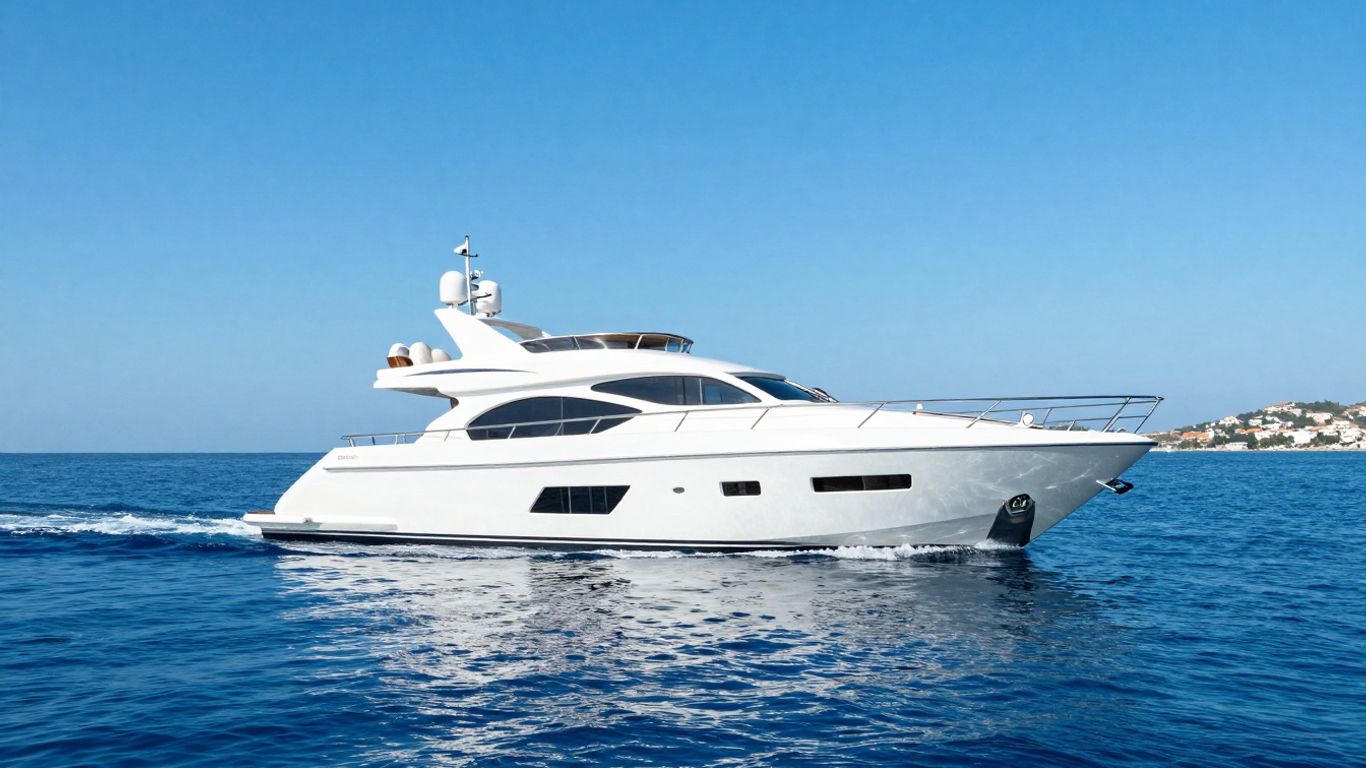
So, you’ve found a yacht by name and you’re getting serious about it. That’s great! But before you get too attached, it’s super important to dig into who actually owns it and what its past looks like. This isn’t just about making sure you’re dealing with the right person; it’s also about avoiding any nasty surprises down the line. Think of it like checking a car’s VIN report, but for a much bigger, more expensive toy.
Importance of Documentation Checks
This is where you really need to pay attention. The paperwork tells the real story. You’ll want to see proof of ownership, like a bill of sale or a title. If the yacht is registered, you’ll need to see that registration document too. It should clearly state the owner’s name and the yacht’s details. Also, check for any liens or encumbrances – basically, if anyone else has a claim on the yacht, like a bank that hasn’t been paid back. It’s a bit like checking if a house has any outstanding mortgages before you buy it.
Investigating Previous Owners
Knowing who owned the yacht before can tell you a lot. Was it owned by a reputable charter company, or a private individual who used it for family trips? Sometimes, a yacht’s history can be found in old sales records or even through maritime forums where owners share stories. If you can find out about its previous use, you can get a better idea of how it’s been maintained and treated. A yacht that’s been constantly chartered might have seen more wear and tear than one used only for occasional private outings.
Confirming Vessel Registration Details
Every yacht needs to be registered somewhere, usually with a maritime authority. This registration is key. It’s like the yacht’s official ID card. You’ll want to confirm that the registration details match the yacht you’re looking at – the name, the hull identification number (HIN), and the owner’s information. Different countries have different registration processes, so it’s good to know where the yacht is currently flagged. This helps verify its legal status and who is responsible for it.
Sometimes, a yacht might have a really interesting history, maybe it was part of a famous race or owned by someone well-known. While this can be cool, it doesn’t change the need for solid documentation. The fun stories are a bonus, but the paperwork is what keeps things legal and safe.
Wrapping It Up
So, finding a yacht by name might seem a bit like a treasure hunt sometimes, but with the right tools and a little patience, it’s totally doable. We’ve gone over how to use online databases, check with brokers, and even look at old directories if you’re really stuck. It’s not always straightforward, but knowing where to look makes all the difference. Whether you’re buying, selling, or just curious, having a name is a great starting point. Happy searching out there!
Frequently Asked Questions
How can I find a yacht if I only know its name?
If you know a yacht’s name, you can try searching online yacht sales websites, look at listings from yacht brokers, or check public boat registers. Sometimes, industry news or special boat directories can also help you find the information you’re looking for.
What are yacht databases and where can I find them?
Yacht databases are like big online lists or collections of information about boats. You can find them on websites that sell yachts, through companies that help sell yachts (brokers), or sometimes on the websites of boat builders. These sites help you see what’s available.
What is a Hull Identification Number (HIN)?
A Hull Identification Number, or HIN, is a unique code for a boat, kind of like a car’s VIN. It tells you important details about the boat’s make, model, and when it was made. It’s super helpful for finding specific information about a particular yacht.
Can I find out who owns a yacht just by its name?
Finding out who owns a yacht can be tricky. While some information might be public through boat registration records, it’s not always easy to find. You might need to do some digging through official maritime records or consult with experts who specialize in this.
Are there special tools to help me search for yachts?
Yes, there are! Besides regular websites, there are specialized search tools and online communities where boat lovers hang out. These places can offer tips, share information, and sometimes have insider knowledge that helps you track down a specific yacht.
What's the difference between a yacht for sale and one for charter?
A yacht for sale means someone is looking to sell it permanently, and you can buy it. A yacht for charter means you can rent it for a specific period, like a vacation. You don’t own it, but you get to use it for a set time.