Thinking about a career on the water? Being a boat captain can be a really rewarding job, whether you’re guiding ferries, towing barges, or commanding larger vessels. It’s not just about steering; it’s about safety, leadership, and knowing your way around the water. This guide will help you understand what boat captain jobs involve and how to get started.
Key Takeaways
- Boat captains are responsible for the safe operation of vessels and often direct the crew. Their duties can include navigation, vessel maintenance, and cargo or passenger management.
- Getting into boat captain jobs typically requires specific training, often vocational or an associate’s degree, along with significant hands-on experience at sea.
- A U.S. Coast Guard license is generally required for most professional boat captain roles, with specific requirements varying based on the type and size of the vessel.
- Opportunities for boat captain jobs exist across various settings, including inland waterways, coastal operations, passenger ferries, and commercial towing services.
- Compensation for boat captains can vary widely based on experience, location, and the type of operation, with projected employment trends showing stability in the field.
Understanding Boat Captain Jobs
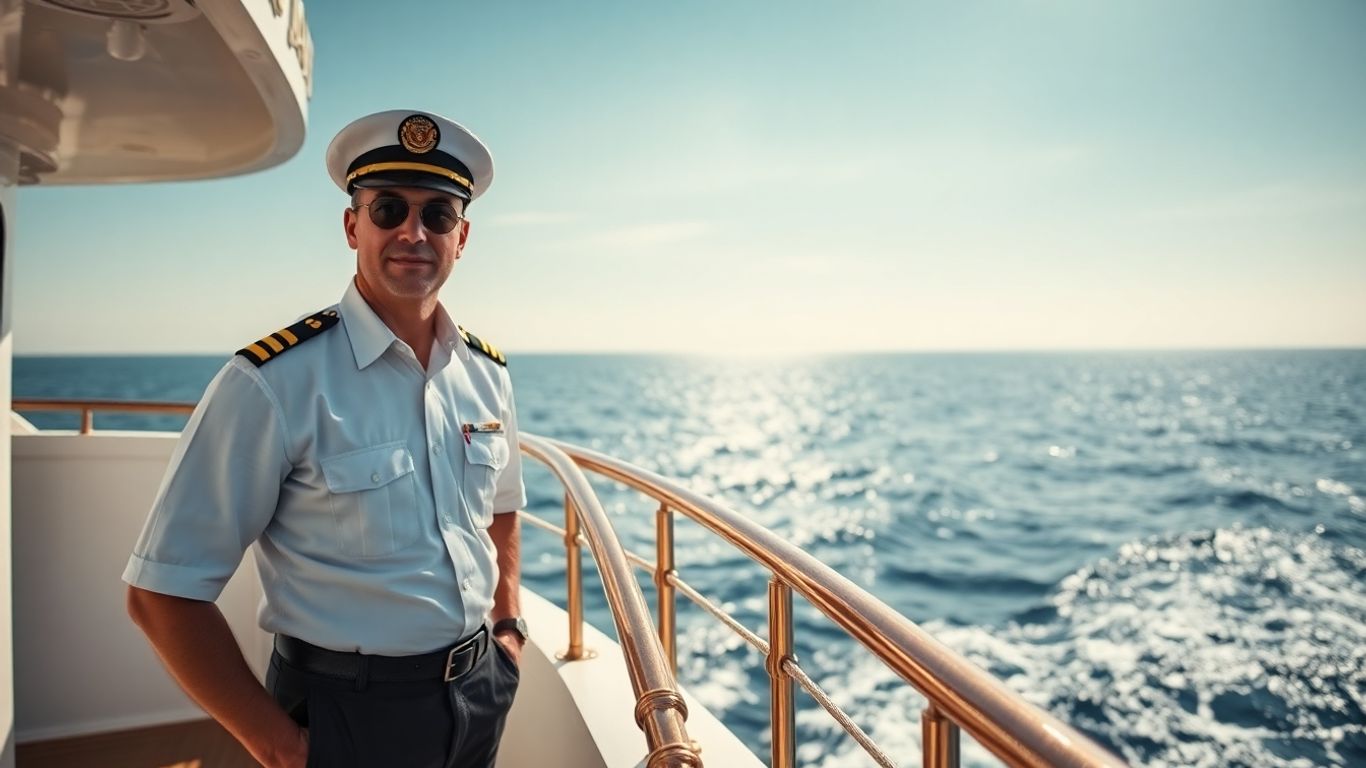
So, you’re curious about what a boat captain actually does? It’s more than just steering a ship. Captains, mates, and pilots of water vessels are the folks in charge, making sure everything runs smoothly on everything from small ferries to large commercial ships. They’re responsible for the vessel, the cargo, and everyone on board. It’s a job that requires a lot of skill and responsibility, and it’s definitely not your average desk job.
What Boat Captains Do
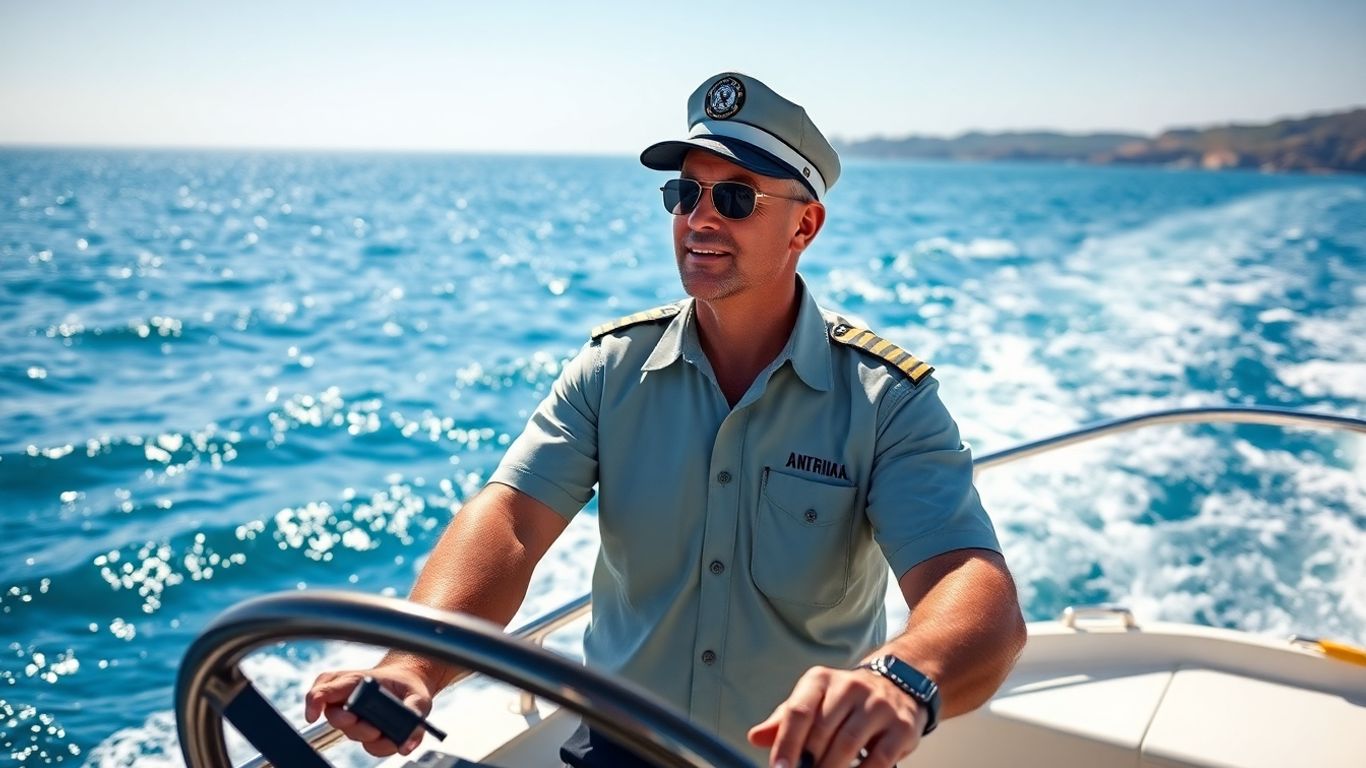
At its core, being a boat captain means commanding and overseeing the operations of a watercraft. This can range from guiding a busy ferry across a bay to maneuvering a massive cargo ship through busy shipping lanes. They’re the ultimate decision-makers when it comes to the vessel’s course, speed, and overall safety. Think of them as the CEO of the ship, but with a lot more immediate responsibility for the physical vessel and its occupants.
Key Responsibilities of a Vessel Master
The responsibilities are pretty extensive. A vessel master, which is another term for captain, has to:
- Direct the crew in their duties, whether it’s navigation, maintenance, or cargo handling.
- Ensure all safety protocols are followed, which is super important when you’re out on the water.
- Keep detailed logs of the voyage, including weather conditions, positions, and any incidents.
- Supervise the loading and unloading of passengers or cargo, making sure it’s done correctly and safely.
- Handle all aspects of the vessel’s operation, from docking to navigating through challenging waters.
Being a captain means you’re the one ultimately accountable for the vessel’s safety and successful journey. It’s a role that demands constant vigilance and quick thinking.
Daily Activities for Maritime Professionals
What does a typical day look like? Well, it varies a lot depending on the type of vessel and operation. For a ferry captain, it might involve a series of short, frequent trips, focusing on passenger safety and on-time departures. A tugboat captain, on the other hand, might spend their day maneuvering barges or assisting larger ships into port. Here’s a general idea:
- Pre-departure checks: Inspecting the vessel, checking equipment, and reviewing weather reports.
- Voyage operations: Steering, monitoring navigation systems, and communicating with other vessels or shore stations. You might need to operate ship-to-shore radios for this.
- Crew management: Assigning tasks, supervising work, and ensuring the crew is ready for anything.
- Cargo/Passenger management: Overseeing loading/unloading and ensuring passenger comfort and safety.
- Post-arrival procedures: Docking, securing the vessel, and completing necessary paperwork.
It’s a demanding job, but for those who love the water and the challenge, it’s incredibly rewarding.
Navigating Your Path to Boat Captain Roles
So, you’re thinking about becoming a boat captain? It’s a career that definitely calls to some people, offering a life on the water that’s anything but ordinary. But getting there isn’t just about showing up and taking the helm. There’s a path, and it involves a mix of learning, doing, and getting the right paperwork.
Essential Education and Training
While you might not need a four-year degree for every captain role, some formal education can really set you up for success. Think about vocational programs or associate’s degrees in maritime studies or marine technology. These programs cover the basics of seamanship, navigation, vessel operations, and safety protocols. They’re a solid foundation, giving you the knowledge base before you even step onto a larger vessel. You’ll learn about charts, weather patterns, and how to handle different types of boats.
Gaining Crucial Experience
This is where the rubber meets the road, or rather, the hull meets the water. No one’s going to hand you the keys to a big ship without seeing you work your way up. Most captains start in entry-level positions on deck. You might begin as a deckhand, learning the ropes, literally. This hands-on experience is invaluable. You’ll get familiar with the daily operations, understand the crew’s roles, and learn how to maintain the vessel. The longer you spend on the water, the more you’ll see and the better prepared you’ll be for responsibility.
Apprenticeships for Maritime Careers
Sometimes, the best way to learn is by doing, under the guidance of experienced professionals. Apprenticeship programs are fantastic for this. They combine on-the-job training with structured learning, allowing you to earn while you learn. You’ll work alongside seasoned captains and mates, absorbing their knowledge and practical skills. These programs often lead directly to certifications and job opportunities, making them a really direct route into the profession. It’s a structured way to build your resume and your confidence.
Getting your foot in the door often means starting at the bottom and proving yourself. Patience and a willingness to learn from everyone on board are key. The maritime world values practical know-how as much as formal education.
Here’s a general idea of how experience might build:
- Entry-Level: Deckhand, Able Seaman. Focus on learning ship systems, safety procedures, and basic navigation.
- Intermediate: Mate, Bosun. Taking on more responsibility for crew supervision, cargo handling, and vessel maintenance.
- Advanced: First Mate, Pilot, Captain. Commanding vessels, making critical decisions, and overseeing all operations.
It’s a progression, and each step builds the skills and knowledge needed for the next. You’ll also need to keep track of your sea time, as this is a major requirement for licensing.
Licensing and Certification for Boat Captains
So, you want to be a boat captain? That’s awesome! But before you can take the helm, there are some official hoops you’ll need to jump through. Think of it like getting your driver’s license, but for the water. It’s all about making sure you know your stuff and can keep everyone safe out there.
U.S. Coast Guard Licensing Requirements
The big player here is the U.S. Coast Guard. They’re the ones who issue the licenses that most boat captains need to operate commercially. The specific license you need depends on a few things, like the size of the boat, the type of passengers or cargo you’ll be carrying, and the waters you’ll be operating in. It’s not just a simple test; you’ll likely need to show you’ve got the experience and knowledge.
Here’s a general idea of what’s involved:
- Application: You’ll need to fill out a bunch of paperwork, including proof of citizenship, medical fitness, and your experience.
- Exams: Expect to take written tests covering navigation, rules of the road, safety procedures, and vessel operations. Some licenses might also require practical, hands-on assessments.
- Experience: The Coast Guard wants to see that you’ve spent time on the water. The amount of experience needed varies a lot depending on the license level.
- Fees: There are always fees involved, so be prepared for that.
The U.S. Coast Guard has different levels of licenses, from those for small passenger vessels to large cargo ships.
State-Specific License Details
While the Coast Guard handles federal licensing for many commercial operations, some states might have their own additional requirements, especially for recreational or smaller commercial operations within their waters. It’s a good idea to check with the maritime authority or department of natural resources in the state where you plan to work. They can tell you if there are any extra permits or licenses you’ll need on top of your federal credentials. Sometimes, these state rules are more about specific types of vessels or activities, like charter fishing.
Maintaining Professional Certifications
Getting your license is just the first step. Most captain licenses aren’t for life. You’ll need to keep them up-to-date, which usually means renewing them every few years. This often involves proving you’ve kept your skills sharp and your medical condition good. You might also need to take refresher courses or pass updated exams. Staying current with safety regulations and new technologies is also part of the deal. It shows you’re committed to being a responsible and capable captain.
Being a captain means you’re in charge of a lot. It’s not just about steering the boat; it’s about knowing the rules, keeping your crew safe, and making sure the vessel is in good shape. The licensing process is there to make sure you’re ready for all of that responsibility.
Exploring Diverse Boat Captain Job Opportunities
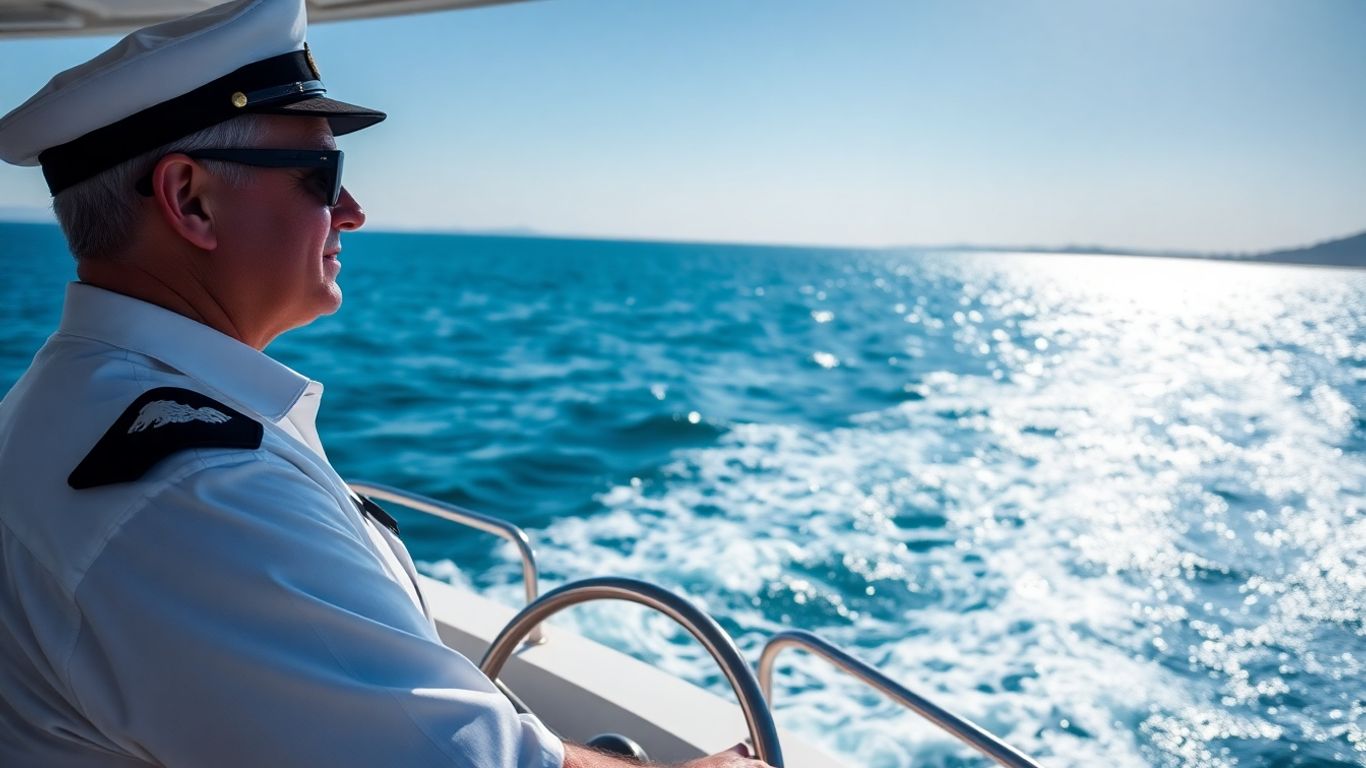
So, you’re thinking about a career at the helm? That’s awesome! The world of boat captain jobs is way bigger than just sailing the high seas. There are tons of different ways you can steer your career, depending on what kind of waters you want to work in and what kind of vessels you want to command.
Inland Waterways and Coastal Operations
This is a huge area for captain jobs. Think about all the rivers, lakes, and bays that crisscross the country. Captains here might be running barges loaded with goods up and down the Mississippi, or perhaps guiding smaller vessels along the coast, helping with fishing operations or environmental surveys. It’s a hands-on job, often involving a lot of maneuvering through tight spots and dealing with changing water conditions. You’re not just driving; you’re managing the whole operation, making sure everything and everyone stays safe.
Ferry and Passenger Vessel Captaincy
If you like being around people and providing a service, captaining a ferry or a passenger boat could be a great fit. These captains are responsible for getting people from point A to point B, whether it’s a daily commute across a bay or a scenic tour of a popular harbor. Safety is absolutely paramount here, as you’ll have passengers relying on your judgment. You’ll need to be good with people, handle schedules, and know your route like the back of your hand. It’s a different kind of responsibility than hauling cargo, but just as important.
Tugboat and Towing Captain Roles
These captains are the workhorses of the maritime world. Tugboat captains are essential for moving larger ships in and out of ports, assisting with construction projects, or towing barges. It’s a physically demanding job that requires a lot of skill in close-quarters maneuvering. You’ll be working closely with your crew, often in challenging weather conditions. The coordination needed to tow or push another vessel is intense, and it’s all on the captain to make it happen smoothly. You can find many ship captain jobs in this sector.
Here’s a quick look at some common vessel types you might captain:
- Barges: Often used for transporting bulk goods like coal, grain, or chemicals.
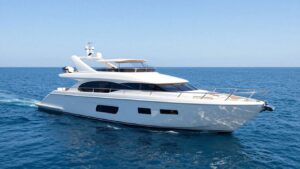
- Ferries: Transporting passengers and sometimes vehicles across bodies of water.
- Tugboats: Used for towing or pushing other vessels.
- Tour Boats: Carrying sightseers on rivers, lakes, or coastal areas.
- Fishing Vessels: Supporting commercial fishing operations.
The maritime industry is diverse, offering roles that range from the quiet solitude of navigating remote waterways to the bustling activity of a busy port. Each type of vessel and operation presents its own unique set of challenges and rewards for those at the helm.
Compensation and Outlook for Boat Captain Jobs
Typical Annual and Hourly Wages
So, you’re wondering how much a boat captain actually makes? It’s a fair question, and the answer isn’t a simple number. Pay can really swing depending on where you work, what kind of vessel you’re commanding, and how much experience you’ve got. Generally, though, it’s a solid career financially. The median annual wage for captains, mates, and pilots of water vessels in the US hovers around $85,540. That breaks down to a median hourly rate of about $41.13. But remember, this is just the middle ground. The pay scale stretches quite a bit.
Here’s a quick look at the pay ranges:
| Pay Level | Annual Wage | Hourly Wage |
|---|---|---|
| 10th Percentile | $46,260 | $22.24 |
| 25th Percentile | $60,800 | $29.23 |
| Median | $85,540 | $41.13 |
| 75th Percentile | $124,530 | $59.87 |
| 90th Percentile | $164,230 | $78.96 |
Factors Influencing Salary
Several things can push your salary up or down. For starters, the type of operation matters a lot. Commanding a massive cargo ship or a busy ferry route in a major port will likely pay more than captaining a small charter boat or a local tour vessel. Location plays a big role too; jobs in coastal areas or major shipping hubs might offer higher pay than those on smaller inland waterways. The size and complexity of the vessel you operate also factor in. Plus, holding advanced licenses and certifications can definitely boost your earning potential. Experience is king in this field, and seasoned captains often command the highest salaries.
Projected Employment Trends
Looking ahead, the job market for boat captains, mates, and pilots seems pretty stable. While it’s not a field that’s exploding with new jobs every day, the demand is expected to remain steady. Many of the current professionals in this line of work are nearing retirement age, which means opportunities will open up for new folks to step in. The need for transporting goods via water continues, and passenger vessels remain popular for tourism and commuting. So, if you’re looking for a career with a consistent need for skilled mariners, this could be a good fit.
The maritime industry is always in motion, much like the waters it operates on. While technology advances, the need for human oversight, skilled decision-making, and the ability to handle unpredictable situations at sea remains constant. This ensures a continued demand for qualified individuals to command vessels safely and efficiently.
Skills and Knowledge for Maritime Success
Being a boat captain isn’t just about knowing which way is north. It’s a mix of practical skills, quick thinking, and knowing how to handle just about anything the water throws at you. You’ve got to be good with people, good with machines, and really good at staying calm when things get hairy.
Navigation and Vessel Operation
This is the core of the job, right? You need to know how to get from point A to point B safely and efficiently. That means understanding charts, weather patterns, tides, and currents. You’ll be using all sorts of equipment, from radar and GPS to good old-fashioned compasses and depth finders. It’s about reading the water and the sky, and making smart decisions about speed and course.
- Chart Reading: Knowing how to interpret nautical charts, including depth soundings, aids to navigation, and potential hazards.
- Weather Forecasting: Understanding weather patterns and how they affect sea conditions.
- Vessel Handling: Maneuvering different types of vessels in various conditions, including docking and undocking.
- Electronic Navigation: Proficiently using GPS, radar, sonar, and other electronic aids.
Crew Management and Supervision
As captain, you’re in charge of everyone on board. That means you need to be able to lead, communicate clearly, and make sure everyone knows their job and is doing it safely. You’ll be assigning tasks, training new crew members, and keeping morale up, especially on longer trips. It’s about building a team that works well together.
- Communication: Clearly giving orders and listening to crew feedback.
- Leadership: Motivating and guiding the crew.
- Training: Teaching new crew members the ropes and ensuring they follow procedures.
- Conflict Resolution: Handling disagreements among the crew.
Safety and Emergency Procedures
This is probably the most important part. Things can go wrong on the water, and you need to be ready for anything. That means knowing all the safety equipment, how to use it, and what to do in an emergency, whether it’s a fire, a medical issue, or a man overboard situation. Regular drills and a sharp mind are key to keeping everyone safe.
Being prepared for emergencies is non-negotiable. This includes knowing the location and function of all safety equipment, understanding emergency communication protocols, and having a clear plan for various scenarios like fires, flooding, or medical emergencies. Regular practice and review of these procedures are vital for a captain’s responsibility.
- Emergency Response: Knowing how to react to fires, man overboard situations, and medical emergencies.
- Equipment Maintenance: Regularly inspecting and maintaining life-saving appliances, firefighting equipment, and first-aid kits.
- Regulations Compliance: Staying up-to-date with safety regulations and ensuring the vessel meets all requirements.
- First Aid: Having knowledge of basic first aid and CPR.
Ready to Set Sail?
So, if the idea of being out on the water, taking charge, and seeing different parts of the country sounds good to you, then a career as a boat captain, mate, or pilot might be worth looking into. It’s definitely not a desk job, and it requires a good bit of training and a license from the Coast Guard. But for those who love the sea and the open air, it’s a pretty unique way to make a living. There are jobs all over, from big ports to smaller rivers, so there’s a good chance you can find something that fits. Give it some thought – your next adventure could be waiting on the waves.
Frequently Asked Questions
What exactly does a boat captain do?
A boat captain is in charge of a ship or boat. They make sure everything runs smoothly, from steering the vessel to making sure the crew is doing their jobs. They are responsible for the safety of everyone on board and the cargo.
What kind of training do I need to become a boat captain?
You’ll likely need some training, maybe at a vocational school or by getting an associate’s degree. Plus, you’ll need hands-on experience working on boats. Some people even do apprenticeships, which are like paid on-the-job training.
Do I need a special license to be a boat captain?
Yes, you absolutely do! In the U.S., you’ll need a license from the Coast Guard. Each state might also have its own rules or additional licenses you need to get.
What are some different types of boat captain jobs?
There are many! You could be a captain on a ferry, a tugboat, a large ship carrying goods, or even a smaller boat for tours. Jobs can be on rivers, lakes, or the open ocean.
How much money can a boat captain make?
Pay can vary a lot depending on the type of boat, where you work, and how much experience you have. Some captains make around $46,000 a year, while others can earn over $160,000.
What skills are most important for a boat captain?
You need to be great at navigating and handling the boat. Being able to lead and manage a crew is crucial. Knowing how to handle emergencies and keep everyone safe is also super important.