Thinking about visiting the British Virgin Islands during hurricane season? You’re not alone. Lots of people look for deals and quieter beaches, but there’s a lot to consider before booking. The british virgin islands hurricane season brings its own set of challenges and surprises, from unpredictable weather to changes in local business hours. Whether you’re a sailor, a beach bum, or just curious about what to expect, here’s what you need to know to plan your trip (and maybe avoid a few headaches).
Key Takeaways
- The british virgin islands hurricane season usually runs from June to November, with the highest risk between August and October.
- Traveling during hurricane season means fewer crowds and lower prices, but some hotels, restaurants, and yacht charters may close temporarily.
- Weather can change quickly—expect higher humidity, more rain, and occasional storms, so stay flexible with your plans.
- If you visit during this time, get travel insurance and keep up with local weather alerts for safety.
- Shoulder months like May, June, and November offer a nice balance of good weather, open businesses, and smaller crowds.
Understanding the British Virgin Islands Hurricane Season
Geographic Factors Influencing the BVI
The British Virgin Islands sit just to the east of Puerto Rico, smack between the Caribbean Sea and the North Atlantic Ocean. This puts the BVI right in the zone where a lot of Atlantic storms form and drift westward. On top of that, the islands themselves are mostly volcanic and hilly, with a handful of flat coral islets. Trade winds blowing steadily across the Atlantic bring regular breezes, but when things heat up—especially between June and November—the same area that provides perfect sailing also becomes a target for hurricanes.
Location is the most important reason hurricanes sometimes hit the BVI: virtually every storm tracking across the Tropical Atlantic can point their way here.
- The BVI are east of Puerto Rico, exposed to open Atlantic conditions.
- Trade winds keep things breezy, which is great until large storms form.
- The region’s lack of significant nearby land buffers means storms aren’t usually weakened before reaching the islands.
Typical Timeline for Hurricanes
Hurricane season in the BVI runs from June 1 to November 30. But it doesn’t impact every month the same:
| Month | Risk Level | What to Expect |
|---|---|---|
| June–July | Low–Moderate | Warmer, humid, chance of showers |
| August | Rising | Hot, more humid, rains increase |
| Sept–Oct | Highest | Storm peak, most hurricanes form |
| November | Falling | Rains decrease, storms taper off |
You really notice things start to feel more unsettled in late summer. August, September, and October are prime months for tropical disturbance, when you have to pay the closest attention to weather alerts. For some sailors and travelers, that means either staying alert or waiting until safer shoulder season months.
Historical Hurricane Impact on the BVI
Every few years, a hurricane makes its mark on the BVI, but direct hits are less frequent than you might think. On average, a hurricane impacts the islands about once every eight years. Yet, the consequences can be hard-hitting. Let’s look at some major storms in recent memory:
| Year | Name | Category | Notable Effects |
|---|---|---|---|
| 2017 | Irma & Maria | 5 | Extensive destruction, loss |
| 2016 | Earl | 2 | Fatalities, storm damage |
| 1999 | Lenny | 4 | Strong November hurricane |
| 2019 | Dorian | 5 | Significant, not direct hit |
- Destruction is possible, as shown by Irma and Maria in 2017. Roofs were ripped off, and infrastructure took years to recover.
- Some years, storms pass north or south but barely graze the islands.
- Regular smaller storms mean communities are always prepping ahead.
When the BVI is in the hurricane’s path, powerful winds and heavy rains can disrupt travel and daily life for weeks, making preparation and flexibility a must for anyone on the islands.
Weather Patterns During Hurricane Season
So, you’re thinking about visiting the British Virgin Islands between June and November? That’s hurricane season, and while it’s not all doom and gloom, the weather definitely does its own thing during these months. It’s a bit of a mixed bag, really.
Temperature Trends and Humidity Levels
Expect things to get pretty warm, and yes, humid. During the peak of summer, like July and August, daytime temperatures can easily hover around 88-90°F (around 32°C). Nights offer a slight reprieve, maybe dropping to the high 70s°F (around 26°C). The humidity, though, that’s the real kicker. It can feel sticky, making those warm days feel even warmer. It’s a tropical climate, after all, and this season is its most intense phase. The air feels thick, and you’ll definitely notice it.
Rainfall and Storm Frequency
This is when the islands see their most significant rainfall. August, September, and October are typically the wettest months. You might see averages of 5-7 inches of rain or more each month. It doesn’t necessarily mean it’s raining non-stop, though. Often, it comes in the form of short, intense downpours or thunderstorms that clear up relatively quickly. Still, you could have 15-20 days a month with some kind of shower. The unpredictability is the main thing to keep in mind; one week might be sunny, the next could bring more storms. The official hurricane season runs from June 1 to November 30, but the real risk for serious storms is usually from mid-August through late October. You can find more details about the BVI hurricane season.
Variations Across Different Months
While the entire period from June to November is considered hurricane season, the intensity and likelihood of storms vary. Early June and July tend to be less active, though not entirely risk-free. The real peak, when you’re most likely to encounter significant weather, is generally from mid-August to late October. By November, the risk starts to decrease, and winds often begin to pick up again, signaling a return to more stable conditions. Many businesses and charter companies actually close down during the peak months of August through October because of the increased risk and potential for disruptions.
Visiting during these months means embracing a certain level of unpredictability. While many days are perfectly beautiful and calm, the possibility of tropical storms or hurricanes is always present. It’s wise to have flexible plans and stay informed about weather updates.
Risks and Rewards of Visiting During Hurricane Season
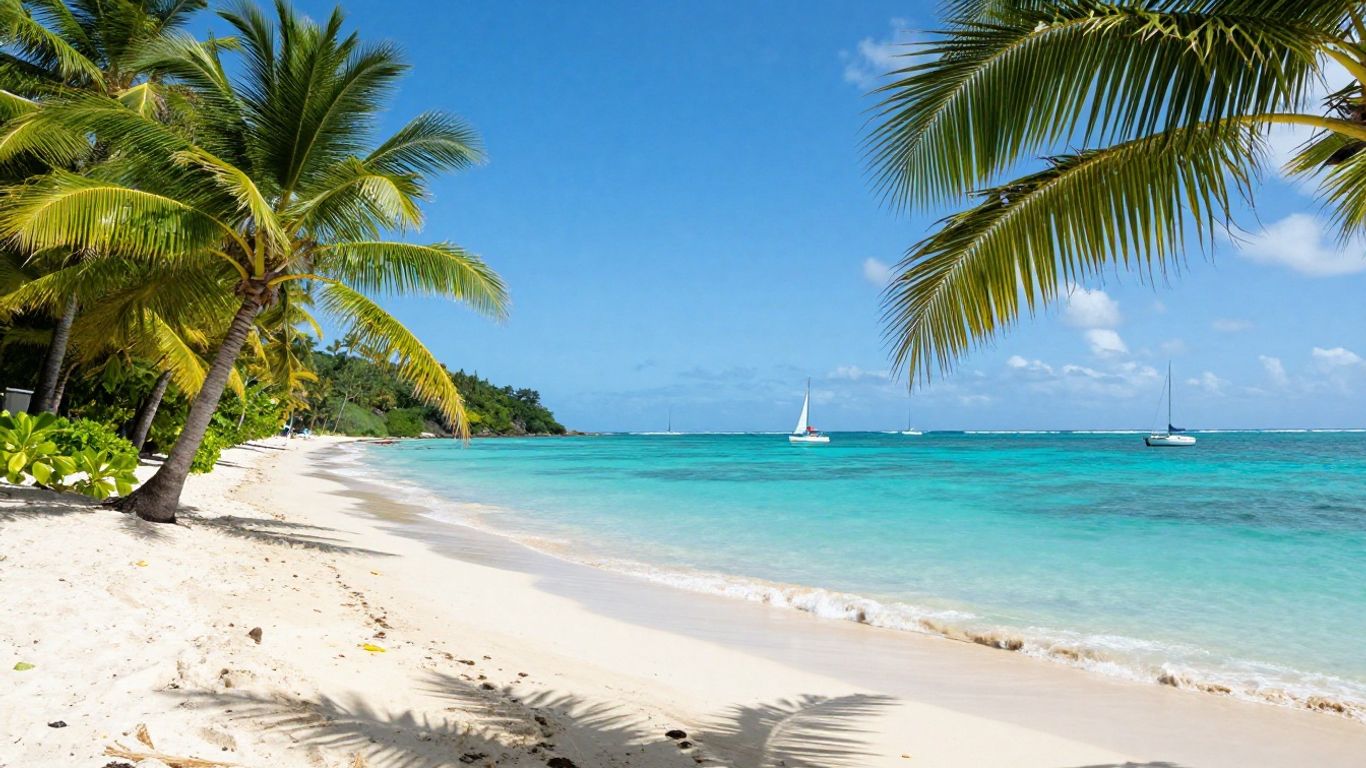
So, you’re thinking about a trip to the BVI between June and November? It’s definitely a mixed bag, and you’ve got to weigh the good against the not-so-good. The biggest draw is often the price tag and the peace and quiet.
Crowds and Cost Advantages
Let’s face it, nobody likes fighting for a spot at the bar or paying top dollar for everything. Visiting during the heart of hurricane season, especially from August through October, means fewer tourists. This often translates to lower prices on flights, accommodations, and even boat charters. You might find yourself with more elbow room on the beaches and a more relaxed vibe overall. It’s a chance to experience the islands without the usual hustle and bustle, which can be pretty appealing if you’re looking for a chill getaway.
Operational Changes in Tourism and Yachting
Now, here’s where things get a bit more complicated. Because this is hurricane season, many businesses take a break. Think of it as the islands’ siesta time. Some restaurants, beach bars, and even charter companies might close up shop for a few weeks or months. This is often when they do maintenance or simply give their staff a well-deserved rest. So, while you might save money, you could also find that some of your favorite spots are boarded up. It means you need to do a bit more homework beforehand to check what’s open and what’s not. For sailors, this can mean fewer services available, like fully stocked provisioning stores or maintained mooring fields. You’ll likely need to be more self-sufficient and flexible with your plans.
Safety Precautions to Consider
This is the big one, obviously. The main risk is, well, a hurricane. While not every storm forms into a major event, the possibility is there. If a storm is brewing, your travel plans could be drastically altered. Charter companies will often require boats to return to base, and you might need to evacuate or find secure shelter. Modern weather forecasting is pretty good, usually giving a few days’ notice, but it still means your dream vacation could be cut short or significantly changed. It’s absolutely vital to have travel insurance that covers weather-related cancellations and interruptions. Always keep an eye on weather reports and have a backup plan, or even a Plan B and C. It’s not about being scared, it’s about being prepared so you can still have a good time, storm or no storm.
Visiting during the off-season means you’re rolling the dice a bit. While many days are perfectly beautiful and calm, you need to be ready for the possibility of unsettled weather and have contingency plans in place. It’s a trade-off between potential cost savings and quietness versus the risk of weather disruptions and limited services.
Safe Boating and Sailing Practices in Hurricane Season
When hurricane season hits the British Virgin Islands, life on the water shifts—from the daily shuffle of bareboats to a more cautious and informed adventure. If you’re thinking about sailing during this time, you need a plan, not just a captain’s hat and good weather apps. Let’s break down some practical steps to keep your trip safe and stress-free.
Sailing Weather Tools and Tracking
Staying updated is your best defense against storm surprises. Here’s how you can keep ahead:
- Use a dedicated marine weather app—think Windy, PredictWind, or NOAA’s hurricane center.
- Tune your VHF radio daily for local updates and Coast Guard advisories.
- Have access to a satellite phone or reliable internet in case cell service goes down.
- Write down emergency contact numbers and local port authorities in case you need help fast.
The table below lists some helpful tools to track weather and storm activity:
| Tool | Type | Benefit |
|---|---|---|
| Windy | App/Website | Real-time wind/storm |
| NOAA Hurricane Ctr | Website | Official storm alerts |
| PredictWind | App/Website | Route/weather planning |
| VHF Radio | Device | Local marine updates |
| Sat Phone | Device | Off-grid communication |
The trick isn’t just checking the weather in the morning, but scanning throughout the day so you don’t get caught by a sudden system moving in. Trust me, storms in the BVI don’t always give you a polite heads-up.
Choosing Safe Anchorages and Hurricane Holes
Not all anchorages are created equal—especially when the wind cranks up and swells bounce around the islands. Do a little homework before your trip:
- Identify hurricane holes like Paraquita Bay (Tortola) and seek out protected bays for emergencies.
- Use double or triple lines for mooring if you’re staying put.
- Avoid open anchorages and outer cays during heavy weather watches. These spots get rough fast.
- Remove anything loose from your deck and secure hatches, as even mild storms sling gear across the water.
It helps to chat with your charter base—many have set protocols for storm prep and will call you back early if a system is developing.
Flexibility and Contingency Planning
Messing with Mother Nature requires more than one plan. Build flexibility into your trip:
- Allow a buffer day or two so you can sit out bad weather or return to base early.
- Discuss contingency routes and backup anchorages with your crew.
- Know the procedure for emergency evacuation—charter companies will often require you to bring the boat back if a hurricane is in the forecast.
- Check what services and provisioning stores are open; during peak season, some businesses close early, and fuel or food may run low.
If you’re heading out June to November, expect the unexpected. Being willing to change your itinerary on the fly is just part of boating in hurricane season.
One day you might be swimming in turquoise coves; the next, racing to a safe harbor as dark clouds roll in. Keep your cool, rely on your prep, and you’ll enjoy the best of the BVI—plus a great travel story at the end.
Preparing for Extreme Weather While on Vacation
Traveling to the British Virgin Islands during hurricane season means you have to be ready for anything. A little planning goes a long way when it comes to staying safe and comfortable if a storm rolls in. Let’s get into what you should do before and during your trip so you’re not caught off guard.
Travel Insurance and Emergency Plans
- Review and purchase travel insurance that specifically covers weather disruptions, including hurricanes.
- Check if your lodging or charter operator offers a hurricane guarantee or rescheduling policy.
- Make an evacuation plan. Know where the nearest hurricane shelters are on each island you plan to visit.
- Designate a single person (a friend or relative at home) as your emergency contact. They’ll relay info if communication networks go down and you need to check in.
| Insurance Policy Feature | Typical Coverage |
|---|---|
| Trip Cancelation | Full or partial |
| Trip Interruption | Pro-rated return |
| Emergency Evacuation | Covered (limits) |
| Lost or Delayed Belongings | Often included |
Take time to discuss your emergency plan with everyone traveling with you—knowing exactly what you’ll all do makes a stressful situation easier to manage.
Staying Informed with Local Alerts
- Subscribe to mobile weather alerts for the BVI through trusted weather apps before you arrive.
- Listen to local radio stations for the most current updates (especially when internet is unreliable).
- Follow the BVI Department of Disaster Management on social media for trusted, up-to-date information.
- Pay attention to hotel or charter operator briefings—they usually have reliable local knowledge and regular updates.
- Don’t rely only on your phone. Keep a backup battery or a small hand-crank radio.
Packing Essentials and Communication Tips
- Pack a battery-powered flashlight, extra batteries or a portable charger, all needed medications, a basic first aid kit, and antiseptic wipes.
- Bring hard copies of your key documents—passport, travel insurance, ID—in a waterproof pouch.
- Tuck in a few snacks and bottled water; if you get stuck in a shelter or have to wait out bad weather, these will be great to have.
- Use bug spray and lightweight clothing; storms can ramp up mosquitoes.
- Make sure everyone in your group knows how to use your group chat or group text if you split up.
- Emergency items you’ll want in your bag:
None of this takes much extra space, but it can make all the difference if the weather turns quick and the shops or services close early.
Best Alternative Times to Visit the British Virgin Islands
While the peak season from December to April is fantastic for sunshine and steady winds, it also means more people and higher prices. If you’re looking for a different vibe, consider these other times to experience the BVI.
Shoulder Season Benefits
The periods just before and after the main tourist rush can be a sweet spot. Think late April through June, and then again in November. The weather is still really pleasant, with warm temperatures and good sailing breezes, though perhaps a touch less consistent than in mid-winter. The biggest perk? Fewer crowds. You’ll find it easier to get a prime spot at popular anchorages, and the beaches feel a lot more like your own private slice of paradise. Plus, you might snag better deals on accommodations and charters.
Off-Season Tranquility and Challenges
Visiting from July to November puts you squarely in the hurricane season. Now, this doesn’t mean it will storm every day – far from it. Many days are perfectly sunny and beautiful. However, there’s a definite risk of tropical storms or hurricanes, which can disrupt travel plans significantly. If you choose to visit during this time, you’ll find the islands incredibly quiet and lush. Prices are often at their lowest, and you’ll have a truly tranquil experience. It’s a trade-off: potential for great savings and solitude versus the chance of weather-related issues.
Selecting the Right Month for Your Needs
When picking your travel dates, think about what matters most to you.
- December – April: The classic choice. Great weather, lively atmosphere, but expect crowds and peak pricing.
- Late April – June: A good balance. Still warm, good sailing, fewer people than winter, and prices start to drop.
- July – August: Warmest months, very quiet, but you’re entering hurricane season. Requires flexibility and good weather monitoring.
- September – November: Generally the quietest and potentially cheapest time, but also the most active part of hurricane season. November often sees a return to more stable weather patterns.
Traveling during the shoulder or off-season requires a bit more planning. Always have a flexible itinerary and stay updated on weather forecasts. Checking with your charter company about their hurricane preparedness plans is also a smart move.
Ultimately, the BVI is beautiful year-round. It’s just about finding the season that best matches your budget, tolerance for crowds, and appetite for potential weather adventures.
What to Expect if a Storm Approaches
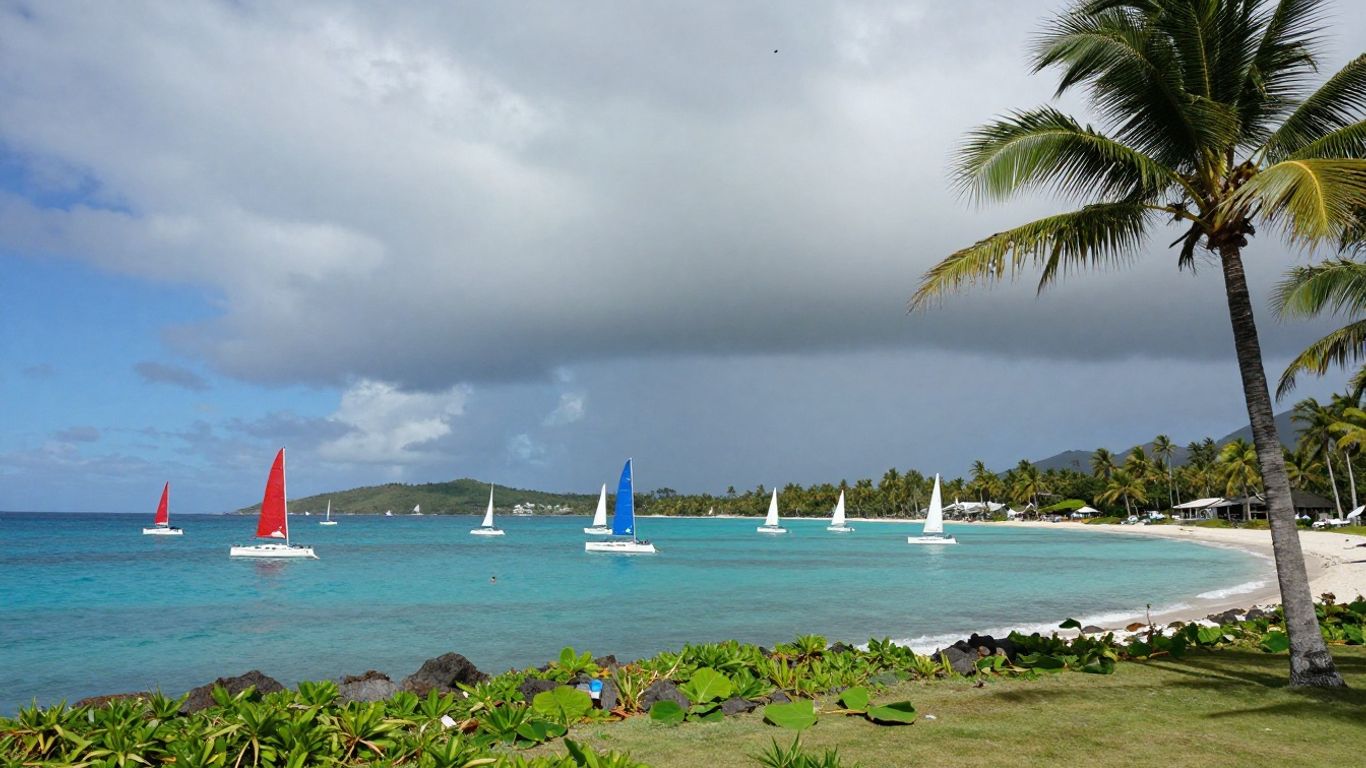
Storms in the British Virgin Islands can seriously change your plans in a matter of hours. When a tropical storm or hurricane is on the horizon, it’s important to know the process for visitors, typical timelines of storm events, and what happens once things settle down. Here’s what you can expect and some steps you might need to take.
Protocols for Visitors and Sailors
If a storm is approaching, you won’t be left to figure things out alone. Most charter companies, resorts, and local authorities have set protocols:
- Charter companies call boats back to their bases early and may help arrange shelter or inform you of evacuation orders.
- Some visitors may be required to leave before residents if the government orders an evacuation.
- Hotels and guesthouses often have emergency plans—listen to staff instructions.
- If you’re on a yacht, be ready to move quickly: secure the boat, strip loose items from the deck, and know your storm shelter options.
- Local businesses may close suddenly, so stock up on food, water, and fuel as soon as warnings are issued.
Typical Timeline of a Storm Event
Storm prep and response moves fast, and some parts are intense. Here’s a rough outline of how things usually unfold:
| Phase | Approximate Timeframe | What Happens |
|---|---|---|
| Watch/Warning Issued | 24–72 hours before storm | Authorities update public, evacuation may start, businesses shut down |
| Pre-Storm Prep | 12–36 hours before arrival | Extra supplies bought, boats secured, anchorages fill up |
| Storm Hits | 6–24 hours | Heavy rain, strong winds, no outdoor activity; power outages likely |
| Immediate Aftermath | 1–48 hours after storm | Danger from debris, flooding, limited movement, emergency crews active |
| Recovery & Clean-Up | 2–7 days after | Businesses gradually reopen, transport resumes |
When a storm is on the way, timelines move quickly—don’t wait until the last minute to act, and expect plans to change with little notice.
Resuming Activities After a Hurricane
BVI communities work hard to bounce back, but patience is key. What should you expect?
- It can take days to reopen airports, ferries, roads, and marinas.
- Utilities like electricity and internet might be shaky for a while.
- Some restaurants and shops reopen quickly, but others may stay shut for repairs or until staff return.
- Beaches could be littered with debris, and water activities might be suspended until safety checks are done.
- Tourists should follow local guidance about where it’s safe to go.
Flexibility is your best friend after any big storm. Don’t try to rush things—wait for official updates, help can be delayed, and sometimes the calm is the best part of your trip.
Wrapping It Up: Your BVI Adventure Awaits
So, planning a trip to the British Virgin Islands during hurricane season is definitely a bit of a gamble, but it doesn’t have to be a total washout. You might snag some sweet deals and enjoy quieter spots, but you’ve got to be ready for anything. Keep an eye on the weather, have a backup plan, and maybe grab some travel insurance just in case. Even with the risks, the BVI is still a pretty amazing place to visit, and with a little smart planning, you can still have a fantastic time. Just remember, whether you go during the calmest months or the stormier ones, the islands have a way of making memories that stick with you.
Frequently Asked Questions
When does hurricane season happen in the British Virgin Islands?
Hurricane season in the British Virgin Islands runs from June to November. The highest chance for storms is usually between August and October.
Is it safe to visit the BVI during hurricane season?
It can be safe if you stay updated on weather reports and follow local advice. However, storms can happen quickly, so it’s important to be flexible with your plans and have travel insurance just in case.
Are there fewer tourists in the BVI during hurricane season?
Yes, there are usually fewer visitors during this time. This means less crowded beaches and lower prices for hotels and activities, but some businesses may close for the season.
What should I pack if I visit the BVI during hurricane season?
Bring light clothes for hot, humid weather, a rain jacket, waterproof bags for your electronics, and a flashlight. Also, pack extra snacks and water in case you need to stay inside during a storm.
Will all restaurants and tours be open during hurricane season?
Not always. Many restaurants, charter companies, and tours close for a few weeks in September and October. It’s a good idea to call ahead and check what’s open before you go.
What should I do if a hurricane is coming while I’m in the BVI?
Listen to local news and weather alerts. Follow the instructions from hotel staff or local officials. Move to a safe place if told to do so, and avoid going outside during the storm.