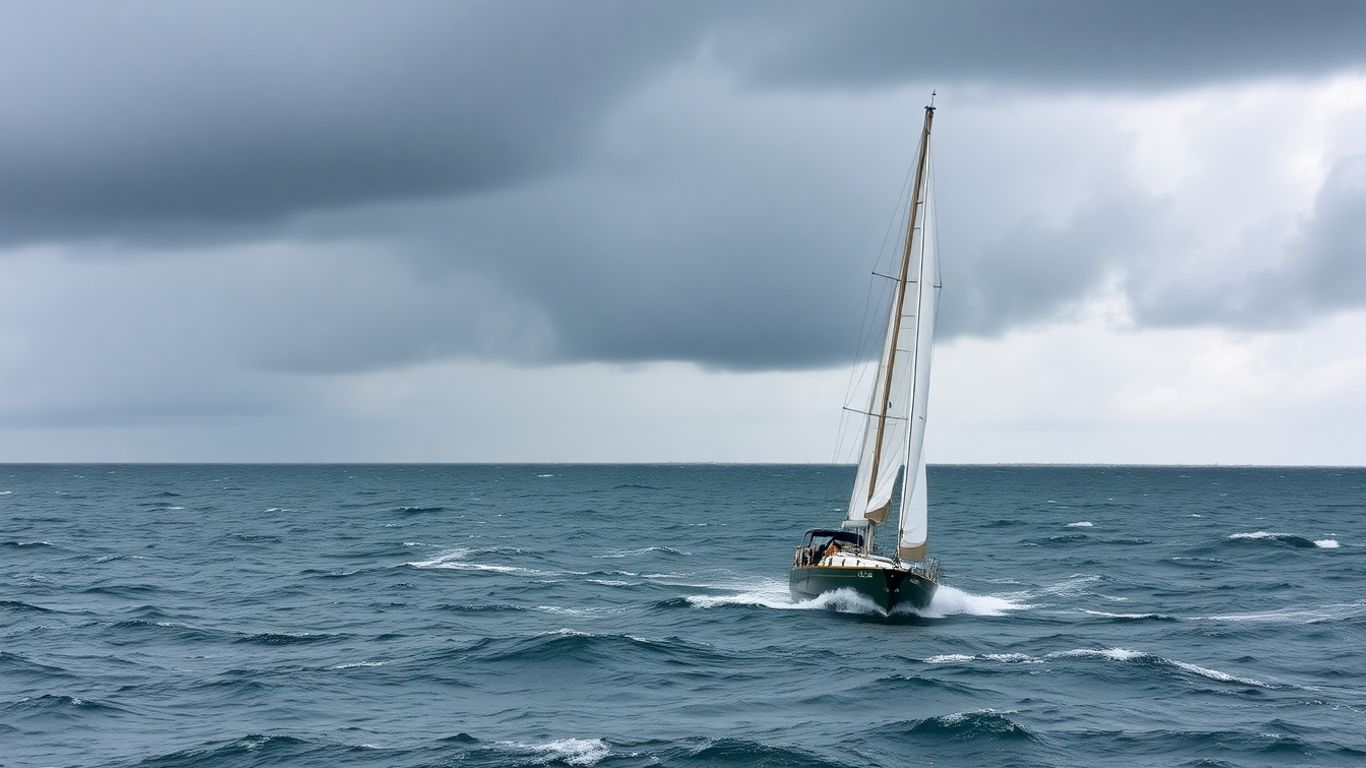
Planning a sailing trip to the British Virgin Islands is exciting, but knowing when to go is key. The BVI hurricane season, which runs from June 1st to November 30th, is a big factor for many sailors. While the islands are beautiful year-round, understanding the weather patterns and preparing properly can make all the difference for a safe and enjoyable adventure. This guide will help you get ready for sailing during this time.
Key Takeaways
- The official bvi hurricane season is from June 1 to November 30, with the highest risk typically between August and October. Sailors should always monitor weather forecasts during this period.
- While the peak season (December to April) offers the most reliable weather and steady winds, the shoulder seasons (May, November) and even the low season (June to October) can provide good sailing with fewer crowds and lower costs, but require more weather vigilance.
- Proper preparation is vital. This includes securing your vessel, having reliable communication methods for weather updates, and stocking necessary emergency supplies.
- Consider hurricane insurance if you plan to charter or sail during the bvi hurricane season. Charter flexibility and understanding insurance policies are important for peace of mind.
- Familiarize yourself with safe harbors, anchorages, and potential navigational hazards, especially if sailing during periods of uncertain weather.
Understanding the BVI Hurricane Season
So, you’re thinking about sailing in the British Virgin Islands, which is awesome! But if you’re planning a trip between June and November, you’ve got to know about hurricane season. It’s not something to totally freak out about, but it’s definitely something to be aware of and plan around. Think of it like knowing when to bring an umbrella – you might not need it every day, but it’s smart to have it handy.
Official Hurricane Season Dates
The official hurricane season for the Atlantic basin, which includes the BVI, runs from June 1st to November 30th every year. This is a pretty standard timeframe that meteorologists use to track and prepare for tropical weather systems. It doesn’t mean storms are happening constantly during this whole period, but it’s the window when conditions are most favorable for them to form.
Peak Risk Months
While the season spans six months, the real action, or at least the highest probability of storms, tends to happen between August and October. These are the months when the ocean waters are warmest, and atmospheric conditions are just right for hurricanes to develop and strengthen. So, if you’re looking at dates within this window, it’s extra important to stay tuned to the weather.
Impact on Sailing Plans
Having a hurricane threat nearby can really change your sailing plans. Storms can cause sudden, strong winds and rough seas, making sailing unsafe. Charter companies might even cancel trips or require you to bring the boat back to the marina early for safety. It’s all about prioritizing safety, and sometimes that means adjusting your itinerary or even postponing your trip. Flexibility is key here!
It’s important to remember that not every storm that forms will hit the BVI directly. Many systems pass by without causing any issues. However, even storms far away can affect sailing conditions with increased winds and swell. Always have a backup plan and know where the nearest safe harbor is.
Here’s a quick look at the general risk level:
| Month | Risk Level |
|---|---|
| June | Low |
| July | Low-Medium |
| August | Medium |
| September | High |
| October | High |
| November | Low-Medium |
This isn’t an exact science, of course, but it gives you a general idea of when to be most vigilant.
Navigating Weather Patterns During the BVI Hurricane Season
When you’re thinking about sailing in the British Virgin Islands, especially during the summer and fall, you’ve got to get a handle on what the weather’s usually like. It’s not all about hurricanes, though that’s definitely a big part of the picture. You’ll see a range of conditions that can affect your trip.
Typical Weather Conditions
During the official hurricane season, which runs from June 1st to November 30th, the BVI tends to be warmer and more humid than in the winter months. You can expect temperatures to hover in the high 80s Fahrenheit (around 30°C). While the winter months are known for steady, reliable trade winds, the summer and fall can be a bit more of a mixed bag. Winds might not be as strong or as consistent, sometimes dropping to 5-15 knots. This can mean less ideal sailing conditions on some days, but it also means calmer seas, which can be nice for exploring or if you’re not a fan of rougher water. The shift in wind patterns from the usual northeast trades to more southerly breezes can create different sailing experiences. It’s important to remember that even outside of major storm events, the weather can change quickly. You might have a sunny morning followed by a brief, heavy downpour in the afternoon. For those planning a trip, understanding these shifts is key to a good time on the water. If you’re looking for the most reliable sailing conditions, you might want to check out the peak season sailing.
Rainfall and Showers
Rainfall is definitely more common during the hurricane season months. September and October are typically the wettest. But don’t picture constant, all-day rain. Most of the time, you’ll experience short, intense showers. These can pop up quickly, often in the afternoon, and then the sun comes right back out. It’s not unusual to see a rainbow after one of these squalls. While these showers can be heavy, they usually don’t last too long and can actually be a welcome break from the heat and humidity. However, it’s wise to be prepared for them, especially if you’re planning activities that depend on clear skies.
Wind Speeds and Sea States
Wind is what makes sailing happen, right? During the BVI hurricane season, the trade winds, which are usually pretty dependable, can become less predictable. They might weaken or shift direction more often. You could see winds anywhere from 5 to 15 knots, which is a big difference from the 15-25 knots you might get in the winter. This means that some days might be better for motoring than sailing, or you might have lighter air sailing. The sea states generally follow the wind. When the winds are lighter, the seas tend to be calmer. This is good news if you get seasick easily. However, if a tropical storm or hurricane is in the area, even at a distance, the winds can pick up significantly, and the seas can become rough and unpredictable. It’s always best to check the marine forecast before heading out.
Staying informed about the weather is not just a suggestion; it’s a necessity when sailing in the BVI during the hurricane season. Even a distant storm can influence local conditions, leading to unexpected wind shifts and rougher seas.
Here’s a general idea of what to expect:
- June-July: Winds might be lighter, around 5-15 knots, with a higher chance of afternoon showers. Seas are generally moderate.
- August-October: This is the peak of hurricane season. Winds can vary greatly, from light and variable to strong gusts if a storm is nearby. Sea states can become rough quickly. Showers are frequent.
- November: Winds start to pick up again, often returning to the 10-20 knot range from the northeast. Rainfall decreases, and the seas tend to calm down as the season winds down.
It’s really about being prepared for variability. Having a good weather app and knowing where to find local forecasts will make a big difference in your trip planning.
Essential Preparations for Sailors
Getting ready for a sailing trip during hurricane season means being smart and prepared. It’s not about being scared, but about being sensible. Think of it like packing for any trip, but with a few extra layers of caution. The goal is to have a fantastic time without any unnecessary surprises.
Securing Your Vessel
When you’re not actively sailing, or if you need to leave your boat for any reason, making sure it’s secure is top priority. This means more than just tying it up. You’ll want to remove anything that could catch the wind, like sails or canvas covers, if you’re leaving the boat unattended for an extended period. Check all lines and fenders, and consider how the boat will sit in the water if the weather turns. If you’re chartering, talk to the company about their procedures for storm preparation. For those with their own boats, it’s wise to have a plan for hauling out or securing in a well-protected harbor if a serious storm is predicted. Preparing your boat for the end of the season involves similar steps, like removing running rigging and inspecting all lines, which is good practice even outside of hurricane season.
Communication and Monitoring
Staying informed is your best defense. You’ll want to have a reliable way to get weather updates. A good VHF radio is a must, and knowing the local marine weather channels is key. Many sailors also rely on satellite phones or SSB radios for more robust communication, especially if you’re venturing further out. Don’t forget to keep your devices charged! Having a portable power bank can be a lifesaver. Many charter companies provide specific apps or resources for weather monitoring, so be sure to check those out before you depart. It’s also a good idea to have a plan for how you’ll communicate with your crew and with shore support if needed.
Emergency Supplies and Procedures
Beyond the usual sailing gear, think about what you might need if things get a bit rough. A well-stocked first-aid kit is non-negotiable. Make sure you know where it is and what’s in it. Beyond basic medical supplies, consider extra water and non-perishable food, especially if you might be caught in a situation where getting to shore is difficult. Having dry bags for electronics and important documents is also smart. It’s also wise to have a basic understanding of emergency procedures, like how to deploy a life raft if necessary, and to know the location of safety equipment on board. Having a plan for what to do in different scenarios can make a big difference.
Being prepared doesn’t mean you’ll need to use these supplies, but it offers peace of mind. It’s about having the right tools and knowledge ready, just in case.
Chartering and Insurance Considerations
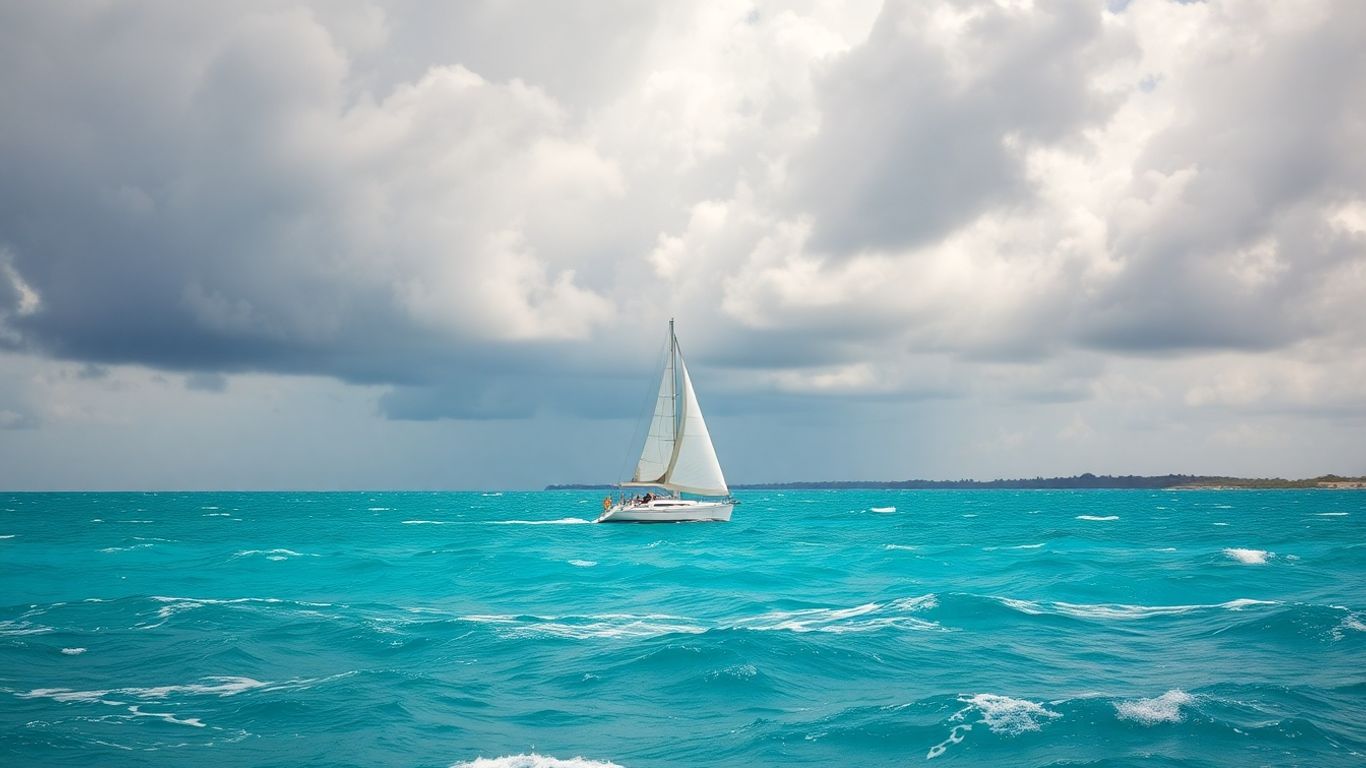
When you’re thinking about chartering a boat in the British Virgin Islands, especially during the hurricane season, there are a few things you’ll want to sort out beforehand. It’s not just about picking the boat you like; it’s also about making sure you’re covered if things go sideways with the weather.
Hurricane Insurance Necessity
Having the right insurance is pretty much a no-brainer when chartering during hurricane season. While charter companies usually have their own insurance, it often doesn’t cover storm-related cancellations or disruptions. You’ll want to look into trip cancellation and interruption insurance. This can save you a lot of money if a storm forces you to change your plans or cancel altogether. It’s worth checking the specifics of what each policy covers, as some might have exclusions for named storms within a certain timeframe before your trip.
Charter Flexibility
Flexibility is key when booking a charter during the hurricane season. Many charter companies understand the risks and offer different policies. Some might let you reschedule your trip for free if a hurricane is forecast for your sailing dates. Others might offer credit towards a future charter. It’s a good idea to ask about their hurricane policy upfront before you book. This way, you know what to expect if the weather doesn’t cooperate.
Here’s what to look for in a charter company’s flexibility:
- Rescheduling Options: Can you move your charter dates without penalty if a storm is approaching?
- Cancellation Policies: What happens if the charter company has to cancel due to weather?
- Refunds or Credits: Will you get your money back, or a credit for a future trip?
Choosing the Right Yacht and Crew
When you’re picking out your boat, think about what kind of sailing you want to do and who will be on board. If you’re not a super experienced sailor, or if you’re worried about handling a boat in potentially tricky weather, a crewed charter is a great option. The captain and crew know the local waters and can make smart decisions about where to go and when to move to a safer spot if a storm is brewing. They handle all the tricky bits, so you can just relax.
If you’re set on sailing yourself (bareboat charter), make sure you’re comfortable with your sailing skills and have a good grasp of weather monitoring. For families or groups, a catamaran often provides more space and stability, which can be nice if the seas get a bit choppy. Smaller monohulls can also be perfectly fine, but it’s all about your comfort level and experience.
Alternative Sailing Times
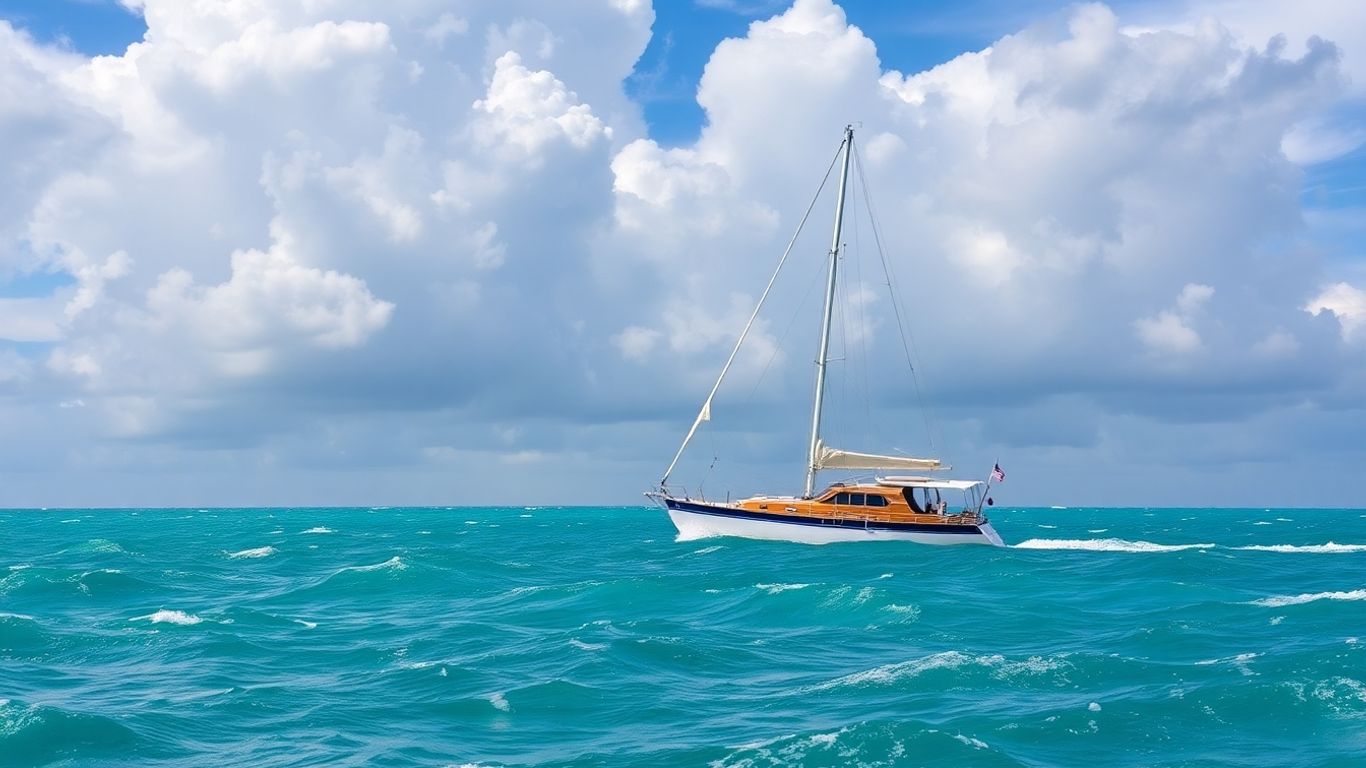
While the peak season from December to April is fantastic for steady winds and sunny skies, it’s not the only time you can enjoy the British Virgin Islands. If you’re looking to avoid the biggest crowds or perhaps snag a better deal on a charter, consider sailing during the shoulder or even off-seasons. Each period has its own charm and offers a different kind of sailing experience.
Shoulder Season Advantages
The periods just before and after the main winter rush, specifically November and May through mid-July, are often overlooked but can be incredibly rewarding. During these times, the weather is generally still very pleasant. You’ll find the trade winds are a bit more relaxed, typically blowing between 10-15 knots, which can make for a gentler, more comfortable sail, especially if you’re not a fan of constant strong breezes. Plus, with fewer boats out on the water, anchorages are less crowded, and you’ll have a better chance of securing your preferred spots. It’s a great way to experience the BVI with a bit more breathing room.
Off-Season Value
Sailing from mid-July through early November means you’re sailing during the low season. This is when you’ll find the most significant savings on charter rates. The temperatures are at their warmest, and while there’s a higher chance of rain showers, they are often brief and pass quickly, leaving behind clear skies. Daylight hours are a bit shorter, but the overall experience can be very peaceful. It’s important to remember that this period overlaps with hurricane season, so travel insurance and flexible plans are a must. Many restaurants and smaller establishments might have reduced hours or be closed during this time, so planning your provisioning and dining ashore is key. You can find some great deals if you’re willing to be flexible, and it’s a good time to explore if you don’t mind the heat and the possibility of a passing shower. For those looking for a quieter trip, this is definitely the time to consider.
Best Months for Reliable Conditions
If your priority is the most predictable and consistent sailing weather, then the core winter months, December through April, are your best bet. This is when the trade winds are strongest and most reliable, typically blowing from the northeast at 15-25 knots. These steady winds make for excellent sailing and allow for straightforward passage planning. The seas are generally calmer, and the weather is dry and warm, though not excessively hot. The downside, of course, is that this is also the busiest and most expensive time to visit. Many charter companies are fully booked, and popular anchorages can get crowded. If you want the classic BVI sailing experience with the most dependable conditions, booking well in advance for this period is highly recommended. It’s the time when the islands truly live up to their reputation as a premier sailing destination, offering that perfect Caribbean breeze you’ve been dreaming of. You can find more information on planning your trip during these prime months on BVI sailing resources.
Safety and Navigation During Storm Threats
When hurricane season rolls around in the BVI, staying safe and knowing where you’re going becomes extra important. It’s not just about enjoying the trip; it’s about being prepared for whatever the weather might throw at you. Paying close attention to weather updates is your most important job.
Monitoring Weather Forecasts
Keeping an eye on the weather isn’t a suggestion; it’s a requirement. You’ll want to use a few different sources to get the full picture. Most charter companies will give you access to weather apps or websites, but it’s good to have your own backup.
- Daily Checks: Make it a habit to check the forecast at least once a day, ideally in the morning. Look for any signs of developing tropical systems.
- Multiple Sources: Don’t rely on just one app. Use a combination of official sources like the National Hurricane Center (NHC) and local BVI weather services. Radio weather broadcasts can also be a lifesaver if your internet goes out.
- Understand the Advisories: Learn what watches and warnings mean. A ‘watch’ means conditions are possible, while a ‘warning’ means they are expected. This helps you know when to start taking action.
When a storm is brewing, it’s not just about the wind and rain. You also need to think about sea conditions. Rough seas can make sailing difficult and dangerous, even if the storm isn’t directly overhead. Always consider how the storm’s path might affect the waters you plan to sail in.
Safe Harbors and Anchorages
Knowing where to go if the weather turns bad is key. The BVI has some great spots, but not all are created equal when a storm is coming.
- Protected Bays: Look for anchorages that are well-protected from the prevailing winds and swell. Places like Cane Garden Bay on Tortola or protected coves on the north side of islands can offer good shelter.
- Charter Company Advice: Your charter company will have specific recommendations for storm preparation. They know the local waters and the best places to ride out bad weather.
- Avoid Exposed Areas: Steer clear of anchorages that are open to the sea or known for strong currents, especially during storm season. Even a strong breeze can whip up a nasty chop in the wrong spot.
Navigational Hazards to Avoid
Storms can change conditions, making familiar waters tricky. Plus, some hazards are always there, but you need to be extra careful during bad weather.
- Shallow Reefs and Rocks: The BVI has many beautiful coral reefs, but they can be hidden dangers, especially with poor visibility or high waves. Always consult your charts and keep a sharp eye out.
- Unmarked Hazards: Not everything is on the chart. Be cautious in less-traveled areas or when conditions reduce visibility. Stick to known channels if you’re unsure.
- Strong Currents: Areas like the Sir Francis Drake Channel can have strong currents, which can be made worse by changing weather patterns. Be ready to adjust your speed and course to account for them.
Wrapping Up Your BVI Sailing Plans
So, you’ve got the lowdown on sailing the BVI. Remember, the islands are pretty forgiving most of the year, with those nice trade winds making things easy. But when hurricane season rolls around, from June through November, things can get a bit dicey. It’s not just about the big storms, but also the sudden squalls and higher humidity. If you’re planning a trip during this time, especially August to October, just be ready to be flexible. Maybe book a charter with a captain, or have a backup plan if the weather turns. Even in the ‘off-season,’ you can still have a great time, often with fewer people and better prices, but you’ll want to keep a close eye on the forecast. Ultimately, knowing the seasons and being prepared means you can focus on enjoying those amazing turquoise waters and white sandy beaches.
Frequently Asked Questions
When is the official hurricane season in the British Virgin Islands?
The hurricane season in the BVI officially runs from June 1st through November 30th each year. While storms can happen anytime during this period, the risk is generally highest between August and October.
What are the best months to sail in the BVI if I want to avoid hurricane season?
The safest and most pleasant months for sailing in the BVI are typically from December to April. During this time, the weather is usually dry and sunny with steady winds, and the risk of hurricanes is very low.
Is it cheaper to sail in the BVI during the off-season?
Yes, sailing during the off-season, which generally includes the summer and early fall months (roughly May to November), can be more affordable. You’ll often find lower prices on charters and accommodations. However, remember this is also hurricane season, so flexibility and good planning are key.
What should I consider regarding insurance when sailing during hurricane season?
If you plan to sail between June and November, it’s highly recommended to get hurricane insurance. This type of insurance can protect your investment if your trip is canceled or interrupted due to a storm.
What are the typical weather conditions like during the summer and fall months in the BVI?
During the summer and fall, expect warmer temperatures, higher humidity, and a greater chance of rain. Showers can be frequent but are often brief, usually followed by sunshine. There’s also the possibility of tropical storms developing.
What are some important safety precautions for sailors during the hurricane season?
During hurricane season, it’s crucial to constantly monitor weather forecasts from reliable sources. Always have a plan for seeking safe harbor or making your vessel secure if a storm approaches. Knowing where the designated hurricane shelters or safe anchorages are is also important.