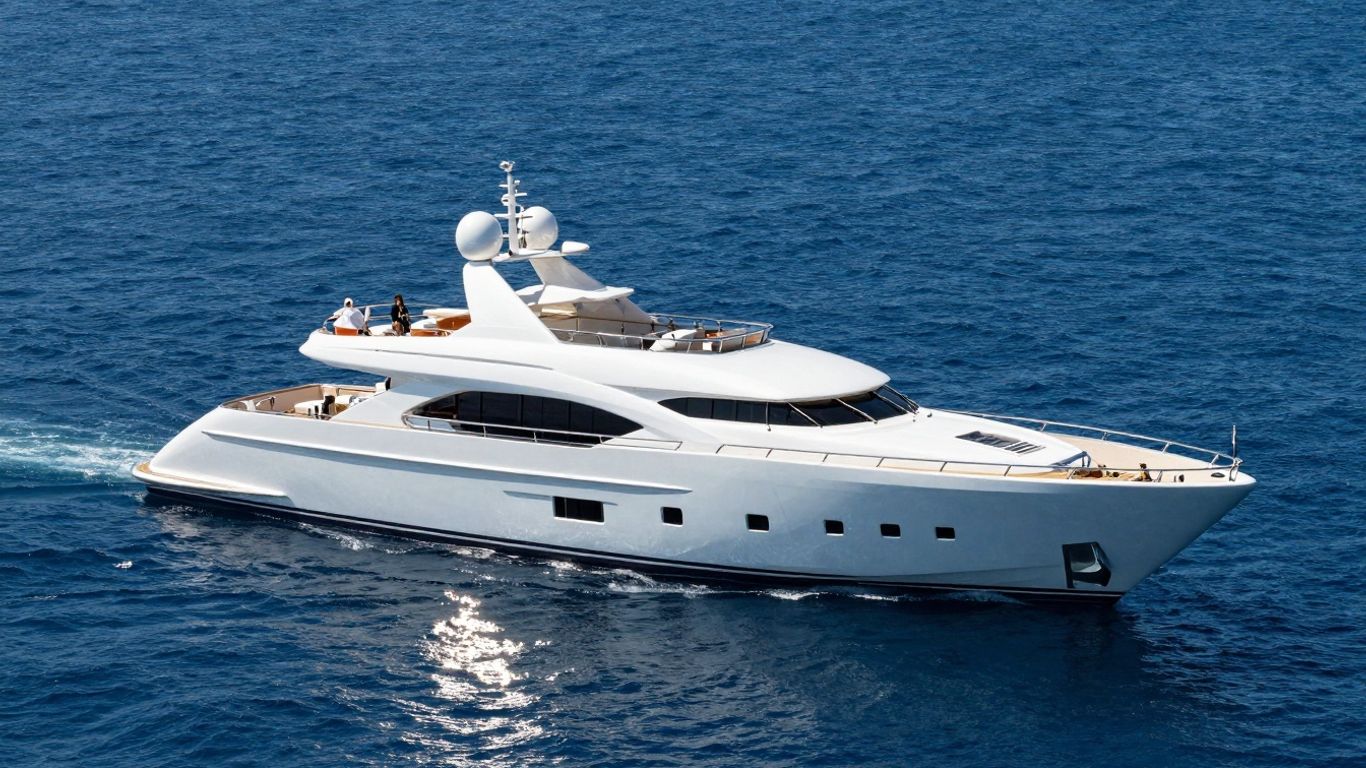
So, the whole thing with these superyachts owned by Russian oligarchs has gotten pretty complicated. Governments around the world decided to freeze or even seize these fancy boats as part of sanctions. But now they’re finding out that taking them is one thing, and figuring out what to do with them is a whole other ballgame. It turns out these yachts are a lot harder to manage and sell than anyone thought, and it’s causing a lot of headaches.
Key Takeaways
- Seizing russian oligarchs yachts involves tricky legal stuff because laws differ between countries, and proving a crime connected to the yacht is often difficult.
- Keeping these massive yachts after they’re seized costs a ton of money, sometimes more than the yacht is worth, and they can fall apart if not maintained.
- Selling these yachts is tough because potential buyers are scared off by bad press and the risk of getting caught up in legal fights later on.
- Oligarchs often hide their assets using complex offshore companies and trusts, making it hard for authorities to figure out who really owns what.
- While sanctions have frozen many assets, they haven’t really hurt the overall wealth of most russian oligarchs yachts owners, as they still have billions elsewhere.
The Complexities of Seizing Russian Oligarchs' Yachts
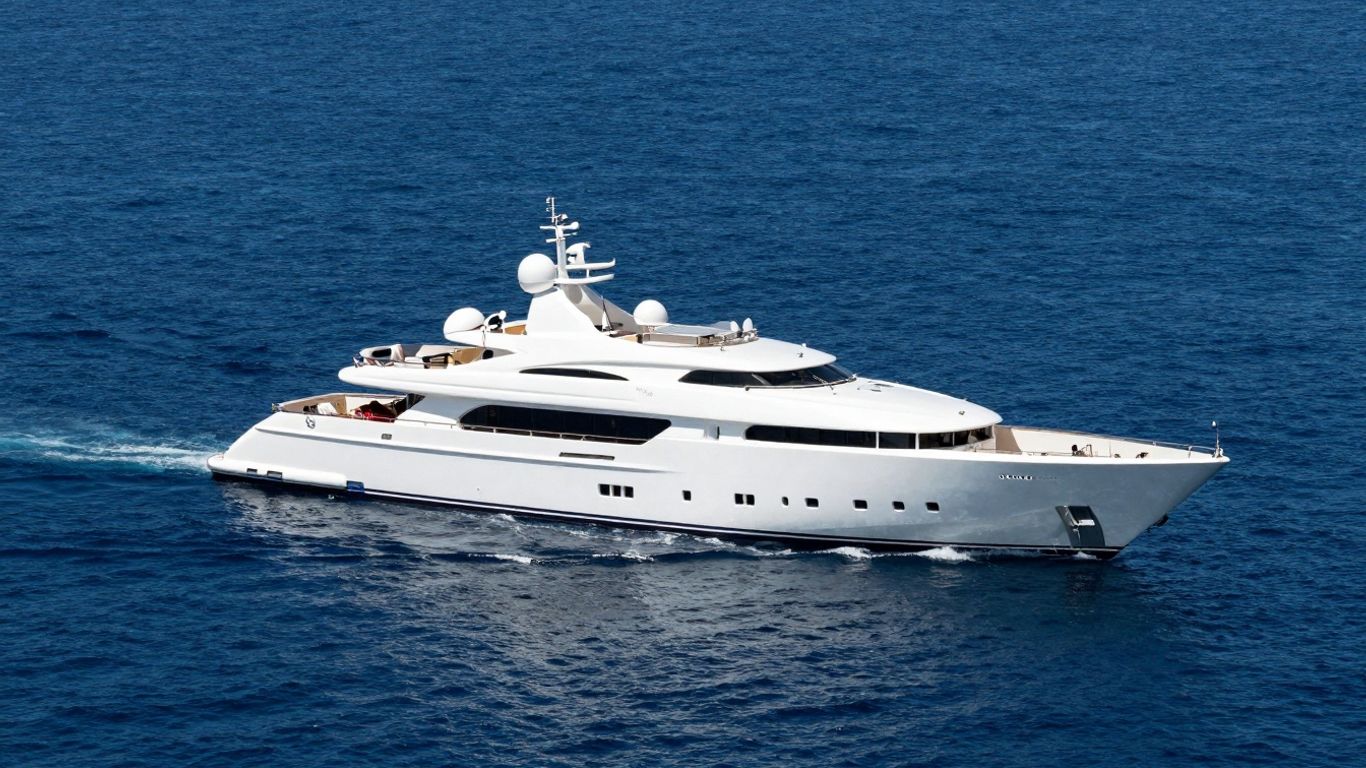
So, you hear about these massive yachts getting seized from Russian billionaires, and it sounds pretty straightforward, right? Like, "Great, they broke the rules, take their toys." But honestly, it’s way more complicated than it looks. It’s not like just walking into a garage and towing away a car. These superyachts are often wrapped up in layers of legal structures that make them incredibly difficult to pin down.
Navigating Uncharted Legal Waters
When governments started freezing these assets, many officials found themselves in territory they’d never really explored before. The sanctions themselves, while broad, don’t automatically give countries the right to just take ownership of a yacht. Usually, the oligarchs still technically own them, but they can’t use them, sell them, or move them. To actually seize and claim ownership, prosecutors have to prove that the yacht was involved in a crime. This is where things get really tricky.
The Challenge of Proving Criminality
Think about it: proving a specific crime and then directly linking a multi-million dollar yacht to that crime is a huge hurdle. The oligarchs can argue they operated within the laws that existed at the time. It’s not like they were caught red-handed smuggling something on board. The legal process to prove this connection can drag on for years, sometimes even longer than a decade, as seen in past cases involving stolen funds.
Asset Freezes Versus Formal Seizures
There’s a big difference between freezing an asset and formally seizing it. Freezing means the owner can’t do anything with it, but they still technically own it. Seizing means the government takes ownership. To get to the seizure stage, you need solid proof of illegal activity connected to the asset. This often involves cutting through a tangled web of shell companies and offshore accounts, which is exactly what these wealthy individuals have set up to protect their assets in the first place. It’s a real legal maze.
The intricate offshore structures used by many wealthy individuals create a significant barrier. These layers of corporate entities and trusts, often registered in jurisdictions with strict privacy laws, make it incredibly difficult to identify the true beneficial owner and link them directly to any illicit activity.
Here’s a quick look at the difference:
- Asset Freeze: Owner loses control, but ownership technically remains with them. No selling, moving, or using the asset.
- Formal Seizure: Government takes legal ownership of the asset. This requires proving the asset is linked to criminal activity.
It’s a slow, painstaking process, and frankly, a lot of these yachts are just sitting there, stuck in legal limbo, while everyone figures out what to do next.
The Fate of Detained Russian Oligarchs' Yachts
The High Cost of Maintaining Seized Vessels
So, you’ve got this massive, fancy yacht, right? And then, bam, it gets seized. What happens next? Well, someone’s gotta pay to keep it from falling apart. We’re talking about crews, docking fees, regular maintenance – the stuff that keeps these floating palaces from turning into rust buckets. It adds up, and fast. For example, the Amadea, a yacht that ended up in U.S. custody after being held in Fiji, is costing the government a pretty penny, something like over $10 million a year just to keep it shipshape. It’s a real headache because the oligarchs themselves might not be too keen on footing the bill, and the authorities holding the yachts aren’t exactly set up to be luxury marina managers.
Legal Battles Over Ownership and Proceeds
Then there’s the whole ownership mess. Most of these superyachts aren’t just owned by ‘Ivan Ivanov.’ Nope, they’re usually tucked away inside a maze of shell companies and offshore accounts. Trying to figure out who really owns it, and if that owner is actually linked to any wrongdoing, is like untangling a giant ball of yarn. It’s not as simple as just saying, ‘This boat belongs to this sanctioned person, so it’s ours now.’ You often need solid proof that the yacht is tied to a crime, which is a whole other legal hurdle. And if the government does manage to sell it, who gets the money? That’s another big question mark, leading to potential court fights that could drag on for ages.
Deterioration and Decreased Value of Assets
Honestly, if a yacht just sits there, not being used or properly looked after, it’s going to start looking pretty sad. Think about it: paint fades, engines need running, the hull needs cleaning. Without constant attention, these multi-million dollar toys can lose value faster than you can say ‘depreciation.’ It’s a real concern that the longer these yachts are stuck in legal limbo, the less they’ll be worth. Eventually, you could end up with a boat that’s worth less than the debts piled up against it, making it a real problem to sell, even if you could find a buyer willing to deal with all the baggage.
The legal and practical challenges of managing seized superyachts are significant. Costs for maintenance and the complexities of proving ownership can lead to prolonged legal disputes and a decline in the assets’ value, creating a difficult situation for all parties involved.
Here’s a quick look at some of the issues:
- Maintenance Costs: Ongoing expenses for crew, docking, and upkeep can quickly exceed the yacht’s depreciating value.
- Ownership Complexity: Tracing true ownership through offshore structures is a major legal hurdle.
- Legal Uncertainty: The lack of clear legal precedent for handling such assets can lead to lengthy court battles.
- Asset Depreciation: Neglect and time can significantly reduce the market value of seized vessels.
Challenges in Selling Seized Superyachts
Buyer Hesitation Due to Scrutiny and Legal Risks
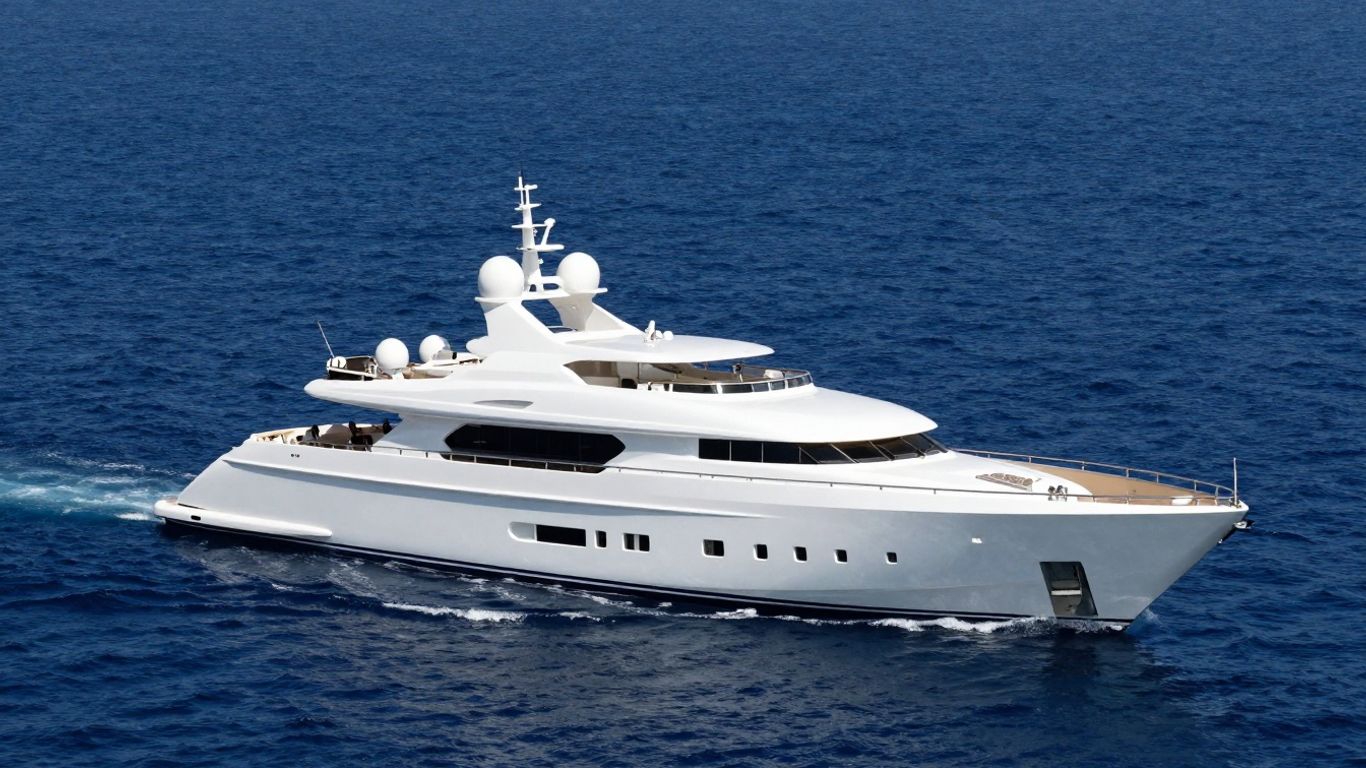
Trying to sell a superyacht that’s been seized by authorities isn’t exactly a walk in the park. For starters, who wants to buy a boat that’s been in the news for all the wrong reasons? Potential buyers, especially those in North America and Europe, are getting nervous. They’re starting to ask for official statements confirming there’s no Russian connection to a yacht before they even consider making an offer. It’s not about being anti-Russian, really, it’s more about avoiding a massive headache down the line. Nobody wants to get caught up in legal battles or have their new toy impounded later.
Piercing Corporate Veils for True Ownership
Most of these massive yachts aren’t owned by a person directly. They’re usually tucked away inside shell companies or complex trust structures, often in offshore jurisdictions. This makes it incredibly difficult to figure out who actually owns the boat and, more importantly, if it’s truly linked to sanctioned individuals. Sanctions are meant to target specific people, but if the ownership is murky, it’s hard to prove the yacht is directly tied to them. It’s like trying to untangle a giant knot of legal paperwork.
Impact on Shipyards and Contract Cancellations
It’s not just the yachts themselves that are affected. Shipyards that were in the middle of building these luxury vessels when sanctions hit are also feeling the pinch. Some have had to cancel contracts, leading to lawsuits and financial losses. Others have managed to sell yachts that were commissioned by sanctioned individuals to new buyers before the build was finished, often holding the payments in escrow. It’s a complicated dance of legal maneuvering and financial risk management for everyone involved.
Global Efforts to Track and Confiscate Assets
It’s a massive undertaking, trying to keep tabs on all these superyachts and other fancy stuff owned by Russian oligarchs. After Russia invaded Ukraine, countries like the U.S. and those in Europe really started working together. They wanted to freeze assets, meaning the oligarchs couldn’t use or sell them. Think of it like putting a giant lock on a door – the owner still has the key, but they can’t get inside or move anything out.
International Cooperation in Asset Freezes
This whole effort is pretty coordinated. Countries share information and try to act in unison. It’s not just about yachts, either. We’re talking about real estate, private jets, and other high-value items. The goal is to make it impossible for these individuals to benefit from wealth that might be tied to problematic activities. It’s a complex dance, with different legal systems needing to align.
The REPO Task Force's Financial Blockades
Then there’s the KleptoCapture task force, and its international partners, like the Russian Elites, Proxies, and Oligarchs (REPO) task force. They’re really focused on the money side of things. They’re trying to block financial flows and track down assets that might be hidden. It’s like a financial detective agency, working across borders to follow the money trail. Their work involves a lot of behind-the-scenes coordination to identify and block funds and assets linked to sanctioned individuals.
Proposed Legislation for Asset Allocation
Things get even more complicated when you think about what happens after an asset is frozen or seized. Right now, a lot of these seized yachts are just sitting there, costing money to maintain. There’s a lot of talk about what to do with them. Some proposals, like the "Yachts for Ukraine Act" in the U.S., suggest selling these assets and using the money to help Ukraine. It’s a way to potentially turn these seized items into something useful, rather than just letting them rot.
The legal hurdles are significant. Simply freezing an asset doesn’t mean the government owns it. To actually take ownership and sell it, prosecutors often need to prove a direct link to criminal activity. This can be a long and difficult process, involving intricate investigations into ownership structures and financial transactions.
Here’s a look at some of the types of assets targeted:
- Superyachts
- Private jets
- Luxury real estate (villas, apartments)
- Bank accounts and investments
It’s a tough job, and it’s clear that these international efforts are just the beginning of a long road to figuring out the best way to handle these complex situations.
The Role of Offshore Structures in Asset Hiding
Shell Companies and Trust Jurisdictions
So, how do these superyachts, and other big-ticket items, end up being so hard to pin down? A lot of it comes down to how they’re owned. It’s not usually a simple case of ‘Ivan owns the yacht.’ Instead, these assets are often tucked away inside a maze of shell companies and trusts, frequently set up in places with really relaxed financial rules. Think places like the Cayman Islands or the British Virgin Islands. These jurisdictions make it tough to see who’s really pulling the strings.
The Gordian Knot of Offshore Ownership
Untangling this ownership structure is like trying to solve a really complicated puzzle. The goal is to obscure the true beneficial owner, making it incredibly difficult for authorities to link the asset directly to an individual, especially if that individual is under sanctions. It’s a deliberate setup, designed to create layers of separation. This complexity means that even when a yacht is physically located and detained, proving who actually owns it and therefore has the right to it, can take ages. It’s a legal and financial labyrinth.
Challenges in Identifying Beneficial Owners
Finding the actual person behind the ownership is the real challenge. It’s not just about finding a name on a company registry, because often, that name belongs to another company, not a person. You have to dig through multiple corporate entities, sometimes across different countries, to get to the bottom of it. This process can be incredibly time-consuming and expensive, often requiring specialized legal and financial investigators. The Russian Asset Tracker is one tool trying to shed light on these complex ownership webs.
Here’s a look at some common tactics:
- Shell Corporations: These are companies that exist mostly on paper, with no real operations. They’re used to hold assets like yachts.
- Trusts: These legal arrangements allow assets to be held by a trustee for the benefit of others, often with a high degree of privacy.
- Nominee Directors/Shareholders: Individuals who act as official directors or shareholders but don’t have any real control or benefit from the company.
- Layering: Creating multiple companies in different jurisdictions to make the ownership trail even harder to follow.
The intricate web of offshore entities and trusts creates significant hurdles for legal and financial investigators. It’s a system built for privacy, which, while legal in many contexts, becomes a major obstacle when trying to enforce sanctions or pursue criminal investigations against individuals hiding behind these structures. The sheer volume of paperwork and the international nature of these arrangements mean that tracing ownership can take years, if it’s possible at all.
Sanctions' Limited Impact on Oligarch Fortunes
Financial Resilience Despite Asset Freezes
It turns out that freezing a yacht or a fancy villa doesn’t always hit the super-rich where it hurts the most – their bank accounts. While the news often focuses on the flashy yachts and mansions being detained, the real wealth of many Russian oligarchs is tied up in less visible assets. Think company shares, vast investment portfolios, and other financial holdings. Even with billions in assets frozen, many of these individuals remain incredibly wealthy. It’s like taking a few coins from someone’s pocket when they have a vault full of gold.
Legal Challenges Filed by Sanctioned Billionaires
These oligarchs aren’t just sitting back and accepting the sanctions. They’ve got teams of lawyers, and they’re using them. Many have filed lawsuits, especially in European courts, trying to get the sanctions overturned. They argue that the sanctions are unfair or don’t apply to them. Sometimes, even if a court ruling goes against them, governments might just re-issue the sanctions with slightly different wording. It’s a bit of a legal cat-and-mouse game.
- Legal Strategy: Employing high-powered legal teams to challenge sanctions.
- Court Filings: Numerous lawsuits filed in various international courts.
- Sanctions Re-issuance: Governments sometimes re-apply sanctions with adjusted reasoning.
The sheer scale of wealth held by some Russian billionaires means that even significant asset freezes represent a relatively small percentage of their total net worth. This financial cushion allows them to weather the storm of sanctions and continue legal battles.
The Disconnect Between Frozen and Seized Assets
There’s a big difference between an asset being frozen and it being formally seized. When a yacht is frozen, the owner still technically owns it, but they can’t use it, sell it, or even pay for its upkeep. It just sits there, often deteriorating. Formal seizure, where the government takes ownership, is much rarer. This usually requires proving the asset was involved in criminal activity, which is a high bar. So, while many assets are tied up, relatively few have actually been taken over by authorities for potential sale.
| Asset Type | Estimated Value Frozen/Seized (USD) | Number Frozen/Seized | Notes |
|---|---|---|---|
| Yachts | $2.9 billion | 15 | Owners still technically possess them but cannot use them. |
| Real Estate | $5 billion | 124 | Properties are blocked from use or sale. |
| Aircraft | $1.1 billion | 11 | Similar restrictions to yachts and real estate. |
The Future of Russian Oligarchs' Yachts
Potential for Auction and Debt Settlement
So, what happens to these massive, often incredibly expensive, yachts now that they’re stuck in legal limbo? Well, one possibility is that they could end up being sold off. Think of it like a big, high-stakes auction. If the debts associated with maintaining these vessels pile up – and believe me, they do – and the owners aren’t paying, authorities might be forced to sell the yacht just to cover those costs. It’s a bit like a repo situation, but on a much grander, more luxurious scale. The idea is that the money from the sale could go towards settling those debts, or in some proposed scenarios, even towards aid for Ukraine. It’s a way to try and recoup some of the costs and maybe even make a statement.
Relocation of Yachts to Non-Sanctioning Nations
Not all yachts have been caught in the net, though. Some have managed to slip away before sanctions really hit hard. Where do they go? Often, they head to countries that haven’t joined the international sanctions effort. Places like Turkey or the United Arab Emirates have become popular spots. You’ll also hear about yachts cruising around the Maldives or Seychelles. It’s basically a game of hide-and-seek, with the yachts trying to find safe harbors where they can continue to operate, get serviced, or even undergo new builds without drawing unwanted attention. It makes tracking them a whole lot harder, that’s for sure.
The Unclear Path Forward for Detained Vessels
Honestly, the whole situation is still pretty messy. For the yachts that have been seized, the path forward is far from clear. There are huge costs involved in just keeping them maintained – we’re talking millions a year for some of the bigger ones. And who pays? The oligarchs might refuse, and the authorities holding them might not be able to collect. Plus, there’s the issue of buyers. Who wants to buy a superyacht that comes with a side of intense media scrutiny and potential legal fights down the line? It’s a tough sell. Some shipyards have even sued governments over cancelled contracts. It’s a complex web, and frankly, nobody seems to have all the answers yet.
The legal structures used to own these yachts are incredibly complicated, often involving shell companies in offshore locations. This makes it really difficult to pinpoint who the actual owner is and to legally seize the asset. It’s like trying to untangle a giant knot of corporate paperwork.
Here’s a look at some of the challenges:
- Maintenance Costs: Keeping a superyacht in top shape is incredibly expensive. If the owner isn’t paying, the costs fall on the detaining authorities, which can be millions per year.
- Buyer Hesitation: Potential buyers are wary of the legal risks and negative publicity associated with purchasing a seized asset.
- Legal Ownership: Proving direct links between the yacht and sanctioned individuals, especially when ownership is hidden through multiple corporate layers, is a major hurdle.
- Deterioration: If not properly maintained, these vessels can quickly lose value, making them less attractive even at a reduced price.
So, What's Next for These Floating Fortunes?
It’s pretty clear that freezing these massive yachts was the easy part. Now, governments are stuck figuring out what to do with these floating palaces. Some are costing a fortune just to sit there, and selling them isn’t straightforward. There are legal knots to untangle, and who knows if buyers will even step forward when they know the yacht’s history. Plus, keeping them maintained is a huge headache. It seems like these superyachts, once symbols of immense wealth, are now just stuck in a really complicated legal and logistical mess, with no easy answers in sight.
Frequently Asked Questions
What happens to Russian oligarchs' yachts when they are seized?
When a yacht is seized, it’s usually held by the government. The tricky part is figuring out what to do next. Sometimes, they sit docked for a long time. Other times, governments try to sell them, but this can be complicated. The money from selling a yacht might go towards paying debts or helping with things like aid for Ukraine, but it often involves long legal fights.
Why is it hard to just take and sell these seized yachts?
It’s not as simple as just taking the boat. Governments have to prove the yacht is linked to a crime or illegal activity, which can take a lot of time and legal work. Plus, many yachts are owned by companies, not directly by the person, making it hard to prove who really owns it and if it was involved in wrongdoing. Also, potential buyers might be scared off by the legal risks and bad press.
Who pays for the upkeep of a seized yacht?
This is a big problem. Usually, the owner is responsible for maintenance costs. But when a yacht is seized, the oligarchs might refuse to pay, or the government holding it might not be able to collect the money. This can lead to huge bills that someone has to cover, often the government, which is why some seized yachts cost millions just to maintain.
Are these seized yachts ever sold at auction?
Yes, sometimes they are sold, but it’s not common or easy. The process can be very slow because of legal challenges. If a yacht is sold, the money usually goes to pay off debts or is used for other purposes decided by the government, like helping Ukraine. However, the value of the yacht can go down a lot if it’s not maintained properly while it’s held.
Do sanctions really hurt the oligarchs' wealth?
While their yachts and homes might be frozen or taken, many oligarchs are still incredibly wealthy. The total value of seized or frozen assets is often a small part of their overall fortunes. They also have many lawyers who challenge the sanctions in court. So, while they lose access to some luxury items, their main wealth often remains untouched.
Where do these yachts go if they aren't sold or are too costly to keep?
If a yacht is too expensive to maintain or can’t be sold easily, it might just sit in a port and slowly fall apart. Some might be moved to countries that haven’t joined the sanctions. The future for many of these massive boats is uncertain, and they can become expensive problems for the governments that are holding them.