Thinking about getting a small yacht in 2026? It’s a great time to look at the used market. Prices are doing some interesting things, and there are some really good deals out there if you know where to look. This guide is all about helping you figure out the used small yacht price, what to watch out for, and how to make sure you get a boat that fits your needs and your wallet. We’ll cover everything from what makes prices change to where to find the best options.
Key Takeaways
- The 2026 used small yacht price is influenced by many things, like the boat’s age, condition, brand, and specific features. Expect prices to vary a lot.
- Buying used means you can often get a bigger or better-equipped boat for less money than buying new, thanks to depreciation.
- Always check the boat’s condition thoroughly and get a professional survey. This is super important for knowing the true value and for any price talks.
- Don’t forget to budget for extra costs like insurance, upkeep, mooring, and fuel. These add up quickly beyond the initial purchase price.
- Reputable brokers and online sites are good places to start your search, but always do your homework on listings and sellers to avoid problems.
Understanding the 2026 Used Small Yacht Price Landscape
Alright, let’s talk about what you can expect to pay for a used small yacht in 2026. It’s a bit of a mixed bag out there, but overall, the market is looking pretty interesting. The biggest takeaway is that value is king. Buyers in 2026 are definitely more savvy, looking for the best bang for their buck rather than just the newest model. This means you can find some really solid deals if you know where to look and what to look for.
Factors Influencing Pre-Owned Yacht Valuations
So, what makes one used yacht cost more than another? It’s not just about the sticker price when it was new. A bunch of things come into play. The age and condition are obvious ones, of course. A yacht that’s been meticulously maintained, with regular servicing and upgrades, will always fetch a higher price than one that’s been neglected. Think about it like a car – a well-kept classic is worth more than a clunker, right?
Here are some of the main things that move the needle on price:
- Age and Hours: Newer models and those with fewer engine hours generally command higher prices.
- Condition and Upgrades: Regular maintenance, recent refits, and modern electronics add significant value.
- Brand Reputation: Certain manufacturers have a stronger following and hold their value better over time.
- Model Popularity: Some models are just more in demand due to their design, performance, or features.
- Location: Where the yacht is located can sometimes affect pricing due to local market demand and taxes.
The market for used yachts in 2026 is seeing a shift. While new builds from top builders can have waitlists stretching years, the pre-owned market offers immediate access. This increased demand for readily available vessels means that well-maintained used yachts are holding their value quite well, especially those with unique features or a strong provenance.
The Appeal of Value in the Used Yacht Market
Why are so many people turning to the used market? Simple: affordability and access. You can often get a much larger or better-equipped yacht for the same money if you buy pre-owned compared to new. For instance, a yacht that was top-of-the-line five years ago might have depreciated significantly, making it accessible to a wider range of buyers. This is where you can really find some gems. It’s about getting that dream yacht experience without the brand-new price tag. This trend is part of a broader move towards more considered purchasing decisions in the boating world, with buyers prioritizing flexibility and access [8b5d].
Navigating Price Variations by Brand and Model
Not all brands are created equal when it comes to resale value. Some names, like Azimut or Sunseeker, have built a reputation for quality and desirability that helps their yachts hold their value better. Others might depreciate more quickly. When you’re looking at specific models, you’ll see price differences based on their original cost, their features, and how well they’ve performed in the market over the years. A sporty open-top model might have a different price trajectory than a more sedate, long-range cruiser. It pays to do your homework on the specific brands and models you’re interested in to understand their typical depreciation trends and market demand.
Key Considerations for Your Used Small Yacht Purchase
So, you’ve decided a used small yacht is the way to go. That’s awesome! But before you start picturing yourself cruising the coast, let’s talk about what really matters when you’re looking at these boats. It’s not just about the sticker price, you know.
Assessing Condition and Maintenance History
This is where you really need to put on your detective hat. A yacht might look pretty on the outside, but what’s going on underneath? You’ll want to get your hands on all the maintenance logs. These records tell a story about how the boat has been cared for. Were the engines serviced regularly? Were any major repairs done, and how were they handled? A well-documented history of consistent upkeep is a huge green flag. Look for signs of wear and tear, sure, but also for evidence of neglect. Things like rust, mold, or outdated safety equipment can be red flags. It’s also smart to check the hull for any damage or previous repairs. Sometimes, a boat that’s been used for charter or heavy entertaining might show more wear than one used for quiet family trips.
The Role of Yacht Surveys in Price Negotiation
Okay, so you’ve found a boat you like. Now comes the professional eye. Getting a marine survey is pretty much non-negotiable. Think of it as an independent check-up for the yacht. A certified surveyor will go over everything – the hull, the engines, the electrical systems, the plumbing – you name it. They’ll give you a detailed report, pointing out any issues, big or small, and often estimating repair costs. This report is your best friend when it comes to negotiating the price. If the survey uncovers problems, you’ve got solid ground to ask for a price reduction or for the seller to fix things before you buy. It’s also important for getting insurance and sometimes even financing, so don’t skip this step. You can find great resources for finding a surveyor when you’re actively searching for options.
Budgeting Beyond the Sticker Price: Hidden Costs
This is a big one, and people often underestimate it. The price you agree on with the seller is just the beginning. You’ve got to think about all the other costs that come with owning a yacht. There’s insurance, which can be surprisingly pricey depending on the boat’s value and where you plan to keep it. Then there are docking or mooring fees – these add up fast, especially in popular areas. Routine maintenance is another ongoing expense; think regular engine servicing, bottom cleaning, and general upkeep. Don’t forget about potential upgrades you might want to make, like new electronics or upholstery. And of course, fuel costs can be significant, depending on how much you plan to use the boat. It’s wise to set aside a good chunk of change for these ongoing expenses so you’re not caught off guard. A good rule of thumb is to budget about 10-15% of the yacht’s value annually for all these associated costs.
Popular Used Small Yacht Models and Their 2026 Pricing
When you’re looking at used small yachts in 2026, you’ll find a pretty interesting mix of options. The market has really opened up, giving folks access to some great boats that might have been out of reach when they were brand new. The key is knowing which models hold their value and why. It’s not just about the sticker price; it’s about what you get for your money and how well that investment holds up over time.
Spotlight on Top Contenders: Azimut, Sunseeker, and More
Several brands consistently pop up when people talk about quality used yachts. Azimut, for instance, is known for its Italian flair and solid construction. You’ll see models like the Azimut 66 Flybridge, which in 2026, you might find anywhere from about $1.8 million to $2.3 million. These boats are great for entertaining, with spacious flybridges and fancy interiors. Then there’s Sunseeker, often associated with speed and a sporty look. A used Sunseeker Predator 74, for example, could be in the $2.1 million to $2.7 million range. They’re built for performance, which is a big draw for some buyers.
Other names to keep an eye on include Princess, with models like the V55 often priced between $1.4 million and $1.8 million, known for their modern tech and roomy layouts. For those leaning towards a more eco-conscious choice, the Absolute Navetta 58 is showing up in the $1.6 million to $2.1 million bracket, praised for its efficiency and long-range cruising capabilities. And if fishing is your game, the Viking 52 Sport Coupe, typically around $1.3 million to $1.7 million, is a rugged choice with a serious fishing pedigree.
Price Ranges for Entry-Level to Mid-Tier Used Yachts
It’s helpful to have a general idea of what you might be looking at cost-wise. For smaller, more entry-level yachts, think along the lines of a Beneteau Gran Turismo 50. In 2026, you could snag one of these for roughly $850,000 to $1.2 million. These are fantastic for couples or small families looking for a sporty, easy-to-handle boat for weekend trips. They offer a good balance of features without breaking the bank.
Moving up a notch, you get into the mid-tier range. This is where boats like the Prestige 590 fit in, usually costing between $1.2 million and $1.6 million. They offer more space, better amenities, and are great for entertaining guests. As you can see, the price really depends on the size, brand, age, and how many extras the boat has.
Here’s a quick look at some popular models and their estimated 2026 used prices:
| Yacht Model | Avg. Used Price (2026) | Standout Feature |
|---|---|---|
| Beneteau Gran Turismo 50 | $850K – $1.2M | Affordability, Handling |
| Prestige 590 | $1.2M – $1.6M | Maneuverability, Amenities |
| Viking 52 Sport Coupe | $1.3M – $1.7M | Fishing Performance |
| Princess V55 | $1.4M – $1.8M | Spacious, Modern Tech |
| Absolute Navetta 58 | $1.6M – $2.1M | Eco-friendly, Range |
| Azimut 66 Flybridge | $1.8M – $2.3M | Italian Design, Tech |
| Sunseeker Predator 74 | $2.1M – $2.7M | Speed, Sportiness |
Understanding Depreciation Trends for Specific Models
Depreciation is a big deal in the yacht world, just like with cars. Most yachts take a pretty big hit in value in their first few years. For example, a brand new Azimut 66 Flybridge might have cost around $2.7 million a couple of years back, but by 2026, you’re looking at that $1.8 million to $2.3 million range. That’s a significant drop, but it’s also where the savings come in for used buyers.
Models known for their build quality and strong brand reputation tend to depreciate a bit slower. Think of brands like Viking or certain well-regarded models from Azimut and Sunseeker. They often have a history of holding their value better than less established or more niche brands. It’s worth doing a little digging into the specific model you’re interested in to see how it has performed on the resale market over the past few years. This research can really help you predict future value and make a smarter purchase.
When you’re looking at used yachts, remember that condition and maintenance history play a huge role in the final price. A boat that’s been meticulously cared for, with all service records in order, will almost always command a higher price than one that’s been neglected. Don’t just look at the model; look at the specific boat’s story.
Where to Find Quality Used Small Yachts for Sale
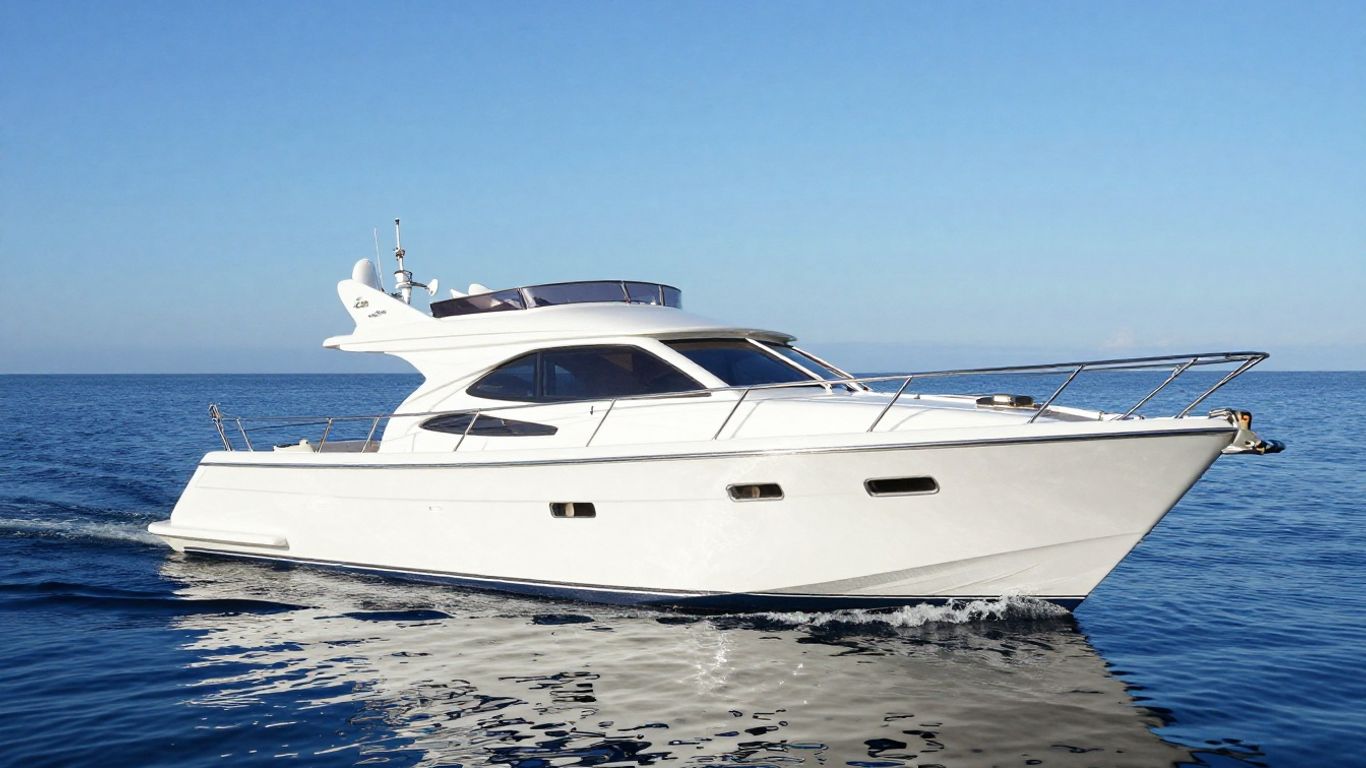
So, you’ve decided a used small yacht is the way to go. Awesome! Now comes the fun part: actually finding one. It’s not like picking up a used car; there’s a bit more to it, but with the right approach, you’ll be out on the water before you know it.
Leveraging Reputable Brokers and Online Marketplaces
When you’re hunting for a pre-owned gem, sticking to trusted sources is key. Think of reputable yacht brokers as your guides. They usually have a good handle on what’s available, often have boats that have been looked after, and can help with a lot of the paperwork. They know the market, and their reputation is on the line, so they tend to be pretty honest.
Then there are the online marketplaces. These are great for getting a broad overview of what’s out there. You can see a ton of listings all in one place, compare prices, and get a feel for different models. Just remember, with online listings, you often need to do a bit more digging yourself to make sure everything checks out.
Here’s a quick look at where to focus your search:
- Specialized Yacht Brokerages: Look for firms that focus specifically on pre-owned yachts, especially smaller ones. They often have exclusive listings.
- Major Online Yacht Portals: Websites like YachtWorld, BoatTrader, and others are packed with listings. Use their filters to narrow down your search by size, price, and location.
- Boat Shows (Used Sections): Sometimes, boat shows will have a section dedicated to pre-owned vessels. It’s a good chance to see boats in person.
The Importance of Verified Listings and Documentation
This is where you really need to pay attention. A listing that looks good on paper needs to hold up under scrutiny. What does ‘verified’ even mean? It means the seller or broker has provided proof of ownership, clear title, and maintenance records. Don’t be shy about asking for documentation upfront.
What kind of paperwork are we talking about?
- Title and Registration: Make sure the seller has the legal right to sell the boat and that all the paperwork is in order.
- Maintenance Logs: A boat that’s been regularly serviced is usually a healthier boat. Look for records of engine work, hull cleanings, and any major repairs.
- Previous Survey Reports: If available, these can give you a good idea of the boat’s condition in the past.
- Bill of Sale: This is the final document that transfers ownership.
Always remember that a boat’s history is just as important as its current condition. A well-documented past can save you a lot of headaches and unexpected costs down the line. It shows the boat has been cared for by its previous owners.
First-Time Buyer's Checklist for a Smooth Transaction
Buying your first used small yacht can feel a bit overwhelming, but a checklist can make things much simpler. It helps you stay organized and make sure you don’t miss any important steps.
Here’s a basic rundown to get you started:
- Define Your Needs: What size boat do you really need? What will you use it for? Weekends away? Day trips? This helps narrow down your search significantly.
- Set a Realistic Budget: Don’t just think about the purchase price. Factor in insurance, docking fees, maintenance, fuel, and potential upgrades. It all adds up.
- Research Models and Brands: Get familiar with different types of small yachts and brands known for reliability in your price range.
- Inspect Thoroughly: Look at the boat yourself, and if possible, bring someone knowledgeable. Check the hull, engines, systems, and overall condition.
- Get a Professional Survey: This is non-negotiable. A qualified marine surveyor will give you an unbiased report on the boat’s condition and potential issues.
- Review All Paperwork: Go through all the documentation carefully. If anything seems off, ask questions.
- Secure Financing (if needed): Get pre-approved for a loan if you’re not paying cash. Compare rates from different lenders.
- Negotiate Wisely: Use the survey report as a basis for negotiation. Don’t be afraid to walk away if the deal isn’t right.
- Finalize the Sale: Ensure all paperwork is correctly signed and transferred. Congratulations, you’re a yacht owner!
Financing and Ownership Costs for Used Yachts
So, you’ve found a great used small yacht that fits your eye and your budget. Awesome! But hold on a sec, the sticker price isn’t the whole story. Owning a boat means ongoing expenses, and it’s smart to know what you’re getting into before you sign on the dotted line. Let’s break down the money side of things.
Exploring Marine Loan Options and Terms
Most folks don’t pay cash for a yacht, so you’ll likely be looking at a marine loan. Think of it like a car loan, but for boats. Banks and specialized lenders offer these. You’ll usually need a down payment, often somewhere between 10% and 20% of the boat’s price. The repayment period can stretch out, sometimes 5, 10, or even 20 years, depending on how much you borrow and who you borrow from. Interest rates can change, and they’ll depend on your credit score and what’s happening in the economy. Sometimes, the dealer or manufacturer might have their own financing deals, which could be worth checking out.
Estimating Annual Maintenance and Operational Expenses
This is where things can really add up. A good rule of thumb is to budget about 10% to 15% of the yacht’s value each year for upkeep. For a smaller yacht, this might mean anywhere from $5,000 to $15,000 annually. What goes into that? Well, there’s regular stuff like cleaning, engine servicing, and fixing minor issues. Then you’ve got storage fees – whether it’s a slip at the marina or winter storage. Don’t forget insurance, fuel costs, and registration fees. If you decide to add fancy upgrades or face a bigger repair, those costs can jump up pretty fast.
Here’s a rough idea of what you might see annually:
| Expense Category | Estimated Cost Range |
|---|---|
| Routine Maintenance | $1,000 – $4,000 |
| Dockage/Storage | $1,000 – $5,000 |
| Insurance | $500 – $2,000 |
| Fuel | Varies greatly |
| Repairs & Upgrades | $1,000 – $4,000+ |
The Long-Term Value and Lifespan of a Well-Maintained Yacht
When you take good care of a yacht, it can last a surprisingly long time. We’re talking decades, potentially. The key is consistent maintenance and addressing problems as they pop up, rather than letting them get worse. A yacht that’s been looked after properly not only lasts longer but also holds its value better when it’s time to sell. It’s a bit like any big purchase – investing a little bit regularly saves you a lot down the road and keeps your asset in good shape.
Buying a yacht is more than just the initial purchase. It’s about committing to ongoing care and understanding the financial responsibilities that come with it. Being prepared for these costs means you can focus on enjoying your time on the water without unexpected financial stress.
Emerging Trends in the 2026 Used Yacht Market
So, what’s new and noteworthy in the used yacht scene for 2026? It’s not just about finding a good deal anymore. Buyers are looking for different things, and the market is responding. It feels like things are shifting, and honestly, it’s pretty exciting.
The Rise of Eco-Conscious and Hybrid Yacht Options
Forget just being big and flashy. Today’s buyers are looking for more. There’s a real push towards making these yachts kinder to the planet. We’re seeing more hybrid propulsion systems and even fully electric options popping up. It’s not just a trend; it’s becoming a standard expectation for new builds. This shift is driven by a mix of genuine environmental concern and the understanding that greener tech can also mean lower operating costs down the line. Plus, let’s be honest, it probably looks pretty good to arrive somewhere on a yacht that isn’t spewing out fumes.
The demand for greener options is definitely reshaping what’s available on the pre-owned market.
Here’s a quick look at what this means:
- Hybrid Systems: Combining traditional engines with electric power for quieter, more efficient cruising.
- Electric Propulsion: Fully electric yachts are still rare in the used market but are starting to appear, offering zero emissions.
- Sustainable Materials: A growing interest in yachts built with more eco-friendly materials.
The environmental aspect is becoming a significant factor. Buyers are more aware of their impact and are actively seeking vessels that align with their values, often finding that these newer technologies also offer long-term cost savings.
Shifting Buyer Preferences Towards Functionality and Design
It feels like just yesterday that owning a superyacht was all about showing off. You know, the biggest boat, the most gold-plated fixtures, the whole nine yards. But things are definitely changing. The way people are thinking about these massive floating palaces is shifting, and it’s pretty interesting to see. Buyers are increasingly prioritizing practical layouts and smart design over sheer opulence. Think multi-functional spaces, clever storage solutions, and layouts that really work for how people actually use their boats – whether that’s for family trips, entertaining friends, or serious fishing expeditions.
How Technology Impacts the Value of Pre-Owned Vessels
Technology is playing a bigger role than ever. Advanced navigation systems, improved hull designs for better efficiency, and sophisticated entertainment systems are all things buyers are looking for. Even on older yachts, upgrades to things like Wi-Fi connectivity, smart home integration, and updated navigation tech can make a big difference in resale value. It’s not just about the age of the boat, but how up-to-date it feels. A well-equipped yacht, even if it’s a few years old, can often command a higher price than a similar model that hasn’t kept pace with technological advancements.
Here’s a snapshot of tech features influencing value:
- Navigation & Control: Modern GPS, radar, and joystick maneuvering systems.
- Connectivity: Reliable onboard Wi-Fi and integrated smart systems.
- Entertainment: High-quality audio-visual setups.
- Efficiency Tech: Advanced engine management and hull coatings.
Wrapping Up Your Yacht Search
So, looking at everything, 2026 seems like a pretty good year if you’re in the market for a used small yacht. The prices are still reasonable, especially when you think about what you’re getting. You can find some really nice boats out there without breaking the bank. Just remember to do your homework, check out the boat thoroughly, and don’t forget to budget for all the extra costs like upkeep and docking. It’s not just about the sticker price, you know? But yeah, with a little effort, you can definitely find a great deal and start enjoying life on the water. Happy boating!
Frequently Asked Questions
Why is buying a used yacht a good idea in 2026?
Buying a used yacht in 2026 is a smart move because you can get a great boat for much less money than buying new. Yachts lose value quickly when they’re new, so a used one is often a better deal. You can also find more options and advanced features on the used market, sometimes at a price you can actually afford.
What are the main things that affect how much a used yacht costs?
Several things change a used yacht’s price. The boat’s size, how old it is, its brand, and its overall condition are big factors. If it’s been well-cared for and has a good maintenance record, it will usually cost more. Fancy features and newer technology also bump up the price.
Besides the price tag, what other costs should I plan for when buying a used yacht?
Don’t forget about other costs! You’ll need to pay for insurance, a place to park your yacht (mooring fees), regular upkeep like cleaning and engine checks, and maybe even upgrades. Fuel can also add up. It’s important to budget for these extra expenses so you’re not surprised later.
Where's the best place to look for a used yacht?
Good places to find used yachts are through trusted boat sellers (brokers) or on special websites made for selling boats. Make sure the listings are real and that all the paperwork is in order. A good broker can help you find the right boat and make sure the deal is fair.
Are there more eco-friendly or hybrid yachts available on the used market now?
Yes, the trend towards being kinder to the environment is growing. You’ll find more used yachts with hybrid engines or other green technologies. Buyers are looking for these options, and they can also help save money on fuel in the long run. It’s a sign that the yacht world is changing.
How long do small yachts usually last, and how can I make mine last longer?
A small yacht can last a very long time, often decades, if it’s taken care of properly. Regular cleaning, routine engine service, and fixing small problems before they get big are key. Keeping up with maintenance means your yacht will be more reliable and hold its value better over the years.