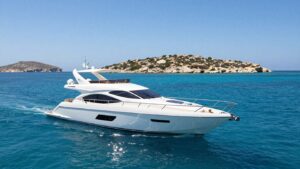

So, you’ve been hearing the terms ‘yacht’ and ‘boat’ thrown around, maybe even used them yourself without a second thought. It’s a common thing, honestly. But there are actually some pretty clear differences between the two, and it’s not just about how fancy they look. We’re talking size, what they’re built for, and even how they’re operated. Let’s break down the whole yacht vs boat thing so you know what’s what.
Key Takeaways
- A yacht is generally larger than a boat, often considered to be 30 feet or longer, while boats are typically smaller.
- Yachts are primarily designed for luxury, comfort, and extended leisure, featuring high-end amenities.
- Boats are usually more practical and utilitarian, built for specific activities like fishing or short recreational trips.
- Larger yachts often require a professional crew for operation and maintenance, whereas boats are typically owner-operated.
- The cost of purchasing, maintaining, and operating a yacht is significantly higher than that of a boat.
Understanding The Core Differences Between Yacht And Boat
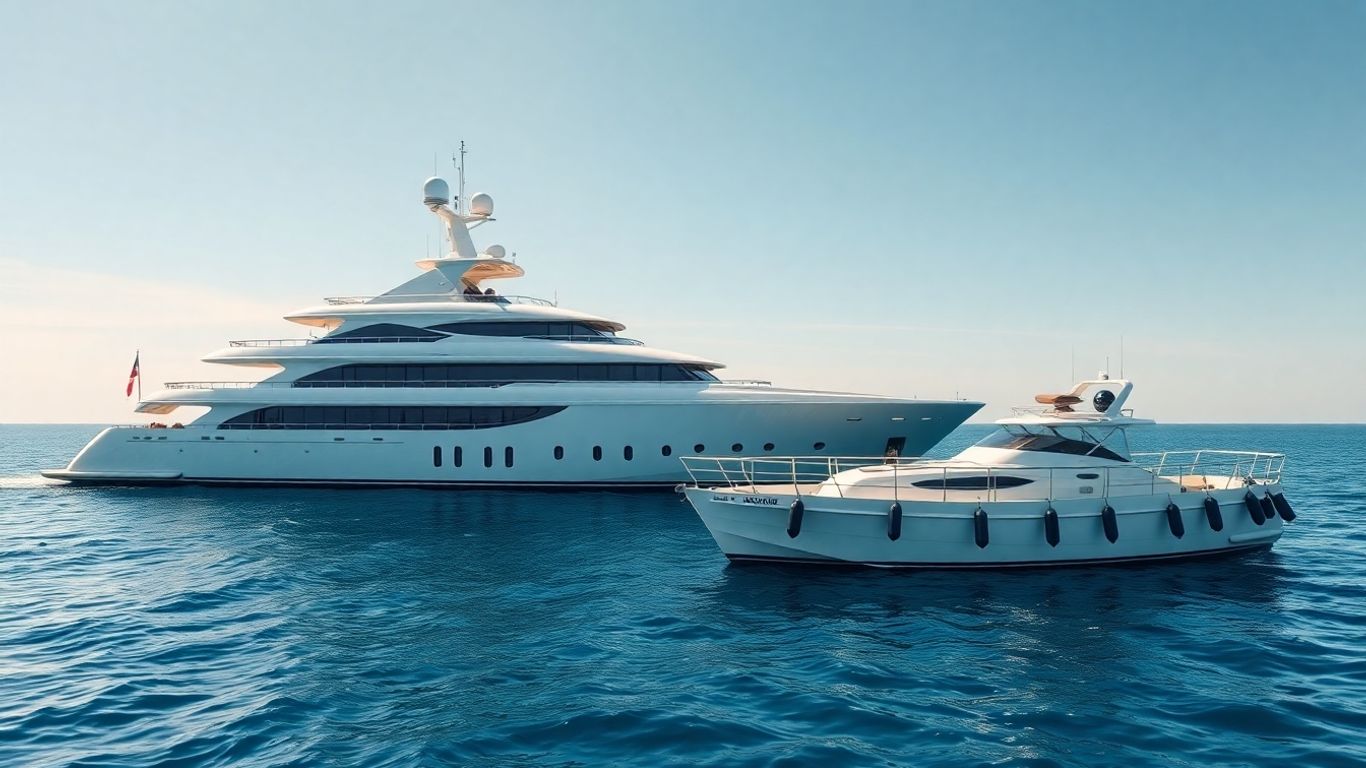
So, you’re out on the water, maybe at a marina or just watching from the shore, and you hear people talking about "yachts" and "boats." Sometimes, it feels like folks use these terms interchangeably, but there are actually some pretty clear distinctions. It’s not just about semantics; it’s about size, what you plan to do with the vessel, and, let’s be honest, a bit of flair.
Defining A Yacht
Think of a yacht as the more sophisticated cousin in the watercraft family. Generally, when someone refers to a yacht, they’re talking about a larger vessel, typically over 30 to 40 feet long. These aren’t just for getting from point A to point B; yachts are built with comfort, luxury, and often, extended stays in mind. You’ll find them equipped with living quarters, proper galleys (kitchens), heads (bathrooms), and all sorts of amenities that make life at sea feel more like a high-end resort. Yachts are often associated with leisure, status, and a certain level of opulence. They’re designed for cruising, entertaining guests in style, or embarking on longer journeys where comfort is key.
Defining A Boat
Now, a boat is a much broader category. It’s pretty much any watercraft that floats and moves. This can range from a small kayak you paddle on a lake to a fishing vessel you take out for the day, or even a speedboat for zipping around. Boats are generally smaller than yachts and don’t usually come with the extensive living facilities. Their focus tends to be more on function and the specific activity they’re designed for, whether that’s fishing, watersports, or just a short trip across the bay. You can have a lot of fun on a boat without needing a professional crew or a massive budget.
The Primary Distinction: Size
If you had to boil it down to one main difference, it’s size. While there’s no single, universally agreed-upon cutoff point, the general consensus is that if it’s over a certain length (again, think 30-40 feet and up), it’s likely considered a yacht. Anything smaller usually falls under the umbrella of "boat."
Here’s a quick look at how size often plays out:
| Vessel Type | Typical Length Range |
|---|---|
| Boat | Under 30-40 feet |
| Yacht | 30-40 feet and above |
But remember, size isn’t the only factor. A very large, basic work barge wouldn’t be called a yacht, even if it’s huge. It’s the combination of size, design, and intended use that really separates them.
Purpose And Usage: How They Differ
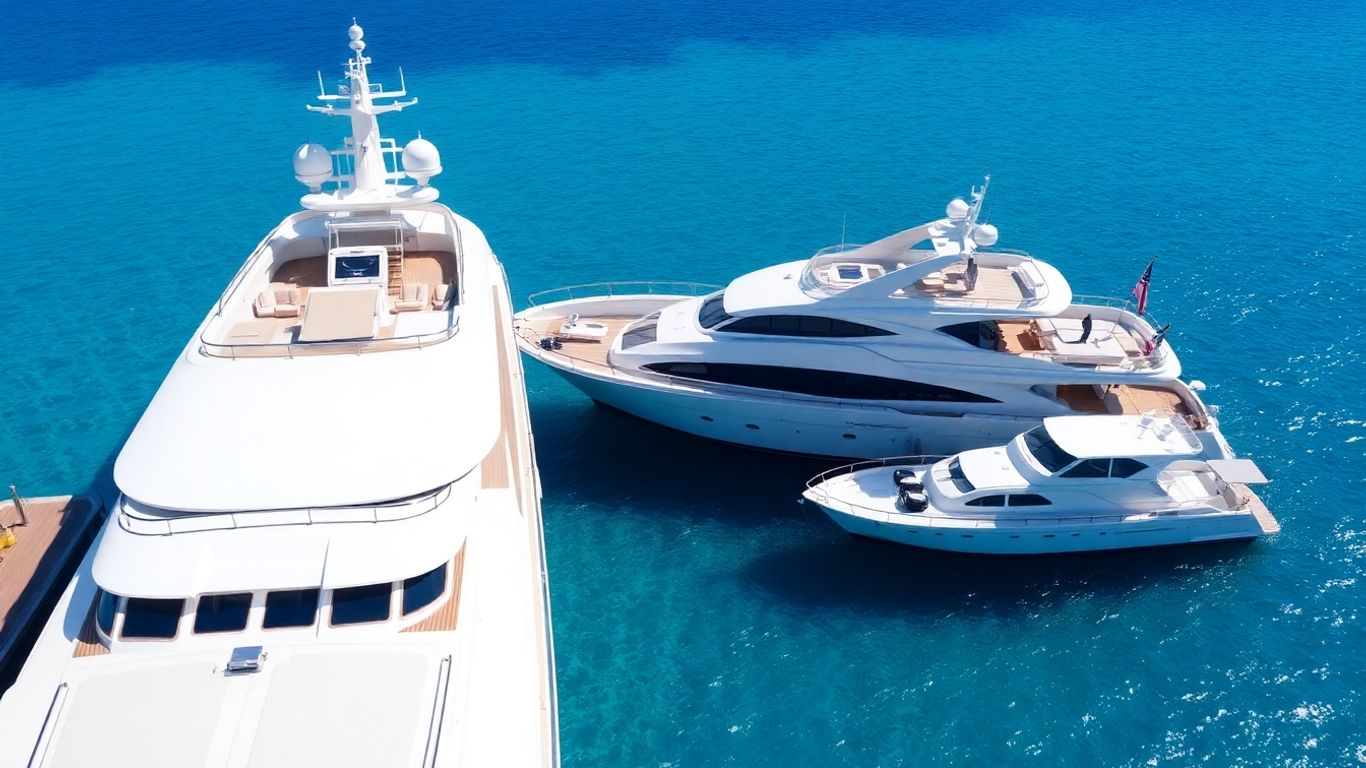
When you’re trying to figure out if something is a yacht or just a boat, looking at what it’s actually for is a big clue. They’re built with different jobs in mind, and that really shapes how they’re used.
Yachts: Designed for Leisure and Luxury
Yachts are pretty much all about enjoyment and comfort. Think of them as floating luxury suites. Their main gig is providing a high-end experience for cruising, entertaining guests, or taking longer trips where comfort is key. They’re not usually built for hauling cargo or doing a specific job like fishing, though some might have fishing gear. The focus is on the pleasure of being on the water in style. They are often seen as symbols of status and a way to enjoy the finer things in life. If you’re looking for a vessel primarily for relaxation and sophisticated leisure, a yacht is likely what you’re picturing. Owning a yacht often means embracing a lifestyle centered around these experiences.
Boats: Built for Practicality and Recreation
Boats, on the other hand, are a much broader category. They’re designed to be practical and serve a wide range of purposes. You’ve got fishing boats kitted out with special gear, speedboats made for zipping around and pulling water skiers, and simple dinghies for getting around smaller bodies of water. Many boats are used for everyday tasks, like getting from point A to point B, or for specific recreational activities that don’t necessarily require the plush amenities of a yacht. They are often more about function and getting a job done, whether that’s catching dinner or just enjoying a day out on the lake. You can find boats used for everything from a quick trip to a nearby island to serious work on the water.
Distinguishing Use Cases
So, how do you tell them apart in real life? It often comes down to the activity. If you see a large, well-appointed vessel hosting a party or embarking on a multi-day cruise with sleeping quarters that look like hotel rooms, that’s probably a yacht. If you see a smaller craft heading out for a morning of fishing, or a group of friends using it for watersports, that’s more likely a boat. Even though some larger boats can be quite comfortable, the primary design intent is the differentiator. A yacht is built from the ground up for luxury and extended leisure, while a boat is often built for a specific task or a more casual recreational use. It’s about the core purpose: is it a floating resort or a versatile tool for the water? For many, the choice between a yacht and a boat comes down to their intended use and the kind of experience they want on the water. You can explore different types of boats for sale to see the variety available.
The key difference lies not just in size, but in the intended experience. Yachts are crafted for opulent enjoyment and extended stays, emphasizing comfort and amenities. Boats, while varied, are generally geared towards specific activities or more straightforward recreation, prioritizing utility and accessibility.
Design And Construction: Craftsmanship Matters
When you look at a yacht versus a boat, the differences in how they’re built and what they look like are pretty obvious. It’s not just about size; it’s about the whole approach to making them.
Yacht Construction: High-End Materials and Craftsmanship
Yachts are basically built with luxury and comfort as the top priorities. Think of them as floating mansions. The materials used are usually top-notch. You’ll often see beautiful teak wood, polished stainless steel, and high-quality composites. The craftsmanship is incredible, with attention paid to every little detail, from the intricate joinery inside to the sleek lines of the hull. This focus on premium materials and meticulous building is what really sets a yacht apart. They’re designed to not only look good but also to provide a smooth, stable ride, even in choppier waters. Many modern yachts are designed with offshore sailing and ocean crossings in mind, so they incorporate advanced hull designs for better performance and safety. You can find some really impressive examples of these vessels when you look at modern production yachts.
Boat Construction: Focus on Functionality
Boats, on the other hand, are generally built with practicality and durability in mind. They need to be tough and reliable for whatever job they’re doing, whether that’s fishing, watersports, or just getting from point A to point B. Materials like fiberglass and aluminum are common because they’re strong, relatively lightweight, and can handle a lot of wear and tear. The design is usually more about efficiency and performance. You won’t typically find the same level of fancy finishes or elaborate interiors as you would on a yacht. The focus is on making sure the boat does its job well, whether that’s cutting through waves or carrying gear.
Luxury Features and Amenities
This is where yachts really shine. They are packed with features designed for enjoyment and entertainment. We’re talking gourmet galleys, spacious lounges, multiple entertainment systems, and sometimes even things like hot tubs or swimming pools. The cabins are usually like hotel suites, with en-suite bathrooms and high-end furnishings. It’s all about creating a comfortable and luxurious experience for everyone on board. Boats might have some basic comforts, but they don’t usually come close to the level of luxury found on a yacht. It’s a different ballgame entirely.
Here’s a quick rundown of what you might find:
- Yachts:
- High-end finishes (e.g., polished wood, premium fabrics)
- Multiple cabins with private bathrooms
- Advanced entertainment systems
- Gourmet kitchens
- Often include water toys or tenders
- Boats:
- Durable, functional materials
- Basic seating and storage
- May have a small galley or head (bathroom)
- Focus on performance for specific activities (fishing, watersports)
The difference in construction philosophy means that while a boat might be perfect for a day of fishing or a quick trip across the bay, a yacht is built for extended stays, entertaining guests in style, and making a statement on the water.
Crew And Operation: Who's At The Helm?
So, you’ve got your vessel, whether it’s a nimble boat or a grand yacht. Now, who’s actually going to run the show? This is where things can get pretty different, depending on what you’re sailing.
Yacht Crew Requirements
Larger yachts, especially those built for serious cruising or entertaining, often need a dedicated crew. Think of it like a small hotel on the water. You’ve got your captain, of course, who’s in charge of everything from navigation to safety. Then there might be officers, engineers to keep those big engines humming, deckhands for all the physical work, chefs to whip up gourmet meals, and stewards or stewardesses to look after the guests. The bigger and fancier the yacht, the more specialized the crew can become. Some superyachts even have staff for things like operating water toys or managing diving gear. It’s a whole operation, and each crew member usually has specific training and certifications for their role.
Boat Operation By Owner
Now, for most boats, especially the smaller ones, it’s a different story. Often, the owner is the captain, the crew, and the deckhand all rolled into one. You might have a friend or family member along to help out, but it’s generally designed to be manageable by just one or two people. This is part of what makes boating more accessible – you don’t necessarily need a professional team to enjoy a day out on the water. You learn the ropes, handle the docking, and steer the course yourself.
Crewed vs. Owner-Operated Vessels
Here’s a quick rundown of what that looks like:
- Owner-Operated:
- Typically smaller boats and yachts.
- Requires the owner to have operational knowledge and skills.
- More hands-on experience for the owner.
- Lower operational costs as there’s no crew salary.
- Crewed Vessels:
- Common for larger yachts and superyachts.
- Professional crew handles all aspects of operation and maintenance.
- Allows owners and guests to relax without operational duties.
- Significantly higher operating expenses due to crew wages and upkeep.
The decision to go crewed or owner-operated really boils down to the size of the vessel, the intended use, and the owner’s desire for personal involvement versus a more hands-off, service-oriented experience. It’s a big factor in the overall cost and lifestyle associated with each type of craft.
The Financial Aspect: Cost Of Ownership
So, you’re thinking about getting out on the water, huh? That’s awesome! But before you start dreaming about open seas, let’s talk about the money side of things. Owning a boat or a yacht isn’t quite like buying a car; the costs can really add up, and there’s a big difference between the two.
Yacht Pricing: A Significant Investment
Let’s just get this out of the way: yachts are expensive. We’re not talking a few thousand dollars here. Even a smaller yacht, maybe under 50 feet, can easily set you back anywhere from half a million to a couple of million dollars. Step up to a mid-size model, say 50 to 70 feet, and you’re looking at $2 million to $6 million, or even more. And the really big ones? Those are in a whole different league, costing tens or even hundreds of millions. The initial purchase price is just the beginning of the financial journey.
Boat Affordability
Now, boats are generally much more accessible. You can find a decent boat for a few thousand dollars, and even a pretty nice one with some good features might only cost you $10,000 to $50,000. Luxury tenders can push into the millions, sure, but for most people looking for a recreational vessel, boats are a much more manageable expense. This lower entry cost is a big reason why more people can enjoy boating.
Maintenance and Operational Expenses
This is where things can get really interesting, and sometimes a bit scary. Both boats and yachts need upkeep, but the scale is vastly different.
- Routine Checks: Think engine servicing, cleaning the hull, checking safety gear. For boats, this is usually straightforward and something an owner can often handle.
- Complex Systems: Yachts have more intricate systems – advanced navigation, stabilizers, multiple engines, maybe even elevators or pools. These require specialized technicians and parts, driving up costs.
- Annual Costs: A common rule of thumb is that annual maintenance and operational costs for a yacht can run between 10% to 15% of its purchase price. So, a $5 million yacht could cost $500,000 to $750,000 per year to keep running smoothly.
- Crew: Many larger yachts require a professional crew – captain, engineers, deckhands, chefs. Their salaries, benefits, and living expenses are a major part of the operational budget.
- Docking and Storage: Prime marina spots can be very pricey, especially for larger vessels. Even storage yards have fees that vary by size.
- Insurance: Insuring a multi-million dollar vessel with expensive systems and the potential for high-value guests is naturally going to cost a lot more than insuring a smaller boat.
Owning a boat is often about balancing enjoyment with manageable expenses, while yacht ownership is a commitment to a luxury lifestyle that demands significant and ongoing financial resources. It’s not just about having the money to buy it; it’s about having the money to keep it.
Here’s a quick look at how the yearly costs can stack up:
| Expense Category | Typical Boat (Annual Estimate) | Typical Yacht (Annual Estimate) |
|---|---|---|
| Maintenance & Repairs | $500 – $5,000+ | $50,000 – $500,000+ |
| Insurance | $200 – $2,000+ | $10,000 – $100,000+ |
| Docking/Mooring | $0 – $5,000+ | $5,000 – $50,000+ |
| Crew Salaries (if applicable) | $0 | $100,000 – $1,000,000+ |
| Fuel | Varies greatly | Varies greatly |
| Total (Excluding Fuel) | $700 – $12,000+ | $165,000 – $1,700,000+ |
Keep in mind these are just rough estimates, and actual costs can swing wildly depending on the size, age, condition, and how much you use the vessel. But it gives you a general idea of the financial commitment involved.
Types Of Yachts And Boats
Exploring Different Yacht Categories
When we talk about yachts, it’s not just one big category. Think of them as falling into a few main groups, mostly based on size and how they’re powered. You’ve got your motor yachts, which are all about speed and luxury, powered by engines. Then there are sail yachts, which rely on the wind – a more classic, often eco-friendlier way to cruise. Beyond that, things get really big and fancy with superyachts and megayachts. These aren’t just large; they’re massive floating palaces, often custom-built with every amenity imaginable, pushing the boundaries of what a private vessel can be.
- Motor Yachts: Engine-powered, focusing on speed and comfort.
- Sail Yachts: Wind-powered, offering a traditional and often more serene experience.
- Superyachts: Generally over 130 feet, characterized by extreme luxury and amenities.
- Megayachts: Typically exceeding 200 feet, representing the pinnacle of size and opulence in private vessels.
Common Types Of Boats
Boats are a whole different ballgame, covering a much wider spectrum of uses and sizes. You’ll find fishing boats, specifically kitted out for anglers with things like live wells and rod holders. Speedboats are all about adrenaline, built for quick trips and water sports. Pontoon boats are popular for their stability and space, perfect for a relaxed day out on the water with a group. And then there are dinghies, those small, often inflatable craft that are super handy for getting around or as a tender for a larger vessel.
Tenders And Chase Boats
Now, this is where things can get a little confusing, especially with larger yachts. Tenders are essentially smaller boats that serve a yacht. They can be used to ferry people and supplies to and from shore when the main yacht can’t get close, or for exploring shallower waters. Chase boats are a bit different; they’re usually faster and more powerful, often accompanying a larger yacht. They can be used for towing water skiers, providing support during activities, or even acting as a backup if needed. It’s like having a support crew for your main vessel on the water.
It’s interesting how the lines can blur, but generally, the scale of luxury, the intended use for extended leisure, and the sheer size are what really set a yacht apart from what most people would call a boat.
Lifestyle Associated With Yachts Versus Boats
So, what’s it really like to own or spend time on a yacht versus a boat? It’s more than just the vessel itself; it’s a whole vibe, a way of experiencing the water that’s pretty different depending on what you’re on.
The Luxurious Yacht Lifestyle
When you think yacht, you’re probably picturing something out of a magazine, right? And you’re not far off. The yacht lifestyle is all about indulgence, comfort, and often, a bit of a status symbol. Think extended holidays, cruising along stunning coastlines with all the amenities of a high-end resort at your fingertips. Gourmet kitchens for whipping up fancy meals, plush lounges for entertaining guests, and spacious cabins that feel more like hotel suites than sleeping quarters.
It’s not just about the onboard experience, though. Yacht owners often travel further, spending weeks or even months at sea, exploring different countries and enjoying the freedom of the open ocean. This kind of travel requires a certain level of financial freedom, not just for the purchase price, but for the ongoing costs like crew salaries, docking fees in exclusive marinas, and regular, often extensive, maintenance. It’s a commitment, for sure, but one that offers unparalleled luxury and a unique way to see the world.
Owning a yacht is less about just having a boat and more about embracing a lifestyle of leisure, luxury, and extended exploration, often with a professional crew handling the heavy lifting.
The Practical Boat Lifestyle
Boats, on the other hand, tend to lean more towards practicality and recreation. They’re the workhorses of the water, perfect for a day trip, a fishing expedition, or a weekend getaway. The vibe here is generally more laid-back and hands-on. You might be the one steering, trimming the sails, or dropping anchor yourself.
Boating is often about getting out on the water for a specific activity. Whether it’s casting a line for some fresh catch, pulling a skier behind the boat, or just cruising to a quiet cove for a picnic, boats are built for doing things. They’re more accessible, both in terms of cost and operation. Many boat owners are perfectly happy managing their vessel themselves, and the maintenance is usually less demanding than on a large yacht. It’s about the joy of being on the water, the freedom to explore local waters, and the camaraderie with other boaters.
Here’s a quick look at how the lifestyles stack up:
- Focus: Yachts are about luxury and extended leisure; boats are about practical recreation and specific activities.
- Operation: Yachts often involve professional crew; boats are frequently owner-operated.
- Travel: Yachts are built for long-distance, open-ocean voyages; boats are typically used for coastal cruising, day trips, or inland waterways.
- Cost: Yacht ownership involves significant, ongoing expenses; boat ownership is generally more affordable.
Status Symbols On The Water
Let’s be honest, there’s a certain prestige associated with both, but it manifests differently. A yacht is often seen as a clear indicator of significant wealth and success. It’s a grand statement, a floating mansion that turns heads in any harbor. The sheer size and opulence speak volumes.
A boat, while not typically a status symbol in the same way, represents something else: a passion for the water, a dedication to a hobby, and a certain independence. It’s the symbol of someone who knows how to enjoy their free time, who values experiences over possessions, even if that possession is a very nice boat. It’s less about showing off and more about enjoying the simple pleasure of being out on the water, doing what you love.
So, Yacht or Boat?
Alright, so we’ve gone over the main things that set yachts and boats apart. It really boils down to size, how fancy they are, and what you plan to do with them. Boats are generally smaller and more about getting the job done, whether that’s fishing or just a quick trip on the lake. Yachts, on the other hand, are bigger and built for comfort and a bit of luxury. They’re more like floating homes for longer journeys or just enjoying the good life. So, whether you’re looking for a simple vessel for weekend fun or dreaming of something more grand, knowing these differences helps you figure out what’s right for you on the water.
Frequently Asked Questions
What's the main difference between a yacht and a boat?
Think of it like this: a boat is a general term for any watercraft, while a yacht is a specific type of boat that’s larger, more luxurious, and typically used for pleasure or travel. So, all yachts are boats, but not all boats are yachts!
How big does a boat have to be to be called a yacht?
While there’s no strict rule, most people consider a vessel a yacht if it’s around 30 to 40 feet long or more. Anything smaller is usually just called a boat.
Are yachts only for rich people?
Yachts are definitely associated with luxury and wealth because they can be very expensive to buy and maintain. However, people can also charter or rent yachts for special occasions, making them accessible for more people to experience.
Do you need a special license to drive a yacht?
It depends on where you are and the size of the yacht. For smaller yachts, you might not need a special license, but for larger ones, especially those with powerful engines or complex systems, you’ll likely need specific certifications or a captain’s license.
What kind of things do you find on a yacht that you wouldn't find on a regular boat?
Yachts often have fancy extras like comfortable bedrooms (cabins), full kitchens (galleys), nice bathrooms (heads), entertainment systems, and sometimes even things like hot tubs or swimming pools. Boats usually have more basic features focused on getting the job done.
Can a boat be used for fishing, and can a yacht?
Yes, absolutely! There are many types of boats specifically designed for fishing, like fishing boats. Yachts can also be used for fishing, especially larger ones that have the space and equipment for it, but their main focus is usually on luxury and leisure cruising.