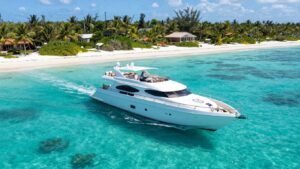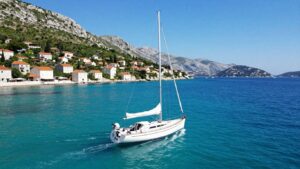
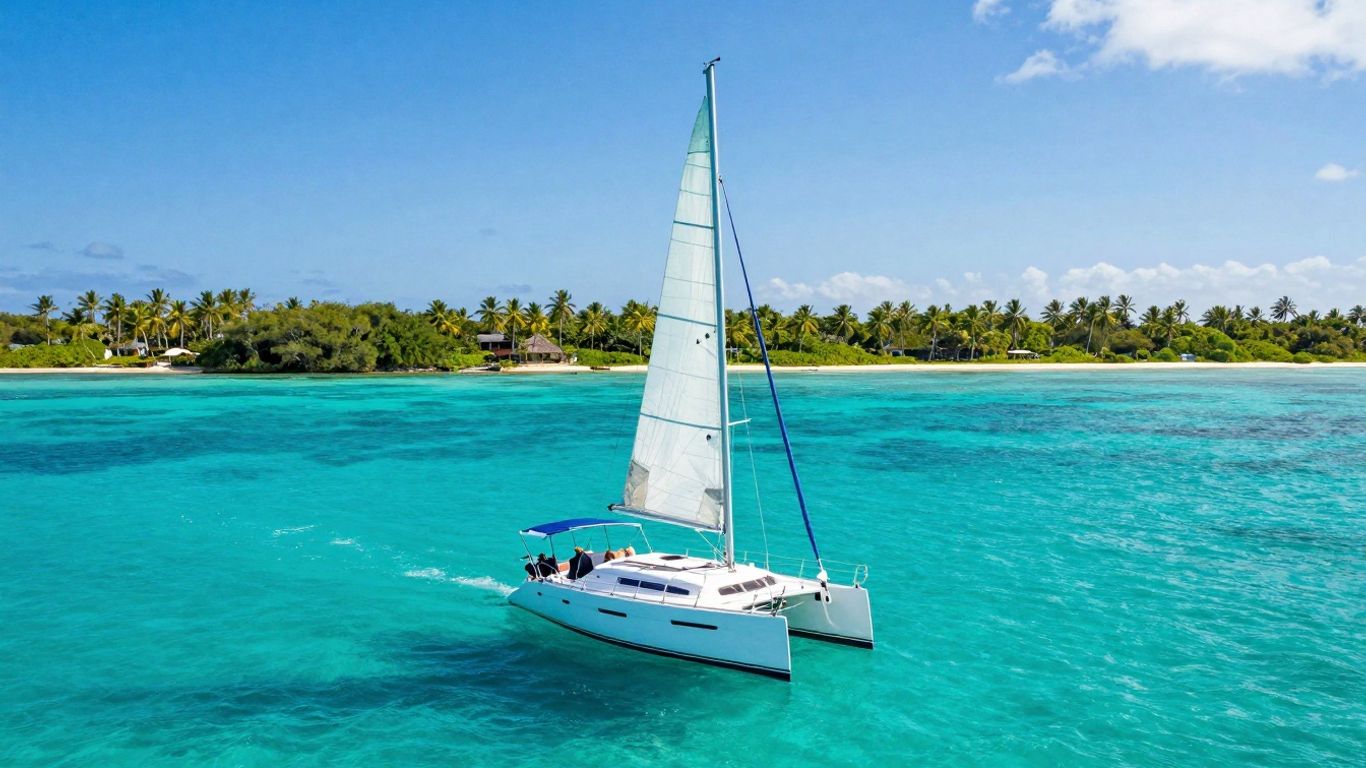
Thinking about a sailing trip in the Florida Keys? It’s a pretty amazing idea. Imagine yourself out on the water, wind in your hair, with nothing but blue skies and clear water ahead. This guide is all about helping you figure out the best way to do it yourself, without a captain. We’ll cover how to pick the right boat, where to go, and what to pack so your bareboat charter Florida Keys adventure is one for the books. It’s not just about sailing; it’s about experiencing that unique Keys vibe.
Key Takeaways
- When planning a bareboat charter Florida Keys trip, consider the different boat options available, from smaller vessels for day trips to larger ones for overnight excursions.
- Florida law requires boaters born after 1988 to complete a safe boater course to operate a powerboat, with options for temporary or lifetime permits.
- The Florida Keys offer varied cruising routes, including inside the reef (Hawk Channel), outside the reef (Gulf Stream), and the Intracoastal Waterway, each with its own challenges and benefits.
- Local knowledge is super helpful in the Keys due to shifting sandbars, shallow areas, and unpredictable weather, making it a challenging but rewarding place for experienced boaters.
- Key West, Marathon, and Key Largo each serve as distinct bases for bareboat charter Florida Keys adventures, offering different starting points and access to unique parts of the island chain.
Understanding Bareboat Charter Florida Keys Options
So, you’re thinking about a bareboat charter in the Florida Keys. That’s awesome! It means you get to be the captain of your own adventure, calling the shots on where you go and when. But before you start dreaming of turquoise waters, let’s talk about what you need to know.
Navigating the Waters: Challenges and Rewards
Boating in the Keys isn’t quite like sailing on a calm lake. You’ve got shifting sandbars that can pop up out of nowhere, coral heads lurking just below the surface, and weather that can change on a dime. This means you really need to pay attention to your charts and the sky. It can be a bit intimidating at first, especially if you’re new to this kind of sailing. But honestly, the reward is huge. Being out there on your own, discovering hidden coves, and watching the sunset from your own deck? That’s pretty special.
Remember, even on a sunny day, conditions can change fast. Always have a backup plan and know your limits. It’s better to have a slightly less exciting day than a dangerous one.
Choosing the Right Vessel for Your Adventure
What kind of boat are you looking for? It really depends on what you want to do. For just cruising around and maybe doing some snorkeling, a comfortable cruising sailboat is great. If you’re planning on doing some fishing, you might want something with a bit more deck space and maybe a livewell. Here’s a quick look at some common types:
- Sailboats: Good for longer trips, offering a more traditional sailing experience. They can range from smaller monohulls to larger catamarans.
- Catamarans: Offer more stability and living space, which is nice if you’re traveling with a group.
- Powerboats: If you’re not into sailing, powerboats offer speed and can get you to your destinations quicker. They’re often better suited for shorter trips or if your main goal is fishing.
When you’re looking at boats, check out options like private boat charter services. They often have a good range of vessels to pick from, and the charter company can help you match the boat to your plans.
Key Considerations for a Successful Charter
Beyond the boat itself, there are a few other things to think about. First off, your experience level matters. If you’re a beginner, maybe start with a shorter trip or a less remote area. You’ll also need to think about the time of year. Winter can bring cold fronts, while summer is hot and humid with a chance of afternoon thunderstorms. Here are some points to keep in mind:
- Your Crew: Who’s coming with you? Make sure the boat is big enough and has the amenities everyone will need.
- Your Itinerary: How long will you be out? Where do you want to go? Having a rough plan is good, but be flexible.
- Budget: Bareboat charters vary in price depending on the boat size, age, and time of year. Don’t forget to factor in fuel, dockage, and food.
- Paperwork: Make sure you have the necessary certifications. Florida law requires a boater safety course for anyone born after 1988 operating a powerboat. You’ll also need to meet the charter company’s specific requirements.
Planning Your Bareboat Charter Florida Keys Itinerary
So, you’ve got your bareboat charter booked and you’re ready to hit the water in the Florida Keys. Awesome! But where do you actually go? The Keys stretch out like a string of pearls, and each one has its own vibe. Figuring out your route is half the fun, and honestly, it makes a huge difference in your trip. You don’t want to spend all your time just motoring from point A to point B, right? The trick is to balance sailing time with exploring time.
Exploring the Upper Keys: From Miami to Marathon
If you’re starting your charter up north, say from Miami or Fort Lauderdale, heading south down Hawk Channel is a popular way to go. This route keeps you inside the reef, which is generally calmer. Your goal might be to reach Key Largo by day two, then maybe push on to Islamorada, Duck Key, or even Marathon. It’s a great way to see a good chunk of the Upper and Middle Keys without too much open water stress. On the way back, you could try sailing outside the reef and catch a bit of the Gulf Stream current to speed things up. Or, if the weather decides to throw a fit, you can duck back inside using the Intracoastal Waterway. Just make sure your boat can clear the bridges – the Channel 5 bridge is about 65 feet high, and Snake Creek bridge opens on demand.
Venturing to the Dry Tortugas from Key West
Starting your trip in Key West opens up a whole different adventure: the Dry Tortugas. It’s about a 68-mile trip out there, and it’s definitely worth it. You can visit Fort Jefferson, this massive old brick structure that was built way back in the 1840s. It was a big deal for defending the Gulf back then and even served as a prison during the Civil War. It’s pretty wild to see something so huge and historic out in the middle of the ocean. Just remember, you’ll be sailing in daylight only because of the shallow waters and reefs, so plan your days accordingly. A trip to the Dry Tortugas can easily take up a good chunk of your charter time.
One-Way Charters: A Journey Through the Chain
For those who really want to cover some ground, a one-way charter from Miami to Key West (or vice versa) is a fantastic option. This lets you really experience the diversity of the Keys. You can stop and anchor or tie up in all sorts of cool spots along the way. Think places like No-Name Harbor on Key Biscayne, Rodriguez Key, or near the Channel 5 Bridge. You could also spend time in Marathon or Duck Key. It’s a great way to see different anchorages and experience the unique character of each island chain. You’ll want a good list of potential spots to drop anchor, both inside and outside the reef, to make the most of this kind of trip.
Planning your itinerary isn’t just about picking destinations; it’s about understanding the rhythm of the Keys. Consider how much time you want to spend actively sailing versus relaxing at anchor or exploring shore-side. Factor in the weather, too – it can change quickly out here. Having a flexible plan that allows for spontaneous detours is often the best approach.
Here are a few itinerary ideas to get you thinking:
- Upper Keys Explorer: Start in Miami, sail down Hawk Channel, explore Key Largo, Islamorada, and Marathon. Return via the ICW or outside the reef.
- Dry Tortugas Expedition: Base yourself in Key West and make the journey to the Dry Tortugas National Park for history and incredible snorkeling.
- Island Hopper One-Way: Charter from Miami to Key West (or vice versa), stopping at various anchorages and small towns along the way.
- Middle Keys Meander: Focus on the area around Marathon, exploring the Seven Mile Bridge and nearby islands.
Essential Preparations for Your Bareboat Charter
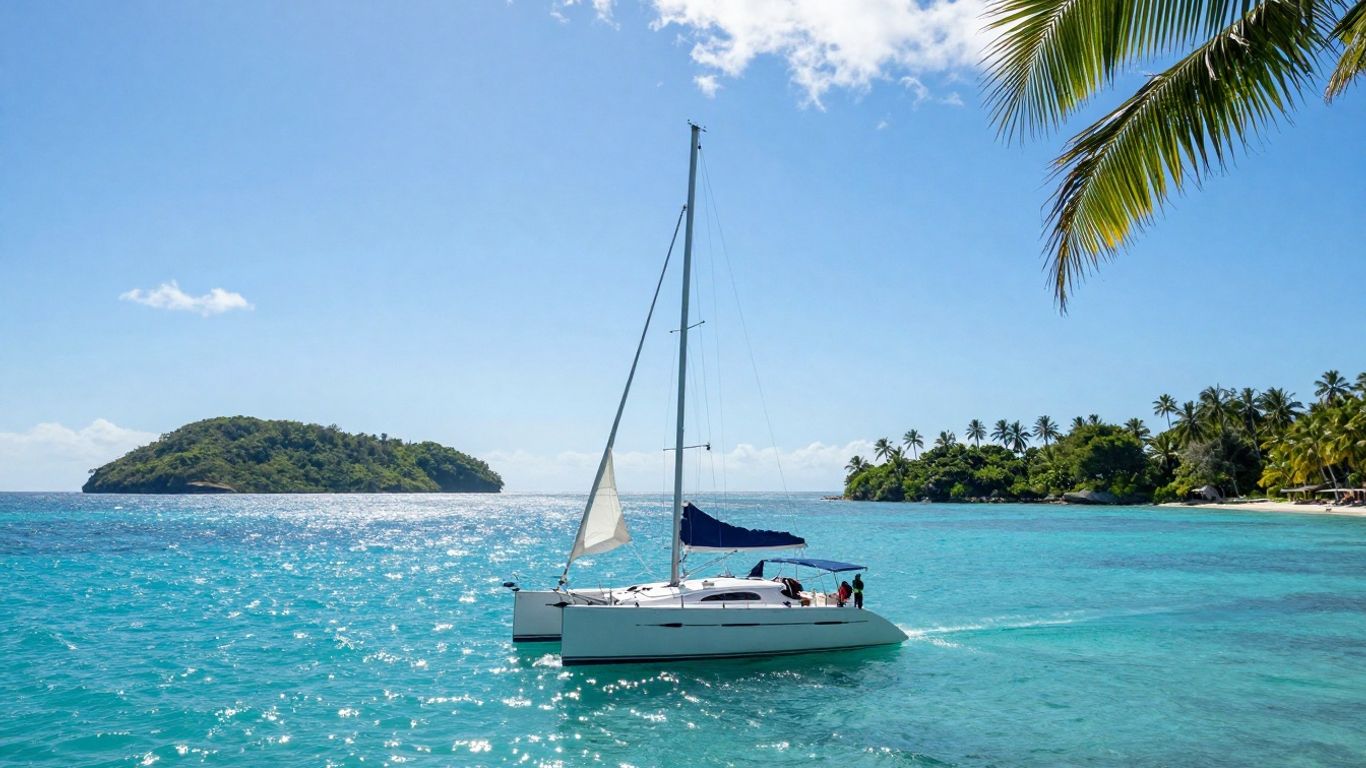
Getting ready for your bareboat charter in the Florida Keys is more than just picking a boat and a date. It’s about making sure you’re set for whatever the islands throw your way. Think of it like packing for a trip where the weather can change on a dime, and you’re the captain.
Understanding Florida Boating Regulations
First off, you need to know the rules of the water. Florida has specific requirements for operating a boat, and it’s good to be aware of them before you even step on deck. If you were born after 1988, you’re legally required to have passed a safe boater course to operate a vessel in Florida. You can get a temporary 90-day permit or a lifetime card, and honestly, the lifetime card is free, so why not go for that? It’s accepted in most states, too. Boat rental places will check this, so have it sorted. It’s not just about avoiding trouble; it’s about knowing how to handle your boat safely.
Packing for Sun, Sea, and Sudden Squalls
Packing smart is key. The Keys can be hot and sunny, but tropical squalls can pop up out of nowhere. You’ll want lightweight, breathable clothing, plenty of sunblock, hats, and sunglasses. Don’t forget a light jacket or hoodie for those cooler evenings or if you need some shade. Waterproof bags are a good idea for electronics. And for any fishing trips, remember to pack kid-sized hats and sunglasses, easy snacks, and ample water. Sunblock wipes and a light hoodie or towel for shade are also recommended. This ensures a comfortable and enjoyable experience for the whole family. Think layers and protection.
Leveraging Local Knowledge for Navigation
This is a big one. The Florida Keys waters have their quirks – shallow spots, sandbars, and tricky currents. Relying solely on charts might not be enough. Many experienced sailors suggest getting some local insight. This could mean talking to the charter company about recent conditions or even hiring a captain for the first day or two to get a feel for the area. It’s not like boating on a lake back home; you really need to know where you’re going to avoid running aground. A good charter company will give you a briefing, but don’t hesitate to ask questions and get advice on the best routes and anchorages. You can find some great charter companies that can help you with this, like Casual Monday if you want a stress-free start.
The waters here demand respect and a bit of caution. Understanding the tides and knowing how to read the water will make your trip much more enjoyable and safe. Don’t be afraid to ask for help or advice from those who know the area well.
Experiencing the Best of the Florida Keys by Sail
Sailing in the Florida Keys is a whole different ballgame than driving down the Overseas Highway. Forget the endless billboards and traffic; out on the water, you get the real laid-back vibe of these islands. The water here is something else – clear, turquoise, and full of life. You’ll find yourself drawn to the vibrant coral reefs and the amazing marine creatures that call this place home. It’s a fantastic playground for anyone who loves the sea, whether you’re a seasoned sailor or just looking for a peaceful cruise.
Sailing Near Key West: A Vibrant Marine Playground
Key West, sitting at the very southern tip of the Keys, is a prime spot for sailing. The winds here are usually pretty steady, making it great for both leisurely day trips and longer adventures. You can easily spend your days exploring places like the Great White Heron National Wildlife Refuge or just cruising around the shallow reefs, watching the colorful fish dart below. The marinas are well-equipped, and there are plenty of charter companies ready to get you out on the water. Just remember, the sun is strong, and sudden tropical showers can pop up, so be prepared for anything.
Discovering Pristine Reefs and Wildlife Refuges
One of the biggest draws of sailing the Keys is the chance to see incredible natural beauty up close. You can anchor your boat near the protected reefs and spend hours snorkeling or just admiring the underwater world. Places like the protected waters around the Dry Tortugas National Park offer a glimpse into a thriving ecosystem. Keep an eye out for sea turtles, dolphins, and a huge variety of fish. It’s a chance to really connect with nature in a way you just can’t from land.
Embracing the Laid-Back Keys Lifestyle
Sailing here isn’t just about the destination; it’s about the journey and the feeling you get. It’s about slowing down, enjoying the gentle rocking of the boat, and soaking in the stunning sunsets. You can drop anchor in a quiet cove, enjoy a meal onboard, and just listen to the sounds of the sea. It’s a chance to truly disconnect from the everyday hustle and embrace the relaxed pace that the Florida Keys are famous for. It’s the kind of experience that stays with you long after you’ve returned to shore.
The distances between islands can be deceiving, and you’ll likely be sailing during daylight hours due to shallow waters and reefs. This means you need to plan your daily mileage carefully to make the most of your time without feeling rushed.
Here’s a quick look at what you might expect for daily sailing distances:
- Average Speed: 5 knots
- Daylight Sailing Hours: 8-9 hours
- Potential Daily Mileage: 40-45 nautical miles
This gives you a good idea of how much ground you can cover each day, allowing you to plan stops and activities accordingly.
Choosing Your Bareboat Charter Florida Keys Base
Alright, so you’ve decided on a bareboat charter adventure in the Florida Keys. Awesome choice! Now, where do you actually pick up your boat? This is a big decision because it shapes your whole trip. Think of it like picking your starting point for a road trip – you wouldn’t start in California if you wanted to see New York, right? The Keys have a few main hubs, and each one offers something a little different.
Key West: The Southernmost Sailing Hub
Key West is probably the most famous spot, and for good reason. It’s got that lively, historic vibe with tons of restaurants, bars, and shops. If you want to be right in the middle of the action before and after your sail, this is your spot. Plus, it’s the jumping-off point for trips out to the Dry Tortugas, which is pretty spectacular. The main drawback here is that it’s the furthest south, meaning longer sails to get anywhere else in the Keys or back up the chain.
- Pros: Vibrant atmosphere, great for pre/post-charter activities, direct access to Dry Tortugas.
- Cons: Furthest from other Keys, can be more expensive.
- Best for: Those wanting a lively start/end to their trip and aiming for the Dry Tortugas.
Picking your base in Key West means you’re signing up for a certain kind of energy. It’s a place that buzzes day and night, and your charter experience will likely reflect that.
Marathon and the Middle Keys
Marathon is smack-dab in the middle of the Keys, and honestly, it’s a really practical choice for a bareboat charter. It’s got good access to both the Atlantic side (reefs!) and the Gulf side. You’re not as far from the action as Key West, but you’re also not stuck in the more developed upper Keys. It feels a bit more like the "real" Keys here, with a strong connection to the marine environment. It’s a great spot if you want a balance between accessibility and a slightly more laid-back feel.
- Pros: Central location, good access to reefs and fishing, more local feel.
- Cons: Less nightlife than Key West, fewer direct charter options compared to the big hubs.
- Best for: Sailors looking for a central base with good access to diverse sailing grounds.
Key Largo and the Upper Keys
If you’re coming down from Miami or Fort Lauderdale, starting in Key Largo or one of the other Upper Keys towns makes a lot of sense. You can often get your boat and be sailing south within a few hours of landing. This area is known for its stunning underwater parks and is a gateway to the northern reefs. It’s generally a bit quieter than Key West, with a focus on nature and water activities. It’s also a good option if you’re looking for a charter that stays primarily within the Upper Keys or heads south towards the Bahamas (though that’s a different kind of trip).
- Pros: Convenient if coming from South Florida, close to John Pennekamp Coral Reef State Park, generally calmer waters.
- Cons: Further from the Dry Tortugas, can feel more developed in parts.
- Best for: Those wanting to explore the northern reefs and islands, or those looking for a shorter travel time from the mainland.
No matter which base you choose, make sure to chat with your charter company about what makes sense for the kind of trip you envision. They’ve got the local scoop!
Ready to Set Sail?
So, you’ve got the lowdown on hitting the water in the Keys. It’s a pretty special place, with waters that really draw you in. Whether you’re dreaming of quiet anchorages or just want to feel the wind in your hair, there’s a way for you to do it. Remember, the Keys can be tricky with those sandbars and sudden weather changes, so knowing your stuff or getting a little help from someone who does is always a good idea. But honestly, the effort is totally worth it for the views and the feeling of being out on the water. Pack your sunscreen, grab your sense of adventure, and get ready to make some memories. The Florida Keys are waiting for you.
Frequently Asked Questions
What exactly is a bareboat charter in the Florida Keys?
A bareboat charter means you rent a boat without a captain or crew. You’re in charge of sailing it yourself! It’s like having your own private boat for a set period, perfect for exploring the beautiful Florida Keys at your own pace.
Do I need a special license to charter a boat in Florida?
Yes, if you were born after 1988, Florida law requires you to have passed a safe boater course to operate a boat. You can take a simple online course to get a temporary permit or a longer one for a lifetime card. Many rental companies also have their own specific requirements, so always check with them first.
What's the best time of year to go on a bareboat charter in the Keys?
The Florida Keys are a great place to sail year-round. However, avoiding the colder months when strong cold fronts can bring rough weather is often recommended. Spring and fall usually offer pleasant winds and calmer seas, making for a more enjoyable trip.
What kind of boat should I choose for a Keys adventure?
The type of boat depends on your plans! For exploring shallow waters and sandbars, a pontoon boat might be good. If you plan on fishing or want more stability in slightly choppier water, a center console or a small sailboat could be better. For longer trips, a larger sailboat or catamaran offers more comfort and space.
What are some must-see places when sailing the Florida Keys?
The Keys offer amazing sights! You can explore the vibrant reefs and marine life near Key West, visit the historic Fort Jefferson at the Dry Tortugas, or cruise through the Upper Keys, stopping at places like Key Largo and Marathon. Each area has its own unique charm and beauty.
Is it difficult to navigate the waters in the Florida Keys?
Navigating the Keys can be challenging. There are shifting sandbars, shallow areas, and coral reefs that can be hidden just below the surface. Sudden squalls can also pop up. It’s crucial to have good navigation skills, pay close attention to weather, and ideally, have some local knowledge or charts.