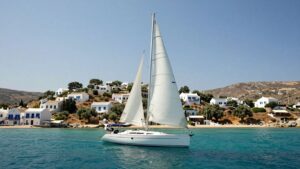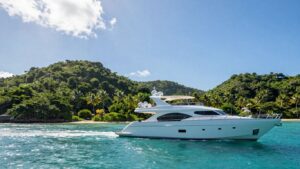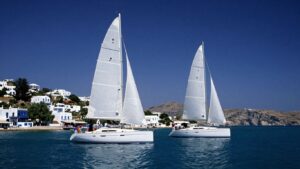

Thinking about sailing the Greek islands on your own boat? It’s a pretty amazing idea, and honestly, not as out of reach as you might think. Bareboat sailing charters in Greece let you be the captain of your own adventure. You get to pick where you go, when you stop, and how long you stay. It’s all about freedom on the water. This guide will walk you through what you need to know to make it happen, from getting your boat ready to actually sailing around those beautiful islands.
Key Takeaways
- Bareboat sailing charters in Greece offer total freedom to explore islands at your own pace.
- You’ll need the right sailing license and documentation to skipper your own boat.
- Choosing the right yacht and packing smart makes a big difference to your trip.
- Be ready to adjust your plans based on the weather; flexibility is key.
- Consider all costs, not just the charter fee, for a realistic budget comparison.
Understanding Bareboat Sailing Charters In Greece
What Constitutes A Bareboat Charter?
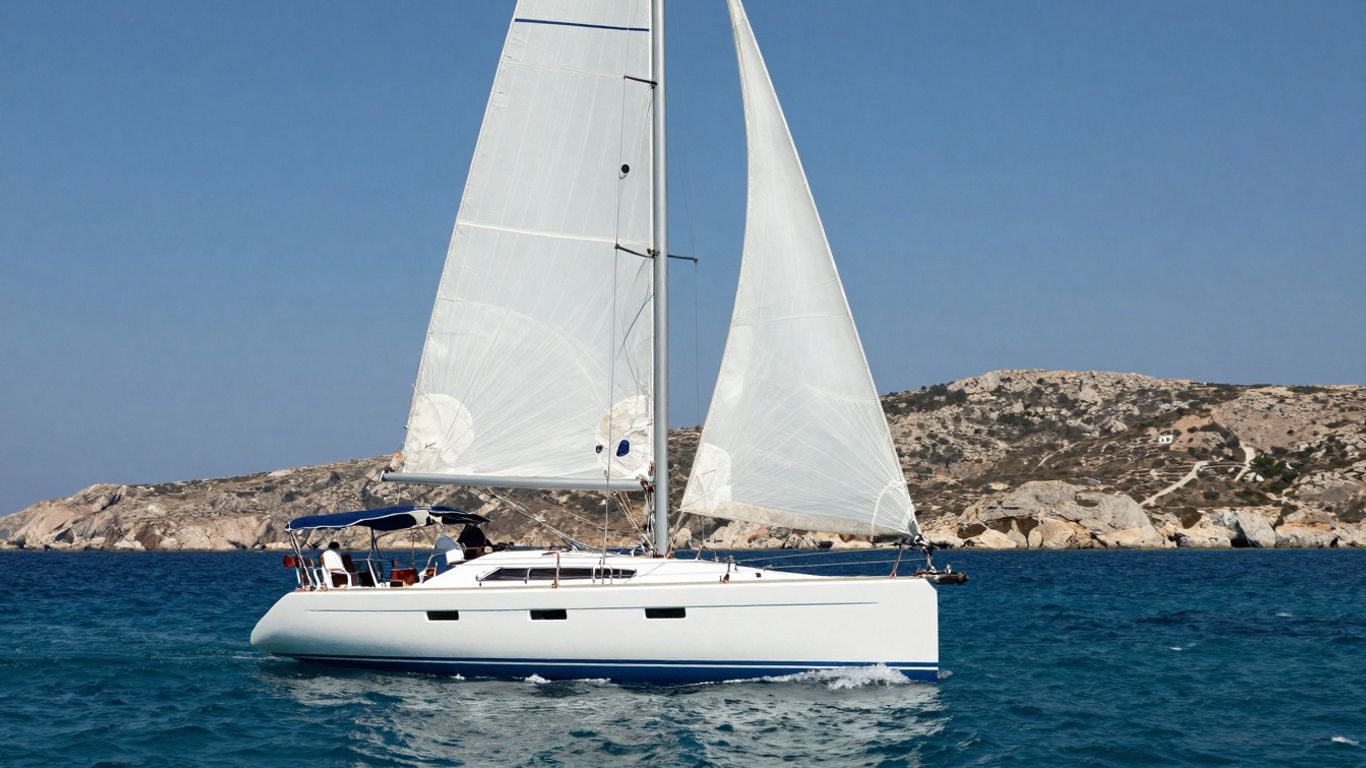
A bareboat charter is basically renting a sailboat or catamaran without a professional captain or crew. You, and whoever you bring along, are in charge of everything – steering, navigating, cooking, cleaning, you name it. It’s like renting a car, but way cooler because it floats and you can go anywhere with it. This is the ultimate freedom for those who love to be in control. You’re the captain, the navigator, and the chef, all rolled into one. It’s a fantastic way to experience the Greek islands on your own terms, charting your own course and setting your own pace. If you’ve got the right sailing qualifications and a bit of an adventurous spirit, this is definitely the way to go.
The Allure Of Self-Skippered Voyages
There’s something really special about being the one at the helm, making all the decisions. You get to wake up each morning and decide, "Where do we feel like going today?" Maybe it’s a tiny, secluded cove you spotted on the chart, or perhaps a bustling island town you’ve heard about. The flexibility is a huge part of the appeal. You’re not tied to anyone else’s schedule. Plus, the privacy is unmatched. It’s just you, your friends or family, and the open sea. You can drop anchor in a quiet bay, swim off the back of the boat, and enjoy dinner under the stars without a soul around if that’s what you’re after. It’s a chance to really connect with the sea and with your travel companions.
Why Choose Greece For Your Charter?
Greece. Just saying the name conjures up images of whitewashed villages, ancient ruins, and impossibly blue water, right? It’s a sailor’s paradise for a reason. The islands are relatively close together, making for shorter, more manageable sailing legs, which is great if you’re not looking to spend all day under sail. You’ve got a huge variety of islands, from the popular Cyclades with their iconic windmills to the greener, more laid-back Ionian islands. The weather is generally pretty reliable during the sailing season, and the sailing itself can range from gentle breezes to more challenging conditions, depending on where you go and when. Plus, the history and culture are just incredible. You can drop anchor near an ancient temple or tie up in a harbor that feels like it hasn’t changed in centuries. It’s a trip that feeds the soul as much as it excites the senses.
Here’s a quick look at what makes Greece so special for bareboat charters:
- Diverse Island Groups: Each region offers a unique vibe, from the arid Cyclades to the lush Ionian islands.
- Manageable Distances: Islands are often close enough for relaxed day trips, allowing for more exploration.
- Rich History & Culture: Explore ancient sites, charming villages, and enjoy authentic local cuisine.
- Reliable Sailing Conditions: Generally good weather during the main season, with varied sailing experiences.
- Stunning Natural Beauty: Crystal-clear waters, beautiful beaches, and dramatic coastlines abound.
Navigating The Greek Islands By Bareboat
Popular Sailing Regions In Greece
Greece, with its thousands of islands scattered across the Aegean and Ionian Seas, is a sailor’s paradise. For bareboat charters, two main regions stand out: the Cyclades and the Ionian Islands. The Cyclades, famous for their stark beauty, white-washed villages, and the iconic windmills, are often swept by the Meltemi winds, making them a bit more challenging but incredibly rewarding for experienced sailors. Think Mykonos, Santorini, and Naxos.
On the other hand, the Ionian Islands, located off the west coast of mainland Greece, offer a gentler sailing experience. These islands, like Corfu, Lefkada, Kefalonia, and Zakynthos, are greener, more lush, and generally have calmer, more predictable winds. This makes them a fantastic choice for those newer to bareboat sailing or anyone looking for a more relaxed pace. You’ll find beautiful beaches, charming Venetian architecture, and plenty of sheltered anchorages.
Choosing between these regions really depends on your sailing experience and what kind of scenery and atmosphere you’re after.
Crafting Your Ideal Itinerary
Planning your route is half the fun of a bareboat charter. The beauty of sailing yourself is the freedom to change your mind. However, having a general idea is helpful. For a week-long trip in the Ionian, you might start in Lefkada and hop south, visiting islands like Meganisi, Kefalonia, and Ithaca. You could spend your days exploring hidden coves, swimming in crystal-clear waters, and your evenings enjoying local tavernas in picturesque harbors.
In the Cyclades, a popular route might involve sailing from Athens (or a nearby port like Lavrio) to islands such as Kea, Kythnos, Serifos, and Sifnos. This itinerary offers a mix of historical sites, stunning beaches, and vibrant island life. Remember to factor in travel time between islands. It’s better to visit fewer places and truly enjoy them than to rush from one to the next.
Here’s a sample one-week Ionian itinerary:
- Day 1: Arrive in Lefkada, provision the boat, and set sail for the charming port of Nidri.
- Day 2: Sail south to the island of Meganisi, exploring its quiet bays.
- Day 3-4: Head to Kefalonia, perhaps visiting Fiskardo and exploring the island’s famous beaches.
- Day 5: Make the short hop to Ithaca, the legendary home of Odysseus.
- Day 6: Explore the smaller islands around Lefkada or head back north towards your departure point.
- Day 7: Return to Lefkada for disembarkation.
Understanding Sailing Times Between Islands
Sailing times can vary quite a bit depending on the wind, your boat’s speed, and the distance between islands. Don’t just look at the nautical miles; consider the prevailing winds. For instance, sailing west from the Cyclades to the Ionian is a significant passage, not typically done as part of a one or two-week charter. Most charters focus on one island group.
Here’s a rough idea of distances and potential sailing times (assuming moderate winds and a cruising speed of 5-7 knots):
| From | To | Distance (Nautical Miles) | Estimated Sailing Time (Hours) | Notes |
|---|---|---|---|---|
| Lefkada | Kefalonia | 20-30 | 3-5 | Sheltered waters, generally easy sailing |
| Kefalonia | Ithaca | 10-15 | 1.5-2.5 | Short hop, often calm seas |
| Mykonos | Paros | 15-20 | 2.5-4 | Can be affected by Meltemi winds |
| Paros | Naxos | 5-10 | 1-2 | Very short distance, easy passage |
| Athens (Lavrio) | Kea | 20-25 | 3-4 | Open water crossing |
Always check the weather forecast before you set off. Unexpected wind shifts or calms can significantly alter your planned journey. It’s wise to build some flexibility into your schedule, allowing for spontaneous stops or changes in direction based on conditions.
Essential Preparations For Your Bareboat Charter
Getting ready for your bareboat adventure in Greece is half the fun, and a little planning goes a long way. It’s about making sure you have everything you need so you can just relax and enjoy the sailing once you’re out on the water.
Key Requirements For Bareboat Charters
Before you even think about packing, you’ll need to sort out the paperwork. Charter companies will definitely ask for proof that you know how to handle a boat. This usually means a sailing license, but it’s a good idea to check with your charter company beforehand to see if your specific license is accepted in Greece. They’ll also require a security deposit. This is a refundable amount, paid before you board, that covers any accidental damage to the yacht. As long as everything is in order when you return the boat, you’ll get it back.
- License Verification: Confirm your sailing license is valid for Greek waters.
- Security Deposit: Be prepared to pay a deposit, typically by credit card.
- Skipper Qualifications: Ensure you meet the experience requirements for the size of the yacht you’re chartering.
Don’t forget that charter companies offer a thorough briefing when you pick up the boat. This covers all the yacht’s systems, local maritime rules, and safety procedures. It’s your chance to ask any questions you might have, so pay attention and get comfortable with the boat before you cast off.
Choosing The Right Bareboat Yacht
Picking the right boat is a big decision and really sets the tone for your trip. Think about how many people are going and what kind of sailing experience you’re after. Do you want the classic feel of a monohull, where you can really feel the wind in the sails? Or maybe a catamaran is more your speed, offering more space, stability, and less heeling, which can be great for families or if you’re new to sailing.
Here’s a quick look at common choices:
- Monohulls: Traditional, good for sailing purists, can be more budget-friendly.
- Catamarans: Stable, spacious, great for groups, often have more amenities.
- Motor Yachts: Faster, but usually require a different type of license and are less common for bareboat charters in Greece.
Consider the size – you want enough room to be comfortable, but not so big that it’s a hassle to handle or dock. Also, think about amenities like air conditioning; it can be a real lifesaver during the warmer months, though older boats might not have it.
Packing Essentials For The Greek Seas
Packing smart is key. You don’t want to be lugging huge suitcases around a small boat. Think light, quick-drying clothes. Don’t forget swimwear, a hat, and sunglasses – the Greek sun is strong!
Here are some must-haves:
- Sun Protection: High SPF sunscreen, a wide-brimmed hat, and UV-protective clothing.
- Footwear: Non-marking deck shoes or trainers are ideal. Flip-flops are fine for shore.
- Clothing: Lightweight, breathable layers. A waterproof jacket is always a good idea, even in summer.
- Personal Items: Any medications you need, toiletries, and a good book.
- Documents: Passports, sailing licenses, and any other required paperwork.
Also, consider bringing a small backpack for day trips ashore. And remember, most charter companies can help arrange provisions, so you can have food and drinks ready on board when you arrive. It’s a nice way to start your holiday without having to hunt for a supermarket right away.
Maximizing Your Bareboat Sailing Experience
Embracing Flexibility With The Weather
Sailing, by its very nature, means you’re at the mercy of the wind and waves. This isn’t like booking a flight where delays are usually minor inconveniences. On a sailboat, a strong breeze can completely change your plans. Being adaptable is key to a great bareboat trip. You might have your heart set on a specific island, but if the wind is howling from the wrong direction, it might be safer and more enjoyable to head somewhere else. It’s wise to check the weather forecasts daily and have a few backup destinations in mind. Sometimes, the best sailing days are the ones you didn’t plan for, leading you to unexpected, beautiful spots.
Balancing Sailing Hours With Island Exploration
It’s easy to get caught up in the romance of sailing, but remember, you’re there to explore the islands too! Think about how much time you actually want to spend with the sails up versus how much time you want to spend on land. If you’re traveling with kids, maybe do longer sailing legs early in the morning so the rest of the day is free for swimming and exploring. A good rule of thumb is to aim for a balance. You don’t want to spend your whole trip just sailing from point A to point B, nor do you want to feel rushed trying to see everything.
Here’s a rough idea of what you might aim for:
- Relaxed Pace: 2-3 hours of sailing per day, allowing ample time for swimming, exploring villages, and enjoying meals ashore.
- Moderate Pace: 3-5 hours of sailing per day, covering more distance but still leaving time for significant island visits.
- Active Pace: 5+ hours of sailing per day, ideal for covering longer distances or reaching more remote locations, with shorter stops.
Realistic Expectations For Your Journey
Let’s be honest, sailing is a different kind of travel. It’s slower, more connected to nature, and definitely not about ticking off a checklist of sights. If your goal is to see as many islands as humanly possible in a week, a bareboat charter might not be the best fit. You can realistically expect to visit maybe five islands in a week, and that’s if you’re moving at a decent clip. We found ourselves wanting to linger longer on some islands, so we adjusted our route. That’s the beauty of having your own boat – you have the freedom to change your mind. Just remember to enjoy the journey itself, the sea, the sun, and the simple act of being on the water. It’s about the experience, not just the destination.
The true magic of a bareboat charter lies in its unscripted nature. While a plan is good, the best memories often come from spontaneous detours, unexpected anchorages, and the simple joy of discovering a hidden cove just because the wind took you there. Embrace the journey, and let the sea guide your adventure.
Budgeting For Your Bareboat Sailing Charters In Greece
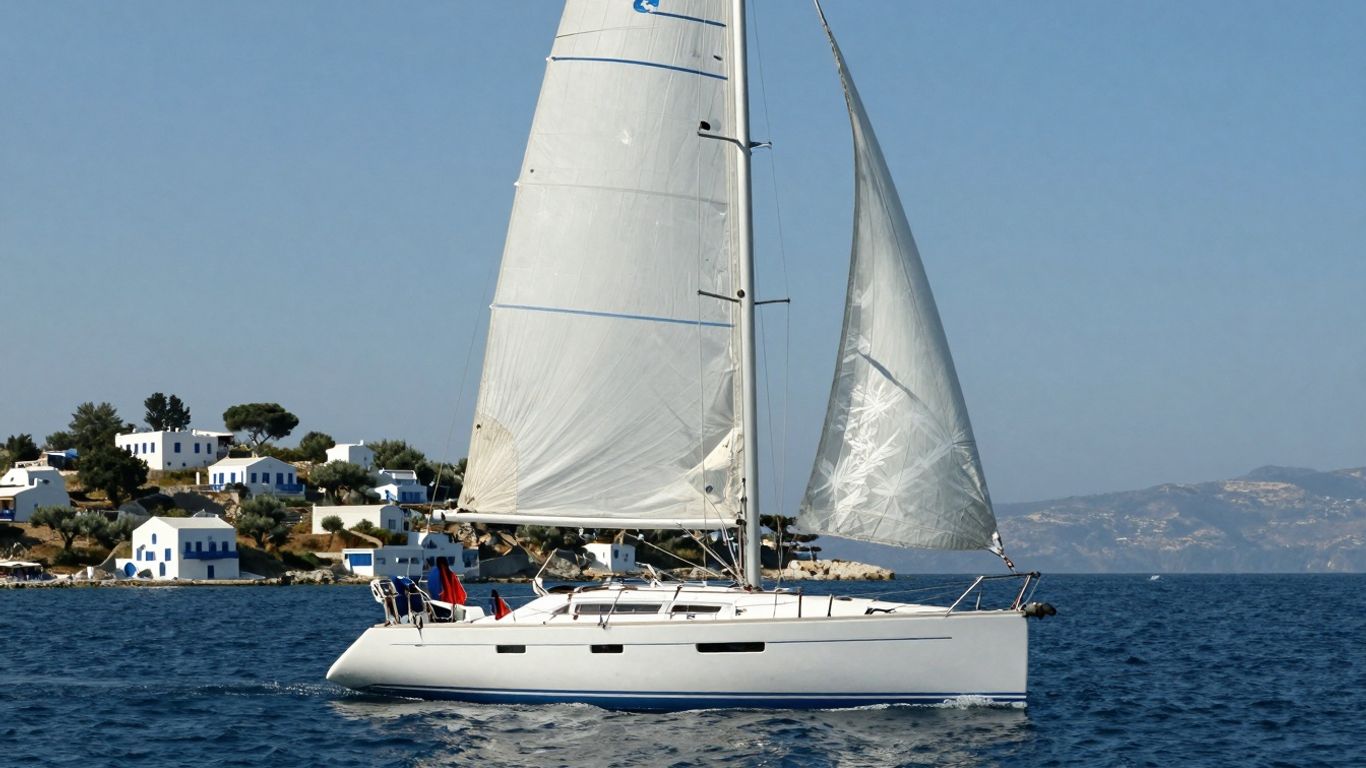
Alright, let’s talk money. Planning a bareboat charter in Greece might seem like a big expense upfront, but when you really break it down, it can actually be quite reasonable, especially when you compare it to other types of holidays. It’s easy to look at the charter fee and think, ‘Wow, that’s a lot!’ but that’s just one piece of the puzzle. You’ve got to consider what you’d be spending on a land-based trip too – hotels, meals out every night, local transport, maybe even ferry tickets to hop between islands. Once you do that comparison, a bareboat charter often starts looking like a pretty good deal. The real value comes from the freedom and unique experiences you get that you just can’t replicate any other way.
Comparing Charter Costs To Land-Based Holidays
Think about it: a week in a hotel, eating at restaurants, and paying for activities can add up fast. With a charter, you’re essentially getting your accommodation, your transport between islands, and your entertainment all rolled into one. Plus, you have the option to cook some meals onboard, which is a huge money-saver. You can stock up on local produce from island markets – fresh tomatoes, olives, cheese – and have some amazing, simple meals right on your boat. It’s a different way to travel, for sure, but often a more budget-friendly one if you plan smart.
Understanding Charter Inclusions And Exclusions
This is where you really need to pay attention. The weekly charter fee is the big one, of course, but what else is covered? Usually, it includes the boat itself, basic safety equipment, and sometimes things like dinghy and outboard. But you’ll almost always have to pay extra for:
- Fuel: You use it, you pay for it. This can vary a lot depending on how much you sail and motor.
- Water: Similar to fuel, you pay for what you use.
- Mooring fees: If you decide to stay in a marina or on a quay in a town, there will be a charge. Anchoring out in a bay is usually free!
- Security deposit: This is a hefty sum, often a few thousand euros, but it’s fully refundable if you return the boat without any damage. You’ll need to have this available, either on a credit card or as a cash deposit.
- Provisions: Food, drinks, toiletries – all that stuff you need to live.
- Optional extras: Things like Wi-Fi, paddleboards, or even an early check-in might cost extra.
Always get a clear list from your charter company about what’s included and what’s not. Don’t be afraid to ask questions! Understanding all the associated expenses involved is key to avoiding surprises.
Considering The Overall Value Of A Charter
Beyond the numbers, think about the experience. You’re not just paying for a boat; you’re paying for the freedom to explore hidden coves, swim in crystal-clear waters whenever you please, and wake up to a new stunning view every day. You can chase the sunset, find quiet anchorages away from the crowds, and really connect with the sea and the islands. This kind of flexibility and immersion is hard to put a price on. It’s about creating memories that last way longer than any hotel stay. So, while the initial cost might seem significant, the overall value of a bareboat charter in Greece is pretty immense when you consider the adventure and freedom it provides.
Navigational Rules And Safety On Greek Waters
Licensing And Documentation For Skippers
Before you even think about casting off, you’ll need to sort out your paperwork. For bareboat charters in Greece, at least one person on board needs to have a valid sailing license. The Greek authorities are pretty specific about which ones they accept. Most charter companies will recognize an International Certificate of Competence (ICC) or a similar qualification. It’s a good idea to have this, along with your passport and any other required documents, ready to go for check-in. Don’t get caught out with missing paperwork; it can really put a damper on the start of your trip.
Adhering To Maritime Regulations
Once you’re out on the water, you’ve got to play by the rules. Greece has its own set of maritime regulations, and it’s your job to know and follow them. This means keeping a safe speed, especially when you’re near harbors or areas where people are swimming. Stick to designated sea lanes where they exist, and always keep a good lookout for other boats, ferries, and smaller craft. It can get busy out there, so being aware of your surroundings is key to avoiding any close calls.
Prioritizing Safety Protocols Onboard
Safety is obviously a big deal when you’re out on the sea. Your charter yacht will come equipped with safety gear, but it’s up to you to make sure it’s all there and that everyone on board knows where it is and how to use it. This includes things like life jackets (make sure they fit everyone!), fire extinguishers, and a first-aid kit. It’s also wise to go over basic emergency procedures with your crew before you set sail. Knowing what to do in case of a man overboard situation or a sudden squall can make all the difference.
- Life Jackets: Ensure enough for every person on board, plus spares.
- Fire Extinguishers: Know their locations and how to operate them.
- First-Aid Kit: Check its contents and familiarize yourself with basic first-aid.
- Emergency Flares: Understand their purpose and when to use them.
- VHF Radio: Know how to use it for communication and distress calls.
Anchoring responsibly is also a big part of safety and respecting the environment. Always check local rules about where you can and can’t drop anchor. Some areas are protected, and you don’t want to damage the seabed or marine life. Plus, making sure your anchor is well-set means you won’t drift overnight, which is definitely not a fun way to wake up.
Ready to Set Sail?
So, you’ve read all about planning your Greek bareboat adventure. It might seem like a lot at first, but honestly, the payoff is huge. Imagine waking up to the gentle lapping of waves, dropping anchor in a quiet cove only you know about, and exploring charming villages at your own pace. That’s the freedom a bareboat charter gives you. Whether you’re drawn to the calm waters of the Ionian or the more lively breezes of the Cyclades, Greece has an island waiting for you. Just remember to check the weather, pack smart, and most importantly, relax and enjoy the ride. Your ultimate Greek sailing trip is just a booking away.
Frequently Asked Questions
What exactly is a bareboat charter?
A bareboat charter means you rent a sailboat or catamaran without a captain or crew. You’re in charge of steering the boat, planning where to go, and taking care of everything onboard, just like you would at home. It’s like renting a car, but on the water! You need to have sailing experience or a license to do this.
Do I need a special license to rent a boat in Greece?
Yes, you usually need a sailing license to rent a boat on your own in Greece. Most charter companies accept international sailing certificates like the ICC (International Certificate of Competence) or similar qualifications. It’s always best to check with the charter company beforehand to make sure your license is accepted.
When is the best time to go sailing in Greece?
The sailing season in Greece generally runs from May to October. The summer months, especially July and August, are the busiest and can be quite hot. For a more relaxed trip with fewer crowds and pleasant weather, think about going in May, June, September, or October. These are often called the ‘shoulder seasons’.
How much does a bareboat charter cost compared to a regular vacation?
While it might seem expensive at first, chartering a boat can be comparable to a land-based holiday when you consider everything. Think about the cost of hotels, food, and local transport for a regular trip. A charter includes your accommodation and transport all in one, plus the amazing freedom to explore. It often offers great value for the unique experience you get.
What should I pack for a bareboat trip in Greece?
Pack light, comfortable clothing, swimwear, and sun protection like hats and high-SPF sunscreen. Don’t forget sunglasses and a light jacket for cooler evenings. Bring comfortable, non-slip shoes for walking around the boat and islands. Also, pack any personal medications and a basic first-aid kit. Snorkel gear is a great idea too!
What if the weather is bad and I can't sail?
Flexibility is key when sailing! The weather in Greece, especially the wind, can change. If it’s too windy or rough to sail safely to your planned destination, your skipper (if you have one) or you (if you’re the captain) will find a safe harbor or a more sheltered spot. This is part of the adventure – sometimes the best discoveries happen when plans change!