Thinking about sailing the British Virgin Islands? It’s a pretty amazing idea. The BVI is basically a sailor’s paradise, with calm waters, steady winds, and islands that are just begging to be explored. Whether you’re a seasoned sailor or just dreaming of your first trip, this guide is here to help you figure out the best times to go, what routes to take, and where to drop anchor. We’ll cover everything from planning your trip to enjoying the local spots, making sure your sailing British Virgin Islands adventure is one for the books.
Key Takeaways
- The British Virgin Islands offer fantastic sailing conditions year-round, with peak season from mid-November to February providing lively island vibes.
- Planning your trip involves understanding local rules, like clearing customs and using mooring balls instead of anchoring in protected areas.
- Popular itineraries include a 7-day loop hitting spots like The Baths, Anegada, and Jost Van Dyke, or a longer 14-day plan for deeper exploration.
- Key destinations include Virgin Gorda’s unique Baths, Anegada’s coral reefs, and Jost Van Dyke’s famous beach bars.
- Charter options range from bareboat for independent travelers to skippered and fully crewed yachts for a more guided or luxurious experience.
Planning Your Sailing British Virgin Islands Adventure
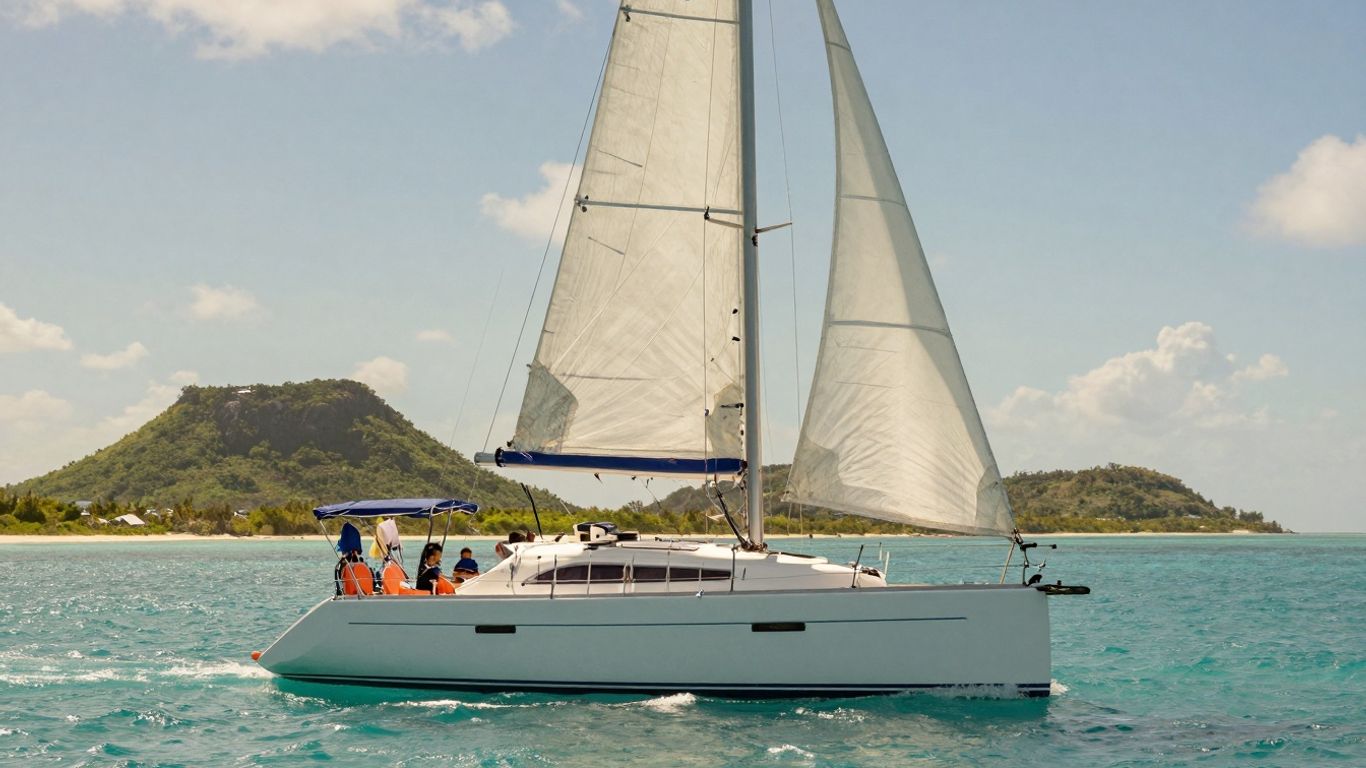
Getting ready for a sailing trip in the British Virgin Islands (BVI) is half the fun, and a little bit of planning goes a long way. This place is basically a sailor’s dream, with islands scattered around like jewels in the sea, all pretty close to each other. You’ve got about 50 islands and cays to explore, plus the bigger names like Virgin Gorda, Anegada, and Jost Van Dyke. The weather is usually pretty sweet year-round, with steady winds that make sailing a breeze, especially if you’re not super experienced. The water is clear, warm, and full of cool stuff to see.
Best Times to Sail the British Virgin Islands
When you decide to go really matters. The peak season runs from mid-November to February. This is when things are liveliest, but also when prices are highest and it’s busiest. If you’re looking for a more chill vibe and maybe a better deal on your charter, think about going in May or June. The weather is still great, and you’ll find fewer crowds. Temperatures are pretty consistent all year, usually between 70°F and 80°F, so honestly, you can’t go too wrong with timing.
Here’s a quick look at the seasons:
- High Season (Mid-November – February): Best weather, liveliest atmosphere, highest prices.
- Shoulder Months (May – June): Good weather, fewer crowds, better rates.
- Low Season (June – October): Warmest temperatures, potential for rain and hurricanes, lowest prices.
Understanding Local Regulations and Permits
Before you drop anchor, you’ll need to sort out some paperwork. All boats coming into the BVI have to clear customs and immigration. You’ll need to get a cruising permit and pay some environmental fees. These are pretty standard and help keep the islands beautiful. You’ll also find that some areas, especially national parks and reefs, have rules against anchoring. Instead, they provide mooring balls, which is actually a good thing because it protects the coral. Just make sure you have your boat registration and any other documents handy, just in case.
It’s important to be aware of local rules regarding waste disposal. Keeping the pristine waters clean is a shared responsibility, and following guidelines ensures the BVI remains a beautiful destination for everyone.
Essential Provisioning and Navigation Tips
Stocking up on food and drinks is a must. Tortola has some great supermarkets. Rite Way in Road Town is popular and even lets you order online for delivery right to your boat. Bobby’s Marketplace is another good spot for all the basics. If you’re into fresh, local stuff, Good Moon Farm on Tortola has organic fruits and veggies. When it comes to getting around, the BVI is pretty forgiving. The tides don’t change much, which makes planning easier. You’ll mostly be using mooring balls, so you don’t have to worry about dropping anchors everywhere. Keep an eye on the wind and currents, though – they can still catch you out. You can top up on fuel and water at places like Virgin Gorda Yacht Harbour or North Sound Marina on Jost Van Dyke.
Crafting Your Ideal BVI Sailing Itinerary
Alright, so you’ve got your boat booked and you’re ready to hit the water in the British Virgin Islands. Now comes the fun part: figuring out where you’re actually going to go! The BVIs are pretty forgiving, which is great for us sailors. You can pretty much go where the wind takes you, but having a plan, even a loose one, makes things way smoother. Think of these as starting points, not strict rules. You can totally mix and match based on what you’re feeling that day.
A Classic 7-Day Sailing Route
This is your go-to if you want to hit the highlights without feeling too rushed. It’s a solid mix of chill beach time, cool sights, and maybe a bit of exploring. Most people start and end their trip from Tortola, usually out of Road Town or Wickhams Cay II.
- Day 1: Start in Road Town, Tortola. Get settled on your boat and then take a short hop over to Cooper Island. Manchioneel Bay is a nice spot to drop anchor. You can hit up the Cooper Island Beach Club for a rum drink and some gelato. Keep an eye out for turtles!
- Day 2: Sail over to Virgin Gorda. You absolutely have to see The Baths. It’s this crazy landscape of giant boulders. You can hike around or swim through some of the caves. After that, head to Spanish Town for the night.
- Day 3: From Virgin Gorda, make your way towards Anegada. This place is different – it’s a flat coral island. It’s known for its amazing lobster dinners, so definitely plan for that.
- Day 4: Head south to Jost Van Dyke. This is where the legendary beach bars are. Think Soggy Dollar Bar and Foxy’s. It’s the perfect spot to just relax and soak up the island vibe.
- Day 5: Explore the smaller islands around Jost Van Dyke, maybe Norman Island. It’s got some cool caves, like The Caves at Treasure Point, where you can snorkel. Some people say pirates used to hide treasure there.
- Day 6: Cruise back towards Tortola, maybe stopping at Cane Garden Bay. It’s a pretty bay with a nice beach and a few places to eat.
- Day 7: Enjoy a final morning sail back to your starting point in Road Town. You’ll probably want to clean up the boat a bit before you disembark.
An Extended 14-Day Island Hopping Plan
Got more time? Lucky you! A two-week trip lets you really slow down and explore more of the nooks and crannies. You can add in more stops, spend extra days in places you love, or venture to spots that are a bit further out. This plan builds on the 7-day route, adding more depth.
- Week 1: Follow the 7-day itinerary, but take your time. Spend an extra day at The Baths, explore more of Anegada’s beaches, or do a longer snorkel trip.
- Day 8: From Anegada, you could head to Guana Island or explore the North Sound area of Virgin Gorda more thoroughly. This area has some nice marinas and quieter anchorages.
- Day 9-10: Explore some of the smaller islands like Marina Cay or Trellis Bay. These offer different vibes and good snorkeling spots.
- Day 11: Head back towards the western side, maybe stopping at Peter Island. It has some beautiful, less crowded bays.
- Day 12-13: Spend more time around Norman Island or explore nearby Pelican Island and The Indians, which are fantastic for snorkeling and diving.
- Day 14: Make your way back to your home base, perhaps with a final stop in a favorite bay for a last swim.
Customizing Your Itinerary for Adventure
Look, these are just templates. The best part about sailing the BVIs is that you’re in charge. If you’re a total foodie, plan your route around the best restaurants and beach bars. If you’re all about the underwater world, map out all the best snorkeling and diving spots. Maybe you want to hike every island you visit? Or perhaps you just want to find the quietest, most secluded anchorages possible. Don’t be afraid to change your mind mid-trip. That’s the beauty of having your own boat!
Remember that the BVI uses a mooring buoy system almost everywhere. This is great because it means you don’t have to worry about dropping and weighing anchor, and it’s also much better for the coral reefs. Just make sure you know how to tie up to one properly. It’s usually a simple process, but it’s good to be prepared.
Here are a few ideas to tailor your trip:
- For the Beach Lover: Prioritize spots like White Bay on Jost Van Dyke, Cane Garden Bay on Tortola, and the beaches on Anegada. Spend more time just lounging and swimming.
- For the Explorer: Seek out less-visited islands like Guana Island or explore the many coves around Peter Island. Add in hikes to viewpoints on Virgin Gorda or Tortola.
- For the Underwater Enthusiast: Focus on areas like The Indians, The Caves, and the reefs around Anegada. Consider a day trip to The Baths for snorkeling among the boulders.
- For the Foodie: Plan your stops around places like Cooper Island Beach Club, The Soggy Dollar Bar, Foxy’s, and the famous lobster grills on Anegada. Don’t forget to check out local spots in Road Town too.
Exploring Key Destinations While Sailing the BVI
Virgin Gorda's Natural Wonders
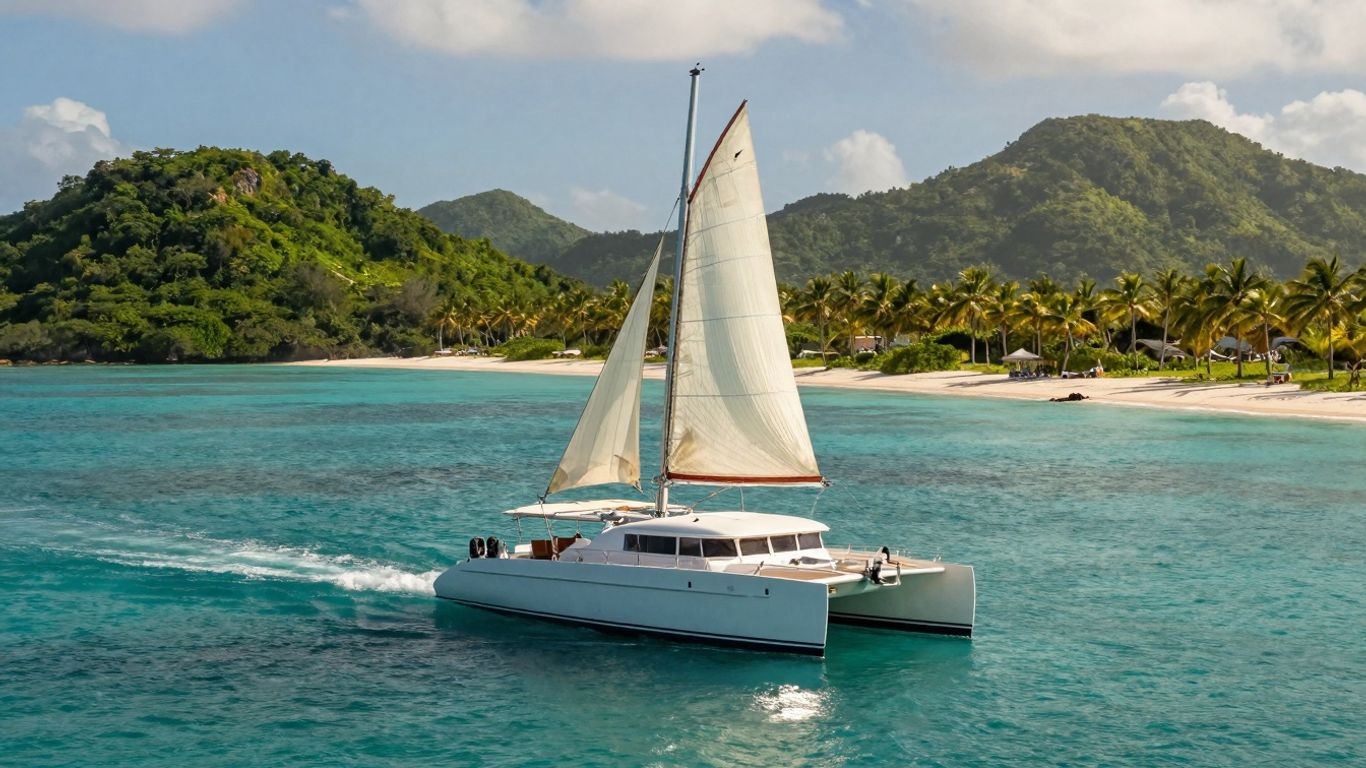
Virgin Gorda is a must-see, especially for its famous Baths. Imagine giant granite boulders scattered along the shoreline, creating these cool little pools and caves you can swim through. It’s like a natural playground. You can hike through them, find hidden grottos, and then pop out at Devil’s Bay, which is just stunning for a snorkel or a swim. The North Sound area is also pretty neat, offering a different vibe with more protected waters and some nice spots to tie up. It’s a place that really shows off the unique geology of the islands.
Anegada's Unique Atoll Experience
Now, Anegada is totally different from the rest of the BVI. It’s the only coral atoll in the archipelago, meaning it’s super flat and surrounded by reefs. Because it’s so low-lying, you get these incredible, long stretches of white sand beaches that feel really remote. The big draw here, besides the beaches, is the lobster. Seriously, you have to try the Anegada lobster – it’s famous for a reason. The surrounding reefs are also amazing for fishing and exploring if you’re into that. It’s a bit of a sail to get there, but it feels like a world away.
Jost Van Dyke's Legendary Beach Bars
Jost Van Dyke is pretty much synonymous with fun and relaxation. This island is where you’ll find some of the most iconic beach bars in the Caribbean. Think of the Soggy Dollar Bar, famous for its Painkiller cocktail, or Foxy’s, a classic spot with a lively atmosphere. It’s the kind of place where you can just drop anchor, dinghy ashore, and spend the afternoon hopping between bars, enjoying the music, and soaking up the laid-back island vibe. Great Harbour is usually the go-to spot for this kind of adventure. It’s all about good times and sandy feet here.
The British Virgin Islands offer a fantastic mix of natural beauty and vibrant island culture. From the dramatic rock formations of The Baths to the serene, lobster-rich waters of Anegada and the lively beach bar scene on Jost Van Dyke, each island provides a distinct experience. Planning your stops to include these highlights will make for a truly memorable yacht trip through the British Virgin Islands.
Here’s a quick rundown of what makes each spot special:
- Virgin Gorda: Famous for The Baths, granite boulder formations, tidal pools, and Devil’s Bay for snorkeling.
- Anegada: A flat coral atoll known for its pristine beaches, extensive reefs, and delicious lobster.
- Jost Van Dyke: Home to legendary beach bars like the Soggy Dollar Bar and Foxy’s, offering a lively, relaxed atmosphere.
On-Water Experiences and Marine Life
Discovering Premier Snorkeling and Diving Spots
The British Virgin Islands are a watery playground, and honestly, you’d be missing out if you didn’t get in the water. The visibility is usually pretty great, making it perfect for spotting all sorts of fish. Places like Loblolly Beach on Anegada are fantastic because the coral is right there, just steps from the shore. You can just walk in and start seeing stuff. It’s amazing how much life is packed into those reefs. For those who want to go a bit deeper, there are some really cool spots. The Wreck of the Chikuzen, for example, is an old ship that’s become a home for marine life. It’s a bit of an adventure to get to, but totally worth it if you’re into that sort of thing. Remember to pack a waterproof camera; you’ll want to capture the colors.
Finding Secluded Anchorages and Coves
Part of the fun of sailing here is finding those quiet spots where it’s just you and the water. While some bays can get a bit busy, especially around popular islands, there are always little coves to discover. It’s a good idea to have a few backup spots in mind in case your first choice is full. Many charter companies provide charts that mark good anchorages, but sometimes the best ones are found by just exploring. Keep an eye out for smaller bays that might not be on the main routes. The feeling of dropping anchor in a completely deserted cove is pretty special.
Engaging in Watersports and Activities
Beyond just sailing and swimming, there’s a ton you can do right off your boat. Most charters come equipped with basics like snorkeling gear, but you might want to rent paddleboards or kayaks for a day. They’re great for exploring shallow areas or just getting a bit of exercise. Some islands offer hiking trails that lead to amazing viewpoints, like climbing Sage Mountain for a sunrise view over the whole archipelago. If you happen to be sailing in March or April, you could even look into joining the BVI Spring Regatta. It’s a lively way to experience the islands and meet other sailors. Just be sure to check with your charter company about participating in events like that.
Respecting the marine environment is key to keeping these waters pristine. Always use mooring buoys when available instead of anchoring on coral. Opt for reef-safe sunscreen to protect the delicate ecosystems. Carrying reusable water bottles and refilling them at dockside stations also helps cut down on plastic waste, which is a big win for the islands.
Choosing Your Charter for Sailing the BVI
So, you’ve decided to sail the British Virgin Islands – awesome choice! Now comes the fun part: picking the right boat. It really depends on what kind of trip you’re after. Are you a seasoned sailor who wants to call all the shots, or are you looking to be pampered while someone else handles the helm?
Bareboat Charters for Independent Sailors
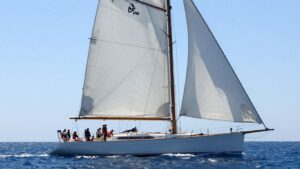
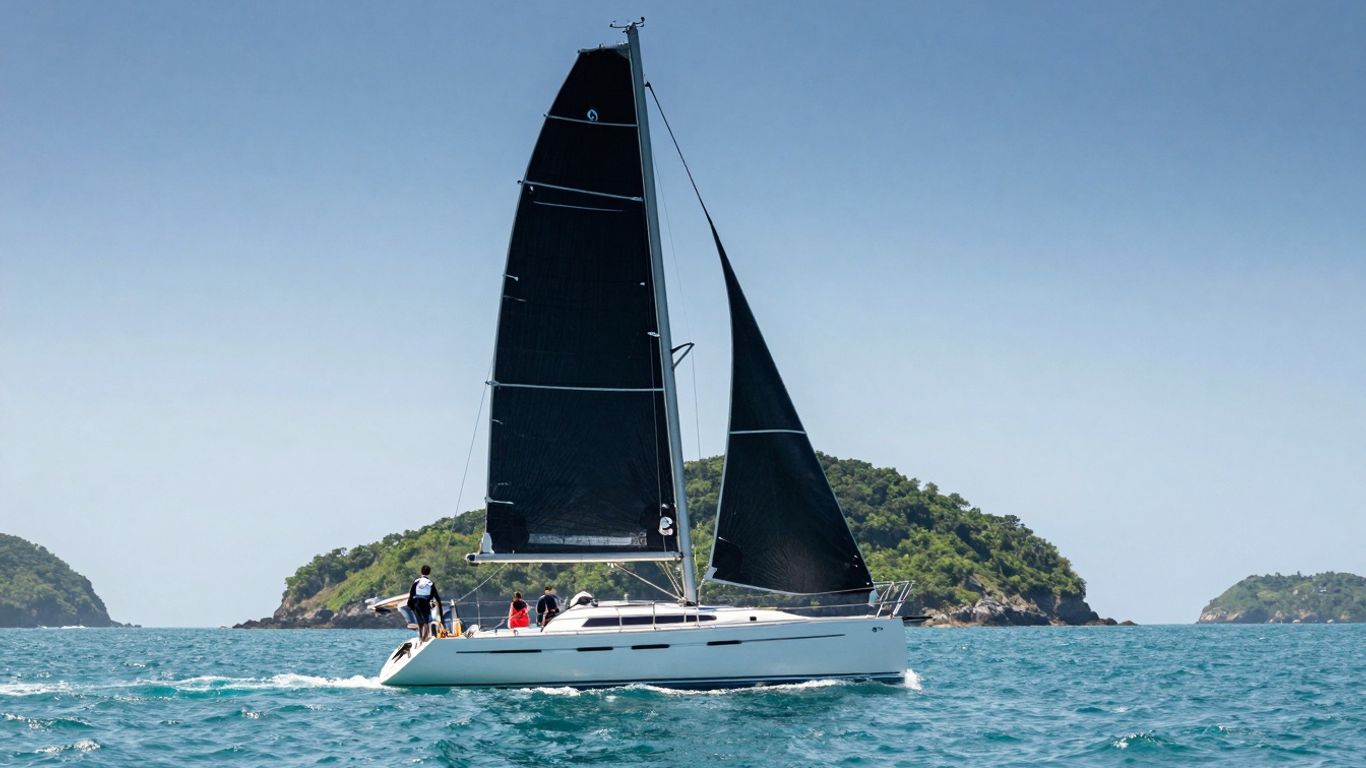
If you’ve got some sailing experience and love the idea of being your own captain, a bareboat charter is probably your jam. You get the whole boat to yourself, and you’re in charge of where you go and when. It’s all about freedom and exploring at your own pace. Most charter companies will want to see some proof of your sailing chops, like a certification or a logbook showing your past adventures. It’s a fantastic way to really connect with the islands.
- Total control over your itinerary.
- Cost-effective for groups who can share expenses.
- Sense of accomplishment from navigating yourself.
The BVI are known for being pretty beginner-friendly, with steady winds and lots of mooring balls. Still, it’s always smart to brush up on your skills and know your limits before you cast off.
Skippered Charters for Guided Exploration
Maybe you’ve got the sailing bug but aren’t quite ready to skipper a whole boat, or perhaps you just want to relax and soak in the scenery. That’s where a skippered charter comes in. You still have the boat to yourself, but a professional captain comes along to handle the sailing. They know all the best spots – the hidden coves, the quiet anchorages, and the liveliest beach bars. It’s a great way to learn more about sailing and the islands without all the stress.
Luxury Crewed Charters for Ultimate Indulgence
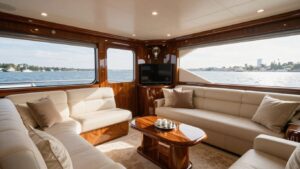
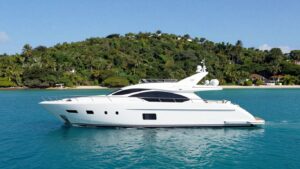
Now, if you’re looking to go all out and have a truly pampered vacation, a luxury crewed charter is the way to go. Think of it as a floating five-star hotel. You’ll have a captain, a chef, and often other crew members taking care of everything. They’ll prepare gourmet meals, mix your favorite cocktails, and sail you to the most beautiful spots while you just lounge on deck. It’s perfect for special occasions or when you just want to completely disconnect and be spoiled. Prices for these can vary quite a bit, but you’re looking at a range from around $10,000 to $20,000 per week for a top-notch experience. You can find great charter options for these types of trips.
Navigating and Staying Connected
Understanding BVI Weather Patterns
Keeping an eye on the weather is pretty important when you’re out on the water. The British Virgin Islands generally have a pleasant climate, but things can change. You’ll mostly deal with trade winds, which are usually steady and come from the east or northeast. These winds are what make sailing here so enjoyable. However, it’s always a good idea to check the forecast before you head out each day. You can usually get updates from your charter company, local radio stations, or through weather apps on your phone if you have service.
The hurricane season runs from June to November, so if you’re sailing during this time, pay extra attention to weather advisories. While direct hits are rare, storms can still bring strong winds and heavy rain, making sailing conditions rough and potentially dangerous. It’s wise to have a plan for seeking shelter if the weather looks dicey.
Mooring and Anchoring Best Practices
When it’s time to stop for the night or a midday break, you’ll have a couple of options: anchoring or using mooring buoys. Many popular spots have mooring buoys available, which are generally a good choice for the environment. They help protect the coral reefs from anchor damage. You’ll often find these in busy bays like The Bight on Norman Island or Great Harbour on Jost Van Dyke. Just make sure the buoy is in good condition and can handle your boat’s size.
If you choose to anchor, do your homework. Look for sandy bottoms away from any seagrass or coral. You’ll want to make sure you have enough chain or rode out to hold you securely, especially if the wind picks up. Always check your position relative to other boats and any underwater hazards. Having a good chart, like the waterproof chart 32B, is super helpful for identifying potential anchorages and understanding the seabed.
Fuel and Water Refill Locations
Running out of fuel or fresh water isn’t ideal, so planning your refills is key. Most of the main islands and larger bays have places where you can top up. Road Town on Tortola is a good spot for provisioning and has fuel docks. Leverick Bay in Gorda Sound and Great Harbour on Jost Van Dyke also offer fuel and water.
Here’s a quick rundown of common places:
- Road Town, Tortola: A major hub with plenty of services.
- Leverick Bay, Virgin Gorda: Convenient if you’re in Gorda Sound.
- Great Harbour, Jost Van Dyke: Good for refueling and water on Jost Van Dyke.
- Spanish Town, Virgin Gorda: Another option on Virgin Gorda.
It’s always a good idea to ask your charter company about the best places to refill based on your planned route. They can give you the most up-to-date information.
Staying connected in the BVI is generally pretty easy, with Wi-Fi available at most marinas and many beach bars. Cell service can be spotty in more remote anchorages, so don’t rely on it for critical communications. Downloading offline maps and having a satellite communication device can provide extra peace of mind for longer passages or if you plan to explore less populated areas.
Ready to Set Sail?
So, there you have it. The British Virgin Islands are pretty amazing for sailing, right? We’ve covered a lot, from figuring out the best time to go and what kind of boat to pick, to some cool places to drop anchor and what to do when you get there. Whether you’re dreaming of a chill week exploring quiet coves or a more packed adventure hitting all the famous spots, the BVIs have something for everyone. It’s not just about the sailing; it’s about the beaches, the bars, and just that whole laid-back island vibe. Hopefully, this guide helps you plan your own unforgettable trip. Now, all that’s left is to get out there and experience it for yourself!
Frequently Asked Questions
When is the best time to go sailing in the British Virgin Islands?
You can sail in the British Virgin Islands pretty much any time of year because the weather is usually warm. The busiest time, with the most people, is from mid-November to February. If you want fewer crowds and maybe better deals, think about going in May or June. Just remember that hurricane season is from June to October, so it’s good to be flexible with your plans then.
Do I need a special license to rent a boat in the BVI?
It depends on the type of boat and if you want to sail it yourself. For smaller sailboats or powerboats, you might not need a license. However, for larger yachts or if you want to rent a boat without a captain (called a bareboat charter), you’ll usually need to show proof that you have sailing experience or a sailing license. If you’re not sure, it’s always best to ask the charter company.
What are the main islands to visit when sailing the BVI?
The most popular islands are Tortola, Virgin Gorda, Jost Van Dyke, and Anegada. Tortola is often where trips start and has a main town called Road Town. Virgin Gorda is famous for The Baths, which are cool rock formations. Jost Van Dyke is known for its fun beach bars, and Anegada is a flat, coral island great for seeing lobsters and unique plants.
How do I handle provisioning and where can I get supplies?
Before you leave, you can buy all your food and drinks. Many charter companies can help you order groceries online and have them delivered right to your boat. Big supermarkets in places like Road Town on Tortola have lots of options, from regular food to fancier items. You can also find places to get fresh fruits and vegetables. During your trip, you can restock water and fuel at marinas on islands like Virgin Gorda and Jost Van Dyke.
What are the rules for anchoring and mooring in the BVI?
The British Virgin Islands have specific rules to protect the environment. In many popular spots and national parks, you can’t drop anchor. Instead, you’ll use mooring balls, which are like floating buoys you tie your boat to. This helps protect the coral reefs. You’ll pay a small fee to use them. Always check local signs and ask your charter company about the best places to anchor or moor.
What kind of boat should I choose for my BVI trip?
There are a few main choices. A ‘bareboat charter’ is for experienced sailors who want to captain their own boat. A ‘skippered charter’ means you hire a captain to sail the boat for you, which is great if you want to relax and learn from a local. A ‘luxury crewed charter’ is the most hands-off option, with a captain and crew taking care of everything, including cooking and cleaning, for a truly pampered experience.