
Key Takeaways
Being part of a sailing society offers far more than access to the water, as these institutions foster deep connections and a shared love for maritime history. Understanding how to join and what to expect ensures you gain the most from these unique communities.
- Clubs emphasize a unique spirit of volunteerism and shared responsibility for the sport.
- Many locations have evolved from private social groups into active hubs for youth and adult sailing.
- Membership typically involves specific sponsorship requirements and a clear understanding of dues.
- Opportunities for reciprocity allow members to visit partner facilities globally.
- Success in these clubs often relies on active participation in regattas and social programs.
The history and heritage of the Corinthian yacht club
Many sailing enthusiasts find themselves drawn to the rich traditions that define these long-standing organizations. Over the decades, these clubs have preserved their influence by balancing a commitment to maritime history with the evolving needs of their members. The clubs serve as anchors for their local communities while maintaining a distinct identity focused on amateur competition and nautical education.
The origin of the Corinthian spirit
The foundation of nearly every such institution rests on the idea of the Corinthian spirit, which prioritizes the amateur status of the sailor and a humble dedication to the sport. This movement began as a reaction against the professionalism that was creeping into yacht racing during the late 19th century. By fostering an environment where the passion for sailing itself outweighs the desire for victory at any cost, the clubs ensured the sport remained accessible and honorable. It remains a hallmark of the community that sailors work together to maintain their vessels and support one another on the water.
Historical evolution of regional chapters
As interest in yachting spread across the coastlines, independent chapters began to emerge to serve local needs while adhering to the core tenets of the institution. A deep sense of duty fueled the expansion of organizations like the Corinthian Yacht Club of Cape May, which emphasizes the importance of volunteerism. These chapters often started as simple gatherings of friends who kept their boats in the same harbor, eventually formalizing into entities that could manage regattas and clubhouses. The history of each location is a testament to the perseverance of local sailors who navigated economic changes and social shifts to keep their sailing culture alive.
Transitioning from private clubs to modern sailing hubs
Modern facilities have evolved dramatically from the exclusive, quiet halls of the past to become vibrant, multi-generational centers of activity. Today, sites like the Corinthian Yacht Club in Marblehead function as full-service hubs that bridge the gap between competitive racing and social involvement. They have adapted their infrastructure to accommodate everything from modern fleet storage to high-end waterfront dining, ensuring they stay relevant for families and professional commuters alike. This transition highlights a commitment to service, allowing members to enjoy their passion for the ocean alongside a full calendar of social and recreational offerings.
What to expect from a Corinthian yacht club experience
Walking into these spaces, one immediately notices an atmosphere that manages to be both sophisticated and deeply grounded in reality. The daily experience involves a balance between the rigors of racing and the casual nature of a weekend at home on the docks. Engaging in the full member experience requires an appreciation for the traditions that govern time on the water.
Competitive regattas and racing programs
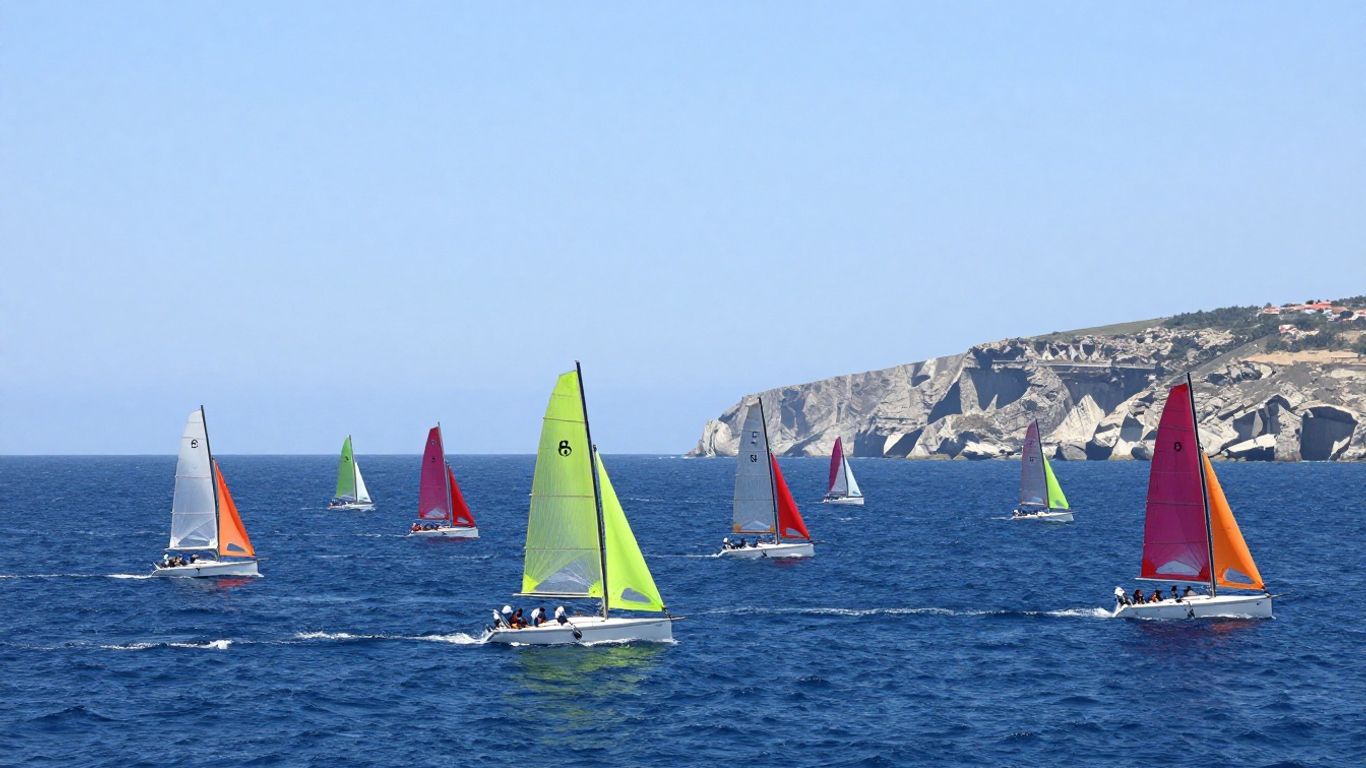
Racing remains the backbone of the club atmosphere, with calendars often packed with events designed to test the skills of every sailor. Programs vary from local weekly races that offer a chance to practice teamwork to major regattas that draw participants from across the region. Participants find that the focus is as much on the camaraderie of competing with friends as it is on the results displayed on the leaderboard. These events require significant organization, managed by committees that ensure fair play and safety for every boat on the water.
Cruising and recreational boating initiatives
For those who prefer a more relaxed approach, cruising initiatives offer a social way to enjoy the shoreline and nearby harbors. Groups often plan weekend excursions or longer summer voyages that bring together a diverse fleet of vessels, ranging from modest day-sailers to substantial cruisers. These gatherings allow members to share navigation advice, explore new destinations, and build friendships that extend beyond the club docks. It serves as an essential counterpart to the high-intensity racing programs that typically dominate the season.
Seasonal traditions and regatta events
Traditions act as the glue of the community, with events like season openers and prize-giving ceremonies marking the rhythm of the year. Seasonal regattas are highly anticipated occurrences that necessitate careful planning, often involving social mixers and formal dinners that celebrate the accomplishments of the season. Members find that participating in these events is essential for building a sense of belonging in a group that feels like a home away from home. Ensuring family participation in these rituals helps pass the love of the water to the next generation.
Membership benefits and networking opportunities
Joining a club provides a tangible set of advantages that manifest in the accessibility of resources and the breadth of one’s professional circle. Being a card-carrying member often feels like holding a key to a world of maritime connections that span far beyond a single harbor. Establishing relationships in this context helps individuals access local infrastructure while fostering lasting personal bonds.
Access to exclusive waterfront clubhouse amenities
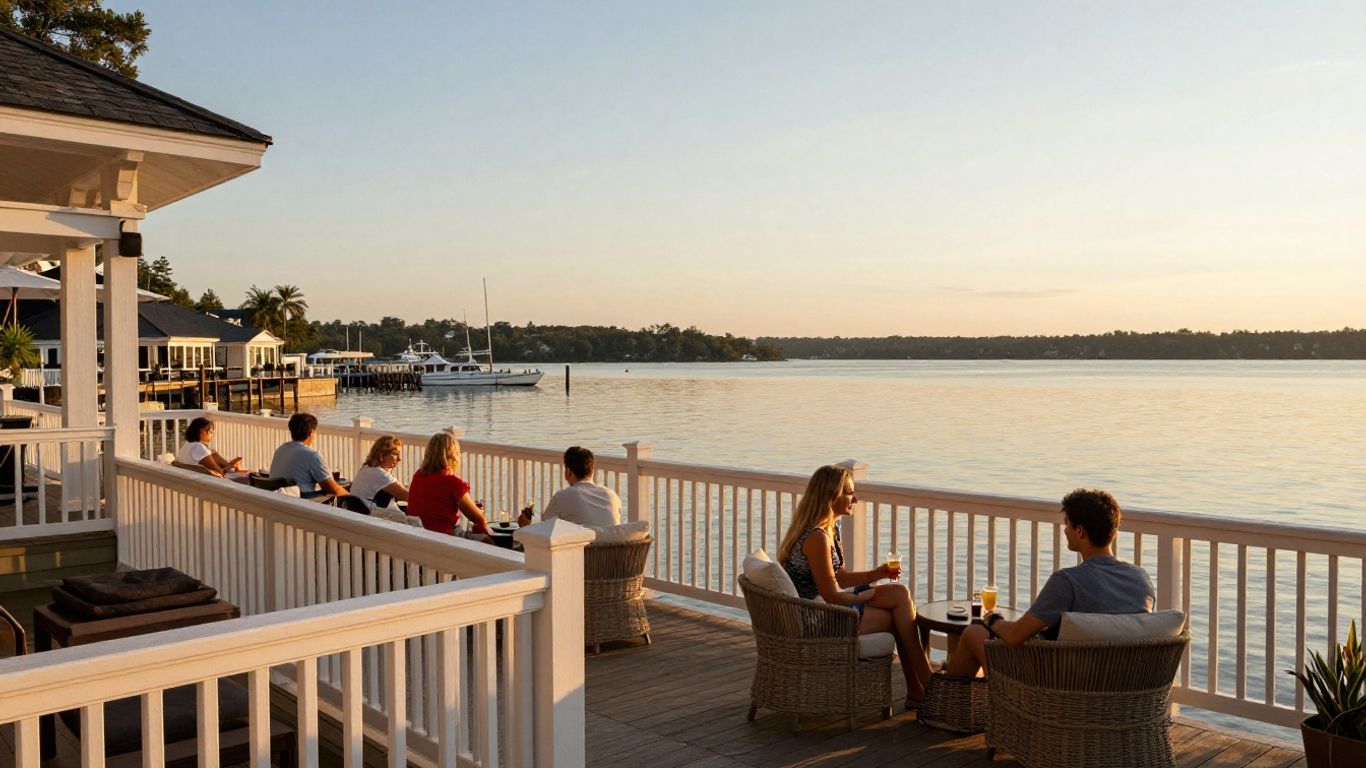
Members enjoy quiet spaces to work, host guests, or simply enjoy a beverage at the end of a long day on the water. These clubhouses act as the central gathering point, offering everything from meeting rooms for business collaboration to dining areas that highlight the local scenery. Having such a venue available can even be a lifesaver when planning an international move, providing a needed anchor of familiarity and community support. The amenities are tailored to facilitate an active lifestyle, proving that the social aspects of the club are just as essential as the sailing.
Global reciprocity through international yachting networks
One of the most powerful features of membership is the ability to connect with other organizations around the world through reciprocal agreements. When traveling, members can often present their status to gain temporary privileges at partner clubs, making it much easier to continue sailing even when away from home. These connections mean that a dedicated sailor is never without a place to enjoy a mooring or a shared meal with fellow enthusiasts. Leveraging these networks transforms a local membership into a global experience, bridging gaps across oceans and continents.
Building professional and personal community connections
The social landscape of these institutions is naturally suited for networking because it brings together individuals who share a specific set of values. It is common to find partnerships and career contacts forged on the race course, where the shared pressure of competition builds trust. Whether you are looking for local business advice or just a crew for your boat, the community serves as a resource for nearly every challenge. This environment of mutual support encourages members to stay involved for years, creating a thick web of relationships that define the culture of the area.
Sailing and maritime instruction at the club
Education stands as a primary pillar of these organizations, ensuring that the next generation of captains enters the water with knowledge and confidence. Training programs are designed to accommodate a wide spectrum of abilities, from absolute beginners to seasoned racers looking to sharpen their tactical skills. The emphasis on training helps maintain a culture of safety and excellence that benefits the entire community.
Junior sailing programs and youth development
Youth initiatives often represent the heartbeat of the club, fostering a lifelong passion for the ocean in sailors as young as eight or ten. These structured sessions teach not only how to manage a boat but also how to read the weather, respect the tides, and understand the core rules of the road. By investing time in these programs, families see their children develop resilience and leadership skills that carry over into every other aspect of their lives at school or elsewhere. The focus is on making the water a second home where children feel both capable and safe.
Advanced seamanship and racing clinics for adults
Adult members are just as likely to seek ongoing education, with clinics often hosted by experienced coaches or local professionals. These sessions cover everything from high-level race strategy and boat handling to the complexities of navigating tricky harbor currents. For those looking to master their craft, the opportunity to learn from veterans of the sport in a small group setting is invaluable. These clinics serve as a way to push current performance boundaries and stay aligned with the latest trends in competitive sailing.
Safety standards and vessel maintenance workshops
No sailing community can thrive without a near-obsessive focus on safety and the proper upkeep of the club’s fleet. Workshops are frequently held to teach members how to maintain their rig, troubleshoot engine issues, and perform emergency procedures if the situation arises. By providing these resources, the organization protects its human and physical capital, ensuring that every boat leaving the slip is ready for the day ahead. These sessions also create a shared knowledge base that empowers members to help each other when mechanical difficulties start on the dock.
Navigating the prospective member process
Becoming a member is a deliberate process intended to ensure that new arrivals contribute to the ongoing success of the group and align with its core values. While every location has slightly different requirements, the basic steps usually involve demonstrating your interest and securing the support of current members. Following these steps with patience and sincerity will help you integrate well into the club fabric.
Understanding membership categories and financial dues
Prospective members should carefully examine the different membership tiers, which often include specific options for families, individuals, and out-of-towners. Because each category comes with different access levels and responsibilities regarding dues, clarity from the start is essential for avoiding later surprises. Many organizations provide a breakdown of these costs and the associated privileges, helping applicants choose a path that fits their lifestyle and commitment level. It is also beneficial to check if there are any initiation fees or capital assessments that might apply to new sign-ups.
The importance of sponsorship and social connections
Most clubs require prospective members to be proposed by one or more existing members who can vouch for their character. This step is not just a hurdle but a way of ensuring that new members are personally invested in the success of the institution and the happiness of their fellow sailors. Getting to know club staff and regular members long before you submit an application is the best strategy. Participating in open events or dining at the club allows you to build these relationships naturally, making your inevitable application much more organic and well-received.
Best practices for touring local club facilities
Before finalizing any paperwork, visiting the facility during a busy weekend is strongly advised so you can experience the true atmosphere. During a tour, inquire about the active programs hosted by sites like the Corinthian Yacht Club of San Francisco to see if the active racing and social scene align with your personal goals. Pay attention to how members interact with one another and the staff, as this will give you the deepest insight into the actual culture of the organization. Taking the time to observe will help confirm that you have found a place where you will thrive and contribute for years to come.
Conclusion
Joining a club offers a gateway into a storied way of life, where the demands of the sea are balanced by the warmth of a close-knit group. By engaging with these institutions, you earn more than just access to a harbor; you become part of a legacy that values tradition, community, and the humble pursuit of skill on the water.
Frequently Asked Questions
Can anyone join a yacht club or do I need to be a boat owner?
Most clubs welcome members who do not own boats because active participation and social connection are considered just as valuable as vessel ownership for building a strong community.
How long does the membership application process typically take?
The amount of time varies significantly between different locations, but it often spans several months while references are checked and administrative steps are completed.
Are there family-specific benefits available for members?
Yes, many organizations offer specific tiers and programming that focus on families, including youth sailing lessons and social events that accommodate members of all ages.
Will I be expected to volunteer at the club?
Volunteerism is often considered a staple of the experience, as the members themselves typically govern the racing committees and social functions that define the season.
Can I visit a club if I am a member of a different organization?
Reciprocity is a common perk among many institutions, allowing you to use the facilities of partner clubs for free or for a nominal fee if you are a member in good standing.
How should I dress when visiting a potential club?
While customs vary, most clubs prefer a neat, nautical-inspired approach, though it is usually best to check ahead for specific dress codes regarding clubhouse dining areas.
Is it possible to host private events if I am a new member?
Many venues allow members to reserve specific spaces for private gatherings after a certain period of active membership, though you should check the bylaws of the specific location first.