Key Takeaways
Planning a sailing expedition requires careful preparation to ensure a safe and enjoyable journey through tropical waters.
- Understanding your own sailing capability is the first step toward a successful charter.
- Selecting a region like the BVI or the Bahamas offers diverse experiences for every skill level.
- Legal requirements, including valid international boating certificates, are essential for crossing regional borders.
- Budgeting effectively requires accounting for hidden operational costs beyond the primary rental fee.
- Crafting a flexible itinerary allows you to adapt to trade winds and changing weather conditions while maximizing your time at sea.
Understanding the basics of a bareboat charter in the Caribbean
Starting your journey involves logistical precision, which is quite different from planning an international move but equally demanding in terms of attention to detail. You must assess whether your experience aligns with the local conditions of the islands you intend to traverse. Taking charge of a vessel requires a deep sense of responsibility for both the crew and the safety of the yacht itself.
Defining the bareboat sailing experience
At its core, a bareboat charter means you assume the role of captain, managing the navigation, provisioning, and daily operations of the yacht without a professional skipper on board. This level of autonomy allows you to choose your own pace, anchoring in quiet coves that larger tourist boats might overlook completely. Because you are truly on your own, you must be prepared to handle common tasks like docking, mooring, and monitoring the vessel’s systems independently.
Comparing bareboat, skippered, and crewed options
Choosing between these formats depends largely on your desire for independence versus professional guidance. A bareboat option provides total freedom, whereas a skippered charter introduces an experienced local captain to assist with navigation and decision-making on the water. A fully crewed option takes this further, including chefs and deckhands to handle every aspect of the vacation, effectively turning the trip into a luxury service experience rather than an active sailing challenge.
Essential qualifications and sailing resumes
Charter companies will almost always request a detailed sailing resume to verify that your prior time at the helm meets their standard for the vessel size you wish to rent. This document should specify the types of boats you have operated, the hours you have spent at sea, and any official certifications you hold. If your experience is primarily on smaller inland lakes, you might find that offshore requirements demand a more focused level of competency in open-water navigation and emergency handling.
Evaluating your confidence and skill level
Be honest about what you know and, more importantly, what you do not know. Your confidence at the wheel must encompass the ability to execute precise maneuvers in high-traffic anchorages and manage the vessel during sudden squalls or stronger trade winds. If you find yourself hesitant during specific maneuvers, it is better to opt for a brief local checkout or to bring along a professional for the first day to ensure your crew remains both safe and comfortable.
Choosing your ideal Caribbean cruising ground
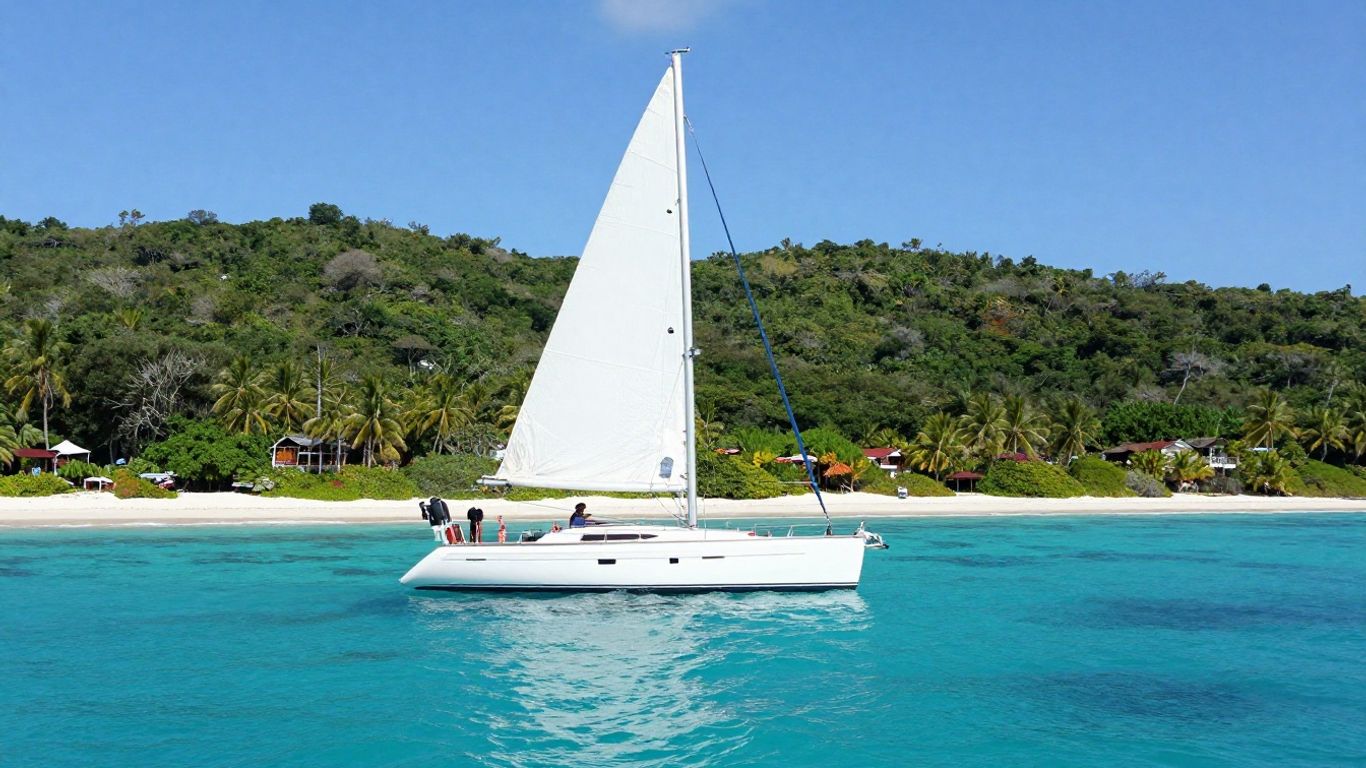
Selecting the right destination is about identifying the specific mix of solitude and social atmosphere that appeals to your crew. The geography of the region varies significantly, with some areas offering protected, tight-knit island chains and others providing wide open channels for those who enjoy longer passages. You can see various The Moorings charter destinations and customizable itineraries to spark inspiration for your voyage.
Navigating the tranquil waters of the British Virgin Islands
Widely considered the ultimate destination for bareboat beginners, the BVI features short distances between anchorages and consistent visual landmarks. The protected nature of the Sir Francis Drake Channel means that you rarely encounter overwhelming sea states, allowing for more relaxed sailing days. Exploring islands like Virgin Gorda or Jost Van Dyke offers a seamless blend of natural beauty and frequent stops at iconic bays.
Cultural exploration in the French West Indies
Regions like Martinique and Guadeloupe offer a fascinating European atmosphere combined with vibrant Caribbean landscapes and rich colonial history. Sailing in these waters often involves more varied terrain and potential for exploring lush, mountainous coastlines that differ greatly from the low-lying coral cays of other regions. You will find that the local culinary scene is a primary attraction here, with markets and bistros providing ample opportunities to stock up on fresh provisions.
Discovering secluded cays in the Bahamas
If you prefer shallow, crystalline waters and a feeling of genuine seclusion, the Bahamian archipelago is a fantastic choice for experienced navigators. The environment here is different, requiring constant attention to tide charts and depth sounders due to the expansive sandbanks and coral reefs. Exploring the Exumas allows you to drop your anchor in pristine, uninhabited bays where the only neighbors are local wildlife and the occasional passing boat.
Hidden gems in Puerto Rico and the Spanish Virgin Islands
These islands provide a wilder, less commercialized alternative to the more frequented charter hubs. You can visit Culebra and Vieques to experience unspoiled beaches and remarkable snorkeling spots that remain relatively quiet during peak and off-peak months. The sailing here is a bit more adventurous, offering a mix of coastal hopping and short offshore crossings that will keep any experienced crew engaged.
Navigating legal and licensing requirements
Preparation for the bureaucratic side of sailing is just as critical as your ability to handle the boat in rough weather. Many Caribbean nations have strict protocols regarding maritime entry, and they expect charterers to demonstrate a clear understanding of international navigation rules. As you prepare with Sunsail, you will receive chart briefings and sailing guidance, which are crucial for ensuring that you are fully prepared to captain your own adventure.
Accepted international sailing certificates
Different islands may mandate specific credentials, such as the International Certificate of Competency (ICC) or reputable national sailing qualifications. Having these ready in an organized folder can save you hours of uncertainty when clearing into customs or finalizing your paperwork at the charter base. It is worth checking the specific requirements for your chosen destination months before you depart to ensure your certifications are current and recognized.
Documenting your prior boating experience
Your resume acts as your primary proof of competency, so ensure it reflects the reality of your time on the water accurately. Include the size of the yachts you have helmed, the locations where you have sailed, and any experience with distinct systems like water makers or complex electronic navigation suites. This documentation provides the base manager with the confidence that you are capable of handling the vessel under varying environmental conditions.
Understanding maritime laws and regional customs
Each island chain has its own set of rules regarding where you can anchor, how you should pump out holding tanks, and the specific fees for entering national parks. Respecting these laws is not just about avoiding fines, but about preserving the ecosystem for future sailors who come after you. Taking the time to study local charts and coastal guides will prevent accidental infringements on protected reefs or restricted zones.
Preparing for mandatory chart and boat briefings
On the day of your departure, expect to spend significant time with the base staff going over every mechanical facet of the yacht. They will walk you through the engine checks, the operation of the galley, and the nuances of the navigation systems. Use this time to ask questions about the local weather patterns and any specific, hidden hazards that might not be clearly marked on your primary nautical charts.
Budgeting for a Caribbean sailing vacation
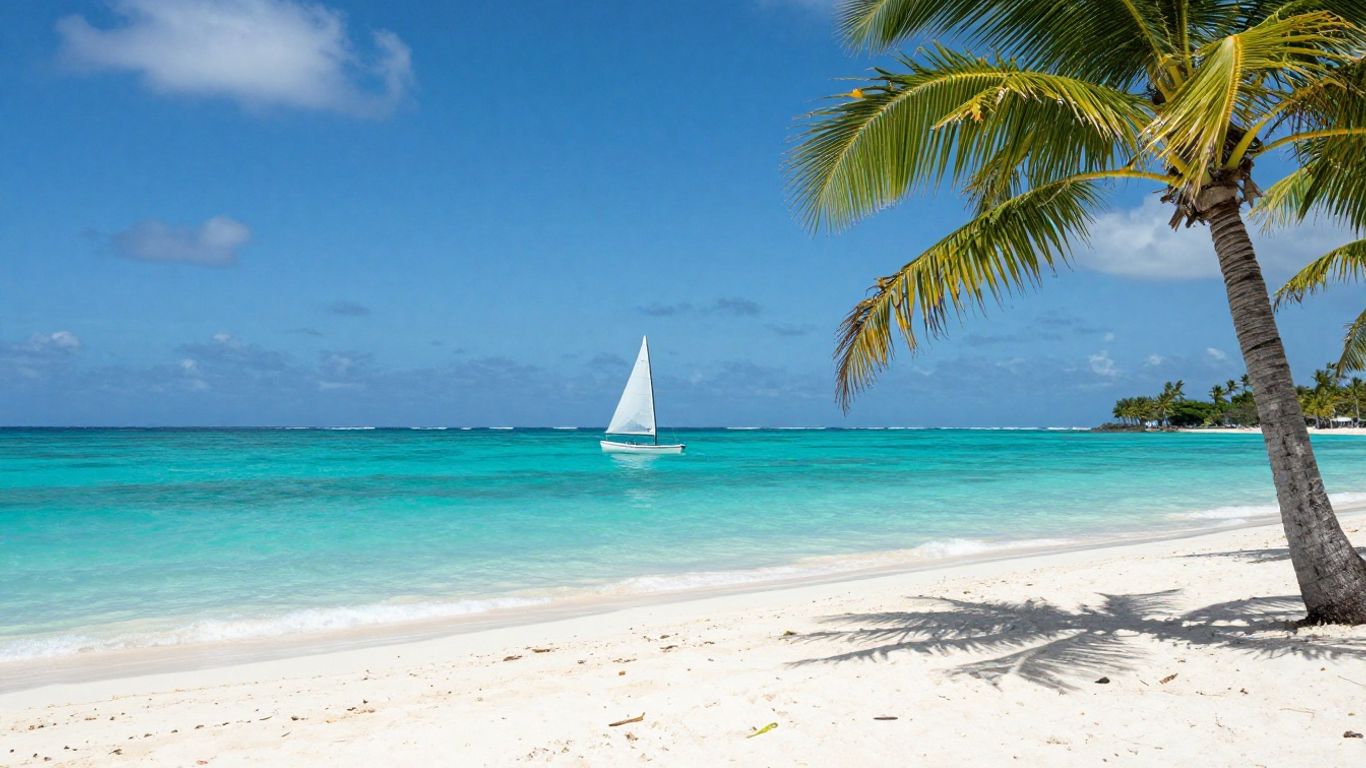
Financial planning for a week on the water requires looking far beyond the advertised price of the boat. Many sailors find that unforeseen costs, such as fuel consumption and marina fees, can climb quickly if they are not monitored periodically throughout the trip. Maintaining a clear budget throughout your vacation will keep the experience stress-free and enjoyable for all aboard.
Navigating seasonal price fluctuations
Prices for rentals drop significantly during the shoulder season, though this often coincides with the heightened risk of passing tropical storms. During the peak winter months, demand surges and rates reflect this increase, making early booking a necessary strategy for those on a stricter budget. Always look for mid-week start dates, as they can sometimes offer better flight pricing and a more flexible selection of yacht availability.
Essential costs beyond the base yacht rental
Once you have paid for the boat, you must still factor in provisioning costs, mooring buoy fees, and daily port duties. Fuel is another variable expense that depends on how much time you spend motoring against the wind versus sailing under canvas. It is also wise to keep a separate reserve fund for the occasional shore-side excursion or unplanned restaurant meal when you want to step away from the galley.
Efficient provisioning strategies for island hopping
Planning your meals ahead of time prevents overspending at high-priced island markets. Buying dry goods and non-perishables at home or larger mainland ports allows you to focus your local spending on fresh produce and regional delicacies. Keeping a simple, nutritious meal plan helps minimize waste and ensures you have enough sustained energy to handle the daily tasks associated with managing a sail boat.
Evaluating travel insurance and damage waivers
Accidents happen, and protecting yourself from significant financial liability for vessel damage is a standard part of modern chartering. Review your policies carefully to understand the coverage provided for medical emergencies, trip cancellations, and boat damage deductibles. Obtaining dedicated travel insurance that specifically covers charter activities gives you peace of mind throughout your journey.
Selecting the right yacht for your crew
Choosing the correct vessel depends on the comfort levels of your passengers and the specific sailing dynamics you enjoy. If your group is new to the sport, stability might be your primary concern, while those with more experience might prefer the responsiveness of a traditional design. When selecting from a fleet like Horizon Yacht Charters, you can browse through various monohulls and catamarans to find a style that fits your specific needs.
Performance differences between monohulls and catamarans
Monohulls are widely appreciated for their classic sailing characteristics and the ability to heel over, which many enthusiasts find rewarding during a close reach. Catamarans, however, offer a level of stability and deck space that is hard to match, providing a flat platform that many families find more comfortable in rolling seas. Each layout has distinct advantages, so choosing one depends entirely on how you want your crew to experience the motion of the ocean.
Matching cabin capacity to your group size
It is often tempting to push the limits of a boat’s bunk capacity, but practical experience suggests that leaving an empty cabin provides much-needed storage for gear and provisions. Consider the privacy requirements of your fellow crew members when choosing between configurations that prioritize spacious master suites versus those that offer modular bunk rooms for larger parties. A cramped boat is a recipe for irritability after only a few days at sea.
Importance of vessel age and maintenance standards
While newer boats have the latest equipment and pristine finishes, they come at a premium cost that may not always be necessary for your goals. An older, well-maintained boat can offer excellent value, provided that systems like the refrigeration, heads, and sail inventory have been kept in top working order. Always check for recent maintenance logs or reviews from previous charterers to ensure the vessel is ready for your specific voyage.
Must-have equipment for a comfortable voyage
Before you leave the dock, verify that the yacht is equipped with reliable electronics, a properly functioning windlass, and a spacious cockpit bimini to provide shade. Having a high-quality inflatable dinghy is necessary for shore trips, especially when mooring in bays away from the main piers. Simple additions, such as extra cushions or a good sound system, make a massive difference in the overall enjoyment of your onboard lounge area.
Crafting your personalized sailing itinerary
The most successful sailors are those who accept that the wind and weather often dictate the pace of the day, allowing them to remain flexible and safe while exploring new horizons.
Balancing protected anchorages with open-water cruising
Mixing longer sails with relaxed afternoons in quiet bays keeps the crew engaged without suffering from exhaustion. Consider moving through the more challenging open waters early in the day, leaving the afternoon for shorter coastal hops that bring you to a stunning anchorage just in time for sunset. This steady pace keeps everyone involved and ensures that nobody feels like they are spending the entire vacation trapped on board.
Factoring in seasonal trade winds and weather
In the Caribbean, the trade winds are generally reliable, but they can occasionally shift or intensify based on local topography and larger weather systems. Checking the marine forecast each morning is a non-negotiable habit for every captain. If the wind is blowing strongly from a specific direction, look for anchorages protected by the lee side of an island, where the waters remain calm and manageable.
Utilizing mooring buoys versus anchoring
Using mooring buoys is often the most straightforward way to secure your vessel in busy tourist hubs, saving you the time and risk of setting an anchor. However, practice your anchoring skills in less crowded coves, as this provides you with far greater freedom when the moorings are occupied or when you prefer to be further from the shore. Always ensure you have enough rode for the depth of the water you are entering.
Designing flexibility into your daily schedule
Always build in at least one "weather day" where you minimize travel to deal with maintenance tasks or simply to enjoy a location longer than you initially planned. Rigidity is often the fastest way to turn a relaxing vacation into a stressful chore. If the anchorage is perfect and the snorkeling is incredible, stay an extra night instead of feeling obligated to stick to a rigid map-based timeline.
Conclusion
A bareboat charter in the Caribbean is a deeply rewarding endeavor that grants you the liberty to discover pristine island landscapes entirely on your own terms. By choosing the right destination, respecting maritime protocols, and managing your crew’s needs with care, you can create a truly unforgettable experience. Preparation remains the foundation of safety, yet the true magic unfolds when you step away from the shore, hoist the sails, and finally embrace the vast horizon that waits before you.
Frequently Asked Questions
Is it difficult to learn how to dock a large catamaran?
Docking a large catamaran can be daunting for novices because of the beam width and the way the boat reacts to wind. With two engines, however, the maneuverability is often superior to a monohull, and a short practice session in open water helps most captains build the necessary confidence to handle the boat in marinas.
Do I need a specific visa to sail between Caribbean islands?
Entry requirements vary based on your citizenship and the islands you plan to visit. It is standard practice to carry a valid passport and, in many cases, to clear customs both upon arrival and departure from each sovereign territory. You should research the specific entry rules for every country on your itinerary while planning your route.
What is the best season for a first-time charterer?
Many experts recommend the late spring months, often referred to as the shoulder season, for better weather stability and lower crowding. During these months, the wind speeds are generally moderate, making it easier for new captains to manage the boat safely compared to the potentially unpredictable weather of the late summer and early autumn.
Can I hire a local skipper if I feel unprepared?
Yes, most charter companies allow you to hire a professional skipper for a portion or the entirety of your trip. This offers a fantastic way to sharpen your own skills while having an expert handle the heavy lifting, such as docking in busy harbors or navigating challenging currents.
What should I do if the weather forecast suddenly turns poor?
When a forecast shows unfavorable conditions, the safest action is to remain in a protected harbor or seek shelter in a bay that is sheltered from the prevailing wind. It is never worth the risk to attempt a long passage when the seas are rough or visibility is compromised by heavy cloud cover.
How far in advance should I book my boat?
For high-season winter charters, it is common practice to book your yacht at least six to nine months in advance to secure your preferred model. If you are aiming for dates outside of the peak winter holidays, you may have more success with last-minute bookings, but you risk having fewer vessel configurations to choose from.
Are there hidden fees I should expect before boarding?
Beyond the base rental, expect to pay for environmental levies, clearing-in fees, fuel, and optional items like water toys or mooring fees. Most companies provide a detailed list of these potential costs in your charter contract during the reservation phase, so always review that document thoroughly before sending your final payment.