Key Takeaways
Planning a sailing adventure in the Bahamas requires balancing boat type with local destination preferences.
- Select your vessel based on the specific needs of your passenger group size.
- Prioritize the Exuma Cays for the most iconic Bahamian scenery.
- Understand that seasonal weather significantly impacts navigation and charter availability.
- Budget for additional costs beyond the base rental, such as fuel and dockage.
- Ensure all travel documentation is in order well before your departure date.
Choosing the right catamaran
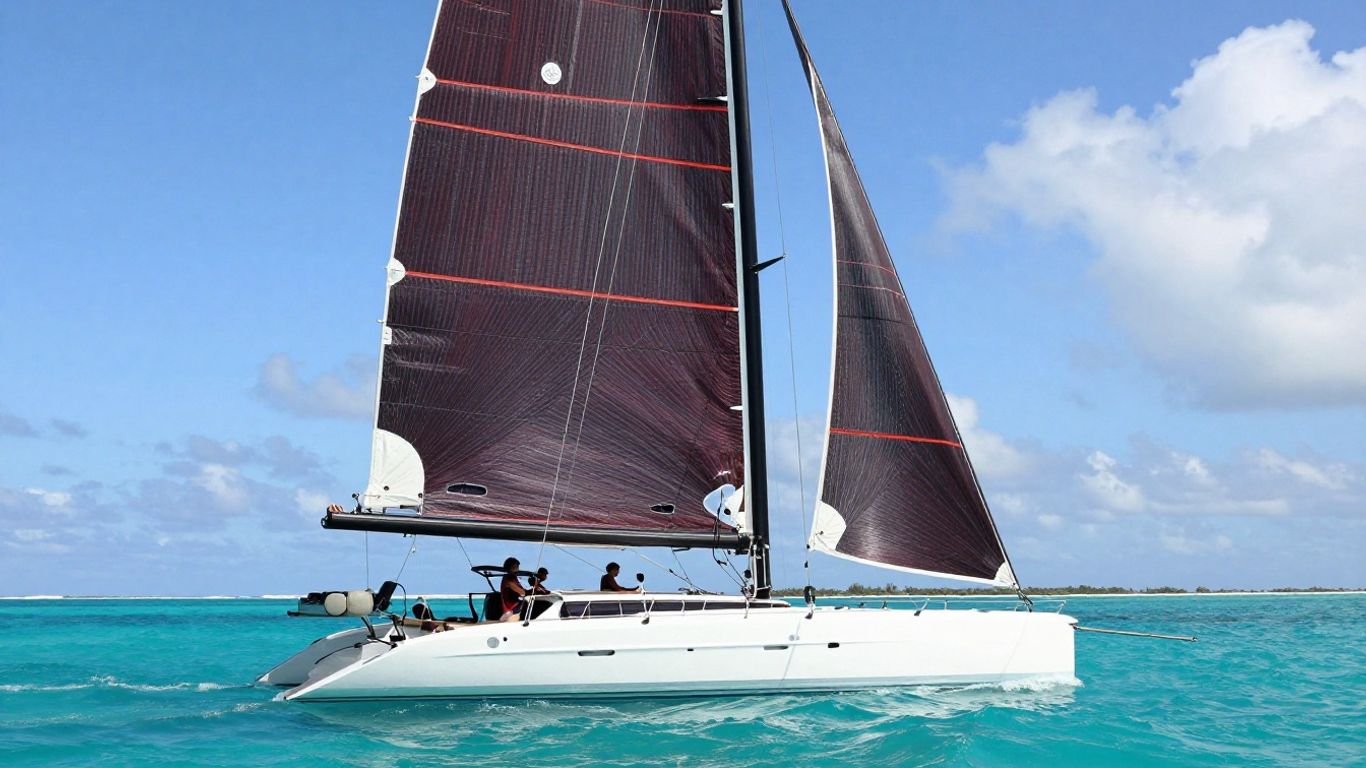
Selecting a vessel that fits your party’s experience level is the first step toward a successful trip. Whether you are seeking high-performance sailing or a luxurious floating bungalow, the options in the region cater to diverse travel styles. Most visitors find that focusing on the balance between performance and livability ensures a smoother transition to island life.
Bareboat vs. crewed charter options
If you have extensive experience, a bareboat arrangement provides total privacy and control over your itinerary. However, for those looking to relax, hiring a professional captain allows you to focus entirely on the scenery. You can often book a crewed experience through Sailo to find licensed experts who handle every technical aspect of the voyage.
Size and guest capacity considerations
Size matters significantly when navigating shallow Bahamian waters or anchoring in smaller coves. Larger vessels offer more deck space, but smaller catamarans provide better maneuverability in tight spots between reefs. Families should prioritize models with extra cabins to ensure everyone has a private, comfortable space.
Essential amenities and onboard equipment
Modern charters typically come equipped with full galleys, snorkeling gear, and water toys like kayaks or paddleboards. It is vital to inspect the inventory before departure to ensure your group has what it needs. A well-provisioned boat often features solar arrays or high-capacity water makers to keep the fun going without needing to visit a port daily.
Comparing monohulls versus catamarans for stability
Catamarans are widely preferred in the Bahamas for their shallow draft and increased stability while at anchor. While a monohull offers a different "feel" during navigation, the dual-hull design provides a level living platform that significantly reduces seasickness and increases comfort for guests lounging on deck.
Best routes and destinations from Nassau
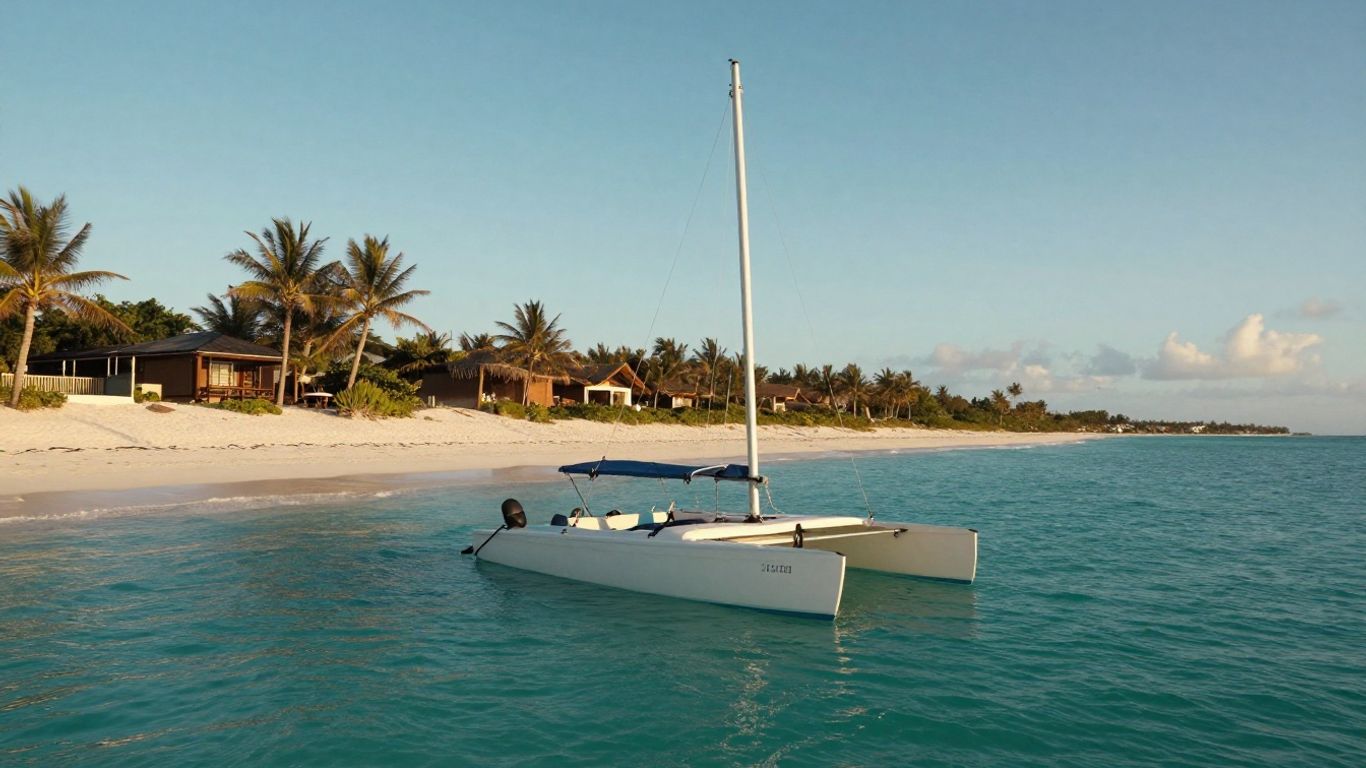
Setting off from the capital gives you immediate access to some of the most beautiful turquoise stretches in the world. Being centrally located allows skippers the freedom to head south toward the archipelago or stick closer to the more developed islands, depending on the tide and weather. Many travelers prefer to lean on established routes offered by companies such as The Moorings to navigate the complexities of island hopping.
Exploring the Exuma Cays chain
This chain of islands is the crown jewel of the region, featuring crystal-clear water and protected marine sanctuaries. The navigation is mostly visual, requiring active eyes on the water to spot shallow spots or coral heads that could impede your route. You can find essential markers for your journey in the table below:
| Destination | Distance from Nassau | Recommended Stay |
|---|---|---|
| Rose Island | 5nm | Half-day |
| Highbourne Cay | 35nm | Overnight |
| Staniel Cay | 70nm | 2 nights |
Cruising through these waters requires patience, as the beauty of the area often suggests traveling slower to take it all in.
Protected anchorages for beginner sailors
For those new to the region, finding sheltered spots with good holding ground is essential. You want to look for harbors that provide a wind shadow and deep water entrances to make entry and exit as safe as possible. These locations allow you to practice your anchoring skills without the stress of open-ocean exposure.
Accessing hidden coves and private islands
Many of the best spots remain isolated, accessible only to those who have the right vessel to get close to the shore. Take the time to identify these areas during your pre-trip planning to maximize your time on the water. Following a list of local favorites often helps you discover the most serene locations, including:
- The shallow natural swimming pools near Big Major Cay
- Quiet beach coves that face away from the prevailing wind
- Hidden snorkeling paths accessible only by dinghy
- Private sandy spits exposed at low tide
These spots require careful attention to depth when navigating near the coast.
Planning for one-way versus round-trip itineraries
Round-trip options are usually easier for logistics, starting and ending at the same base in Nassau. One-way trips are enticing because they cover more territory without doubling back, but they often require extra coordination for vessel transport and return flights. Weigh the cost of convenience against the desire to explore further south.
Navigating the logistics of your booking
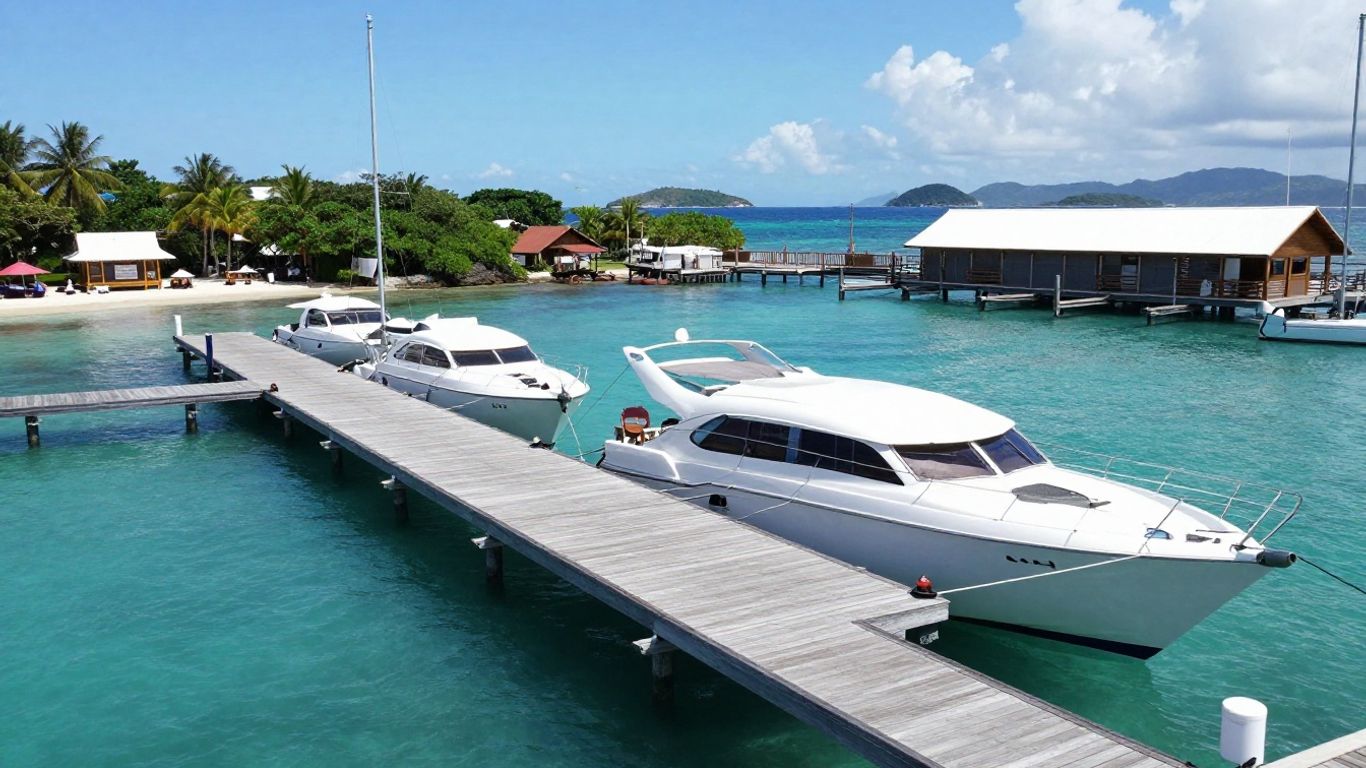
Booking a vessel requires attention to seasonal trends and the availability of ports. High season typically brings stable weather but increased competition for slips and mooring balls in popular areas. Planning your dates well in advance of your desired departure window ensures the specific type of boat you need remains on the schedule.
Ideal times of year for Bahamas sailing
Weather patterns govern the success of your trip, with the best sailing conditions occurring from late spring to early summer. You want to avoid the mid-summer peak for heat and the winter months for potential cold fronts. Always verify current weather updates as you approach your booking dates to make the right choice.
Understanding charter policies and insurance coverage
Before signing a contract, read the fine print regarding security deposits and damage waivers explicitly. Policies can vary wildly between owners and fleets, so knowing exactly what your liability is helps prevent any unpleasant surprises later. Always confirm that the policy covers the specific areas you intend to visit.
Provisioning strategies for extended trips
Stocking up on water, fuel, and fresh ingredients ahead of time is the most efficient way to manage your independent schedule. Buying in bulk near the departure marina saves significant money compared to restocking at high-priced remote resort shops. Keep a consistent log of your supplies to ensure you never run short on essentials during your voyage.
Budgeting for dockage, mooring, and fuel fees
It is easy to underestimate the cost of constant traveling between ports. Dockage fees can add up quickly, especially near premium islands, and fuel prices in remote areas are often higher than what you pay at a mainstream station. Budgeting for these variable costs ensures they don’t break your overall vacation plan near the end of your trip.
Safety and local regulations
Maintaining a safe vessel requires constant vigilance regarding both the law and the environment. You are responsible for the safety of your crew, which means conducting a thorough briefing before leaving the dock. Familiarize yourself with the nautical chart markers and the local warnings posted by officials.
Bahamas maritime law essentials
Respecting protected areas and marine parks is mandatory for every captain. Disposing of trash in the ocean is strictly prohibited, and you must maintain a legal distance from protected reefs and sensitive habitats. Keeping a clean record helps preserve these areas for future trips.
Weather monitoring and hurricane season precautions
Always check the marine forecast twice a day and monitor regional updates for any forming tropical systems. If you are traveling between early June and late November, you must have a clear plan for moving your vessel to a secure harbor if a storm approaches. Do not assume you can outrun bad weather if the forecast warns of significant changes.
Required documentation for skippers and crew
Ensure that you have your passport and any required boating licenses on hand at all times for potential check-ins. If you are entering from international waters, standard customs paperwork will be required upon initial arrival. Keep these documents in a waterproof bag, as humidity and salt spray can easily damage them.
Communication protocols for remote island travel
Satellite phones or high-gain VHF radios are essential tools when you are moving into regions with weak cellular reception. Establishing a daily "check-in" time for shore-based contacts ensures someone is aware of your location. Practicing your emergency signal procedures with your crew before you head out is a mandatory safety step.
Budgeting for your Bahamas boat rental
Managing your finances is as vital as managing your boat’s rigging or navigation. Transparent accounting from the start helps you avoid the common pitfalls that surprise many travelers. You can often manage these through sites like Click&Boat which simplify the booking process for you.
Base charter rates versus hidden service costs
Look beyond the advertised "low" base rate by asking for a complete breakdown of all service fees at the time of booking. Some fleets include final cleaning, bedding, or basic insurance, while others charge for these as extras. Understanding what is included saves you from unexpected hits just days before you sail.
Estimating local tax and customs fees
Every vessel entering Bahamian waters must pay specific cruising fees and taxes. These are often mandatory regardless of whether you are in a crewed or bareboat charter. Ensure your total budget includes these government-mandated charges, as they are not negotiable once you arrive in port.
Expectations for tipping and crew gratuities
If you have a professional captain or hostess on board, standard tipping conventions apply. It is widely expected to set aside a specific percentage of the total trip cost for tips, based on your satisfaction with the level of service and safety provided. Discussing these expectations with the operator beforehand avoids awkward moments at the end of your trip.
Managing daily water and power consumption costs
Power and fresh water are limited resources on any boat, so your crew consumption habits will directly impact your wallet. Running the engine just to produce power or wasting water often leads to higher maintenance or marina fees. Encourage your group to be mindful of turning off lights and conserving water during daily tasks.
Conclusion
Successfully enjoying a nassau catamaran charter relies on careful preparation and an understanding of the local cruising environment. By focusing on safety, choosing the right size boat, and planning your route with local weather and costs in mind, you can create a memorable journey through some of the most vibrant waters in the world.
Frequently Asked Questions
Do I need a special license to rent a boat?
Most charter companies require proof of prior sailing experience or a resume of your past navigation skills for bareboat rentals.
Is it better to book in advance?
Yes, booking several months ahead ensures you gain access to the most well-maintained fleet options during peak travel times.
What should I pack for the trip?
Bring light, breathable clothing, non-marking deck shoes, high-quality sunscreen, and hats for sun protection, but keep luggage soft and minimal.
Can I reach the Cays from Nassau in one day?
While some closer islands are within a day’s sail, reaching the furthest Exuma Cays usually takes at least two days of steady cruising.
What happens if the weather gets bad?
Charter companies will provide you with a weather briefing, and they have authority to restrict movement or redirect vessels if unsafe conditions are forecast.
Are there grocery stores on the islands?
Major hubs like Nassau have extensive facilities, but options become extremely limited as you progress deeper into the remote island chains.
Can I anchor anywhere I want?
No, anchoring is restricted in sensitive coral reef areas, and you must always follow local mooring regulations and designated marine park rules.