Thinking about a week of island hopping in the British Virgin Islands? You’re in for a treat. A BVI sailing itinerary 7 days long is packed with beautiful beaches, laid-back bars, and some of the best snorkeling you’ll find anywhere. The distances between stops are short, so you won’t spend all day on the water. Whether you’re planning your first trip or you’ve been before, this guide will help you make the most of every day. Let’s break down what to expect and how to get the most out of your week.
Key Takeaways
- A BVI sailing itinerary 7 days lets you see all the main islands without feeling rushed.
- You can pick up a mooring ball almost every night, which makes overnight stops easy and stress-free.
- Provisioning is simple in Tortola, and you’ll find plenty of restaurants and bars along your route.
- The Baths, Anegada, and Jost Van Dyke are must-see highlights for first-timers.
- Always check local rules for mooring and anchoring to protect the reefs and stay safe.
Planning Your BVI Sailing Itinerary 7 Days Adventure
Sailing in the British Virgin Islands for a week is more than just a trip—it’s a total reset. Sun, salt, wind, and random beach bar encounters make every day a little different. Here’s how to start your week right.
Best Time to Sail the British Virgin Islands
The sweet spot for sailing the BVIs is December through April. The weather is steady, the wind stays in your favor, and the crowds hit just the right level (not too busy, not a ghost town). If you’re not keen on premium prices and want quieter anchorages, try May or June—hurricane season (July to November) tends to be a gamble with storms.
| Season | Weather | Crowds | Notes |
|---|---|---|---|
| Dec – Apr (peak) | Dry, pleasant | Moderate-busy | Book early! |
| May – Jun (shoulder) | Warm, breezy | Fewer | Great deals, calm seas |
| Jul – Nov (off) | Hot, humid | Sparse | Hurricane risk |
- December–April: Most popular, best sailing conditions
- May–June: Lower rates, fewer boats
- July–November: Some risk of storms, but empty beaches
If you want the islands (almost) to yourself and don’t mind a little unpredictability, those shoulder seasons can be golden.
Choosing the Right Type of Charter
You’ve got options, and picking the right boat matters way more than it seems at first. Who’s in your crew? What’s your comfort zone?
- Bareboat Charter: Rent the boat, sail it yourself. You’ll need some experience.
- Skippered Charter: Bring along a local captain who knows the ropes and the best anchorages.
- Crewed Charter: Total vacation mode—skip all the work, let the experienced crew handle cooking, sailing, and cleaning.
Catamarans are popular in the BVIs thanks to their room and shallow draft, making them perfect for hopping between sandy anchorages. Monohulls offer a great sailing feel, but a bit less onboard living space, which some folks find feels more "real." Don’t forget to count cabins and heads (bathrooms)—everyone will thank you later.
Essential Safety and Environmental Guidelines
Safety isn’t just about life vests and harnesses. Out here, small mistakes get big fast, so a little prep pays off.
- Monitor weather reports daily (things change fast)
- Always use official mooring buoys where possible; they protect delicate coral
- Double check your VHF radio, life jackets, and navigation tools before setting off
- Waste goes back with you—pack rubbish in, pack it out
- Don’t anchor on coral, period. Use sand patches or mooring balls
Staying safe and protecting the ocean means better sailing for everyone—not just you, but every crew after you, too!
Starting Your Journey: Tortola and Cooper Island
For most folks starting out in the BVI, Road Town and Wickhams Cay II are the default launching pads. You’re going to need to stock up, so here’s how I tackle provisioning:
- Make a detailed grocery list before the trip (way easier than trying to shop on the fly)
- Check out the big supermarkets in Road Town—their selection is broader than you expect for an island (just don’t count on finding your favorite fancy coffee)
- Don’t forget the ice, fresh water, sunscreen, and snacks—especially if you have kids on board
- Many marinas will have a provisioning service where you send in your order in advance and just swing by to collect it when you arrive. That saves a ton of time and stress.
Overview: Road Town vs. Wickhams Cay II Services
| Service | Road Town | Wickhams Cay II |
|---|---|---|
| Grocery Stores | Yes | Small markets |
| Restaurants & Bars | Lots | A few |
| Chandlery/Boat Gear | Yes | Limited |
| Fresh Water & Ice | Plentiful | Available |
| Laundry/Shower | Yes | Yes |
Don’t assume everything on your list will be in stock. Flexibility—and a sense of humor—go a long way in the islands.
So you’ve made the quick hop (about an hour, maybe a little more if you dawdle) over to Cooper Island. Manchioneel Bay is a dream for your first night: turquoise water, gentle swells, and a peaceful vibe that’ll snap you into vacation mode fast.
The Cooper Island Beach Club, perched right by the sand, is the island’s beating heart. Here’s what stands out:
- A rum bar with dozens of choices (the happy hour gets lively, so get there early)
- House-brewed beer if you’re hunting for a local draft
- A beachfront restaurant dishing up fresh, Caribbean-inspired meals—make dinner reservations as soon as you can
- Coffee shop and boutique for early risers and souvenir hunters
Mooring here is mostly on first-come, first-served balls, and they fill up fast in high season (there are around 40 available, some reservable via BoatyBall). Anchoring is discouraged—protecting seagrass and marine life is the priority. When in doubt, just ask for help on the radio when you approach.
There’s no shortage of ways to get wet around Cooper Island. Here’s what I usually recommend for Day 1 fun:
- Dinghy over to Cistern Point—snorkeling here is some of the best in the BVIs. You’ll often see turtles cruising under the boat.
- Take out the paddleboards or kayaks if you’ve brought them (the bay is calm and safe for paddling)
- For the adventurous, book a spot with the island’s professional dive shop and check out the HMS Rhone wreck off nearby Salt Island—you don’t even have to scuba; the snorkeling is superb when the water’s clear
And if you’re wiped from the flight and provisioning, just float off the stern and watch the sun dip behind the hills. A first night at Cooper Island really hits different—it’s that magic mix of laid-back charm and easy comfort that sets the tone for your week at sea.
Sailing Destinations Not To Miss in Your BVI Sailing Itinerary 7 Days
Sailing the British Virgin Islands is about more than just tropical weather and easy days on the water. The places you choose to stop will define your week. Here’s a look at three destinations that everyone should have on their BVI route.
Experiencing The Baths on Virgin Gorda
Nothing in the BVI will stick in your memory longer than exploring the massive granite boulders at The Baths. These rock formations are like natural playgrounds — you have to scramble, duck, and wade between them as sunlight filters through cracks above your head. Climb your way to Devil’s Bay, where the boulders open to a beautiful little beach, perfect for a swim after the hike. For folks who love photos, this is one of the most unique backdrops anywhere in the Caribbean.
Here’s why people rave about The Baths:
- You can hike and swim in the same spot.
- Devil’s Bay is usually less crowded than the main entrance area.
- There’s a small bar and restaurant above, at "Top of the Baths," with panoramic views.
Don’t forget water shoes or sandals with a grip — the granite can get slick, especially if it rains.
Vibrant Life at Spanish Town and North Sound
Spanish Town sits just a short sail north from The Baths and is your main gateway to Virgin Gorda’s culture and conveniences. North Sound, further on, has some of the best marinas in the islands, plus anchorages with calm, glassy waters.
Major highlights in this area:
- Fuel, groceries, and local shops are close to the marinas.
- Saba Rock and Bitter End Yacht Club are famous for their waterfront dining.
- North Sound’s protected bay is great if you want an easy night on the mooring, especially if a front moves through.
| Stop | Mooring Availability | Best For |
|---|---|---|
| Spanish Town | Good | Groceries, dining |
| North Sound (Bitter End/Saba) | Excellent | Safe anchorage, bars |
Discovering Anegada’s Unique Charm
Sailing to Anegada is a shift from the other islands. Instead of volcanic hills, you get low, flat land dotted with salt ponds and wild beaches. Anegada is famous for its fresh-caught lobster, bright flamingos, and long, nearly empty stretches of sand and sea.
Reasons to go out of your way for Anegada:
- The reefs just offshore are packed with fish — snorkeling here feels like floating in a postcard.
- You can rent scooters and tour the whole island in a few hours.
- Lobster dinners on the beach are basically a rite of passage for sailors in the BVIs.
The sail to Anegada is a little longer, usually about 15 nautical miles from North Sound, and you’ll be out of sight of land for part of it. Make the trip early in the day, and watch the weather.
Unforgettable Stops: Marina Cay, Jost Van Dyke, and Cane Garden Bay
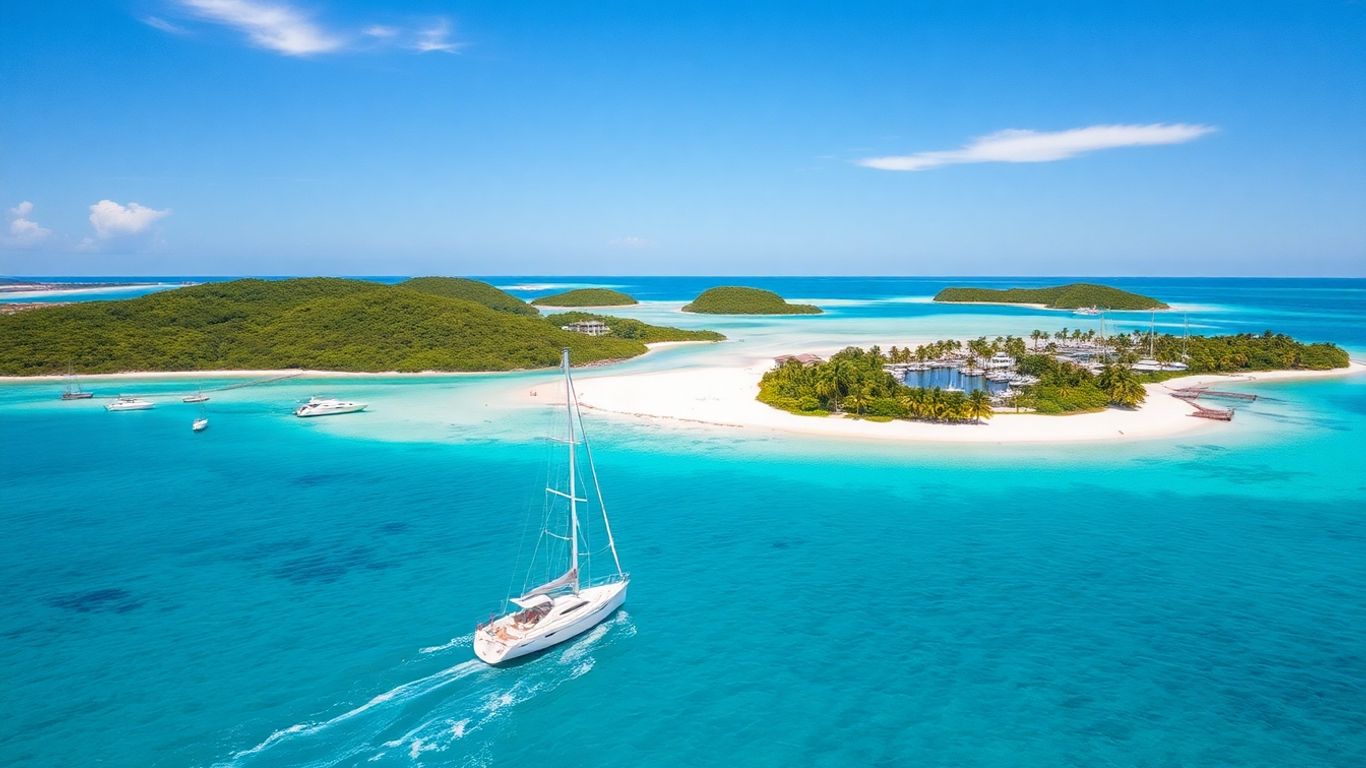
Sometimes, the best parts of a British Virgin Islands sailing week are those little islands and bays that just feel special. These three stops—Marina Cay, Jost Van Dyke, and Cane Garden Bay—will end up being some of your favorite days on the water. Here’s a deep dive into what sets them apart and how to make the most of each one.
Snorkeling and Relaxation at Marina Cay
Marina Cay is so much more than a place to tie up for the night. It has a bit of everything: snorkel-friendly reefs, easy mooring, and just enough facilities to feel cared for without too much bustle. A lot of sailors like to spend an afternoon just drifting along the coral gardens, spotting parrotfish and colorful fan coral.
Amenities you’ll appreciate:
- Fuel and freshwater refills available
- Ice, garbage disposal, and showers
- Laundry and provisioning support
- A relaxed onshore restaurant and dive shop
| Facility | Available? |
|---|---|
| Fuel | Yes |
| Restaurants | Yes |
| Showers | Yes |
| Dive Shop | Yes |
| Moorings | Yes |
Even a short stop at Marina Cay resets the mood of your crew—there’s no rush here, just that easy Caribbean pace that makes you forget about schedules.
A few tips:
- Grab a mooring ball early if you want the best spot.
- Stay for sunset, it’s always worth it.
- If you’re after something different, consider exploring nearby hidden gems and local tips.
Lively Beach Bars and Local Culture in Jost Van Dyke
Jost Van Dyke could fill an entire page on its own. Most cruisers come for the fun—white sandy beaches, some famous bars, and a local crowd that’s always ready to let you in on the secret spots.
Not to miss:
- Foxy’s Taboo Bar & Restaurant – lunch and music right by the bay.
- Bubbly Pool – a natural rock pool that bubbles like a jacuzzi after a quick, easy hike.
- Sandy Spit and Sandy Cay – anchor off and dinghy ashore; sometimes you’ll have these little islands all to yourself.
Great Harbour provides water, fuel, and ice at the dock. For Wi-Fi, Cool Breeze Café usually has you covered. If you’re craving that rustic Caribbean vibe, check out B-Line Bar.
Laid-Back Vibes and Beaches of Cane Garden Bay
If your week’s been full of activity, let Cane Garden Bay slow things down. The bay reaches into Tortola’s green hills, and the turquoise water is almost always calm. You’ll find friendly locals, little beach shops, and more than a few spots to swim, windsurf, or kayak.
Cane Garden Bay Facilities:
- Plenty of mooring balls—both walk-up and pre-booked
- Good holding ground for anchoring and a public dinghy dock
- Internet access, windsurfing rentals, and provisioning
Some favorite stops:
- Callwood Rum Distillery—ask permission to walk the grounds, then taste and buy their local rum.
- Quito’s Gazebo—live reggae and BBQ with a beachfront view.
- Myett’s Garden & Grille—great seafood right on the sand.
| Activity | Recommended Spot |
|---|---|
| Rum tasting | Callwood Distillery |
| Kayak rental | Beachfront watersports outlets |
| Sunset drinks | Quito’s Gazebo, Myett’s |
Cane Garden Bay somehow has both the energy of a beach town and the peace of a private cove. It’s ridiculously easy to let the day slip away here.
Plan your stops, but leave space for surprises—these places always have something unexpected up their sleeves.
Snorkeling, Hiking, and Island Activities Along Your Route
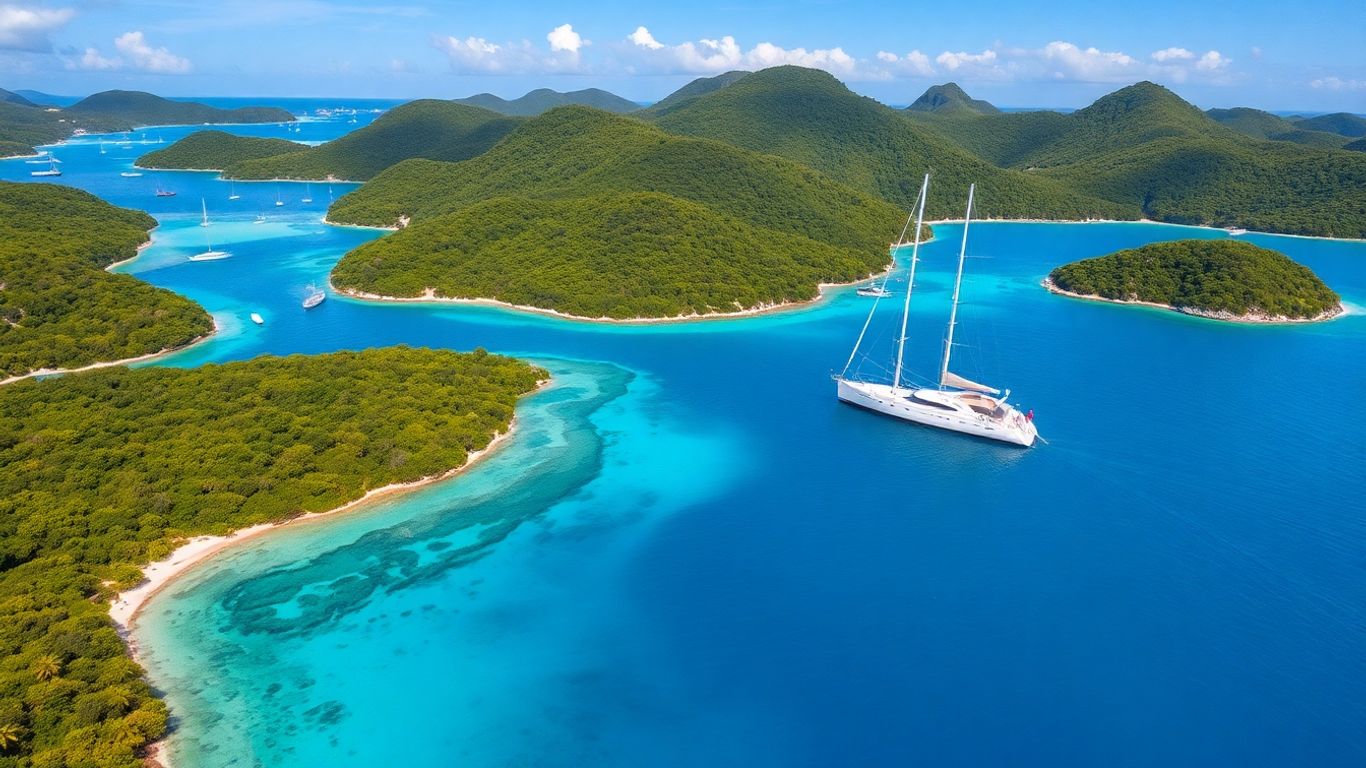
Exploring the British Virgin Islands by sailboat isn’t just about the wind in your hair—each stop packs in some real adventure. Let’s dig into the BVI’s hidden underwater worlds, wild hiking trails, and fun things you can do when you’re ready to jump off the boat.
The Caves at Norman Island and Treasure Point
Norman Island is a real highlight if you’re itching to slide a mask over your face and search for colorful marine life. The Caves at Treasure Point are famous for their shallow grottos, walls covered in purple and orange, and schools of fish darting around your fins. Bring a flashlight if you want to peek into the deeper parts. Nearby, The Indians and Pelican Island also offer spots for vibrant snorkeling.
Here’s a quick look at what you’ll find in Norman Island’s top snorkeling spots:
| Spot | Depth Range | Notable Features |
|---|---|---|
| The Caves | 6–30 ft | Flooded caves, colorful sponges |
| The Indians | 10–50 ft | Coral pinnacles, reef fish |
| Pelican Island | 10–40 ft | Soft and hard corals, turtles |
- Float in from your dinghy and tie up to day-use moorings.
- Keep an eye out for rays and maybe a barracuda or two.
- Mornings are usually less crowded and offer clearer water.
If you want one underwater memory to take home, snorkeling the caves is as close as you’ll get to feeling like a pirate uncovering lost treasure.
Top Hiking Trails and Scenic Views
If you need a break from the water (or just want to stretch your legs), hop ashore for some of the BVI’s hiking:
- Guana Island: There are around 12 miles of well-worn trails here. The hike up Sugarloaf Mountain has the best panoramic views, but you’ll also find shorter paths winding through dry hills and down to sandy beaches.
- Virgin Gorda (The Baths National Park): Walk the sandy path through towering granite boulders, then scramble through mini caves down to the beach.
- Sage Mountain (Tortola): For something greener, you can trek part of the 1,716-foot peak. It’s the highest point in the BVI and usually cooler than the coast.
Try these tips for happy hiking:
- Bring water—shade is rare and sun can be strong.
- Good shoes make all the difference on rocky ground.
- Watch for wildlife—iguanas love sunning themselves on the trails.
Water Sports and Family-Friendly Adventures
The BVI isn’t just about snorkeling and hiking; you’ve got plenty of options if you want to keep folks of all ages busy:
- Paddleboarding and kayaking in calm anchorages like White Bay or Marina Cay.
- Tubing and banana boat rides in North Sound—just ask around at the local marinas.
- Taking lessons or just renting gear for windsurfing at some beaches.
- Guided nature walks to learn about local plants and birds (especially fun if you’re traveling with younger kids).
You’ll also run into floating bars like Willy T, where you can grab a drink—and sometimes even brave a jump off the deck!
Some of the most memorable moments on a BVI sailing trip come from simply grabbing your mask or hiking shoes and heading out with no agenda, just the sun overhead and the promise of a new view around every corner.
Dining, Nightlife, and Local Flavors on a BVI Sailing Itinerary 7 Days
Eating and drinking your way around the BVIs might end up being the highlight of your week. Food is front and center here—every island seems to have its own beach barbecue, rum punch, and dish you wish you could recreate at home. Some nights are mellow with just the sound of water and a cold beer, others are buzzing with live bands or crowds cramming into beach shacks for fresh lobster. It’s impossible to sail the BVIs without stumbling into at least one real party.
Where to Eat: Island Restaurants and Beach Bars
The choice is wild: fresh-caught seafood at a simple shack, open-air grills with smoky jerk chicken, and even floating bars you reach by dinghy. Here are a few favorites you’ll spot along your route:
- Pirate’s Bight (Norman Island): Classic Caribbean menu—think conch fritters and grilled lobster, right on the beach.
- Willy T (Norman Island): A legendary floating restaurant/bar for wild nights and lunch with a side of chaos.
- Soggy Dollar Bar (Jost Van Dyke): Home of the Painkiller cocktail. Their fish tacos are pretty great too.
- Top of the Baths Restaurant (Virgin Gorda): Go for a swim, dry off, then grab a seat for lunch overlooking those huge boulders.
- Foxy’s Bar (Jost Van Dyke): This place is an institution for barbecue, music, and meeting sailors from everywhere.
Must-Try Local Dishes and Drinks
It’s not just rum punch and grilled fish! Every stop gives you a chance to try something different. Here’s what you shouldn’t skip:
- Anegada lobster (usually best in a simple butter sauce, often grilled over coals)
- Conch fritters and conch ceviche (crunchy, salty, addictive)
- Roti (curry-stuffed flatbread, sometimes with chicken, potato, or veggies)
- Johnnycakes (fried dough bites served with every meal)
Popular Drinks Table:
| Drink | Main Ingredient | Island Hotspot |
|---|---|---|
| Painkiller | Rum, coconut, orange, pineapple | Soggy Dollar Bar |
| Bushwacker | Rum, coffee liqueur, coconut cream | Willy T or local bars |
| Rum Punch | Various rums, fruit juice | Most beach bars |
| Sea Breeze | Vodka, cranberry, grapefruit | Top of the Baths |
Best Spots for Sunset Cocktails
Sunset in the BVIs is a daily event—everyone stops what they’re doing and heads ashore. If you want the best happy hour views, here’s where you should be by late afternoon:
- Cane Garden Bay: Bars line the beach, and locals set up barbecue stands in the evenings.
- Saba Rock (North Sound): Grab a stool, order a frozen cocktail, and watch turtles surface as the sun dips.
- White Bay (Jost Van Dyke): Sunsets here are unreal. Most folks end up barefoot, drink in hand, cheering as the sky flips from orange to purple.
Watching the sun set in the BVIs isn’t just about the view—it’s a signal that the day’s adventures are over and the party is about to begin. Even if you’re not much of a night owl, good luck resisting the island rhythm after your second rum punch.
Mooring, Anchorage, and Yacht Logistics
Managing where and how you stop each night is just as important as plotting your sailing route through the BVI. Even on a short trip, knowing your options and prepping for popular anchorages goes a long way.
Using Mooring Balls and National Parks Buoys
Mooring balls are scattered throughout the British Virgin Islands at all the popular overnight stops, like Anegada, Great Harbour (Jost Van Dyke), The Baths, Marina Cay, and North Sound. There are both first-come, first-served options and reservations through BoatyBall at certain spots, such as Leverick Bay and Saba Rock. National Parks Trust buoys are separate and specifically reserved for day use at marine parks, frequently at places like The Caves and The Indians.
How to grab a mooring ball:
- Approach slowly and have crew ready with a boat hook.
- Secure your lines through the ring at the top — not just over the ball.
- Check for any fee signs or payment instructions.
- Keep an eye out for color codes: white with blue stripe for overnight, yellow for National Parks Trust, orange for commercial vessels, and so on.
| Location | Overnight Mooring Balls? | National Park Buoys? | Reservation Option? |
|---|---|---|---|
| The Baths | No | Yes | No |
| Anegada (Harbor) | Yes | No | Yes (BoatyBall) |
| Marina Cay | Yes | No | Sometimes |
| North Sound | Yes | Yes (in vicinity) | Yes |
| Norman Island | Yes | Yes | Yes (BoatyBall) |
Moorings fill fast by mid-afternoon, especially in peak season. Have backup anchor plans and always double-check the condition of mooring lines before trusting them overnight.
Anchorage Tips for Popular Destinations
Anchoring in the BVI is straightforward if you follow a few basics. Most anchorages offer good holding in sandy bottoms—just watch out for crowded spots on weekends.
- Drop anchor with enough swinging room, especially at busy harbors like Great Harbour or Trellis Bay.
- Scope ratio matters: at least 5:1 chain to depth.
- Avoid reefs, seagrass beds, and channels. Stick to sand patches where possible.
- Always back down on your anchor to set it, especially when winds pick up overnight.
- If a spot looks packed or exposed, check the next bay—quiet anchorages exist all over.
Some marinas, like Virgin Gorda Yacht Harbor, have the best facilities for yachts, adding a layer of comfort if you need power, water, or provisioning. For those who want extra privacy, secluded anchorages in the BVI are possible with a bit of local knowledge.
Yacht Provisioning and Onboard Comfort
Provisioning is easiest at the start or mid-point of the trip. Major stops, like Road Town or Virgin Gorda Yacht Harbor, offer groceries, basics, and fresh water.
Onboard comfort makes or breaks a week-long trip. A few reminders:
- Top up water tanks every other day – marinas and some anchorages have water for a small fee.
- Ice, WiFi, and laundry are available in hubs like Saba Rock and Leverick Bay.
- Take trash ashore at designated docks—there’s no dumping at sea allowed.
- Recharge batteries at marinas or keep an eye on generator/fuel use if you’re running the fridge, fans, or lights all night.
Comfortable nights start with solid prep: take care of your anchor, boat systems, and provisioning early, so it’s smooth sailing the rest of the week.
Wrapping Up Your BVI Sailing Adventure
So, that’s a week sailing around the British Virgin Islands. It’s honestly hard to beat—short hops between islands, warm breezes, and plenty of time to just relax or explore. Whether you’re new to sailing or you’ve done this a dozen times, the BVI makes it easy to have a good time. You get to see famous spots like The Baths, eat fresh lobster on Anegada, and maybe even dance barefoot at a beach bar on Jost Van Dyke. Every day brings something a little different, but it never feels rushed. If you’re thinking about booking a trip, just go for it. The memories stick with you long after you’ve packed up and headed home. And who knows? You might find yourself planning your next BVI trip before you’ve even left the dock.
Frequently Asked Questions
When is the best time to go sailing in the British Virgin Islands?
The best time to sail in the BVI is from December to April. This is when the weather is sunny, the winds are steady, and the sea is calm. These months are also the busiest, so it’s smart to book your boat early.
Do I need sailing experience to charter a yacht in the BVI?
You don’t need a lot of sailing experience for most charters in the BVI. The waters are calm and the islands are close together, making it easy for beginners. If you’re not confident, you can hire a skipper to sail the boat for you.
How do I get food and supplies for a week-long sailing trip?
You can stock up on groceries and supplies in Tortola, especially in Road Town and Wickhams Cay II. Many marinas also offer provisioning services, so you can order what you need ahead of time and have it delivered to your boat.
Is it safe to swim and snorkel in the BVI?
Yes, swimming and snorkeling are very popular and safe in the BVI. The water is warm and clear, and there are many protected spots with colorful fish and coral. Always watch out for boats and check local rules before jumping in.
Can I always find a mooring ball, or do I need to anchor?
Most popular spots in the BVI have mooring balls you can use for a fee. It’s a good idea to arrive early in the afternoon to get one, especially during busy season. Some places require you to anchor, so make sure you know how to do it safely.
What are some must-try local dishes and drinks in the BVI?
You should try fresh lobster, especially on Anegada, and local dishes like conch fritters and roti. For drinks, the Painkiller cocktail and rum punch are island favorites. Many beach bars serve these with a great view of the sunset.