So, you’re thinking about a 60 foot yacht, huh? It’s a big step, for sure. The yacht market has really changed over the years. What used to be considered a superyacht is now just a regular-sized luxury boat. I’ve been around this scene for a while, and let me tell you, the stuff they’re building now is pretty wild. It’s not just about being big anymore; it’s about the tech, how it’s made, and even how it treats the environment. Whether you’re looking at something around the 60-foot mark or dreaming bigger, this guide is here to help you figure it all out. Trust me, you don’t want to jump into buying a boat this size without knowing what you’re getting into. It’s a lot more than just the sticker price.
Key Takeaways
- The 60 foot yacht market offers a great entry point into luxury boating, blending manageable size with impressive features.
- Modern 60 foot yachts are built with advanced materials and packed with cutting-edge technology, from AI systems to eco-friendly propulsion.
- When looking at specific 60 foot yacht models, compare shipyards and designs, paying attention to what makes each unique and how they perform.
- Buying a 60 foot yacht involves careful planning, including working with a broker, doing your homework, and scheduling viewings and surveys.
- Budgeting for a 60 foot yacht goes beyond the purchase price; factor in yearly running costs, maintenance, and potential refit expenses.
Understanding the 60 Foot Yacht Market
So, you’re thinking about a 60-foot yacht. That’s a sweet spot in the market, really. It’s big enough to feel substantial and offer some serious comfort, but not so massive that it becomes a logistical nightmare. The whole idea of what makes a yacht ‘luxury’ has really shifted over the years. It used to be all about size, plain and simple. Now, though? It’s a mix of advanced tech, how it’s built, and even how eco-friendly it is. It’s pretty wild how much things have changed even in the last decade.
Defining Luxury in Today's Yachting World
Forget just having a big boat. Today’s luxury is about smarts and style. We’re talking about yachts that feel more like high-end homes on the water, packed with features you wouldn’t expect. Think integrated smart systems that control everything from the lights to the climate, and materials that are both beautiful and incredibly durable. It’s less about showing off sheer size and more about the quality of the experience. The focus has moved from just length to the overall sophistication and capability of the vessel.
The definition of luxury is no longer solely tied to the dimensions of a yacht. Instead, it encompasses a blend of cutting-edge technology, superior craftsmanship, and personalized comfort, creating an unparalleled experience on the water.
The Evolution of Yacht Size and Features
Back in the day, a 60-footer might have been considered a superyacht. Now, it’s more like the entry point into serious cruising. Manufacturers are packing more and more into these hulls. You’ll find advanced stabilization systems that keep things smooth even in choppy seas, sophisticated navigation tech that makes handling easier, and layouts that maximize living space. It’s amazing what they can fit into a 60-foot package these days. For instance, many now offer features previously only seen on much larger vessels, like dedicated water toy garages or impressive beach club setups.
Entry-Level Luxury: The 60-75 Foot Segment
This 60-75 foot range is where a lot of the action is for buyers looking for that first taste of true luxury yachting. You get a great balance of performance, comfort, and manageable operation. These boats are often built by well-known shipyards, meaning you get solid construction and good resale value. They’re perfect for weekend getaways, exploring coastlines, or even longer trips if you’re so inclined. You can find some really impressive options here, like the 60 Sunreef Power catamaran, which shows how versatile this size can be.
Here’s a general idea of what you might find in this segment:
- Performance: Capable of comfortable cruising speeds, often in the 20-30 knot range.
- Accommodations: Typically sleep 6-8 guests in well-appointed staterooms, plus crew quarters.
- Amenities: Expect modern galleys, comfortable saloons, good deck space for lounging, and often a decent tender garage.
- Build Quality: Reputable builders use high-quality materials and construction methods, offering reliability and a premium feel.
Key Features of Modern 60 Foot Yachts
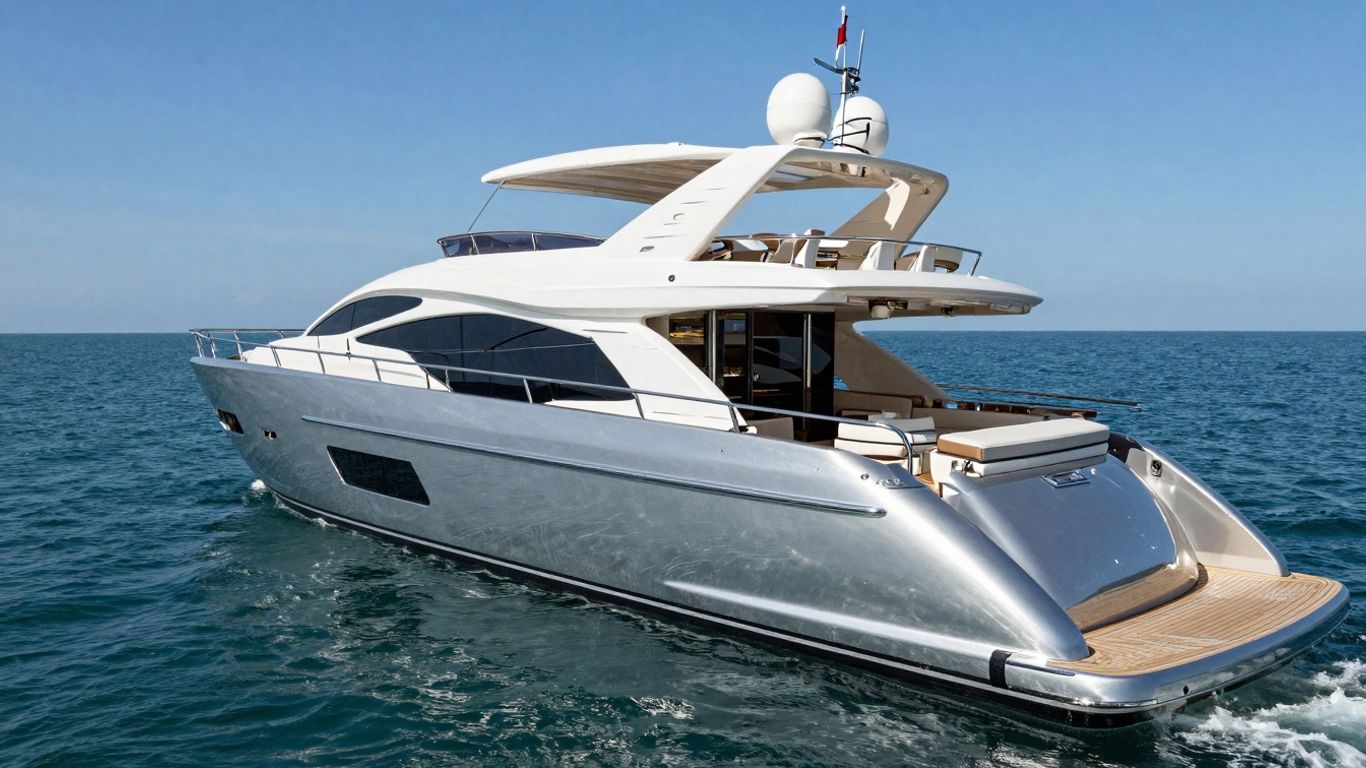
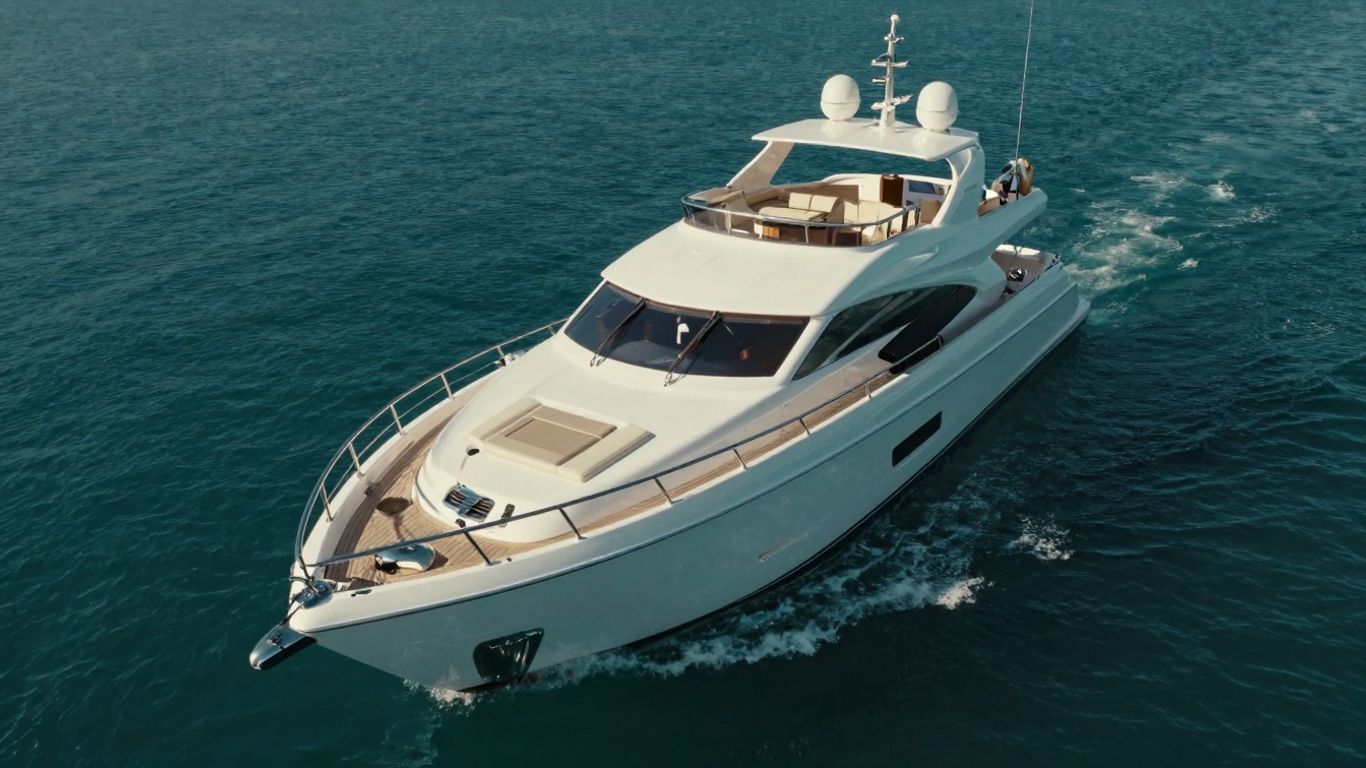
When you’re looking at yachts in the 60-foot range today, it’s not just about size anymore. The real magic is in how they’re built, the tech packed inside, and even how they treat the environment. It’s a whole different ballgame than it was even a decade ago.
Advanced Build Materials and Construction
Forget just fiberglass and wood. Modern 60-footers are using some seriously advanced stuff. Think aerospace-grade aluminum alloys and composite materials, like carbon fiber reinforced polymer (CFRP). This makes the yachts lighter, stronger, and often faster. Builders are getting really smart about where they use these materials, putting them in key structural spots to boost performance and durability. It’s like building a sports car, but on the water.
Cutting-Edge Technology Integration
These yachts are practically smart homes on the sea. You’ll find integrated systems that control everything from lighting and climate to entertainment and navigation, often right from a tablet. We’re talking about advanced sonar, sophisticated autopilot systems, and even AI-assisted docking features that make handling a large vessel much simpler. Some even have smart glass that adjusts its tint based on the sun’s position. It’s pretty wild how much tech can fit into a 60-foot space.
The bridge of a modern yacht can look more like a spaceship cockpit than a traditional helm station. With multiple high-definition screens displaying navigation, engine data, and system status, it’s a testament to the technological advancements in yachting.
Sustainable Innovations for Eco-Conscious Cruising
More and more, buyers are asking about how their yachts impact the environment. Manufacturers are listening. You’ll see more solar panels integrated into the deck design, helping to power onboard systems. Hybrid propulsion is becoming more common, offering better fuel efficiency and lower emissions. Some are even experimenting with hydrogen fuel cells, which is really pushing the boundaries of green yachting. It’s great to see these big boats getting a more eco-friendly makeover. For example, the Sunreef 60 SKE is designed with sustainability in mind, featuring innovative solutions for eco-conscious cruising.
Here’s a quick look at what you might find:
- Hull Design: New hull shapes that reduce drag and improve fuel economy.
- Propulsion: Hybrid systems or more efficient diesel engines.
- Energy Generation: Integrated solar panels and advanced battery storage.
- Waste Management: Improved systems for treating wastewater and reducing discharge.
It’s a big shift, and honestly, it’s pretty exciting to see where it’s all heading.
Exploring Popular 60 Foot Yacht Models
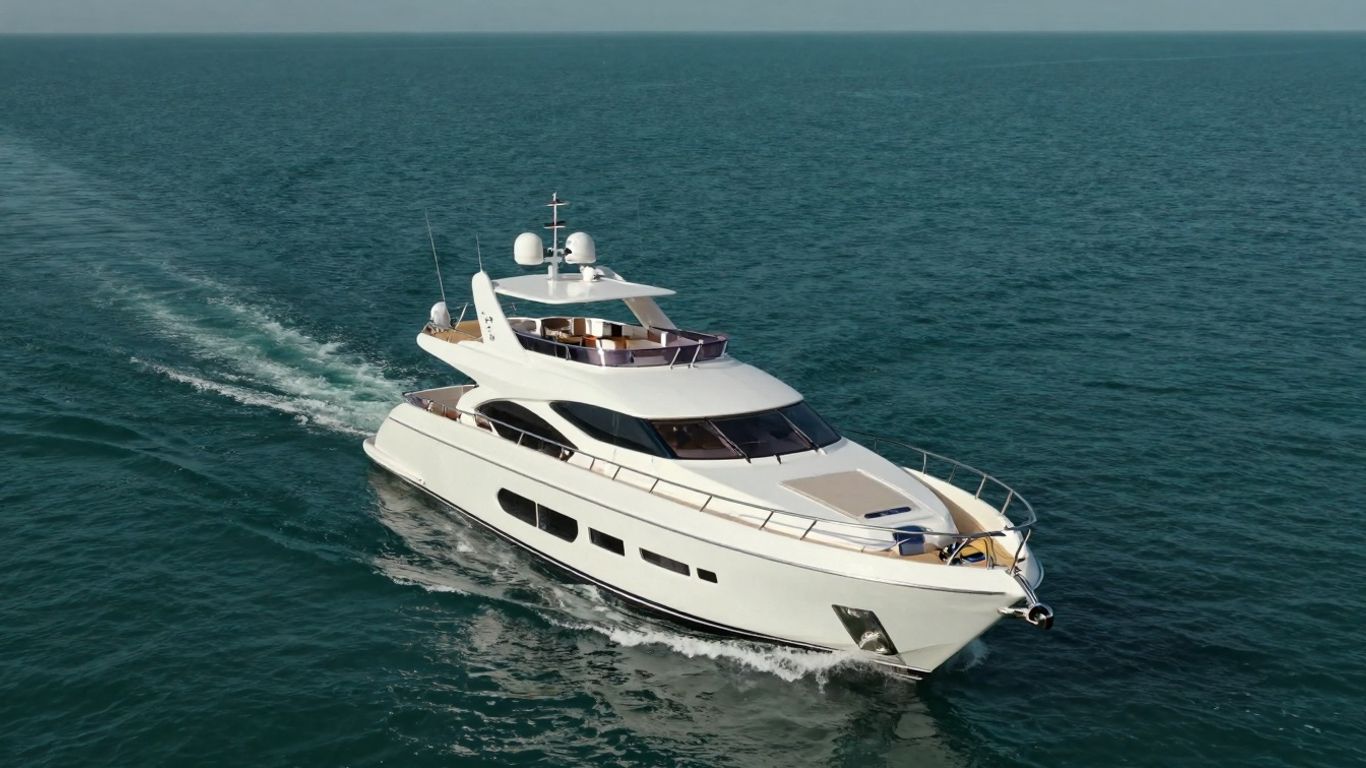
So, you’re eyeing a 60-foot yacht. That’s a sweet spot, really. You get a good amount of space and luxury without the headache of managing a superyacht. But with so many builders out there, how do you even start looking? It can feel a bit overwhelming, I get it. Let’s break down some of the big players and what makes them stand out.
Comparing Top Shipyards and Designs
When you look at yachts in this size range, you’ll see a few names pop up again and again. Think Azimut, Princess, Sanlorenzo, and maybe some of the more specialized builders like Sirena or Fairline. Each has its own vibe, you know? Azimut often goes for a really modern, sporty look, packing in a lot of tech. Princess tends to be a bit more traditional, focusing on comfort and solid build quality. Sanlorenzo is known for its custom feel, even in this size, and they really pay attention to the details.
It’s not just about the brand, though. The design philosophy matters. Are you looking for something that’s built for speed, or more of a comfortable cruiser for longer trips? Some yachts have layouts that feel way bigger than they are, maybe with an asymmetric design that gives you more living space on one side. Others stick to a more classic, balanced layout.
Here’s a quick look at how some might stack up:
| Shipyard | Typical Design Focus | Known For |
|---|---|---|
| Azimut | Modern, sporty, tech-forward | Bold styling, innovative layouts |
| Princess | Comfort, classic elegance | Solid build, spacious interiors |
| Sanlorenzo | Custom feel, luxury details | High-end finishes, personalized options |
| Sirena Yachts | Long-range cruising | Robust build, offshore capability |
| Fairline | Quality materials, handling | Fine interiors, good performance in rough seas |
Understanding Unique Selling Propositions
What makes one 60-footer different from another? It’s often in the little things, or sometimes, the big things! Some builders really push the envelope with materials. You might see carbon fiber used in certain areas to keep the weight down and boost performance. Others focus on hull design – a fast displacement hull, for example, can give you better fuel efficiency without sacrificing too much speed. That’s a big deal when you’re thinking about how far you can go and how much you’ll spend on fuel.
Then there’s the interior. Some yachts come with really clever layouts, like a full-beam master suite that feels like a hotel room. Others might have a fantastic beach club area that opens up to the water, perfect for entertaining. Don’t forget about the tech. Integrated systems for controlling lights, climate, and entertainment are becoming standard, making life onboard much easier.
When you’re comparing models, really dig into what each builder highlights. Is it the speed? The fuel economy? The comfort at anchor? The quality of the joinery? These unique selling points are what will help you decide which yacht truly fits your lifestyle.
Assessing Performance and Seaworthiness
Okay, so it looks good and has all the features, but how does it actually feel out on the water? This is where performance and seaworthiness come in. You want a yacht that handles well, especially if you plan on doing any serious cruising. Look at the engine options – different power packages will give you different top speeds and cruising speeds. A yacht that can comfortably cruise at 20-25 knots is pretty standard in this class, but some can push much higher.
Seaworthiness is about how the boat behaves in different sea conditions. Does it roll a lot? Does it pound into waves? Gyroscopic stabilizers are a big help here, keeping things much smoother when you’re underway or at anchor. Most reputable builders will have done extensive testing to make sure their hulls perform well. It’s worth asking about the design of the hull and how it’s intended to perform. If possible, a sea trial is the best way to get a real feel for how the yacht handles.
- Hull Design: Look for designs that balance speed with comfort. Fast displacement hulls are a good compromise.
- Stabilization: Gyro or fin stabilizers make a huge difference in comfort.
- Engine Power: Ensure the engine package matches your desired cruising speed and range.
- Build Quality: A solid build contributes directly to how well the yacht handles rougher seas.
Navigating the Purchase Process
So, you’ve zeroed in on a 60-foot yacht that makes your heart sing. Awesome! But now comes the part that can feel a bit like trying to assemble IKEA furniture without the instructions – the actual buying process. It’s not just about handing over a check; there’s a whole sequence of steps to make sure you end up with the right boat and avoid any major headaches down the line. I’ve seen folks get so excited they skip over important bits, and trust me, that’s a fast track to regret.
The Role of a Qualified Yacht Broker
Look, you could try to do this all yourself, but honestly, why would you? A good yacht broker is your guide, your negotiator, and your sanity check. They know the market, they know the boats, and they know how to handle the paperwork. Finding a broker with solid experience and good references is probably the single most important step you can take. Think of them as your personal yacht detective. They should be certified, have a good track record, and ideally, have relationships with the shipyards you’re interested in. Don’t be afraid to interview a few; you want someone you click with and who truly has your best interests at heart.
Conducting Thorough Market Research
Before you even talk to a broker, do a little homework. What models are out there? What are their reputations? What kind of features are standard versus optional? This isn’t just about looking at pretty pictures online. You need to get a feel for what’s available in your price range and what kind of performance and amenities you can expect. Consider the practicalities, too, like how easy a particular yacht is to maneuver in local waters or if it fits your intended cruising grounds. For instance, if you’re thinking about Northern California, you’ll want to think about vessel size and maneuverability.
Planning Your Viewing and Survey Appointments
Once you’ve narrowed down your choices and have a broker on board, it’s time for viewings. Don’t just pop in for a quick look. Plan for at least a day or two to really explore the boat. If possible, schedule a sea trial, ideally in conditions that mimic how you’ll actually use the yacht. After that, if you’re serious, you’ll need a professional survey. This is where the real nitty-gritty happens. You’ll want a hull survey, a mechanical survey, and maybe even some specialized checks like oil analysis. It’s a bit like a doctor’s check-up for the boat. Skipping this step is like buying a house without an inspection – a huge gamble.
The entire process, from initial research to signing the final papers, requires patience. It’s a significant investment, and rushing can lead to overlooking critical details. Take your time, ask questions, and trust your broker’s guidance. The right yacht is out there, and a methodical approach will help you find it without unnecessary stress.
Budgeting for Your Dream Yacht
So, you’ve found the perfect 60-foot yacht. That’s fantastic! But before you sign on the dotted line, let’s talk about the money side of things. Owning a yacht isn’t just about the sticker price; there are ongoing costs that can really add up. It’s like buying a house – you’ve got the mortgage, but then there’s property tax, insurance, and all those little repairs.
Initial Purchase Price Considerations
The price of a 60-foot yacht can vary wildly, depending on its age, condition, brand, and features. You might find a well-maintained pre-owned model for a few million dollars, while a brand-new, fully-equipped one could easily push past the $5 million mark. A good chunk of change, for sure. Many buyers put down a significant deposit, often around 20%, so make sure that’s factored into your initial cash flow.
Estimating Annual Operating Expenses
This is where things can get a bit surprising if you’re not prepared. Think of these as the costs to keep your yacht running smoothly and safely year after year. A common rule of thumb is to budget about 10% to 15% of the yacht’s purchase price annually for these expenses. For a yacht valued at $5 million, that’s $500,000 to $750,000 per year. Yikes!
Here’s a breakdown of what typically falls into this category:
- Maintenance and Repairs: This covers everything from routine engine servicing and hull cleaning to unexpected fixes. For a yacht around the $10 million mark, you might see annual maintenance costs ranging from $150,000 to $200,000, with engine services adding another $75,000 to $100,000.
- Fuel: Depending on how much you use your yacht and its fuel efficiency, this can be a big one. A 60-footer might burn anywhere from 50 to 100 gallons per hour at cruising speed. If you plan on using it for 200 hours a year, and fuel is $6 a gallon, that’s $60,000 to $120,000 just for fuel.
- Dockage/Mooring: Where you keep your yacht matters. Prime spots in popular marinas can cost thousands per night, or you might opt for an annual contract, which could be $100,000 to $150,000 or more.
- Insurance: Protecting your investment is key. Hull insurance typically runs between 0.8% and 1.2% of the vessel’s value, so for a $5 million yacht, that’s $40,000 to $60,000 annually, plus liability coverage.
- Consumables: Think cleaning supplies, safety equipment replacements, and general upkeep items.
It’s easy to get caught up in the excitement of finding the perfect yacht, but overlooking the ongoing operational costs can lead to financial strain. Always have a clear picture of these expenses before committing to a purchase. A good yacht broker can help you get realistic estimates based on the specific vessel you’re considering.
Factoring in Refit Reserves and Crew Costs
Beyond the day-to-day running costs, you need to think about the bigger picture. A substantial refit can cost hundreds of thousands, if not millions, of dollars. It’s wise to set aside a reserve fund for these larger projects, perhaps 2-3% of the purchase price annually. If you plan on having a professional crew onboard – and for a 60-foot yacht, this is often the case for comfort and proper maintenance – their salaries, benefits, and living expenses will be a significant part of your budget. A captain alone can earn $120,000 to $180,000 per year, and that’s before adding other crew members and their associated costs, which can add another 30-35% on top of salaries.
Remember, thorough research and honest budgeting are your best friends when it comes to yacht ownership. Don’t be afraid to ask your broker for detailed breakdowns and projections. Getting a handle on these financial aspects early on will help ensure your yachting dreams don’t turn into a financial nightmare. You can find more details on annual yacht ownership costs to get a clearer picture.
Luxury Amenities and Lifestyle Enhancements
Innovative Interior Layouts and Comforts
Forget cramped cabins and basic layouts. Today’s 60-footers are designed with living in mind. Think spacious master suites that feel more like boutique hotel rooms, complete with walk-in closets and en-suite bathrooms that rival high-end spas. Guest cabins are equally well-appointed, often featuring private heads and plenty of storage. The main salon is where the magic really happens – imagine floor-to-ceiling windows flooding the space with natural light, plush seating arrangements perfect for entertaining, and a dining area that can comfortably host a formal dinner. Many builders are now incorporating flexible layouts, allowing owners to customize spaces for specific needs, whether that’s a dedicated home office or a cozy reading nook. It’s all about making the yacht feel like a true home away from home, just with a much better view.
Onboard Entertainment and Wellness Features
When it comes to keeping everyone happy onboard, the entertainment options on a modern 60-foot yacht are seriously impressive. We’re talking state-of-the-art audio-visual systems that rival a home theater, often with retractable screens that disappear when not in use. High-speed satellite internet is pretty much standard now, so streaming your favorite shows or staying connected is a breeze. But it’s not just about screens; many yachts now feature dedicated areas for relaxation and wellness. Picture a compact gym with the latest equipment, a serene space for yoga, or even a small sauna. Some of the more ambitious builds even include features like a dedicated wine cellar or a humidor for cigar aficionados. It’s about creating an environment where you can truly unwind and indulge.
Maximizing Outdoor Living Spaces
The exterior of a 60-foot yacht is just as important as the interior, and designers are really making the most of it. The aft deck often transforms into a fantastic outdoor lounge area, perfect for al fresco dining or simply enjoying the sunset with a cocktail. Many models feature hydraulic swim platforms that make accessing the water a breeze, and some even have built-in beach clubs or garages for water toys like jet skis and paddleboards. Up on the flybridge, you’ll often find a second helm station, a bar area, sun loungers, and sometimes even a hot tub – it’s the ultimate spot for soaking up the sun and taking in panoramic views. The bow area is also getting more attention, with comfortable seating and sun pads creating a private oasis away from the main activity. These outdoor spaces are designed to extend your living area, blurring the lines between the yacht and the surrounding sea.
The focus is on creating versatile zones that cater to different moods and activities, from lively social gatherings to quiet moments of reflection. It’s about bringing the comforts of land-based luxury to the water, with thoughtful design that anticipates every need.
Your Dream Yacht Awaits
So, we’ve covered a lot of ground, from the fancy tech to the real costs of owning a big boat. It’s a big decision, for sure, and not one to rush into. Think about what you really want to do out on the water – is it quiet getaways, entertaining friends, or exploring new coastlines? A 60-foot yacht is a serious investment, but with the right research and maybe a good broker to help you out, you can find the perfect fit. Don’t forget to factor in all those ongoing costs we talked about, not just the sticker price. It’s all about finding that sweet spot where your dream meets your budget. Happy boating!
Frequently Asked Questions
What makes a 60-foot yacht considered 'luxury' today?
Luxury in a 60-foot yacht today goes beyond just size. It’s about top-notch building materials like advanced composites, super-smart technology that makes life easier, and eco-friendly features that help protect the ocean. Think of it as a fancy, high-tech floating home with all the best comforts.
Are 60-foot yachts difficult to operate?
Many modern 60-foot yachts are designed to be easier to handle, even for those without professional captain experience. They often come with advanced navigation systems and features that help with docking and maneuvering, making them more manageable than you might think.
What are the main costs involved in owning a 60-foot yacht?
Besides the initial price, you’ll have yearly costs for things like maintenance, insurance, docking fees, fuel, and possibly crew if you hire any. It’s important to budget for these ongoing expenses to keep your yacht in great shape and enjoy it without worry.
How important is a yacht broker when buying a 60-foot yacht?
A good yacht broker is super helpful! They know the market well, can help you find the right boat for your needs, guide you through the paperwork, and make sure the inspection process is thorough. They act as your expert advisor throughout the whole purchase.
What kind of technology can I expect on a new 60-foot yacht?
New 60-foot yachts are packed with cool tech! You might find things like voice-controlled systems, smart navigation that helps you avoid bad weather, advanced entertainment systems, and even features for monitoring the yacht’s systems remotely. It’s like having a smart home on the water.
Are there eco-friendly options available for 60-foot yachts?
Yes, definitely! Many newer yachts are built with sustainability in mind. You can find options with solar panels, hybrid engines that use less fuel, and systems designed to be more efficient with water and waste. It’s a growing trend for owners who care about the environment.