Thinking about getting a 60 foot yacht? It’s a big step, but totally doable. Owning a yacht means freedom, right? You can just go wherever the water takes you. But honestly, buying one can feel like a maze. You’ve got to figure out what kind you even want, how much it’s going to cost, and then actually find the thing. This guide is here to make that whole process less confusing. We’ll break down what you need to know, from figuring out your own needs to signing on the dotted line, so you can find that perfect 60 foot yacht.
Key Takeaways
- Figure out why you want a 60 foot yacht – is it for relaxing trips, fishing, or having people over?
- Set a budget that includes the boat price, plus ongoing costs like insurance, docking, and fuel.
- Look at different types of 60 foot yachts and what features are important to you.
- Always check out the boat in person and take it for a spin before you buy.
- Get help from a good yacht broker and make sure all the paperwork is sorted.
Defining Your 60 Foot Yacht Vision
So, you’re thinking about a 60-foot yacht. That’s a fantastic size – big enough for real comfort and serious cruising, but still manageable. Before you even start looking at listings or talking to brokers, the most important thing is to get really clear on what you want this yacht to do for you. It’s not just about the boat itself, but the lifestyle it unlocks.
Clarifying Your Cruising Goals
Think about how you’ll actually use the yacht. Are you dreaming of weekend trips with the family to nearby coves, or are you planning epic voyages across oceans? Maybe you’re more into serious fishing expeditions, or perhaps hosting elegant dinner parties for friends is the main event. Your intended use will heavily influence the type of yacht that’s best suited for you.
- Coastal Cruising: Shorter trips, often in familiar waters. Comfort and ease of handling are key.
- Offshore Adventures: Longer journeys, potentially crossing open seas. This requires a more robust build, better sea-keeping abilities, and more self-sufficiency.
- Fishing Focus: If you’re a keen angler, you’ll want features like a spacious aft deck, rod holders, live wells, and good storage for gear.
- Entertaining: For hosting guests, you’ll prioritize large social areas, comfortable seating, good galley facilities, and perhaps even a swim platform.
The dream of owning a yacht is often about freedom and exploration. Pinpointing your primary activities will help narrow down the vast options available and ensure your chosen vessel truly fits your life.
Understanding Yacht Types and Styles
Once you know your goals, you can start looking at the different kinds of 60-foot yachts out there. They really do come in all shapes and sizes, each with its own personality and purpose.
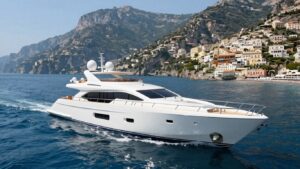
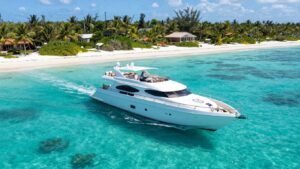
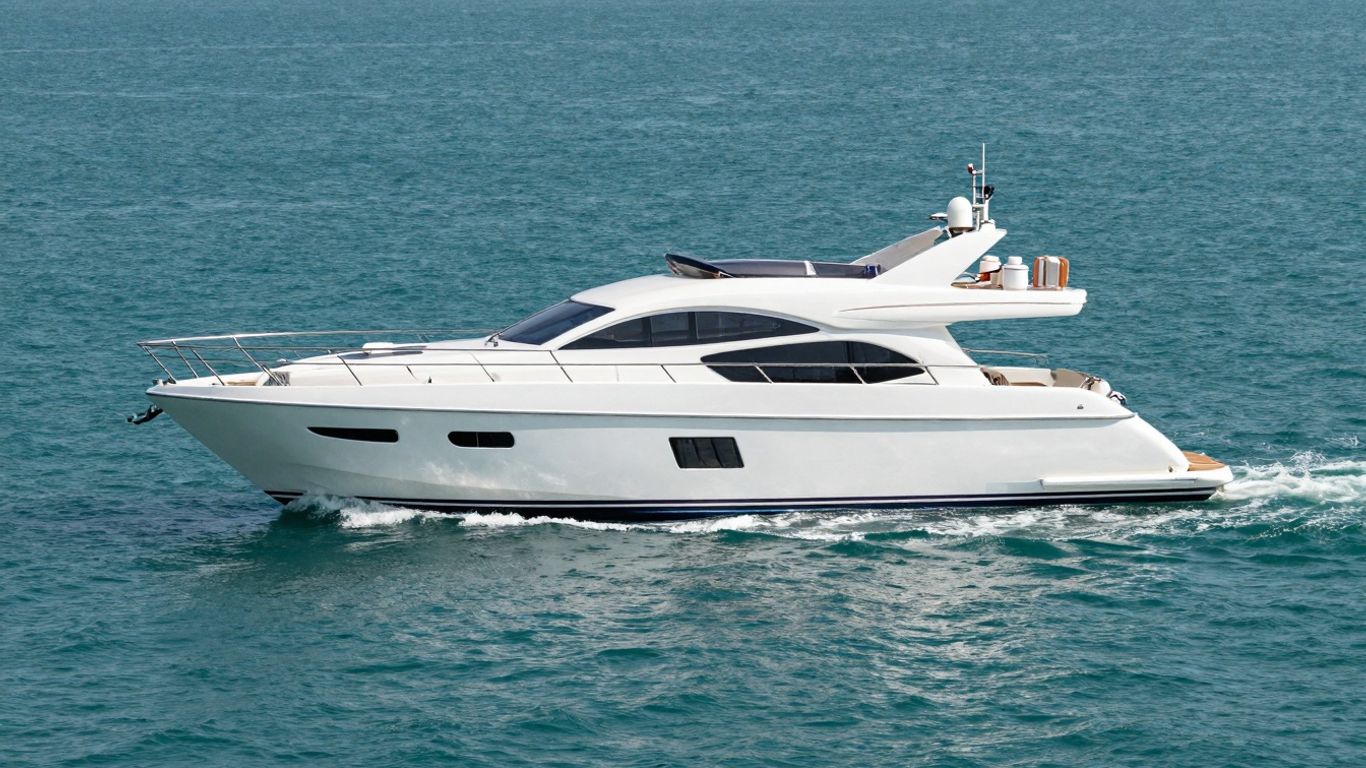
- Motor Yachts: These are probably what most people picture. They’re designed for comfortable, powered cruising. You’ll find a huge range within this category, from sporty express cruisers that are sleek and fast, to more traditional flybridge models with multiple levels of living space and commanding views.
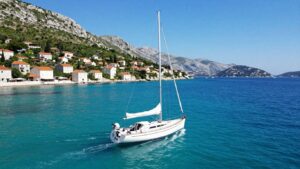
- Sailing Yachts: If you love the feel of the wind in your sails and a more hands-on boating experience, a 60-foot sailing yacht could be your perfect match. They offer a different kind of connection to the sea and are often very capable for long-distance cruising.
- Catamarans: These have two hulls, offering incredible stability and a lot of living space for their length. They often have shallower drafts, making them great for exploring areas other yachts might not reach.
Considering Guest Capacity and Comfort
How many people do you typically plan to have aboard? A 60-foot yacht can usually accommodate anywhere from 6 to 10 people overnight, depending on the layout. Think about the staterooms – do you need a large master suite, or are multiple guest cabins more important? What about bathrooms? Having enough heads (that’s boat-speak for bathrooms) is always a good idea, especially if you plan on entertaining.
Don’t forget about the crew, either. While many 60-footers can be operated by the owner, some owners prefer to have a captain or even a small crew for added convenience, especially on longer trips. This will affect the number of cabins and the overall layout you should be looking for.
Navigating the Financial Landscape
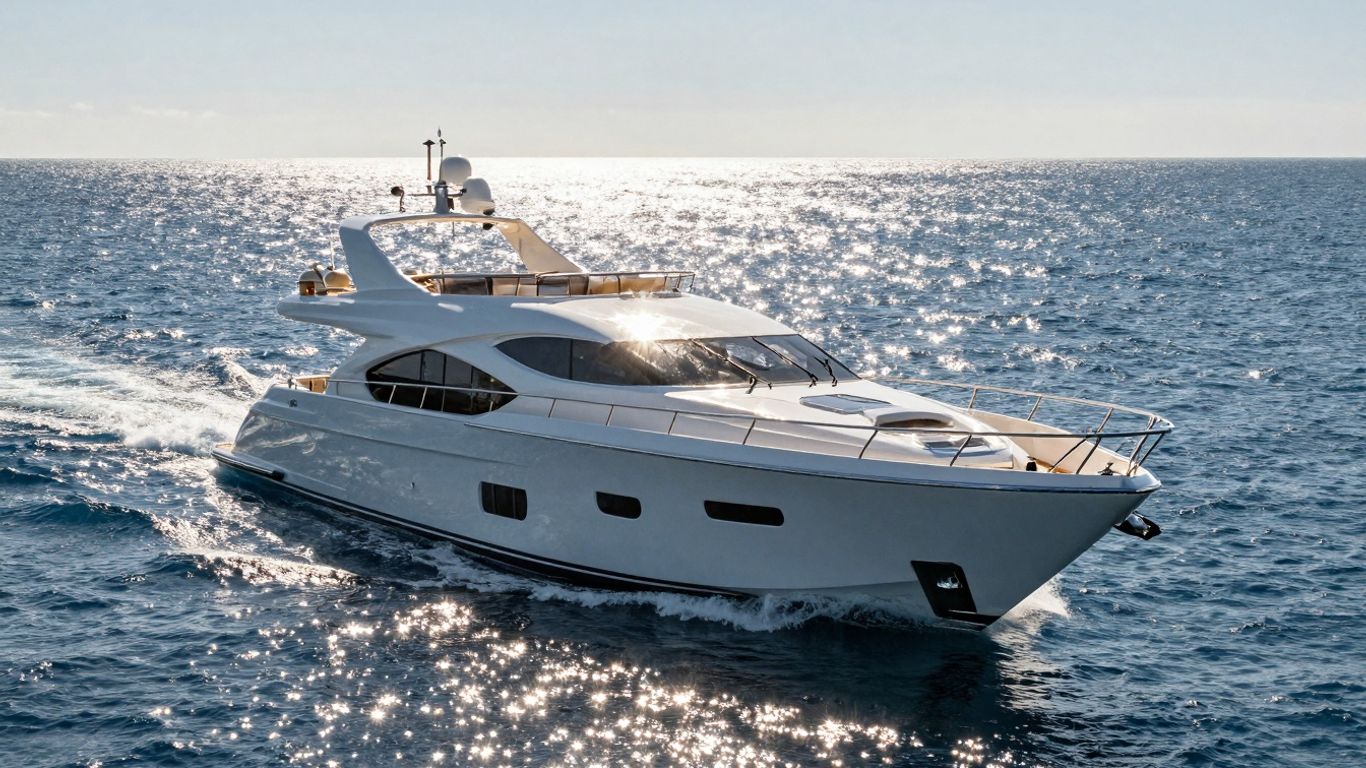
Alright, let’s talk about the money side of things. Buying a 60-foot yacht is a big deal, and you’ve got to have a solid handle on the finances before you even start looking too seriously. It’s not just about the sticker price, oh no. There’s a whole lot more to consider, and skipping this part is a surefire way to end up in a tough spot.
Establishing a Realistic Purchase Budget
First things first, figure out what you can actually afford. This isn’t just about the initial price tag. Think about a down payment – most people put down at least 20% for a yacht this size. Then, you have to consider the ongoing costs. These can add up faster than you might think. It’s wise to set aside a reserve for unexpected repairs or upgrades too. A good rule of thumb is to budget for annual operating expenses that are about 10-15% of the yacht’s purchase price.
Here’s a quick look at what goes into that budget:
- Purchase Price: The actual cost of the yacht itself.
- Down Payment: Typically 20% or more.
- Closing Costs: Fees for surveys, legal work, and registration.
- Initial Outfitting: Any immediate upgrades or personal touches you want.
Don’t get caught up in the dream without looking at the numbers. A yacht is a significant investment, and understanding the full financial picture upfront prevents a lot of headaches down the road. It’s better to aim slightly lower and be comfortable than to stretch too thin and worry constantly.
Exploring Financing and Loan Options
Unless you’re sitting on a mountain of cash, you’ll likely need some help financing your yacht. Thankfully, there are options. Marine loans are specifically designed for boat purchases and are secured by the vessel itself. These often have terms of 5, 10, or even 20 years. Some people also look into using home equity loans, but be sure to understand the interest rates and tax implications. Personal loans are another possibility, though they usually come with higher interest rates.
- Marine Loans: Secured by the yacht, often with longer repayment periods.
- Home Equity Loans: Using your home as collateral, but requires careful financial planning.
- Personal Loans: More flexible but typically more expensive.
Accounting for Ongoing Ownership Expenses
This is where many buyers get surprised. Owning a 60-foot yacht comes with a steady stream of costs. You’ve got docking or mooring fees, which can vary wildly depending on location. Then there’s maintenance – regular servicing for the engines, hull cleaning, bottom painting, and general upkeep. Don’t forget insurance; it’s a must-have and can be quite substantial. And if you plan on doing any serious cruising, fuel costs will be a significant line item. Crew salaries, if you decide to hire a captain or crew, are another major expense to factor in.
Here’s a general breakdown of what to expect annually:
| Expense Category | Estimated Annual Cost (USD) | Notes |
|---|---|---|
| Dockage/Mooring | $5,000 – $25,000+ | Varies greatly by location and marina |
| Maintenance & Repairs | 5-10% of Yacht Value | Includes routine servicing and unexpected |
| Insurance | 1-5% of Yacht Value | Depends on coverage, usage, and location |
| Fuel | Highly Variable | Depends on engine type and usage hours |
| Crew Salaries (if applicable) | $50,000 – $150,000+ | For captain and/or crew |
| Miscellaneous | $2,000 – $10,000+ | Bottom cleaning, supplies, etc. |
Remember, these are just estimates. Your actual costs will depend on the specific yacht, where you keep it, and how much you use it. It’s always better to overestimate these costs a bit to ensure you have a comfortable financial cushion.
Exploring the 60 Foot Yacht Market
New vs. Pre-Owned Yacht Considerations
When you’re looking at 60-footers, you’ve got two main paths: brand new or previously owned. Buying new means you get the latest tech, that ‘new car smell’ on the water, and a full manufacturer’s warranty. It’s exciting, sure, but it also comes with a higher price tag and the steepest depreciation hit right out of the gate. Think of it like buying a car – the moment you drive it off the lot, its value drops.
On the flip side, a pre-owned yacht can offer a lot more bang for your buck. You might be able to afford a larger or better-equipped model than you could if buying new. Plus, the initial depreciation has already happened, so your investment holds its value a bit better. The catch? You’ll need to be extra diligent with inspections and surveys to make sure you’re not inheriting someone else’s problems. Sometimes, older yachts might not have the most cutting-edge features, but that’s not always a bad thing if you prefer simpler systems.
Here’s a quick look at what to expect:
- New Yachts:
- Latest technology and design
- Full warranty coverage
- Customization options
- Higher initial cost and depreciation
- Pre-Owned Yachts:
- Potentially better value for money
- Depreciation has already occurred
- Requires thorough inspection and potential refits
- May lack the newest features
Key Features of Modern 60 Foot Yachts
Today’s 60-foot yachts are pretty impressive. They’re not just bigger versions of smaller boats; they’re designed with a lot of thought put into how people actually use them. You’ll find layouts that maximize living space, often with multiple guest cabins and good-sized heads (that’s boat talk for bathrooms). Many now come with features like integrated entertainment systems, climate control that actually works well, and plenty of storage for all your gear.
Performance is also a big deal. Manufacturers are fitting more powerful, yet more fuel-efficient engines. You’ll see advanced navigation and control systems that make handling these boats easier, even for less experienced captains. Some even have features like thrusters or joystick controls to help with docking in tight spots. And don’t forget the outdoor spaces – think spacious cockpits, swim platforms that are easy to access, and sometimes even small beach clubs.
The trend is definitely towards making these yachts feel more like floating homes, blending comfort with capability. It’s about having a vessel that’s as enjoyable for a weekend getaway as it is for a longer cruise.
Reputable Shipyards and Builders
When you’re spending this kind of money, you want to know the boat is built well and will last. There are several builders known for their quality in the 60-foot range. Some focus on performance, others on luxury, and some try to balance both. It’s worth looking into builders like Azimut, Princess, Sunseeker, and Ferretti Group. These companies have a long history and a reputation for solid construction and good resale value.
Don’t overlook some of the smaller, more specialized builders either. They might offer more unique designs or a higher level of customization. Doing your homework on a builder’s track record, customer reviews, and how well their yachts hold up over time is just as important as looking at the specific boat itself. A well-built yacht from a respected yard will generally be easier to maintain and will command a better price if you ever decide to sell.
Essential Steps for a Confident Purchase
So, you’ve zeroed in on that perfect 60-foot yacht. Awesome! But before you hand over the keys (or, you know, the paperwork), there are a few really important things to do. It’s not just about liking the look of the boat; it’s about making sure it’s a solid investment and won’t turn into a money pit.
The Role of a Qualified Yacht Broker
Think of a good yacht broker as your guide through the sometimes-confusing world of boat buying. They know the market, they know the boats, and they can help you avoid common pitfalls. A broker works for you, helping to find suitable yachts, arrange viewings, and even negotiate the price. They’re also usually pretty good at spotting potential issues you might miss. Finding a broker who is experienced with 60-foot yachts is key. They can also help with the mountain of paperwork that comes with buying a boat, making the whole process much smoother.
Conducting Thorough Inspections and Surveys
This is where you really get down to business. You absolutely need to have the yacht professionally inspected. A marine surveyor is like a doctor for boats. They’ll check everything from the hull and engines to the electrical and plumbing systems. They’ll look for signs of wear, damage, or potential problems that aren’t obvious to the untrained eye. It’s a small price to pay to avoid big headaches later.
Here’s a quick rundown of what a surveyor typically checks:
- Hull and Structure: Looking for cracks, osmosis, or any signs of damage.
- Engines and Mechanicals: Checking the condition, maintenance history, and performance.
- Electrical Systems: Testing wiring, batteries, and all onboard electronics.
- Plumbing and Sanitation: Inspecting tanks, pumps, and pipes for leaks or corrosion.
- Safety Equipment: Verifying that all safety gear is present and in good working order.
Don’t skip the survey. Seriously. It’s your best defense against buying a boat with hidden problems that could cost a fortune to fix down the line. A good survey report gives you a clear picture of the yacht’s condition and can even be used as a bargaining chip during negotiations.
Understanding the Importance of Sea Trials
Once the survey is done and you’re still feeling good about the yacht, it’s time for a sea trial. This is your chance to actually get out on the water and see how the boat handles. You’ll want to test it at different speeds, in various conditions if possible. Pay attention to how it steers, how stable it feels, and if there are any strange noises or vibrations. It’s also a great time to test out all the onboard systems – the navigation equipment, the air conditioning, the galley appliances – to make sure they’re working as they should. This hands-on experience is irreplaceable for confirming the yacht meets your expectations for performance and comfort.
Advanced Features and Innovations
Sustainable Energy Solutions on Board
Forget just plugging into the dock; modern 60-footers are getting seriously green. We’re seeing solar panels integrated right into the deck and superstructure, not just tacked on as an afterthought. Some builders are even experimenting with hydrogen fuel cells, which is pretty wild when you think about it. Hybrid propulsion systems are also becoming more common, offering a nice balance between performance and reduced emissions. It’s all about making your time on the water a bit kinder to the planet.
Smart Automation and AI Integration
Remember when controlling your yacht meant flipping a bunch of switches? Those days are fading fast. Now, you can manage a lot of your yacht’s systems from a tablet or even your phone. Think automated climate control, integrated entertainment systems that just work, and even AI-assisted docking that can help you maneuver into tight spots. Some systems can even learn your preferences over time. It’s like having a really smart co-captain who never complains.
Cutting-Edge Safety Innovations
Safety is always top of mind, and the tech out there now is pretty impressive. We’re talking about advanced navigation systems that use augmented reality to overlay information onto your view of the water, making it easier to see hazards. Collision avoidance systems are getting smarter, using AI to help you steer clear of trouble. Night vision cameras with thermal imaging are also becoming more standard, giving you eyes in the dark. Plus, dynamic positioning systems can hold your boat in place without dropping anchor, which is handy in sensitive areas or when you just want to stay put without disturbing the seabed.
| Feature | Estimated Cost Range | Notes |
|---|---|---|
| Augmented Reality Navigation | $85,000 – $120,000 | Visual overlays on displays |
| AI Collision Avoidance | $50,000 – $75,000 | Proactive hazard detection |
| Dynamic Positioning System | ~$180,000 | Holds position without anchors |
| Thermal Imaging Cameras | $15,000 – $30,000 | Enhanced night vision |
| Integrated Bridge Systems | Varies | Centralized control and monitoring |
The pace of technological change in yachting is really something else. What was cutting-edge five years ago is now pretty standard. It means that even a few years old, a yacht can feel dated if it wasn’t built with future upgrades in mind. Thinking about how systems can be updated or expanded down the line is a smart move for any buyer.
Finalizing Your 60 Foot Yacht Acquisition
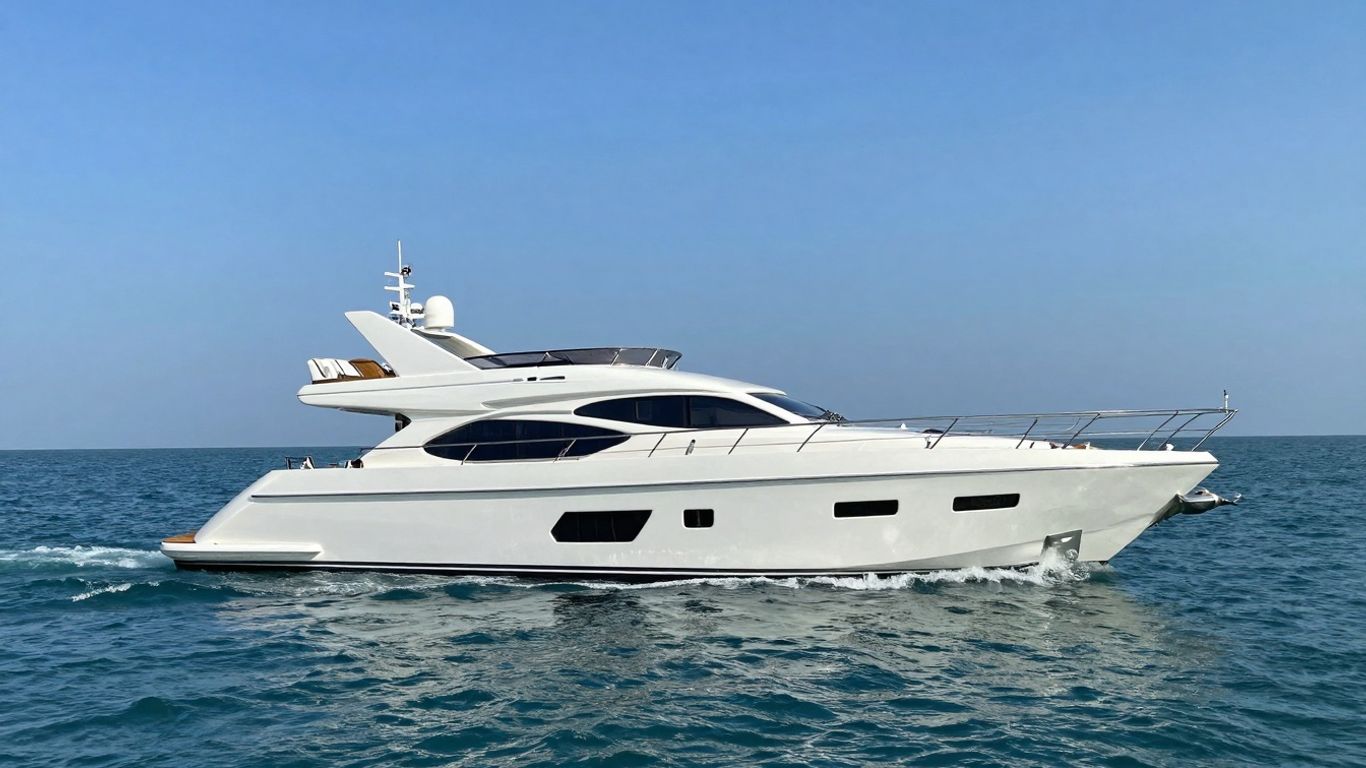
So, you’ve found the yacht, you’ve done your homework, and you’re ready to make it yours. This is the home stretch, and it’s where things get official. It’s not just about handing over a check; there’s paperwork, insurance, and a few more steps to make sure everything is above board and you’re protected.
Navigating Contracts and Paperwork
This is where things can get a little dense, but it’s super important. The purchase agreement is the big one. It lays out everything: the final price, what’s included (like specific electronics or furnishings), payment schedules, and any conditions that need to be met before the sale is final. Make sure you read every single word and understand it. If you’re working with a broker, they’ll guide you through this, but it’s still your responsibility to know what you’re signing. You’ll also need a bill of sale, which is basically the receipt that transfers ownership from the seller to you. It’s a good idea to have a legal professional look over the main contract, especially if it’s a big purchase. They can spot potential issues you might miss. For a detailed look at what goes into a yacht sales agreement, you can check out yacht sales agreement.
Securing Appropriate Yacht Insurance
You wouldn’t drive a car without insurance, right? Same goes for a yacht. Insurance protects you financially if something happens, whether it’s damage from a storm, an accident, or even theft. The type and amount of coverage you need will depend on the yacht’s value, where you plan to keep it, and how you intend to use it. Some policies cover just the hull and machinery, while others offer broader protection, including liability. Lenders, if you’re financing, will almost always require you to have insurance in place before they finalize the loan. It’s worth shopping around to compare quotes and coverage options from different providers.
Understanding Registration and Legalities
Once the deal is done, you need to make your yacht official. This usually involves registering the vessel with the relevant authorities. The process varies depending on where you plan to register it – maybe your home country or a specific maritime registry. You’ll need to provide proof of ownership (that bill of sale we talked about) and potentially other documents. This registration is what gives your yacht its legal identity and allows you to fly your chosen flag. It’s also tied to taxes and fees, so understanding these requirements upfront can save you headaches down the line. Think of it as getting your yacht its official ID card.
Ready to Set Sail?
So, you’ve looked through all the details, from figuring out what you actually want in a 60-foot yacht to crunching the numbers and understanding the nitty-gritty of ownership. It might seem like a lot, but remember, this is about making a dream happen. Taking the time now to do your homework means you’ll be way more confident when you finally step onto your own deck. Think about the trips you’ll take, the sunrises you’ll see, and the memories you’ll make. It’s a big step, for sure, but with the right planning, your perfect yacht is definitely within reach. Happy boating!
Frequently Asked Questions
How do I figure out the right size yacht for me?
Think about how many people usually go with you and how far you want to travel. If it’s just for short family trips, a smaller boat might work. But if you’re planning longer adventures with more people and want extra comforts, a 60-foot yacht offers much more space and features.
What's the biggest difference between a new and a used yacht?
A new yacht is fresh from the factory, often with the latest tech and a full warranty. A used yacht can be a great deal, offering similar luxury for less money, but it’s super important to check its condition carefully. Think of it like buying a new car versus a certified pre-owned one.
Besides the price tag, what other costs are involved in owning a yacht?
Owning a yacht means more than just the buying price. You’ll also need to pay for things like insurance, a place to park it (docking fees), regular upkeep and repairs, and fuel. It’s smart to plan for about 10-15% of the yacht’s price each year for these extra costs.
Should I hire a yacht broker to help me buy one?
Yes, a good yacht broker can be incredibly helpful! They know the market, can help you find suitable yachts, negotiate prices, and guide you through all the paperwork. They work for you to make sure you get a good deal and avoid common mistakes.
What is a 'sea trial' and why is it important?
A sea trial is basically a test drive for the yacht. You’ll take it out on the water to see how it handles, how the engines perform, and if everything works as it should. It’s a crucial step to make sure the yacht feels right and performs well before you commit to buying it.
Are there ways to make a yacht more eco-friendly?
Definitely! Many newer yachts come with cool green tech like solar panels, systems that use less fuel (hybrid engines), and ways to make water more efficiently. These features can help reduce your impact on the environment and sometimes even save you money on fuel.