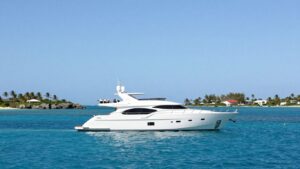
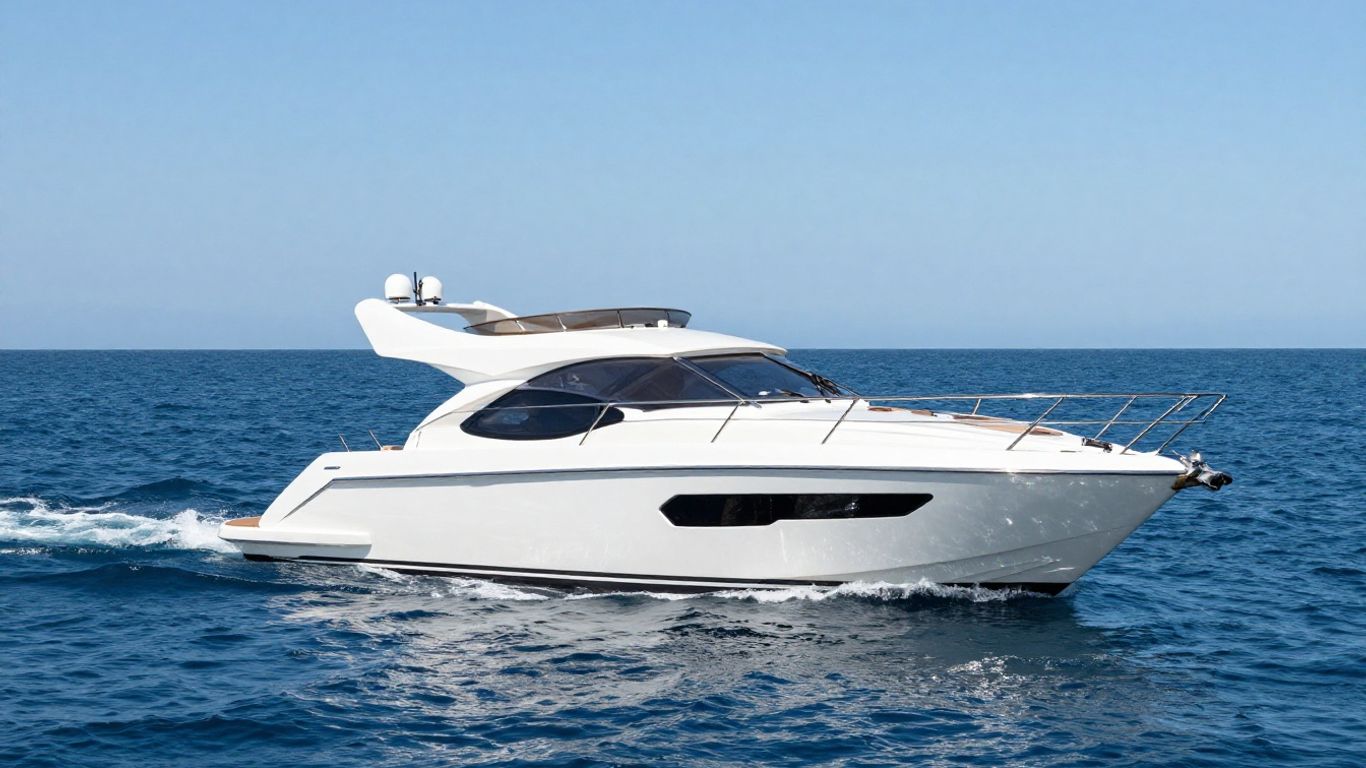
So, you’re thinking about getting a small yacht? That’s awesome. It feels like a big step, and honestly, there are a lot of options out there. Whether you’re picturing weekend trips to quiet bays, exploring coastlines, or just enjoying some peace on the water, finding the right compact luxury vessel can seem tricky. This guide is here to help make sense of it all, so you can find a small yacht that really fits what you want to do.
Key Takeaways
- When looking for a small yacht, think about whether a motor yacht or a sailing yacht better suits your style. Catamarans offer extra stability and space, while expedition styles are for going further afield.
- Size matters, but so does the inside layout. Check how the engine is doing and if the tech on board makes sense for you. Don’t forget about the little things that make it feel luxurious.
- Your lifestyle is the biggest factor. A weekend warrior needs something easy to handle, a coastal cruiser needs comfort, and an offshore adventurer needs a tough boat.
- Decide what’s more important: speed and performance or comfort and all the extras. Think hard about how much storage you’ll need and if the kitchen and sleeping areas work for you.
- Work with a good broker or dealer, get a professional inspection and a sea trial before you buy, and consider how well the yacht will hold its value over time.
Understanding Your Small Yacht Options
So, you’re thinking about getting a small yacht. That’s awesome! But before you get too far, it’s good to know what’s out there. It’s not just one big category; there are different types, and each one is good for different things. Choosing the right type is the first big step to finding your perfect boat.
Motor Yachts Versus Sailing Yachts
This is probably the biggest split you’ll see. Motor yachts are all about power and speed. They use engines to get you where you’re going, which means you can often travel faster and don’t have to worry about wind direction. They tend to have more living space for their size, making them great for families or groups who want to cruise in comfort. Think of them as floating condos.
Sailing yachts, on the other hand, are for those who love the feel of the wind in the sails and the quiet glide across the water. They rely on wind power, which is pretty cool and eco-friendly. While they might be slower and require more skill to handle, the experience is totally different. If you’re looking for that classic nautical adventure, a sailboat might be your jam. There are some fantastic small sailboats out there perfect for all sorts of adventures.
The Stability of Catamarans
Catamarans are a bit different. Instead of one hull, they have two, connected by a deck. This design gives them a lot of stability, especially on the water. They don’t lean over as much as monohull boats when sailing, which many people find more comfortable. Plus, that wide platform means you get a lot more living space and deck area, often feeling much bigger than a monohull of the same length. They’re great for longer stays aboard or if you plan on having a crowd.
Exploring Expedition-Style Vessels
Then you have expedition-style yachts. These are built tough, designed for going places. They usually have more fuel capacity, stronger hulls, and advanced systems to handle rougher conditions and longer journeys. If your dream is to explore remote coastlines or venture into less-traveled waters, an expedition yacht is worth looking into. They’re less about luxury lounging and more about capability and reaching those far-off spots. You can find a wide range of yacht types and their associated costs, so it’s good to have an idea of what you’re looking for.
Understanding these basic types will help you filter through the options much faster. It’s like knowing if you need a sedan or an SUV before you go to the car dealership.
Key Features for Your Compact Luxury Vessel
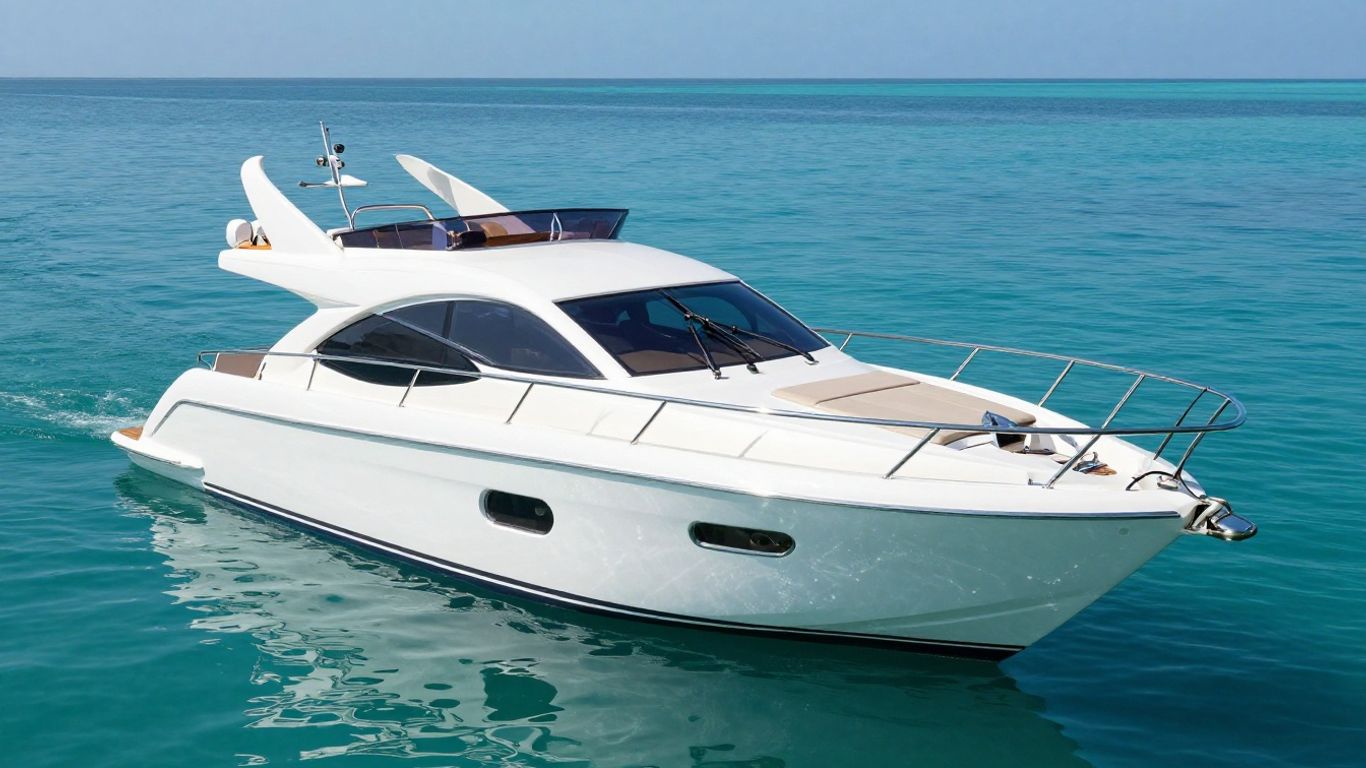
When you’re looking at smaller yachts, the features inside and out really make a difference in how much you’ll enjoy your time on the water. It’s not just about the size, but how that space is used and what’s built into the boat.
Assessing Size and Interior Layout
Think about how you’ll actually live on the boat. For a 40-foot yacht, manufacturers are getting really good at making the most of the space. You’ll want to check the headroom – can you stand up without hitting your head? Also, look at how much natural light there is and how well the boat is ventilated. Good airflow from opening ports and hatches makes a huge difference, especially on warmer days. Storage is another big one. Where will you put your gear, your food, your clothes? Look for boats that have smart, built-in storage solutions.
- Headroom: Can you stand up straight comfortably?
- Ventilation: How many opening ports and hatches are there for fresh air?
- Storage: Are there dedicated spaces for your belongings, or just a few random cabinets?
- Natural Light: Does the cabin feel bright and airy, or a bit dim?
- Materials: Are the finishes durable and easy to keep clean?
The layout below deck can really make or break your experience. A well-designed interior feels bigger and works better, even on a smaller boat. It’s all about using the space smartly, having good lighting, and using materials that can handle the marine environment.
Evaluating Engine Performance and Condition
If your yacht has engines, their performance and condition are super important. For docking and maneuvering in tight spots, like marinas, twin engines can offer amazing control, letting you pivot the boat almost on the spot. Bow thrusters are also a common addition that really help when you’re trying to dock. When you’re looking at a used boat, pay close attention to the engine hours and maintenance records. A well-cared-for engine will save you a lot of headaches down the line. You can find some great options if you look at modern luxury features.
Essential Technology and Navigation Systems
Modern yachts, even smaller ones, come with some pretty neat tech. For sailing, think about how easy it is to handle the sails. Where are the winches located? How simple is it to get to the mainsheet? Is a self-tacking jib an option? On the navigation side, look for clear displays and systems that are easy to understand. GPS, radar, and autopilot are common, but how well are they integrated? Good electronics make sailing safer and more enjoyable.
Prioritizing Interior Luxury and Amenities
Even on a compact yacht, you want it to feel like a home away from home. The galley is where you’ll be making meals, and on a 40-footer, it’s usually a compact but functional space. You’ll typically find a sink, a stovetop, and some refrigeration. Some boats might offer a microwave or even a small oven. Think about how much counter space you’ll need and if the layout makes sense for how you cook. The main living area, or salon, is where you’ll relax. Look for comfortable seating and a table that can work for your guests. Some layouts have a dedicated dining spot, while others blend it into the main salon. When considering different models, you might find that some are recognized for their design, like those nominated for European Yacht of the Year.
Matching Your Lifestyle to a Small Yacht
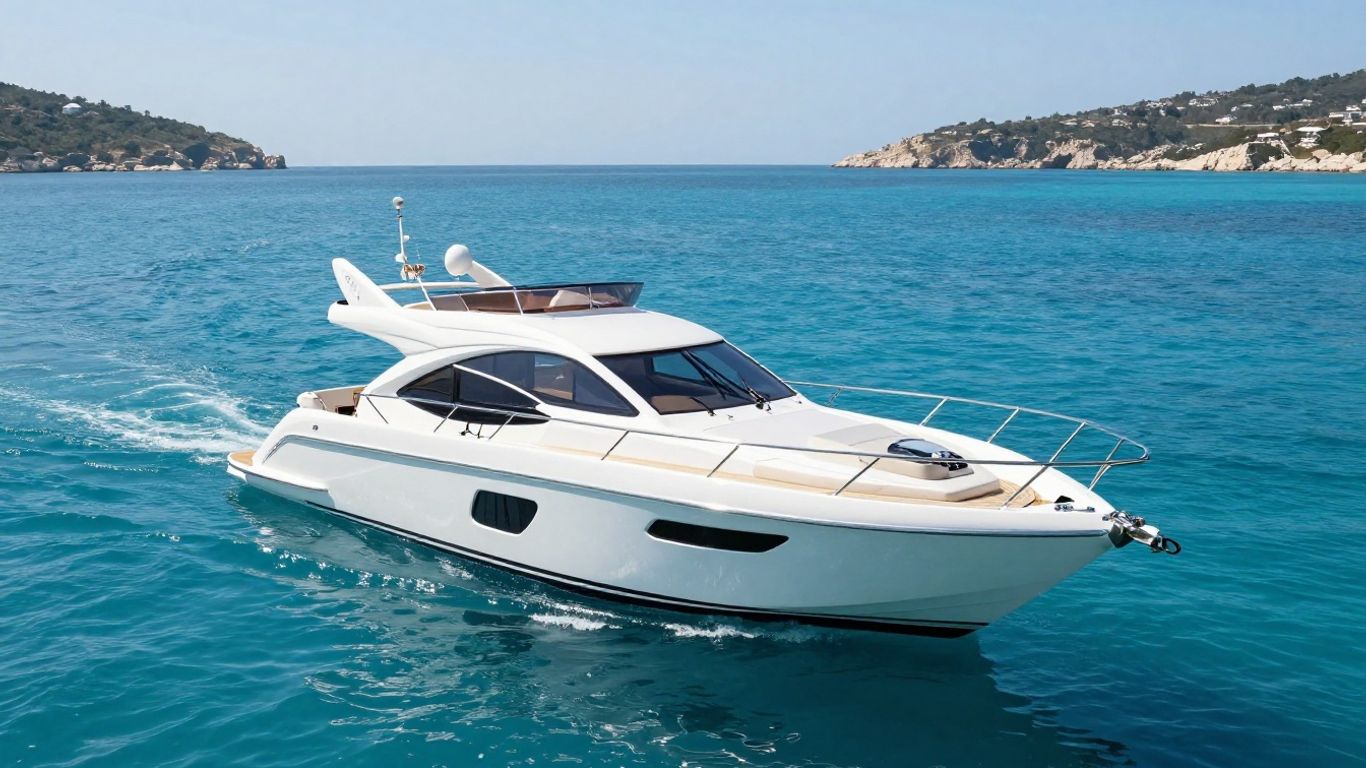
So, you’ve looked at a bunch of boats, maybe even taken a few out for a spin. Now comes the part where you figure out which one is your boat. It’s not just about picking the prettiest one; it’s about finding a vessel that fits how you actually plan to use it. Think about your typical weekend, or that week-long trip you’ve been dreaming about. Does the boat match that vision?
The Weekend Warrior's Needs
If your idea of yachting involves short trips to nearby bays or just a few days out on the water, your priorities will be different. You’ll likely want something that’s easy to handle, maybe even single-handed. Look for good visibility from the helm, straightforward sail controls if it’s a sailboat, and perhaps a decent sound system for chilling. Storage for weekend gear is important, but you probably don’t need massive tanks for water or fuel. The focus here is on fun and relaxation without a lot of fuss. A boat that gets you out on the water quickly and comfortably is key.
Comforts for the Coastal Cruiser
For those who enjoy longer trips along the coast, perhaps a few days or even a week at a time, you’ll need a bit more. This is where a good balance between comfort and capability comes in. You’ll want a well-equipped galley for preparing proper meals, decent tankage for water and fuel, and enough storage for provisions and extra clothing. A comfortable salon area for relaxing after a day of sailing or motoring is also a big plus. Think about how much time you’ll spend below deck and make sure the interior layout suits your needs. A boat in the 38-42 ft range can be a sweet spot for this kind of cruising.
Requirements for the Offshore Adventurer
If your dreams involve crossing oceans or venturing far from shore, your needs change dramatically. Seaworthiness becomes the absolute top priority. This means looking at the hull design, the build quality, and the robustness of all systems. You’ll need ample fuel and water capacity, reliable navigation and communication gear, and systems that can handle extended periods at sea. Think about things like self-steering capabilities, sturdy rigging, and a well-protected cockpit. A boat designed for offshore work will have a hull shape that handles rough seas well, and its systems will be built to last. The right boat for offshore adventures is built for reliability and self-sufficiency.
Choosing a yacht is a significant decision, and it’s easy to get caught up in the excitement. However, taking a moment to honestly assess your intended use will save you a lot of potential headaches down the line. A boat that’s perfect for weekend jaunts might feel cramped and inadequate for longer voyages, and an offshore-capable vessel might be overkill and more expensive to maintain for simple day trips.
When considering your options, it’s helpful to think about the general categories of yacht sizes and how they align with different cruising styles. What might seem like a small difference in length can translate to significant gains in living space, storage, and offshore capability.
Prioritizing Features on Your Small Yacht
So, you’ve got a handle on the different types of boats out there and how they might fit your life. Now, let’s get down to the nitty-gritty: what features are actually going to make or break your experience on the water? It’s rare to find a boat that checks every single box perfectly, so figuring out what’s most important to you is key. Think of it like packing for a trip – you can’t bring everything, so you have to choose wisely.
Performance Versus Comfort
This is often the first big trade-off. Do you want a boat that feels zippy and responsive, slicing through the waves with ease? Or is a more relaxed, stable ride, even if it’s a bit slower, more your speed? For some, the thrill of performance sailing is the main draw. For others, having creature comforts like air conditioning, a generator for power, or even a watermaker for longer trips takes precedence. It’s about deciding if you’re chasing the wind or chasing relaxation. A boat built for speed might have a sleeker hull and lighter construction, which can sometimes mean less interior space or fewer amenities. Conversely, a comfort-focused cruiser might be heavier, offering more room and better systems, but at the cost of some sailing agility. You’ll need to weigh what kind of sailing experience you’re really after.
Storage Solutions for Extended Trips
If you’re planning on spending more than just a weekend aboard, storage becomes a really big deal. Where will you put your extra sails, your fishing gear, your kayaks, or even a small dinghy? Think about how much water and fuel you’ll need for longer journeys. Some boats have clever built-in lockers and lazarettes, while others might require you to get creative with how you stow your gear. Don’t underestimate the need for space for provisions, spare parts, and personal items. A well-organized boat with ample storage makes life onboard so much more pleasant, especially when you’re far from shore. It’s easy to overlook this when you’re excited about the boat’s looks, but trust me, you’ll appreciate good storage when you’re trying to pack for a week-long cruise.
Galley Layout and Functionality
The galley, or kitchen, is the heart of the boat for many. How you plan to use it will heavily influence your choice. Are you a gourmet chef who needs lots of counter space and a big fridge, or are you happy with a simple setup for making coffee and sandwiches? Consider the layout: is it a U-shaped galley, an L-shaped one, or perhaps a linear setup along a bulkhead? Think about ventilation, especially if you do a lot of cooking. Access to fresh water and power for appliances are also important. A well-designed galley can make meal prep a joy, even in choppy seas, while a cramped or poorly equipped one can be a constant source of frustration. It’s worth spending time imagining yourself preparing meals in the space.
Cabin Configurations and Privacy
How many people will regularly be on board, and what level of privacy do they need? This is where cabin layout really matters. Do you need multiple private cabins, or is a more open-plan layout acceptable? Think about the number of berths – how many people can sleep comfortably? Consider the head (bathroom) situation too. Having a dedicated head for the owner’s cabin versus a shared one can make a big difference in daily life. For families or groups of friends, separate sleeping areas are often a must. Even on smaller yachts, clever design can create surprisingly private spaces. The goal is to find a layout that allows everyone to have their own comfortable space when needed.
When you’re looking at different models, don’t just glance at the floor plan. Spend time visualizing yourself living in the space. Imagine waking up, making coffee, preparing a meal, or just relaxing. Does the flow make sense? Is there enough natural light and ventilation? These day-to-day considerations are what truly define your comfort and enjoyment on board, far more than just the number of feet on the spec sheet. This is where you can really start to narrow down your options for your ideal boat.
Here’s a quick way to think about your priorities:
- Performance: How fast do you want to go? How important is quick response to sail trim?
- Comfort: What amenities are non-negotiable (e.g., generator, AC, watermaker)?
- Storage: How much gear do you need to carry for your intended trips?
- Layout: Galley up or down? How many cabins and heads?
- Handling: Do you need features like bow thrusters for easier docking? Boat types vary greatly in their handling characteristics.
Navigating the Small Yacht Purchase Process
So, you’ve zeroed in on the perfect compact yacht. Awesome! But now comes the part where you actually make it yours. It’s not just about signing on the dotted line; there’s a bit more to it, and knowing the steps can make things way smoother. Let’s break down what you need to think about.
Working with Brokers and Dealers
Brokers and dealers can be super helpful. A good broker works for you, helping you find boats, negotiate prices, and handle paperwork. Dealers, on the other hand, usually represent a specific brand. It’s important to find someone you trust and who understands what you’re looking for. Finding the right professional to guide you through the purchase can save you a lot of headaches and potentially a lot of money. They know the market, the common pitfalls, and how to get the best deal. When you’re looking for a yacht, consider working with professionals who can help you understand yacht types.
Here’s what to keep in mind when choosing someone:
- Ask for references: See what other clients say about their experience.
- Understand their commission: Make sure it’s clear how they get paid.
- Communicate clearly: Be upfront about your budget and must-have features.
Understanding Pricing and Financing in Today's Market
Okay, let’s talk money. The market in 2026 is looking a bit more stable than it has been. Prices for new builds might still be high, but there’s a good chance you’ll find some deals on pre-owned models. Interest rates are also a big factor, so shop around for the best loan terms. Many buyers are looking at a mix of savings and financing.
Here’s a rough idea of what you might expect for a 40-foot yacht:
| Yacht Type | New Price Range (USD) | Used Price Range (USD) |
|---|---|---|
| Cruising Catamaran | $500,000 – $800,000+ | $350,000 – $600,000+ |
| Performance Monohull | $400,000 – $700,000+ | $250,000 – $500,000+ |
Note: These are ballpark figures and can change based on brand, age, condition, and included options.
The Importance of Pre-Purchase Inspections and Sea Trials
This is where you really get to know the boat before you commit. A sea trial lets you feel how the yacht handles in the water – does it sail well? Is it comfortable? Can you easily manage it? The pre-purchase inspection is just as important. You’ll want a qualified surveyor to check everything from the hull and rigging to the engine and electrical systems. It’s better to find out about any issues now than after you’ve bought the boat. This step is vital for a successful boat buying experience.
Here’s a quick checklist for this stage:
- Schedule a sea trial: Take it out in different wind conditions if possible.
- Hire an independent surveyor: Don’t skip this step, even on a new boat.
- Review the survey report: Discuss any findings with the seller and your broker.
Skipping these checks can lead to unexpected and costly repairs down the line. It’s always better to be safe than sorry when making such a significant purchase.
Future-Proofing Your Small Yacht Investment
Buying a yacht is a significant investment, so it’s wise to think about the long term. Consider the resale value of different brands and models. Some manufacturers hold their value better than others. Also, think about the availability of parts and service for the systems on board. If you plan to sail in remote areas, having access to common parts can be a lifesaver. For those interested in serious offshore capability, looking at manufacturers known for robust construction can be a good indicator of build quality. Finally, don’t forget about potential upgrades. Can the electrical system be easily expanded? Is there space to add more solar panels? Thinking about these things now can save you a lot of hassle and expense down the road. When considering your options, remember that choosing the right yacht size involves looking at your budget and intended use.
Ready to Chart Your Course?
So, you’ve spent some time with this guide, and hopefully, the idea of owning a small yacht feels a lot less like a distant dream and more like a real possibility. It’s a big step, for sure, but think about all those weekends and holidays you could be spending out on the water. Whether you’re leaning towards a nimble sailboat or a comfortable motor yacht, the key is finding that perfect fit for your life and your budget. Don’t forget to do your homework, get a good survey, and most importantly, enjoy the process. Your adventure on the waves is just waiting to begin.
Frequently Asked Questions
What's the main difference between a motor yacht and a sailing yacht?
Motor yachts use engines for power, making them faster and simpler to operate. Sailing yachts rely on wind power, offering a more traditional and eco-friendly experience, but they require more skill to handle.
Why are catamarans often considered more stable?
Catamarans have two hulls, which gives them a wider base. This design makes them much more stable, especially when you’re at anchor or sailing in choppier waters, and they also offer more living space.
What should I look for in terms of interior space on a small yacht?
Think about how many people will be on board and what you’ll be doing. You’ll want to check the number of cabins, how the living areas are set up, and if there’s enough room for everyone to relax comfortably.
How important is engine performance for a small yacht?
Engine performance is key, especially for motor yachts. You’ll want to know how many hours the engine has, how powerful it is, and if it’s been well-maintained. Good engines mean better reliability and fewer repair bills down the road.
What kind of technology should I expect on a modern small yacht?
Today’s yachts usually come with important tech like GPS for navigation, autopilot systems to help steer, and good safety equipment. Some might also have advanced control panels for managing different boat systems.
How do I know if a yacht is right for my lifestyle?
Consider how you plan to use the boat. Are you looking for quick weekend trips, longer coastal cruises, or adventurous journeys? Match the yacht’s capabilities and features to your intended activities and how much time you’ll spend on board.