
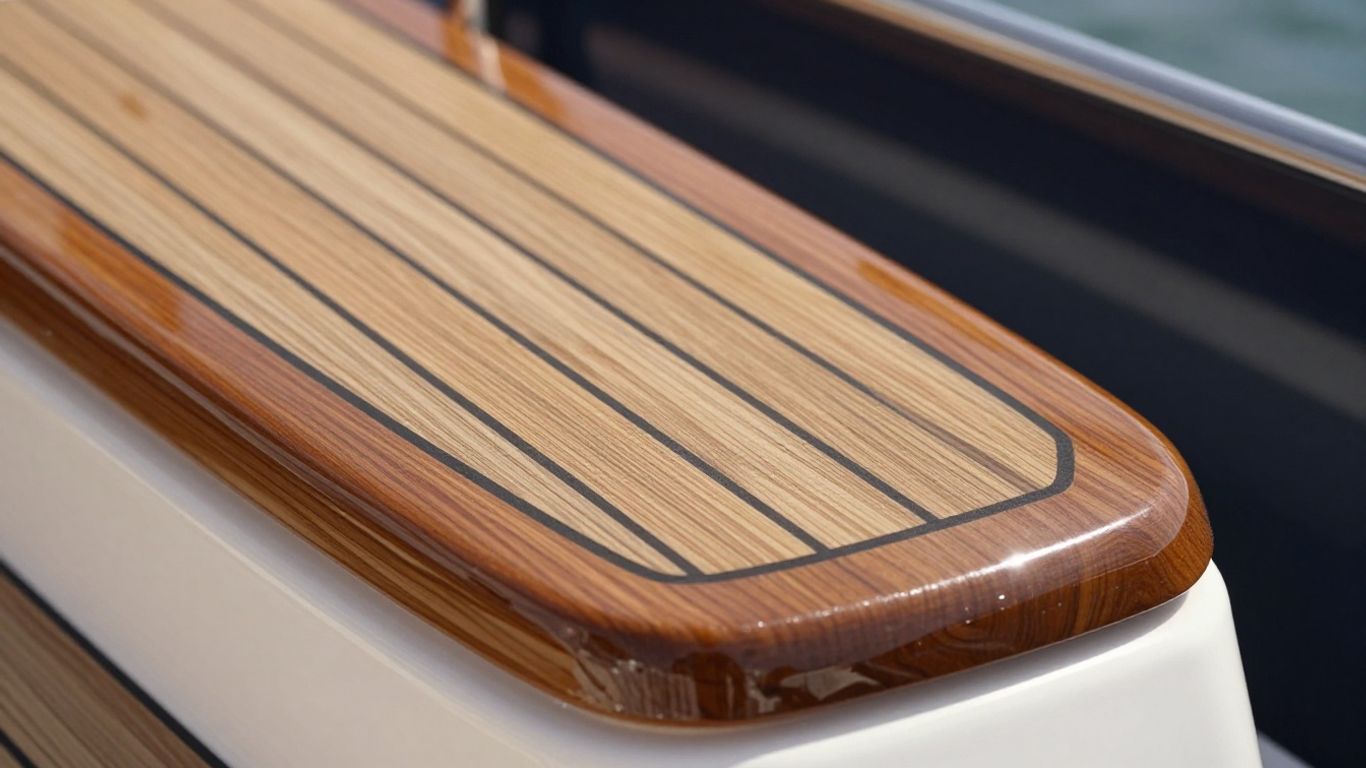
Keeping your yacht looking sharp and running smoothly is a big job, and the deck is a huge part of that. It’s the first thing people see, and it’s constantly getting battered by the sun, salt, and all sorts of other stuff. So, if you want your yacht deck to stay in good shape, last a long time, and keep everyone safe, you’ve got to put in the work. This guide goes over what you need to know, from picking the right materials to the daily chores that make all the difference. We’ll talk about keeping that teak looking great, making sure your metal bits don’t rust away, and why non-slip surfaces are so important. Plus, we’ll cover the gear you’ll need to get the job done right.
Key Takeaways
- Regularly cleaning your yacht deck, especially stainless steel and teak, prevents corrosion and wear, keeping it looking good and lasting longer.
- Different deck materials have unique care needs; understanding these helps maintain their integrity and appearance.
- Consistent maintenance of deck hardware, like cleats and fittings, prevents rust and ensures they function properly.
- Non-slip surfaces on the yacht deck are vital for safety, especially in wet conditions, and need regular checks and upkeep.
- Having the right cleaning products and tools on hand makes yacht deck maintenance more efficient and effective.
Understanding Yacht Deck Materials
The Importance of Material Integrity
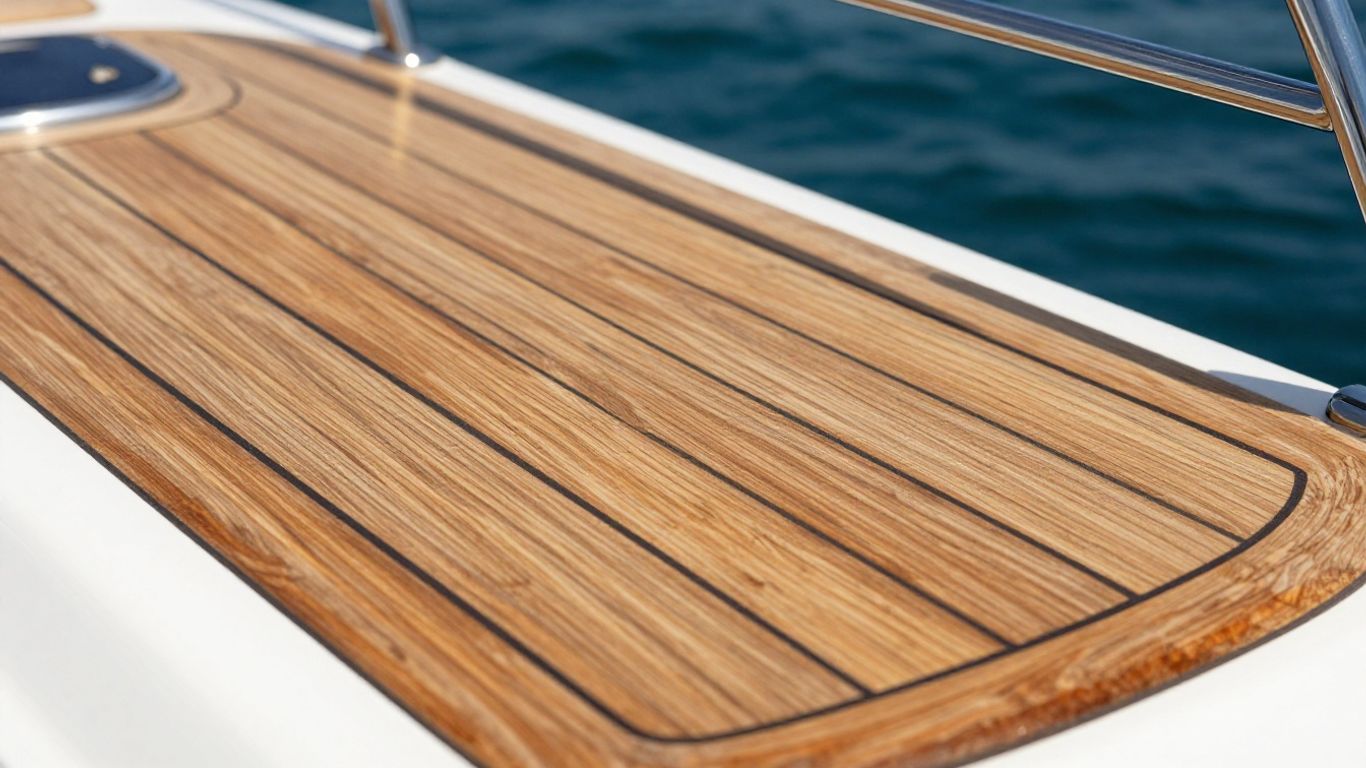
Choosing the right materials for your yacht’s deck isn’t just about looks; it’s about making sure everything holds up against the harsh marine environment. Saltwater, sun, and constant foot traffic can really wear things down if the materials aren’t up to the task. Keeping the integrity of your deck materials means your yacht stays safe, looks good, and holds its value. Think of it like building a house – you wouldn’t use cheap lumber for the foundation, right? The same applies here. When materials start to break down, you can get cracks, leaks, and a whole host of other problems that are a pain to fix and can get expensive.
Durability and Longevity of Deck Surfaces
Different deck materials have different lifespans and require varying levels of upkeep. Teak, for example, is popular because it’s naturally durable and offers good grip, but it needs regular oiling and cleaning to keep it looking its best and prevent it from drying out. Synthetic decking, on the other hand, might require less maintenance but can sometimes get slippery when wet if not properly treated. Gelcoat, often found on fiberglass boats, is tough but can scratch and fade over time without proper waxing and polishing.
Here’s a quick look at some common options:
- Teak: Natural beauty, good grip, requires regular cleaning and oiling. Can last 15-20 years with good care.
- Synthetic Decking (e.g., PVC, Composite): Low maintenance, often UV resistant, can mimic wood look. Lifespan varies by quality.
- Fiberglass (Gelcoat): Durable, easy to clean, but can scratch and fade. Needs regular waxing.
- Painted Surfaces: Offers color options, requires periodic repainting and touch-ups.
Aesthetic Appeal of Various Deck Finishes
Beyond just function, the look of your deck plays a big role in the overall impression of your yacht. A well-maintained teak deck has a classic, warm look that many owners love. Synthetic options come in a range of colors and patterns, allowing for a more modern or customized appearance. Even painted decks can be a statement, offering a sleek, uniform finish. The right finish can really make your yacht stand out, whether you’re docked at a fancy marina or out on a quiet anchorage. It’s about creating that inviting space on deck for relaxing or entertaining.
The choice of deck material impacts not only the maintenance schedule but also the yacht’s visual appeal and how it feels underfoot. Considering both practical needs and aesthetic desires from the start makes a big difference down the line.
Essential Yacht Deck Maintenance Routines
Keeping your yacht’s deck in top shape isn’t just about looks; it’s about making sure everything stays safe and lasts longer. A good maintenance plan breaks down the work so it doesn’t pile up. Think of it like this: a little bit done regularly saves you a lot of headaches later on.
Daily Washdowns and Stainless Steel Care
Every single day, give the deck a good rinse with fresh water. This gets rid of salt, dirt, and anything else that can eat away at the surfaces. Using a mild, pH-neutral soap helps lift grime without being harsh. After rinsing, it’s super important to dry everything off, especially any shiny metal bits and glass. A soft chamois or microfiber cloth works best for this. For stainless steel, a quick wipe-down with a damp microfiber cloth helps keep its shine and stops salt from causing spots or corrosion. It might seem like a small thing, but tackling that salt buildup daily makes a big difference.
Weekly Polishing and Teak Rinsing
Once a week, it’s time for a bit more attention. Give your stainless steel fixtures a proper polish. Use a good metal polish to bring back the shine and add a layer of protection against the elements. For your teak decks, a gentle rinse with fresh water is usually enough. If you need to clean them, use a soft brush and always go with the grain of the wood. Avoid hard scrubbing, as this can damage the wood over time. The goal is to remove surface dirt without stripping away the natural beauty of the teak.
Seasonal Inspections and Protective Coatings
As the seasons change, it’s time for a more thorough check-up. This is when you really look for any signs of wear and tear. Check all the deck hardware, look for loose fittings, and inspect any sealant around hatches or windows. If you notice any areas that look worn or damaged, it’s best to address them before they become bigger problems. Depending on your deck material, applying a protective coating or wax can add an extra layer of defense against sun, salt, and general wear. This step is key to keeping your deck looking good and performing well for years to come.
Regular maintenance isn’t just about appearance; it’s about preserving the integrity of your yacht’s structure and ensuring the safety of everyone on board. Small, consistent efforts prevent larger, more costly repairs down the line.
Caring for Your Teak Yacht Deck
Gentle Cleaning and Brushing Techniques
Teak decks, while beautiful, need a bit of a gentle touch. You don’t want to scrub too hard, or you’ll wear down the wood. Always brush with the grain of the wood. Think of it like brushing your hair – you go with the flow, not against it. For everyday dirt and grime, a good rinse with fresh water and a soft-bristle brush usually does the trick. If you’ve got tougher spots, a dedicated teak cleaner can help, but make sure to follow the product’s instructions carefully. Using the right brush is key; a soft natural bristle is usually best for regular cleaning.
Nourishing Teak with Quality Treatments
After cleaning, your teak might look a little dull. That’s where teak treatments come in. These aren’t like varnish; they soak into the wood to bring back that warm, golden color and offer some protection. You’ll want to use marine-grade products specifically made for teak. Applying them is usually pretty straightforward – just wipe them on according to the directions. It’s a good idea to do this a couple of times a year, especially after a deep clean, to keep the wood looking its best and prevent it from drying out too much.
Re-caulking and Sealant Integrity
Between the planks of your teak deck, you’ll find sealant, often called caulking. This stuff is important because it keeps water from getting into the gaps and causing problems underneath. Over time, this sealant can dry out, crack, or pull away from the wood. When you see this happening, it’s time to think about re-caulking. This is a bit more involved than just cleaning. You’ll need to remove the old sealant carefully, clean the gap, and then apply new marine-grade sealant. Getting this right is important for keeping your deck watertight and preventing bigger issues down the line.
Maintaining Deck Hardware and Accessories
The bits and bobs on your deck – think cleats, hinges, and all those metal fittings – they need some love too. Ignoring them is a fast track to rust and things not working right. Regular checks and a bit of elbow grease go a long way in keeping your deck functional and looking sharp.
Inspecting and Polishing Metal Fittings
Your yacht’s metal hardware, usually made of stainless steel, is constantly battling the salty air. Over time, this can lead to pitting and rust spots. It’s a good idea to give these fittings a good once-over regularly. Look for any signs of corrosion or wear. For a quick shine and to prevent rust from taking hold, use a good quality metal polish. Products like ClinAzur Metal Polish or Flitz Metal Polish work well. Just a little bit on a soft cloth can make a big difference, keeping that stainless steel looking bright and new. Don’t forget to check that all screws and bolts are snug while you’re at it.
Lubricating Moving Parts on Deck
Any hardware with moving parts, like hinges on hatches or opening ports, needs lubrication. Without it, they can become stiff, hard to operate, and eventually seize up. A marine-grade lubricant is your best bet here. Something like Loctite Marine Safe Lubricant or WD-40 Specialist Marine-Grade is designed to withstand the marine environment. Apply it sparingly to the moving parts. You don’t want excess lubricant attracting dirt, but you do want smooth operation. If you have retractable fittings, make sure they slide easily.
Securing and Re-bedding Deck Fixtures
Deck fixtures, from fairleads to stanchions, are usually bedded with sealant to prevent water from getting underneath. Over time, this sealant can degrade, crack, or shrink. If you notice any water seeping around a fitting, or if it feels loose, it’s time to re-bed it. This involves removing the fixture, cleaning off the old sealant completely, applying new marine-grade sealant (like Sikaflex 291 or 3M 4200), and then re-securing the fixture. It might seem like a bit of work, but it’s vital for preventing water damage to the deck structure itself. It’s a good idea to keep a log of when you last checked or re-bedded key fittings, just like you would for your sailing hardware.
Keeping your deck hardware in good shape isn’t just about looks. It’s about making sure everything works when you need it to, from securing a line to opening a hatch. Small issues, like a stiff hinge or a slightly loose fitting, can become bigger problems if left unchecked. Regular attention prevents these minor annoyances from turning into costly repairs or safety hazards.
Enhancing Safety with Non-Slip Surfaces
Checking for Wear on Anti-Slip Coatings
Keeping your deck safe means paying attention to the bits that stop you from taking an unplanned swim. Those non-slip surfaces, whether they’re coatings or textured materials, can wear down over time, especially in spots where people walk a lot. You’ll want to look for areas that have gone smooth, or maybe started to peel away. It’s kind of like checking the tread on your tires – if it’s worn out, you lose grip. Keep an eye on these spots, particularly around hatches, companionways, and anywhere you tend to stand while working.
Reapplying Traction for Optimal Grip
When you notice those non-slip surfaces getting a bit tired, it’s time to refresh them. There are some good products out there designed specifically for marine use, like Mattchem No Slip, that you can reapply. The trick is to follow the product instructions carefully. Usually, it involves cleaning the area really well first, making sure it’s totally dry, and then applying the new coating evenly. Getting this right means you’re putting a fresh layer of safety underfoot. It might seem like a small job, but it makes a big difference.
Importance of Non-Slip Surfaces in Wet Conditions
Let’s face it, boats get wet. Rain, spray, or just a spilled drink can turn a deck into a skating rink in seconds. That’s where good non-slip surfaces really earn their keep. They provide the traction needed to move around confidently, even when things are slick. This isn’t just about comfort; it’s about preventing serious injuries. A solid grip means fewer slips and falls, which is especially important when you’re handling lines, docking, or just trying to get from point A to point B in choppy seas. It’s a simple feature that plays a huge role in overall deck safety.
Keeping your deck’s anti-slip features in good shape is a continuous job. Don’t wait until you see a problem; make it part of your regular checks. A little attention now can prevent a big accident later.
Essential Products for Yacht Deck Upkeep
Keeping your yacht’s deck looking sharp and performing well means having the right stuff on hand. It’s not just about making things shiny; it’s about protecting your investment and keeping everyone safe. Think of your deck locker as your personal toolkit for the sea. Having quality products means you can tackle everything from a quick rinse to a more involved polish without a hitch.
Recommended Cleaning and Polishing Agents
When it comes to cleaning, you want products that work without being too harsh. For general washes, a good pH-neutral soap is your best friend. Brands like 3M Marine Cleaner or Clinazur Glass Cleaner are great for getting rid of salt, grime, and whatever else the sea throws at you. They’re designed to be safe for various surfaces, including gelcoat and painted areas. For those stubborn water spots or a bit of extra shine on glass and metal, a dedicated marine glass cleaner and a good metal polish, like ClinAzur Metal Polish or Flitz Metal Polish, will make a big difference. Remember to always use clean microfiber cloths or chamois to dry surfaces thoroughly after rinsing to avoid streaks and water marks. It’s the little things that keep things looking tip-top.
Sealants and Protective Coatings
Protecting your deck surfaces from the elements is just as important as cleaning them. UV rays and saltwater can really do a number on materials over time. For synthetic surfaces, vinyl, and rubber, a good protectant like 303 Aerospace Protectant is a lifesaver. It helps prevent fading and cracking, keeping things looking newer for longer. When it comes to wood, especially teak, you’ll want specific treatments to keep it from drying out and turning that dull gray. Applying a quality sealant or protective coating, especially before the harsh winter months or after a deep clean, adds a layer of defense that pays off in the long run. It’s like giving your deck a raincoat and sunscreen all in one.
Specialized Teak Care Solutions
Teak decks have their own set of needs, and using the wrong products can actually cause damage. For regular cleaning, you don’t need anything too aggressive. A gentle teak cleaner, like those from Teak Wonder or AM Absolute Teak, combined with a soft brush and a lot of fresh water, usually does the trick. These cleaners are formulated to lift dirt and grime without stripping the natural oils from the wood. After cleaning, especially if the teak looks a bit dry or faded, applying a teak oil or treatment is a good idea. This helps restore its natural color and provides some protection against the elements. Just be sure to follow the product instructions and apply it evenly.
Keeping a well-stocked deck locker with the right products isn’t just about convenience; it’s about having the right tools to maintain your yacht’s integrity and appearance. Using marine-specific products means you’re using formulas designed to handle the harsh conditions of the sea without damaging sensitive materials.
Here’s a quick look at some product categories you should have:
- General Cleaners: pH-neutral soaps, marine-specific all-purpose cleaners.
- Polishes & Waxes: Metal polishes, UV protectants, and waxes for various surfaces.
- Wood Care: Teak cleaners, brighteners, and oils/sealants.
- Specialty Items: Stainless steel cleaners, glass cleaners, and non-slip surface treatments.
Tools for Effective Deck Maintenance
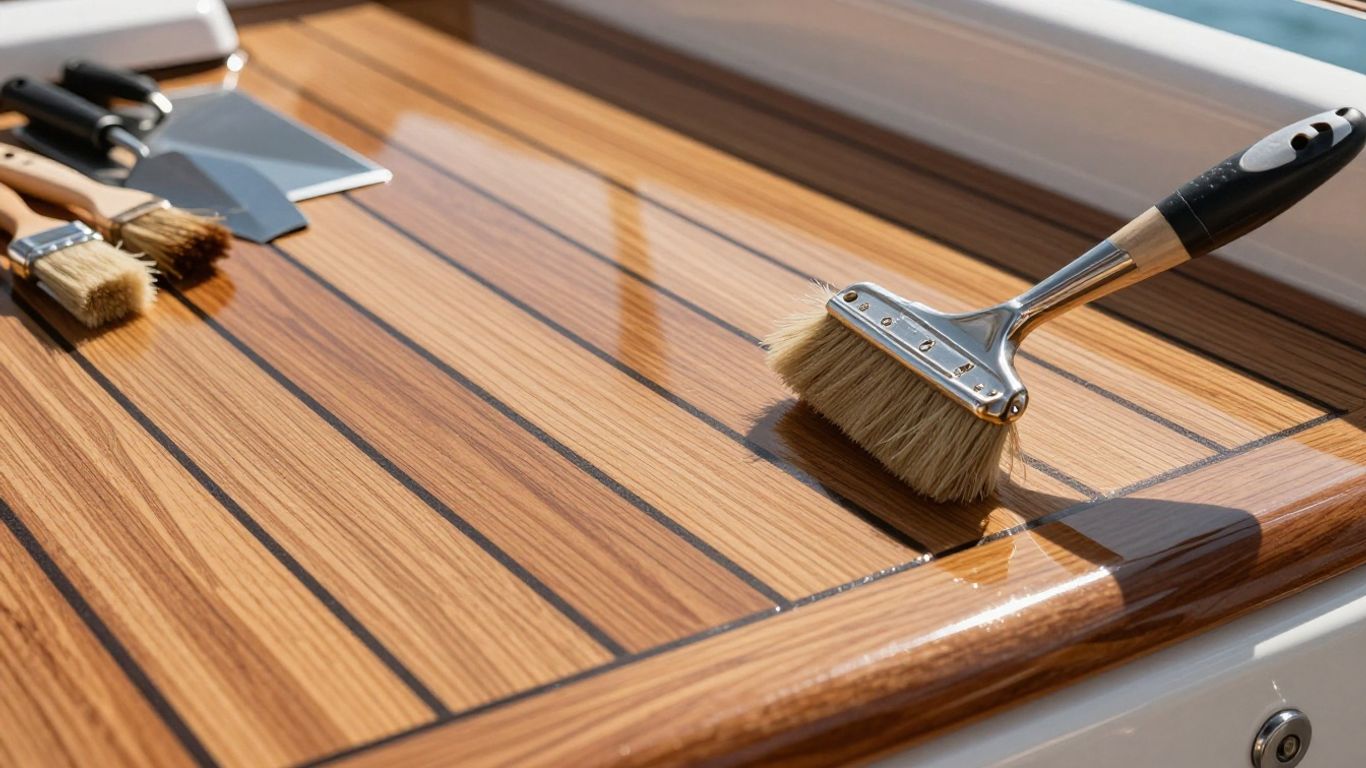
Having the right gear makes all the difference when it comes to keeping your yacht’s deck looking sharp and staying safe. It’s not just about having stuff; it’s about having the right stuff and knowing how to use it. Think of your deck locker as your personal toolkit for preserving the beauty and function of your vessel.
Brushes, Poles, and Washing Equipment
When it comes to washing, a good set of brushes is your best friend. You’ll want a variety: soft brushes for delicate surfaces and general cleaning, medium-stiff ones for tackling grime on non-skid areas, and really stiff brushes for heavy-duty jobs like cleaning anchor chains or stubborn spots. Pair these with telescopic poles, ideally water-fed ones, so you can reach every nook and cranny without stretching yourself thin. Don’t forget a couple of sturdy buckets with rope handles – they’re surprisingly useful for carrying water, soap, or even just for keeping your brushes organized.
- Soft Bristle Brushes: For general washing and polishing.
- Medium-Stiff Brushes: Great for non-skid surfaces and moderate dirt.
- Stiff Brushes: Reserved for tough jobs like anchor chains or heavily soiled areas.
- Telescopic Poles: Extend your reach for easier cleaning.
- Buckets: Multiple buckets are handy for rinsing and carrying supplies.
Sanding and Polishing Tools
For those times when a simple wash won’t cut it, you’ll need tools for sanding and polishing. An orbital sander can be a lifesaver for preparing surfaces or smoothing out teak, but be careful – they can do damage if you’re not experienced. Always use fine-grit sandpaper, and follow the wood’s grain. When it comes to bringing back the shine, an orbital polisher is your go-to. These machines make buffing out oxidation and applying waxes a breeze, saving you a ton of elbow grease.
Safety Gear for Deck Operations
Working on a yacht deck means you’re constantly exposed to the elements and potential hazards. Proper safety gear isn’t optional; it’s a necessity. Always have nitrile gloves to protect your skin from chemicals, safety glasses or goggles to keep your eyes clear, and non-slip footwear is a must. If you’re working with strong cleaners or doing any sanding, consider a respirator mask. A well-maintained deck is a safe deck, and that starts with protecting yourself.
Keeping your tools clean and in good working order is just as important as using them correctly. A rusty pole or a frayed brush won’t do you any favors and could even cause damage. Take a few minutes after each use to clean and store your equipment properly. It’s a small step that pays off in the long run, ensuring your tools are ready for the next job and last for years to come.
Wrapping It Up
So, there you have it. Keeping your yacht’s deck looking sharp and holding up well isn’t just about making it pretty for guests, though that’s a nice bonus. It’s really about making sure the boat stays safe, lasts longer, and doesn’t turn into a money pit down the road. We’ve gone over the daily wipes, the weekly polishes, and the bigger seasonal jobs. Remember, the right tools and the right products, used consistently, make all the difference. It might seem like a lot, but treating your deck right is just part of owning a boat. A little effort goes a long way in keeping your vessel shipshape for years to come.
Frequently Asked Questions
How often should I wash my yacht's deck?
It’s a good idea to give your yacht’s deck a good wash with fresh water and a mild soap every day. This helps get rid of salt, dirt, and anything else that can harm the surfaces over time. Don’t forget to dry it off with a chamois or microfiber cloth to avoid water spots, especially on shiny parts.
What's the best way to clean teak decks?
For teak decks, be gentle! Use a soft brush and always brush along the wood’s grain. Rinse it with fresh water regularly. To keep it looking good and protected, use special teak cleaners and oils, which add nourishment and help it resist the sun and salty air without making it slippery.
Why is it important to polish stainless steel parts?
Polishing stainless steel parts like railings and handles not only makes them look super shiny but also protects them. Daily wipe-downs with a soft cloth help a lot, but a good polish once a week or so helps prevent rust and dullness caused by the sea air. This keeps them looking great and lasting longer.
How do I keep my yacht's deck from being slippery?
Many decks have special non-slip surfaces. You should check these often for any worn-out spots or places where the grip is fading, especially where people walk a lot. If you see any issues, it’s important to reapply the non-slip coating to make sure everyone stays safe, particularly when the deck is wet.
What are some essential tools for deck maintenance?
You’ll need a few key things: soft and medium brushes for different jobs, long poles to reach everywhere, buckets, squeegees, and soft cloths for drying. If you need to sand or polish, an orbital sander or polisher is helpful. And always wear safety gear like gloves and goggles!
When should I check deck hardware and fittings?
You should check your deck hardware, like cleats and hinges, regularly. Look for any signs of rust or if screws seem loose. If you find any leaks around fittings, it means the sealant might be old and needs to be redone. Keeping these parts secure and sealed prevents bigger problems down the line.