So, you’re dreaming of your next boat trip, right? Finding the perfect spot to park your boat, or ‘moorings’ as we say in the boating world, is a big deal. It’s not just about dropping anchor anywhere; there are tons of things to think about to make sure your trip is smooth and fun. This guide will walk you through everything you need to know about moorings, from what kinds are out there to picking the best one for your adventure. Let’s get you ready for some awesome time on the water!
Key Takeaways
- Different types of moorings exist, like permanent ones for long stays or temporary options for quick stops. Knowing the difference helps you pick what’s right for your trip.
- Before you pick a mooring, always check the water depth and what the bottom of the sea is like. Also, think about how much protection the spot offers from bad weather.
- Some amazing places around the world are known for their great moorings, like the Caribbean, the Mediterranean, and the Pacific Northwest. Each offers something unique.
- Safety is a big deal. Always check your mooring lines and gear. Know what to do if something goes wrong, like in an emergency.
- Booking your moorings ahead of time, especially during busy seasons, is smart. You can use online tools or just call the marinas directly.
Understanding Different Types of Moorings
When you’re planning a trip, it’s easy to focus on the fun parts – the destinations, the sailing, the sun. But before you even leave the dock, you need to think about where you’re going to park your boat! Moorings are a super important part of boating, and understanding the different types can save you a lot of headaches (and maybe even some money) down the line. It’s not just about dropping anchor anywhere; it’s about choosing the right setup for your needs and the environment.
Permanent Moorings for Long-Term Stays
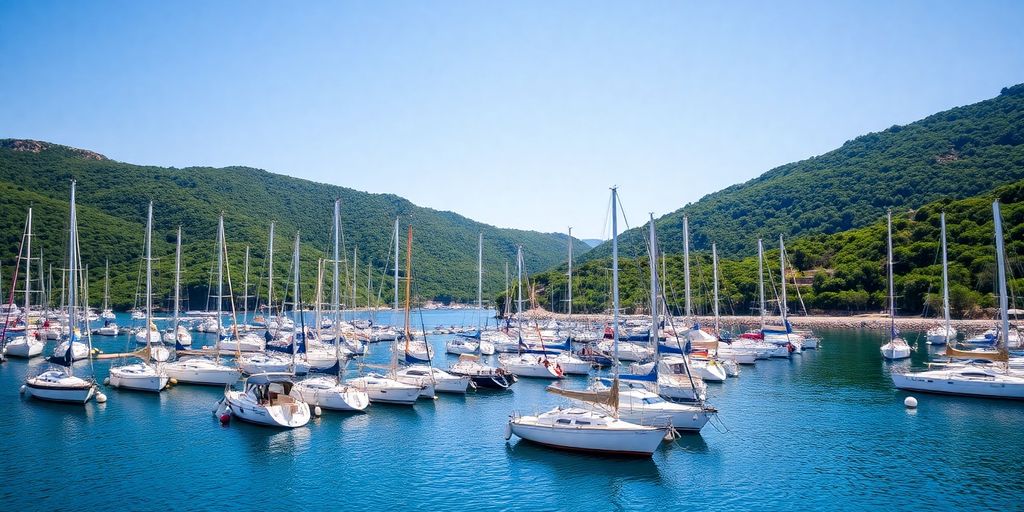
Permanent moorings are like having a dedicated parking spot for your boat. They’re designed to stay put for extended periods, often an entire season or even year-round. These moorings usually consist of a heavy anchor or a series of anchors buried in the seabed, connected to a buoy on the surface. The setup is robust, meant to withstand various weather conditions. Think of them as the foundation of your nautical home away from home. They’re great if you plan to stay in one location for a while, but they also require careful maintenance to ensure they remain safe and reliable. You might find these in harbors where space is limited, or in areas where anchoring is restricted to protect the seabed.
Temporary Moorings for Short Visits
Temporary moorings are more flexible. They’re designed for short stays, like overnight stops or a few days of exploring. These moorings might use lighter anchors or simpler attachment systems compared to permanent setups. They’re often found in popular anchorages or near marinas, providing a convenient alternative to anchoring. The key thing to remember with temporary moorings is that they might not be as strong or as well-maintained as permanent ones. Always check the condition of the mooring before you tie up, and be aware of the weather forecast. If a storm is brewing, you might want to consider moving to a more sheltered location or a marina.
Mooring Buoys: A Convenient Option
Mooring buoys are a common sight in many harbors and anchorages. They offer a convenient and often environmentally friendly way to secure your boat. Instead of dropping your anchor and potentially damaging the seabed, you simply pick up the pick-up ropes attached to the buoy and secure them to your boat.
Here’s a quick rundown of what you might find with mooring buoys:
- Variety: They come in different shapes and sizes, often made of plastic, rubber, or metal.
- Components: Expect a floating section, a chain or rope connecting it to the seabed, and a metal loop for attachment.
- Selection: Consider your boat’s size and weight, the water depth, and the local conditions when choosing a buoy.
Mooring buoys are a great option because they reduce the impact on the marine environment. Anchors can drag along the seabed, damaging coral reefs and seagrass beds. By using a mooring buoy, you’re helping to protect these delicate ecosystems. Plus, they can save you the hassle of setting and retrieving your own anchor, especially in crowded anchorages.
Key Factors for Choosing Your Moorings
Choosing the right mooring can make or break your boating experience. It’s not just about finding a spot to park your boat; it’s about safety, convenience, and peace of mind. Let’s dive into the key things you need to think about.
Assessing Water Depth and Seabed Conditions
First things first, you need to know what’s going on beneath the surface. Water depth is critical; you don’t want to end up high and dry at low tide! Check the charts and ask around to get accurate depth information for the mooring location at different tidal stages. Also, the seabed composition matters. Is it solid rock, shifting sand, or thick mud? Each requires a different type of anchor system to ensure a secure hold. A rocky bottom might be tough for some anchors to grip, while a sandy bottom could allow an anchor to drag in strong currents or winds.
Considering Weather Protection and Exposure
Think about the prevailing weather patterns in the area. Is the mooring sheltered from strong winds and waves, or is it exposed to the full force of the elements? An exposed mooring can be a wild ride in a storm, potentially damaging your boat and the mooring itself. A sheltered spot, on the other hand, offers better protection but might be more crowded or harder to access. Consider these factors:
- Wind direction: Which way does the wind usually blow from?
- Wave action: How big do the waves get in different conditions?
- Currents: Are there strong currents that could affect your boat’s position?
Choosing a mooring that offers adequate protection from the weather is important for the safety of your vessel and the comfort of those on board. Consider the local weather patterns and the mooring’s exposure to wind, waves, and currents.
Evaluating Accessibility and Amenities
How easy is it to get to the mooring from shore? Do you need a dinghy, or is there a dock nearby? And what about amenities? Are there restrooms, showers, or laundry facilities available? These things can make a big difference, especially for longer stays. Also, think about proximity to services like fuel docks, boat maintenance, and grocery stores. A remote mooring might be peaceful, but it could also be a hassle if you need to resupply or get something fixed. Here’s a quick rundown of things to consider:
- Dinghy access: Is there a safe place to land your dinghy?
- Distance to shore: How far is it to the nearest town or marina?
- Available services: What amenities are available nearby?
Top Destinations for Exceptional Moorings
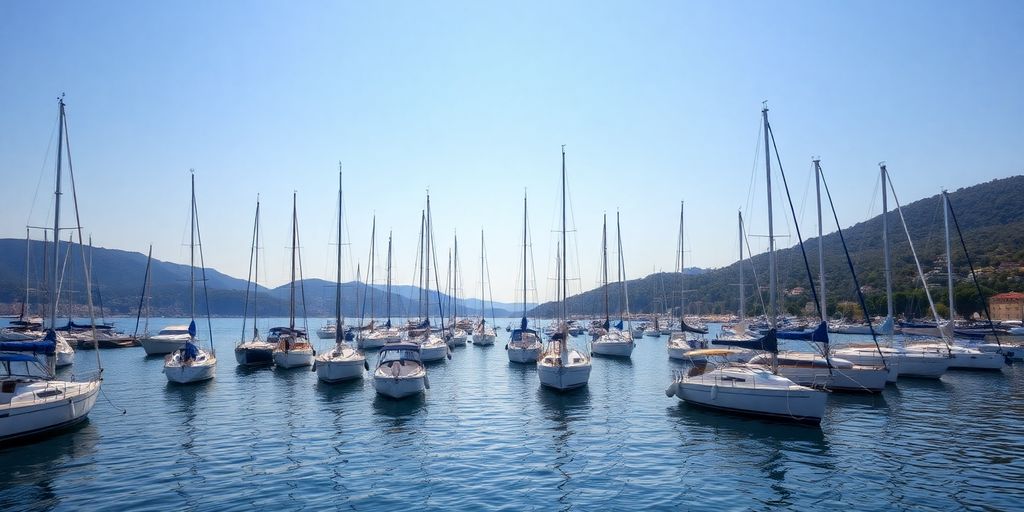
Caribbean Moorings: Island Hopping Adventures
The Caribbean is a sailor’s dream, and its moorings are a big part of that. Imagine waking up to crystal-clear turquoise water every morning! The region offers a huge variety of mooring options, from quiet, secluded bays to bustling harbors full of life.
- British Virgin Islands (BVI): Known for calm waters and line-of-sight sailing, the BVI offers tons of protected moorings. It’s perfect for less experienced sailors.
- St. Lucia: A bit more adventurous, St. Lucia has stunning scenery and some well-maintained mooring fields. Be prepared for stronger winds in some areas.
- Grenada: "The Spice Isle" offers a mix of sheltered harbors and more exposed anchorages. The island is beautiful and the people are friendly.
One thing I love about the Caribbean is the ease of access to different islands. You can spend a week exploring multiple islands, each with its own unique charm and culture. Just make sure to check the weather forecast before you go!
Mediterranean Moorings: Historic Harbors
Sailing the Mediterranean is like stepping back in time. You’re surrounded by history, culture, and incredible food. The moorings here are often in the heart of ancient harbors, giving you a unique perspective on the region. Finding the perfect Ionian Sea stopovers is key to a great trip.
- Croatia: With its stunning coastline and numerous islands, Croatia is a mooring paradise. Many towns have invested in modern mooring facilities.
- Greece: From the Cyclades to the Ionian Islands, Greece offers a huge range of mooring options. Be aware that some harbors can get very crowded in peak season.
- Italy: The Italian coast is dotted with charming harbors and marinas. Moorings can be a bit more expensive here, but the experience is worth it.
Pacific Northwest Moorings: Scenic Waterways
The Pacific Northwest is a completely different sailing experience. Think dramatic landscapes, towering forests, and abundant wildlife. The moorings here are often in remote, stunning locations. It’s a great place to escape the crowds and connect with nature.
- San Juan Islands (Washington, USA): These islands offer a mix of protected bays and open water sailing. Keep an eye out for orcas!
- Gulf Islands (British Columbia, Canada): Similar to the San Juans, the Gulf Islands are a beautiful and peaceful place to explore by boat.
- Desolation Sound (British Columbia, Canada): This area is known for its warm waters and stunning scenery. It’s a popular destination for boaters, so book your moorings in advance.
| Region | Typical Mooring Style | Key Considerations |
|---|---|---|
| Caribbean | Buoys, Anchoring | Hurricane season, coral reefs, popularity |
| Mediterranean | Town Quays, Marinas | Crowded harbors, cost, strong winds (e.g., Meltemi) |
| Pacific Northwest | Remote Anchorages | Tides, currents, weather changes, wildlife |
Safety and Security When Using Moorings
Inspecting Mooring Gear and Lines
Before you even think about tying up to a mooring, give everything a good once-over. I mean, really look at it. Are the lines frayed? Is the buoy looking worse for wear? Don’t just assume it’s all good because it’s there. Your boat’s safety depends on the mooring being in good condition. Check for wear and tear, corrosion, and anything that looks suspect. If something seems off, find another mooring. It’s better to be safe than sorry. I always carry a spare mooring line just in case I need to add extra security or replace a worn one.
Understanding Mooring System Strengths
Not all moorings are created equal. Some are designed for smaller boats, others for larger ones. Some are in sheltered areas, others are exposed to the elements. It’s important to know what kind of conditions the mooring is designed to handle. Don’t try to squeeze your 40-foot sailboat onto a mooring meant for a dinghy. And if the weather is looking rough, consider whether the mooring is strong enough to hold your boat in those conditions. It might be better to find a marina or another more protected spot. I’ve seen boats break free from moorings in storms, and it’s not a pretty sight.
Emergency Procedures for Moorings
Okay, so you’ve done your checks, you’re tied up, and everything seems fine. But what happens if something goes wrong? What if a line breaks? What if the buoy starts to drag? It’s good to have a plan. Know how to quickly release your boat from the mooring if necessary. Have a backup plan for where you’ll go if you need to leave the mooring in a hurry. And make sure everyone on board knows what to do in an emergency. I keep a sharp knife handy to cut lines if needed, and I always have my engine ready to go. Here’s a quick list of things to consider:
- Keep a sharp knife accessible for cutting lines.
- Know the location of your boat’s emergency equipment, like flares and a VHF radio.
- Have a pre-planned escape route in case the mooring fails.
- Make sure everyone on board knows the emergency procedures.
It’s easy to get complacent when you’re tied up to a mooring, but it’s important to stay vigilant. Keep an eye on the weather, check your lines regularly, and be prepared for anything. A little bit of preparation can go a long way in ensuring your safety and the safety of your boat.
Booking and Reserving Your Moorings
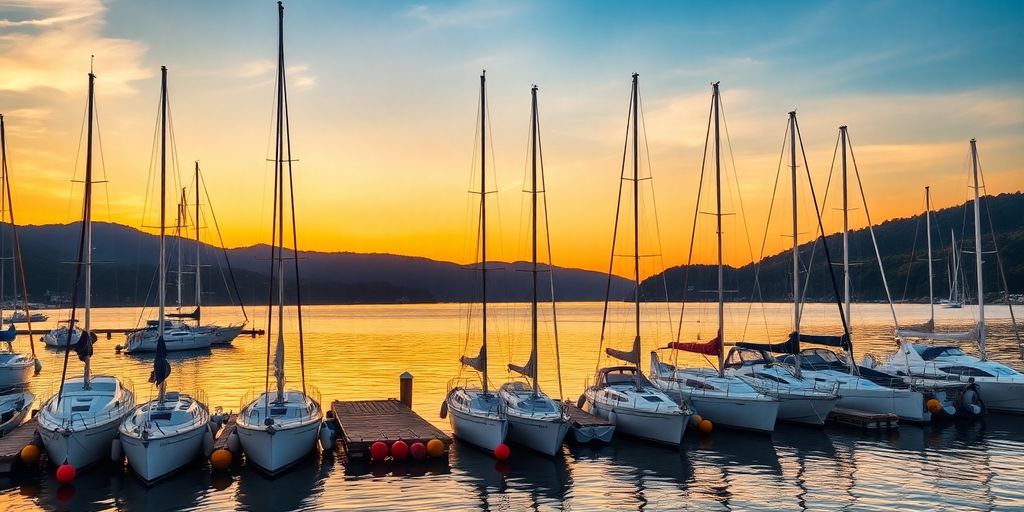
Online Platforms for Mooring Reservations
So, you’re ready to book a mooring? Lucky you! These days, it’s not like you have to rely solely on calling up some harbor master and hoping for the best. There are actually some pretty slick online platforms that can make the whole process way easier. Think of it like booking a hotel, but for your boat. You can often filter by location, boat size, and even see reviews from other boaters. It’s a game changer, really. For example, the new Marina Portal in Snag-A-Slip lets you filter by boat size, power configuration, and dates. Reservations can be made directly through the app without extra booking fees.
Direct Contact with Marinas and Harbors
Even with all the fancy online options, sometimes the old-fashioned way is still the best. I mean, talking directly to the folks at the marina or harbor can give you a real feel for the place. Plus, they might have some insider tips or be able to accommodate special requests that you wouldn’t find online. Don’t be afraid to pick up the phone or send an email. You might be surprised at how helpful they can be. It’s also a good way to double-check availability, especially if you have a larger boat or need specific services.
Planning Ahead for Peak Seasons
Okay, this is a big one. If you’re planning to be in a popular spot during peak season – think summer in the Mediterranean or winter in the Caribbean – you absolutely need to book your mooring well in advance. Like, months in advance. Seriously. Moorings in prime locations get snapped up quickly, and you don’t want to be stuck scrambling for a spot or, worse, having to anchor out in a less-than-ideal location. Trust me, a little planning goes a long way. Check out the Moorings Brochure to start planning your next unforgettable vacation on the water.
I learned this the hard way a few years back. Showed up in the Bahamas during spring break, thinking I could just find a mooring on the fly. Ended up spending half the trip anchored way out in the harbor, battling waves and feeling seasick. Never again. Now, I book everything months ahead, and it makes the whole trip so much more relaxing.
Here’s a quick checklist for planning ahead:
- Identify peak seasons for your desired location.
- Start researching and contacting marinas/harbors at least 3-6 months in advance.
- Be prepared to pay a deposit to secure your reservation.
Maintaining Your Vessel on Moorings
Staying connected to a mooring offers a unique sense of freedom, but it also comes with responsibilities. Unlike being docked at a marina, where some maintenance is handled for you, when you’re on a mooring, you’re the sole caretaker of your vessel. This means regular checks and upkeep are vital to prevent problems and ensure your boat remains in good condition. Let’s dive into some key areas to focus on.
Regular Hull Cleaning and Inspection
One of the biggest challenges of mooring is the increased potential for hull fouling. Marine growth can accumulate quickly, impacting your boat’s performance and fuel efficiency. Regular hull cleaning is essential to combat this.
- Schedule regular cleaning, ideally every few weeks, depending on water conditions and growth rates.
- Consider hiring a professional diver for underwater cleaning.
- Use appropriate cleaning tools and methods to avoid damaging the hull’s antifouling paint.
Keeping your hull clean not only improves performance but also prevents the spread of invasive species. It’s a small effort that makes a big difference.
While cleaning, take the opportunity to inspect the hull for any signs of damage, such as blisters, cracks, or corrosion. Catching these issues early can prevent costly repairs down the line.
Checking Anodes and Propellers
Anodes play a critical role in protecting your boat’s metal components from galvanic corrosion. Because your boat is constantly submerged, it’s important to check the condition of your anodes frequently.
- Inspect anodes at least monthly, or more often in areas with high salinity or pollution.
- Replace anodes when they are approximately 50% consumed.
- Ensure the propeller is free from damage and properly secured.
Similarly, your propeller is constantly exposed to the elements and can be susceptible to damage from debris or corrosion. Make sure to inspect it regularly for any signs of wear and tear. A damaged propeller can significantly reduce your boat’s efficiency and maneuverability.
Managing Onboard Systems
When moored, you’re still relying on your boat’s systems, even if you’re not actively cruising. It’s important to manage these systems effectively to prevent problems and conserve resources. Here’s a quick rundown:
- Monitor battery levels regularly, especially if you’re using onboard appliances or electronics. Consider using solar panels or a wind generator to supplement your power supply.
- Check bilge pumps to ensure they are functioning correctly. A malfunctioning bilge pump can lead to serious problems if water starts to accumulate in the hull.
- Inspect through-hull fittings for leaks or corrosion. These fittings are potential weak points and should be checked regularly.
By paying attention to these key areas, you can ensure your vessel remains in top condition while enjoying the benefits of mooring. Regular maintenance is an investment that will pay off in the long run, preventing costly repairs and ensuring your boat is always ready for your next adventure. Don’t forget to check the mooring system strengths regularly, too!
Cost Considerations for Moorings
Daily, Weekly, and Monthly Mooring Rates
Mooring costs can vary quite a bit depending on location, time of year, and the amenities offered. Generally, you’ll find that daily rates are the most expensive per day, while monthly rates offer the best value if you plan to stay in one place for an extended period. Weekly rates fall somewhere in between. Consider this table as a rough guide:
| Rate Type | Average Cost (Small Boat) | Average Cost (Large Boat) |
|---|---|---|
| Daily | $25 – $75 | $50 – $150 |
| Weekly | $150 – $450 | $300 – $900 |
| Monthly | $500 – $1500 | $1000 – $3000 |
These are just averages, of course. Some high-end marinas in popular destinations might charge significantly more. Always check the specific rates for the mooring reservations you’re considering.
Additional Fees and Services
Beyond the basic mooring fee, be prepared for potential extra charges. These can include:
- Electricity: Many moorings offer access to shore power, but you’ll likely pay extra for usage.
- Water: Similar to electricity, water hookups often come with a separate fee.
- Dinghy Dockage: Some locations charge a fee to dock your dinghy at the marina.
- Waste Disposal: Using the marina’s waste disposal facilities might incur a charge.
- Showers and Laundry: Access to these amenities is often included in the mooring fee, but not always.
- Security: Some marinas have enhanced security features that may come at an additional cost.
It’s always a good idea to ask about any potential extra fees upfront to avoid surprises.
Budgeting for Your Nautical Adventure
Planning a nautical adventure requires careful budgeting, and mooring fees are a significant part of that. Here are some tips for managing your mooring expenses:
- Research: Compare mooring rates at different locations before you go.
- Book in Advance: Especially during peak season, booking ahead can sometimes save you money.
- Consider Off-Season Travel: Mooring rates are often lower during the off-season.
- Look for Package Deals: Some marinas offer package deals that include mooring fees and other services.
- Be Flexible: If you’re willing to be flexible with your itinerary, you might be able to find cheaper moorings in less popular areas.
Remember to factor in potential unexpected costs, such as repairs or maintenance. It’s always better to overestimate your expenses than to run out of money mid-trip. Having a buffer in your budget will allow you to enjoy your adventure without financial stress.
Conclusion
So, there you have it. Picking the right spot to park your boat, whether it’s a quick stop or a longer stay, really makes a difference for your trip. It’s not just about finding a place; it’s about finding the right place that fits what you need and keeps your boat safe. Take your time, do a little checking, and you’ll be set for a great time on the water. Happy boating!
Frequently Asked Questions
What exactly is a mooring?
Moorings are special spots where boats can tie up safely. They’re like parking spaces on the water. You can find different kinds, some for short stops and others for longer stays. They’re super useful because they keep your boat secure without you needing to drop an anchor every time.
How do I choose the right mooring for my boat?
When picking a mooring, you need to think about a few things. First, how deep is the water? You don’t want your boat to hit the bottom. Also, check what the seabed is made of – is it sandy, muddy, or rocky? This helps make sure the mooring holds well. You should also consider if the spot is protected from bad weather and if it’s easy to get to shore or other places you need to go.
Can I reserve a mooring ahead of time?
Yes, absolutely! Many popular boating spots, especially in places like the Caribbean or the Mediterranean, have moorings you can reserve. This is great because it guarantees you a spot, especially during busy times. You can often book these online or by calling the marina directly.
What are the most important safety tips for using a mooring?
Safety is super important! Always check the ropes and chains that connect your boat to the mooring to make sure they’re strong and not worn out. Understand how the mooring system works and what it can handle. It’s also smart to know what to do if there’s an emergency, like if the weather suddenly gets really bad.
How much does it cost to use a mooring?
The cost of moorings can change a lot. Some places charge by the day, while others have weekly or monthly rates. There might also be extra fees for things like using the showers, getting electricity, or having your trash picked up. It’s a good idea to ask about all these costs upfront so you can plan your budget.
What kind of maintenance does my boat need while it's on a mooring?
When your boat is on a mooring for a while, it’s good to keep an eye on it. Regularly clean the bottom of your boat to prevent things from growing on it. Also, check the metal parts under the water, like the propellers, to make sure they’re okay. And don’t forget to manage your boat’s systems, like the power and water, so everything runs smoothly.