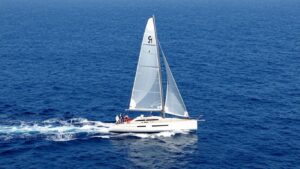
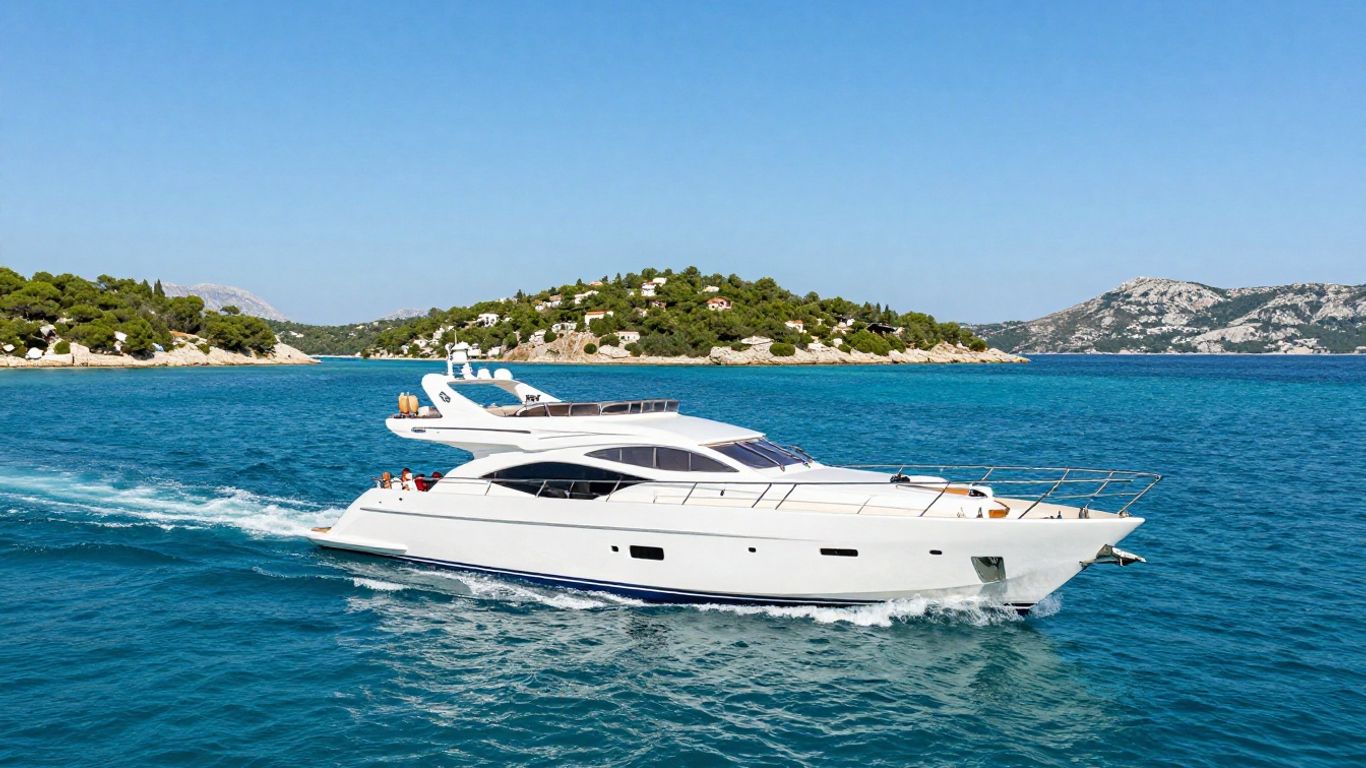
Here are the main things to keep in mind when planning your amazing yacht trip in Croatia for 2026. These points will help make your journey smooth and enjoyable.
Key Takeaways
- Make sure you have the right sailing licenses and documents before you go.
- Croatia is known for being easy to sail in, with good visibility and generally calm weather, especially in summer.
- Plan your route to see the best islands and coastal towns, but stay flexible for unexpected changes.
- Decide if you want a crewed charter for a more relaxed, luxurious experience or a bareboat charter if you want to do everything yourself.
- Be prepared for mooring fees in popular spots, but also look for free anchorages in quieter bays.
Planning Your Croatia Yacht Trip
Getting ready for a yacht trip in Croatia is exciting, and a little bit of planning goes a long way. It’s not overly complicated, but there are a few key things to sort out before you even think about setting sail. This section will walk you through the basics so you can feel confident about your preparations.
Understanding Yacht Charter Requirements
First things first, you need to make sure you meet the legal requirements for sailing in Croatia. This isn’t just about having a boat; it’s about having the right paperwork. You’ll need a recognized sailing certificate. Common ones that work include the SLC, RYA Day Skipper, or the ICC (International Certificate of Competence). Don’t forget a VHF radio license either. It’s really important to bring the original documents with you; photocopies usually won’t cut it. Also, remember you need to be over 18 to be in charge of a yacht there.
Essential Sailing Experience and Qualifications
Now, about experience – Croatia is actually quite forgiving for those new to sailing. It’s often described as a Level 1 destination, meaning you can usually see land from where you are, making it pretty straightforward. You don’t need to have sailed for decades to enjoy it. However, having a recognized certificate, as mentioned above, is a must for legal reasons. If you’re unsure about your qualifications, it’s worth checking the specific requirements well in advance of your trip. You can find more details on sailing qualifications.
Packing and Provisions for Your Voyage
When it comes to packing, think light but smart. Croatia has a Mediterranean climate, so light clothing, swimwear, sun protection (hats, sunglasses, high SPF sunscreen), and comfortable shoes are key. Don’t forget a light jacket or sweater for cooler evenings, even in summer. For provisions, you’ll want to stock up on food and drinks. While you can buy supplies on many islands, it’s often easier and cheaper to do a big shop before you leave your starting marina. Consider making a list of essentials, including water, non-perishable food items, snacks, and any personal medications. Planning your meals can also help you pack more efficiently.
Croatia’s coastline is dotted with islands, and while many have charming villages with shops, it’s wise to provision well at the start of your trip. This way, you’re less likely to miss out on something you need when you’re out exploring.
Here’s a quick checklist for packing:
- Sunscreen and after-sun lotion
- Hats and sunglasses
- Swimwear and cover-ups
- Light clothing (shorts, t-shirts, sundresses)
- A light jacket or sweater
- Comfortable walking shoes or sandals
- Any personal medications
- Camera and chargers
- A good book or two
Navigating Croatia's Sailing Conditions
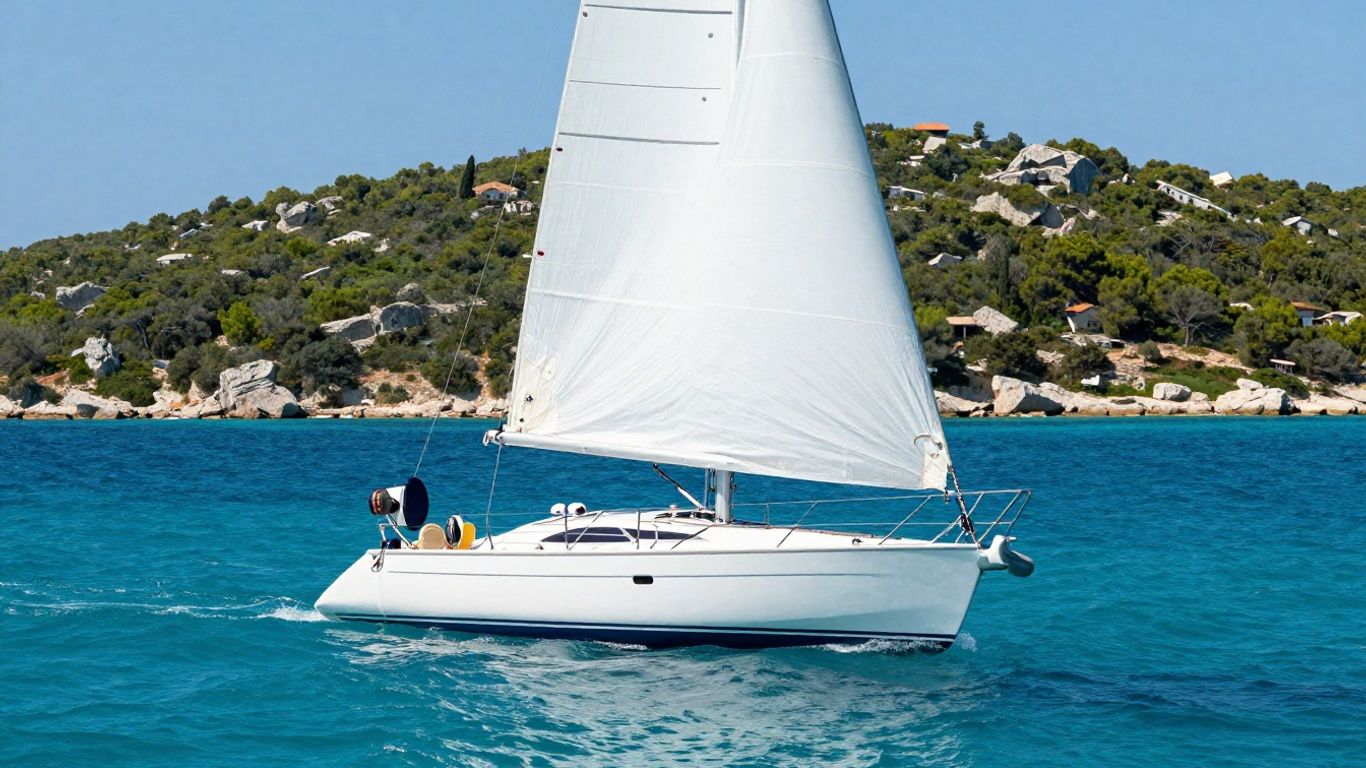
Croatia is known for being a pretty easy place to sail, which is great news for most people planning a trip. You’re usually not too far from land, making it feel quite safe, especially if you’re new to sailing or have kids along. The weather is generally nice, with plenty of sunshine, particularly during the summer months. It’s a good idea to know a bit about the winds, though, as they can change things up.
Understanding Prevailing Winds
There are a few main winds you’ll encounter when sailing in Croatia. The Maestral is a popular one, usually picking up in the morning and providing a nice breeze for sailing in the afternoon before calming down as the sun sets. It’s pretty predictable and makes for pleasant sailing days. Then there’s the Bura, which can be stronger and comes from the northeast. If you’re sailing outside the main summer season, you might run into more unpredictable winds like the Jugo, which can be quite strong and choppy. Knowing these can help you plan your days on the water.
Here’s a quick look at the main winds:
- Maestral: Northwestern wind, generally light to moderate, common in summer afternoons.
- Bura: Northeastern wind, can be strong and gusty, more common in cooler months but can appear in summer.
- Jugo (Sirocco): Southeastern wind, often brings unsettled weather and can be long-lasting.
- Pulenat: A local wind, often felt in the northern Adriatic.
- Tramontana: A northerly wind, usually associated with fair weather.
When planning your route, always check the forecast. Even in summer, conditions can change, and a little preparation goes a long way to ensure a smooth trip.
Best Times for a Yacht Trip in Croatia
For most people, the sweet spot for a yacht trip in Croatia is between May and September. June, July, and August are the warmest and sunniest months, perfect for swimming and enjoying the islands. However, these are also the busiest months, meaning more boats and higher prices. If you prefer a quieter experience and don’t mind slightly cooler water, May and September are fantastic options. You’ll still get great weather, fewer crowds, and often better deals on charters. If you’re an experienced sailor looking for a bit more of a challenge, the shoulder seasons can offer more exciting sailing conditions with stronger winds. You can find more information on sailing conditions to help you decide.
Line-of-Sight Sailing Advantages
One of the best things about sailing in Croatia is that you can often see your next destination from where you are. This is called line-of-sight sailing. It makes the whole experience feel much more relaxed and accessible, especially if you’re not a seasoned sailor. You’re rarely out of sight of land, and the numerous islands mean you can hop from one to another without long, open-sea crossings. This makes it ideal for families or anyone who prefers a more gentle pace. It also means that if you need to find a sheltered bay or a port, you’re usually not far from one. It’s a big part of why Croatia is such a popular and forgiving sailing destination.
Discovering Croatia's Island Gems
Croatia’s coastline is dotted with over a thousand islands, each with its own vibe and story. Planning your yacht trip means picking which of these jewels you want to explore. It’s a big decision, but a fun one!
Dubrovnik and Southern Dalmatia Highlights
Starting in Dubrovnik is like stepping into a history book. The city walls are seriously impressive, and walking along them gives you amazing views of the old town and the sea. It’s a popular spot, so expect crowds, but it’s worth it. From Dubrovnik, you can easily head out to explore islands like Mljet, which has a national park with two saltwater lakes. It’s super peaceful there, perfect for a day of kayaking or just chilling. Another great stop is Korčula, often called ‘Little Dubrovnik’ because of its medieval walls and charming streets. They say Marco Polo was born here, which is pretty cool to think about while you wander around. The island is also known for its stonecutting and shipbuilding history.
Split and Northern Dalmatia Exploration
Split is another major hub, famous for Diocletian’s Palace, which is basically an ancient Roman palace right in the middle of the city. It’s wild to see how people live and work within these old structures. You can spend hours just getting lost in the narrow, winding streets. From Split, you’ve got access to some fantastic islands. Hvar is probably the most famous, known for its glamorous nightlife and beautiful beaches, especially around the Pakleni Islands just offshore. If you’re looking for something a bit more low-key, Šćedro island nearby offers quiet bays with no shops or electricity – a real escape. Brač island is also a must-see, home to Zlatni Rat (Golden Horn), one of Croatia’s most iconic beaches.
Must-Visit Islands and Coastal Towns
When you’re out on the water, some islands just stand out. Vis is one of them. It was a military base until recently, so it feels a bit more untouched and has a really relaxed atmosphere. It’s also known for its wine and fresh seafood. Don’t miss the Blue Cave on the nearby island of Biševo; it’s a natural wonder that glows an incredible blue. For a truly unique experience, consider a stop at Lastovo, a more remote island with a beautiful nature park and clear waters perfect for snorkeling. The southern coast also has some lovely smaller towns and bays that are perfect for dropping anchor for the night.
Picking your island stops is part of the adventure. While popular spots like Hvar and Dubrovnik are busy for a reason, don’t shy away from the quieter, less-known islands. They often offer a more authentic experience and a chance to truly disconnect.
Here are a few islands that often make it onto popular itineraries:
- Hvar: Glamour, history, and the stunning Pakleni Islands.
- Korčula: Medieval charm and Marco Polo’s birthplace.
- Vis: Untouched beauty, military history, and great wine.
- Mljet: National park with serene lakes.
- Brač: Famous for Zlatni Rat beach.
Remember, Croatia has over 1,200 islands, so you can’t see them all in one trip. It’s better to focus on a region and explore it thoroughly rather than trying to rush everywhere. Each island offers a different slice of Croatian life, from ancient history to vibrant modern culture.
Experiencing Life Aboard Your Yacht
So, you’ve got your yacht sorted and you’re ready to hit the Adriatic. What’s it actually like to live on the water for a week or two? It’s a whole different pace of life, that’s for sure. Forget your usual routine; this is about soaking in the sun, the sea, and the sheer freedom of it all. The best part is waking up to a new view every single day.
The Luxury of Crewed Charters
If you’re looking for the ultimate in relaxation, a crewed charter is the way to go. Think of it as your own floating hotel, but way more exclusive. The captain handles all the sailing, so you don’t have to worry about a thing. They know the best spots, the hidden coves, and how to avoid any choppy waters. Then there’s the chef, whipping up amazing meals with fresh, local ingredients. And the stewardess? They’re there to make sure your drinks are topped up and your cabin is tidy. It’s a service level that’s hard to beat, letting you truly disconnect and enjoy the journey. For a truly pampered experience, consider renting a luxury yacht in Croatia.
Onboard Amenities and Water Toys
Most yachts come equipped with a pretty impressive array of toys to keep everyone entertained. You’ll often find things like:
- Stand-up paddleboards (SUPs) for a gentle paddle around a quiet bay.
- Snorkeling gear to explore the clear waters and see what’s beneath the surface.
- Sometimes even Seabobs or jet skis for a bit more adrenaline.
It’s not just about the big stuff, either. Many yachts have comfortable lounging areas, maybe a small library, or even a jacuzzi on deck. It’s all about making your time on board as enjoyable as possible, whether you’re seeking adventure or just want to chill out.
Gourmet Dining and Local Flavors
Forget airplane food or quick roadside snacks. Dining on a yacht in Croatia is an event. Your chef will likely plan menus based on what’s fresh and in season. Expect lots of grilled fish, local olive oil, fresh vegetables, and delicious cheeses. You might even get to try some regional specialties.
Here’s a typical meal structure you might experience:
- Breakfast: Often a spread of fresh fruit, pastries, yogurt, and coffee. Sometimes cooked options are available.
- Lunch: Usually lighter, perhaps a fresh salad, grilled seafood, or local pasta dishes.
- Dinner: The main culinary event, often a multi-course meal featuring the best local ingredients.
Don’t be shy about telling the chef about any dietary preferences or allergies beforehand. They want to make sure you have a fantastic dining experience. Planning your meals is part of the fun, and it’s a great way to discover Croatian cuisine from the best seat in the house.
Living on a yacht means embracing a simpler, more connected way of life. Days are dictated by the sun and the sea, not by clocks. Evenings are spent watching the stars appear, far from city lights. It’s a chance to really appreciate the natural beauty around you and the company you’re with.
Anchoring and Mooring in Croatia
Figuring out where to tie up your yacht each night is a big part of planning your Croatian adventure. It’s not just about finding a spot; it’s about understanding the costs, the rules, and what amenities you can expect.
Navigating Mooring Fees
Mooring fees in Croatia can really add up, and they change depending on the size of your boat and where you decide to dock. You’ll find that bigger, more popular marinas tend to charge more, especially during the peak summer months. For instance, a smaller 36-foot yacht might cost around €42 per night in the low season, while a larger 55-foot vessel could set you back €160 or more in high season. City docks can sometimes be a more budget-friendly and authentic choice, but remember that services like electricity and water are often charged separately. It’s always a good idea to check the current anchoring regulations before you go, as rules can change.
Finding Free Anchorages
Good news! You can definitely find places to anchor for free in Croatia. Many beautiful, protected bays offer a peaceful alternative to busy marinas. Some of these spots even have mooring buoys, which are great for keeping your boat secure overnight and protecting the delicate seabed. Just make sure to check the wind direction before you drop anchor, so you don’t drift. Remember, anchoring is forbidden near underwater cables, pipelines, or in marked no-anchor zones. Protected areas, like Mljet National Park, often require special permits and have designated anchoring spots.
Amenities and Provisions on Islands
When you’re out exploring the stunning Croatian coastline, you’ll want to know where you can resupply. While many islands are quite wild and don’t have much in the way of shops or services right on the beach, you’re never too far from a town or a marina. Most marinas offer secure berths along with water, electricity, and fuel. If you’re planning to anchor out for a few nights, it’s wise to stock up on provisions before you head to more remote spots. Some islands, like Korčula, offer historical towns with plenty of dining and shopping options, making them perfect stops for refueling and re-provisioning.
Planning your stops carefully means you can balance the cost of mooring fees with the joy of discovering secluded bays. It’s all about finding that sweet spot between convenience and adventure.
Crafting Your Ideal Itinerary
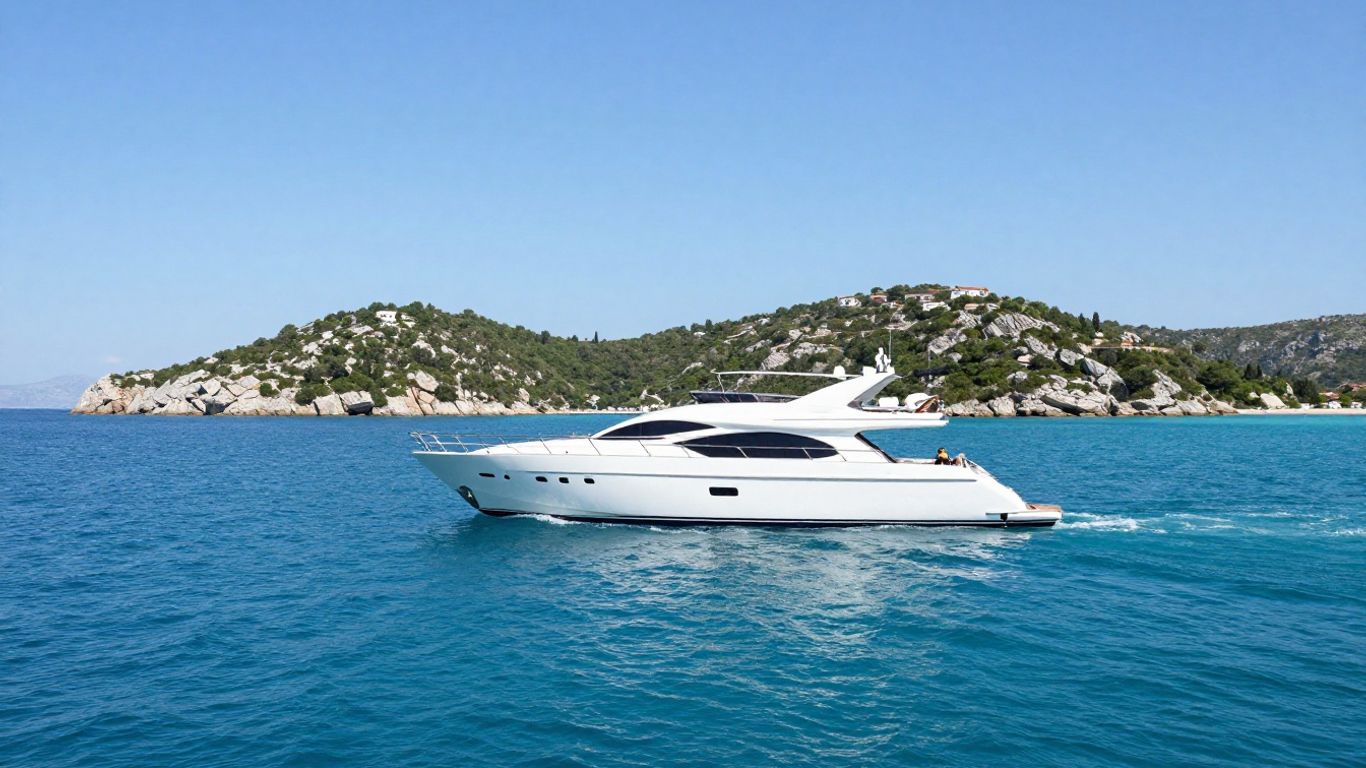
So, you’ve got your yacht, you know the basics, and you’re ready to see Croatia. Now comes the fun part: figuring out where to go! It sounds simple, but honestly, trying to fit everything in can be a bit overwhelming. The trick is to find that sweet spot between having a plan and being able to go with the flow. You don’t want to be so rigid that you miss out on spontaneous adventures, but you also don’t want to drift aimlessly.
Balancing Planning and Flexibility
Think of your itinerary like a good playlist – you have your favorite songs you absolutely want to hear, but you also leave room for a few new discoveries. When planning your Croatian yacht trip, jot down the must-see islands and experiences. Maybe it’s exploring the ancient walls of Dubrovnik or finding a quiet cove on Vis. Then, talk to your skipper. They’re the local wizards who know the best spots, the hidden gems, and importantly, the weather patterns. They can help you weave your wishes into a realistic route. Remember, the Adriatic can be unpredictable, so having a backup plan or two is always smart. This approach lets you enjoy the journey without constant stress.
Sample Itinerary Routes
While every trip is unique, here are a couple of popular ways people like to explore:
- Southern Dalmatia Focus (7 Days): Start in Dubrovnik, sail towards Mljet National Park for kayaking, then hop over to Korčula for its charming old town. Continue west to Hvar for its lively atmosphere and beautiful bays, perhaps stopping at the Pakleni Islands. Finish by sailing back towards Dubrovnik or a nearby mainland port.
- Northern & Central Dalmatia Explorer (7 Days): Begin in Split, explore the historic Diocletian’s Palace, and then head out to the islands of Brač (known for Zlatni Rat beach) and Hvar. From there, you could venture further to the stunning island of Vis, famous for its Blue Cave and military history. You might even include a stop in Trogir, a UNESCO World Heritage site, before returning to Split. For those looking for a structured group experience, Croatia Yacht Week Adventures offers various one-week events that can simplify this planning.
Building a great itinerary is about more than just ticking off destinations. It’s about the pace, the experiences you want to have, and the kind of memories you want to make. Don’t be afraid to adjust as you go – sometimes the best moments are the unplanned ones.
Leveraging Local Expertise
Don’t underestimate the power of your skipper or charter company. They have a wealth of knowledge about the best times to visit certain spots, where to find the most authentic local food, and even secret anchorages. They can suggest routes based on your interests, whether you’re into history, food, or just finding the most secluded beaches. For instance, if you’re traveling during the shoulder seasons, they’ll know which islands are still buzzing and which offer a more tranquil escape, like those mentioned for May-June and September-October.
| Island/Region | Potential Highlights |
|---|---|
| Dubrovnik & South | Old Town, Lokrum Island, Mljet National Park |
| Korčula | Medieval Old Town, vineyards, Lumbarda beaches |
| Hvar | Pakleni Islands, Stari Grad, lavender fields (seasonal) |
| Brač | Zlatni Rat beach, Vidova Gora mountain |
| Vis | Blue Cave, Stiniva Cove, military history |
| Split & North | Diocletian’s Palace, Trogir, Krka National Park |
Talking through your preferences with them is key. They can help you craft a journey that feels perfectly tailored to you, blending iconic sights with those unforgettable, off-the-beaten-path discoveries.
Conclusion
So, you’re thinking about a yacht trip in Croatia for 2026? It sounds like a fantastic idea! With its stunning islands, clear waters, and easy sailing conditions, it’s a great choice. Just remember to sort out your paperwork, pack smart, and be ready for an amazing adventure. Whether you’re a seasoned sailor or trying it for the first time, Croatia has something special to offer. Enjoy the beautiful coast, the tasty food, and the unforgettable experience of exploring this part of the Adriatic.
Frequently Asked Questions
What kind of sailing experience do I need for Croatia?
You don’t need to be a super experienced sailor. Croatia is known as a good place for beginners because you can usually see land while you’re sailing, which makes it easier to find your way. It’s pretty forgiving if you’re new to it.
What documents do I need to sail in Croatia?
You’ll need a sailing license that Croatian authorities accept, like an ICC or RYA Day Skipper. You also need a radio license. Make sure to bring the original papers with you when you arrive.
When is the best time to plan a yacht trip in Croatia?
The summer months, from June to September, are the most popular. The weather is usually warm and sunny, perfect for swimming and exploring. Just know that it can be busier during this time.
Do I have to pay to park my boat (moor)?
Yes, in most popular harbors and marinas, you’ll have to pay a fee to dock your boat. These costs can change depending on the size of your boat and how busy the place is. However, you can sometimes find free spots to drop anchor in certain bays, especially if you go a little off the beaten path.
What should I pack for a sailing trip in Croatia?
Pack light, comfortable clothing, swimwear, sunscreen, a hat, and sunglasses. Don’t forget a light jacket for cooler evenings. Good walking shoes are also a good idea for exploring towns. Most people bring soft bags instead of hard suitcases because they’re easier to store on a boat.
Is it easy to find places to eat and buy supplies?
Yes, Croatia has lots of charming towns and villages along the coast and on the islands. You can find great restaurants serving local food and places to buy groceries and fresh produce. Many marinas also have shops and services.