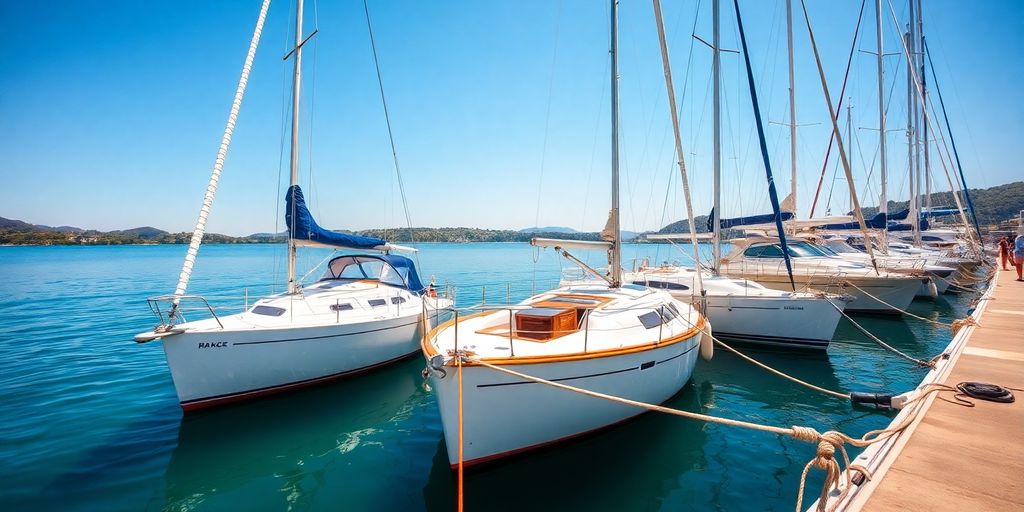
So, you’re a mariner, huh? Or maybe just someone who loves boats and wants to know more about keeping them safe and sound in the water. Well, you’ve come to the right place! We’re going to talk all about mooring rent – what it is, why it matters, and everything else you need to know to make smart choices for your boat. It’s not just about dropping anchor; there’s a whole world of things to learn about moorings, and understanding mooring rent is a big part of it. Let’s get into it!
Key Takeaways
- Mooring rent covers the use of a fixed spot for your boat, and it’s different from just dropping anchor. It’s about having a dedicated, often more secure, place.
- There are different kinds of mooring systems, from the old-school setups to newer, more eco-friendly designs. Each has its own pros and cons for your boat.
- Picking the right spot for a mooring and getting it set up costs money and takes some planning. Sometimes, it’s best to get help from pros to make sure it’s done right.
- Keeping your mooring safe means checking it regularly. You don’t want to rely on a mooring you know nothing about; that’s just asking for trouble.
- Understanding who owns the mooring, what rules apply, and who’s responsible if something goes wrong is super important. It’s not just about the cost; it’s about knowing your rights and duties.
Understanding Mooring Rent
Defining Mooring Rent
Mooring rent is essentially the fee you pay for the right to keep your boat secured to a specific mooring buoy in a harbor or waterway. Think of it like renting a parking spot, but for your boat! It covers the use of the mooring system itself, which includes the buoy, chains, and anchor that keep your vessel safely in place. The cost can vary widely depending on location, size of your boat, and the amenities offered.
The Purpose of Mooring Systems
Mooring systems serve a vital purpose in crowded harbors and anchorages. They provide a designated and secure spot for boats, preventing them from drifting and potentially colliding with other vessels or shorelines. They also help to minimize damage to the seabed caused by repeated anchoring, especially in sensitive areas like coral reefs. A well-maintained mooring system offers peace of mind, knowing your boat is safe even when you’re not on board.
Identifying Mooring Ownership
It’s important to know who owns or manages a mooring before you tie up to it. Using a mooring without permission can lead to some awkward and potentially costly situations. Here’s what to look for:
- Buoy Markings: Many moorings have identifying marks, such as the owner’s boat name, a yacht club logo, or a permit number. If it says "Guest," it’s likely available for temporary use, but always check with the harbormaster if possible.
- Harbormaster Contact: In most harbors, the harbormaster manages the moorings and can tell you which ones are available for rent or temporary use.
- Yacht Club Affiliation: Some moorings are reserved for members of specific yacht clubs. Check with the club to see if you’re eligible to use their moorings.
If you can’t find the owner or manager, you’re taking a chance. You have no idea if the mooring is safe or what kind of anchor it uses. The immediate convenience shouldn’t be substituted for the known security of your boat.
Types of Mooring Systems
Traditional Mooring Approaches
Traditional mooring systems are the workhorses of many harbors and waterways. They typically involve a heavy anchor, like a concrete block or mushroom anchor, connected to a buoy via a chain. These systems are relatively simple and inexpensive to install, making them a popular choice for many boaters. However, they can be less effective in areas with strong currents or heavy weather, and they may also have a greater impact on the seabed. Traditional systems often use nylon mooring lines for their elasticity.
- Simple design and installation.
- Lower upfront cost.
- Suitable for calm waters.
Traditional moorings rely on weight and friction to hold a vessel in place. This means they can be prone to dragging in severe conditions, potentially endangering the boat and other vessels nearby.
Modern Mooring Innovations
In recent years, there’s been a surge in innovative mooring solutions designed to improve holding power, reduce environmental impact, and enhance safety. These modern systems often employ advanced anchoring technologies, such as screw anchors or pile moorings, which offer superior grip and stability compared to traditional methods. They might also incorporate features like elastic rode systems to absorb shock loads and minimize stress on the boat and mooring components. These systems can be more expensive to install, but they offer significant advantages in terms of performance and longevity. Modern innovations often include specialized mooring designs.
- Screw anchors for enhanced holding.
- Elastic rode systems for shock absorption.
- Reduced seabed disturbance.
Specialized Mooring Designs
Certain situations call for specialized mooring designs tailored to specific environmental conditions or vessel types. For example, in areas with sensitive coral reefs, coral seabed mooring designs are used to minimize damage to the delicate ecosystem. These systems often involve anchoring to existing rock formations or using specially designed anchors that avoid direct contact with the coral. Similarly, in areas with strong tidal currents, fore and aft moorings may be used to keep vessels aligned with the current and prevent them from swinging into other boats or structures. The cost of mooring rent can vary depending on the type of system used.
- Coral reef moorings.
- Fore and aft moorings.
- Storm moorings.
| Mooring Type | Ideal Conditions | Advantages | Disadvantages | Cost |
|---|---|---|---|---|
| Traditional | Calm waters, minimal current | Simple, inexpensive | Lower holding power, potential for seabed damage | Low |
| Screw Anchor | Varied conditions, including strong currents | High holding power, reduced seabed disturbance | Higher installation cost | Medium |
| Coral Reef Mooring | Sensitive coral reef environments | Minimizes damage to coral, environmentally friendly | Specialized installation required, may not be suitable for all vessel types | High |
Mooring Site Selection and Installation
Factors Influencing Site Selection
Choosing the right spot for a mooring isn’t as simple as dropping anchor. Several things need to be considered to make sure your boat stays put and the environment stays safe. The type of seabed is a big one. Flat, solid bedrock is ideal, but sand, coral rubble, or a mix of bottom types might require different mooring systems. You also need to think about the surrounding area. Avoid spots where the mooring line could snag on coral formations or other underwater obstacles. Water depth is another factor; deep water makes inspections and maintenance harder. Also, consider the potential for shifting if you’re using concrete block anchors. A mooring buoy shouldn’t be placed in an area considered unsuitable for anchoring.
- Type of seabed (bedrock, sand, coral rubble)
- Surrounding environment (coral formations, obstacles)
- Water depth
- Potential for shifting
Selecting the right mooring site is a balancing act. You’re trying to find a location that provides secure holding power, minimizes environmental impact, and allows for easy access and maintenance. It’s worth taking the time to do your homework and get it right.
Installation Costs and Procedures
Putting in a mooring involves more than just dropping an anchor and attaching a buoy. The cost can vary a lot depending on the type of mooring, the location, and whether you do it yourself or hire someone. For a basic system, you’ll need the buoy, chain, anchor, and connecting hardware. More complex systems, like those using embedment anchors, will cost more. Installation usually involves drilling into the seabed and cementing an anchor pin in place. This requires specialized equipment, like a hydraulic drill, and a sturdy workboat. Assembling all materials and equipment on land prior to installation will reduce actual boat time.
| Item | Estimated Cost | Notes |
|---|---|---|
| Buoy | $100 – $500 | Depends on size and material |
| Chain | $50 – $200 | Depends on length and thickness |
| Anchor | $100 – $1000+ | Varies greatly depending on type (concrete block, embedment anchor, etc.) |
| Hardware (shackles, etc.) | $20 – $50 | |
| Installation Labor | $200 – $1000+ | If hiring a professional |
Professional Installation Services
While it’s possible to install a mooring yourself, it’s often best to hire a professional. They have the experience, equipment, and knowledge to do the job safely and correctly. Look for a company that specializes in mooring buoy site selection and installation and has a good reputation. They should be able to assess your site, recommend the right type of mooring, and handle all aspects of the installation process. A professional installation ensures the mooring is secure, minimizes environmental impact, and complies with local regulations. The work crew for drilling and cementing the moorings in place will consist of two teams of at least two people each. One team takes responsibility for diving and drilling underwater while a second team remains on the workboat deck. The boat team should be responsible for assisting the divers with equipment relay, operating the power unit for the drill, and mixing the cement.
- Proper site assessment and selection.
- Correct mooring system recommendation.
- Safe and compliant installation.
Safety and Maintenance of Moorings
Assessing Mooring Integrity
Okay, so you’ve got a mooring. Great! But it’s not a ‘set it and forget it’ kind of deal. You need to know what’s going on down there. Regularly checking your mooring’s integrity is super important for the safety of your boat and others. Think of it like this: you wouldn’t drive your car without checking the tires, right? Same principle. Look for signs of wear, corrosion, or damage to any part of the system. This includes the buoy itself, the chains, shackles, and the anchor. If something looks off, don’t ignore it!
Regular Inspection and Renewal
Inspection is one thing, but actually doing something about what you find is another. A good rule of thumb is to haul the whole thing up every year or two for a thorough inspection. This gives you a chance to really get in there and check for wear and tear that you might miss from the surface. Replace worn parts before they fail. It’s way cheaper (and less stressful) to replace a chain link than to deal with a boat that’s gone adrift. Keep detailed records of your mooring buoy development and maintenance, including dates, what you inspected, and what repairs you made. This helps you track the lifespan of your components and anticipate future maintenance needs.
Here’s a simple checklist you can use:
- Buoy condition (cracks, leaks, fading)
- Chain condition (rust, wear, stretching)
- Shackle condition (corrosion, bending, security)
- Pendant line condition (fraying, wear, UV damage)
- Anchor security (check surrounding seabed if possible)
The Risks of Unfamiliar Moorings
Using a mooring that you don’t know anything about is like playing Russian roulette with your boat. You have no idea how well it’s been maintained, how strong it is, or if it’s even suitable for your vessel. If you’re in a new harbor and need to use a mooring, try to get some information about it first. Ask the harbormaster, local boaters, or the yacht club. If you can’t get any info, it’s probably best to anchor instead. Remember, a boat adrift can cause a lot of damage, and you’ll be responsible.
It’s easy to think
Legal and Management Considerations
Rights to Mooring Use
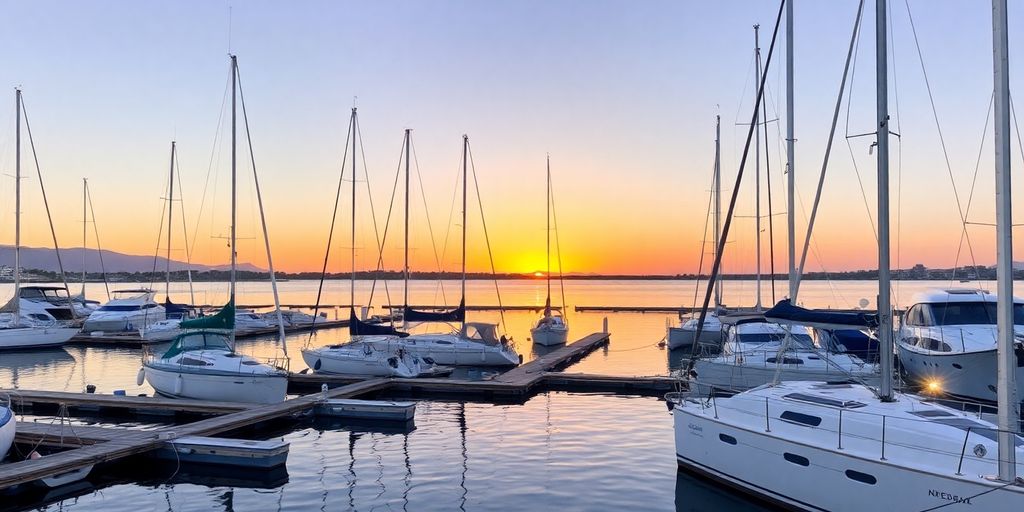
Understanding who has the right to use a mooring can be tricky. It’s not always as simple as "first come, first served." Mooring rights can be tied to property ownership, permits issued by local authorities, or membership in a yacht club. It’s important to know the rules before you tie up. Disputes over mooring rights can lead to some serious headaches, so doing your homework is key. For example, berth or mooring rentals are available for varying durations, from minutes to days, by oral agreement. The rental period is from June 1 to October 15, 2025.
- Check local harbor regulations.
- Confirm ownership or permit status.
- Document any agreements in writing.
It’s always a good idea to have a clear understanding of your rights and responsibilities when it comes to mooring use. This can save you a lot of trouble down the road.
Harbormaster and Yacht Club Regulations
Harbormasters and yacht clubs often have specific rules about mooring use. These regulations can cover everything from the size and type of boat allowed to moor, to restrictions on overnight stays, and even requirements for [mooring buoy maintenance]. These rules are in place to ensure safety, prevent overcrowding, and protect the environment. Ignoring them can result in fines, or even the loss of mooring privileges. Make sure you’re familiar with the local regulations before you drop anchor.
- Size and type of boat restrictions
- Restrictions on overnight stays
- Requirements for mooring maintenance
Liability and Responsibility
Mooring comes with responsibilities. If your mooring fails and causes damage to another boat, you could be held liable. Similarly, if someone is injured while using your mooring, you could also be responsible. It’s important to make sure your mooring is properly installed and maintained, and that you have adequate insurance coverage. Having the right insurance can protect you from financial ruin in the event of an accident.
- Regularly inspect your mooring.
- Maintain adequate insurance coverage.
- Understand your legal obligations.
It’s also worth noting that some states have recreational land-use immunity statutes that might offer some protection from liability if you open your property for public use. However, these statutes typically don’t excuse gross negligence or reckless behavior. Always check with local counsel prior to any mooring buoy project.
Cost of Mooring Rent and Ownership
Factors Affecting Mooring Rent
Mooring rent can fluctuate quite a bit depending on several things. Location is a big one; moorings in popular harbors or near major cities like New York Harbor tend to cost more. The amenities offered also play a role. Does the marina have dinghy docks, restrooms, or security? These will all increase the price. The size of your boat matters too – larger boats need more space and heavier-duty equipment, so expect to pay more. Finally, seasonal demand impacts pricing. Summer months usually see higher rates than the off-season.
- Location of the mooring
- Available amenities
- Boat size
- Seasonal demand
Comparing Rent Versus Ownership Costs
Deciding whether to rent a mooring or own one is a big decision. Renting is generally cheaper upfront. You pay a fee, and the marina takes care of maintenance. Owning, on the other hand, involves a larger initial investment. You’re responsible for mooring maintenance, including inspections and repairs. However, over the long term, owning can be more cost-effective, especially if mooring fees in your area are high and you plan to stay in the same location for many years. The break-even point depends on local rates and the lifespan of your mooring system.
It’s important to factor in the cost of permits, installation, and potential removal when considering ownership. These costs can add up quickly and should be carefully considered before making a decision.
Insurance Implications for Mooring
Insurance is another factor to consider. If you rent a mooring, the marina’s insurance typically covers the mooring itself. However, you’ll still need boat insurance to protect your vessel. If you own the mooring, you might need additional coverage to protect the mooring structure from damage or loss. Some insurance companies even offer lower rates for approved mooring systems. It’s a good idea to check with your insurance provider to understand your coverage options and ensure you’re adequately protected. Don’t forget to ask about liability coverage in case your mooring causes damage to another boat. It’s better to be safe than sorry!
| Coverage Type | Renter | Owner |
|---|---|---|
| Boat Insurance | Required | Required |
| Mooring Insurance | Typically covered by marina | May require additional coverage |
| Liability Coverage | Recommended | Recommended |
Environmental Impact and Sustainable Mooring
Protecting Marine Ecosystems
Boat anchors and chains can gouge into the seabed, harming corals, seagrass, and tiny bottom dwellers. Sediment gets stirred up, and water clarity drops—small damage, but it adds up fast in busy bays.
- Coral beds lose their home when anchors drag.
- Seagrass meadows break apart under repeated hits.
- Benthic creatures get buried or dislodged by shifting sand.
Healthy reefs need smart mooring choices.
Eco-Friendly Mooring Solutions
There’s been real progress in low-impact moorings that cut down on seabed damage. Take helical screw anchors and low-profile embedment types—they stay put and leave the bottom mostly undisturbed. Recent findings from Environmentally Friendly Mooring Research show these designs hold up well in storms, too.
| Mooring Type | Seabed Impact | Estimated Lifespan |
|---|---|---|
| Mushroom anchor | High | 10–15 years |
| Helical screw anchor | Low | 20+ years |
| Eco buoy with deadweight | Medium | 5–8 years |
- Helical anchors twist into the bottom, so they don’t drag.
- Embedment anchors have a slim profile and stay buried.
- Eco buoys use softer cables that cut down on chain scour.
Community Initiatives for Mooring Management
Local harbormasters, yacht clubs, and volunteer divers can team up to keep moorings in shape and guard fragile spots. Here’s how some marinas and groups pitch in:
- Map sensitive areas and set clear limits on buoy numbers.
- Run regular dive checks to spot worn chains or broken shackles.
- Rotate or remove moorings in overused patches to let life bounce back.
- Host workshops so boaters know why proper mooring matters.
Keeping our bays healthy isn’t a one-person job. When everyone—boaters, clubs, and agencies—shares the load, even small efforts add up to big wins.
By working together and choosing the right gear, we can cut down on damage and give marine life a fighting chance to recover.
Wrapping Things Up
So, we’ve gone over a lot about mooring rent. It’s not just about finding a spot for your boat; it’s about knowing what you’re getting into. Things like how long you can stay, what the rules are, and if the mooring is even safe. Remember, a cheap mooring might not be a good one, especially if it hasn’t been checked in a while. Always ask questions and try to find out who owns the mooring. If you can’t find the owner, it’s probably best to move on. Your boat’s safety is a big deal, and a little bit of planning can save you a lot of trouble later on. Happy boating!
Frequently Asked Questions
What exactly is mooring rent?
Mooring rent is simply the fee you pay to use a special spot in the water where your boat can stay put. Instead of dropping your own anchor, you tie your boat to a permanent setup that’s already there. Think of it like renting a parking space, but for your boat in the water.
What's a mooring system, anyway?
A mooring system is like a strong, underwater anchor setup that keeps boats safely in one place. It usually has a heavy weight on the seabed, a chain or rope connected to it, and a buoy floating on top. This buoy is what you tie your boat to.
How do I figure out who owns a mooring?
It’s super important to know who owns a mooring before you use it. Sometimes it’s a private person, a yacht club, or even the harbormaster. Using someone else’s mooring without asking is a big no-no, and you might get asked to leave, even in the middle of the night!
Are there different kinds of moorings?
There are different kinds! Some are traditional, like big concrete blocks or mushroom-shaped anchors. Others are newer, like screw-in anchors that twist deep into the seabed. There are even special ones designed to protect sensitive areas like coral reefs.
What goes into choosing and setting up a mooring?
Picking a good spot for a mooring means looking at things like how deep the water is, what the bottom of the sea is made of (mud, sand, rock?), and how much protection the spot offers from wind and waves. Installing one usually involves special equipment and often a diver to make sure it’s set up correctly and safely.
How do I make sure my mooring is safe?
Always check your mooring regularly for wear and tear, especially the ropes and chains underwater. If you’re using a mooring you don’t own, be careful! You don’t know how old it is or if it’s strong enough for your boat. It’s always safer to use a mooring you trust or to get permission from the owner.