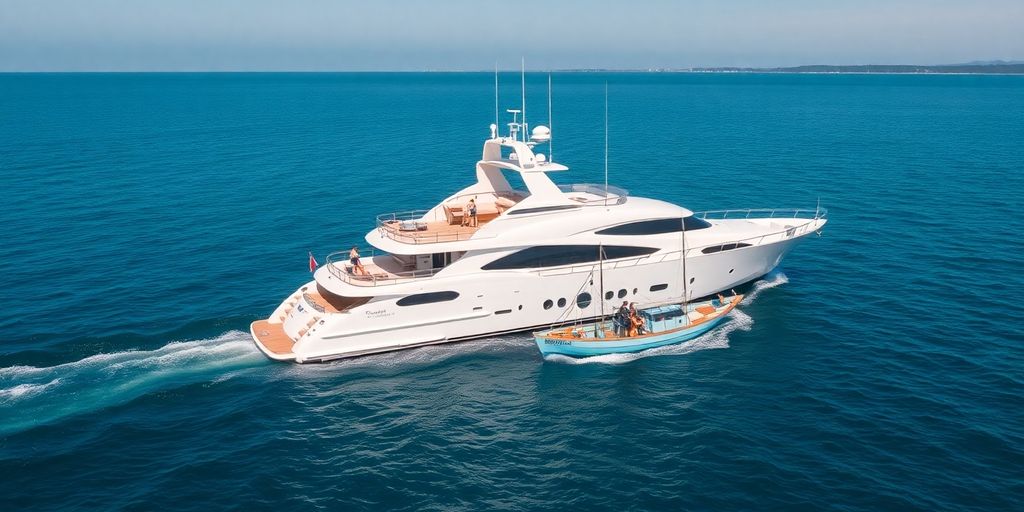
Ever wonder what makes a boat a yacht? It’s not always super clear, right? People use these words all the time, sometimes for the same thing. But there are actually some big differences between them. We’re going to break down what truly sets them apart, from their size and what they’re used for, to all the fancy stuff inside. Let’s figure out what makes a boat a yacht in today’s world.
Key Takeaways
- Yachts are generally bigger and more luxurious than regular boats, built for fun and relaxing.
- The change from a boat to a yacht often means going from something useful to something fancy.
- There’s no single worldwide rule for what counts as a yacht; it changes depending on where you are.
- Yachts usually have lots of cool tech for finding your way and can go pretty fast.
- Owning a yacht is more than just having a boat; it’s a whole way of life that’s pretty special.
What Defines a Yacht?
So, what actually makes a boat a yacht? It’s not just about size, though that’s a big part of it. It’s more about the whole package – what it’s used for, how fancy it is, and the lifestyle it represents. Let’s break it down.
Purpose and Function
Yachts are built for leisure, plain and simple. While a regular boat might be for fishing, transport, or even work, a yacht is all about recreation. It’s designed for pleasure cruising, entertaining, and enjoying life on the water. Think of it as a floating vacation home, equipped for relaxation and fun. It’s about the experience, not just getting from point A to point B.
Size and Luxury Amenities
Size definitely matters when we’re talking about yachts. While there’s no magic number, yachts are generally larger than your average boat. This extra space allows for more luxurious amenities. We’re talking multiple cabins, full kitchens (galleys, if you want to get nautical), spacious lounges, and maybe even a hot tub or two. It’s about comfort and style, with high-end finishes and top-of-the-line equipment. These luxury amenities are what set yachts apart.
Intended Use for Leisure
Yachts are all about leisure. It’s not just a boat; it’s a lifestyle. Think extended cruises, exploring exotic locations, and hosting parties on the water. It’s about freedom and adventure, with the ability to go wherever you want, whenever you want. The intended use is purely for enjoyment, making it a status symbol and a way to experience the world in style. It’s a celebration of the sea and the good life. The thrill of getting into yachting is a big part of the appeal.
The essence of a yacht goes beyond its physical attributes. It embodies a spirit of adventure, a love for the sea, and a desire for luxurious experiences. It’s about creating memories and enjoying the freedom that comes with owning a vessel capable of exploring the world’s oceans.
When Does a Boat Become a Yacht?
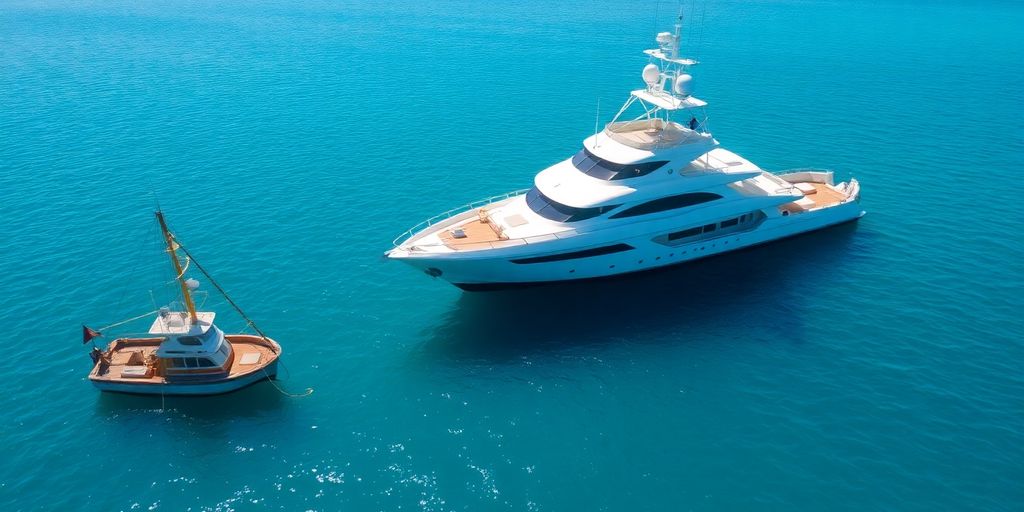
It’s a question that sparks debate among boating enthusiasts: at what point does a boat officially earn the title of "yacht"? It’s not just about size, though that’s a big part of it. It’s also about the level of luxury, the intended use, and even a bit of subjective feeling. The transformation from boat to yacht is, in essence, a transition from utility to luxury.
The Role of Size and Length
Size definitely matters. While there’s no universally agreed-upon length, a general rule of thumb is that a vessel needs to be at least 33 feet (10 meters) long to be considered a yacht. However, a 35-foot fishing boat, while technically meeting the length requirement, probably wouldn’t be called a yacht. It’s more than just the measurement; it’s about the overall impression and features. Think of it like this:
- Less than 25 feet: Typically considered a boat, often for fishing or short trips.
- 25-40 feet: Could be a small yacht, especially if well-appointed.
- 40 feet and up: Increasingly likely to be considered a yacht, especially with luxury features.
Transition from Utility to Luxury
This is where things get interesting. A basic boat is designed for a specific purpose, like fishing or transportation. A yacht, on the other hand, is designed for leisure and luxury. This means features like comfortable cabins, a well-equipped kitchen (galley), bathrooms (heads), and entertainment systems. The interior finishes are typically higher-end, with nicer materials and more attention to detail. It’s about creating a comfortable and enjoyable experience on the water. If you’re looking to get into yachting, you’ll quickly notice the difference in amenities compared to a standard boat.
U.S. Coast Guard Guidelines
In the United States, the U.S. Coast Guard has guidelines for classifying vessels based on length, which can offer some insight, even though they don’t explicitly define "yacht." These guidelines are primarily for safety and regulatory purposes, but they do provide a framework for understanding size categories. These categorizations are based on length, and they can provide a rough map of the journey from boat to yacht:
- Class A (Less than 16 feet): These are generally small boats used for fishing, water skiing, or short day trips. Practicality outweighs luxury.
- Class 1 (16 feet to less than 26 feet): These boats may have some yacht-like features, such as comfortable seating or sleeping arrangements, but are still relatively modest in size.
- Class 2 (26 feet to less than 40 feet): This is where the line starts to blur. Boats in this range can be considered small yachts, especially if they have luxury amenities.
- Class 3 (40 feet to not more than 65 feet): Vessels in this class are generally considered yachts, especially with luxury features and accommodations.
Ultimately, the distinction between a boat and a yacht is somewhat subjective. It depends on a combination of factors, including size, features, intended use, and even personal perception. While there are guidelines and common understandings, there’s no single, definitive answer. It’s more of a feeling than a hard-and-fast rule.
Distinguishing Features: What Makes a Boat a Yacht?
Advanced Navigation Systems
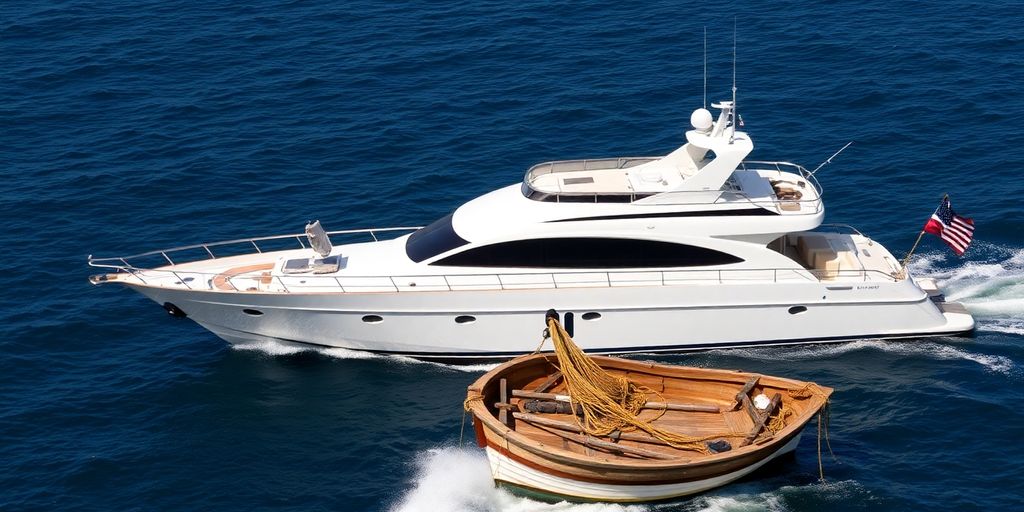
Yachts go way beyond your basic GPS. We’re talking sophisticated, integrated systems that can handle pretty much anything the ocean throws at them. Think radar, sonar, advanced charting, and communication setups that keep you connected no matter where you are. It’s like having a mini-mission control center right on board. These systems aren’t just for show; they’re about safety, efficiency, and making sure you can actually enjoy your time on the water. It’s a big step up from the simple boat navigation tools you’d find on a smaller vessel.
Speed and Performance Capabilities
It’s not just about getting from point A to point B; it’s about how you get there. Yachts often boast powerful engines and finely tuned hulls designed for both speed and stability. Whether it’s a sleek motor yacht or a high-performance sailing yacht, the emphasis is on delivering a smooth, exhilarating ride. They’re built to handle open water and long voyages, making them more than just weekend cruisers. The ability to cover distances quickly and comfortably is a key differentiator.
Crew and Passenger Accommodations
One of the biggest differences between a boat and a yacht is the level of comfort and service. Yachts are designed to accommodate not just passengers, but also a dedicated crew. This means separate quarters for the captain, engineers, chefs, and other staff, ensuring that guests can relax and enjoy a truly pampered experience. The layout is carefully planned to maximize privacy and comfort for everyone on board. Think multiple staterooms, spacious lounges, gourmet kitchens, and maybe even a gym or a cinema. It’s like a floating luxury hotel, where every need is catered to.
Having a crew onboard changes the whole dynamic. It’s not just about operating the vessel; it’s about providing a high level of service and hospitality. The crew takes care of everything from navigation and maintenance to cooking and cleaning, allowing the owner and guests to simply relax and enjoy the experience. It’s a significant investment, but it’s also what elevates a yacht to a truly luxurious level.
Legal Classifications and Regional Variations
Absence of International Maritime Law Definition
Okay, so here’s the deal: there’s no single, worldwide law that says, "This is exactly what a yacht is." It’s kind of a free-for-all. This lack of a universal definition means things get interesting (and sometimes confusing) when you cross borders. Different countries have different ideas, which can affect everything from registration to taxes.
Influence of Size, Purpose, and Registration
What makes a yacht a yacht often boils down to a mix of things. Size definitely matters – a rowboat isn’t going to cut it. The intended purpose plays a role too; is it for fancy vacations, or hauling cargo? And how the vessel is registered can also influence its classification. For example:
- A boat used primarily for commercial purposes might be subject to different rules than one used for private leisure.
- Registration in certain countries can offer tax advantages, but might also come with stricter regulations.
- Size thresholds can trigger different safety requirements and crew qualifications.
Varying Global Regulations
Because there’s no universal standard, yacht regulations can change a lot depending on where you are. What’s okay in the Mediterranean might not fly in the Caribbean. This is why it’s super important to know the rules of the road (or, you know, the sea) in the specific areas you plan to sail. Getting caught out can lead to fines, delays, or even having your boat license revoked.
Think of it like this: driving laws change from state to state. You can’t just assume what’s legal in Florida is also legal in California. Same goes for yachts, but on a much bigger, more expensive scale. Always do your homework!
The Essence of Yachting: Beyond Measurements
Spirit of Luxury and Adventure
Yachting isn’t just about the boat itself; it’s about the feeling it gives you. It’s the freedom of the open water, the thrill of exploring new places, and the pure joy of being surrounded by luxury. It’s a lifestyle that blends high-end comfort with the excitement of discovery. Think of it as your own private island, capable of taking you anywhere you want to go. It’s about creating memories that last a lifetime, whether you’re hosting a party under the stars or simply enjoying a quiet sunset at sea. It’s more than just owning a vessel; it’s embracing a world of possibilities.
Celebration of the Sea's Allure
The ocean has always held a certain magic, and yachting allows you to experience it in a way that few others can. It’s about connecting with nature, feeling the spray of the waves, and witnessing the incredible beauty of the marine world. It’s about escaping the everyday and immersing yourself in the tranquility of the sea. You can explore hidden coves, discover secluded beaches, and witness breathtaking sunsets that paint the sky with vibrant colors. It’s a chance to disconnect from the hustle and bustle of modern life and reconnect with the natural world. The allure of the sea is undeniable, and yachting is the perfect way to celebrate it. The yacht charter season is a great time to experience this.
Joy of Life Afloat
Ultimately, yachting is about the simple pleasure of being on the water. It’s about the feeling of the sun on your skin, the wind in your hair, and the gentle rocking of the boat. It’s about sharing special moments with friends and family, creating memories that will last a lifetime. It’s about escaping the ordinary and embracing a life of adventure and luxury. It’s about the freedom to explore, the opportunity to relax, and the chance to create your own unique experiences. It’s a celebration of life, lived to the fullest, surrounded by the beauty and tranquility of the sea. It’s about the bespoke luxury travel that only a yacht can provide.
Owning a yacht is more than just owning a boat; it’s about embracing a lifestyle. It’s about freedom, adventure, and the joy of being on the water. It’s about creating memories that will last a lifetime and experiencing the world in a way that few others can.
Investment and Lifestyle of Yacht Ownership
Potential for Appreciation
Okay, so let’s talk money. Yachts aren’t exactly cheap, but hear me out. Some high-end yachts, especially the really big ones, can actually go up in value over time. It’s not a guarantee, of course, but if you pick the right one and take good care of it, you might see a return on your investment. Think of it as a floating piece of art that you can also take on vacation. It’s definitely something to consider, especially when you compare it to other luxury items that just depreciate the second you buy them. You can also look into Seafarers Earnings Deduction if you are a UK resident.
Immersion in Opulence and Freedom
Owning a yacht is more than just having a fancy boat; it’s a whole lifestyle. It’s about the freedom to go wherever you want, whenever you want. Imagine waking up in a secluded cove, far away from the crowds, with nothing but the sound of the waves. It’s about the luxury of having your own private space on the water, where you can relax and unwind in style. Think gourmet meals prepared by a private chef, spacious cabins with all the amenities, and breathtaking views from every window. It’s a chance to escape the everyday and immerse yourself in a world of opulence and freedom.
Gateway to Extraordinary Experiences
Owning a yacht opens doors to experiences you simply can’t have any other way. Want to explore remote islands? No problem. Dream of swimming in crystal-clear waters? Just drop anchor. Fancy a sunset cruise with friends and family? The possibilities are endless. It’s a chance to create memories that will last a lifetime, whether you’re exploring uncharted waters, hosting a lavish party, or simply enjoying a quiet moment alone on the deck. It’s a gateway to a world of adventure and luxury, all wrapped up in one amazing package.
It’s not just about the money or the luxury; it’s about the feeling of being connected to the sea, the thrill of exploration, and the joy of sharing those experiences with the people you love. It’s a lifestyle that’s hard to describe, but once you’ve experienced it, you’ll never want to go back.
Comparing Yachts to Other Vessels
It’s easy to get confused with all the nautical terms out there. What’s a boat? What’s a yacht? And how does a ship fit into all of this? Let’s break down the differences between yachts and other vessels, focusing on their purpose, size, and overall function.
Yacht Versus Ship: Purpose and Size
The primary difference between a yacht and a ship lies in their intended use. Ships are workhorses of the sea, designed for commercial, military, or scientific purposes. Think cargo transport, research expeditions, or naval operations. Yachts, on the other hand, are all about leisure and luxury. They’re crafted for comfort, relaxation, and memorable experiences on the water.
Ships are generally much larger than yachts. Their size allows them to carry substantial cargo, accommodate scientific equipment, or house military hardware. They often require professional crews to manage their complex operations. Yachts are comparatively smaller, designed to be handled by a smaller crew or even a single person. This size difference highlights the emphasis on intimacy and personalized experiences in yachting. For example, ship sizes are typically much larger than yachts.
Yacht Versus Boat: General Distinctions
So, what about the difference between a yacht and a boat? This is where things get a little trickier. Generally, boats are smaller vessels used for various purposes, including fishing, watersports, or transportation. They come in many sizes and styles, from small dinghies to larger fishing vessels. Boats are often more utilitarian in design and built for specific tasks or activities. A boat repair might be needed for general maintenance.
Here’s a quick comparison:
- Size: Yachts are typically larger than boats. While there’s no strict cutoff, yachts generally start around 35 feet in length and can extend well over 100 feet.
- Luxury: Yachts are designed with luxury and comfort in mind, featuring amenities like spacious cabins, gourmet kitchens, and entertainment systems. Boats are often more basic in their accommodations.
- Purpose: Yachts are primarily used for recreational cruising and entertaining, while boats can serve a wider range of purposes, including fishing, watersports, and transportation.
The waters of categorization aren’t always clear. Different regions might have their own criteria for distinguishing boats from yachts. Regulations and classifications can vary significantly, making the transition even more fluid. Ultimately, what truly defines a yacht transcends mere measurements. It’s the spirit of luxury, adventure, and leisure on the water.
Understanding Nautical Terminology
Navigating the world of nautical terminology can be confusing. Here are a few key terms to help you understand the distinctions between different types of vessels:
- Vessel: A general term for any watercraft used for transportation.
- Boat: A smaller vessel used for various purposes.
- Yacht: A larger, more luxurious vessel used for recreational cruising.
- Ship: A large, ocean-going vessel used for commercial, military, or scientific purposes.
- Superyacht/Megayacht: An exceptionally large and luxurious yacht, typically over 80 feet in length. These often require a dedicated crew to manage the vessel.
Understanding these terms can help you better appreciate the nuances of the maritime world and the distinctions between different types of vessels.
Conclusion
So, what’s the real deal with boats and yachts? It’s not always super clear, right? But one thing’s for sure: getting out on the water, whether it’s a small boat or a huge yacht, is just awesome. There’s something special about being out there, feeling the sun, and just relaxing. It doesn’t matter if you’re dreaming of a little sailboat for weekend trips or a massive yacht to travel the world, the pull of the water is strong. That feeling of being on the water, no matter the size of your ride, is something you’ll always remember.
Frequently Asked Questions
What exactly makes a yacht a yacht?
A yacht is usually a bigger, fancier boat used for fun, like going on trips or racing. It often has comfy rooms, a kitchen, and bathrooms. Yachts are built for longer journeys and have good navigation tools. They’re also seen as a sign of wealth.
How is a yacht different from a ship?
The main difference is their use. Ships are for work, like carrying goods or people, or for military use. Yachts are for fun, relaxation, and luxury trips. Ships are almost always much bigger than yachts.
Is there a specific size that makes a boat a yacht?
There’s no single, worldwide rule for when a boat becomes a yacht. It often depends on its size, what it’s used for, and where it’s registered. Generally, larger boats used for pleasure are called yachts.
Are there any official rules about boat vs. yacht in the U.S.?
Yes, the U.S. Coast Guard has some guidelines based on length. Boats under 15 feet are usually just ‘boats.’ Between 15 and 25 feet, they might be called ‘small yachts’ or ‘tenders.’ Over 25 feet, and especially over 75 feet, they are definitely considered yachts, with bigger ones called ‘superyachts’ or ‘megayachts.’
What special features do yachts have that boats might not?
Yachts often have advanced navigation systems like GPS and radar, and they are usually built to go faster than most regular boats. They also tend to have more space and better living areas for passengers and crew.
What's the big deal about owning a yacht?
Owning a yacht is more than just having a boat; it’s about a lifestyle of luxury, adventure, and freedom on the water. It’s a way to explore new places, enjoy privacy, and create special memories.