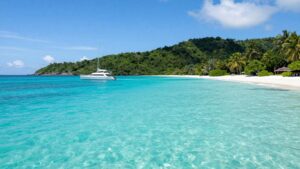
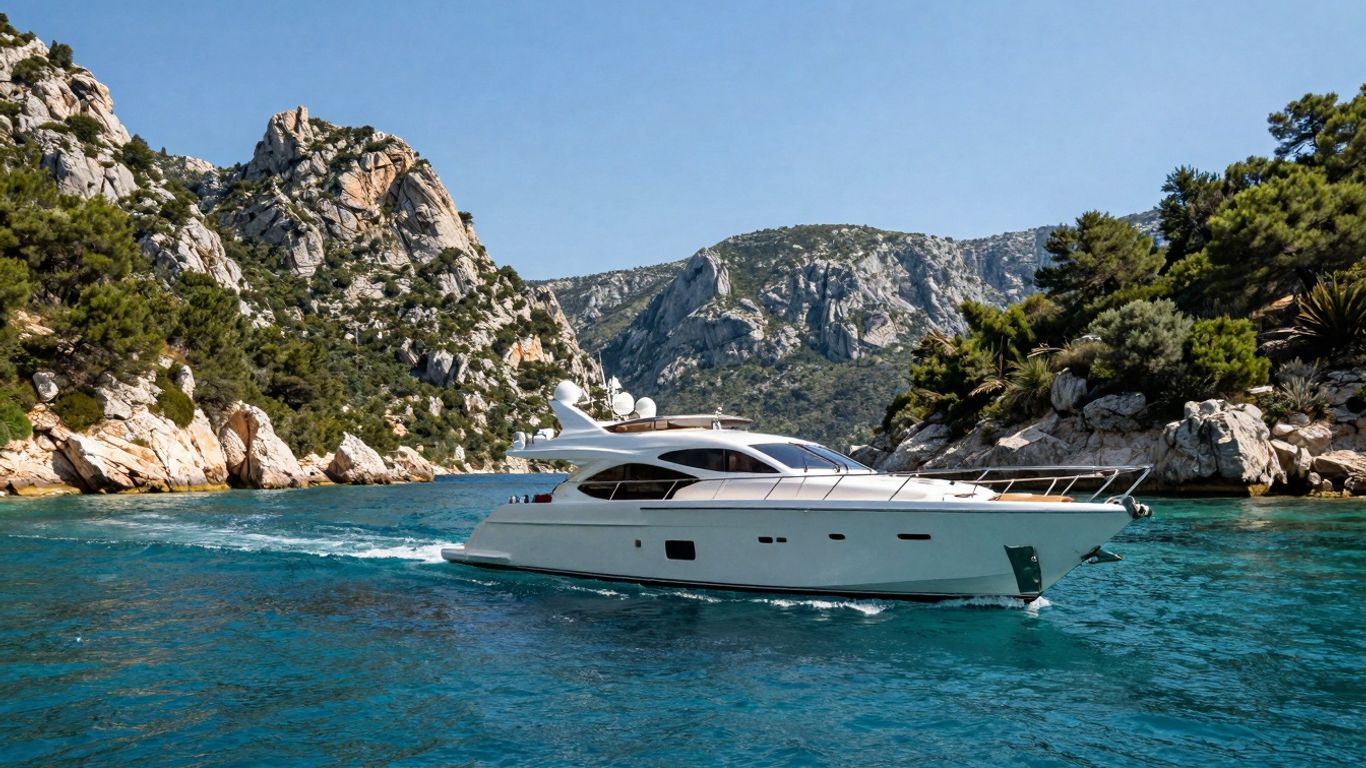
So, you’re thinking about a bareboat yacht charter Croatia trip? Awesome choice! Croatia’s coast is just stunning, with all those islands and clear blue water. It’s like a postcard everywhere you look. Planning a sailing trip like this can seem a bit much at first, but honestly, it’s totally doable. This guide is here to break it all down for you, from picking the right boat to finding the best spots to drop anchor. We’ll cover everything you need to know to make your bareboat yacht charter Croatia adventure a total dream.
Key Takeaways
- A bareboat yacht charter Croatia means you’re in charge of the boat, perfect for experienced sailors who want total freedom.
- Make sure you have the right sailing licenses and certifications before you book your bareboat yacht charter Croatia.
- Choosing between a sailboat, catamaran, or motor yacht depends on your group size, comfort needs, and how fast you want to travel on your bareboat yacht charter Croatia.
- Budgeting for your bareboat yacht charter Croatia involves the boat rental plus extras like mooring fees, fuel, and food.
- Booking your bareboat yacht charter Croatia well in advance, especially for peak season, is a smart move to get the best boats and prices.
Understanding Your Bareboat Charter Croatia Options
So, you’re thinking about a bareboat charter in Croatia? Awesome choice! It’s like having your own floating hotel, but with way better views and the freedom to go wherever the wind (or your mood) takes you. But before you start dreaming of hidden coves and crystal-clear waters, let’s break down what’s actually involved.
Types of Yacht Charters Available
When you’re looking at boats, you’ll see a few main types. Each one gives you a different vibe for your trip.
- Sailing Yachts (Monohulls): These are your classic sailboats. If you love the feel of the wind in the sails and a more traditional sailing experience, this is it. They’re usually a bit more budget-friendly and great for smaller groups who want to really feel like they’re sailing.
- Catamarans: Think of these as the spacious, stable option. With two hulls, they offer a lot more room, both on deck and below. They don’t heel over as much as monohulls, which is nice if you’re worried about seasickness or have a family with kids. Plus, their shallow draft means you can get into some pretty sweet, secluded spots.
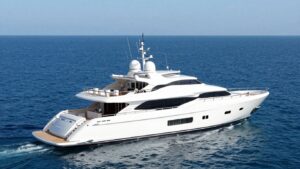
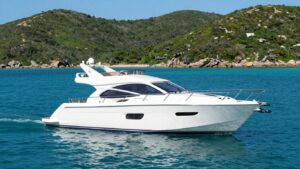
- Motor Yachts: Want to cover more ground and do it faster? A motor yacht is your ticket. They’re all about speed and comfort, letting you hop between islands without waiting for the wind. Just keep in mind that fuel costs can add up.
Bareboat vs. Skippered Charters
This is a big one: do you want to be the captain, or have someone else handle the helm?
- Bareboat: This is what we’re talking about – you rent the boat, and you’re in charge. This option is for experienced sailors who have the proper licenses and feel confident handling a boat on their own. It gives you total freedom and can save you money since you’re not paying for a skipper.
- Skippered: If you’re new to sailing, don’t have the required licenses, or just want to relax and let someone else worry about the charts and docking, a skippered charter is the way to go. The skipper is a local expert who knows all the best spots and can even share some cool stories.
Choosing the Right Charter Company
Not all charter companies are created equal. Picking a good one makes a huge difference.
- Check their fleet: Are the boats well-maintained? Are they relatively new? A modern boat is usually more reliable and comfortable.
- Read reviews: What do other people say about their experience? Look for comments on customer service, boat condition, and how smoothly the booking and check-in process went.
- Ask about what’s included: Make sure you know exactly what you’re paying for. Are cleaning fees extra? What about things like dinghies or outboard motors?
Picking the right boat and company is the first step to a fantastic Croatian adventure. Don’t rush this part; a little research now means a lot less stress later. It’s all about finding the perfect fit for your crew and your sailing dreams.
Planning Your Bareboat Yacht Charter Croatia Adventure
Getting ready for your bareboat charter in Croatia means thinking ahead. It’s not just about picking a boat; it’s about making sure you’re all set to sail smoothly. This part is all about the practical stuff so you can focus on the fun.
Best Time to Sail the Adriatic
When you decide to go makes a big difference. The Adriatic coast of Croatia is beautiful for a long stretch of the year, but some times are better than others depending on what you’re looking for.
- May to October: This is generally considered the prime sailing season. The weather is usually warm and sunny, perfect for swimming and exploring.
- June to August: This is peak season. Expect the warmest temperatures and the liveliest atmosphere in the coastal towns. It’s also the busiest, so marinas can be crowded and prices might be higher.
- May, September, and October: These shoulder months offer a great balance. The weather is still pleasant, but there are fewer crowds, and you might find better deals on charters and accommodations. The sea is still warm enough for swimming in September and early October.
The shoulder seasons, like May and September, often provide the sweet spot for sailing in Croatia. You get lovely weather without the intense summer crowds, making for a more relaxed experience.
Licensing Requirements for Bareboat Charters
This is a big one. Croatia, like most European countries, has rules about who can skipper a boat. You’ll need to prove you know what you’re doing.
- Sailing License: You’ll need a recognized sailing license. The most common one accepted is the International Certificate of Competence (ICC). If you have a national license from certain countries (like the RYA Day Skipper from the UK), it might also be accepted. Always check with your charter company beforehand to be sure your license is valid.
- VHF Radio Operator’s Certificate: This is usually required. It shows you know how to use the marine radio for communication, which is important for safety, especially when docking or in busy shipping lanes.
Don’t have the right papers? Some companies might let you hire a skipper, which takes the pressure off you and lets you enjoy the scenery. But if you want to be in charge, make sure your paperwork is in order well before your trip.
Selecting the Ideal Yacht for Your Trip
Choosing the right boat is key to your comfort and enjoyment. Think about how many people are going, your sailing experience, and what kind of trip you envision.
- Sailing Yachts: These are your classic sailboats. They offer a true sailing feel, powered by the wind. Good for smaller groups or couples who enjoy the traditional sailing experience.
- Catamarans: These have two hulls, which means they’re more stable and offer a lot more space, both on deck and below. They also have a shallower draft, letting you get into coves that larger boats can’t reach. Great for families or groups who want extra comfort and room.
- Motor Yachts: If speed and covering distance are your priorities, a motor yacht might be the way to go. They let you hop between islands quickly, giving you more time to explore different spots.
Consider the size of your group, how much luggage you’ll have, and the type of sailing you plan to do. A bigger boat isn’t always better if you’re just a couple and plan to stick to sheltered bays. It’s a balance between space, performance, and ease of handling.
Crafting Your Dream Bareboat Yacht Charter Croatia Itinerary
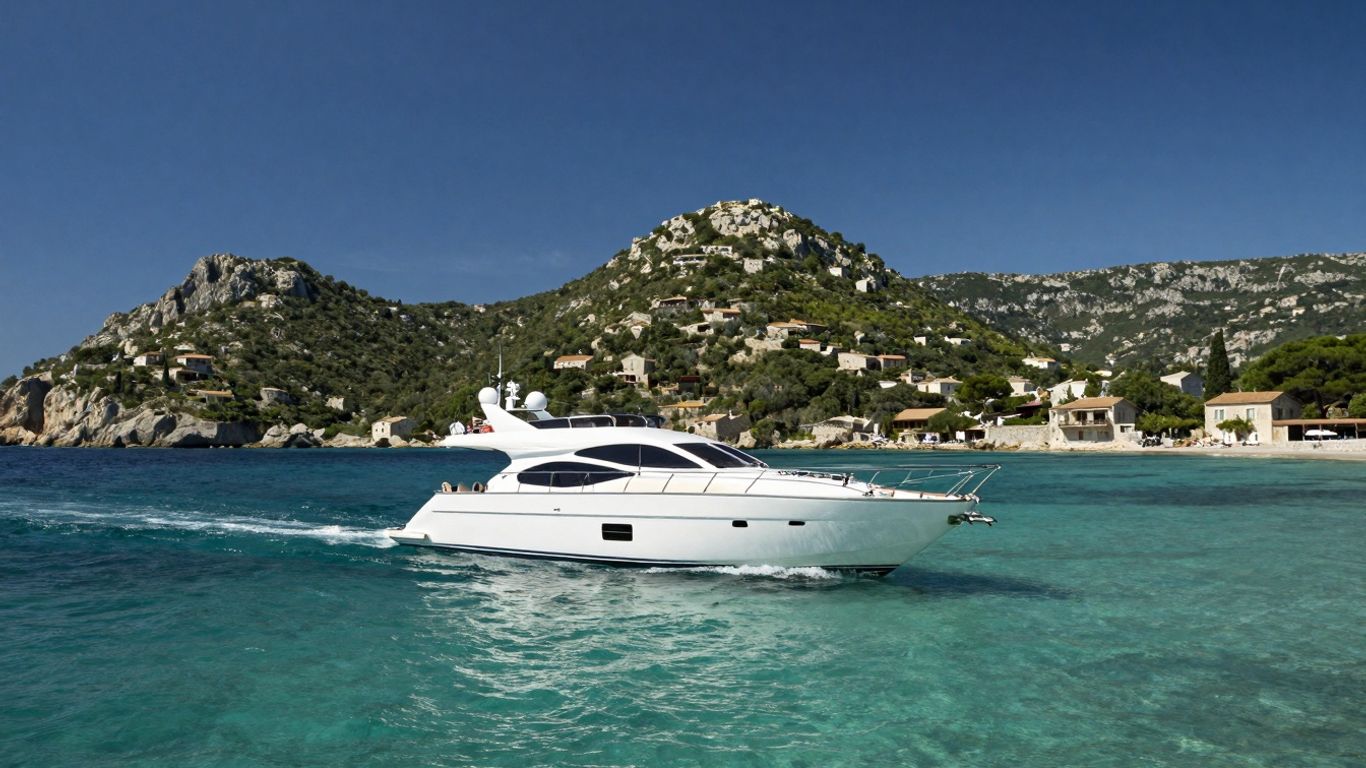
So, you’ve got your yacht sorted and your license is in order. Now comes the really fun part: figuring out where you’re actually going to sail! Croatia, with its thousands of islands and stunning coastline, offers a dizzying array of possibilities. The key is to create an itinerary that balances discovery with relaxation, making sure you see the highlights without feeling rushed.
Popular Sailing Routes in Croatia
While you have total freedom on a bareboat charter, having a general idea of popular routes can be super helpful. These routes often connect major hubs and offer a good mix of experiences. Think of them as starting points you can totally customize.
- Southern Dalmatia: Often starts from Dubrovnik or Split, heading south towards islands like Mljet, Korčula, and Lastovo. This route is fantastic for history buffs and those who love exploring charming old towns and quiet bays.
- Central Dalmatia: Typically based out of Split or Trogir, this is probably the most popular area. It includes the famous islands of Hvar, Brač, Vis, and the Kornati National Park. It’s a great mix of lively towns, beautiful beaches, and incredible natural scenery.
- Northern Dalmatia: Based around Zadar, this route takes you to the Kornati Islands (if you didn’t do them from Split), Dugi Otok, and the islands further north. It’s generally a bit quieter than the central routes and offers a more rugged, natural experience.
Must-Visit Islands and Coastal Towns
Croatia isn’t short on beautiful spots, but some places just really stand out. Here are a few you might want to pencil into your plan:
- Hvar: Known for its glamorous vibe, lavender fields, and buzzing nightlife, but also has quiet coves and historic sites.
- Korčula: Often called "Little Dubrovnik" for its walled old town. It’s famous for its wine and has a more laid-back feel than Hvar.
- Vis: The furthest inhabited island from the mainland, Vis was a military base for decades, which means it’s less developed and offers a more authentic, untouched feel. Think stunning beaches and delicious seafood.
- Mljet National Park: This island is mostly covered by a national park with two saltwater lakes. It’s perfect for a day of swimming, kayaking, and exploring nature.
- Dubrovnik: While you might not want to spend your whole trip here due to crowds, seeing the "Pearl of the Adriatic" from the water is a must. You can anchor nearby and take a water taxi in.
- Split: Home to the incredible Diocletian’s Palace, it’s a vibrant city that’s a great starting or ending point for many charters.
Balancing Relaxation and Exploration
It’s easy to get caught up in ticking off destinations, but remember, this is your vacation! Don’t overschedule yourself. A good itinerary allows for spontaneous stops and plenty of downtime.
A common mistake is trying to see too much in too little time. Croatia’s beauty is often found in its quiet moments – a leisurely lunch at anchor, a swim in a secluded bay, or watching the sunset from the deck. Build in buffer days and don’t be afraid to change your plan if you find a spot you love or the weather calls for a change of pace.
Here’s a way to think about structuring your days:
- Morning: Enjoy a relaxed breakfast on board, perhaps a swim in a calm bay. Then, set sail for your next destination, aiming to arrive before lunch.
- Afternoon: Explore your new location. This could mean wandering through a town, hiking to a viewpoint, or simply finding a nice spot to anchor and relax.
- Evening: Enjoy dinner ashore at a local konoba (tavern) or prepare a meal on the boat. Watch the stars come out – the night sky at sea is something else!
Remember, the best itinerary is one that feels right for you and your crew. Don’t be afraid to go off the beaten path and discover your own hidden gems!
Budgeting for Your Bareboat Yacht Charter Croatia
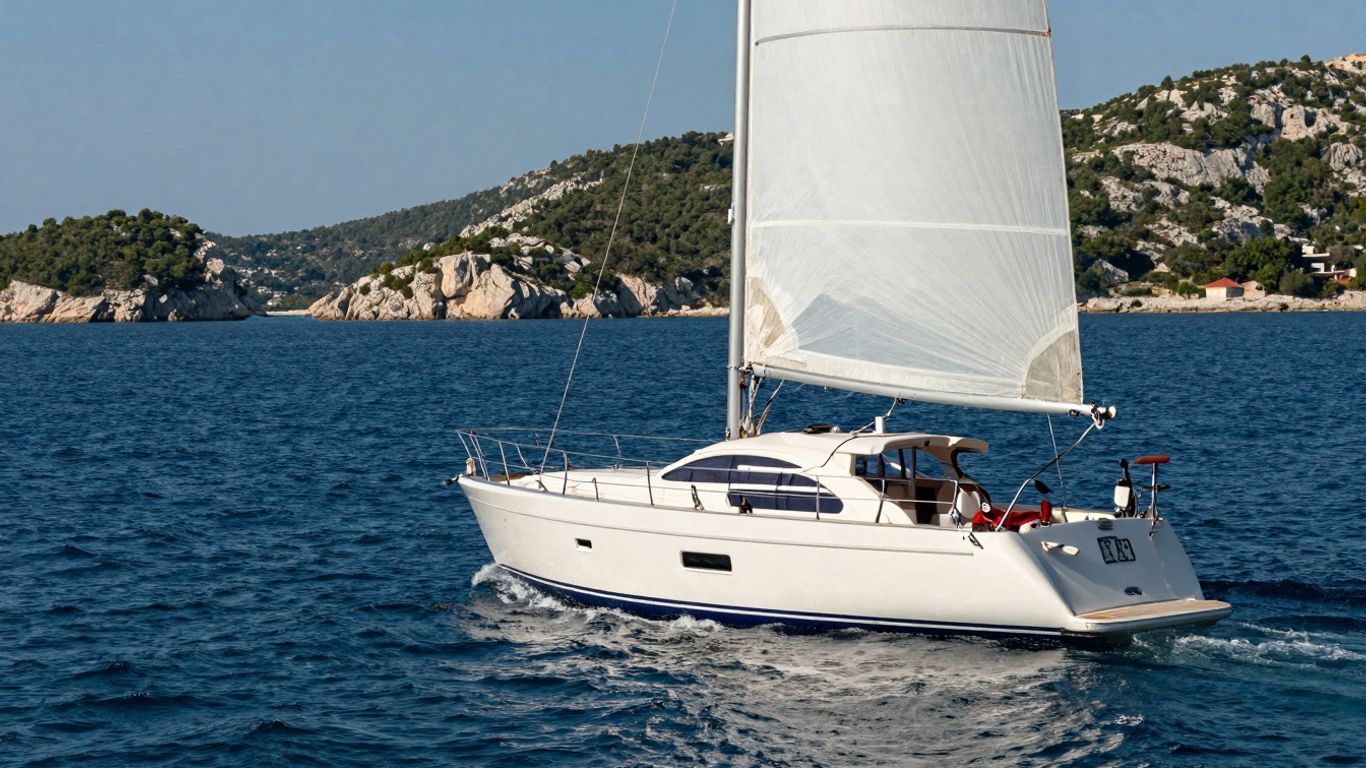
Alright, let’s talk money. Planning a bareboat charter in Croatia is exciting, but you’ve gotta have a handle on the costs so you don’t get any nasty surprises. It’s not just about the boat itself; there are a bunch of other things that add up.
Understanding Base Rental Costs
This is the big one, the price you see advertised for the boat itself. It really depends on what you’re sailing on and when. A smaller, older sailboat will be way cheaper than a brand-new, big catamaran. And if you’re thinking about sailing in July or August, expect those prices to be higher because it’s peak season. You’re basically renting the boat for a week, usually from Saturday to Saturday.
Here’s a rough idea of what you might see, but remember, these are just ballpark figures:
| Yacht Type | Estimated Weekly Rental (USD) |
|---|---|
| Small Monohull | $2,500 – $4,500 |
| Medium Monohull | $4,000 – $7,000 |
| Small Catamaran | $5,000 – $9,000 |
| Large Catamaran | $8,000 – $15,000+ |
| Motor Yacht | $6,000 – $20,000+ |
Accounting for Mandatory and Variable Expenses
Beyond the base rental, there are costs you absolutely have to pay, and others that can change depending on how you sail. You’ll usually see these broken down by the charter company.
Mandatory Extras:
- Final Cleaning Fee: Most companies charge a fee to clean the boat after you leave. This can be anywhere from $150 to $400, depending on the boat’s size.
- Tourist Tax: Croatia has a tourist tax for everyone on board. It’s usually a few euros per person per day.
- Security Deposit: This is a big one. You’ll pay a deposit (often $2,000-$5,000 or more) that you get back if you return the boat without any damage. Some companies let you pay a smaller, non-refundable fee for "damage waiver" insurance instead.
Variable Costs:
- Fuel: You’ll pay for the fuel you use. This can add up, especially if you’re using the engine a lot or on a motor yacht.
- Mooring Fees: If you stay in marinas or at designated buoys overnight, you’ll pay for that. Prices vary wildly, from $50 a night in a smaller port to $200+ in popular spots.
- Provisions: This is your food and drinks. You can buy them yourself or sometimes arrange for a provisioning service.
- Optional Skipper: If you decide you want a skipper after all, that’s an extra cost, usually around $150-$200 per day.
Think of the base rental as just the ticket to get on the water. All the other bits and pieces are what make the trip happen and keep it running smoothly. It’s wise to add at least 20-30% on top of the base rental for these other expenses.
Tips for Cost-Effective Provisioning
Feeding everyone on board can get expensive fast. Here are some ways to keep those costs down:
- Shop Smart: Hit up local markets and supermarkets before you leave the main port. Prices can be higher on smaller islands.
- Plan Your Meals: Don’t just buy random stuff. Plan out your breakfasts, lunches, and dinners for the week. This stops you from overbuying and wasting food.
- Embrace Simple Meals: You don’t need gourmet meals every night. Think pasta, grilled fish, big salads. They’re easy to make on a boat and don’t break the bank.
- BYOB (Bring Your Own Beverages): Alcohol, especially wine and spirits, can be pricey on the islands. If you enjoy a drink, consider bringing some from home or buying it at a larger supermarket before you depart.
- Pack Snacks: Having plenty of snacks on hand means you won’t be tempted to buy expensive treats every time you stop somewhere.
Maximizing Your Bareboat Yacht Charter Croatia Experience
So, you’ve got your yacht, your crew, and a rough idea of where you’re headed. Now, let’s talk about making this trip truly shine. It’s all about the little things that make a big difference, from knowing where to drop anchor to understanding local vibes. Paying attention to these details will turn a good trip into an unforgettable adventure.
Expert Tips for Navigating Croatian Waters
Sailing Croatia is pretty sweet, but there are definitely some tricks to the trade. For starters, popular spots can get crowded, especially in July and August. If you’re aiming for a quiet anchorage on one of the famous Dalmatian islands, try to get there before 2 PM. This gives you a better shot at snagging a good spot before everyone else arrives. Also, always double-check your anchor is holding well, especially if the wind picks up. Sometimes, using a stern anchor or mooring lines to the shore in tighter bays can be a lifesaver, giving you more control and peace of mind.
Cultural Etiquette and Local Customs
When you’re sailing around Croatia, it’s good to know a few things about fitting in. People generally appreciate it if you try a few basic Croatian phrases, even just a ‘Dobar dan’ (Good day) or ‘Hvala’ (Thank you). Most places are pretty relaxed, but remember that between 10 PM and 8 AM, many smaller harbors observe quiet hours. It’s just common courtesy. And if you’re visiting churches or historical sites, dressing a bit more modestly – covering shoulders and knees – is always a good idea. Tipping around 10-15% for good service at restaurants is pretty standard.
Essential Provisioning and Anchoring Advice
Getting your provisions sorted is key to a smooth trip. While you can buy things on most islands, stocking up in larger coastal towns like Split or Zadar before you set off will give you more options and often better prices. Don’t forget to check out the local markets for fresh produce – it makes a huge difference! Always carry a bit more water than you think you’ll need, too. When it comes to anchoring, besides getting to popular spots early, pay attention to the seabed. You want to anchor in sand or good weed for the best hold. If you’re in a tight spot, using shore lines can be a smart move. And always, always check the weather forecast before you set sail for the day.
Booking Your Bareboat Yacht Charter Croatia
Alright, so you’ve picked your yacht, planned your route, and you’re practically tasting the salty air. Now comes the part where you actually make it happen: booking. It sounds simple enough, but there are a few things to keep in mind to make sure you snag the boat you want without any last-minute headaches.
Choosing a Reputable Charter Provider
This is a big one. You don’t want to show up and find out your "modern fleet" is actually a bit tired, or that the "transparent pricing" suddenly has a bunch of hidden fees. Look for companies that have been around a while and have good reviews. Think about it like picking a hotel – you want to know others had a good experience. A company with a modern fleet, say boats under five years old, is usually a good sign. Also, check if they’re responsive when you ask questions. If they’re slow to reply now, imagine trying to get help when you’re actually out on the water.
- Modern Fleet: Look for boats that aren’t too old. A newer boat often means better maintenance.
- Positive Reviews: See what other sailors are saying about their experiences.
- Responsive Service: Do they answer your questions quickly and clearly?
- Transparent Pricing: Make sure you understand all the costs upfront.
The Booking Process and Required Documentation
Once you’ve found your provider, the booking process usually follows a pattern. You’ll typically need to put down a deposit to secure your dates and boat. Then, as your charter date gets closer, you’ll need to provide some paperwork. This is mostly to make sure you’re qualified to handle the boat yourself.
Here’s a general rundown of what you might need:
- Sailing Certificates: Your proof that you know how to sail! This could be an International Certificate of Competence (ICC) or a similar recognized license. Don’t forget your VHF radio operator’s certificate either; that’s usually a must.
- Passport Copies: Standard stuff for identification.
- Crew List: Details about everyone who will be on board.
- Insurance Papers: Sometimes required, depending on the company and your own insurance.
It’s always best to ask your charter company exactly what they need well in advance. Don’t wait until the last minute to dig out old certificates!
Understanding Payment Timelines and Deposits
Money talks, and when it comes to chartering, timing is everything. You’ll usually pay a deposit when you book – think somewhere between 30% to 50% of the total cost. This locks in your boat and dates. The rest of the payment is typically due a few weeks before your charter begins, often around 4 to 6 weeks out.
There’s also the security deposit. This is a separate amount, usually paid just before you pick up the boat, and it’s refundable if everything goes smoothly. It covers any potential damage that might happen during your trip. Some companies might offer an insurance option instead of a large cash deposit, which can be a good way to go if you want to reduce your upfront cash outlay.
Booking early, especially for peak season (June to August), is highly recommended. Popular boats and dates get snapped up fast, sometimes a year in advance. Waiting too long could mean settling for a less-than-ideal boat or even missing out entirely.
So, get your paperwork in order, understand the payment schedule, and you’ll be well on your way to that dream Croatian sailing adventure.
Ready to Set Sail?
So, you’ve got the lowdown on planning your bareboat charter adventure in Croatia. From picking the right boat to knowing the best times to go, it’s all about making sure your trip is smooth sailing. Croatia’s islands and coastline are just waiting for you to explore them at your own pace. Don’t let this dream vacation just be a dream – start planning it today and get ready for an amazing time on the Adriatic Sea.
Frequently Asked Questions
What's the best time of year to go sailing in Croatia?
The sailing season in Croatia is from April to October. The warmest months are July and August, perfect for swimming and enjoying the sun, but it’s also the busiest and most expensive time. For a more relaxed trip with fewer crowds and better prices, consider May, June, September, or October. The weather is still great for sailing during these ‘shoulder’ months.
Do I need a special license to rent a boat in Croatia?
Yes, for a bareboat charter, where you’re in charge of the boat, you’ll need a sailing license. The most common one accepted is the International Certificate of Competence (ICC). You’ll also likely need a radio operator’s certificate to communicate with marinas. Always check with your charter company to be sure your license is valid.
What are the most popular places to sail to in Croatia?
Croatia has so many amazing places! Popular starting points for charters are Split, Zadar, and Dubrovnik. From there, you can explore incredible islands like Hvar, known for its lively atmosphere, and Korčula, with its historic old town. The Kornati Islands national park is also a must-see for its unique, rocky landscapes.
Can I rent a catamaran for a bareboat charter?
Absolutely! Catamarans are a great choice for bareboat charters, especially if you want more space and stability. They often have a shallower draft, letting you get into smaller bays. Just make sure you have the right sailing qualifications and licenses, as the requirements are the same as for other types of boats.
How much does a bareboat charter in Croatia typically cost?
The price can vary a lot depending on the boat size, type, and when you go. A sailboat might cost around €1,500 to €4,000 for a week, while a catamaran could be €3,000 to €7,000. Don’t forget to budget for extra costs like mooring fees, fuel, food, and any required fees or deposits. Booking in advance can sometimes help secure better prices.
What's the difference between a bareboat charter and a skippered charter?
With a bareboat charter, you rent the boat and are responsible for sailing it yourself. This is for experienced sailors with the right licenses. A skippered charter means you hire a professional captain to sail the boat for you. This is a great option if you want to relax and enjoy the scenery without the stress of navigation, or if you don’t have the required sailing license.