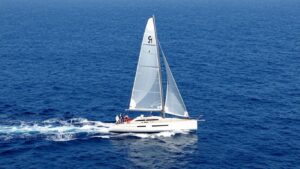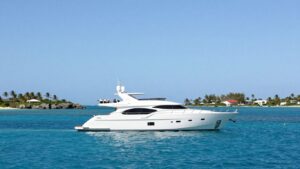
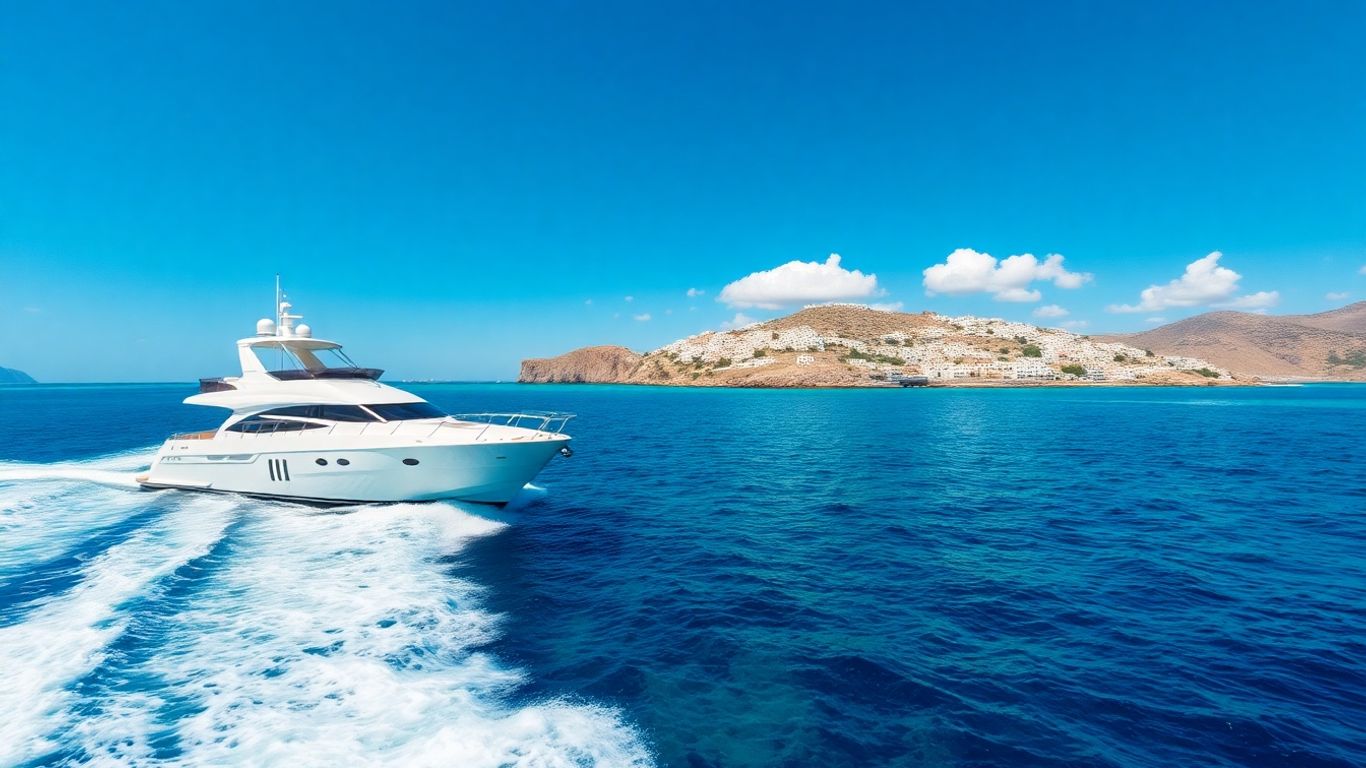
Thinking about a Greek island adventure? Forget crowded hotels and fixed schedules. Imagine waking up to the gentle rocking of a boat, with nothing but blue sea and sunshine ahead. Chartering a boat in Greece offers a unique way to see the islands, letting you set your own pace and discover hidden spots. It might sound fancy or complicated, but it’s more accessible than you think. Let’s dive into what makes charter a boat Greek islands the perfect way to explore this amazing part of the world.
Key Takeaways
- Chartering a boat in Greece lets you explore the stunning archipelago at your own pace, offering a unique and flexible holiday experience.
- Different boat types, like catamarans, crewed motor yachts, and bareboat sailboats, cater to various preferences, from comfort and speed to complete freedom.
- Popular sailing regions include the Cyclades, Ionian Sea, and Dodecanese Islands, each offering distinct charm and sights.
- Planning is key: consider your itinerary, departure port (Athens is a common starting point), and realistic sailing times to maximize your trip.
- When planning, compare charter costs to land-based holidays and be mindful of the best times to visit Greece to avoid strong winds and enjoy pleasant weather.
Why Charter A Boat In The Greek Islands?
Thinking about a Greek island adventure? Forget the usual hotel stays and crowded ferries. Chartering a boat here is like getting your own private slice of paradise, letting you explore at your own speed. It’s the ultimate way to experience the magic of the Aegean and Ionian seas. Imagine waking up to a new, breathtaking view every single morning, with the freedom to drop anchor wherever you please. This isn’t just a vacation; it’s a chance to create your own story among some of the most beautiful islands in the world.
Experience Unparalleled Freedom And Flexibility
This is the big one, right? When you charter a boat, you’re not tied to ferry schedules or the limitations of land-based travel. You decide where to go, when to go, and how long to stay. Want to spend an extra day exploring a quiet cove you stumbled upon? No problem. Feel like heading to a different island than you originally planned? You can do that too. It’s your trip, your rules. This kind of flexibility means you can really tailor the experience to what you and your group want, whether that’s chasing the sunset or finding the most secluded swimming spots.
Discover Secluded Coves And Charming Villages
Greece is famous for its postcard-perfect islands, but many of the most special places are only accessible by sea. Chartering a boat means you can bypass the busy tourist hubs and find those hidden gems. Think tiny, untouched beaches where you’re the only ones there, or small fishing villages that haven’t changed in decades. You can drop anchor in a calm bay for a swim in crystal-clear water, or pull up to a quiet harbor and wander through narrow streets lined with whitewashed houses and vibrant bougainvillea. It’s a much more intimate way to connect with the real Greece.
An Educational And Memorable Family Adventure
Chartering a boat isn’t just for seasoned sailors; it can be an incredible experience for the whole family, kids included. It’s a fantastic opportunity for everyone to learn something new, whether it’s about sailing, local history, or marine life. You can involve everyone in planning the route, choosing anchorages, or even taking turns at the helm (under supervision, of course!). It’s a chance to disconnect from screens and reconnect with each other, sharing unique experiences that will become cherished memories for years to come. Plus, imagine the stories the kids will tell!
The beauty of a charter is its flexibility. While having a general plan is good, be open to spontaneous detours. Sometimes the most incredible discoveries are the ones you didn’t plan for, whether it’s a stunning hidden beach or a charming village you stumbled upon by chance. Embrace the freedom your boat provides.
Planning Your Greek Island Boat Charter
So, you’re dreaming of sailing the Greek islands? That’s fantastic! It’s a trip that really lets you get away from it all. But before you picture yourself sipping ouzo on deck, a little bit of planning is definitely in order. It might sound like a lot, but breaking it down makes it totally manageable. The key is to match your trip to your crew and what you want to get out of it.
Choosing Your Ideal Sailing Region
Greece isn’t just one big island; it’s a whole scattered bunch, and they’re all a bit different. Where you decide to sail will really shape your experience. Think about what you’re looking for:
- The Cyclades: This is probably the most famous group, with islands like Mykonos and Santorini. It’s known for its iconic white-washed villages and lively atmosphere. The sailing here can be a bit more challenging, especially with the Meltemi winds in summer, but the views are incredible.
- The Ionian Sea: Over on the west coast, islands like Corfu and Zakynthos offer greener landscapes and calmer waters. It’s a great choice if you’re looking for a more relaxed pace and beautiful beaches. The sailing is generally easier here.
- The Dodecanese Islands: Closer to Turkey, islands like Rhodes and Kos have a rich history and a mix of Greek and Ottoman influences. The sailing distances between islands can be a bit longer, but you’ll find some truly unique spots.
- The Saronic Gulf: If you’re short on time or want a trip that’s easy to get to from Athens, this is a good bet. Islands like Hydra and Aegina are charming and offer a taste of island life without huge sailing days.
Selecting Your Departure Port
Your starting point matters. It affects how you get there and what sailing routes are most convenient. Most charter companies operate out of major marinas, and Athens is a very popular hub.
- Athens (Alimos Marina or Lavrion): This is the most common starting point, especially for the Cyclades and Saronic Gulf. It’s easy to fly into Athens and get to the marina. Lavrion offers a slightly different starting point that can be good for certain Cycladic routes.
- Corfu: If you’re heading for the Ionian Islands, starting in Corfu makes a lot of sense. It’s a beautiful island itself and a convenient gateway.
- Rhodes or Kos: For the Dodecanese, flying directly to these islands and starting your charter there is often the best option.
When you’re looking at charter companies, check where they are based. Sometimes, repositioning fees can add up if you want to start from a less common port.
Crafting Your Dream Itinerary
This is where the real fun begins! While you want a plan, remember that flexibility is one of the biggest perks of chartering a boat. Don’t overschedule yourself; some of the best moments happen spontaneously.
Here’s a rough idea of what a week might look like, depending on your chosen region:
| Day | Possible Activities |
|---|---|
| 1 | Arrive, check-in, boat briefing, provision, short sail to a nearby bay |
| 2 | Sail to a new island, explore a main town, enjoy dinner at a taverna |
| 3 | Discover a secluded cove for swimming and snorkeling |
| 4 | Visit a historical site or a charming village |
| 5 | Enjoy a longer sail, perhaps to a different island group |
| 6 | Relax, swim, explore a local market, enjoy a final sunset |
| 7 | Sail back to the base port, prepare for check-out |
Remember, the beauty of a charter is its flexibility. While having a general plan is good, be open to spontaneous detours. Sometimes the most incredible discoveries are the ones you didn’t plan for, whether it’s a stunning hidden beach or a charming village you stumbled upon by chance. Embrace the freedom your boat provides.
Discovering Your Dream Greek Charter Boats
So, you’ve decided a Greek island boat charter is the way to go. Awesome! Now comes the fun part: picking the perfect vessel for your adventure. It’s not just about picking the prettiest boat; it’s about matching the boat to your travel style, your group, and what you want to get out of your trip. Think of it like choosing the right shoes for a hike – you wouldn’t wear flip-flops up a mountain, right? The Greek islands have a boat for just about everyone, from those who want to feel the wind in their sails to those who prefer a bit more speed and luxury.
Catamarans: Stability And Space
If you’re traveling with family or a group of friends, a catamaran is often a fantastic choice. These boats have two hulls, which makes them super stable – much less rocking and rolling than you might get on a monohull sailboat. This stability is a big plus, especially if you have folks on board who aren’t seasoned sailors. Plus, they offer a ton of deck space, both up top and inside. You get separate cabins, often with their own bathrooms, which means everyone has a bit of privacy. They’re also generally easier to maneuver in tight spots and can often get into shallower anchorages than larger monohulls. They really are the kings of comfort and space for island hopping.
Crewed Motor Yachts: Speed And Luxury
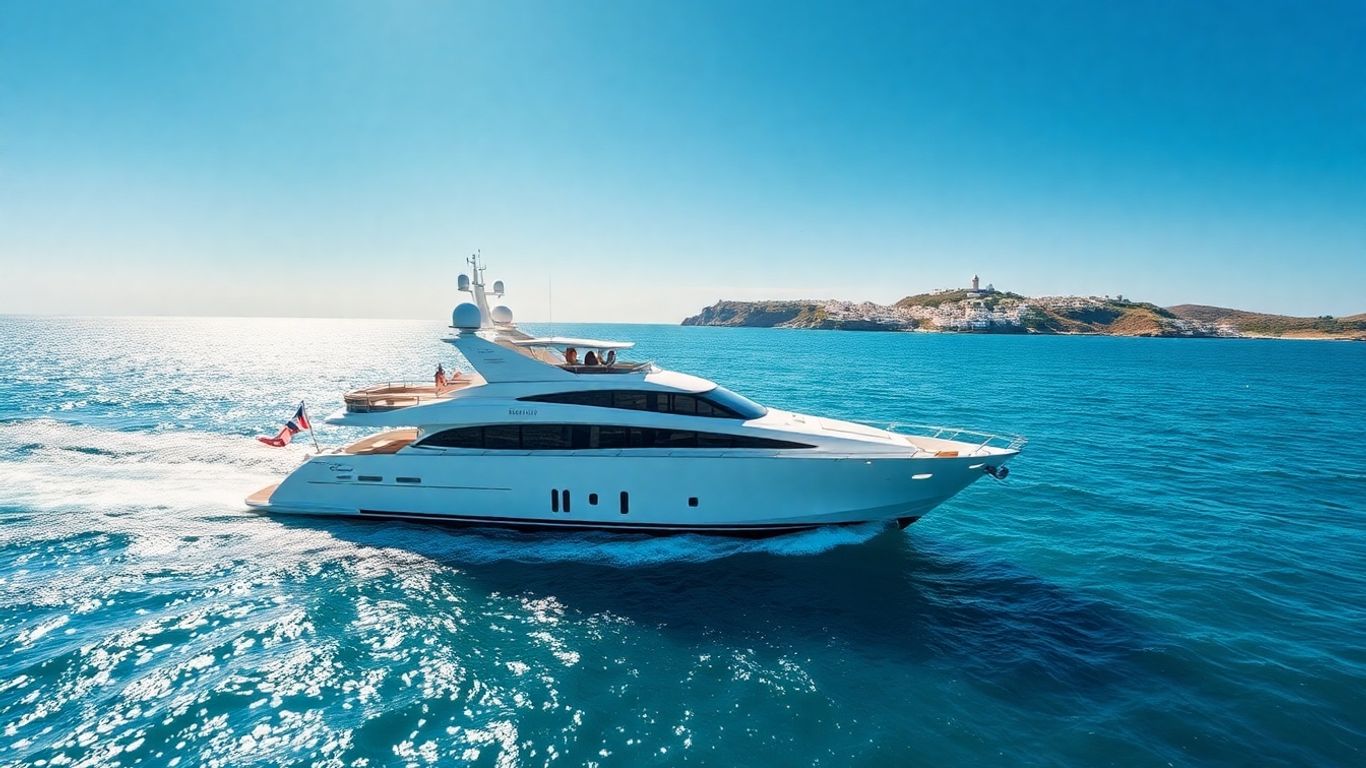
For those who want to cover more ground and enjoy a high level of service, a crewed motor yacht is the way to go. These are the luxury liners of the charter world, minus the crowds. You’ll have a professional captain and crew who handle all the sailing, docking, and maintenance, leaving you free to relax and enjoy the scenery. They’re fast, so you can hop between islands quickly or spend more time exploring a single spot. Expect plush interiors, plenty of room to spread out, and often amenities like water toys, gourmet meals prepared by a chef, and attentive service. It’s the ultimate hassle-free vacation if you’re looking for pampering and efficiency.
Bareboat Sailboats: Ultimate Control
If you’ve got sailing experience and crave the feeling of being completely in charge, a bareboat sailboat might be your ticket. This means you rent the boat, and you (or someone in your group) are the captain. You’ll need the right sailing qualifications and experience, of course. It’s the most hands-on way to explore, giving you total freedom to chart your course and make spontaneous decisions. You’re responsible for everything – navigation, docking, and keeping the boat in good shape. It’s a rewarding experience for confident sailors who want that pure, unadulterated sailing adventure. You’ll feel a real connection to the sea and the elements.
Navigating The Waters And Weather
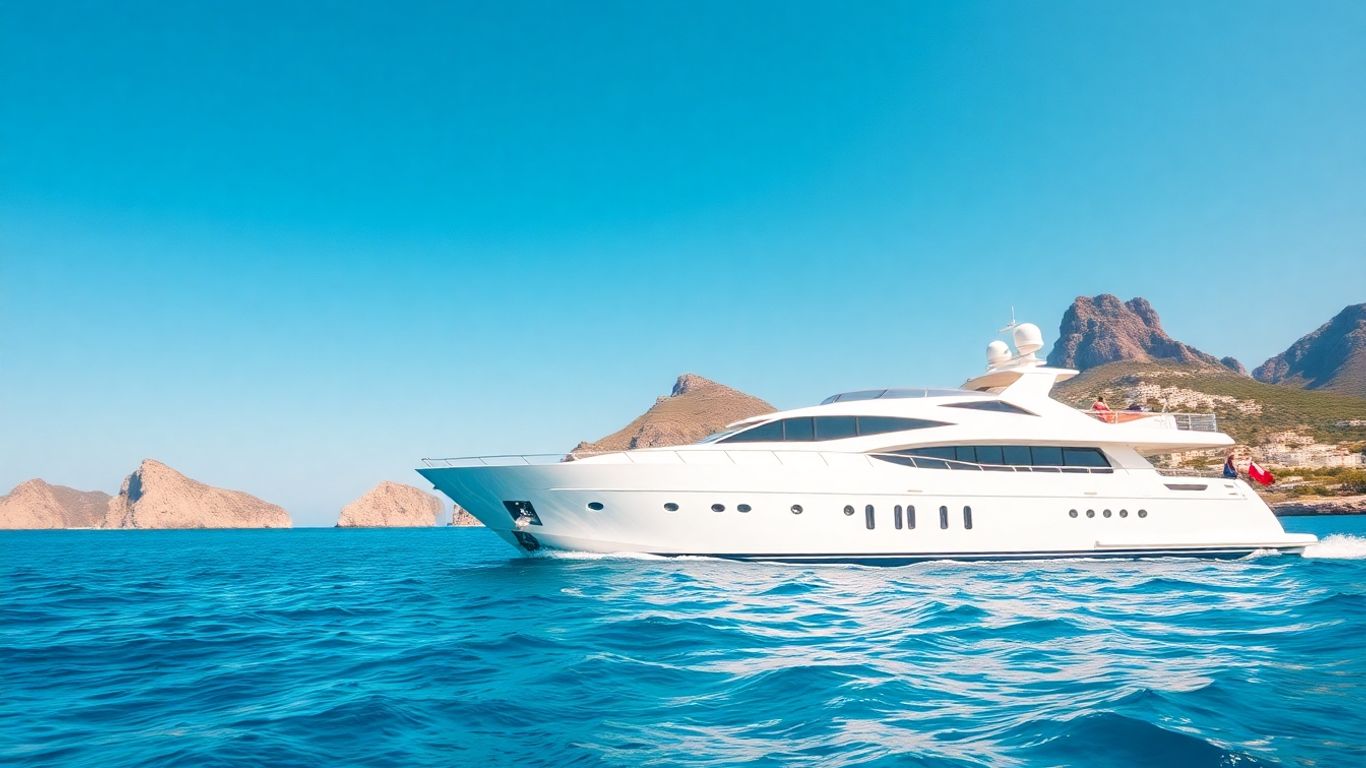
So, you’ve got your boat, your crew, and you’re ready to hit the open water. Awesome! But before you really get going, let’s chat about what you need to know to keep things smooth and safe out there in the Greek islands. It’s not just about having a boat; it’s about understanding the sea and sky.
Understanding Greek Mooring And Anchoring Techniques
Getting around the islands is a big part of the adventure, and knowing how to tie up or drop anchor is key. You’ll find that many Greek harbors are busy, so you’ll often be docking stern-to. This means backing your boat into a spot between two other vessels, using your stern lines to secure yourself. It might sound tricky, but it’s a common way to save space and it’s something you’ll get the hang of with a little practice. When you’re dropping anchor in a quiet cove, make sure you’ve got enough chain out for the depth of the water and give your neighbors plenty of room. You really don’t want to end up drifting into someone else’s spot!
Essential Navigation Tools: Charts And GPS
These days, GPS makes getting from point A to point B pretty straightforward. But don’t toss your paper charts just yet! They show you things like water depths and potential underwater hazards that your GPS might not highlight. It’s always a good idea to cross-reference what your GPS is telling you with what you see on the chart. Think of it as having a backup and a more detailed view all at once.
Navigating The Meltemi Winds And Other Weather Patterns
The Aegean is famous for its winds, and the Meltemi is the one you’ll hear about the most. This strong, dry northerly wind usually blows from June through August, and it can really pick up speed. It’s what makes sailing here so exciting, but you’ve got to respect it. Knowing how to read the signs and adjust your sails – or even your plans – is important. Sometimes, it means finding a sheltered bay to wait it out, and other times, it means you’ll have an exhilarating sail.
Here are a few tips for keeping an eye on the weather:
- Watch the sky: Darkening skies or certain cloud formations can signal a change is coming.
- Check the forecast: Always get the latest weather report before you leave port.
- Listen to experienced sailors: Locals and charter companies often have the best on-the-ground intel.
The Meltemi can be a powerful force, but with preparation and a bit of caution, it can also be your best friend for a fast and thrilling sail across the blue. It’s all about being prepared and knowing when to push it and when to play it safe.
Embarking On Your Greek Charter Journey
The Check-In Process And Boat Briefing
So, you’ve picked your boat and maybe even your sailing region. Now it’s time for the practical stuff. It’s not as complicated as it might seem, and with a bit of preparation, you’ll be out on the water before you know it. Many charter companies, especially those operating out of popular spots like Athens, will have a structured check-in process. This usually starts with paperwork – making sure all your documents are in order and signing the charter agreement. Don’t forget to review the insurance details; it’s good to know exactly what coverage is provided for your trip.
After the paperwork, you’ll get a thorough briefing on your specific vessel. This isn’t just a quick walkthrough; it’s your chance to really get to know the boat. They’ll show you how everything works, from the engine and navigation equipment to the galley and heads. Pay close attention during this briefing, as it’s vital for your safety and enjoyment. Ask questions! No question is too small when you’re about to take charge of a boat in a new environment.
Provisioning For Your Voyage
Once you’ve got the keys to your floating home, it’s time to stock up. Provisioning is all about getting the food, drinks, and supplies you’ll need for your time at sea. Think about your itinerary and how many meals you plan to eat on board. It’s a good idea to have a mix of easy-to-prepare meals and ingredients for more elaborate dinners if you enjoy cooking. Don’t forget essentials like sunscreen, toiletries, and any personal medications.
Here’s a quick look at what to consider:
- Food Staples: Pasta, rice, canned goods, bread, fruits, vegetables.
- Drinks: Water (plenty of it!), juices, soft drinks, and any alcoholic beverages.
- Snacks: Nuts, crackers, chips, and fruit for in-between meals.
- Non-Food Items: Toilet paper, paper towels, trash bags, cleaning supplies, and first-aid kit.
Many charter companies can help arrange pre-ordered provisions, which can be a real time-saver. You can often find local markets or supermarkets near the marina for last-minute items.
Setting Sail: Your First Day On The Water
With the boat checked out and provisions loaded, the moment you’ve been waiting for arrives: setting sail! Your first day is often about getting comfortable with the boat’s handling and perhaps exploring the immediate vicinity of your departure port. It’s wise to start with a shorter sail, maybe to a nearby island or a sheltered bay, rather than attempting a long passage right away. This allows you to get a feel for the boat’s performance in real conditions and practice any maneuvers you learned during the briefing.
Remember, the beauty of a charter is its flexibility. While having a general plan is good, be open to spontaneous detours. Sometimes the most incredible discoveries are the ones you didn’t plan for, whether it’s a stunning hidden beach or a charming village you stumbled upon by chance. Embrace the freedom your boat provides.
Your first day is also a great time to simply relax and soak in the experience. Find a quiet spot to anchor, enjoy a swim, and watch the sunset from the deck with a cold drink. This is what chartering is all about – escaping the everyday and enjoying the freedom of the sea. You might even discover some amazing local spots, like a hidden taverna only reachable by boat.
Troubleshooting And Support On The Water
Even with the best planning, sometimes things don’t go exactly as planned when you’re out on the water. It’s part of the adventure, really. Most charter companies will give you a good rundown of how everything works before you leave the dock, but it’s smart to have a little backup knowledge in your head. Knowing what to do when a minor issue pops up can save your trip from turning into a major headache.
Common Engine And Electrical Issues
Little hiccups with the engine or the boat’s power are probably the most frequent things you might encounter. Don’t panic if the engine sounds a bit rough or if a light flickers out. Often, it’s something simple.
- Engine: First things first, check your fuel levels. It sounds obvious, but it’s easy to forget when you’re enjoying yourself. If the fuel is fine, take a peek at the fuel filters – they can get clogged. Also, make sure all the connections are snug.
- Electrical: Tripped circuit breakers are super common. Just locate your breaker panel (it’s usually near the navigation station or helm) and see if any switches are flipped. Resetting them is usually all it takes. Also, give the battery connections a quick check to make sure they’re clean and tight.
Addressing Sail Tears And Minor Repairs
Sails are pretty tough, but they can snag or tear, especially if you’re sailing in breezy conditions or near rougher areas. Small rips are usually manageable.
- Sail Tape: Keep a roll of good quality sail repair tape on board. For small tears, you can often patch them up temporarily with this tape. Just make sure the sail is dry before you apply it.
- Reefing: If a sail starts to rip significantly, your first move should be to reduce the amount of sail you’re using. This is called reefing. It lessens the strain on the damaged area.
- Motor Power: If a tear is too big to fix on the spot or is affecting your ability to sail safely, don’t hesitate to motor back to the nearest port. Safety always comes first.
Knowing Who To Call For Assistance
Even if you’re a seasoned sailor, it’s good to know your support system. Your charter company is your main point of contact when you’re out on the water.
- Charter Company Contact: You’ll be given a phone number for your charter base or a 24/7 support line. Keep this number handy – in your phone and written down somewhere visible on the boat.
- Emergency Services: For any serious medical emergencies or if you’re in immediate danger, know the local emergency numbers. These are usually listed in the boat’s documentation.
- Local Knowledge: Don’t be afraid to ask for help from other boaters or people at a local marina if you’re in a bind. Many sailors are happy to lend a hand or offer advice.
When you’re out exploring the Greek Islands, remember that most issues are solvable. A calm approach and a bit of preparation go a long way. Think of it as part of the learning curve of sailing. The charter company is there to help, so don’t hesitate to reach out if you’re unsure about anything. They’d rather hear from you with a small question than have a big problem develop.
Here’s a quick look at what to check:
| Issue Type | First Steps |
|---|---|
| Engine Problems | Check fuel level, inspect filters |
| Electrical Glitch | Locate and reset tripped breakers |
| Sail Damage | Assess tear size, consider sail tape |
| General Concern | Consult boat manual, call charter company |
Your Greek Island Adventure Awaits
So, chartering a boat in Greece really opens up a whole new way to see these amazing islands. Forget the usual tourist spots; imagine finding your own quiet beach or stumbling upon a tiny village only reachable by sea. Whether you’re a seasoned sailor or this is your first time thinking about it, there’s a boat and an itinerary out there for you. It’s more accessible than you might think, and honestly, the freedom to just go where the wind takes you is pretty special. Start planning, and get ready for a trip you won’t forget.
Frequently Asked Questions
Why is chartering a boat in Greece a great idea?
Chartering a boat in Greece lets you explore the islands at your own pace, much like having your own floating home. You can discover hidden beaches and charming villages that you can’t reach by car or bus. It’s a unique and flexible way to experience the beauty of the Greek islands, offering more freedom than a typical hotel stay.
What kinds of boats can I rent?
You have a few main choices! Catamarans are super stable and offer lots of space, making them great for families or groups who want comfort. If you’re looking for speed and luxury, a crewed motor yacht with a captain and staff is a fantastic option. For those who love to be in control and have sailing experience, a bareboat sailboat lets you steer your own adventure.
Do I need to be an expert sailor to charter a boat?
Not at all! While experienced sailors can choose to rent a boat without a captain (called a bareboat charter), you can also hire a boat with a captain and crew. They’ll handle all the sailing, navigation, and docking, so you can just relax and enjoy the stunning views and the journey.
What are the best places in Greece to go boating?
Popular areas include the Cyclades, famous for their iconic white-washed islands like Mykonos and Santorini. The Ionian Islands, with their lush green scenery, are another beautiful choice. The Saronic Gulf, close to Athens, is great for shorter trips or if you’re new to sailing because the waters are often calmer.
What should I know about the weather in Greece?
The Greek islands can experience strong winds, especially in the summer, called the ‘Meltemi’. These winds can make sailing exciting but also challenging. It’s wise to be flexible with your plans and have backup ideas. Some areas, like the Ionian Sea, tend to be a bit calmer and more predictable.
How much planning is needed for a boat charter trip?
While it’s good to have a general plan, the beauty of a charter is its flexibility! You’ll want to decide on your sailing area, departure port, and a rough idea of islands you’d like to visit. But don’t over-schedule. Some of the best moments happen spontaneously, like finding a quiet bay for a swim or enjoying a sunset. Being open to changes is part of the fun!