So, you’re thinking about sailing in the Mediterranean Sea? It’s a pretty amazing idea, honestly. Imagine waking up to a new view every single day, with the sun on your face and the gentle rocking of the boat. It’s not just about the sailing itself, though. It’s about hopping from one incredible place to another, tasting different foods, seeing old buildings, and just generally soaking it all in. Whether you’re after a chill vibe or a bit more adventure, this sea has something for everyone. Let’s get into what makes sailing here so special.
Key Takeaways
- The Mediterranean offers a huge variety of sailing spots, from the coasts of Spain and Italy to the famous Greek islands and Turkey’s beautiful shores.
- When planning your trip, think about which areas you want to see most – like the busy French Riviera or the more relaxed Croatian islands.
- Consider the best time to go; while summer is popular, spring and fall offer great weather with fewer crowds for your Mediterranean sailing adventure.
- Decide if you want to sail yourself or hire a skipper; a skipper can show you hidden spots and take the stress out of handling the boat.
- Packing smart is important – bring comfortable clothes and shoes, as you’ll be doing a lot of exploring on land and enjoying the sea.
Exploring Iconic Mediterranean Sailing Destinations
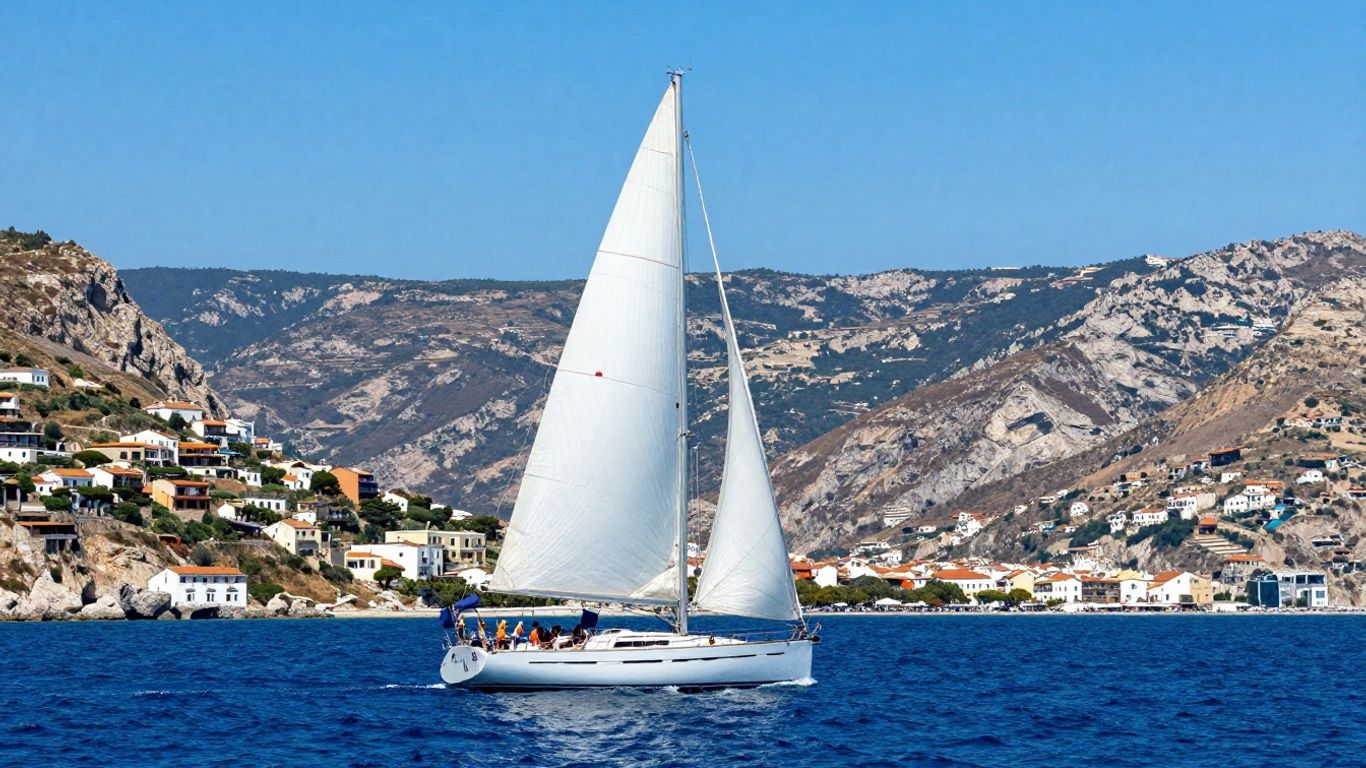
The Mediterranean Sea is a sailor’s dream, a vast expanse dotted with islands and coastlines steeped in history and natural beauty. It’s a place where you can glide from one culture to another, each stop offering a unique flavor and unforgettable sights. If you’re charting a course for this legendary sea, certain spots just can’t be missed.
The Spanish Coastline: Barcelona and Menorca
Starting your journey on the Spanish coast offers a fantastic blend of vibrant city life and serene natural harbors. Barcelona, with its stunning architecture, especially Gaudí’s whimsical creations like Park Güell, is a lively port city. Imagine dropping anchor and then wandering through the Gothic Quarter or indulging in tapas at La Boqueria Market. It’s a place that buzzes with energy.
Then, a short sail away, you’ll find Menorca. This island is a world apart from Barcelona’s hustle. Think crystal-clear waters, secluded coves like Cala Macarella, and a pace of life that encourages you to just slow down. It’s perfect for swimming, snorkeling, or simply soaking up the sun on a quiet beach. The contrast between these two Spanish gems is part of what makes sailing here so appealing.
Italian Riviera Charm: Portofino and Isola Asinara
Italy’s coastline is legendary, and the Riviera is no exception. Portofino, a picturesque fishing village, has long been a magnet for those seeking glamour and beauty. Its colorful buildings cascade down to a harbor filled with yachts, creating a scene straight out of a movie. While it can be busy, the sheer charm is undeniable.
For a more rugged and wild experience, head towards Sardinia and the waters around Isola Asinara. This protected marine area offers incredible natural beauty and a chance to see a different side of Italian sailing. It’s a place where you can truly feel immersed in nature, away from the crowds.
French Riviera Glamour
Ah, the French Riviera. It conjures images of glitz, glamour, and stunning coastlines. Places like Cannes and Saint-Tropez are famous for their celebrity sightings, high-end boutiques, and beautiful beaches. Sailing along this stretch means experiencing a sophisticated atmosphere, with chic marinas and world-class dining options. It’s a place to see and be seen, but also to enjoy the beautiful Mediterranean climate and scenery.
Turkey's Turquoise Coast Adventure
Turkey’s Turquoise Coast is aptly named. The water here is an unbelievable shade of blue, set against a backdrop of pine-covered mountains and ancient ruins. This coastline, stretching from Marmaris to Antalya, is a paradise for sailors. You’ll find countless bays, many with restaurants that offer mooring for boats, making stops easy and enjoyable. It’s a region rich in history, with Lycian tombs and Roman theaters waiting to be explored just a short dinghy ride from your anchorage. The blend of natural beauty and historical sites makes this a truly special sailing ground. For a diverse range of sailing experiences, consider exploring destinations from Israel to Spain.
The Mediterranean offers a tapestry of experiences, from the bustling energy of Spanish cities to the quiet coves of Menorca, the chic harbors of the French Riviera, and the ancient wonders of Turkey. Each region presents a distinct character, inviting sailors to explore a rich mosaic of cultures, landscapes, and histories.
Navigating the Greek Isles by Sailboat
Santorini's Breathtaking Vistas
Sailing into Santorini is something else. Seriously, the first time you see those white buildings stacked up on the cliffs, with the deep blue Aegean Sea below, it’s a sight you won’t forget. It’s part of the Cyclades group, and it’s famous for a reason. The caldera views are just unreal, especially at sunset. You can anchor in the bay and take a tender ashore, or if you’re lucky, snag a spot in the marina. Just be ready for the crowds, especially in peak season. It’s a popular spot, and for good reason.
Kalymnos: An Adventurer's Haven
If you’re looking for something a bit different, Kalymnos is your spot. It’s known as the island of sponge divers, so there’s a real history there. But for sailors, it’s also become a big deal for rock climbing. The cliffs are amazing. It’s not as polished as some of the other islands, which is part of its charm. You get a more authentic feel, and the sailing around it is pretty great too. It’s a good place to get away from the usual tourist trail.
The Cyclades vs. The Ionian Islands
When you’re planning your trip, you’ll probably hear a lot about the Cyclades and the Ionian Islands. They’re quite different, and knowing the difference can help you pick the right route. The Cyclades, like Santorini and Mykonos, tend to have more reliable winds, which can be good for sailing but also means it can get pretty breezy. They’re known for their stark, beautiful landscapes. The Ionian Islands, on the other hand, are generally greener and have calmer waters, making them a bit more relaxed and family-friendly. Think Kefalonia and Corfu. It’s a bit of a trade-off between wind and scenery.
Here’s a quick rundown:
- Cyclades:
- More wind, can be choppier.
- Famous for iconic white villages and blue domes.
- Generally drier, more rugged landscapes.
- Popular islands include Santorini, Mykonos, Naxos.
- Ionian Islands:
- Calmer seas, often lighter winds.
- Lush green scenery, more vegetation.
- Often considered more family-friendly.
- Popular islands include Corfu, Kefalonia, Zakynthos, Lefkas.
Deciding between the two often comes down to what kind of sailing experience you’re after. Do you want a bit more of a challenge with the wind, or a more relaxed cruise through greener islands? Both offer incredible beauty and unique experiences, so it really depends on your priorities for the trip. You can find some great itineraries for the Ionian Islands if that’s where your interest lies.
No matter which group you choose, sailing the Greek Isles is an experience that sticks with you. It’s a chance to see some of the most beautiful places in the world from a totally different perspective. For more insights into sailing these waters, check out this guide to the Greek Islands.
Planning Your Mediterranean Sailing Voyage
So, you’re thinking about a sailing trip in the Med? Awesome! It’s a fantastic idea, but like any good adventure, a little planning goes a long way. You don’t want to end up adrift without a clue, right? Let’s break down how to get your trip sorted.
Choosing the Right Flotilla Route
Picking your route is half the fun, honestly. You’ve got so many options, from hopping between the Greek islands to cruising down the Croatian coast. Think about what you want from your trip. Are you after quiet coves and relaxation, or do you want to hit up the popular spots with plenty of buzz? Some people love the idea of a flotilla, where you sail with a group. It’s a great way to meet people and have a support crew if you need it. There are some really well-thought-out flotilla routes that cover a lot of ground, hitting up places like Croatia, Italy, and Greece. It’s worth looking at what kind of sailing conditions each route offers, too – some are more sheltered, while others might give you a bit more of a challenge.
Timing Your Mediterranean Sailing Trip
When you go makes a big difference. The Mediterranean has a pretty long sailing season, generally from April to October. The shoulder months, like April, May, September, and October, are often a sweet spot. The weather is usually lovely, it’s less crowded than the peak summer months of July and August, and prices can be a bit kinder. Summer is fantastic for guaranteed sunshine and warm water, but be prepared for more boats and higher prices. If you’re looking for calmer seas and fewer people, spring and fall are your best bet.
Sailing with a Skipper: Benefits and Options
Now, about the skipper. If you’re not super experienced with sailing, or maybe you just want to kick back and let someone else handle the helm, hiring a skipper is a brilliant idea. They know the waters like the back of their hand, can take you to those hidden spots you’d never find on your own, and handle all the tricky bits of sailing. It’s also a fantastic way to learn if you’re keen to get more hands-on. You can even take sailing courses while you’re out there. For those who want to relax completely, a skipper means you can just soak in the views and enjoy the ride. It really takes the stress out of the equation, letting you focus on the fun parts of exploring places like the Saronic Gulf.
Planning ahead means you can really tailor the trip to what you want. Think about how much sailing you want to do each day, how long you want to stay in each place, and what kind of vibe you’re going for. A bit of research now will make your time on the water so much more enjoyable.
Essential Tips for Mediterranean Sailing
Packing for Comfort and Convenience
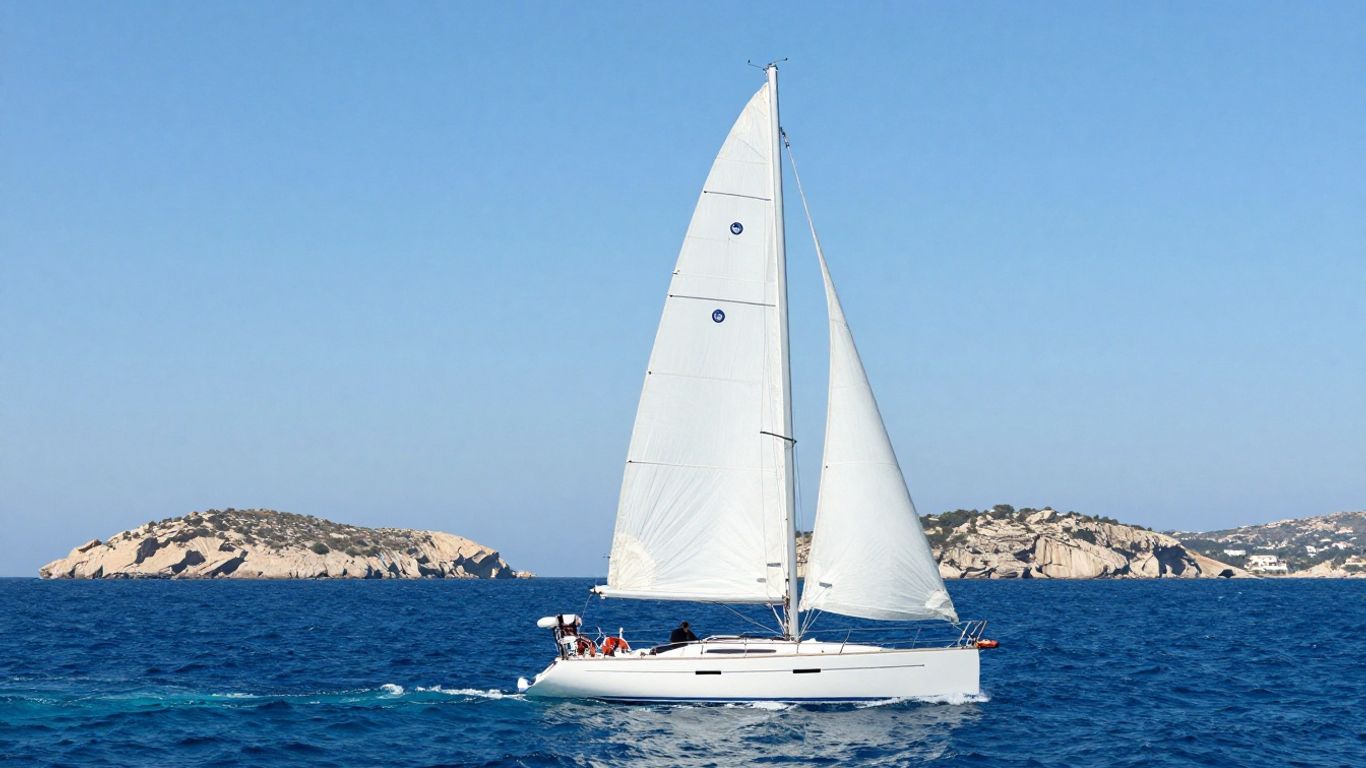
When you’re getting ready for a sailing trip in the Med, think practical. You don’t need a whole suitcase of fancy outfits. Most of your time will be spent on the boat, so comfortable, quick-drying clothes are your best bet. Think t-shirts, shorts, a light jacket for cooler evenings, and definitely a swimsuit or two. Don’t forget a hat and sunglasses – that sun can be intense out on the water. A good pair of non-slip shoes is also a must; you want to be able to move around the deck safely. And for those shore excursions? Pack a small backpack for essentials like water, sunscreen, and your camera. Keeping your luggage light and organized makes a huge difference.
Understanding Port Logistics
Docking in a new port can be a bit of a puzzle sometimes. Each marina has its own way of doing things, from how you tie up to where you can get water and electricity. It’s always a good idea to have some small bills in the local currency handy for fees or small purchases. If you’re arriving late, check if the port office will still be open or if there’s an after-hours contact. Some ports are quite busy, so arriving a bit earlier in the day can save you the stress of searching for a spot. Remember, a tidy ship is key for safety and smooth sailing; make sure heavier items are stowed low down to prevent them from shifting unexpectedly. Planning your Mediterranean sailing trip involves understanding these little details.
Making the Most of Shore Excursions
Shore excursions are where you really get to experience the local culture. Whether you’re exploring ancient ruins, wandering through charming villages, or sampling local food, it’s all part of the adventure. Don’t try to cram too much into one day. It’s better to pick one or two things you really want to see and enjoy them at a relaxed pace. If you’re planning a longer excursion, especially one that takes you far from the boat, consider booking through the charter company. They can often guarantee you’ll get back on time. And always, always wear comfortable shoes – you’ll be doing a lot of walking!
The Mediterranean is a vast playground, and while it’s tempting to see everything, remember that the journey itself is a huge part of the experience. Sometimes the best moments happen unexpectedly, while you’re just drifting along or enjoying a quiet evening at anchor.
Croatia's Adriatic Sailing Playground
Croatia’s coastline is a dream for anyone who loves to sail. With over a thousand islands scattered across the Adriatic Sea, it’s a place where you can really get lost, in the best way possible. Think crystal-clear waters, hidden coves, and ancient towns just waiting to be discovered. It’s a bit different from the more crowded spots, offering a more relaxed vibe.
The Dalmatian Coast's Allure
The Dalmatian Coast is probably what most people picture when they think of sailing in Croatia. It’s famous for its stunning natural beauty and rich history. You’ve got everything from the historic city walls of Dubrovnik to the beautiful islands like Hvar and Brač. The sailing here is generally pretty straightforward, with plenty of sheltered bays to drop anchor. It’s a great spot for both beginners and experienced sailors. You can spend your days hopping between islands, swimming in secluded bays, and enjoying fresh seafood at waterfront restaurants. For a taste of what a week here might look like, check out this Adriatic itinerary.
Here are a few highlights you won’t want to miss:
- Dubrovnik: Explore the famous city walls and soak in the history.
- Hvar: Known for its vibrant nightlife and beautiful lavender fields.
- Brač: Home to Zlatni Rat, one of the most famous beaches in Croatia.
- Korčula: Often called ‘Little Dubrovnik’, it’s a charming medieval town.
Exploring Krka National Park
While the coast is amazing, you absolutely have to make time for Krka National Park. It’s a bit inland, but totally worth the trip. Imagine waterfalls cascading into emerald pools – it’s seriously picturesque. You can take a boat trip up the Krka River to get there, which is a pretty cool experience in itself. Once you’re in the park, there are boardwalks that let you get up close to the falls. It’s a refreshing change of pace from being out on the open sea, and a chance to see a different side of Croatia’s natural beauty. It’s a popular spot, so try to go earlier in the day if you can.
Planning your route is half the fun. You’ll want to balance hitting the famous spots with finding those quiet, unexpected gems. Consider who you’re sailing with; families might prefer shorter sails and calmer waters, while others might want more adventure. Tailoring your trip to your group makes all the difference.
When you’re planning your trip, remember that the best route often depends on who you’re sailing with. For instance, families might prefer shorter daily sails and more tranquil anchorages, making the choice of islands and itinerary quite personal.
Ready to Set Sail?
So, there you have it. Sailing the Mediterranean is more than just a trip; it’s a whole vibe. From the ancient ruins whispering stories to the sun-drenched beaches calling your name, this sea has a way of getting under your skin. Whether you’re charting a course through the Greek islands, exploring the Italian coast, or discovering hidden coves in Croatia, each day brings something new. It’s about the freedom of the open water, the taste of salt on your lips, and the unforgettable memories you’ll make. Don’t just dream about it – start planning your own Mediterranean adventure. You won’t regret it.
Frequently Asked Questions
What's the best time of year to go sailing in the Mediterranean?
The sailing season in the Mediterranean is pretty long, usually from April to October. The busiest months are July and August when it’s hottest. If you want good weather but fewer crowds, think about May, June, September, or October. The water is still warm enough for swimming then!
Do I need a sailing license to rent a boat?
It depends on where you’re going and the type of boat. For some places, you might need a sailing license or proof of experience. But don’t worry! You can always hire a skipper who knows the waters well, or you can take a sailing course to get qualified.
What are some must-see sailing spots in the Mediterranean?
Oh, there are so many! You’ve got the stunning Greek Islands like Santorini and Crete, the glamorous French Riviera, the historic Turkish coast with its clear blue waters, and the beautiful islands of Croatia. Spain and Italy also offer amazing coastlines with charming towns and hidden coves.
What's a 'flotilla' and is it good for beginners?
A flotilla is like sailing with a group of other boats, led by an experienced crew. They help you plan your route each day, give you weather updates, and even help you dock. It’s a fantastic way for beginners to learn and feel safe while exploring.
What should I pack for a Mediterranean sailing trip?
Pack light, breathable clothing, a swimsuit, sunscreen, a hat, and sunglasses. Don’t forget comfortable, non-slip shoes for the boat. A light jacket or sweater is good for cooler evenings. And definitely bring a camera to capture all the amazing views!
How much does it cost to sail in the Mediterranean?
The cost can vary a lot! It depends on the size of the boat you rent, whether you hire a skipper, where you go, and for how long. You also need to budget for food, mooring fees, and any activities or meals ashore. It’s best to research specific routes and boat types for a clearer idea.